As a North American fashion brand, you know that summer is about more than just clothes. It's about a lifestyle—picnics, beach days, outdoor concerts, and poolside relaxation. Your customers are looking for accessories that complete this sunny, mobile aesthetic. That's where stylish, functional drinkware comes in. But how do you source lightweight cups that align with your brand's fashion-forward image, meet quality and safety standards, and can be delivered efficiently to your market? The wrong choice can lead to bulky, unappealing products, high shipping costs, and disappointed customers.
To successfully source lightweight cups, you must partner with a manufacturer that specializes in fashion-oriented drinkware, offering a blend of aesthetic design, material innovation, and practical functionality. The ideal supplier understands that a cup is not just a utility item but a fashion accessory. They should provide options in trendy materials like double-walled acrylic, food-grade stainless steel, or durable Tritan plastic, with features like chic prints, elegant matte finishes, leak-proof lids, and eco-friendly credentials. Crucially, they must have expertise in navigating US FDA regulations for food contact products and optimizing logistics for cost-effective shipping of lightweight but potentially bulky items.
This sourcing journey requires a specific focus that differs from apparel. It's about finding the intersection of design, durability, and delightful user experience. You need a partner who can help you select the right material that feels premium yet is virtually unbreakable, design prints that tell your brand's story, and engineer a product that fits in a car cup holder but stands out on a picnic blanket. Let's dive into the key considerations to ensure your branded drinkware becomes a must-have accessory for your customers' summer adventures.
What are the Best Lightweight Materials for Fashion Drinkware?
When you think of a fashion-branded cup, weight is a primary factor. A heavy, cumbersome cup contradicts the effortless, on-the-go summer vibe. Your customers want something that feels substantial enough to be quality but light enough to carry anywhere. The material choice directly impacts this feel, as well as durability, insulation, and printing capabilities. The wrong material can feel cheap, crack easily, or fail to keep drinks cold.
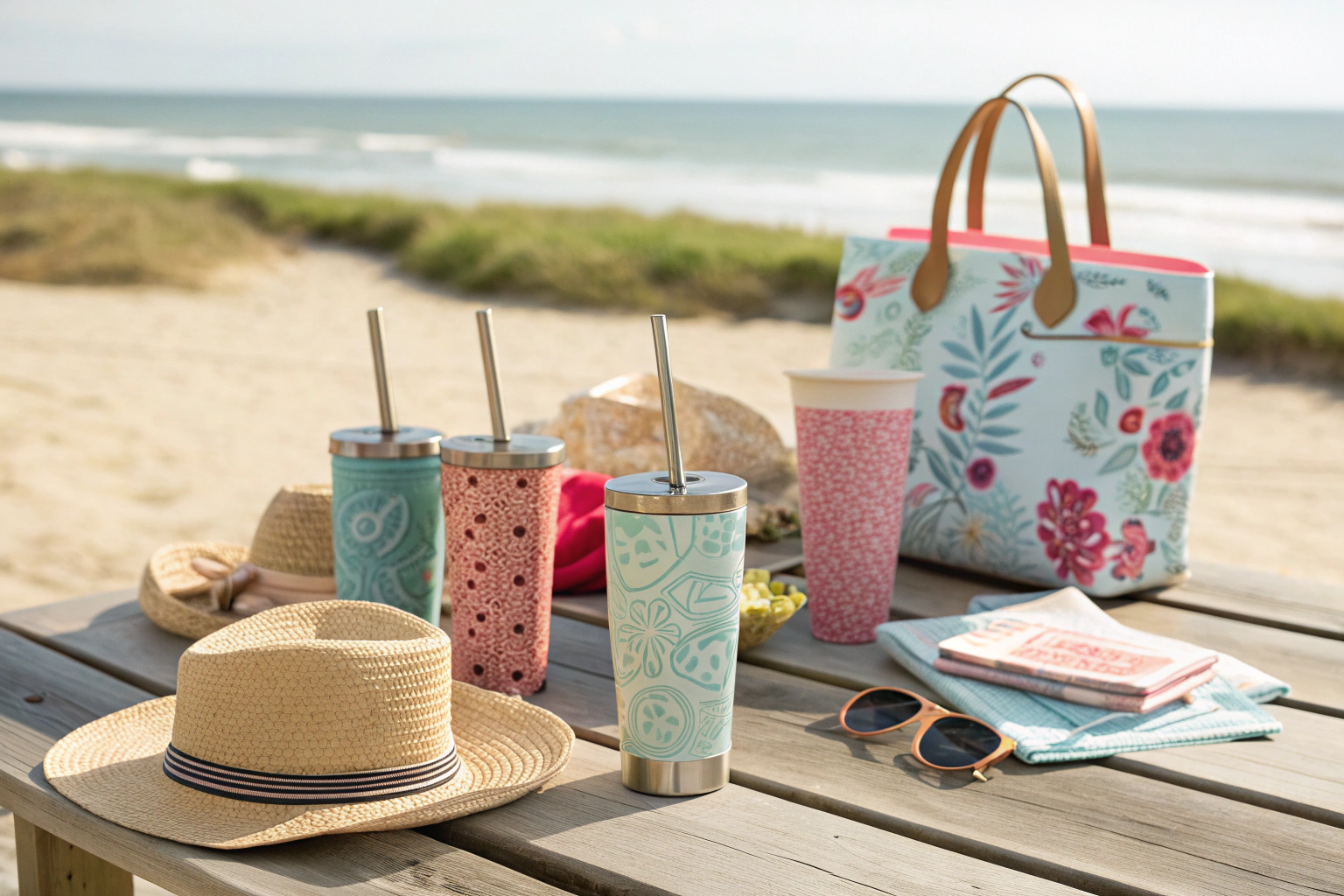
The best materials for fashion-forward, lightweight drinkware are double-walled acrylic, Tritan copolyester, and food-grade 304 stainless steel. Each offers a unique blend of benefits. Acrylic tumblers are incredibly lightweight and crystal-clear, offering a perfect canvas for vibrant, full-wrap prints and a glossy, high-end look. They are great for cold drinks. Tritan is a premium BPA-free plastic known for exceptional clarity, durability, and resistance to odors and stains. It's often used for dishwasher-safe, reusable water bottles and cups. For premium insulation, vacuum-insulated stainless steel cups are the standard, but advances in double-wall technology now offer lighter-weight versions that still keep drinks cold for hours, perfect for branding with powder-coated or printed exteriors.
Selecting the right material isn't just about the product spec sheet; it's about aligning with your brand identity and customer use-case. A yoga apparel brand might choose a serene, matte-finished Tritan bottle, while a vibrant festival-themed brand might opt for a brightly printed acrylic tumbler. It's crucial to discuss with your manufacturer the haptic feel, printing techniques (like UV printing or sublimation for full coverage), and material sourcing for consistency. Furthermore, the material must comply with FDA food contact regulations. A reliable supplier will provide material safety data sheets (MSDS) and confirm that all plastics and coatings are BPA-free and meet relevant safety standards for their intended use.
Why is double-walled acrylic a top choice for summer?
Double-walled acrylic has become a superstar in the fashion drinkware space, especially for summer. Its number one advantage is lightweight construction paired with excellent visual appeal. The double-wall design creates an air gap that provides some insulation against condensation, keeping the exterior dry and comfortable to hold—a key feature for iced summer beverages. Most importantly, its smooth surface is ideal for high-quality, full-color sublimation printing. This allows your brand's intricate patterns, gradients, or photorealistic designs to wrap seamlessly around the entire cup, creating a true fashion statement. Compared to single-wall plastic, it feels more premium and substantial without the weight of stainless steel. For brands looking to create visually stunning, Instagram-worthy cups that are easy to carry, acrylic is a versatile and cost-effective champion. Partnering with a manufacturer like Shanghai Fumao Clothing, which has a strong design team for creating eye-catching print patterns, can maximize this material's potential.
How do vacuum-insulated cups balance weight and function?
While traditionally heavier, modern vacuum-insulated cups have evolved to offer a better weight-to-performance ratio, appealing to fashion brands that prioritize function. The core technology—a vacuum-sealed layer between two walls of stainless steel—is unmatched for keeping drinks cold all day (or hot in winter, extending the product's seasonal use). The innovation for fashion lies in the exterior. Manufacturers now use lighter-gauge steel and offer a variety of exterior finishes like matte powder coat, which is perfect for silkscreen printing brand logos, or sleek brushed metal for a minimalist look. Some even combine a stainless interior with a lightweight plastic outer shell. When sourcing, discuss the exact weight specifications and insulation performance (e.g., "holds ice for 24 hours") with your supplier. For the activewear or outdoor-focused segment of your audience, a slightly heavier but highly functional insulated cup can be perceived as a premium, durable investment, enhancing brand loyalty through superior utility.
How to Design Cups that Complement a Fashion Brand Identity?
Your cup is a mobile billboard for your brand. Its design must do more than hold liquid; it must communicate your brand's essence, resonate with your target customer, and look cohesive alongside your clothing and other accessories. A generic, slapped-on logo won't cut it in the competitive fashion landscape. The design process for drinkware requires thinking in three dimensions about color, texture, and form.
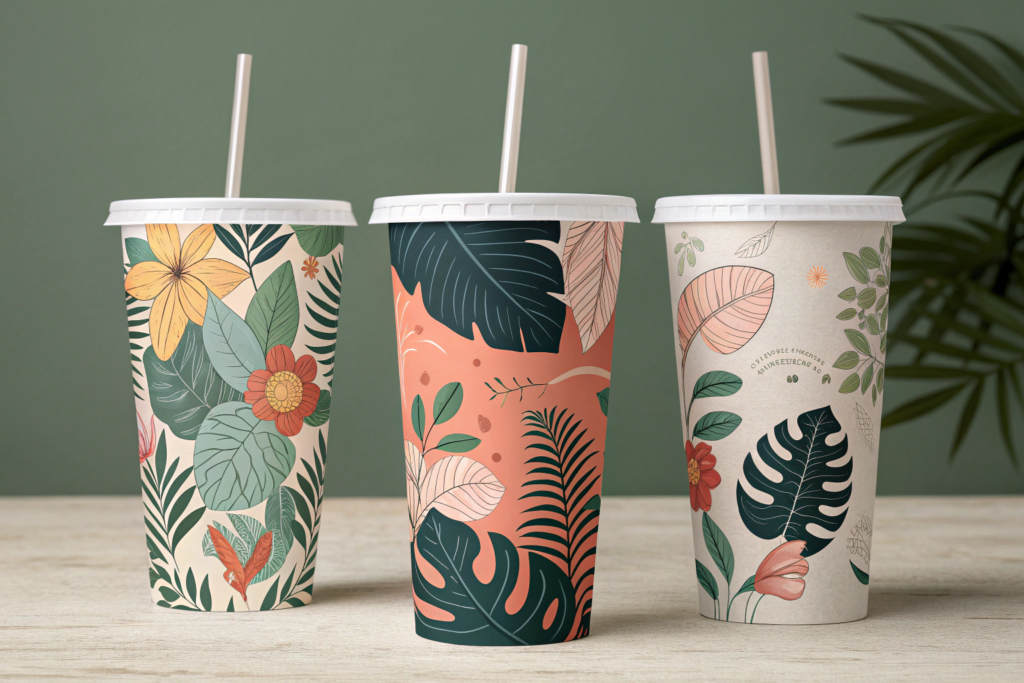
To design cups that complement your fashion brand, start by integrating them into your seasonal creative direction. The cup's color palette should be drawn from your apparel collection. Its patterns or graphics should tell the same story—whether that's tropical florals, abstract art deco lines, or minimalist typography. Work with your manufacturer's in-house design team to translate 2D fabric patterns into 3D cylindrical formats, ensuring the print repeats seamlessly. Consider the complete unboxing experience: the cup's presentation, any accompanying accessories like reusable straws or cleaning brushes, and the packaging itself should all feel on-brand. This holistic approach transforms a simple cup into a desirable lifestyle accessory.
Functionality is a key part of the design. The lid style (flat, straw lid, flip lid), the grip comfort, and even the sound of the seal contribute to the user experience. A fashion brand might prioritize a sleek, lidless design for aesthetic shots, but a lifestyle brand might need a 100% leak-proof option for bags. Prototyping is essential here. A good manufacturer will provide 3D renderings and physical prototype samples in the actual materials, allowing you to test the feel, weight, and function. This stage is where you ensure the product is not just beautiful but also practical, avoiding issues that could lead to negative reviews. This attention to functional detail is as critical as the meticulous planning required for efficient logistics later in the process.
What printing techniques work best for complex designs?
For fashion brands, printing fidelity is non-negotiable. The three most common and effective techniques are sublimation printing, UV printing, and silkscreen printing. Sublimation is ideal for acrylic and polyester-coated stainless steel. It uses heat to transfer dye into the material, resulting in vibrant, full-coverage, and scratch-resistant designs that won't peel. It's perfect for photorealistic images or all-over patterns. UV printing cures ink instantly with ultraviolet light and can be used on more materials, including some plastics and metals, offering good color saturation and durability. Silkscreen printing is best for simpler, bold logo graphics or single-color designs, especially on powder-coated surfaces. It's cost-effective for large runs. Your manufacturer should advise on the best technique for your chosen material and design complexity, providing color proofs (using Pantone codes for accuracy) before production to ensure the final product matches your vision exactly.
How important is accessory integration (straws, lids)?
Accessory integration is absolutely critical for both functionality and brand perception. A beautifully designed cup is undermined by a flimsy, ill-fitting lid or a cheap plastic straw. These components should be designed as part of a cohesive system. Offerings like silicone straws in matching or complementary colors, bamboo lids, or straw lids with sleek, branded dust covers elevate the product. For safety and appeal, ensure all accessories are made from food-grade materials (like food-grade silicone or stainless steel) and are easy to clean. A leak-proof seal is a major selling point. During sampling, rigorously test these components. A manufacturer with strong product development expertise will have a library of certified, reliable accessory components (lids, straws, brushes) that can be customized, saving you time and ensuring performance reliability. This turnkey approach to creating a complete product kit adds significant value for your end customer.
What Are the Key Compliance Rules for Cups in the US/Canada?
Selling drinkware in North America involves serious regulatory responsibility. Unlike a scarf or hat, a cup is a food contact product. Failure to comply with safety regulations can lead to forced recalls, fines, and irreparable damage to your brand's reputation. You cannot afford to treat compliance as an afterthought; it must be baked into the sourcing and production process from day one.
The key compliance frameworks in the US and Canada are governed by the U.S. Food and Drug Administration (FDA) and Health Canada, respectively. In the US, the relevant regulation is the FDA Food Contact Substance (FCS) regulations. Any material that touches food or drink—the plastic, the stainless steel, the silicone seal, the printing ink—must be FDA-compliant. For plastics, this often means confirming they are BPA-free and manufactured according to Good Manufacturing Practices (GMP). In Canada, the equivalent is compliance with the Food and Drugs Act and Consumer Product Safety guidelines. Your manufacturer must provide documentation, often a Letter of Guarantee or a FDA Compliance Statement, asserting that all materials meet these standards. For larger orders or specific retailers, you may need a third-party lab test report from an accredited laboratory.
Beyond materials, labeling requirements are crucial. While not always as strict as for food, proper labeling builds trust. This includes clear indications that the product is BPA-Free, Dishwasher Safe (if applicable), and any temperature use warnings (e.g., "Not for microwave use"). Some retailers or marketplaces like Amazon may require specific prop 65 warnings if applicable. A proficient manufacturer will guide you through this maze. They should have a track record of producing food-safe products and understand the documentation needed for smooth customs clearance and retail acceptance. This level of regulatory savvy is a hallmark of a professional partner, just as essential as their quality control protocols for any manufactured good.

What FDA documents should a manufacturer provide?
A reputable drinkware manufacturer should readily provide a suite of documentation to prove compliance. The cornerstone is the FDA Compliance Certificate or a Supplier's Declaration of Conformity specific to food contact. For the plastic resin used, they should have a FDA No Objection Letter or documentation showing the resin is listed on the FDA's Food Contact Substance Inventory. For finished products, they may provide third-party test reports from labs like SGS, Intertek, or Bureau Veritas, which test for heavy metals (lead, cadmium) and overall safety. They should also provide Material Safety Data Sheets (MSDS) for all components. When evaluating a supplier like Shanghai Fumao Clothing, explicitly ask for these documents for the specific material types you are considering. Their ability to produce organized, legitimate documentation is a strong indicator of a systematic, compliant operation.
How do Canadian regulations differ from the US?
While similar in intent, Canadian regulations have their own specifics. Health Canada's Food and Drugs Act is the primary legislation. Canada has its own list of approved food packaging materials. A significant difference is Canada's stricter stance on Bisphenol A (BPA), having declared it a toxic substance and implementing more stringent regulations on its use. Furthermore, bilingual (English and French) labeling is a key requirement for products sold in Canada, even if the US version is English-only. The Consumer Product Safety program in Canada is also vigilant. It is imperative to inform your manufacturer that the product is destined for Canada, so they can ensure all materials and any provided labeling meet the specific standards of Health Canada. A manufacturer experienced in exporting to both markets will understand these nuances and can advise on the necessary adjustments for a compliant Canadian product run.
How to Optimize Shipping for Bulky, Lightweight Cup Orders?
Cups, especially with packaging, are classic low-density cargo: they take up a lot of space (volume) relative to their actual weight. This characteristic makes shipping cost optimization absolutely critical. If not managed correctly, your per-unit shipping cost can skyrocket, destroying your product's profitability. You need a shipping strategy that balances speed, cost, and reliability.
The primary way to optimize shipping is through intelligent packaging design and choosing the right Incoterm and shipping mode. First, work with your manufacturer to design retail-ready packaging that is protective yet space-efficient. Consider using mailer box styles that hug the product instead of large, rigid gift boxes. Nesting cups (if design allows) or using minimal internal inserts can dramatically reduce carton size. Once packed, your manufacturer should perform a carton optimization to determine the best box dimensions to maximize the number of units per shipping pallet or container, minimizing volumetric weight charges. For shipping mode, Ocean Freight (LCL or FCL) is the most cost-effective for large, non-urgent orders, while Air Freight or integrated express courier services (like UPS, DHL) are faster but far more expensive for bulky items.
Partnering with a manufacturer that offers Delivered Duty Paid (DDP) service to your doorstep is highly advantageous. They handle the complex logistics, use their volume discounts with carriers, and provide you with one predictable landed cost. For US imports, be aware of de minimis value thresholds if shipping directly to consumers. Furthermore, ensure your manufacturer has experience with the Amazon FBA shipping requirements (carton labeling, palletization) if that is your sales channel. Their expertise in navigating these logistical intricacies ensures your trendy cups arrive at your warehouse or customers efficiently, keeping your supply chain agile and cost-effective—a necessity for capitalizing on seasonal summer fashion trends.

What is volumetric weight and why does it matter?
Volumetric weight (or dimensional weight) is a pricing technique used by all freight carriers (air and courier) that charges based on the space a package occupies, not just its actual weight. It's calculated as (Length x Width x Height) / a volumetric divisor (which varies by carrier and region). For lightweight, bulky items like cups, the volumetric weight almost always exceeds the actual weight, meaning you pay for the space. For example, a box of cups might weigh 5 kg but have a volumetric weight of 15 kg—you will be charged for 15 kg. This is why packaging optimization is a direct cost-saving activity. Reducing the carton size by even 20% can lead to significant savings, especially on air freight or courier shipments. A savvy manufacturer will proactively address this, designing packaging that protects the product while minimizing its dimensional footprint.
How does DDP service simplify landed cost calculation?
Delivered Duty Paid (DDP) service transforms a complex, variable-cost equation into a simple, fixed one. When you source with DDP terms, your manufacturer provides a single per-unit price that includes the product cost, all export/import fees, ocean or air freight, insurance, and delivery to your designated address in North America. This eliminates surprise bills from customs brokers, handling fees, or last-mile delivery surcharges. You can calculate your exact profit margin from the outset. For fashion brands without a dedicated logistics team, this is invaluable. It allows you to focus on marketing and sales while your manufacturing partner, leveraging their expertise and volume, manages the entire international supply chain. Before ordering, always request a detailed DDP quote from your supplier, breaking down costs to ensure transparency and avoid hidden fees.
Conclusion
Sourcing lightweight cups for your North American summer fashion brand is a multifaceted opportunity to extend your brand's reach into the daily lives of your customers. It requires a strategic approach that balances aesthetic design with material science, strict regulatory compliance, and smart logistical planning. The perfect cup is more than a container; it's a tactile expression of your brand's summer story—durable enough for adventure, beautiful enough for social media, and practical enough for everyday use.
Success lies in choosing a manufacturing partner who understands this holistic vision. From recommending the ideal double-walled acrylic for a seamless print to ensuring every component is FDA-compliant, and from designing space-saving retail packaging to managing cost-effective DDP shipping, the right factory becomes an indispensable collaborator. They empower you to launch a product that enhances customer loyalty, drives seasonal sales, and solidifies your brand's position as a curator of a complete lifestyle.
If you are ready to develop a line of branded drinkware that captures the essence of your summer collection, we are here to help. At Shanghai Fumao Clothing, our expertise in fashion accessories extends to innovative drinkware. We combine creative design support with rigorous quality control and seamless logistics to deliver products that your customers will love. Let's create something exceptional together. For a consultation on your cup project, please contact our Business Director, Elaine, at: elaine@fumaoclothing.com.