I still remember the panic in a client's voice when she called me five years ago. She ran a successful children's boutique in Chicago, and she had just received a shipment of hair bows from a new supplier. The bows looked perfect in the samples, but the bulk order was a disaster. The ribbons were fraying at the edges. The stitching was uneven. The colors didn't match what she ordered. And worst of all, they had arrived three weeks late, missing her back-to-school promotion completely.
That call stayed with me because it highlighted something I'd seen too many times. Hair bows seem simple. They're just ribbon, glue, and clips, right? But sourcing them well, consistently, in bulk, at quality levels that satisfy customers, is actually quite complex. The difference between a bow that sells and a bow that gets returned often comes down to details that are invisible until they matter.
At Shanghai Fumao Clothing, we've produced millions of hair bows over the years. For baby boutiques, for department stores, for online brands, and for promotional giveaways. We've learned what works, what fails, and what buyers need to know to get it right. Let me share that knowledge with you.
What Ribbon Materials Work Best for Hair Bows?
The ribbon is everything. It determines how the bow looks, how it holds its shape, how it feels against hair, and how long it lasts. I've seen buyers focus entirely on bow design and completely ignore ribbon quality, only to wonder why their products fail.
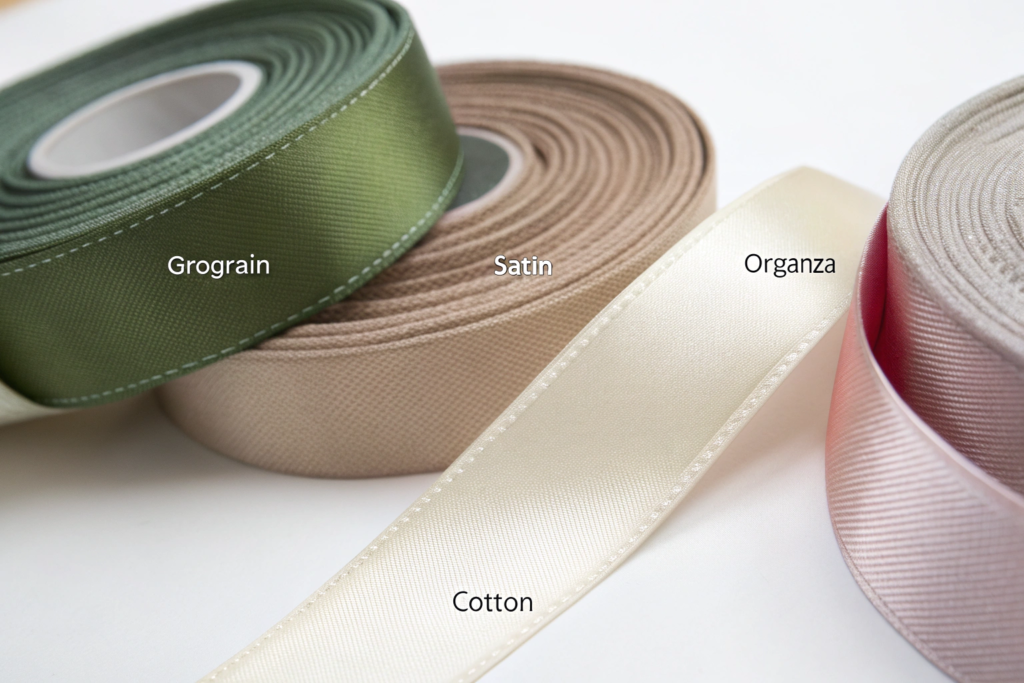
The most common ribbon materials for hair bows each have distinct characteristics. Grosgrain ribbon has a ribbed texture that holds shape well and doesn't show wear easily. It's our go-to for everyday bows that need to be durable. Satin ribbon has a beautiful, glossy finish that photographs well and looks luxurious. But it's more delicate and shows fraying more quickly. Organza ribbon is sheer and lightweight, perfect for whimsical, ethereal designs. Printed cottons offer endless pattern possibilities but require careful edge finishing to prevent fraying.
The choice depends on your market. Children's everyday bows benefit from durable grosgrain. Special occasion bows can use more delicate satins. Fashion-forward lines might mix multiple materials. Understanding these options helps you match ribbon to purpose. This connects to our broader discussion of quality indicators, because material choice directly affects what quality looks like.
Grosgrain vs. Satin: Which is better for hair bows?
This is the most common debate in hair bow sourcing, and the answer depends entirely on your customer's needs.
Grosgrain ribbon is woven with a distinctive ribbed texture. The ribs run horizontally across the ribbon. This structure makes grosgrain incredibly durable. It resists fraying, holds its shape through repeated wear, and doesn't show scuffs or dirt easily. For children's bows that will be worn to school, played in, and washed repeatedly, grosgrain is usually the better choice. It's also more forgiving for alligator clips and barrettes because the texture helps grip the hair.
Satin ribbon has a smooth, lustrous finish that catches light beautifully. It photographs well, which matters for online sales. It drapes more elegantly than grosgrain, making it ideal for formal occasions like weddings, parties, and holidays. However, satin is more prone to fraying, especially at the cut edges. It shows wear more quickly and can look tired after fewer uses.
Many of our most successful clients offer both. Grosgrain for everyday basics, satin for special occasion pieces. This gives customers options while letting you source efficiently. For ribbon specifications, suppliers like M&J Trimming offer extensive technical information about different ribbon types.
What about printed and patterned ribbons?
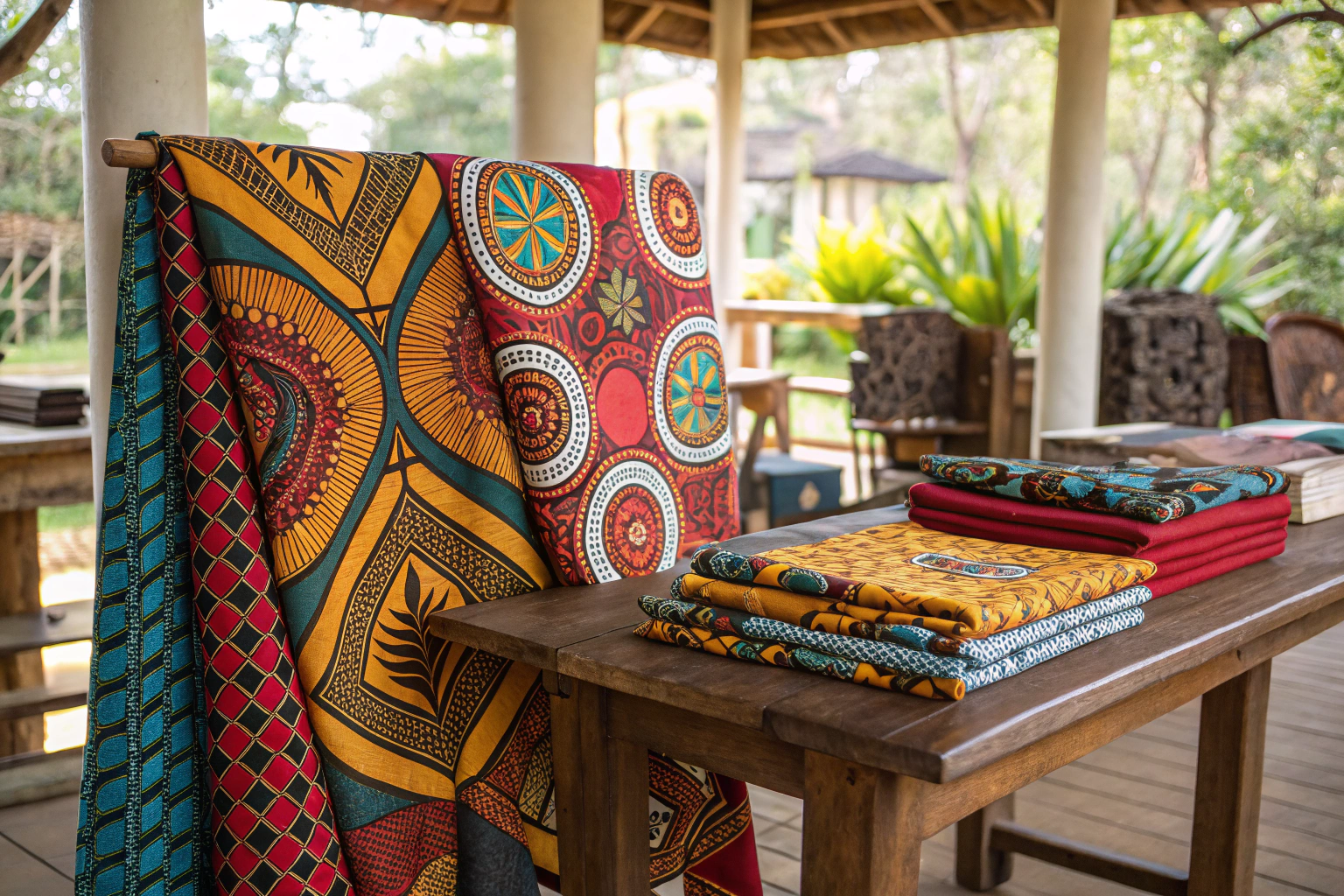
Printed ribbons open up endless design possibilities. Florals, polka dots, stripes, characters, holidays, you name it. The quality of the print matters enormously for the final product.
The key factors are print clarity, color fastness, and base material quality. A muddy print on cheap ribbon looks exactly like what it is. A crisp, clear print on quality ribbon elevates the entire product. Color fastness matters because these bows may face sunlight, sweat, and occasional washing. You don't want colors bleeding or fading.
The printing method also affects cost and quality. Screen printing works well for simple designs on larger quantities. Digital printing offers more detail and flexibility for smaller runs but costs more per unit. Heat transfer printing creates vibrant colors but can peel over time if not done well.
When sourcing printed ribbons, always request strike-offs or samples before committing to bulk production. What looks good on a screen may not translate to actual ribbon. And test the printed ribbon by rubbing it, wetting it, and exposing it to light. The cheap stuff will fail these tests quickly. For design inspiration, Spoonflower shows the range of possibilities in custom printed fabrics and ribbons.
What Quality Indicators Matter Most for Hair Bows?
When you're receiving thousands of bows from a supplier, you can't inspect every single one. But you need to know what the critical quality points are so you can spot problems before they reach your customers.
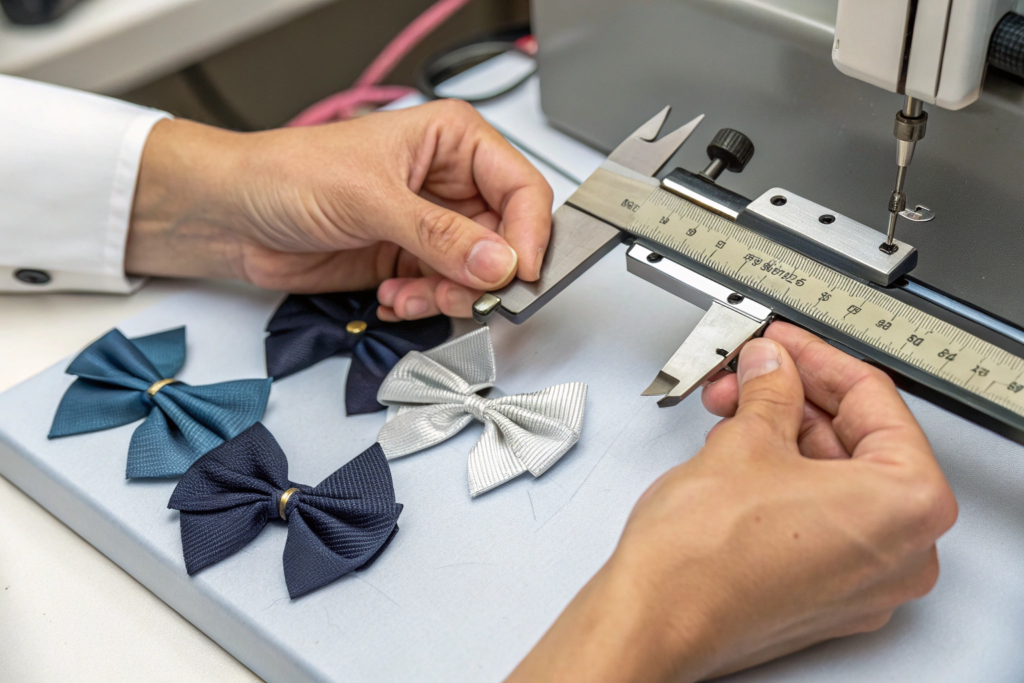
The first thing I check is edge finishing. Raw-cut ribbon edges will fray. Period. Quality bows have finished edges, either heat-sealed for synthetic ribbons or specially treated for natural fibers. Run your finger along the edges. If you feel loose threads or see fuzz, those bows will look worn out after minimal use. The second is center construction. The point where all the ribbon gathers, whether stitched, glued, or wrapped, must be secure. Pull gently on both loops. Does the center hold or shift? A loose center means the bow won't maintain its shape. The third is clip attachment. The hardware must be firmly attached to the bow, not just dangling or loosely stitched. And the clip itself should open and close smoothly without sticking or feeling flimsy.
How can you spot fraying problems before shipping?
Fraying is the single most common quality issue with hair bows, and it's almost always preventable with proper materials and finishing.
The first defense is ribbon choice. Grosgrain frays less than satin. High-density ribbon frays less than loose-weave ribbon. Ribbon with heat-cut edges frays less than ribbon cut with scissors. Ask your supplier what type of ribbon they're using and how edges are finished.
The second defense is inspection. Before accepting bulk orders, request samples that have been through your full production process. If you'll be cutting and finishing bows yourself, test the ribbon with your equipment. If the supplier is delivering finished bows, ask for photos or videos of their edge-finishing process.
The third defense is testing. Take a sample bow and rub the edges vigorously between your fingers. Do threads start to pull loose? Then subject it to gentle washing or exposure to humidity. Fraying often appears after these conditions.
We've found that the extra cost of heat-sealed edges or high-quality grosgrain pays for itself many times over in reduced returns and happier customers. For standards on textile durability, ASTM provides test methods that responsible suppliers should be able to meet.
What makes a hair clip attachment secure?
The clip is half the product. A beautiful bow that falls out of hair is worthless. The attachment must be secure enough to stay put but gentle enough not to damage hair or cause discomfort.
For alligator clips, the most common type for hair bows, the key is the tension. Too loose, and the clip slides out. Too tight, and it pulls hair painfully or damages fine strands. Quality suppliers test clip tension before assembly and adjust as needed.
The attachment method matters too. Some bows are glued to clips. This works for lightweight bows but can fail under stress. Others are stitched through the clip, which is more secure but requires specialized equipment. The best method, in our experience, is a combination of secure stitching plus a dab of hot glue for reinforcement.
The clip material itself also matters. Nickel-plated clips can cause allergic reactions in sensitive individuals. Nickel-free, hypoallergenic options cost slightly more but appeal to parents concerned about skin reactions. For children's products especially, this consideration matters.
Finally, check the hinge and spring. A good clip should open and close smoothly hundreds of times without sticking or losing tension. Cheap clips fail quickly, leading to customer frustration. For clip specifications, suppliers like Darice offer various options with different quality grades.
What Styles and Sizes Are Most Popular?
Trends in hair bows change, but certain styles have proven enduring. Understanding what's popular helps you build collections that sell rather than sit in inventory.
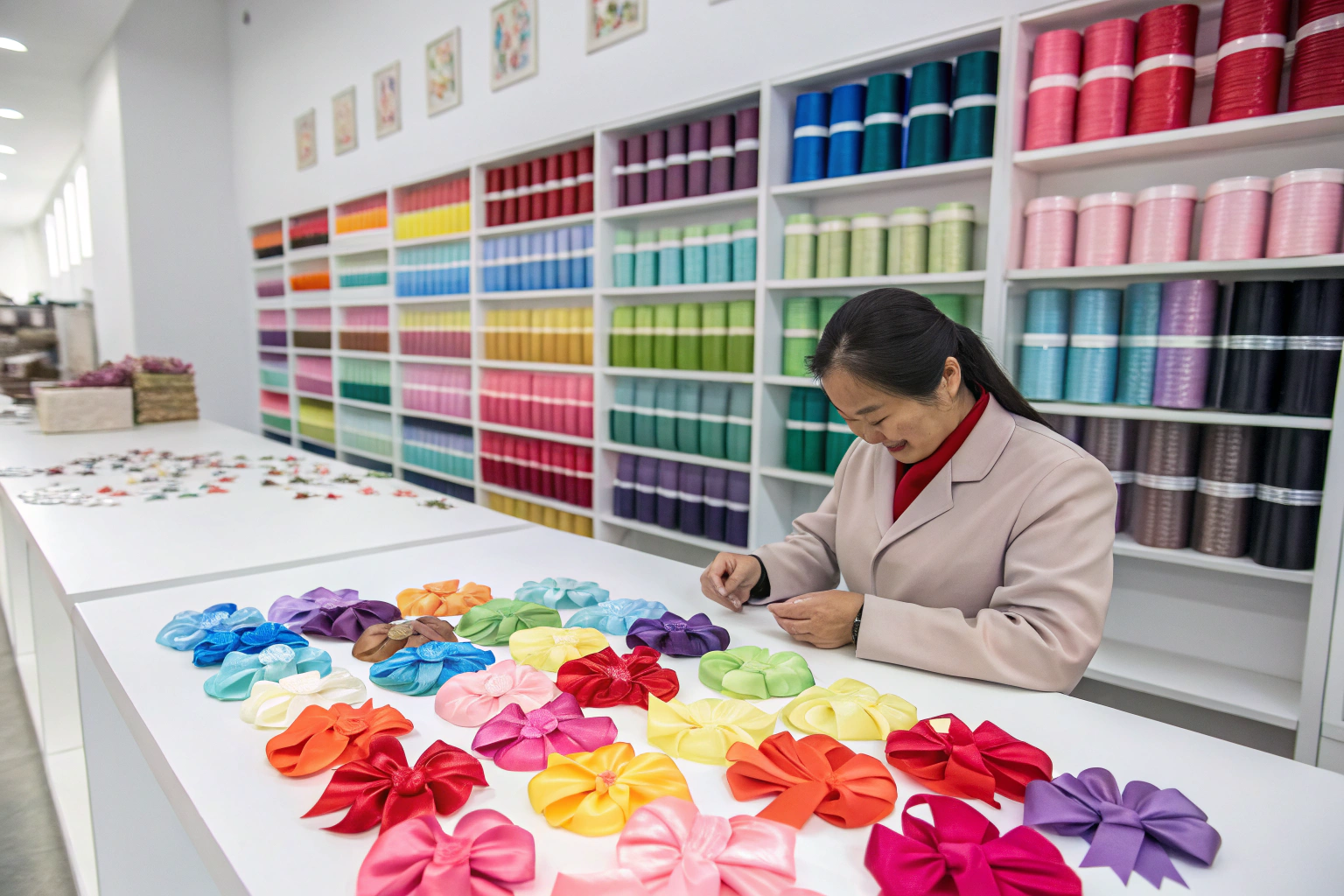
Classic French barrettes remain steady sellers. They're elegant, versatile, and work for all ages. The ribbon is gathered into a structured shape, usually with a metal barrette clip. These work for both casual and formal occasions.Pom-pom bows have had a resurgence recently. The combination of ribbon loops with fluffy pom-pom centers adds texture and playfulness. They're particularly popular for children and for holiday collections.
Layered bows, where multiple ribbon types or colors are combined, offer visual interest and customization. A satin base with a grosgrain overlay, for example, combines durability with sheen. These work well for gift sets and coordinated collections.
Minimalist bows, small and simple, have grown in popularity for everyday wear and for adults. A tiny grosgrain knot on a small clip can be worn by anyone, anywhere.
What sizes sell best for different age groups?
Size matters enormously in hair bows. Too large, and they overwhelm small children or look costume-like. Too small, and they disappear in adult hair or fail to make an impact.
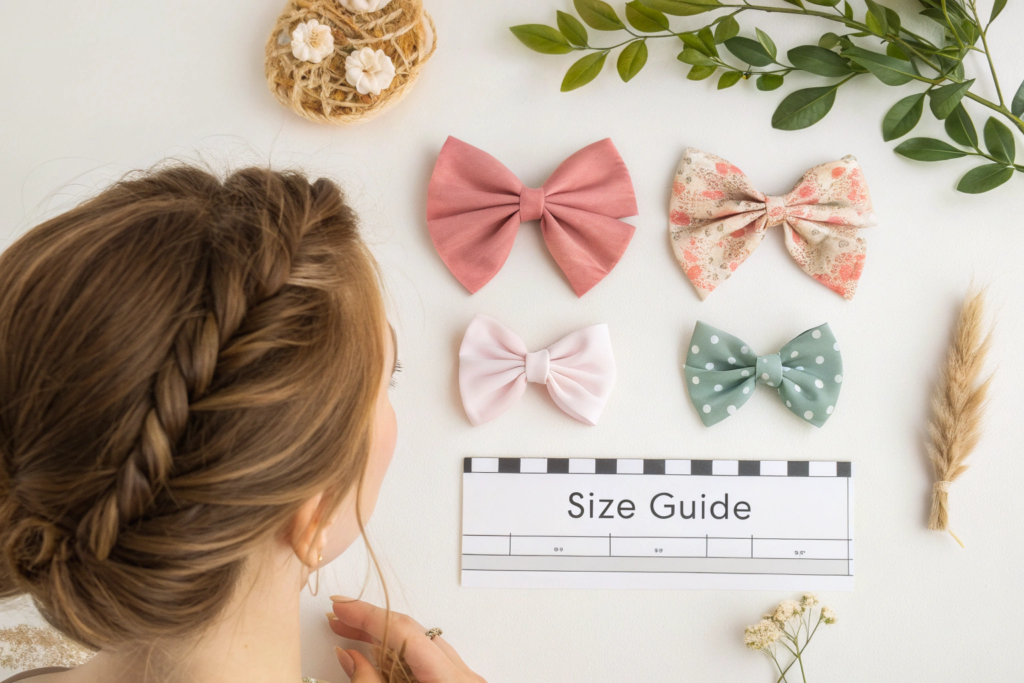
For infants and toddlers, we recommend smaller bows, typically 1.5 to 2.5 inches across. These are proportionate to small heads and fine hair. They're also safer, with less risk of the bow being pulled and chewed on.
For children ages 3 to 10, medium bows in the 2.5 to 4 inch range sell best. This size makes a statement without being overwhelming. It works for school, play, and most casual occasions.
For tweens and teens, we see demand for both small minimalist bows and dramatic 4 to 5 inch statement pieces. The choice depends on the occasion and personal style. Many young customers buy both, small for everyday and large for special events.
For adults, the trend has shifted toward smaller, more refined bows. The 2 to 3 inch range works well for professional settings and casual wear. However, for special occasions like weddings or festivals, larger statement bows still have their place.
When planning your size assortment, consider offering a range. A collection that includes small, medium, and large options gives customers choice and increases the chance of multiple purchases. For retail merchandising insights, Retail Dive regularly covers category management strategies.
Are themed bows still popular?
Themed bows remain consistently strong sellers, driven by holidays, events, and cultural moments.
Holiday themes are the most reliable. Valentine's hearts, St. Patrick's greens, Easter pastels, Fourth of July red-white-and-blue, Halloween oranges and blacks, Christmas reds and greens. These collections sell year after year with predictable timing. Planning ahead for these seasonal peaks is essential for successful sourcing.
School colors and sports themes are another strong category. Local teams, school colors, and spirit days drive demand for custom-colored bows. This is often a local business, with boutiques serving specific communities, but the volume adds up.
Character licenses can be huge but come with complications. Licensed products require agreements, quality standards, and often minimum order quantities that small buyers can't meet. For most buyers, sticking to generic themes is simpler and still profitable.
Cultural moments, like the release of a popular movie or a trending aesthetic, create shorter-term opportunities. These require agility in sourcing and willingness to take calculated risks. For trend forecasting, WGSN provides insights that can help you spot emerging themes before they peak.
How Do You Manage Color Consistency Across Orders?
Color consistency is one of the biggest challenges in ribbon sourcing. Dye lots vary. Different materials take dye differently. Even the same ribbon from the same supplier can vary between production runs. For buyers who need matching colors across multiple products or reorders, this is a constant headache.
The solution starts with clear specifications. Don't rely on verbal descriptions like "light pink" or "navy blue." Use standardized color systems like Pantone. Provide your supplier with Pantone numbers for every color you need. This gives everyone a common reference point.
Next, request dye lots or production samples before bulk production. Colors can look different on a small sample than they do on full production rolls. Approving a sample before production gives you a chance to catch issues early. Finally, plan for continuity. If you'll need reorders, ask your supplier about color consistency across batches. Some suppliers can reserve dye lots for you.
What causes color variation in ribbon?
Understanding why colors vary helps you manage expectations and spot problems early.
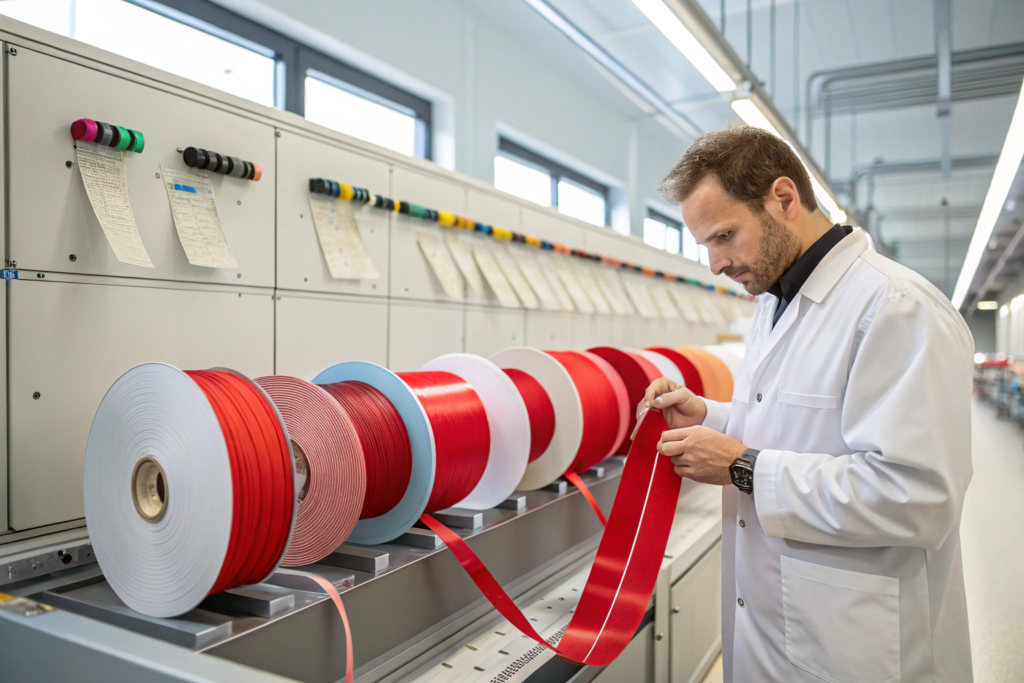
Dye lots are the most common cause. Dye is mixed in batches, and no two batches are perfectly identical. Even with careful measurement, slight variations occur. This is normal and expected. The key is keeping variation within acceptable limits.
Material differences also affect color. The same dye will look different on grosgrain versus satin versus organza. The weave structure affects how light reflects, which changes the perceived color. If you're using multiple ribbon types, expect some variation and design accordingly.
Lighting conditions during inspection matter enormously. A color that matches perfectly under fluorescent lights may look different in natural daylight or incandescent store lighting. Always inspect samples under multiple light sources, ideally the same lighting your customers will use.
Aging can also affect color over time. Some dyes fade with exposure to light. Others may yellow with age. Quality suppliers test for colorfastness and can provide data on expected performance. For color standards, Pantone offers comprehensive systems for specifying and communicating color.
How can you match colors across different materials?
Matching colors across different materials is challenging but possible with the right approach.
The first step is accepting that perfect matches are rare. Different materials reflect light differently, so identical dye formulations will look different on satin versus grosgrain. The goal is harmonious matching, not identical matching.
Work with your supplier to develop "cross-reference" colors. They may have experience with which dye formulations produce visually similar results on different materials. This knowledge comes from experience and testing.
Consider creating physical standards. Send your supplier actual samples of the color you want, on the actual materials you'll be using. Physical samples communicate more accurately than any number or description.
For critical applications, consider using the same material for all components. If perfect matching matters more than material variety, standardizing on one ribbon type simplifies the problem dramatically.
Finally, build some tolerance into your acceptance criteria. Decide in advance what level of variation is acceptable for your market. High-end boutiques may demand near-perfect matching. Mass-market customers may be less sensitive. Set your standards accordingly. For guidance on color management, X-Rite offers resources and tools for maintaining color consistency throughout production.
What Should You Know About Minimums and Pricing?
Hair bows seem like simple products, but the economics of producing them in bulk have their own logic. Understanding minimums and pricing helps you negotiate effectively and plan your inventory.
The first thing to understand is that minimums aren't arbitrary. They reflect real costs in setup, material purchasing, and production time. A supplier who offers extremely low minimums may be hiding costs elsewhere or may not be able to deliver consistent quality.
The second thing is that price breaks at higher volumes can be significant. Ribbon is often priced per yard, and larger purchases get better rates. Production setup costs are spread across more units. If you have confidence in a style, ordering more can dramatically reduce your per-unit cost.

What are typical minimums for custom ribbon bows?
Minimums vary widely depending on the supplier and the complexity of the order. For stock styles in standard colors, minimums may be as low as 100 to 200 pieces per style. The supplier already has the ribbon and the production setup, so they can run small batches efficiently.
For custom colors, minimums are higher. The supplier needs to order custom-dyed ribbon, which comes with its own minimums from ribbon mills. Expect minimums of 500 to 1000 yards per color, which translates to several hundred bows depending on size.
For custom designs, like unique combinations or special shapes, minimums also increase. Each new design requires pattern creation, sample approval, and production setup. Minimums of 300 to 500 pieces per design are common.
At Shanghai Fumao Clothing, we work with clients to find the right balance. Sometimes that means starting with stock colors in popular styles to test the market, then investing in custom work once we have sales data. For buyers new to hair bows, this staged approach minimizes risk.
How can you reduce costs without sacrificing quality?
Cost reduction is always on buyers' minds, but cutting the wrong corners destroys value. Here are strategies that work without compromising quality.
Standardize your ribbon. Using the same ribbon types across multiple styles reduces the number of SKUs you need to stock and may qualify you for volume discounts. A single high-quality grosgrain in core colors can serve many designs.
Consolidate colors. Instead of 20 shades, consider 10 well-chosen core colors. Add seasonal or trend colors in smaller quantities. This simplifies your inventory and your supplier's production.
Order smarter, not just cheaper. Larger orders of proven styles cost less per unit than frequent small orders of untested styles. Let sales data guide your volume decisions.
Consider off-season ordering. If you can order holiday styles in January rather than September, you may get better pricing and more reliable delivery. Suppliers appreciate steady work and may offer incentives for off-peak production.
Work with your supplier on packaging. Custom packaging adds cost. Sometimes standard poly bags with a simple sticker are sufficient, especially for initial market testing. You can always upgrade packaging as your brand grows.
For cost management strategies, resources like Supply Chain Dive offer insights into sourcing and procurement best practices.
Conclusion
Sourcing high-quality ribbon hair bows in bulk is absolutely achievable, but it requires attention to details that many buyers overlook. The ribbon material determines durability and appearance. Grosgrain for everyday wear, satin for special occasions, each has its place. Quality construction, finished edges, secure clips, these aren't optional extras. They're the difference between products that sell and products that get returned.
Color consistency challenges can be managed with clear specifications and thoughtful planning. Minimums and pricing reflect real costs, and smart buyers work with them rather than against them. Popular styles and sizes vary by age group and occasion, and understanding your market helps you build collections that sell.
At Shanghai Fumao Clothing, we've produced millions of hair bows for clients around the world. We've learned what works through years of experience, through successes and occasional failures. We know that a beautiful bow starts with quality ribbon, continues with skilled construction, and ends with a customer who feels delighted.
If you're planning to add hair bows to your product line, or if you're looking for a more reliable supplier for your existing business, I'd love to help. Please reach out to our Business Director, Elaine, at elaine@fumaoclothing.com. Let's create bows that your customers will love and that will keep them coming back for more.