I have always loved summer. The long days, the warmth, the sense of ease. But for years, I dreaded the question that would come from clients every spring: "Can you source good linen hats for us?" It seemed so simple. Linen is just flax, right? How hard could it be? I learned the hard way that linen is a material with a mind of its own. It can be soft or scratchy. It can hold its shape beautifully or go limp and shapeless. It can be a dream to wear or a constant source of frustration. The difference between a great linen hat and a poor one lies in understanding every step of its journey, from the flax plant to the finished product on a sunny head.
Sourcing high-quality linen hats for summer requires a deep understanding of the fiber, the weave, and the construction. You must start with the flax plant itself. The best linen comes from long-staple fibers, which create smoother, stronger, and softer yarns. The weave is critical. A tight, dense weave will be more durable and provide better sun protection, but it may be less breathable. A more open, loose weave is incredibly breathable but may not hold its shape as well. The finish of the linen matters immensely. High-quality linen is often washed or softened to remove the natural stiffness of the new fiber, resulting in a fabric that is soft and comfortable from the first wear. Finally, the hat construction—the way the fabric is cut, sewn, and shaped—determines whether the hat will hold its form and last for many summers. A great linen hat is a perfect balance of material, craftsmanship, and thoughtful design.
At Shanghai Fumao Clothing, we have spent years perfecting our linen hat production. We have sourced linen from the best mills in Europe and China. We have experimented with different weaves and finishes. We have trained our artisans in the specific techniques needed to sew and shape this unique fabric. We have learned that a high-quality linen hat is not just a product; it is an investment in comfort and style for years to come. Let me share what we have learned about sourcing this quintessential summer accessory.
What Makes Linen The Ideal Summer Hat Material?
Before we dive into sourcing, it is worth understanding why linen is so prized for summer wear. It is not just a tradition. It is a material with unique physical properties that make it perfectly suited for hot, sunny weather. Knowing these properties helps you know what to look for in a high-quality hat.
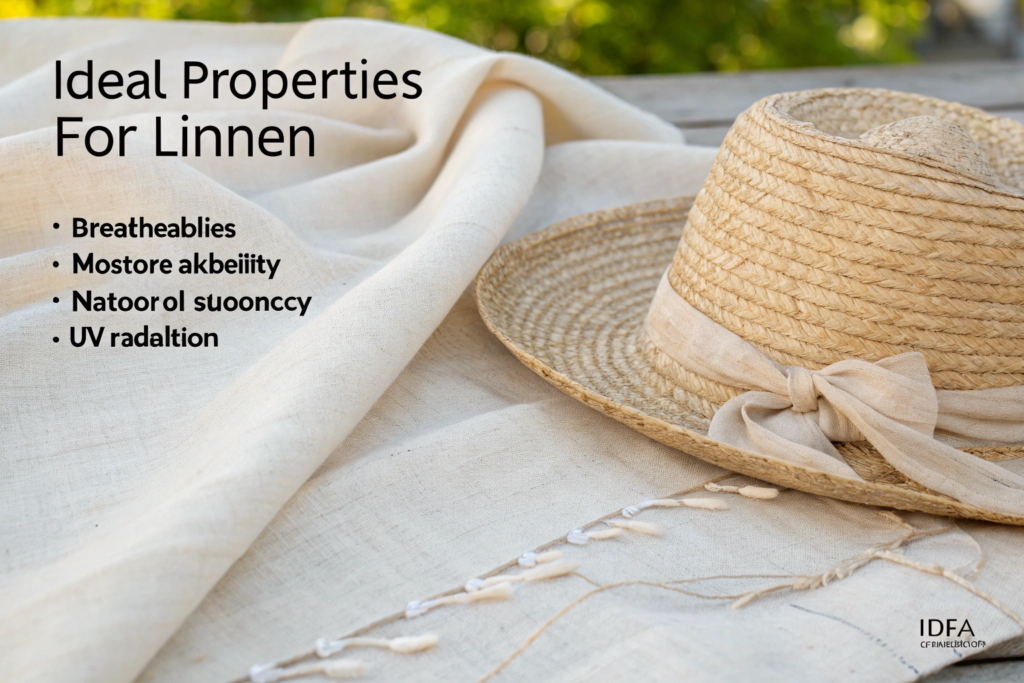
Linen's ideal properties for summer come from the structure of the flax fiber itself. Flax fibers are hollow, which gives linen its exceptional breathability and moisture-wicking ability. It pulls sweat away from the skin and allows it to evaporate quickly, keeping the wearer cool and dry. Linen is also highly absorbent without feeling damp, which adds to its comfort. It has a natural luster that gives it a beautiful, slightly casual elegance. It is also a very strong fiber; wet linen is actually stronger than dry linen, which contributes to the durability of a well-made hat. Finally, linen has a natural ability to block a significant amount of UV radiation, especially in tighter weaves, providing essential sun protection for the face and scalp. These properties make it far superior to many synthetic materials for summer headwear.
Let me explain these properties in a way that connects to the wearing experience. Breathability means that air can circulate through the fabric. On a hot day, this prevents your head from feeling trapped and sweaty under a hat. Moisture-wicking means that when you do sweat, the linen fibers draw that moisture away from your skin and spread it out over a larger area, where it can evaporate. This is a cooling process. UV protection is a critical and often overlooked feature. A linen hat is not just a fashion accessory; it is a piece of sun protection. A tightly woven linen can provide a UPF (Ultraviolet Protection Factor) of 50+, blocking over 98% of harmful UV rays. This is a huge selling point for health-conscious consumers. These natural properties are why linen has been a summer staple for centuries.
How Does Linen Compare To Cotton For Summer Hats?
Both are natural fibers, but they perform differently.
- Breathability: Linen is generally more breathable than cotton due to its hollow fiber structure. It allows more air to circulate.
- Moisture-Wicking: Linen also wicks moisture away from the skin more effectively than cotton. Cotton can absorb moisture but holds onto it, making it feel damp. Linen releases it faster.
- Weight: Linen is often lighter in weight than a comparable cotton fabric, making it feel less bulky on the head.
- Stiffness vs. Softness: New, unwashed linen can be stiffer than cotton. High-quality linen is pre-washed or softened to achieve a lovely, supple drape. Cotton is often soft from the start but may not hold its shape as well as a good linen.
- Durability: Linen is incredibly strong and durable, often outlasting cotton.
- Wrinkle Factor: Linen wrinkles beautifully as part of its charm. Cotton wrinkles too, but often in a less appealing way. The "lived-in" look of linen is part of its aesthetic.
For a summer hat, linen's superior breathability and moisture management make it the winner for hot, humid weather. Cotton is a good, comfortable alternative, but for peak performance, linen is hard to beat.
What Is UPF And Why Does It Matter For Hats?
UPF stands for Ultraviolet Protection Factor. It is a rating system for fabrics, similar to SPF for sunscreen. It measures how much of the sun's UV radiation is absorbed by the fabric. A UPF rating of 50 means that only 1/50th (or 2%) of the UV radiation can penetrate the fabric. In other words, it blocks 98% of UV rays.
- UPF 15-24: Good protection
- UPF 25-39: Very good protection
- UPF 40-50+: Excellent protection
For a summer hat, you want excellent protection, especially for the face, ears, and scalp, which are common sites for skin cancer. A high-quality, tightly woven linen hat can achieve a UPF of 50+. The color also matters; darker colors generally offer more protection than lighter ones. However, even a light-colored, tightly woven linen offers significant protection. This is a feature you can and should communicate to your customers.
How Can You Assess The Quality Of Linen Fabric?
Not all linen is created equal. There is a vast difference between cheap, coarse linen and the soft, luxurious, durable material that makes a great hat. Knowing how to assess the fabric is the most important skill for a buyer.
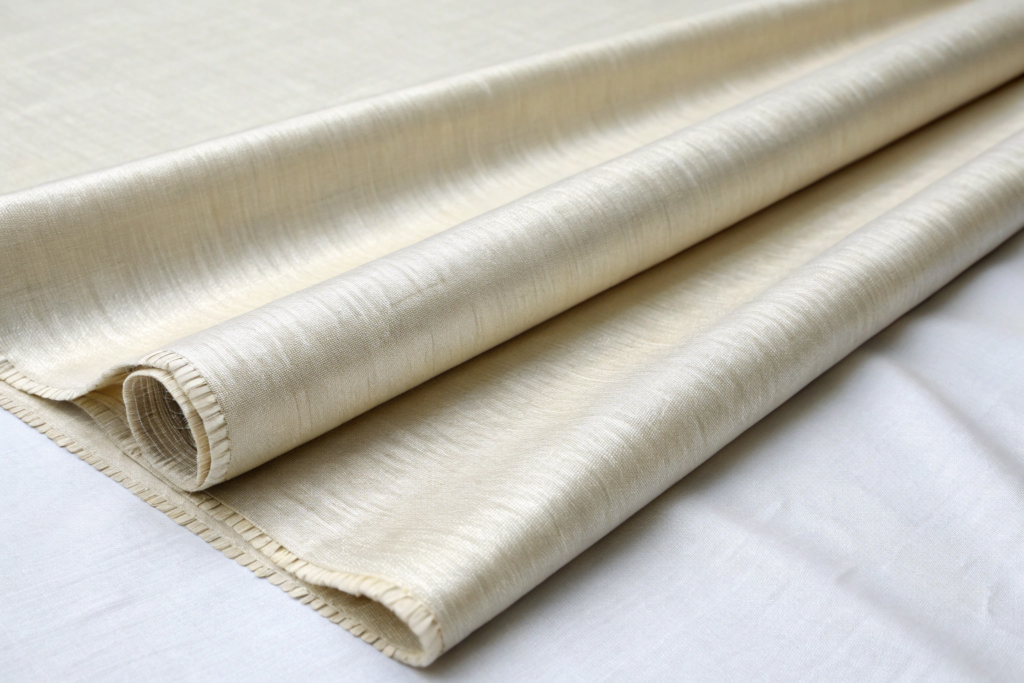
Assessing the quality of linen fabric involves evaluating the fiber, the yarn, and the weave. Fiber length is a key indicator. High-quality linen uses long-staple fibers, which are spun into smoother, stronger, and softer yarns. Short fibers create a fuzzy, weaker, and scratchier fabric. You can often feel the difference. The yarn should be even in thickness, with no slubs or thin spots. The weave should be consistent and tight. Hold the fabric up to the light. A good, high-quality linen will have an even, uniform appearance with no obvious thin patches. The finish is also crucial. A quality linen hat is made from fabric that has been pre-washed or finished to remove the natural stiffness of the new fiber. It should feel soft and supple in your hands, not harsh or board-like. Finally, look for the natural luster. High-quality linen has a subtle, beautiful sheen.
Let's go into more detail on these points. Long-staple flax fibers are like long, smooth threads. They can be twisted together to create a yarn that is strong, smooth, and has very few protruding fiber ends. Short-staple fibers are like many tiny pieces of thread. When spun, they create a yarn with many loose ends sticking out. This is what gives cheap linen its fuzzy, rough feel. It also makes it weaker and more prone to pilling. The weave density matters for both durability and sun protection. A loose, open weave will be very breathable but may not hold its shape and offers less UV protection. A tight, balanced weave is stronger, holds its shape better, and provides excellent sun protection. The finish is the final step. A good "garment wash" or "stone wash" softens the linen, giving it that coveted, relaxed, lived-in feel from the very first wear. This understanding of linen grades is essential for sourcing.
What Is The Difference Between Long-Staple And Short-Staple Linen?
This is the single most important factor in linen quality.
- Long-Staple Linen: Made from the longest fibers of the flax plant. These fibers can be spun into very fine, strong, and smooth yarns. The resulting fabric is soft, lustrous, durable, and resistant to pilling. It feels luxurious against the skin. This is the linen used for high-quality apparel and accessories.
- Short-Staple Linen: Made from shorter fibers, often the waste from the long-staple processing, or from lower-grade flax. These short fibers are spun into yarns that are weaker and have many loose ends. The resulting fabric is often coarse, fuzzy, and prone to pilling and shedding (lint). It can feel scratchy against the skin.
For a hat, which will be in contact with the forehead and hair, long-staple linen is far superior. It is more comfortable, looks better, and will last longer. The difference is immediately apparent to anyone who touches the fabric. This is why we are so selective about our linen suppliers.
How Can You Test The Quality Of Linen By Touch And Sight?
You can become a good judge of linen quality with a little practice. Here is a simple checklist:
- Feel (Hand Feel): Rub the fabric between your fingers. Does it feel smooth and soft, or rough and prickly? High-quality linen should feel pleasant against the skin. It should have a certain suppleness, not a stiff, board-like feel.
- Look (Visual): Hold the fabric up to a strong light. Look at the weave. Is it even and consistent, or are there obvious thin spots and slubs? High-quality linen has a uniform, balanced weave. The surface should have a subtle, natural luster, not a dull, flat appearance.
- Crush Test: Gently crush a corner of the fabric in your hand and then release it. High-quality linen will have a beautiful, natural wrinkle that is part of its charm. Cheap linen might wrinkle in a harsher, more unpredictable way. The way it drapes and falls after being crushed is also telling.
- Burn Test (if possible): A true linen burn test is a surefire way to identify the fiber. Linen, being a plant fiber, will burn with a smell like burning paper or leaves, leaving a fine, grey ash. Synthetic blends will melt and smell like plastic.
Using these simple tests, you can quickly differentiate between high and low quality.
What Weave And Weight Are Best For Linen Hats?
The same high-quality linen yarn can be woven in different ways, resulting in fabrics with very different properties. For a hat, the weave and weight determine its structure, breathability, and how well it will hold its shape.
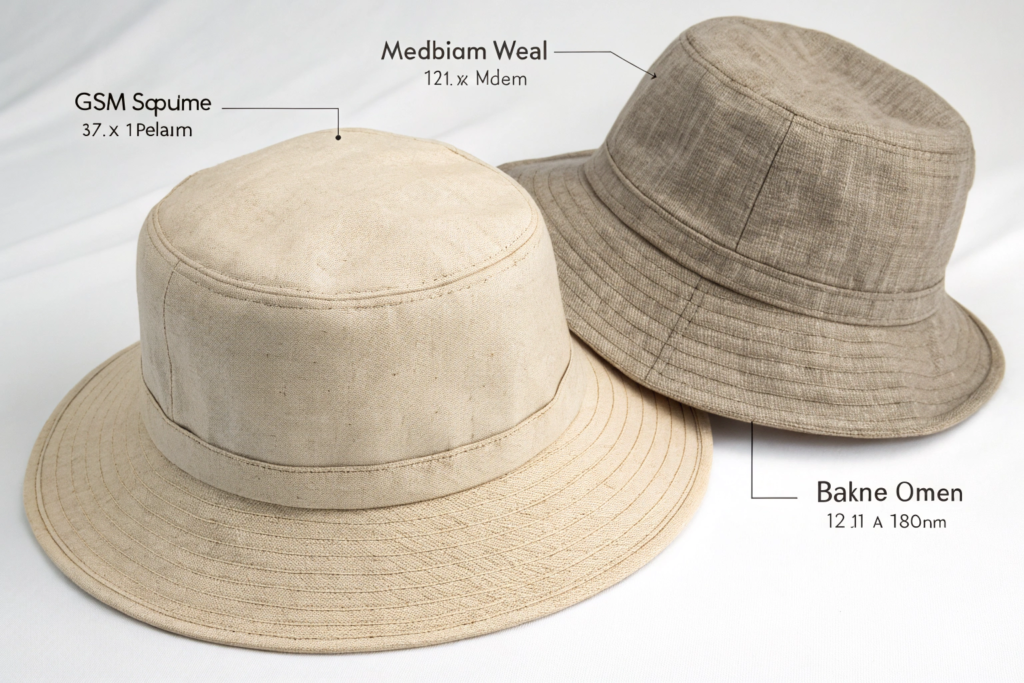
For a classic, structured linen hat that holds its shape well, a medium-weight, plain weave linen is an excellent choice. This weave is simple, strong, and provides a good balance of breathability and durability. For a softer, more packable and casual hat, a basket weave or a slightly looser plain weave can be used. This results in a more flexible, drapable fabric that can be easily folded and packed. The weight of the fabric, measured in grams per square meter (GSM), is also key. For most linen hats, a fabric weight between 180 and 250 GSM is ideal. Lighter than 180 GSM may be too flimsy and offer less sun protection. Heavier than 250 GSM can be too stiff and heavy for comfortable summer wear. The choice depends on the desired style and level of structure.
Let's explore the weave options. A plain weave is the simplest, with one yarn going over and under the next. It is strong, stable, and creates a flat, even surface. This is the most common and versatile weave for hats. A basket weave is a variation of plain weave where two or more yarns are grouped together and woven as one. This creates a more textured, "basket-like" appearance and a softer, more flexible fabric. It is great for a more casual, relaxed hat. A herringbone or twill weave creates a distinctive diagonal pattern. It is also strong and drapes well, offering a more textured, visually interesting look. The weight (GSM) is a critical specification. A 180-200 GSM linen will be lighter and more drapable, suitable for a "bucket hat" style or a packable travel hat. A 220-250 GSM linen will be more substantial, holding its shape better for a structured fedora or a classic "newsboy" cap. Choosing the right weave and weight is a key design decision.
What Is The Difference Between A Tight Weave And A Loose Weave For Sun Protection?
The difference is significant and directly impacts the hat's function.
- Tight Weave: A fabric with a high thread count per inch. The yarns are packed closely together, leaving very small gaps. This is much more effective at blocking UV radiation. A tightly woven linen hat can easily achieve a UPF of 50+. It is also more durable and holds its shape better. The trade-off is that it may be slightly less breathable, though linen's natural properties still make it far more breathable than synthetics.
- Loose Weave: A fabric with a lower thread count. There are visible gaps between the yarns. This is extremely breathable and airy, perfect for the hottest days. However, it offers less sun protection, as UV rays can penetrate through the gaps. It may also be less durable and more prone to losing its shape.
For a summer hat, the ideal is often a balance. A medium-density, tight but not overly dense weave offers excellent sun protection while still being highly breathable. The best choice depends on the primary use: maximum sun protection or maximum airflow. This is a key specification to discuss with your manufacturer.
Is A Heavier Linen Always Better Quality?
No, this is a common misconception. Weight is not an indicator of quality; it is an indicator of the fabric's intended use. A heavy, stiff linen (over 250 GSM) might be excellent for a home decor item like a curtain, but it would make an uncomfortable, overly rigid hat. A very light linen (under 180 GSM) might be beautiful for a scarf but too flimsy for a hat. The "best" weight is the one that is appropriate for the specific hat style. Quality is about the fiber (long-staple) and the consistency of the weave, not the weight. A beautifully made, soft, long-staple linen hat in a 200 GSM weight is a higher quality product than a coarse, short-staple linen hat in a 250 GSM weight. Focus on the fiber quality and construction, not just the number.
How Should A High-Quality Linen Hat Be Constructed?
Even the most beautiful linen fabric can be ruined by poor construction. The way the hat is cut, sewn, and finished determines whether it will hold its shape, fit comfortably, and last for years. The devil is in the details.
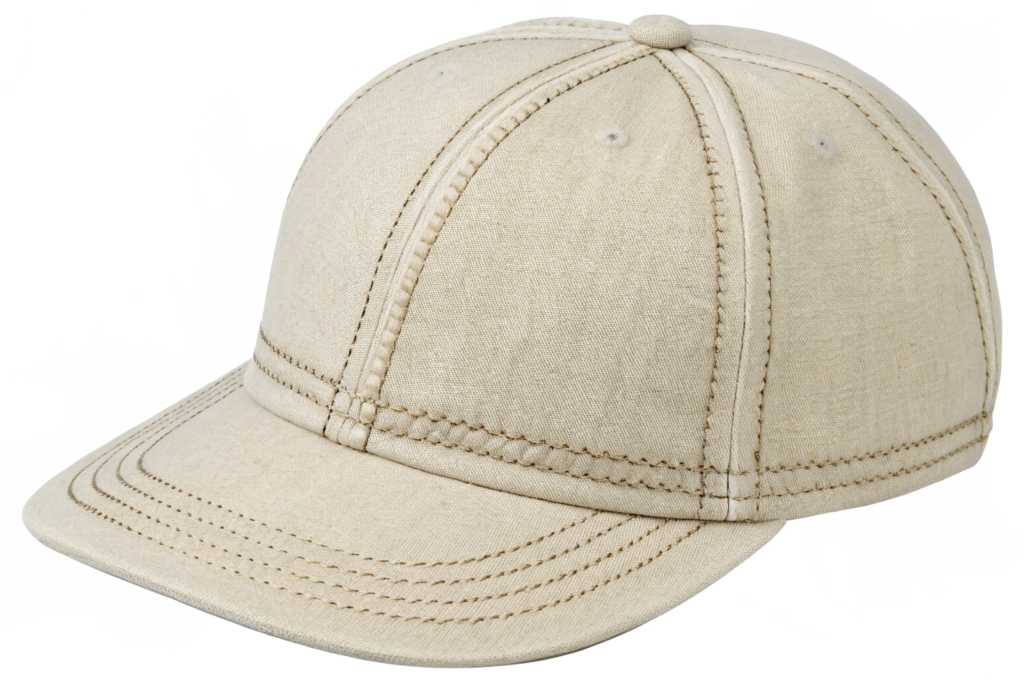
A high-quality linen hat is constructed with care and attention to detail. The seams should be neat, even, and securely sewn. For a structured hat, there may be an inner lining or interfacing to help it hold its shape. This lining should be made of a breathable material, like cotton, to maintain comfort. The sweatband, the part that touches the forehead, is a critical detail. It should be made of a soft, absorbent, and comfortable material, often cotton or a terry cloth, and it should be securely attached. The brim should be finished neatly, either with a clean, stitched edge or a rolled edge, depending on the style. The overall shape should be even and symmetrical. A well-constructed linen hat feels balanced and comfortable when you put it on. It does not have loose threads, crooked stitching, or a floppy, shapeless feel (unless that is the intended style).
Let's look at these details more closely. The seams on a high-quality hat will have a consistent stitch length and tension. They will be finished to prevent fraying, often with a serger or by folding the raw edge under. The lining (if present) is not just for looks. It protects the outer fabric from the oils and sweat of the head, and it makes the hat more comfortable to put on and take off. A good lining is made of a breathable fabric like cotton or rayon. The sweatband is arguably the most important comfort feature. A wide, soft, absorbent sweatband makes a huge difference on a hot day. It should be attached securely, often with multiple rows of stitching, so it does not come loose. The crown construction (the top part of the hat) is also critical. For a structured hat like a fedora, there may be a "crown patch" or internal stiffening to help it maintain its shape. All these construction details are signs of a well-made product.
Why Is The Sweatband An Important Feature?
The sweatband is the point of most contact between the hat and the wearer. It has several critical functions:
- Comfort: It provides a soft, smooth surface against the forehead, preventing the rougher outer fabric from causing irritation.
- Absorption: It absorbs sweat from the forehead, keeping the wearer cooler and preventing sweat from dripping into their eyes. A good sweatband is made of an absorbent material like cotton terry or a soft, absorbent leather.
- Fit: It helps the hat fit snugly and securely on the head. A well-designed sweatband can be the difference between a hat that feels comfortable and one that feels loose or too tight.
- Protection: It protects the hat's outer fabric from the oils, salts, and moisture from the skin, which can stain and degrade the material over time.
A high-quality sweatband is a mark of a hat designed for real, comfortable wear, not just for display. It is an essential feature for any summer hat.
How Can You Check The Shape And Symmetry Of A Hat?
A well-made hat should be perfectly symmetrical and hold its intended shape. Here is a simple way to check:
- Place on a Flat Surface: Put the hat upside down on a flat table. Look at the brim from above. Is it perfectly round or oval, depending on the design? Does it sit flat, or does it wobble? A wobble indicates an uneven brim.
- Check the Crown: Look at the crown from all sides. Is it even and symmetrical? Are there any dents or bumps that are not part of the design?
- View from the Front: Hold the hat at eye level and look at it from the front. Is the brim even on both sides? Does the crown sit straight?
- Feel the Structure: Gently squeeze the crown. Does it feel solid and well-constructed, or does it feel flimsy and likely to collapse? For a structured hat, it should have some resilience.
- Wear It: The ultimate test is to put it on. Does it feel balanced on your head? Does it sit straight? A well-constructed hat will feel comfortable and look balanced when worn.
These simple checks can reveal a lot about the quality of the hat's construction.
Conclusion
For a buyer like Ron, or any brand looking to offer the perfect summer accessory, a high-quality linen hat is a wonderful choice. It is a product that combines natural comfort, timeless style, and practical sun protection. But sourcing it correctly requires knowledge and attention to detail. It requires understanding the difference between long-staple and short-staple linen, the importance of weave and weight, the critical role of construction details like the sweatband, and the need for rigorous color management.
At Shanghai Fumao Clothing, we have dedicated ourselves to mastering the art of the linen hat. We have built relationships with the best linen mills. We have trained our teams in the specific techniques needed to sew and finish this beautiful fabric. We have the quality control systems in place to ensure consistency and excellence. We are proud to offer linen hats that people will reach for, summer after summer.
If you are looking for a partner to create beautiful, high-quality linen hats for your next summer collection, I would love to hear from you. Let's discuss your vision and how we can bring it to life with the craftsmanship and care it deserves. Please contact our Business Director, Elaine, at elaine@fumaoclothing.com to start the conversation.