For fashion accessory brands, the choice of faux fur can define the quality, appeal, and perceived value of your glove line. In a market shifting towards ethical materials without compromising on luxury, sourcing the right faux fur is crucial. How do you navigate the complexities to find a material that is not only beautiful and durable but also aligns with modern values of sustainability and ethical production?
Sourcing high-quality faux fur for gloves requires a focus on three core pillars: assessing material composition and density for premium feel and durability, verifying ethical manufacturing and sustainability credentials, and ensuring strict quality control for color, texture, and shedding. The goal is to move beyond basic polyester pile to materials that offer a luxurious hand-feel, visual depth, and long-term performance that justifies a higher price point and builds brand reputation.
The journey involves moving from generic suppliers to specialized fabric mills and manufacturers who understand the nuanced requirements of accessory-grade faux fur. This guide provides a structured framework to evaluate potential sources and ensure the material you choose elevates your entire glove collection.
What Material and Performance Characteristics Define High Quality?
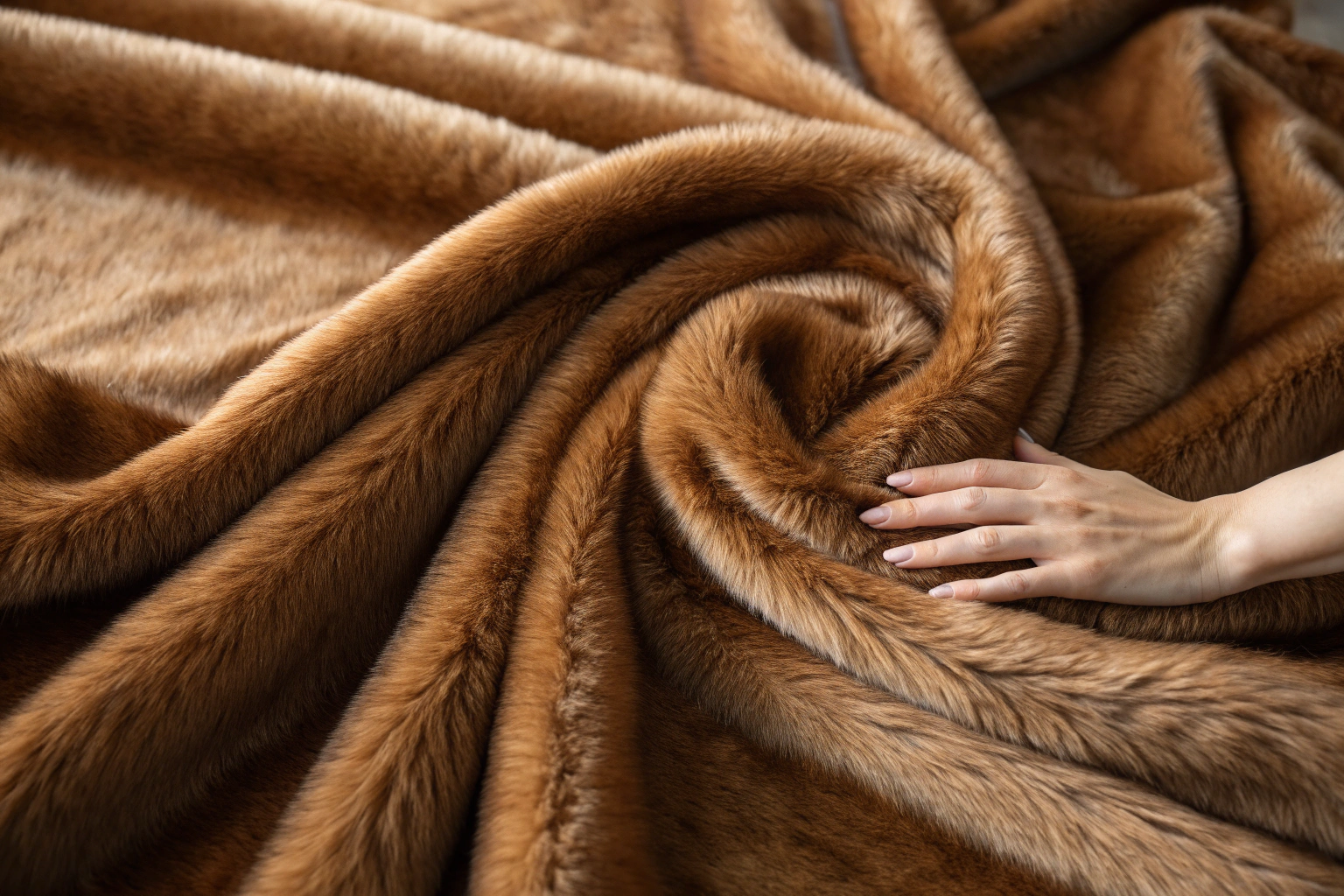
High-quality faux fur is distinguished by its composition, density, and performance under stress. The goal is to mimic the luxurious softness, sheen, and drape of natural fur while offering superior practicality.
Key characteristics to specify include:
- Fiber Composition and Length: While most faux fur is 100% polyester, the quality lies in the fiber type. Look for fine-denier, modified polyester fibers that are softer and less prone to a plastic-y sheen. Longer pile lengths (common in trim or full-fur gloves) offer a more luxurious look but must be densely packed to prevent matting.
- Backing Fabric: The backing is critical for durability. A weak backing will lead to shedding and tearing. Require a tightly woven, stable backing fabric, often a polyester-cotton blend or a robust knitted substrate, that can withstand cutting and sewing without fraying.
- Performance Metrics: Establish minimum standards for:
- Shedding: Test by vigorously rubbing and pulling the fur. High-quality fur will have minimal fiber loss.
- Pilling Resistance: The surface should resist forming pills or balls with friction.
- Colorfastness: The dye must not bleed during cleaning or when wet.
- Density: The fur should feel plush and full; you should not easily see or feel the backing through the pile.
How Do You Evaluate the "Hand Feel" and Drape?
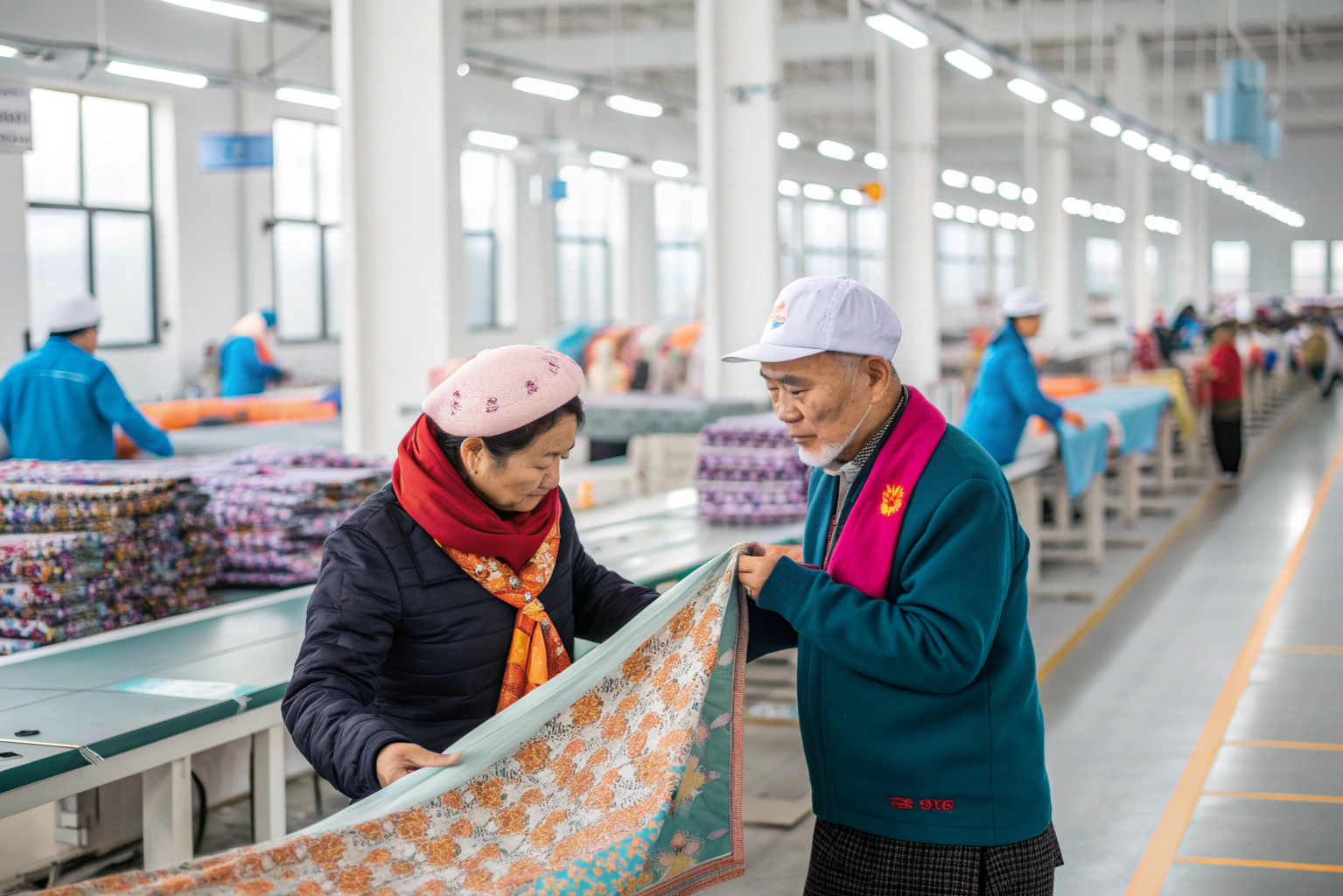
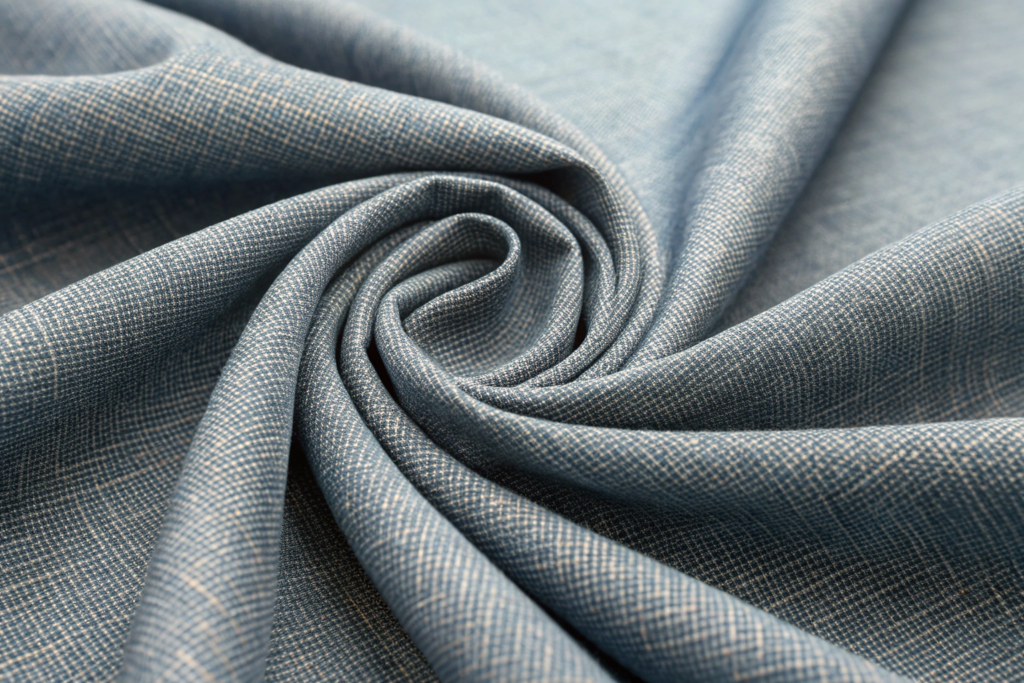
The tactile experience is everything. Request large swatches (at least A4 size) from potential suppliers. Assess the softness against the skin, the natural drape when the fabric hangs, and the recovery after compression—good fur should bounce back quickly. Compare these swatches side-by-side with a known quality benchmark. This subjective test is as important as any technical specification for a luxury accessory.
What are the Functional Considerations for Glove Design?
Consider the glove's end-use. For a faux fur-lined glove, a shorter, dense, and very soft pile is ideal for warmth and comfort against the skin. For a faux fur-trimmed cuff or an all-over faux fur glove, a longer, more dramatic pile may be used, but it must still be secure. Discuss with your manufacturer how the fur will be integrated—whether it's applied as a trim, used as a lining, or is the main shell fabric—as this affects the required weight and backing strength.
How to Identify Ethical and Sustainable Sourcing Partners?
Today's consumers and retailers increasingly demand transparency. Your sourcing story can be a significant brand asset. High quality now encompasses ethical production and environmental responsibility.
Proactively seek partners who can demonstrate:
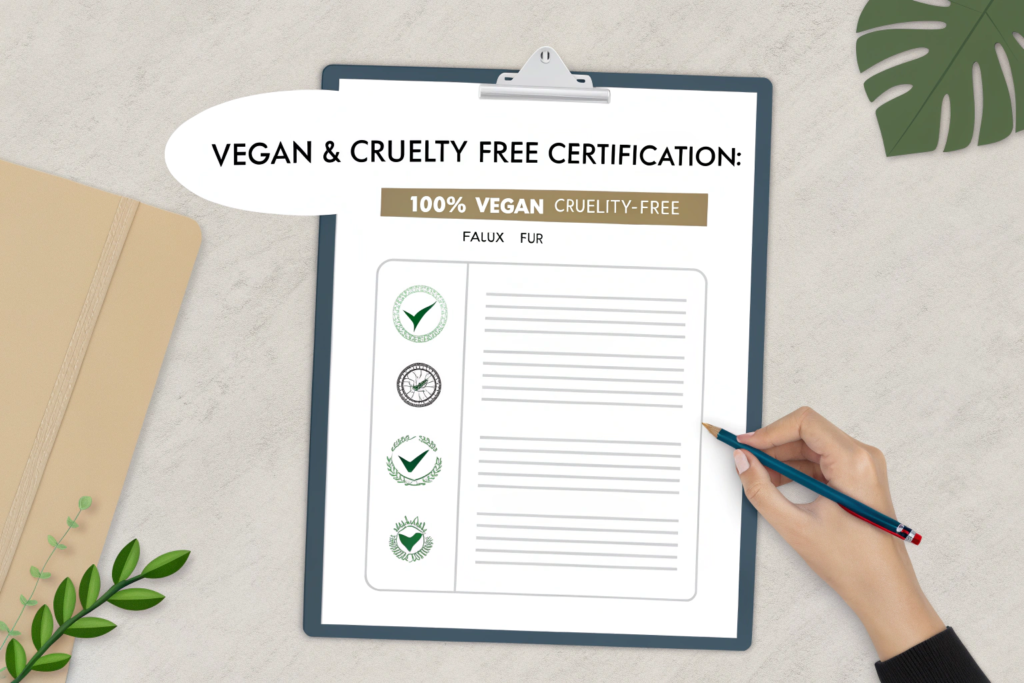
- Vegan & Cruelty-Free Certification: Many brands now market 100% vegan and cruelty-free faux fur products. Partnering with mills that have official certifications from recognized organizations adds verifiable credibility to your claims.
- Supply Chain Transparency: Inquire about the supply chain. Where are the raw materials sourced? Is the manufacturing facility audited for social compliance? While many premium products are manufactured globally, the responsibility lies with you to ensure the factory maintains high ethical standards.
- Environmental Initiatives: Ask about sustainable practices. Does the supplier use recycled polyester (rPET) in their fibers? What are their dyeing processes (e.g., low-impact dyes, water treatment)? A commitment to these practices indicates a forward-thinking partner aligned with modern values.
Why is a Clear Care and Durability Narrative Important?
Ethical sourcing also means creating products that last. A high-quality, well-constructed faux fur glove should withstand proper care. Provide clear care instructions to end-users; common guidelines include dry clean only or hand wash and air dry in shade. Promoting proper care extends the product's life, reducing waste and supporting a more sustainable consumption model. This narrative of durability is a key part of an ethical product story.
How to Vet a Manufacturer's True Commitment?
Go beyond marketing claims. During factory audits or meetings, ask specific questions: "Can you show me your certification?" "What is your process for managing dye wastewater?" "How do you ensure fair wages and working hours?" A reputable partner will be prepared with answers and documentation. Their willingness to be transparent is a strong indicator of a trustworthy sourcing relationship.
How to Implement Rigorous Quality Control and Sampling?
Consistency is the hallmark of quality. Establishing clear QC protocols with your sourcing partner is non-negotiable to prevent defects and customer returns.
Implement a multi-stage inspection process:
- Fabric Approval: Never approve bulk production based on a small snippet. Insist on receiving a full-width, several-meter-long fabric sample from the actual production batch. Check for consistent color, pile height, and density across the entire width and length.
- Pre-Production Sample: Your glove manufacturer should make a pre-production sample (PP sample) using the approved fur. Evaluate the finished product for:
- Seam Integration: How is the fur sewn? Seams should be flat and secure.
- Shedding in Context: Does the glove shed when worn?
- Overall Aesthetic: Does it match your design vision in terms of volume and style?
- Production Quality Check (AQL): Agree on an Acceptable Quality Level (AQL) for the final glove inspection. This statistically valid sampling method checks for defects in workmanship, finishing, and material flaws in the batch before shipment.

What are Common Red Flags During Sourcing?
Be wary of suppliers who:
- Are vague about composition or cannot provide a detailed tech sheet.
- Only provide tiny swatches that don't allow for proper evaluation of drape and consistency.
- Have prices significantly below market average, which often indicates inferior fiber, low density, or poor backing.
- Cannot provide information about the manufacturing origin or ethical practices.
- Show samples with noticeable shedding or a stiff, shiny appearance.
What Does a Reliable Sourcing Partnership Look Like?
A reliable partner acts as an extension of your team. They proactively communicate, meet sampling deadlines, and are transparent about challenges. They understand that quality faux fur is an investment and will work with you to achieve the desired balance of aesthetics, performance, and cost. They should also have expertise in the logistics of handling and shipping bulk fabric or finished goods to your specifications.
How to Balance Cost, Minimums, and Lead Times?
Sourcing premium materials involves strategic business decisions beyond the per-meter price. Understanding the total cost of ownership is key.
Consider these factors:
- Minimum Order Quantities (MOQ): Specialized faux fur mills often have high MOQs per color and style, potentially requiring hundreds of meters. For smaller brands, this can be prohibitive. Solutions include:
- Using a manufacturer that sources the fur directly and includes it in their total garment MOQ, which may be lower.
- Exploring stock faux fur programs from mills that offer smaller quantities of pre-designed fabrics.
- Total Delivered Cost: Factor in fabric cost, shipping, duties, and potential waste (cutting efficiency). A slightly more expensive fur with better yield and durability may have a lower total cost per glove than a cheaper, weaker alternative.
- Lead Time and Reliability: Development of custom faux fur can take 4-6 months. Factor this into your production calendar. Ensure your partner has a track record of reliable delivery to avoid missing key selling seasons. Be mindful that shipping methods (sea vs. air) also impact cost and timeline.

When Does Investing in Custom Development Make Sense?
For brands establishing a unique identity, developing a custom faux fur might be worthwhile. This involves creating a unique color, fiber blend, or pattern. This is a major investment requiring high MOQs and long lead times but results in a truly proprietary product that competitors cannot easily replicate. This decision should align with your brand's scale and strategic positioning.
How to Structure a Successful Pilot Order?
Before committing to a large bulk order, start with a pilot production run. This allows you to test the fur's performance in the final product, assess factory execution, and gather customer feedback. Use this order to validate all your quality assumptions and make any final adjustments before scaling up.
Conclusion
Sourcing high-quality faux fur for gloves is a detailed process that blends material science, ethical sourcing, and rigorous quality management. It requires moving from a commodity mindset to a partnership approach with suppliers who share your commitment to luxury, durability, and responsibility.
By meticulously evaluating material characteristics, prioritizing transparent and sustainable supply chains, and enforcing strict quality controls, you can secure a faux fur that elevates your brand, delights customers, and stands the test of time. This investment in quality materials forms the foundation of a premium accessory collection that commands respect in the marketplace.
If you are looking for a manufacturing partner with expertise in sourcing and working with premium materials to create exceptional faux fur gloves, we have the supply chain relationships and technical knowledge to bring your vision to life. Contact our Business Director Elaine at elaine@fumaoclothing.com to discuss how we can collaborate on your next collection.