I still remember the first time I touched real, high-quality cashmere. I was a young buyer, visiting a supplier in Inner Mongolia. They handed me a scarf. It was so soft, so light, so incredibly warm that I could not believe it came from an animal. It felt like holding a cloud. That moment changed my understanding of what a textile could be. It also taught me that not all cashmere is the same. In fact, the difference between good cashmere and great cashmere is as vast as the grasslands where the goats roam.
Sourcing high-quality cashmere hats and beanies requires a deep understanding of the fiber itself, the supply chain, and the manufacturing processes that preserve its luxurious properties. You must know how to evaluate fiber diameter and length, the key determinants of softness and durability. You need to understand the difference between virgin and recycled cashmere, and between pure cashmere and blends. You must be able to verify the source, whether through certifications like Sustainable Fibre Alliance or Good Cashmere Standard, or through direct relationships with ethical suppliers. And you must work with manufacturers who know how to handle this delicate fiber, from knitting to finishing, without damaging its natural beauty.
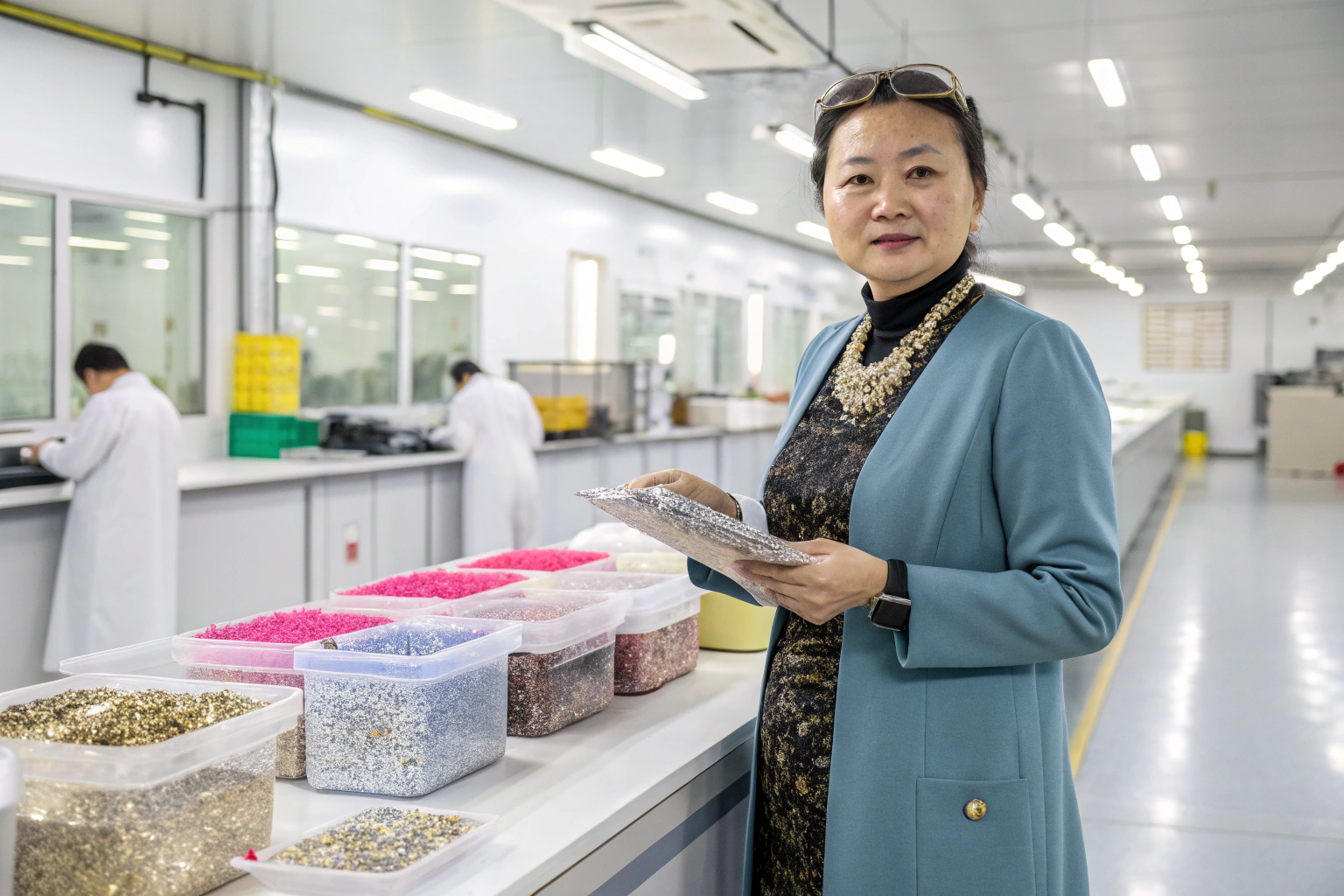
At Shanghai Fumao Clothing, we have spent decades building these relationships and this expertise. We have traveled to the high plateaus of Inner Mongolia. We have worked with family-owned cooperatives that have raised cashmere goats for generations. We have trained our knitting teams in the gentle techniques required for cashmere. We know that when a client like Ron asks for a cashmere beanie, they are not just asking for a hat. They are asking for an experience of luxury. Let me share what we have learned about sourcing this extraordinary fiber.
What Defines High-Quality Cashmere?
The term "cashmere" gets thrown around a lot. But true connoisseurs know that it represents a spectrum of quality, from merely acceptable to absolutely sublime. Understanding what sits at the top of that spectrum is the foundation of smart sourcing.
High-quality cashmere is defined by two primary metrics: fiber diameter and fiber length. Fiber diameter, measured in microns, determines softness. The finest cashmere is under 15.5 microns, creating that signature buttery, non-itchy feel. Fiber length determines durability and pilling resistance. Longer fibers, typically over 36mm, spin into smoother, stronger yarns that are less likely to pill. High-quality cashmere also has a high percentage of pure cashmere content, with minimal guard hairs (the coarser outer coat of the goat). It is uniform in color and has a natural luster. These factors together create a fabric that is soft, warm, lightweight, and durable.
Let me explain these metrics in more practical terms. Fiber diameter is measured in microns. Human hair is about 70 microns. Good cashmere is around 16 microns. The very best, often called "Grade A" or "baby cashmere," can be as fine as 13 to 14 microns. This is the difference between a hat that feels soft and one that feels absolutely sublime. Fiber length is equally important. Imagine trying to build a rope with very short pieces of string. It would be weak and fuzzy. The same is true for cashmere yarn. Long fibers spin into a smooth, strong yarn. Short fibers, often from lower-quality or recycled sources, create a yarn with many loose ends. These ends work their way to the surface, creating fuzz and eventually pills. A high-quality cashmere beanie will be made from long-staple fibers. It will look smooth and feel dense, not loose and fluffy in a cheap way.
What Is The Difference Between 2-Ply And 1-Ply Cashmere?
This is a term you will hear often. "Ply" refers to the number of individual yarns twisted together to make the final yarn. 1-ply cashmere is made from a single strand of yarn. It is lighter, often less expensive, and can be perfectly fine for lighter-weight accessories. However, it is generally less durable and can be more prone to pilling. 2-ply cashmere is made by twisting two individual strands together. This creates a stronger, more durable, and more resilient yarn. It is heavier and warmer. For hats and beanies, which undergo a fair amount of stretching and friction, 2-ply cashmere is the premium choice. It will hold its shape better and last longer. The difference in feel is also noticeable. A 2-ply fabric has more body and a richer hand feel. When you are sourcing, always ask about the ply. A reputable supplier will know this detail and be proud to share it.
How Can You Tell If Cashmere Is Blended With Other Fibers?
Blending is not necessarily bad. Some blends, like cashmere with silk, can add strength and luster. Cashmere with merino wool can offer a more affordable option. The key is transparency. A pure cashmere product should be labeled as 100% cashmere. If it is a blend, the label must state the percentage of each fiber. How can you tell by touch? Pure cashmere has a unique, almost buttery softness that is hard to replicate. A wool blend will often feel slightly more prickly or "sheepy." A synthetic blend (with nylon or acrylic) might feel soft initially but will lack the warmth and breathability of pure cashmere. It may also feel "slippery" in a synthetic way. The best way to know is to ask for a fiber composition test report from an accredited lab. We provide these for all our cashmere products.
Where Does The Best Cashmere Come From?
Cashmere is not grown in a factory. It is grown on goats, in some of the most remote and beautiful places on earth. The origin of the cashmere has a profound impact on its quality. The harsh climate, the high altitude, and the traditional practices of the herders all play a role.
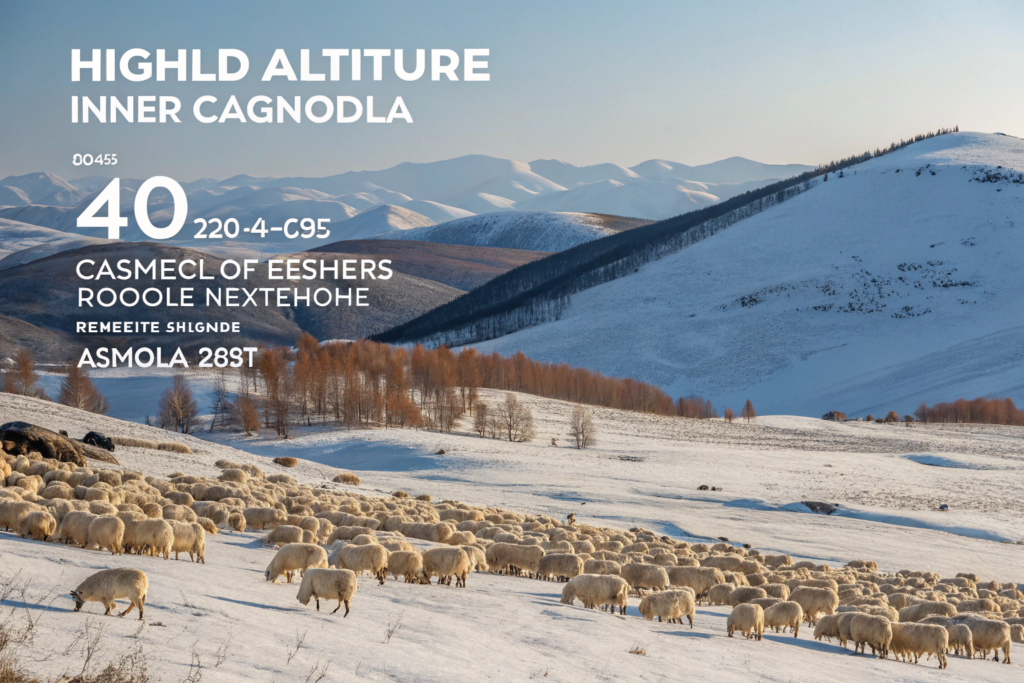
The best cashmere in the world comes from the high-altitude regions of Inner Mongolia, an autonomous region of China, and Mongolia. The extreme cold, with winter temperatures dropping to -40°C, forces the goats to grow an incredibly fine, dense undercoat for warmth. This undercoat is the cashmere. The finest fibers, often under 15 microns, come from these regions. Cashmere from other areas, like Iran or Afghanistan, can also be good, but the consistent quality and volume from Inner Mongolia have made it the global gold standard. Within Inner Mongolia, the Alashan and Ordos regions are particularly renowned for producing the finest fibers.
I have been to these regions. It is a landscape of breathtaking beauty and harsh reality. The goats roam freely, grazing on sparse vegetation. In the spring, as the weather warms, they naturally shed their winter undercoat. This is when the herders comb them, collecting the precious fibers by hand. It is a slow, labor-intensive process. One goat produces only about 150 to 200 grams of usable cashmere per year. That is why a single cashmere beanie might require the entire annual output of two or three goats. This scarcity is part of what gives cashmere its value. When you buy a cashmere hat from a reputable source, you are buying the result of a year of an animal's life and the skilled labor of a herder. It is a product with a real story.
What Is The Difference Between Inner Mongolian And Mongolian Cashmere?
This can be confusing because there is Inner Mongolia (which is part of China) and the country of Mongolia. Both produce excellent cashmere. Historically, Inner Mongolian cashmere has been considered the finest, with the longest and thinnest fibers, particularly from the Alashan and Ordos regions. It is also more vertically integrated, with large Chinese companies controlling much of the processing. Mongolian cashmere (from the country of Mongolia) is also of very high quality. It is often more associated with nomadic, traditional herding practices. Some argue it has a slightly different, perhaps more "rustic" character. In reality, the quality can vary within both regions. The most important thing is not the political border, but the specific source and the reputation of the supplier. We source from both regions, always prioritizing ethical and sustainable herding practices.
How Do Climate And Terrain Affect Cashmere Quality?
The climate is the primary driver of quality. The harsher the winter, the finer and denser the undercoat the goat must grow to survive. This is why the high plateaus of Inner Asia, with their extreme temperature swings, produce the best cashmere. Goats raised in milder climates simply do not need such a fine coat. Their cashmere will be coarser. The terrain also matters. Goats that graze on a diverse range of native plants are generally healthier, and this can affect the condition and luster of their fiber. Overgrazed land leads to stressed animals and poorer quality cashmere. This is why sustainable grazing practices are so important, not just for the environment, but for the long-term quality of the fiber itself.
What Certifications Should You Look For In Ethical Cashmere?
The demand for cashmere has grown tremendously. With that growth has come pressure on the land and on the animals. Overgrazing is a serious problem in some areas, leading to desertification. Animal welfare is also a concern. For a brand that cares about sustainability and ethics, you cannot just buy cashmere. You must buy cashmere that is certified to come from responsible sources.
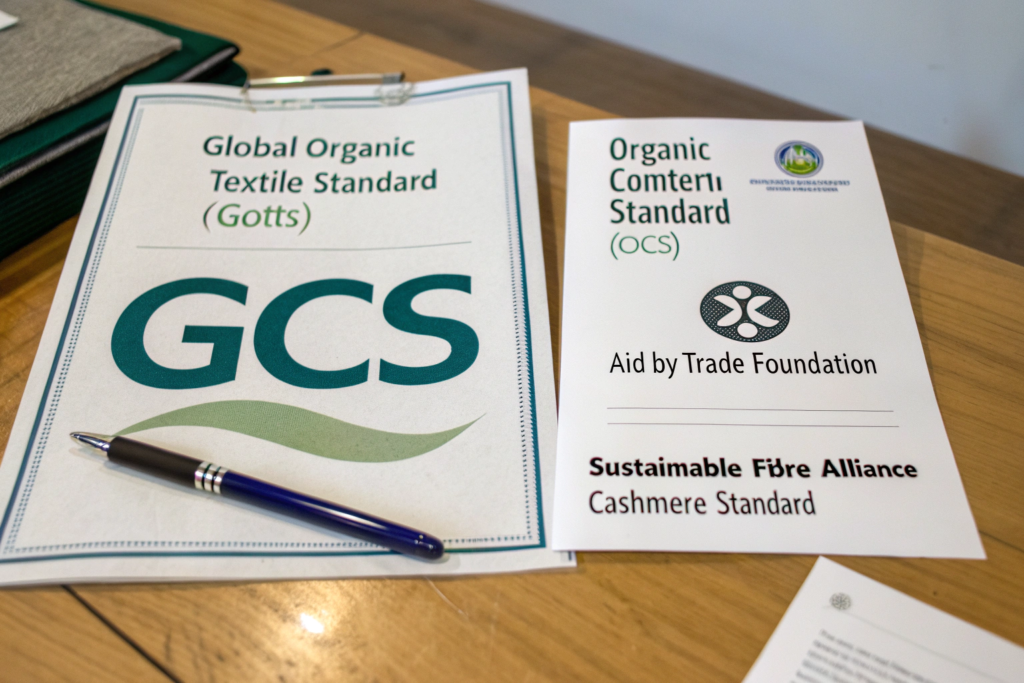
There are now several important certifications that verify the ethical and sustainable production of cashmere. The Good Cashmere Standard (GCS) by the Aid by Trade Foundation focuses on animal welfare, environmental protection, and the livelihoods of herders. The Sustainable Fibre Alliance (SFA) Cashmere Standard works towards a similar goal, with a strong focus on pastoralist communities and rangeland management. Both standards require third-party auditing and traceability throughout the supply chain. For organic claims, the Global Organic Textile Standard (GOTS) or Organic Content Standard (OCS) can apply if the cashmere is certified organic. Looking for these certifications is the best way to ensure your cashmere is not just high-quality, but also responsible.
These certifications are not just pieces of paper. They represent a fundamental shift in the industry. For decades, cashmere production was largely unregulated. The push for higher volume led to overgrazing and, in some cases, poor animal welfare. The GCS and SFA standards are changing that. They set requirements for how goats are housed, fed, and cared for. They limit stocking densities to prevent overgrazing. They require that herders are paid fairly. And they create a chain of custody so that a certified product can be traced back to a certified farm. When you buy cashmere from a source that carries these certifications, you are supporting a more sustainable future for the industry. We are proud to offer GCS-certified cashmere to our clients.
What Is The Good Cashmere Standard (GCS)?
The Good Cashmere Standard was developed by the Aid by Trade Foundation in collaboration with experts in animal welfare, environment, and social responsibility. It is specifically for cashmere from Inner Mongolia. The standard covers five key areas: animal welfare (ensuring goats are healthy, well-fed, and free from harmful practices like mulesing), farm management and biodiversity (preventing overgrazing and protecting natural resources), social responsibility (fair wages and safe working conditions for herders), traceability, and compliance with laws. Products that carry the GCS label give consumers confidence that the cashmere was produced responsibly. It is becoming the leading standard for ethical cashmere from China.
How Does The Sustainable Fibre Alliance (SFA) Standard Differ?
The SFA Cashmere Standard is similar in its goals but operates primarily in Mongolia. It has a very strong focus on supporting the traditional nomadic herding lifestyle. The standard works at the herder group level, helping communities to improve their practices collectively. It also places a heavy emphasis on rangeland management, working to combat desertification and protect the fragile grassland ecosystem. Both GCS and SFA are excellent, credible standards. The choice often depends on the geographic source of your cashmere. We work with suppliers who adhere to both, depending on the origin of the fiber. The existence of these standards is a huge step forward for the sustainability of the cashmere industry.
How Can You Assess The Quality Of A Finished Cashmere Hat?
Certifications and fiber metrics are essential, but they are not everything. You also need to use your own senses. A finished cashmere hat has a personality that numbers cannot fully capture. Learning to assess it by touch and sight is a crucial skill for any buyer.
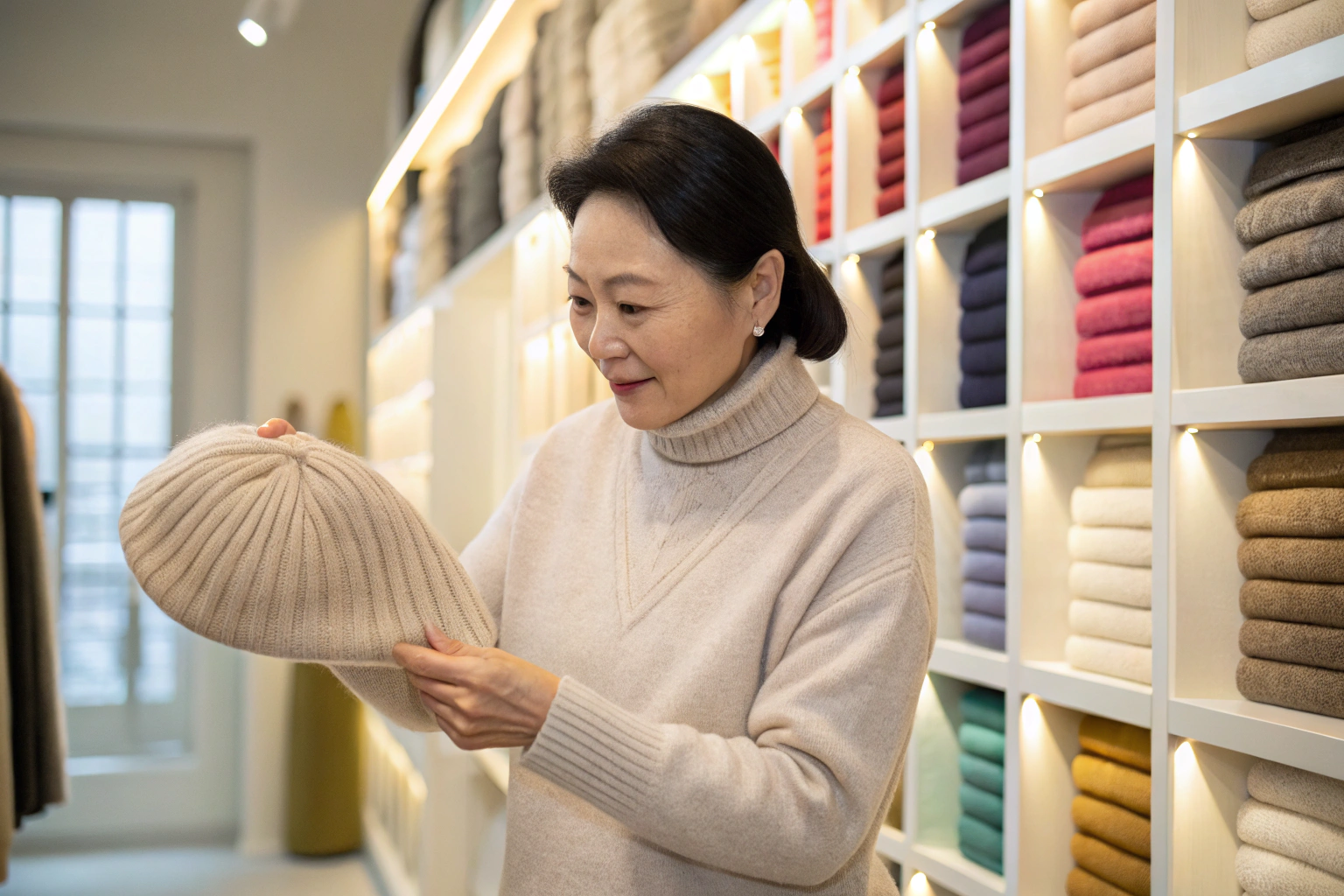
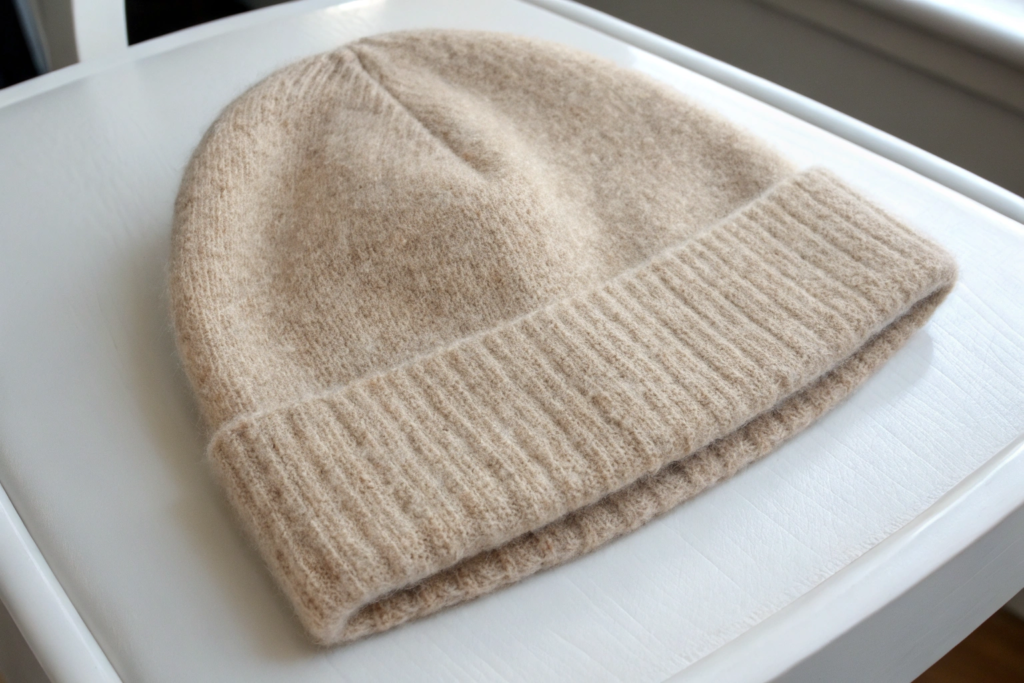
Assessing a finished cashmere hat involves evaluating its hand feel, its weight and density, and its construction. The hand feel should be uniformly soft, with no prickly or coarse areas. It should feel warm and substantial, not thin and flimsy. The knit should be even and tight, with no dropped stitches or obvious flaws. Gently stretch the hat. It should give slightly and then spring back to its original shape, indicating good fiber and good knitting. Look at the surface. There should be minimal fuzz or loose fibers. A high-quality cashmere hat looks clean, feels dense, and has a natural luster. It feels like a luxury item the moment you pick it up.
I have trained our quality control team to do this assessment on every batch. The first thing they do is simply hold the hat. Does it feel light for its size? Cashmere is famous for being lightweight yet incredibly warm. A heavy, dense hat might be made from lower-quality, shorter fibers that require more material to achieve warmth. Then they touch it. They run their hands over the entire surface, feeling for any variations. A consistent, uniformly soft feel is the goal. Then they test the elasticity. They stretch the cuff gently and release. A good hat will snap back. A poor one will stay stretched or recover slowly. Finally, they hold it up to the light. They look for any thin spots in the knit. A uniform, consistent fabric is a sign of good quality yarn and good knitting machines. This multi-sensory inspection is our final check before any hat is shipped.
What Should The "Hand Feel" Of A Quality Cashmere Beanie Be Like?
The hand feel is the most important quality. It should be incredibly soft, but not in a loose, fuzzy way. Think of the difference between a cheap, fuzzy teddy bear and a smooth, dense velvet. The cheap bear is soft in a superficial way, but it pills and loses its shape. The velvet has a deeper, richer softness. Good cashmere is like that. It has a certain "dry" softness, not a slick, synthetic softness. It should feel warm instantly when you touch it. Some people describe it as "buttery." There should be no prickle, no scratchiness. If you rub it against your cheek (the most sensitive skin), it should feel only comfort. This is the signature of fine, long-staple cashmere with a low micron count. This tactile experience is what customers are paying for.
How Can You Test For Pilling Resistance Before Buying?
Pilling is the enemy of cashmere. Those little balls of fuzz that appear on cheap cashmere are a sign of short fibers escaping from the yarn. While even the best cashmere will pill slightly with friction, good cashmere pills much less. You can do a simple test. Rub the surface of the hat firmly with your hand, back and forth, about 20 times. Then look at the surface. Has it become noticeably fuzzy? Are there small pills forming? A high-quality cashmere will show minimal change. It might develop a very light surface fuzz, but it will not form tight pills. You can also ask your supplier for a Martindale pilling test report. This standardized test rubs the fabric against itself for a set number of cycles and then grades the pilling on a scale of 1 to 5. We aim for a grade of 4 or higher on all our cashmere products.
How Should Cashmere Hats Be Manufactured And Finished?
Even the finest cashmere fiber can be ruined by poor manufacturing. The way the yarn is knitted, the way the hat is finished, and even the way it is washed all affect the final quality. You need a manufacturer who treats cashmere with the respect it deserves.
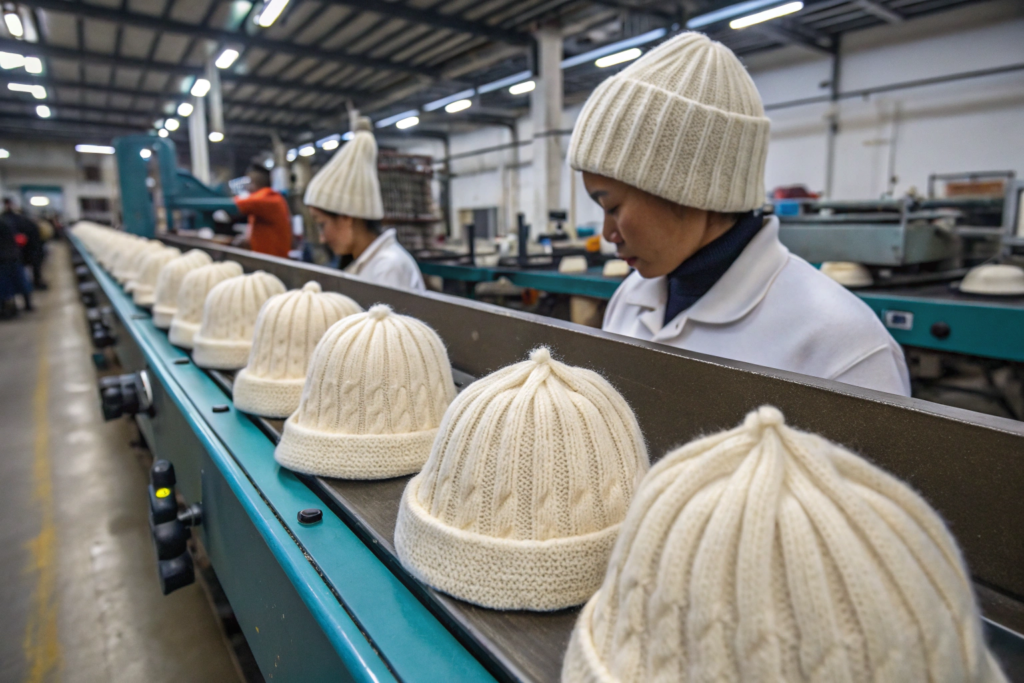
The manufacturing of cashmere hats requires specialized techniques and gentle handling. The knitting should be done on fine-gauge machines that create a smooth, even fabric without stressing the delicate fibers. After knitting, the hats undergo a finishing process called "fulling" or "milling." This involves gently washing the hats in cool water with mild, pH-neutral soaps. This process relaxes the fibers, closes the knit, and creates that characteristic soft, dense hand feel. The hats are then carefully dried, often laid flat to avoid stretching, and finally steamed to set the shape. Harsh chemicals, high heat, or aggressive washing will ruin cashmere.
At our factory, we have a separate production line just for cashmere. The knitting machines are meticulously maintained to ensure they do not snag or pull the delicate yarn. The knitting tension is set precisely. Too tight, and the fabric will be stiff and uncomfortable. Too loose, and it will be shapeless and prone to stretching. The fulling process is where the magic happens. The hats are placed in large, gentle washing machines with cool water and a special cashmere detergent. They are agitated very gently. This causes the fibers to relax and interlock slightly, creating a denser, softer fabric. It is a critical step that requires experience. Over-fulling can shrink or felt the hats. Under-fulling leaves them loose and "open." Our team has decades of experience getting this exactly right.
What Is "Fulling" And Why Is It Important For Cashmere?
Fulling, also sometimes called milling or wet finishing, is a process of gently washing the knitted fabric in water with mild agitation. For cashmere, this is not about cleaning. It is about setting the fabric. The combination of moisture, gentle movement, and temperature causes the cashmere fibers to relax and bloom. The scales on the surface of the fibers open slightly and then interlock with their neighbors. This creates a fabric that is denser, warmer, and softer. It also helps to prevent pilling by securing the fibers more firmly within the yarn. A cashmere hat that has been properly fulled will have a much more luxurious hand feel and will hold its shape better than one that has simply been knitted and packed. It is an essential step in creating quality cashmere goods.
How Should Cashmere Hats Be Stored And Packed To Avoid Damage?
Cashmere is delicate and needs careful handling, even in storage. It should never be hung, as this can cause it to stretch out of shape. For hats, they should be stored flat or loosely folded. In our warehouse, we store cashmere hats flat on wide shelves, not packed tightly together. We also control the humidity and temperature to prevent any mustiness or pest issues. For packing and shipping, we never vacuum-pack cashmere. The compression can crush the fibers and ruin its loft and softness. Instead, we use acid-free tissue paper to help the hat maintain its shape, and we place it in a poly bag that is not too tight. We also use moth deterrent sachets in long-term storage, as cashmere is a natural protein fiber that moths love. This careful handling ensures that the hat arrives at your customer's door in perfect condition.
Conclusion
For a buyer like Ron, or any brand seeking to offer true luxury, cashmere hats and beanies are an essential category. They represent warmth, comfort, and timeless style. But sourcing them correctly is a complex task. It requires understanding fiber metrics, navigating global supply chains, verifying ethical practices, and partnering with manufacturers who possess specialized skills. It is a journey, but one that is deeply rewarding.
At Shanghai Fumao Clothing, we have dedicated ourselves to this journey. We have built relationships with herders in Inner Mongolia. We work with certified ethical suppliers. We have trained our artisans in the gentle arts of cashmere knitting and finishing. We are proud to offer our clients cashmere hats that are not just beautiful, but also responsibly sourced and expertly made.
If you are ready to add truly exceptional cashmere to your collection, I would love to hear from you. Let's discuss your vision and how we can create hats that your customers will treasure for years. Please contact our Business Director, Elaine, at elaine@fumaoclothing.com to start the conversation.