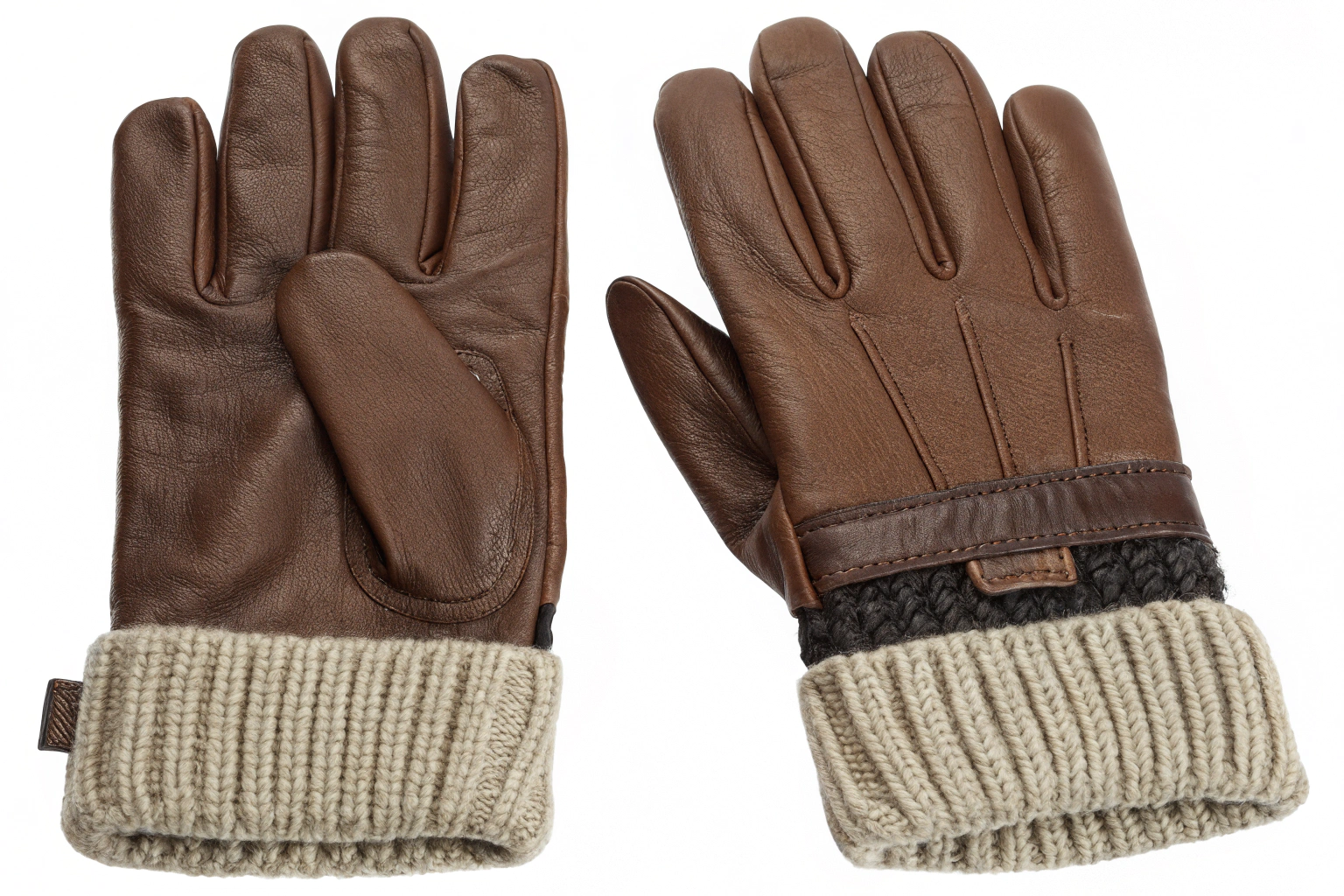
I have always had a soft spot for gloves with knitted cuffs. They remind me of my grandfather. He was a man of simple, classic style. He wore the same pair of leather gloves with knitted cuffs every winter for as long as I can remember. They were practical, warm, and somehow elegant in their simplicity. When I entered this business, I thought sourcing such a classic item would be easy. It is just a glove with a knitted cuff, right? I was wrong. I learned that this seemingly simple product is a perfect example of how craftsmanship, material selection, and attention to detail come together to create something truly timeless.
Sourcing gloves with knitted cuffs for a classic look requires a deep understanding of both components: the hand of the glove and the knitted cuff, and how they work together. The glove material, whether leather, wool, or a synthetic blend, must be chosen for its durability, warmth, and ability to maintain its shape. The knitted cuff must be made from a high-quality yarn, like wool, cashmere, or a durable acrylic blend, with a tight, consistent knit that provides a snug, comfortable fit without stretching out. The attachment of the cuff to the glove is a critical construction detail. It must be strong and neat, often done with a linking or looping machine that creates a seamless, flexible join. Finally, the proportions must be right: the length of the cuff, its ribbing, and its overall look must complement the glove's style to achieve that classic, timeless aesthetic.
At Shanghai Fumao Clothing, we have been making gloves for over two decades. We have produced millions of pairs, from basic work gloves to high-end fashion accessories. The classic glove with a knitted cuff is a staple in our production. We understand the nuances that separate a cheap, poorly made glove from one that will be cherished for years. Let me share what we have learned about sourcing this timeless accessory.
What Materials Are Best For The Glove Itself?
The hand of the glove is the main event. It covers most of the hand and is the part that people see and feel first. The material you choose for this part sets the tone for the entire product. It determines the glove's warmth, durability, feel, and overall aesthetic.
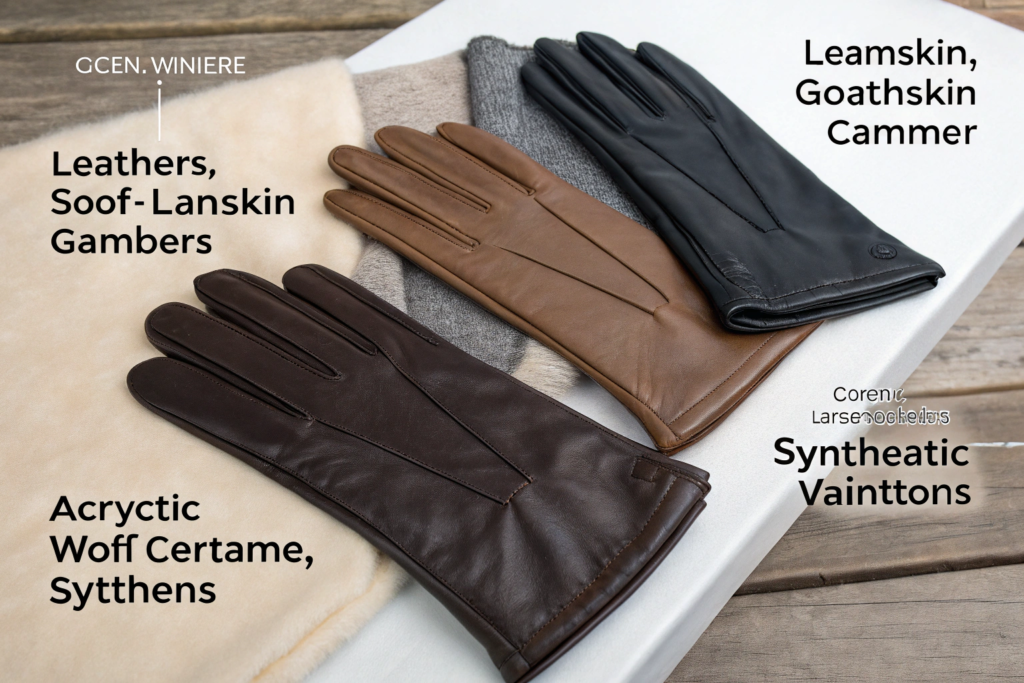
The best materials for the glove itself depend on the desired look, level of warmth, and budget. For a classic, dressy look, leather is the premium choice. Goatskin is soft and supple, deerskin is incredibly durable, and lambskin offers a luxurious, buttery feel. For a warmer, more casual look, wool or cashmere are excellent. A tightly woven or knit wool glove provides excellent insulation. Cashmere offers the ultimate in softness and luxury. For more affordable or performance-oriented options, synthetic blends like acrylic, polyester, and spandex can offer good warmth, stretch, and durability. The key is to match the material to the intended use and the classic aesthetic you are aiming for. A classic look can be achieved with any of these materials, as long as the quality is high and the construction is sound.
Let me go into more detail on each category. Leather gloves are the epitome of classic style. They pair beautifully with a wool coat or a blazer. The type of leather matters. Goatskin is a workhorse. It is strong, durable, and naturally water-resistant, yet it softens with wear. Deerskin is even more durable and known for its incredible softness. Lambskin or sheepskin is the luxury choice. It is incredibly soft and supple, almost like a second skin, but it is less durable. For a classic leather glove, you also need to consider the lining. Unlined leather is sleek and elegant. Lined leather (with silk, cashmere, or fleece) adds warmth. Wool and cashmere gloves offer a different kind of classic charm. They are inherently warm and cozy. A fine-gauge knit in a classic color like navy, charcoal, or camel is timeless. The density of the knit is key. A loose knit will not be warm and will lose its shape. A tight, dense knit is the mark of quality. Synthetic materials have come a long way and can offer excellent performance and a classic look at a more accessible price point.
What Is The Best Leather For Durable, Classic Gloves?
For a balance of durability, softness, and classic appeal, goatskin is often considered the best all-around choice. It is naturally strong and resistant to abrasion, yet it is not stiff. It softens beautifully with wear and molds to the hand. It also has good natural water resistance. For the absolute maximum durability, deerskin is superb. It is famously tough and long-lasting, and it is also very soft. It is often the choice for work gloves that need to look good, but it is also used in high-end fashion gloves. Lambskin is the choice for ultimate luxury and softness, but it is less durable and more suited for dress occasions than everyday wear. The choice depends on how the glove will be used. For a glove meant to be worn daily for years, goatskin or deerskin are excellent investments. This guide to leather types is essential reading.
How Do You Choose Between Lined And Unlined Leather Gloves?
This is a decision based on the climate and the intended use.
- Unlined Leather Gloves: These are the sleekest and most elegant. They allow for maximum dexterity and a very close fit. They are best for cool, but not frigid, weather, and for dress occasions where a slim profile is desired. They are also a good choice for driving gloves, where feel is important.
- Lined Leather Gloves: These are for colder weather. The lining adds a layer of insulation. Common lining materials include:
- Silk: Thin, smooth, and warm without adding bulk. It allows the gloves to still be quite elegant.
- Cashmere: The ultimate in luxury and warmth. It adds significant warmth and a plush feel, but also more bulk.
- Fleece or Acrylic: Practical, warm, and affordable options for everyday winter gloves.
The choice also affects the sizing. Lined gloves will need to be slightly larger to accommodate the lining without being too tight. We work with our clients to choose the right lining for their target climate.
What Makes A High-Quality Knitted Cuff?
The knitted cuff might seem like a minor detail, but it is a critical part of the glove's function and style. It keeps the cold out, helps the glove stay on, and frames the hand. A poor-quality cuff can ruin an otherwise beautiful glove.
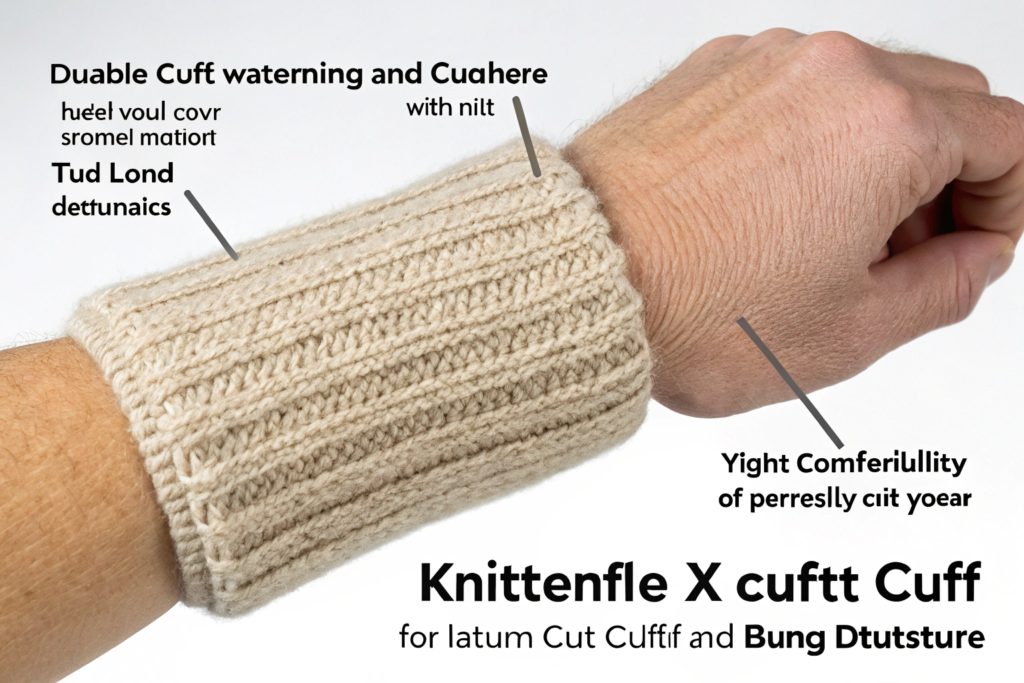
A high-quality knitted cuff is defined by its yarn, its knit structure, and its finish. The yarn should be soft and comfortable against the skin, yet durable enough to withstand repeated stretching. Common choices include wool, cashmere, acrylic, or blends. The knit structure is typically a rib knit (like 1x1 or 2x2 ribbing). Ribbing provides excellent elasticity, allowing the cuff to stretch to fit over the hand and then snap back to a snug fit around the wrist. The tighter and more consistent the rib, the better it will hold its shape. The finish of the cuff's edge is also important. It should be neat and even, often with a tubular or rolled edge that prevents unraveling and looks clean. The cuff's length also matters; a classic cuff is usually 2 to 4 inches long, providing enough coverage to seal the gap between the glove and the coat sleeve.
Let's break down the knitting. Rib knitting is created by alternating knit and purl stitches in the same row. This creates vertical columns of stitches that have a natural elasticity. A 1x1 rib (one knit stitch, one purl stitch) is very common and creates a fine, textured rib. A 2x2 rib (two knit, two purl) creates a more pronounced, chunkier rib, often used for a more casual or rugged look. The gauge of the knitting machine determines how fine or coarse the knit is. A finer gauge creates a denser, smoother rib. A coarser gauge creates a more open, textured rib. The yarn also plays a huge role in the feel and durability. A merino wool blend will feel soft and warm. A cashmere blend will feel luxurious. A high-quality acrylic can be very durable and easy to care for. The cuff must also be properly attached to the glove.
What Is The Difference Between A Rib Knit And A Plain Knit Cuff?
This is a fundamental distinction.
- Rib Knit Cuff: This is the classic choice for gloves. As explained, the alternating knit and purl stitches create a fabric that is highly elastic and has excellent recovery. It stretches to fit over the hand and then snaps back to hug the wrist. This provides a secure, comfortable fit and seals out cold air.
- Plain Knit Cuff (Jersey Knit): This is a simpler knit, with all knit stitches on one side and all purl on the other. It is what most t-shirts are made from. A plain knit cuff has very little natural stretch or recovery. It would not provide a snug fit. It would quickly stretch out and become loose and sloppy. For a glove cuff, a rib knit is the only choice that delivers the required performance and classic look.
How Do You Ensure The Cuff Does Not Stretch Out Over Time?
This is a matter of material quality and knit construction. The yarn must have good elastic memory. This is why wool and wool blends are so popular. Wool fibers have a natural crimp and elasticity. They can be stretched and will return to their original shape. High-quality acrylics are also engineered to have good recovery. The tightness of the rib knit is also critical. A very tight, dense rib will have more inherent resistance to stretching out than a loose, open rib. Finally, the way the cuff is attached to the glove can affect its longevity. If the attachment point is too tight or too loose, it can put stress on the cuff and cause it to stretch unevenly. We use specialized linking machines that attach the cuff with a very fine, strong seam that maintains the cuff's elasticity. This attention to detail is what prevents the dreaded "baggy cuff."
How Are The Cuff And Glove Joined Together?
The point where the knitted cuff meets the glove hand is a potential weak spot. It is a join between two different materials with different properties. How this join is made is a critical mark of quality. A sloppy, weak join can ruin the look and the function of the glove.
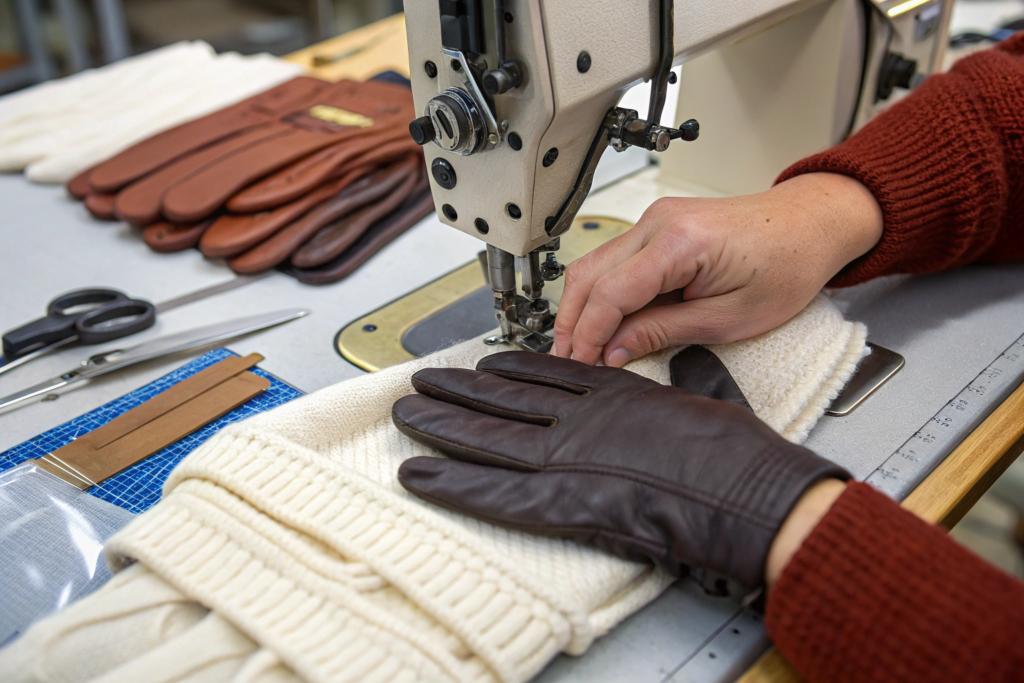
The best way to join a knitted cuff to a glove is using a linking or looping machine. This specialized machine creates a seam that is virtually invisible, very strong, and extremely flexible. It works by attaching each individual stitch of the knitted cuff to the edge of the glove material. The result is a smooth, flat join that does not create a bulky ridge, does not restrict movement, and is very durable. For leather gloves, the edge of the leather is often skived (thinned) before linking to reduce bulk. For knit gloves, the join is seamless. This linking process is a hallmark of high-quality glove manufacturing. Cheaper gloves might use a simple overlock seam, which is bulkier, less flexible, and more likely to fail.
Let me describe the linking process in more detail. The operator takes the knitted cuff, which is made on a knitting machine, and places each individual loop of the final row of knitting onto the points of the linking machine's dial. The edge of the glove material (leather, fabric, etc.) is also placed in the machine. The machine then uses a fine needle and thread to sew through each loop and the glove edge, creating a perfect, one-to-one attachment. This is a slow, skilled process. It requires a trained operator and a well-maintained machine. The result is a join that is as flexible as the cuff itself. You can stretch the cuff, and the join will stretch with it. A machine-sewn overlock seam, by contrast, stitches through the cuff in a continuous line. This creates a ridge that is less flexible and can be uncomfortable against the skin. The linking process is a true mark of craftsmanship.
What Is A Linking Machine And Why Is It Important?
A linking machine, also called a looping machine, is a specialized piece of textile machinery used to join two pieces of knitted fabric together, or to attach a knitted trim to a fabric edge, stitch by stitch. Its importance for gloves with knitted cuffs cannot be overstated. It creates a join that is:
- Strong: Each stitch of the cuff is individually secured.
- Flexible: The seam moves and stretches with the cuff, preventing it from being a stiff, uncomfortable point.
- Invisible: The seam is very flat and neat, barely visible from the outside.
- Comfortable: There is no bulky ridge to rub against the wrist.
Gloves made with a linked-in cuff are simply a higher quality product. They last longer, feel better, and look more professional. This is the method we use for all our premium glove lines.
What Is The Alternative To Linking And How Does It Compare?
The most common alternative is an overlock seam (also called a serger seam). This is a fast, machine-sewn seam that cuts and encloses the raw edges. For attaching a cuff, the overlock machine simply sews the cuff to the glove in a continuous line. This is much faster and cheaper than linking. However, the seam is bulkier, less flexible, and creates a ridge that can be uncomfortable. It also does not have the same strength. The stitches can be more easily broken, and the seam can pucker. For a very casual, low-cost glove, an overlock seam might be acceptable. But for a classic, high-quality glove that is meant to last, the linked-in cuff is the only choice.
What Design Details Contribute To A "Classic Look"?
Beyond materials and construction, certain design details define a glove as "classic." These are the subtle choices that elevate a functional item into a timeless accessory. Paying attention to these details is what separates a great glove from a merely adequate one.
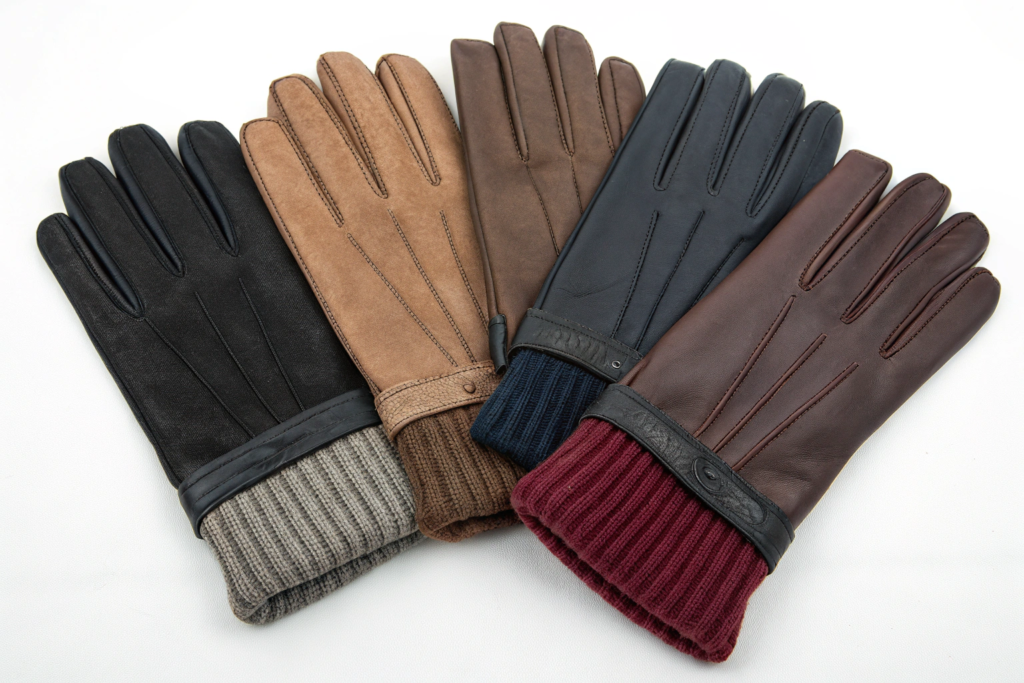
The classic look in gloves with knitted cuffs is defined by simplicity, proportion, and subtle detailing. The color palette is key. Classic colors like black, brown, navy, charcoal, camel, and burgundy are timeless and versatile. The length of the cuff should be proportional to the glove and the intended use. A shorter cuff (2-3 inches) is more dressy. A longer cuff (3-4 inches) offers more warmth and a slightly more casual or rugged look. The ribbing of the cuff itself should be neat and consistent. The stitching on the glove, if visible, should be even and precise. For leather gloves, details like a keystone thumb (a separate piece of leather that allows for natural thumb movement) and ventilation eyelets are classic, functional details. The overall effect should be one of understated elegance, not flashy ornamentation.
Let's explore some of these details. The keystone thumb is a great example. Instead of a simple, straight thumb, a separate, shaped piece of leather is inserted. This allows the thumb to move more naturally and reduces stress on the leather. It is a sign of a well-constructed glove. Ventilation eyelets are small metal rings set into the back of the glove, usually near the knuckles. They allow air to circulate, preventing sweaty hands. They also add a classic, equestrian-inspired detail. The closure is another detail. Classic gloves are often pull-on, with no closure. Some have a single snap or a small button at the wrist for a more secure fit. The edge finish on a leather glove is also important. The edge should be neatly turned and stitched, or left raw but cleanly cut. These are the hallmarks of classic glove design.
What Is A Keystone Thumb And Why Is It A Sign Of Quality?
A keystone thumb, also known as a gusseted thumb, is a construction method where the thumb is not just a straight extension of the hand piece. Instead, a separate, keystone-shaped piece of material is inserted between the thumb and the hand. This creates a three-dimensional shape that allows the thumb to move freely and naturally without pulling on the rest of the glove. It is a more complex and labor-intensive construction than a simple, flat thumb. Its presence is a reliable indicator of a higher-quality glove. It shows that the manufacturer has prioritized fit and function over ease and speed of production. Gloves with a keystone thumb are simply more comfortable and durable in the long run.
How Important Is Color Choice For A Classic Aesthetic?
Color is paramount. The classic aesthetic is built on a foundation of timeless, versatile colors. A glove in a trendy, bright color may look dated in a few years. A glove in a classic color will look appropriate for decades.
- Black: The most formal and versatile. Pairs with almost anything.
- Brown: Ranges from light tan to dark chocolate. Excellent for a more casual, rustic, or equestrian look.
- Navy: A sophisticated alternative to black, especially with navy or grey coats.
- Charcoal/Grey: A versatile neutral that works well with many colors.
- Camel/Tan: A classic, warm neutral that is perfect for a more casual, stylish look.
- Burgundy/Bordeaux: A rich, elegant color that adds a touch of sophistication.
Sticking to this palette ensures that your gloves will have the timeless appeal that defines the classic look. These colors are the foundation of a classic wardrobe.
Conclusion
For a buyer like Ron, or any brand seeking to offer a product with timeless appeal, the classic glove with a knitted cuff is a wonderful choice. It is an accessory that speaks of quality, craftsmanship, and understated style. But sourcing it correctly requires knowledge. It requires understanding the nuances of leather and yarn, the importance of a linked seam, the significance of details like the keystone thumb, and the critical nature of proper fit.
At Shanghai Fumao Clothing, we have spent decades perfecting this product. We have the skilled operators for our linking machines, the relationships with tanneries and yarn spinners to source the best materials, and the quality control systems to ensure every pair meets the highest standards. We are proud to produce gloves that people will wear and cherish for years, just like my grandfather did.
If you are looking for a partner to create classic, high-quality gloves with knitted cuffs, I would love to hear from you. Let's discuss your vision and how we can bring it to life with the craftsmanship and attention to detail it deserves. Please contact our Business Director, Elaine, at elaine@fumaoclothing.com to start the conversation.