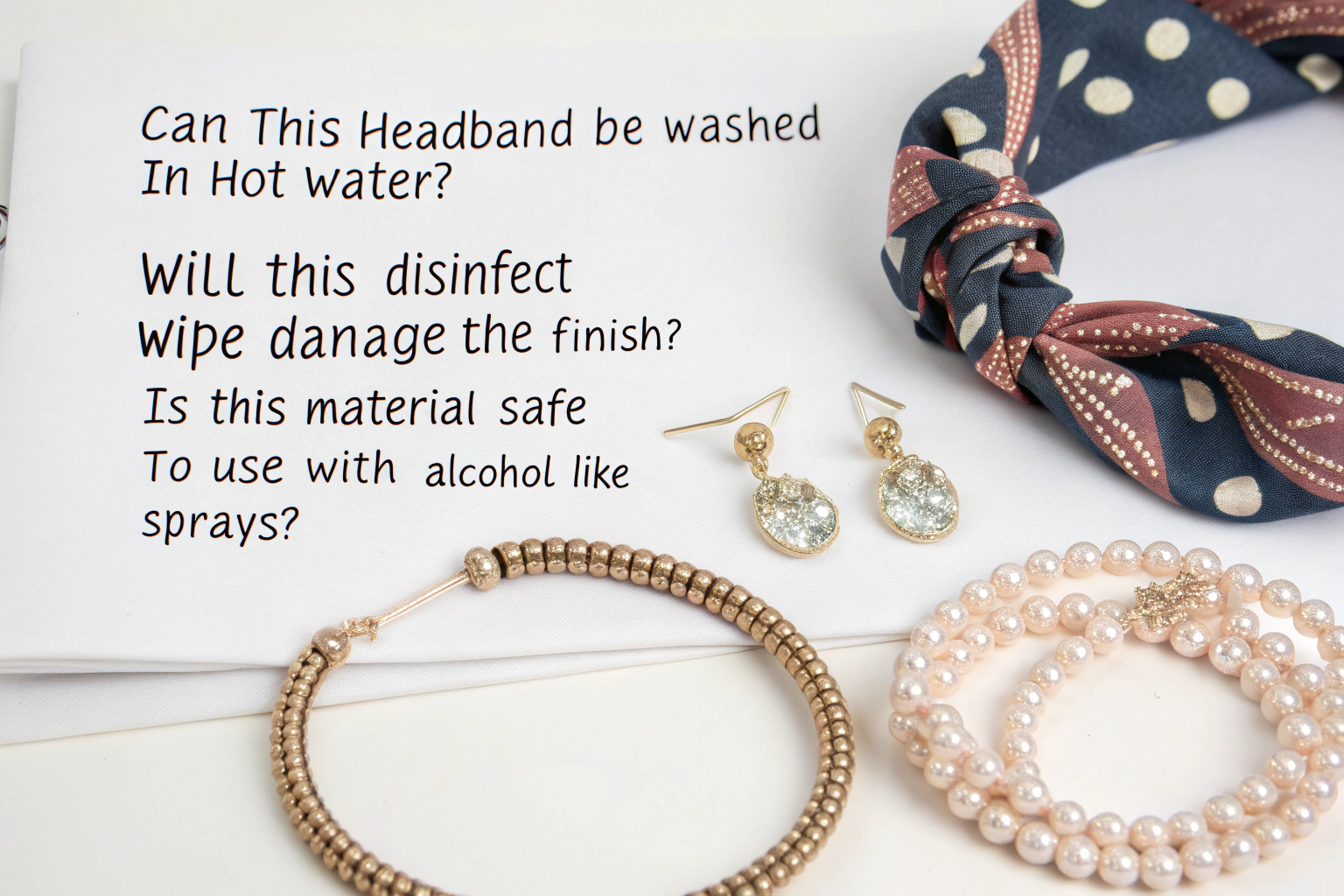
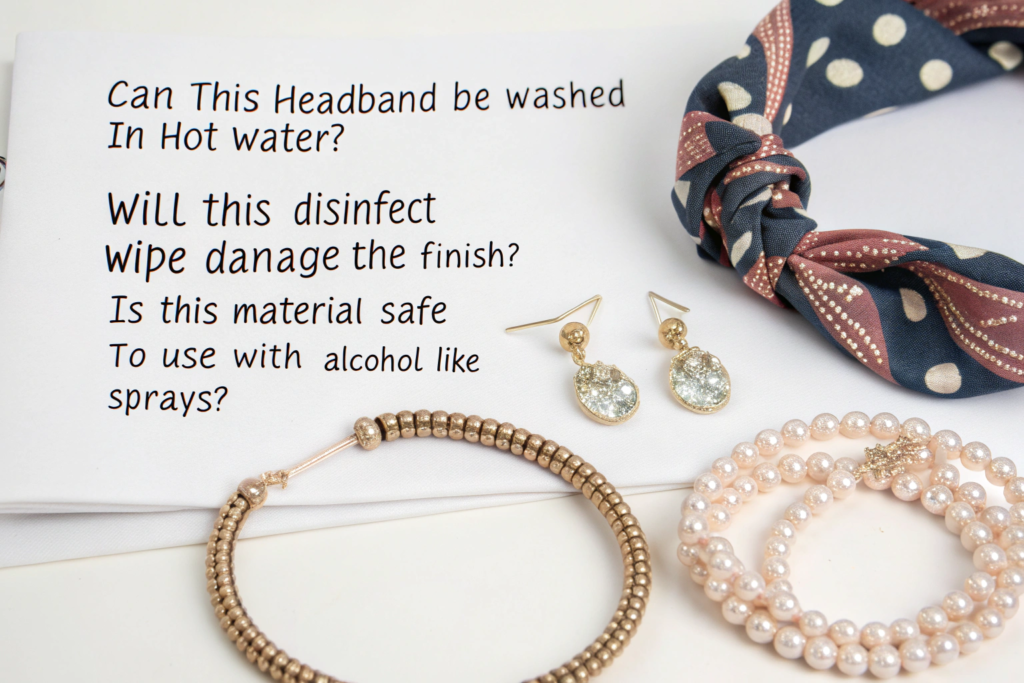
I never thought much about how easy it was to clean our accessories. For years, the focus was on how they looked, how they felt, how long they lasted. Cleaning was an afterthought. Then, a few years ago, the world changed. Suddenly, everyone was thinking about germs, about disinfecting, about how to keep the things we touch every day safe and clean. Our clients started asking new questions. Can this headband be washed in hot water? Will this disinfectant wipe damage the finish? Is this material safe to use with alcohol-based sprays? I realized that in a post-pandemic world, cleanability was no longer a niche concern. It was a fundamental feature.
Sourcing fashion accessories that are easy to clean and disinfect requires a focus on material selection, construction techniques, and finish durability. The goal is to choose materials that are non-porous, resistant to chemicals, and able to withstand repeated cleaning without degrading. This means prioritizing smooth, non-porous surfaces like metals, certain plastics, and coated fabrics over porous materials like raw wood, uncoated leather, or unfinished textiles. It means selecting finishes that are durable and chemically resistant, such as high-quality plating with protective topcoats, or powder-coated surfaces. It means using construction methods that eliminate crevices where dirt and microbes can hide, such as seamless or welded designs. Finally, it means testing the accessories with the intended cleaning methods (wipes, sprays, washes) to ensure they will hold up over time. The result is an accessory that is not only beautiful but also hygienic and practical for modern life.
At Shanghai Fumao Clothing, we took these new demands seriously. We reviewed our material choices, we tested our finishes against common disinfectants, and we redesigned some of our construction techniques. We learned that making an accessory easy to clean is not just about responding to a temporary concern. It is about creating products that are more durable, more practical, and ultimately more satisfying for the end user. Let me share what we have learned about sourcing and designing for cleanability.
What Materials Are Naturally Easy To Clean And Disinfect?
The foundation of an easy-to-clean accessory is the material it is made from. Some materials are naturally resistant to moisture and chemicals, with smooth, non-porous surfaces that can be wiped clean without absorbing germs or damaging the finish. Others are porous and absorbent, trapping dirt and moisture and making them difficult, or even impossible, to disinfect properly.
The best materials for easy-to-clean and disinfectable fashion accessories are those with smooth, non-porous surfaces that are resistant to moisture and common cleaning chemicals. Metals like stainless steel, brass, and aluminum (with a durable finish) are excellent. They can be wiped with alcohol-based wipes without damage. Hard plastics like acrylic, polycarbonate, and ABS are also good choices, as they are non-porous and can be cleaned with many disinfectants. Coated fabrics, such as those with a waterproof polyurethane (PU) or PVC coating, create a barrier that can be wiped clean. Silicone is another excellent material; it is non-porous, heat-resistant, and can often be washed in hot, soapy water or even sterilized. The key is to avoid porous, absorbent materials like raw, uncoated wood, unfinished leather, or delicate, untreated fabrics like silk or velvet, which can be damaged by moisture and cleaning agents.
Let's go into more detail on each of these material categories. Stainless steel is a superstar for cleanability. It is incredibly durable, non-porous, and highly resistant to corrosion and chemicals. It can be safely cleaned with almost any household disinfectant. For accessories like watch bands, bracelets, or belt buckles, it is an excellent choice. Acrylic and polycarbonate are clear or colored plastics that are smooth and non-porous. They are lightweight and can be used for a wide range of accessories, from hair clips to sunglasses. However, some harsh chemicals or solvents can cause them to craze (develop fine cracks) or become cloudy, so it is important to test the specific cleaner. Coated fabrics are a great way to get the look of a more delicate material with the cleanability of a synthetic. A canvas tote bag with a clear PU coating can be wiped clean, whereas an uncoated canvas bag would absorb stains and be much harder to sanitize. Silicone is soft, flexible, and incredibly resilient. It can be boiled, washed in a dishwasher, and wiped with alcohol. It is perfect for items like hair ties, watch bands, and phone cases. This guide to material properties is essential for making informed choices.
Why Are Porous Materials Like Uncoated Leather Or Wood Problematic?
Porous materials have microscopic openings on their surface. Think of them like a sponge. When a liquid (like water, sweat, or a cleaning solution) comes into contact with them, it can be absorbed into these pores. This creates several problems for hygiene:
- Trapping Germs: Bacteria and viruses can be absorbed into the pores, where they are difficult or impossible to reach with a simple wipe. They can then survive and potentially multiply.
- Staining: Liquids, especially colored ones, can leave permanent stains that are absorbed into the material.
- Damage from Cleaning: Many disinfectants contain alcohol, bleach, or other chemicals that can damage or discolor porous materials. Alcohol can strip the natural oils from leather, causing it to dry out and crack.
- Difficult to Sanitize: You cannot truly sanitize a porous material without potentially damaging it. You might clean the surface, but you cannot be sure you have reached the microbes hiding in the pores.
For these reasons, materials like uncoated leather, suede, raw wood, and untreated natural fibers are poor choices for accessories that need to be cleaned and disinfected regularly. This understanding of porosity is key to material selection.
Is Silicone A Good Material For Fashion Accessories?
Silicone has become incredibly popular for fashion accessories, and for good reason. It offers a unique combination of properties:
- Excellent Cleanability: As mentioned, it is non-porous, heat-resistant, and chemical-resistant. It can be cleaned with soap and water, alcohol wipes, or even boiled.
- Soft and Flexible: It has a pleasant, soft-touch feel and is very flexible, making it comfortable to wear.
- Durable: It is resistant to tearing, stretching, and general wear and tear.
- Versatile: It can be molded into almost any shape and can be produced in a vast range of colors.
You see it in watch bands (especially for sports and kids), hair ties, jewelry, phone cases, and even keychains. Its only potential downsides are that it can attract lint and dust (due to its slight tackiness), and some people may prefer the look and feel of more traditional materials. However, for hygienic and practical accessories, it is an outstanding choice.
How Do Finishes And Coatings Affect Cleanability?
Even a non-porous base material can be compromised by a poor finish. A beautiful gold plating that is not properly sealed can be damaged by a single wipe with an alcohol-based cleaner, revealing the base metal underneath. The finish is the first line of defense, and its quality determines how well the accessory will withstand repeated cleaning.
The durability of a finish is critical for cleanability. For metal accessories, the plating must be of high quality and adequate thickness, and it should be protected with a clear topcoat, such as a lacquer or e-coating. This topcoat acts as a barrier, protecting the decorative metal layer from chemicals and abrasion. For painted or coated surfaces, the coating must be fully cured and resistant to the intended cleaning agents. Powder coating is an excellent, durable option. For fabrics, a clear protective coating like PU (polyurethane) creates a wipe-clean surface. The key is that the finish must be chemically resistant to common disinfectants (alcohol, bleach solutions, etc.) and mechanically durable enough to withstand repeated wiping without scratching or wearing away.
Let's look at a common example: a gold-plated brass hair clip. The brass provides a strong base. A layer of copper is often applied first for adhesion. Then a layer of nickel is applied for brightness and corrosion resistance. Finally, a thin layer of gold is applied for the final color and luxury look. This gold layer, especially if it is thin, can be relatively soft and vulnerable to chemicals. A final, clear topcoat of a special lacquer or an e-coat (electrophoretic coating) can be applied. This topcoat is what makes the clip wipe-clean safe. It protects the gold from the alcohol in a disinfectant wipe. Without it, the alcohol could react with the gold or, more likely, seep through microscopic pores and attack the nickel or copper underneath, leading to tarnishing or peeling. This is why we always specify a protective topcoat for any metal accessories intended for frequent cleaning.
What Is E-Coating And How Does It Protect Accessories?
E-coating, short for electrophoretic coating, is a painting process that uses an electrical current to deposit a very uniform, thin layer of paint or primer onto a conductive surface. The accessory is submerged in a bath of coating material, and an electric charge causes the coating particles to be attracted to the surface, even into recessed areas. The coated part is then baked to cure the finish. The result is an extremely durable, uniform, and corrosion-resistant coating. For accessories, e-coating is often used as a protective clear topcoat over metal plating. It provides:
- Excellent Chemical Resistance: It protects against alcohol, sweat, and many other chemicals.
- Superior Adhesion: The electrochemical process ensures the coating bonds extremely well to the metal.
- Uniform Coverage: It coats evenly, even on complex shapes, leaving no vulnerable spots.
- Durability: It is very hard and resistant to scratching and wear.
For any accessory that needs to withstand frequent cleaning, an e-coat is a premium, reliable protective finish.
Can Powder Coating Be Used For Fashion Accessories?
Yes, powder coating is an excellent option for many fashion accessories, particularly those made of metal. Instead of liquid paint, powder coating uses a dry powder that is electrostatically charged and sprayed onto the accessory. The accessory is then baked in an oven, where the powder melts and fuses into a smooth, hard, durable finish. Its advantages for cleanability are significant:
- Extreme Durability: It is very tough and resistant to chipping, scratching, and abrasion.
- Chemical Resistance: It is highly resistant to most chemicals, including common disinfectants.
- Uniform Finish: It creates a smooth, even, non-porous surface that is easy to wipe clean.
- Variety of Finishes: It is available in a vast range of colors, including matte, gloss, and textured finishes.
You see powder coating on metal watch cases, belt buckles, bag hardware, and even some jewelry. It is a fantastic choice for creating durable, easy-clean accessories.
What Construction Techniques Improve Cleanability?
The way an accessory is put together is just as important as the materials it is made from. Crevices, seams, and textured surfaces can trap dirt, moisture, and microbes, making them difficult to clean. Designing for cleanability means minimizing these hiding places.
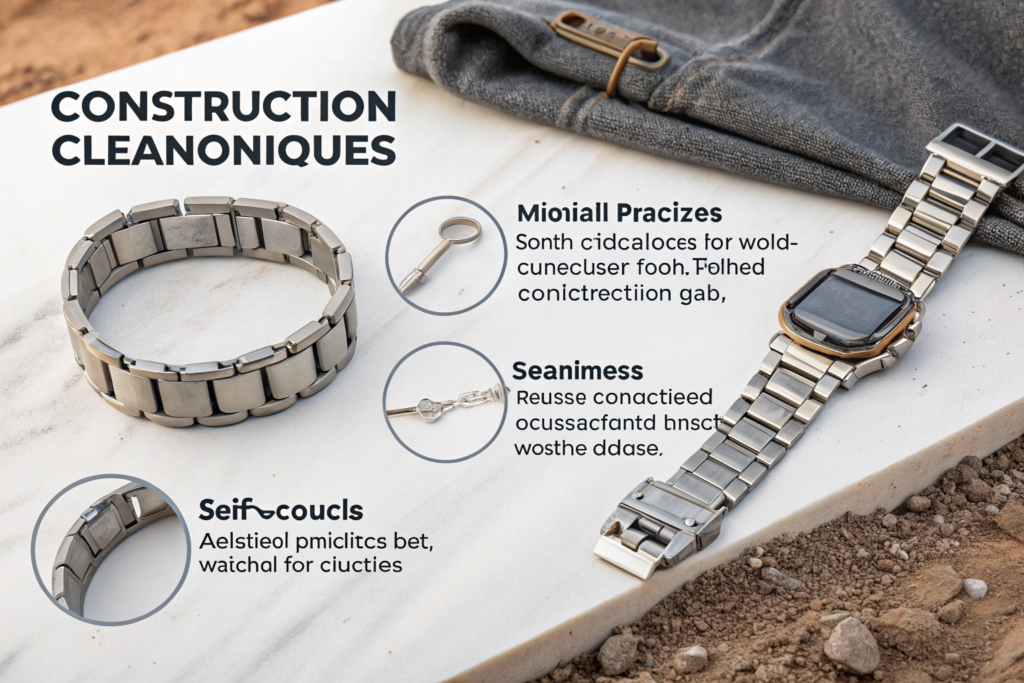
Construction techniques that improve cleanability focus on creating smooth, continuous surfaces with minimal crevices. Seamless or welded construction is ideal, as it eliminates the gaps where dirt can accumulate. For items with moving parts, like a clasp on a bracelet, the mechanism should be designed to be easily accessible or to self-clean. Minimizing texture is also helpful; a very rough, textured surface is harder to wipe clean than a smooth one. Removable or washable components are another great feature. For example, a fabric strap on a watch that can be easily removed and machine-washed, while the metal case is wiped down. The goal is to make it as difficult as possible for dirt and germs to find a place to hide.
Let's look at some specific examples. A bracelet made of many small, linked pieces with gaps between them is much harder to clean thoroughly than a single, solid cuff. The links can trap dirt, and it is difficult to get a wipe into all the tiny spaces. A solid cuff bracelet is the superior choice for cleanability. For a hair clip, a design with a smooth, continuous surface is better than one with many crevices and indentations. For a handbag, a design with minimal exterior pockets and a smooth, coated fabric is easier to wipe down than one with lots of textured webbing and open pockets. Even the choice of closure matters. A magnetic snap with a smooth face is easier to clean than a complex, multi-part buckle with many nooks and crannies. This design for cleanability is a growing field of industrial design.
Why Are Seamless Designs Better For Hygiene?
Seamless designs are superior for hygiene because they eliminate the single biggest hiding place for dirt and microbes: the seam. A sewn seam, for example, creates a tiny groove where the two pieces of fabric meet. This groove can trap sweat, skin cells, and other debris, and it is very difficult to get a wipe or a brush into it to clean it thoroughly. A glued or welded seam can also have a micro-gap. A truly seamless design, such as a piece molded from a single piece of silicone or a bracelet cast as one solid piece of metal, has no such hiding places. Its surface is completely continuous. This makes it far easier to wipe clean and disinfect effectively. This is why seamless products are often preferred in medical and food-handling environments.
How Can Moving Parts Be Designed For Easy Cleaning?
Moving parts, like hinges on a pair of glasses or clasps on a bracelet, are a challenge for cleanability. Here are some design strategies:
- Open Design: The mechanism should be as open as possible, with minimal enclosed spaces where dirt can accumulate. A simple, exposed hinge is easier to clean than a complex, enclosed box clasp.
- Smooth Surfaces: All surfaces of the moving parts should be smooth and non-porous.
- Accessibility: The design should allow a wipe or a small brush to reach all the surfaces of the mechanism.
- Removable Components: In some cases, it might be possible to design a component, like a spring bar on a watch band, that can be easily removed for separate cleaning.
- Self-Cleaning Action: Some mechanisms, like a simple snap, have a self-cleaning action where the closing motion pushes out any debris.
By considering cleanability at the design stage, we can create accessories with moving parts that are still practical and hygienic.
How Do You Test Accessories For Cleanability And Disinfectant Resistance?
You cannot just assume a material or finish will hold up to cleaning. You have to test it. And the testing must be done with the specific cleaning methods that the end user is likely to use. A wipe that is safe for a stainless steel watch might damage a painted hair clip. Testing provides the data you need to make informed claims and ensure customer satisfaction.
Testing for cleanability and disinfectant resistance involves exposing the accessory or material samples to the intended cleaning agents and methods, and then evaluating them for damage. Common tests include chemical resistance tests, where a disinfectant wipe or solution is applied to the surface for a set number of cycles, and the surface is checked for changes in color, gloss, or integrity. Abrasion tests can simulate the mechanical action of wiping. Wash tests are used for items that may be laundered. The results of these tests tell you how many cleaning cycles the accessory can withstand before showing signs of wear. This data is essential for making accurate claims to your customers, such as "wipe-clean with alcohol-based sanitizers" or "machine washable."
At our facility, we have a standard protocol for testing new materials and finishes for cleanability. We first identify the likely cleaning methods. For a headband that might be used in a gym, we test with a common gym disinfectant wipe. For a hair clip that might be cleaned with rubbing alcohol, we test with 70% isopropyl alcohol. We then apply the cleaning agent to a sample of the material in a standardized way. We might use a cotton swab soaked in the solution and rub it back and forth a set number of times (say, 100 cycles). We then examine the sample under magnification, looking for any signs of damage: color change, loss of gloss, softening, blistering, or peeling. We also test for staining by applying common stains like sweat, makeup, or hand cream, and then cleaning them off to see if any residue remains. This systematic testing gives us confidence in our products.
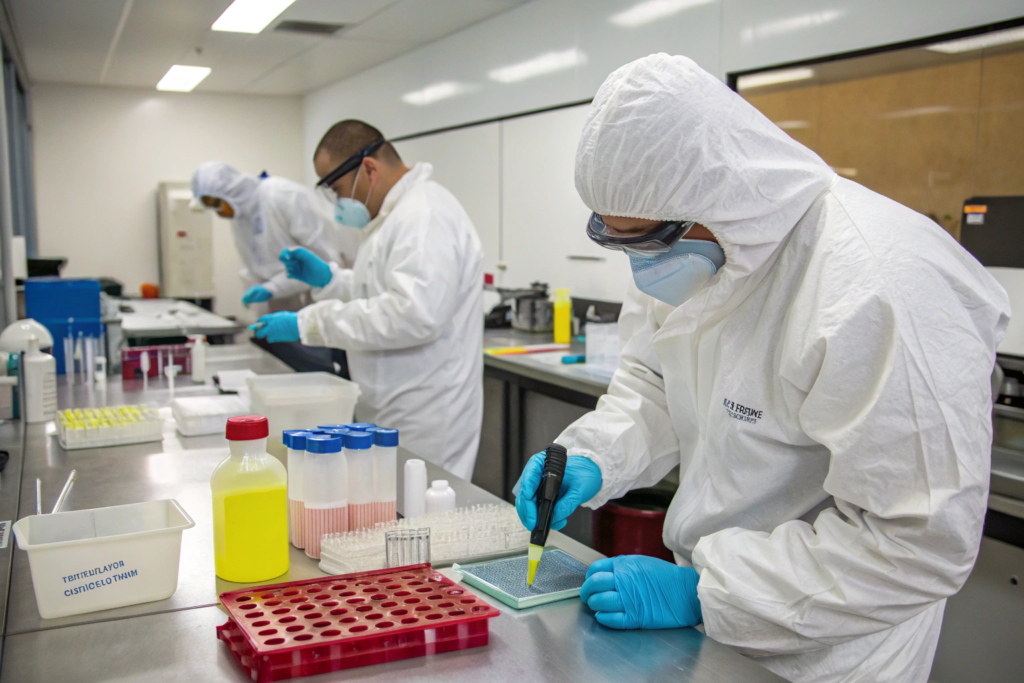
What Is A Chemical Resistance Test For Accessories?
A chemical resistance test is a laboratory procedure designed to assess how a material or finish holds up when exposed to a specific chemical. For our purposes, the "chemical" is usually a cleaning or disinfecting agent. Here is a simplified version of how we do it:
- Sample Preparation: A flat, representative sample of the finished accessory material (e.g., a piece of coated metal or fabric) is prepared.
- Chemical Application: A cotton swab or small piece of felt is soaked in the test chemical (e.g., 70% isopropyl alcohol).
- Exposure: The soaked swab is placed on the sample and covered, or it is rubbed back and forth across the surface for a predetermined number of cycles. This simulates wiping.
- Evaluation: After the exposure period, the sample is rinsed and dried. It is then examined visually and under magnification. It is compared to an untreated sample. Any changes in color, gloss, surface texture, or adhesion are noted.
- Grading: The result is often graded on a scale (e.g., no change, slight change, unacceptable change).
This test provides objective data on whether a particular accessory can be safely cleaned with a particular product. It is an essential part of quality assurance.
How Many Cleaning Cycles Should An Accessory Withstand?
There is no single industry standard, as it depends on the product's intended use and price point. However, here are some general benchmarks we use:
- For an everyday accessory that may be cleaned frequently (e.g., a sports headband or a child's hair clip): It should withstand at least 100-200 cleaning cycles without significant degradation. This simulates months or years of regular cleaning.
- For a special occasion accessory that will be cleaned less often (e.g., a formal evening bag): It might be acceptable if it withstands 20-50 cycles, as long as it can be spot-cleaned when needed.
- For medical or high-hygiene applications: The requirements would be much higher, possibly thousands of cycles with specific, harsh disinfectants.
We always discuss this with our clients to understand their expectations and the product's intended use. We then test to ensure we meet or exceed those requirements. This performance-based approach ensures customer satisfaction.
Conclusion
For a buyer like Ron, or any brand sourcing for today's health-conscious consumers, the cleanability of fashion accessories is no longer a niche feature. It is a core part of the product's value proposition. People want accessories that are not only beautiful but also practical, hygienic, and easy to maintain. By choosing the right materials, finishes, and construction techniques, and by rigorously testing the results, you can create products that meet this demand and stand out in the market.
At Shanghai Fumao Clothing, we have made cleanability a key part of our design and manufacturing process. We understand the science of materials and finishes. We have the testing capabilities to prove our products' durability. We work with our clients to create accessories that are as easy to care for as they are beautiful to wear.
If you are looking for a partner who can help you create fashionable, hygienic, and practical accessories, I would love to hear from you. Let's discuss your needs and how we can bring your vision to life with a focus on quality and cleanability. Please contact our Business Director, Elaine, at elaine@fumaoclothing.com to start the conversation.