I've seen many shifts in the accessory market over the years, but one of the most interesting recent developments is the explosion of DIY kits. Consumers, especially younger ones, are no longer content to just buy a finished product. They want to be part of the creative process. They want the satisfaction of making something with their own hands. And they want a finished piece that is uniquely theirs.
Buyers like Ron are now coming to us with a new kind of request. They don't just want finished scarves and hair clips. They want the components—the beads, the chains, the blank bases—that they can package into DIY kits and sell to their customers. This is a completely different way of thinking about sourcing. It's not about the final product; it's about the pieces that go into it. And it requires a different set of considerations.
At Shanghai Fumao Clothing, we've embraced this trend. We've always made the finished products, so we have deep expertise in all the components that go into them. We've started working with clients to source these components for DIY kits. In this post, I'll share our best advice on how to source fashion accessories that are easy to assemble for DIY kits, covering everything from component selection to packaging and instructions.
What Components Make A Good DIY Kit?
The foundation of any successful DIY kit is the quality and appropriateness of its components. You can have the best instructions in the world, but if the parts are frustrating to use or low quality, the customer will have a bad experience. The components need to be chosen with the skill level of the intended user in mind, and they need to work together seamlessly.
Think of a DIY kit as a recipe. You need the right ingredients, in the right quantities, prepared in the right way. A missing or poor-quality component can ruin the whole project. At our factory, we apply the same quality standards to the components we source for DIY kits as we do to the finished products we make. For more on the DIY and craft market, resources like the Association for Creative Industries (AFCI) provide industry insights and trends.
What are the essential findings for jewelry and hair accessory kits?
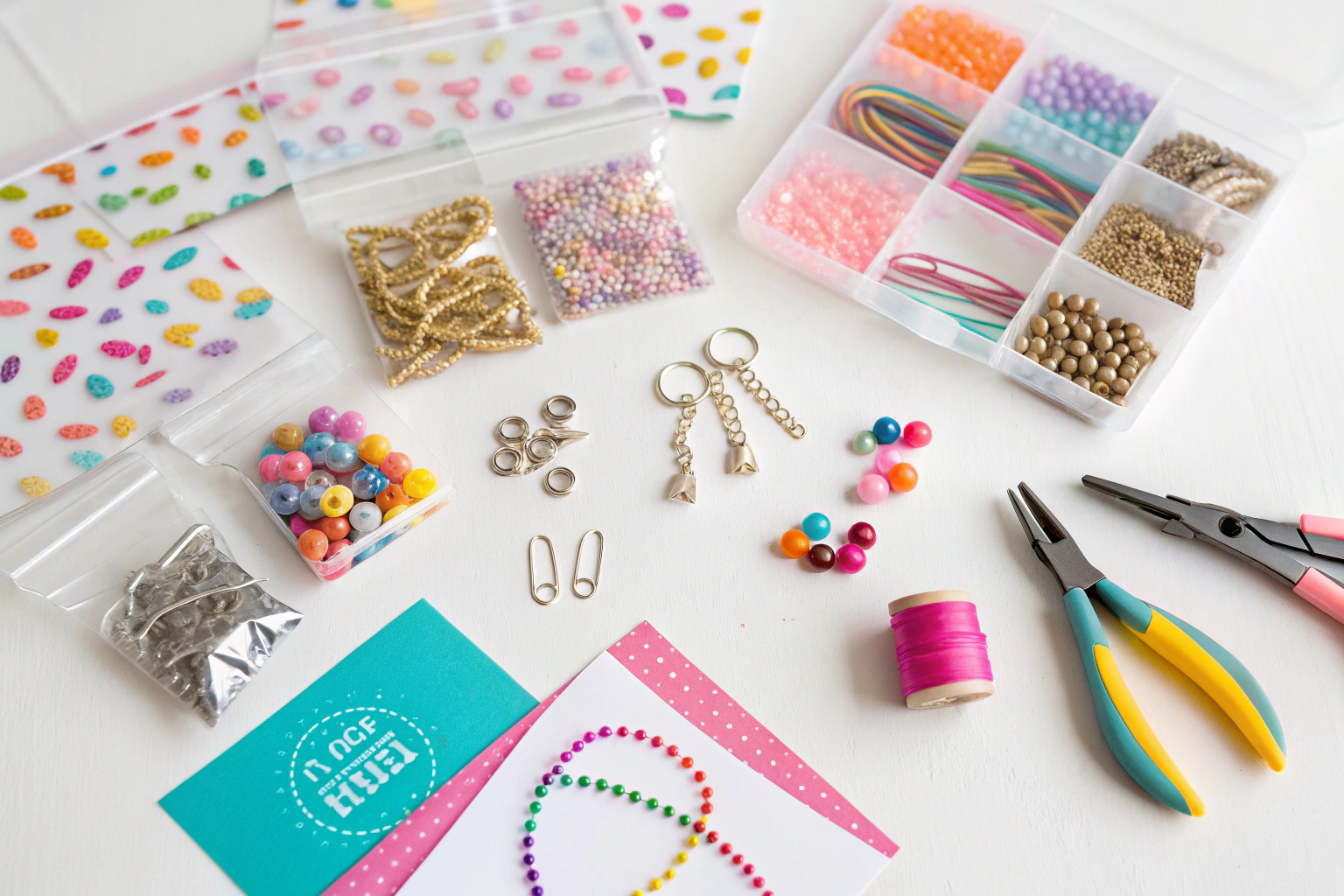
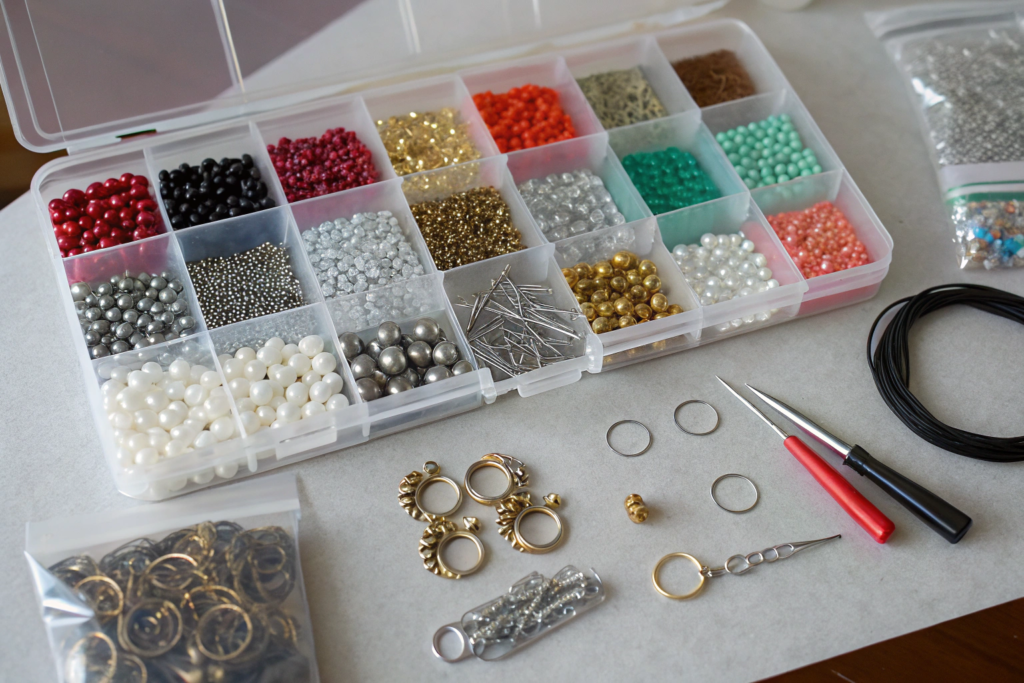
The term "findings" refers to the functional components used to assemble jewelry and accessories. For a basic DIY kit, you'll need a selection of these. The specific findings depend on the project, but some common ones include:
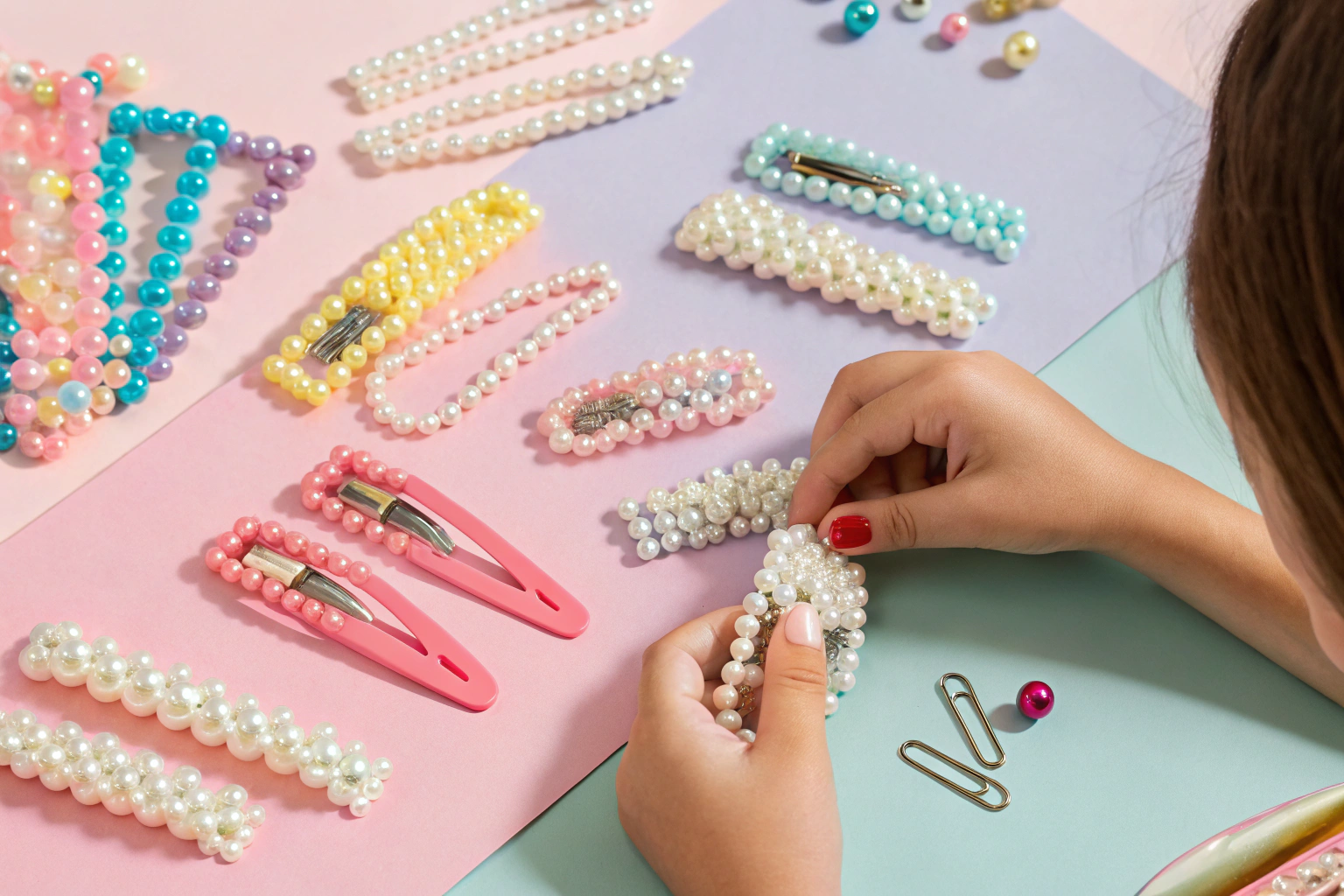
- Blank Bases: For hair clips, you'll need the metal clip base (like alligator clips or snap clips). For brooches, you'll need the pin back. For earrings, you'll need earring hooks or posts.
- Connectors: Jump rings are essential for connecting charms and beads to chains or bases. Head pins and eye pins are used to create dangles.
- Chains: Small lengths of chain in different styles (cable, curb, etc.) allow for creating necklaces or adding dangles.
- Clasps: For any kit that makes a necklace or bracelet, you'll need a clasp (like a lobster clasp or a toggle clasp) and maybe some extension chain.
- Beads and Charms: These are the decorative elements. They come in endless variety—glass, metal, acrylic, wood, etc.
The key is to provide high-quality findings that are easy to work with. Jump rings should be the right gauge to be opened and closed easily. Clasps should be sturdy and functional. Our DIY kit components are carefully selected for quality and ease of use.
How do you choose components for different skill levels?
This is a critical consideration. A kit for a beginner should be much simpler than a kit for an experienced crafter. You need to match the components and the project to the user's likely skill level.
- Beginner Kits: Should use larger components that are easy to handle. Use pre-cut chains and pre-made dangles to minimize the need for complex techniques like using jump rings. Focus on simple assembly, like sliding beads onto a head pin and making a simple loop. The instructions must be very clear and step-by-step.
- Intermediate Kits: Can introduce more complex techniques. Include jump rings and require the user to attach charms themselves. Use smaller beads and more delicate findings. The project can have more steps and more design choices for the user.
- Advanced Kits: Can be more open-ended. Provide a wider variety of components and let the user design their own arrangement. Include techniques like wire-wrapping or creating their own chain links.
By matching the components to the skill level, you ensure a satisfying experience for the user and reduce frustration.
How Do You Ensure Components Are Easy To Assemble?
The whole point of a DIY kit is that it should be enjoyable to assemble. If the components are frustrating—if jump rings are too stiff, if clasps are too small, if beads have tiny holes that are hard to thread—the customer will give up. Designing for ease of assembly is just as important as choosing beautiful components.
This requires thinking like a crafter. You need to anticipate the challenges they might face and design the kit to minimize those challenges. It's about user experience, just like with any other product. For more on product design and user experience, resources like the Interaction Design Foundation offer valuable principles that can be applied to physical products as well.
What types of clasps and findings are easiest for beginners?
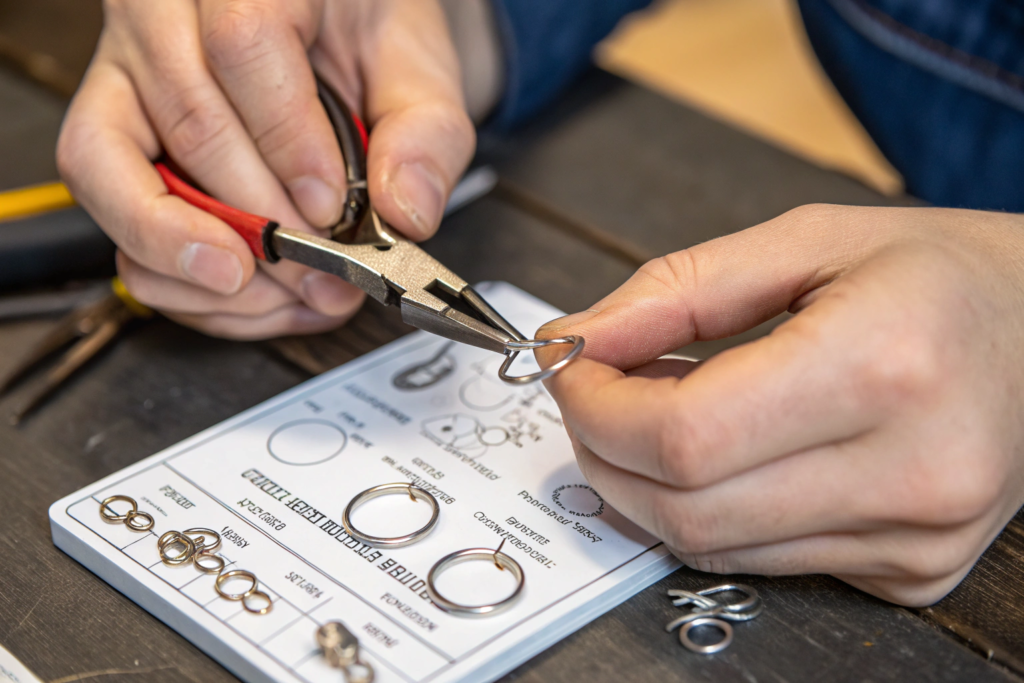
For beginners, you want to avoid anything too fiddly or requiring too much force. Some of the easiest options include:
- Magnetic Clasps: These are incredibly easy to use—they simply snap together. They are perfect for necklaces and bracelets for beginners. However, they are not as strong as mechanical clasps, so they are best for lighter-weight projects.
- Lobster Clasps with a Large Trigger: A standard lobster clasp can be hard for beginners to open, especially if they have limited dexterity. Look for clasps with a larger, easier-to-press trigger.
- Toggle Clasps: These consist of a bar and a ring. They are generally easy to use, though they can be a little trickier to fasten by yourself.
- Screw-On Clasps: These are simple and secure, but they require a little twisting. They are a good option.
For jump rings, choose a slightly thicker gauge that is easier to grip, but not so thick that it's hard to open. Pre-opening a few jump rings slightly can also be a helpful touch for a beginner kit.
How do you pre-assemble parts to simplify the process?
One of the best ways to make a DIY kit easier is to do some of the more complex or tedious steps in advance. This is called "pre-assembly," and it's a huge value-add for the customer.
For example, instead of giving the customer a length of chain and asking them to cut it to the right length, you can pre-cut the chain to the correct size. Instead of giving them individual beads and asking them to create dangles on head pins, you can pre-make a few simple dangles for them. Instead of giving them a clasp and a jump ring, you can pre-attach the clasp to the chain.
The goal is to reduce the number of difficult steps and let the customer focus on the fun, creative parts of the assembly. This is especially important for kits aimed at children or absolute beginners. It makes the project feel achievable and enjoyable, rather than frustrating.
What Packaging And Presentation Works Best For DIY Kits?
The packaging of a DIY kit is not just a container; it's part of the experience. It's the first thing the customer sees, and it sets the tone for the entire project. Good packaging should be attractive, organized, and protective. It should make the customer feel excited to open it and start creating.
Think of it as a gift to the customer. The unboxing experience matters. At our factory, we can help our clients design and source custom packaging for their DIY kits. For inspiration on creative packaging, sites like Packaging of the World are excellent.
How should components be organized within the kit?
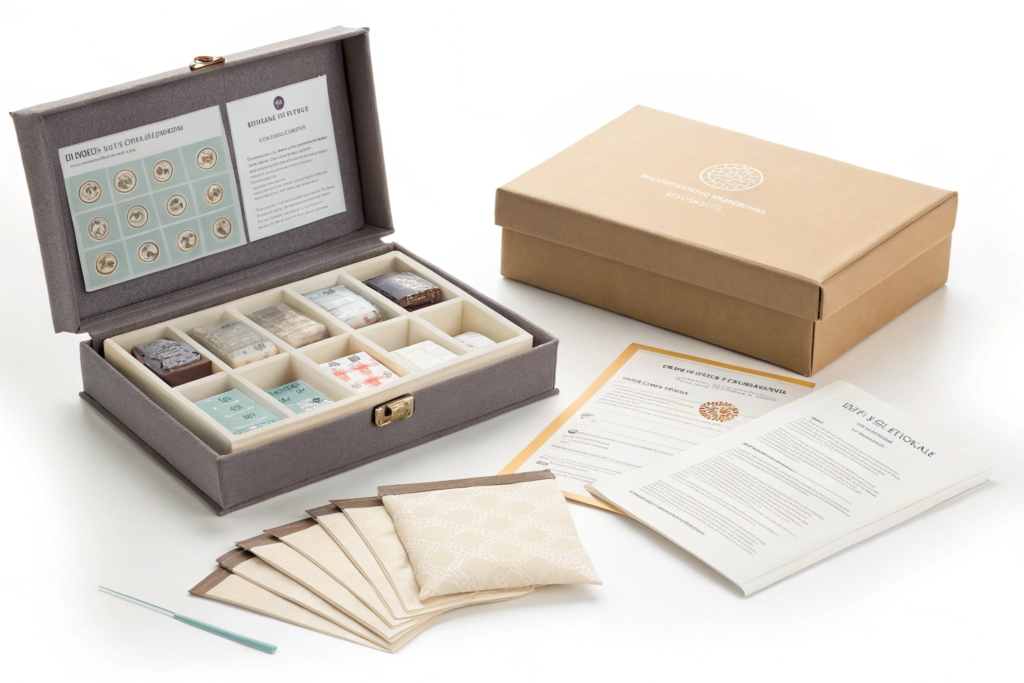
Organization is key to a good user experience. Nothing is more frustrating than dumping out a bag of mixed-up tiny pieces and having to sort them yourself. A well-organized kit makes the assembly process smoother and more enjoyable.
- Separate Compartments or Bags: Use small, sealable plastic bags or paper envelopes to separate different types of components. For example, all the beads in one bag, all the metal findings in another, the chain in a third. This makes it easy for the user to find what they need.
- Labeling: Label each bag with its contents. "Small gold beads," "Jump rings," "Clasp." This is especially helpful for beginners.
- Foam or Cardboard Inserts: For kits with many small parts, a foam or cardboard insert with cut-out compartments can keep everything neatly in place and visible. This creates a very premium, professional look.
- Include Tools: If the kit requires tools like pliers, consider including a basic pair. This is a huge convenience for the customer and ensures they have the right tool for the job. Even a simple, inexpensive pair of pliers can make a big difference.
The goal is to make the user feel like everything they need is right at their fingertips, clearly organized and easy to access.
What instructions should be included?
Clear, well-written instructions are the most important part of a DIY kit. They are the guide that leads the user through the project. Poor instructions will lead to frustration and a failed project. Good instructions will lead to a sense of accomplishment and a beautiful finished piece.
- Step-by-Step Format: Break the project down into clear, logical steps. Number each step.
- Clear Photography or Illustrations: Use high-quality photos or simple, clear line drawings to show exactly what the user should be doing at each step. Show the components, the tools, and the hand movements.
- Use Simple Language: Avoid jargon. Explain any technical terms (like "jump ring" or "head pin") the first time you use them.
- Include Troubleshooting Tips: Anticipate common problems and offer solutions. "If your jump ring is difficult to open, try using two pairs of pliers."
- Show the Finished Product: Include a clear photo of the finished project so the user knows what they are aiming for.
- Digital and Physical: Provide a printed instruction booklet in the kit, and also make a digital version available via a QR code on the packaging. This allows users to access it on their phone or tablet, where they can zoom in on photos.
Well-crafted instructions empower the user and ensure a positive experience, which leads to happy customers and repeat business.
How Do You Source And Manufacture DIY Kit Components?
Sourcing components for DIY kits is a different process from sourcing finished goods. You are buying the raw ingredients, not the final meal. This requires finding reliable suppliers for each type of component, managing inventory, and ensuring consistent quality. It's a more complex supply chain, but it's one we've learned to navigate.
At Shanghai Fumao Clothing, we have established relationships with a wide network of suppliers for beads, findings, chains, and other components. We can source everything you need for your DIY kit, from the simplest jump ring to the most elaborate custom charm. We also handle the quality control, ensuring that every component meets our standards before it's packaged into your kit. For more on global sourcing, organizations like the Sourcing Journal provide industry news and analysis.
Where do you find reliable suppliers for beads and findings?
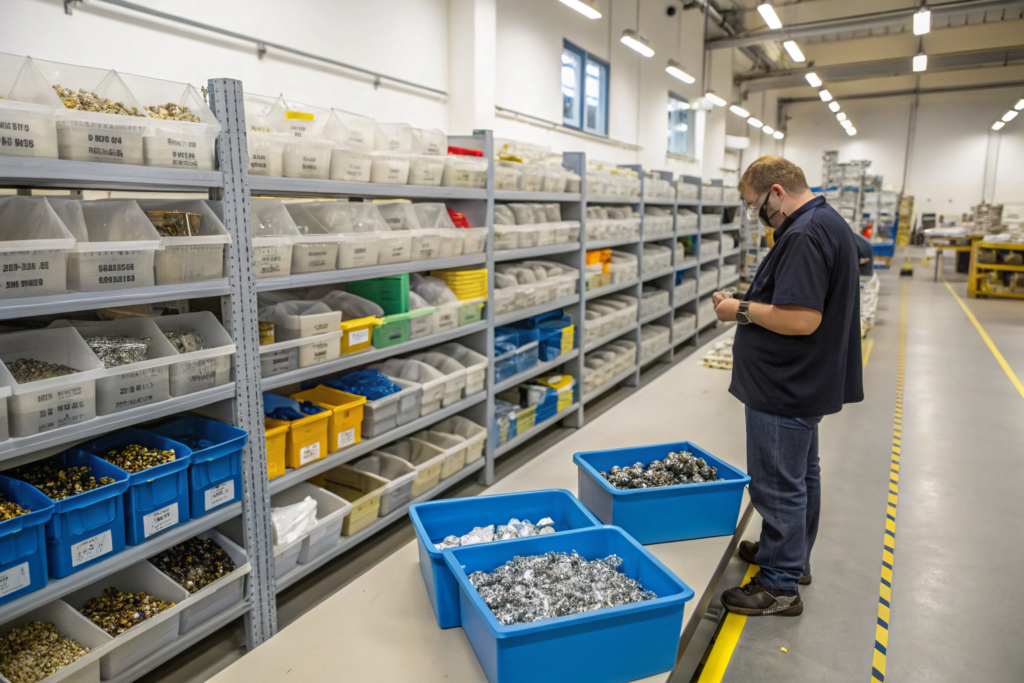
Finding reliable suppliers is the foundation of a successful DIY kit business. You need partners who can provide consistent quality, reliable supply, and fair pricing. Over the years, we have built relationships with suppliers across China and Asia who specialize in different types of components.
- Specialized Suppliers: Some suppliers specialize in glass beads, others in metal charms, others in plated findings. Working with specialists often yields the best quality and selection.
- Trade Shows: Attending trade shows for gifts, crafts, and fashion accessories is a great way to discover new suppliers and see their products in person.
- Online B2B Platforms: Platforms like Alibaba can be a starting point, but it's crucial to vet suppliers carefully, ask for samples, and, if possible, visit their facilities.
Our advantage is that we've already done this vetting. We have a curated network of trusted suppliers that we can tap into for our clients' DIY kit projects.
How do you ensure quality and consistency across thousands of small parts?
Quality control for thousands of tiny components is a significant challenge. A single defective jump ring or a misshapen bead can ruin a customer's experience. We have systems in place to manage this.
- Supplier Qualification: We only work with suppliers who have demonstrated their ability to meet our quality standards.
- Incoming Inspection: When components arrive at our factory, they go through an inspection process. We check for consistency in size, color, and finish. We reject any batches that don't meet our specifications.
- Sampling: We keep samples of approved components as a reference for future orders.
- Counting and Packaging: When we package components into kits, we use precise counting methods (often by weight for small items) to ensure each kit has exactly the right number of parts. We also do visual checks during packaging.
This rigorous approach ensures that when a customer opens your DIY kit, every component is exactly as it should be, ready for them to create something beautiful.
Conclusion
The trend towards DIY fashion accessory kits is a wonderful opportunity for brands to connect with customers in a new and engaging way. It's about empowering creativity and offering a unique, hands-on experience. But creating a successful DIY kit requires careful thought and planning. From selecting the right, high-quality components and ensuring they are easy to assemble, to designing beautiful, organized packaging and clear instructions, every detail matters. The goal is to provide a satisfying and joyful experience that leaves the customer proud of what they've made and eager to create more.
At Shanghai Fumao Clothing, we have the expertise and the infrastructure to be your partner in this exciting venture. Our factory in Zhejiang is a hub for accessory components. We source from a vast network of trusted suppliers, ensuring quality and consistency. We understand what makes components easy and enjoyable to work with. And we can handle the entire process, from sourcing and quality control to custom packaging and fulfillment.
If you're ready to create your own line of DIY fashion accessory kits, let's talk. Please contact our Business Director, Elaine, at elaine@fumaoclothing.com. We'll help you source the perfect components and create a kit that your customers will love.