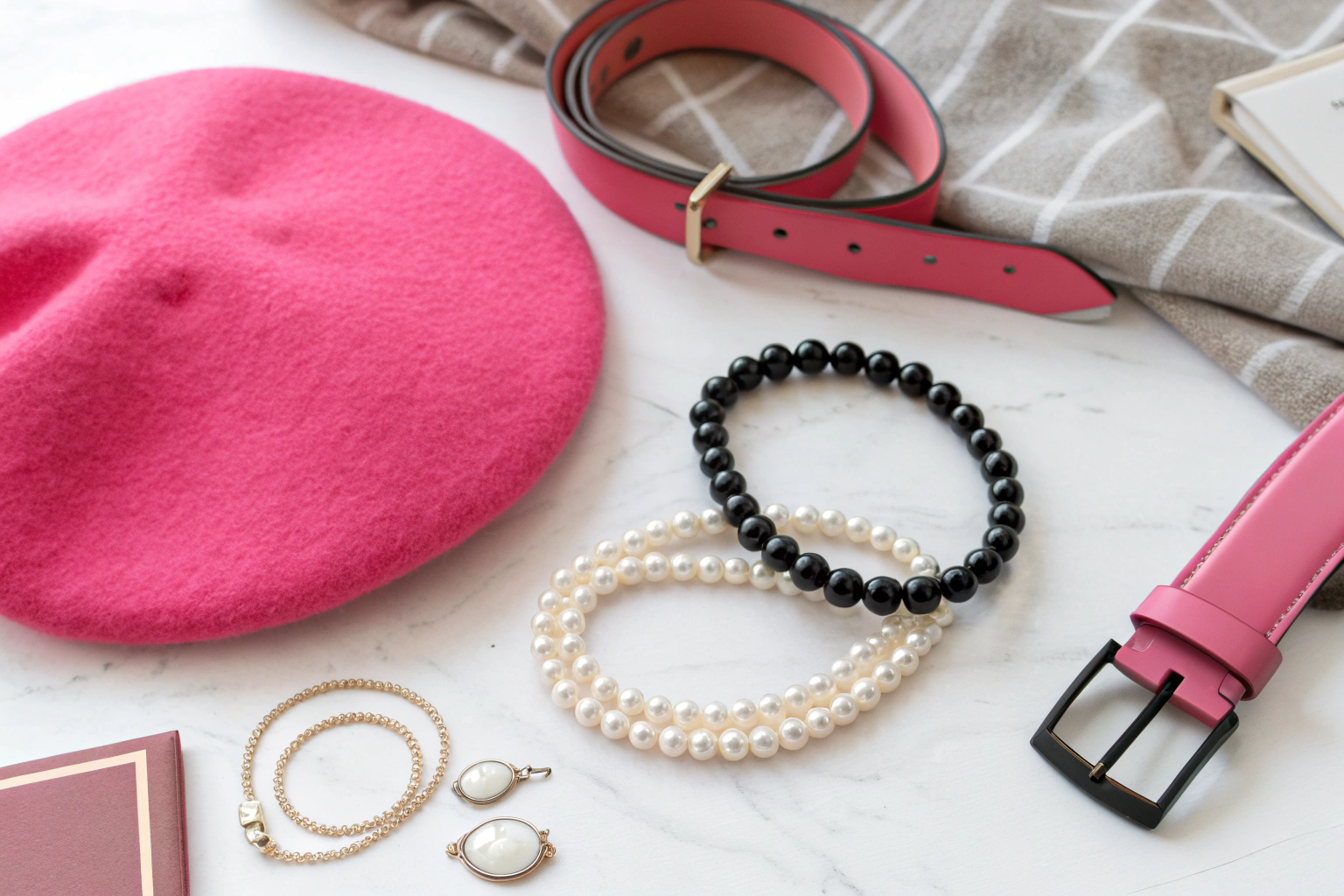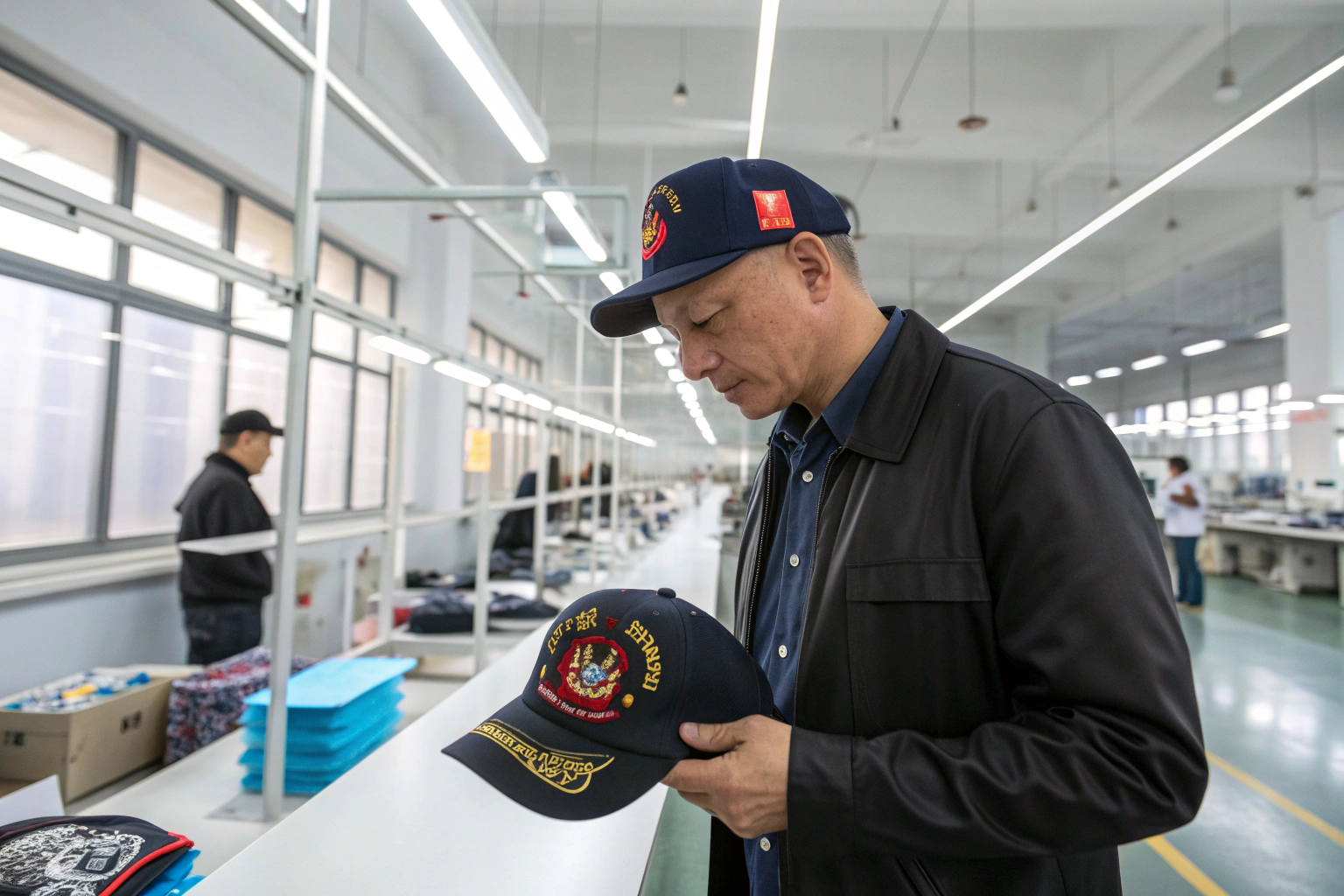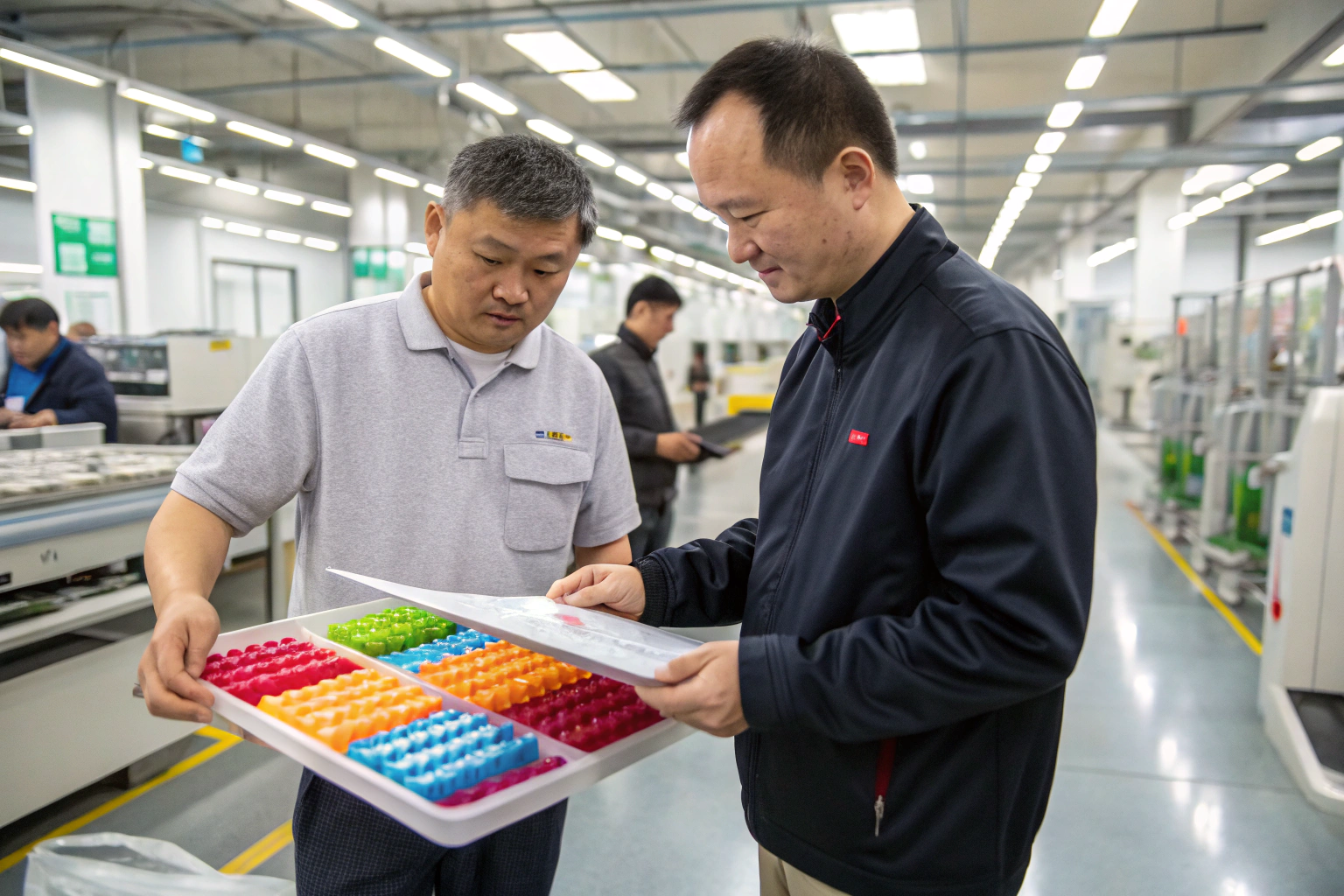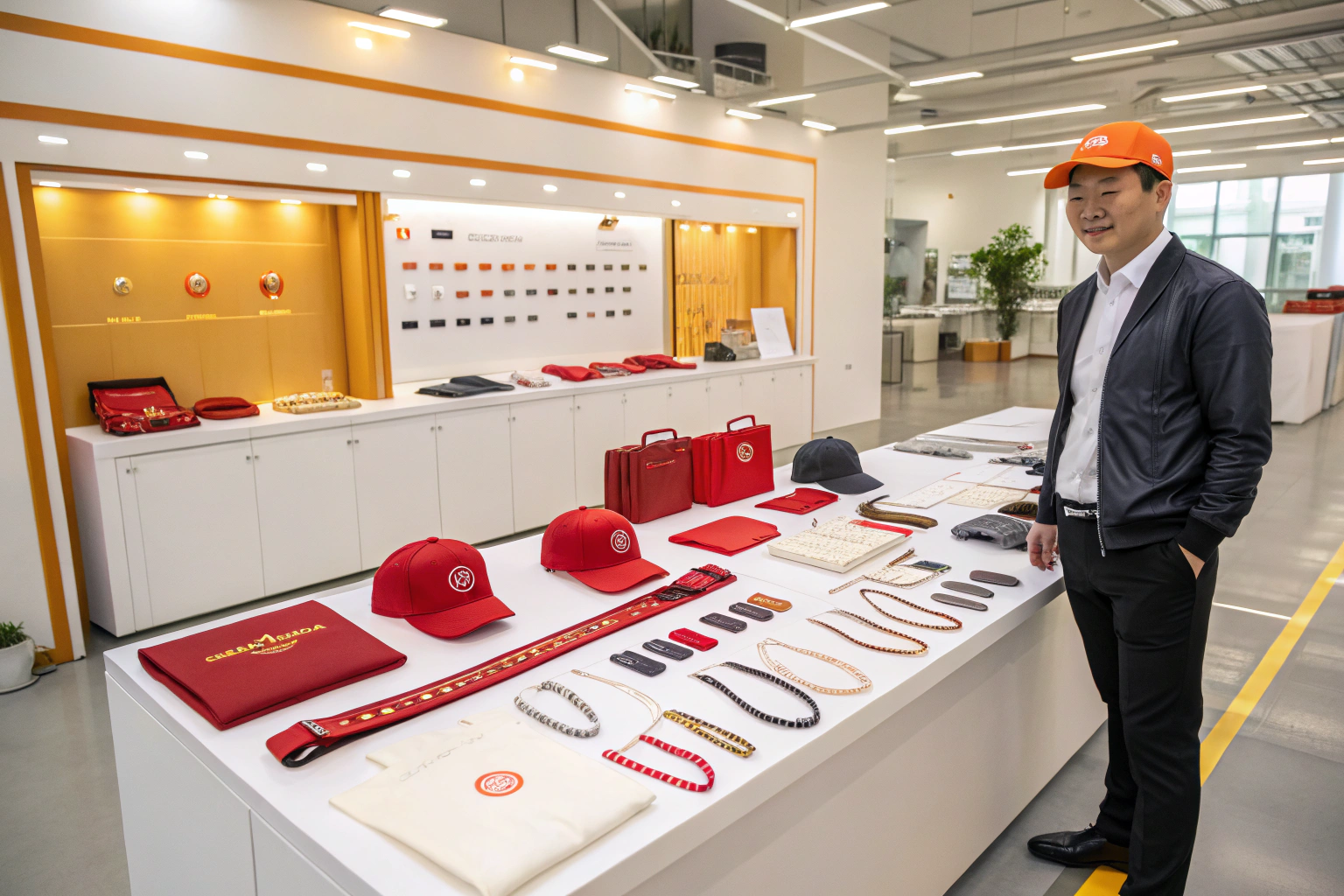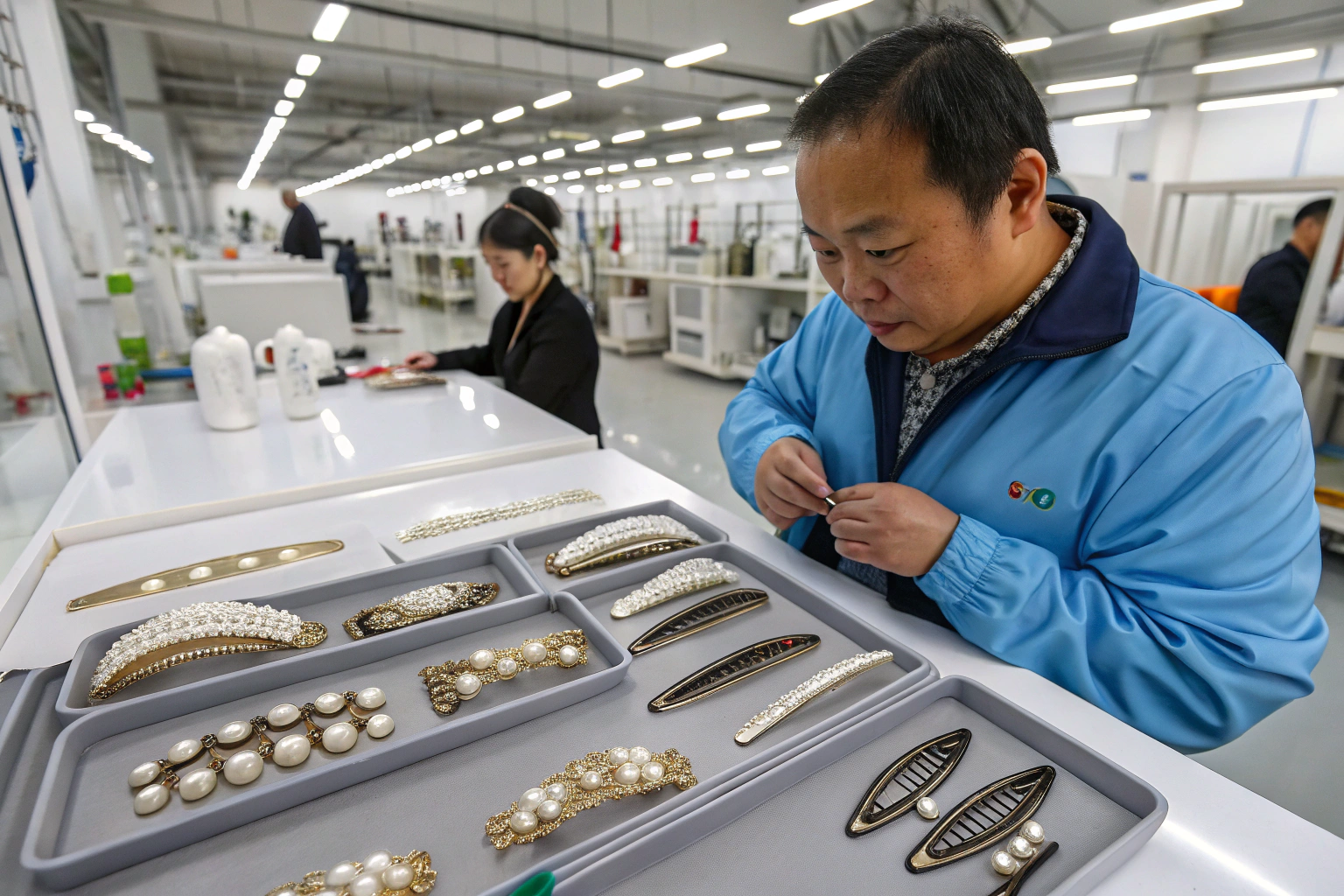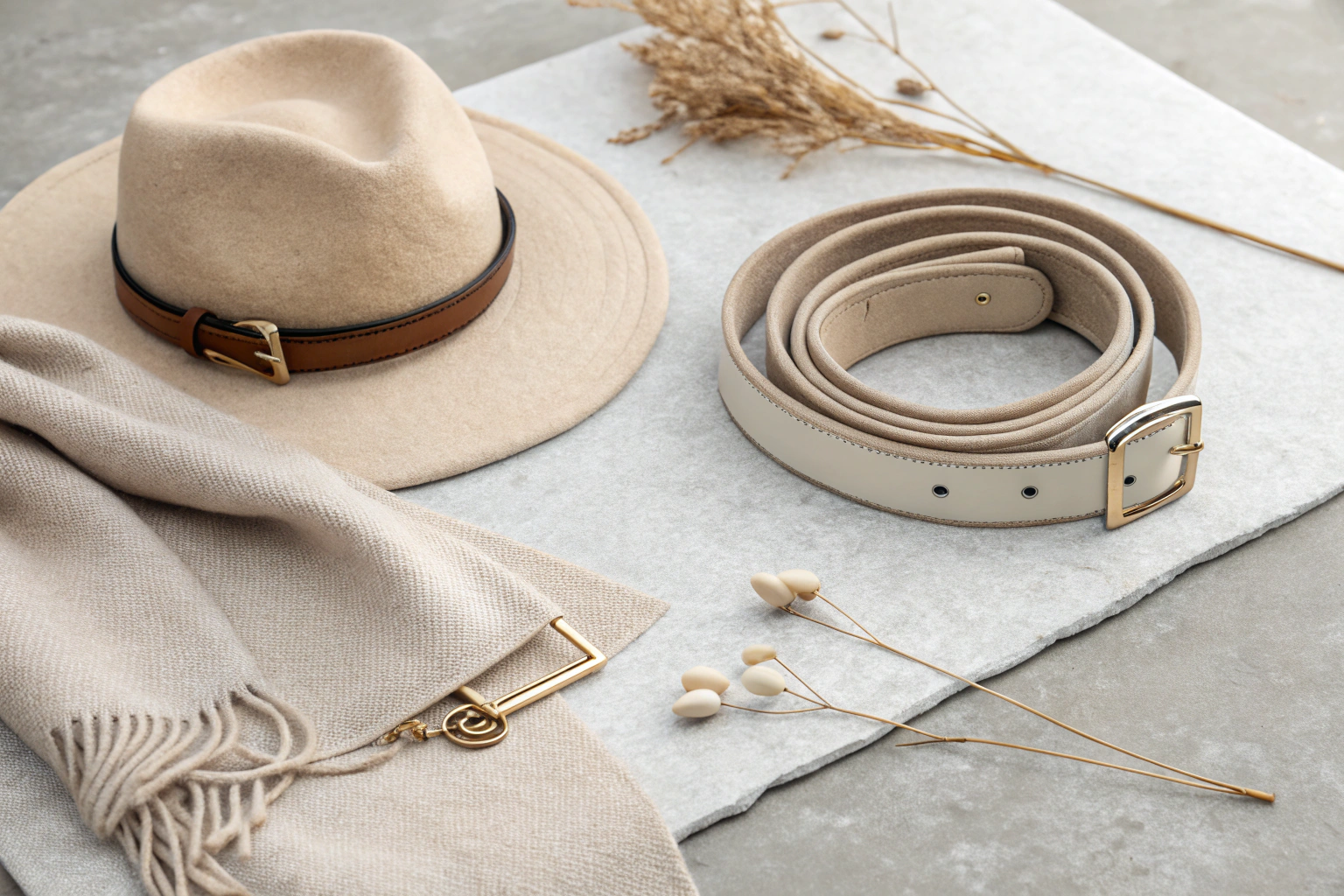
Sourcing for a minimalist brand presents a unique paradox: the simpler the final product looks, the more complex the sourcing and manufacturing process often is. As a factory that produces for both maximalist and minimalist brands, I've seen buyers struggle. They want clean scarves, essential belts, and simple hair clips, but they receive samples that feel cheap, look poorly proportioned, or have inconsistent finishes. The core pain point isn't finding a supplier; it's finding a supplier with the precision, material knowledge, and quality discipline that minimalism demands.
Sourcing minimalist fashion accessories successfully hinges on a strategic focus on three non-negotiable pillars: material integrity, impeccable construction, and timeless silhouette. It moves beyond basic sourcing to a partnership focused on subtle perfection. This means prioritizing factories that invest in superior raw materials, advanced finishing techniques, and have a design team that understands proportion and negative space, not just decoration.
Let's deconstruct the process. For buyers like Ron, who value quality but operate in a price-sensitive industry, this guide will show how to invest wisely in the right details to achieve that coveted high-end minimalist look, ultimately building a loyal customer base and a strong brand reputation.
What Defines "Minimalist" in Accessory Design and Sourcing?
Before you send a single inquiry, aligning on definitions is crucial. "Minimalism" in the consumer market is often misused to mean "plain" or "basic." In manufacturing and design, it is a disciplined philosophy centered on intention, quality, and reduction to the essential. A minimalist accessory isn't lacking something; it has everything it needs and nothing it doesn't.
This philosophy must guide every sourcing decision, from the mill that spins the yarn for your scarves to the plating on your belt buckles. It transforms your checklist from a list of features to a set of criteria focused on essence and execution.
How Do Proportion and Silhouette Trump Ornamentation?
In minimalist design, the shape is the star. The question shifts from "What design can we add?" to "What is the most perfect, functional shape for this item?" For a beanie, it's about the precise depth and fit against the skull. For a tote bag, it's the ratio of width to height and the drop length of the handles. When sourcing, you must evaluate samples based on their architectural form. Ask your supplier: "Can you adjust this curve by 2mm? Can we make this width 5mm narrower for a more elegant line?" A factory with a strong in-house design team, like ours at Shanghai Fumao Clothing, will engage deeply with these questions, using prototypes to refine silhouette to perfection.
Why is "Quiet" Hardware and Detailing Essential?
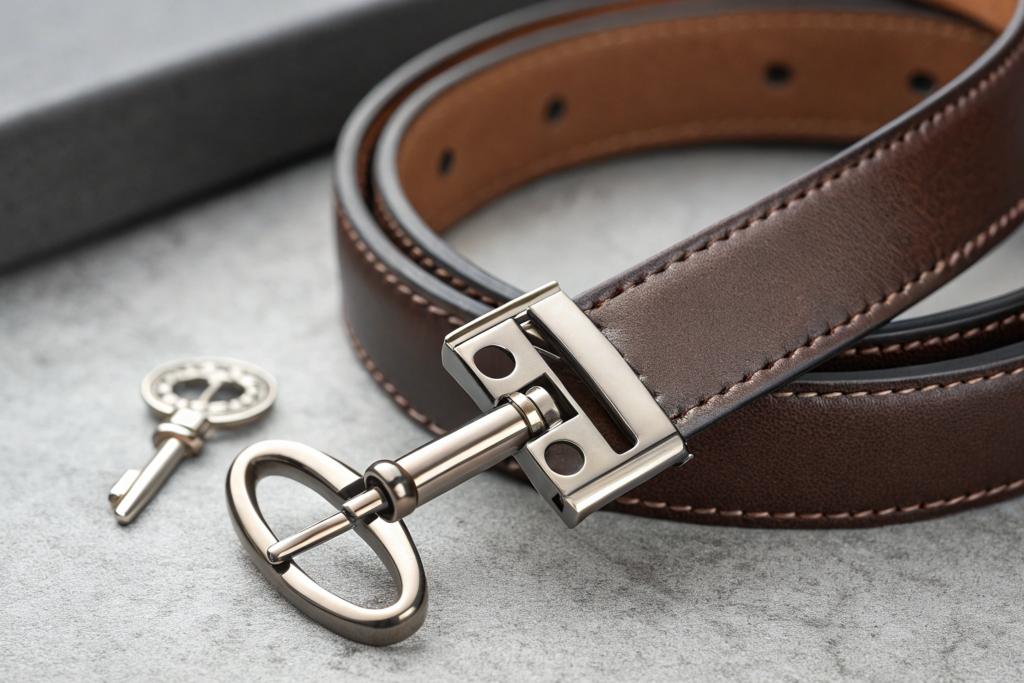
Hardware must complement, not compete. This means seeking out:
- Brushed or Satin Finishes: Over shiny, polished metals. These offer a soft, sophisticated gleam.
- Recessed or Flush-Mounted Attachments: Buckle backs that sit flat, magnet closures hidden within seams.
- Embossed or Debossed Branding: Instead of loud logos, subtle texture becomes the signature.
Sourcing these components requires a supplier with access to or knowledge of specialized hardware manufacturers. The cost might be slightly higher than standard flashy hardware, but the perceived value is immense. It signals a carefully considered product. Resources like the Fashion Institute of Technology's (FIT) material resources can provide inspiration for these details.
How to Source Materials That Embody Minimalist Quality?
The minimalist aesthetic is brutally honest; it exposes poor materials instantly. A thin scarf will droop, cheap metal will tarnish, and low-grade leather will crack. Your material choices are the foundation of your brand's credibility. This is where a deep partnership with a manufacturer becomes critical, as they are your gateway to the best mills and tanneries.
The goal is to source materials with innate beauty and character that improve with wear—luxurious naturals, high-tech performance fabrics with a clean hand-feel, and metals that patina gracefully.
Which Natural Fibers and Leathers Best Support a Minimalist Vision?
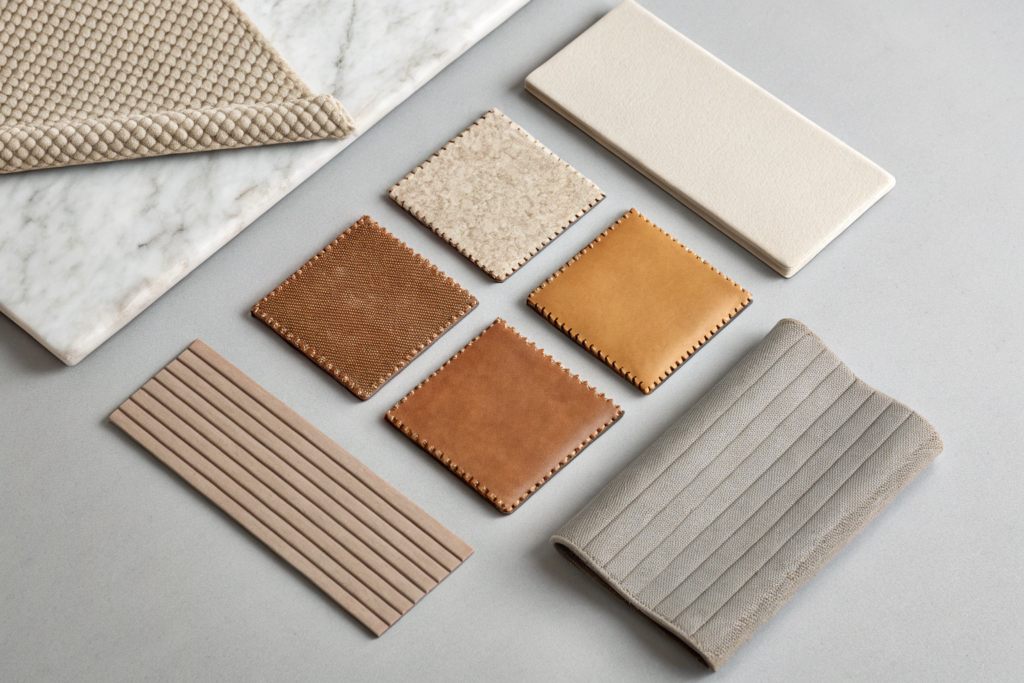
Focus on materials that tell a story through texture, not pattern:
- Scarves & Shawls: High-grade cashmere, Mongolian wool, lightweight merino, and linen-cotton blends. The quality is in the weight, drape, and feel.
- Belts & Bags: Full-grain or top-grain leathers with natural markings, or vegetable-tanned leather that ages beautifully. For vegan options, seek high-quality PU or bio-based materials with a convincing, non-plastic feel.
- Hats: Felted wool, sturdy cotton twill, and supple suede.
When discussing with a factory, demand material certifications and swatches. A reputable supplier will be transparent about material origins and costs. This due diligence is part of robust supply chain management.
What Role Do Color and Texture Palettes Play?
The minimalist palette is curated but not limited to black and white. Think tonal: shades of oatmeal, charcoal, stone, taupe, navy, and olive. The magic is in the subtle variations within a single color family. Texture provides visual interest: the rib of a knit hat, the weave of a canvas belt, the pebbled grain of leather. Your sourcing strategy should include building a shared Pantone library with your manufacturer to ensure color accuracy across different materials and production runs. Consistency here is a hallmark of quality.
What Manufacturing Processes Ensure Minimalist Perfection?
This is where the vision meets reality. A minimalist design amplifies every flaw. A crooked stitch, a glue stain, or a misaligned pattern becomes glaringly obvious. Therefore, sourcing must target factories whose entire process is built for precision and consistency, not just low-cost output. This aligns directly with the quality control concerns of savvy importers.
The manufacturing processes for minimalist accessories are often more demanding, requiring cleaner finishing, tighter tolerances, and a higher level of handwork at critical stages.
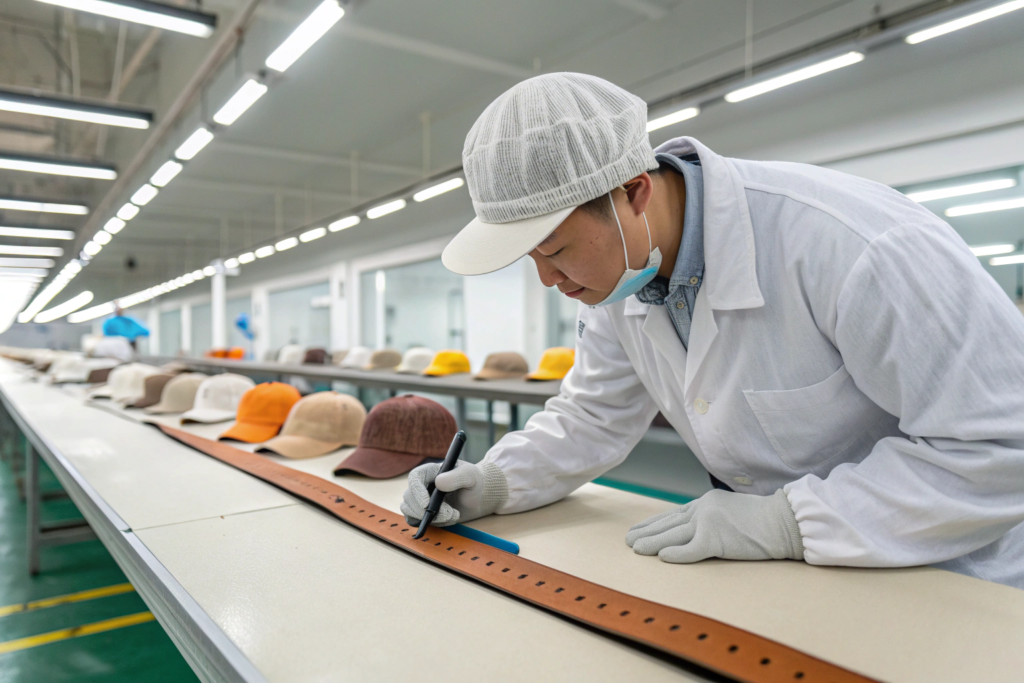
Why are Precision Cutting and Clean Finishing Non-Negotiable?
For a pattern-less scarf, the cut is the design. Edges must be perfectly straight or evenly curved. For leather belts, the strap must be cut with the grain perfectly aligned to prevent twisting. This requires:
- Advanced Cutting Machines: Like laser cutters or computer-controlled knife cutters for flawless accuracy.
- Meticulous Edge Finishing: Painted, bound, or laser-fused edges that are smooth and durable.
- Invisible Seam Construction: Techniques like French seams or flat-fell seams that hide raw edges inside a clean finish.
When auditing a potential supplier, ask to see their cutting room and finished sample edges. This focus on production detail is what separates adequate suppliers from exceptional partners.
How Does Quality Control Need to Adapt for Minimalist Items?
QC for minimalist pieces is subtractive. Inspectors aren't checking for the presence of embellishments; they are hunting for the absence of flaws. The checklist intensifies:
- Stitch Consistency: SPI (stitches per inch) must be uniform; no skipped stitches.
- Symmetry: Are both sides of the hair clip identical? Is the belt loop centered?
- Surface Imperfections: No scuffs, dye variations, or water spots on leather or metal.
A factory must have a dedicated QC team trained to this standard. At Shanghai Fumao Clothing, our QC process includes staging areas with specific lighting to catch the subtlest defects, ensuring every piece that ships meets a stringent minimalist standard.
How to Develop a Supplier Relationship for Long-Term Minimalist Collections?
Sourcing for minimalism isn't a transactional, order-by-order activity. It's about building a collaborative partnership with a factory that becomes an extension of your brand's ethos. This relationship is your most valuable asset for maintaining consistency, innovating within constraints, and scaling efficiently.
Your ideal supplier should act as a strategic advisor on manufacturability, cost-saving without quality sacrifice, and seasonal material innovations that fit your aesthetic.

What Should a "Minimalist-Focused" Supplier Capability Audit Include?
Go beyond standard factory audits. Assess their affinity for the aesthetic:
- Portfolio Review: Do they have existing work in a similar style? Don't just look at products; ask about the challenges and solutions in those projects.
- Design Team Engagement: Can they offer constructive feedback on your tech packs to improve silhouette or construction?
- Sample Process: How many sample iterations are they prepared to do to get the proportion exactly right? Are they patient with subtle adjustments?
This audit verifies their ability to be a true design and development partner, which is critical for minimalist brands where details are everything.
How Can You Collaborate on Sustainable Minimalism?
Minimalism and sustainability are natural allies. Work with your supplier to:
- Source Deadstock Fabrics: High-quality materials leftover from large productions, perfect for limited-run accessories.
- Implement Zero-Waste Cutting Patterns: Optimizing how materials are cut to reduce scrap.
- Develop Minimal, Recyclable Packaging: Aligning the unboxing experience with the product ethos.
A forward-thinking factory will have ideas and existing partnerships in this space. Discussing these initiatives early can become a unique selling point for your brand and build a stronger, values-aligned partnership.
Conclusion
Sourcing fashion accessories for a minimalist aesthetic is a refined discipline. It requires shifting your focus from cost-per-unit as the primary metric to value-per-detail. The goal is to build a supply chain where every partner, especially your manufacturing factory, is meticulously chosen for their commitment to material truth, precision engineering, and disciplined design.
The result is a product that speaks quietly but carries immense weight—a collection that builds trust through consistency and intelligence. This approach not only satisfies the discerning minimalist consumer but also builds a more resilient and reputable brand.
If your brand is built on the principles of intentionality and quality, you need a manufacturing partner who speaks the same language. Shanghai Fumao Clothing has the design sensibility, material expertise, and exacting production standards to bring your minimalist vision to life with integrity. Let's discuss how we can help you source and produce a collection that embodies quiet confidence. Contact our Business Director, Elaine, at elaine@fumaoclothing.com to begin the conversation.