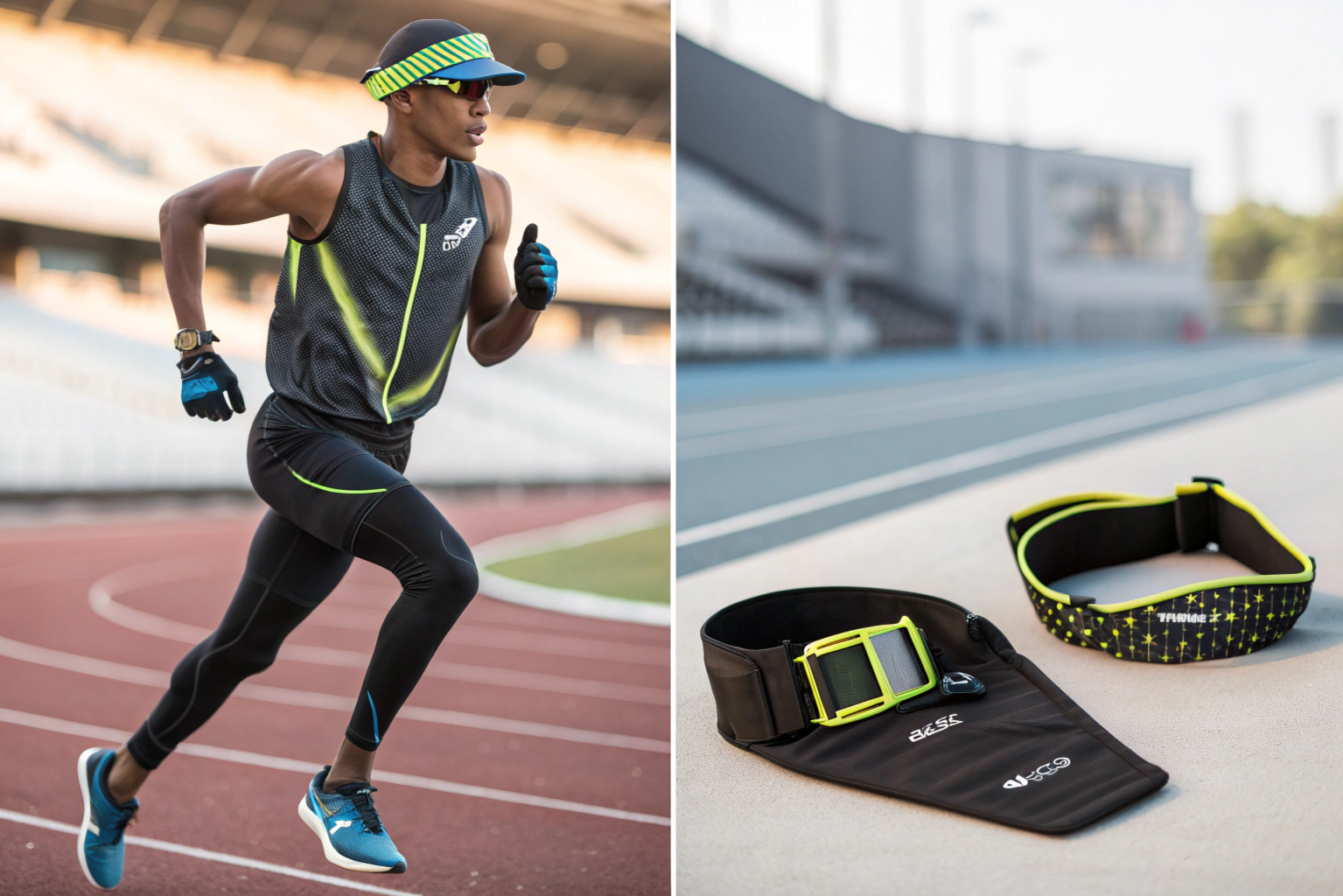
I've been in the accessory business for decades, and I've seen the lines between fashion and function blur more and more. Nowhere is this more true than in the high-performance athletic market. Today's athletes—from weekend warriors to elite professionals—demand accessories that not only look good but also enhance their performance, manage moisture, regulate temperature, and withstand extreme conditions.
Buyers like Ron, who source for sporting goods stores, athletic brands, and outdoor retailers, are facing a new set of challenges. They need products that are backed by real technology and testing. A simple cotton cap won't cut it anymore. They need fabrics that wick sweat, materials that reflect heat or retain warmth, and designs that stay put during the most vigorous activity. This is a specialized and demanding market.
At Shanghai Fumao Clothing, we have extensive experience manufacturing for the athletic market. We work with technical fabrics, performance yarns, and innovative designs. We understand the importance of moisture management, breathability, and durability. In this post, I'll share the key factors you need to consider when sourcing fashion accessories for the high-performance athletic market.
What Fabrics Perform Best For Athletic Accessories?
The foundation of any high-performance athletic accessory is the fabric. It's not just about how it looks; it's about how it manages moisture, regulates temperature, and moves with the body. The wrong fabric can lead to discomfort, chafing, and poor performance. The right fabric can make the athlete feel like they're wearing nothing at all.
For athletic accessories, we move away from natural fibers like cotton, which absorbs sweat and becomes heavy and uncomfortable. Instead, we focus on high-tech synthetics and specialized natural fibers that are engineered for performance. For more on performance fabrics, resources like Textile World and Sportswear International are excellent.
What are the best moisture-wicking fabrics for headbands and caps?
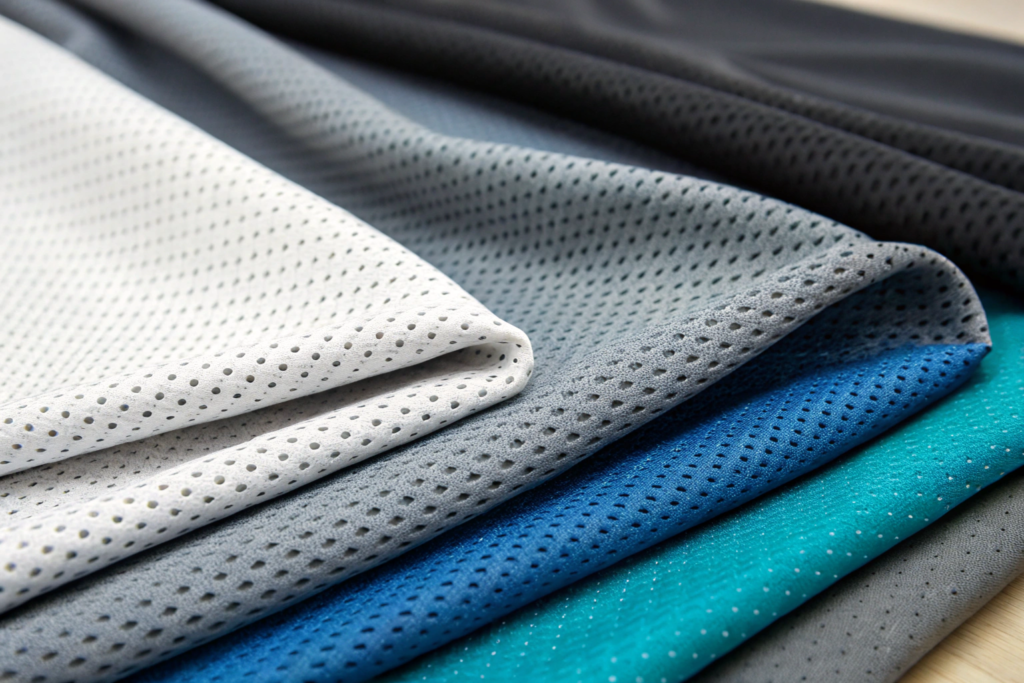
Moisture management is critical for any accessory worn on the head. Sweat dripping into your eyes can ruin a workout or a race. The best fabrics for this purpose are synthetics engineered to wick moisture away from the skin and to the surface of the fabric, where it can evaporate quickly.
- Polyester: High-performance polyester is the workhorse of the athletic world. It is lightweight, durable, and can be engineered with special yarn shapes (like Coolmax) that create channels to pull moisture away from the skin. It dries very quickly.
- Nylon: Nylon is another excellent choice. It is strong, lightweight, and dries quickly. It's often blended with spandex for stretch.
- Polypropylene: This fabric is hydrophobic—it actively repels water. It's one of the best moisture-wicking materials available, but it can sometimes feel less soft than polyester.
- Merino Wool: For cooler-weather activities, Merino wool is a fantastic natural performance fiber. It wicks moisture, regulates temperature, and is naturally odor-resistant. It's softer and less itchy than traditional wool.
A headband or cap made from a moisture-wicking polyester or a Merino wool blend will keep sweat out of the athlete's eyes and keep them comfortable. A performance running cap made from technical fabric is an essential piece of gear.
What fabrics offer the best UV protection for outdoor sports?
For athletes who train and compete outdoors, protection from the sun is a major concern. Many performance fabrics are now engineered with built-in UPF (Ultraviolet Protection Factor) to block harmful UV rays.
- High-Density Polyester and Nylon: The tight weave of many performance fabrics naturally provides some sun protection. When combined with UV-absorbing additives or special coatings, they can achieve high UPF ratings (like UPF 50+).
- Specialized UV-Protective Fabrics: Some fabrics are specifically designed for sun protection, with a very tight weave and special treatments. They are often lightweight and breathable, making them ideal for hot, sunny conditions.
- Dark Colors: Darker colors generally absorb more UV radiation than lighter colors, offering better protection for the skin underneath. However, they can also be hotter.
When sourcing accessories like caps, arm sleeves, or neck gaiters for outdoor sports, it's important to consider the UPF rating and choose fabrics that offer adequate sun protection.
What Design Features Enhance Athletic Performance?
Beyond the fabric itself, the design and construction of the accessory play a huge role in its performance. Features that might be optional on a fashion accessory are essential on a performance piece. Every detail is considered with the athlete's needs in mind.
At our factory, we work closely with our clients to incorporate these performance-enhancing features into their designs. It's about understanding the specific demands of the sport and the athlete. For more on ergonomic design in sportswear, resources like The Ergonomics Society can be helpful.
What role do ventilation and breathability play in cap design?
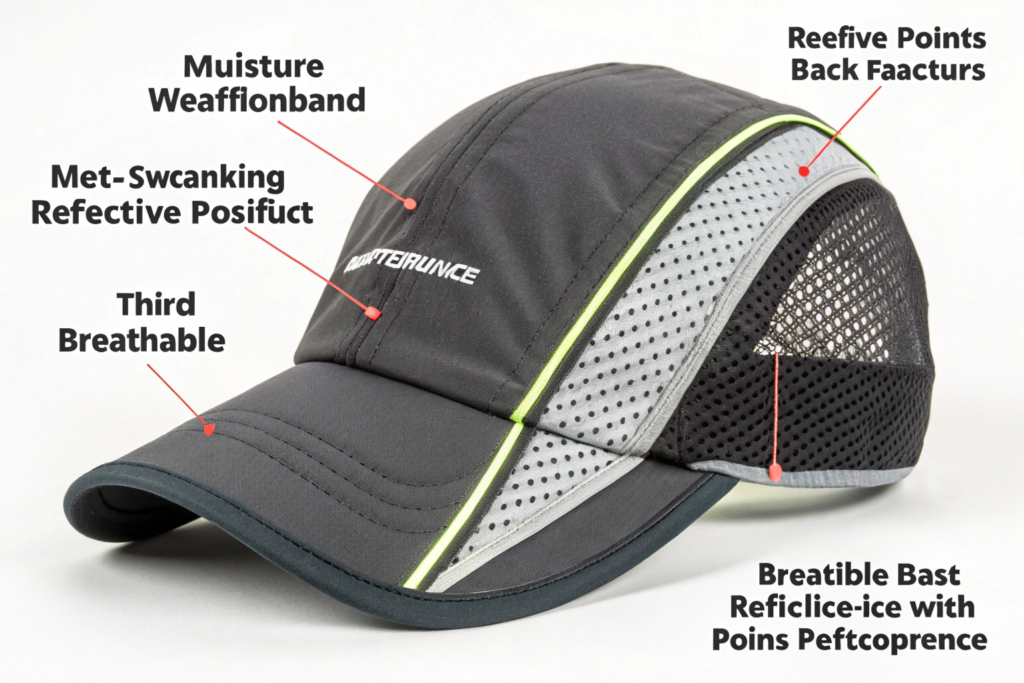
For a cap worn during high-intensity activity, ventilation is crucial. A solid, non-breathable cap will trap heat and cause the head to overheat. Good ventilation allows hot air to escape and cooler air to enter, helping to regulate temperature.
- Mesh Panels: Many performance caps feature mesh panels on the sides or back. This allows for maximum airflow while still providing sun protection for the face.
- Laser-Cut Perforations: Some caps use laser-cut micro-perforations in the fabric to create tiny ventilation holes that are almost invisible but highly effective.
- Moisture-Wicking Sweatband: The inner sweatband should be made of a moisture-wicking material and may also be perforated for breathability.
A well-ventilated cap keeps the athlete's head cooler and more comfortable, allowing them to perform at their best for longer.
How do reflective elements improve safety for runners and cyclists?
For athletes who train outdoors in low-light conditions—early morning or evening—visibility is a critical safety concern. Reflective elements on accessories can make the difference between being seen and being invisible to drivers.
- Reflective Logos and Trims: Reflective materials can be incorporated into logos, trims, and piping on caps, headbands, gloves, and arm sleeves.
- Reflective Yarns: Some fabrics are woven with reflective yarns that create a subtle shimmer during the day but become highly visible when headlights hit them at night.
- 3M Reflective Material: 3M is a leading brand of reflective materials, and their products are widely used in high-performance athletic wear for their durability and high visibility.
Including reflective elements is not just a design feature; it's a safety feature. It shows that the brand cares about the well-being of its athletes. A reflective running cap is a responsible and desirable product.
What Materials Work Best For Different Climates?
Athletes train and compete in every climate imaginable, from scorching deserts to freezing mountaintops. The accessories they need are completely different. Sourcing for the athletic market means understanding these different needs and offering products designed for specific conditions.
A lightweight, breathable cap for a summer marathon is a completely different product from a thermal, insulated headband for a winter run. Your sourcing strategy needs to account for this variety. At our factory, we produce accessories for a wide range of climates and activities.

What materials are best for hot-weather athletic accessories?
For hot weather, the priorities are breathability, moisture-wicking, and sun protection. The fabric should be as light and airy as possible.
- Lightweight Polyester Mesh: This is the go-to for hot weather. It's highly breathable and dries instantly.
- Coolmax and Similar Fabrics: These are engineered specifically to maximize moisture-wicking and cooling.
- Light Colors: Light colors reflect sunlight and heat, helping to keep the athlete cooler than dark colors.
- Minimalist Design: Less fabric is more. A simple, lightweight cap or a thin, moisture-wicking headband is ideal.
The goal is to provide protection from the sun without trapping heat. The accessory should feel almost weightless and disappear during the activity.
What materials are essential for cold-weather athletic accessories?
For cold weather, the priorities are insulation, warmth, and protection from the elements (wind, snow). The fabric needs to trap body heat while still managing moisture.
- Merino Wool: As mentioned, Merino wool is excellent for cold-weather activities. It insulates even when wet, wicks moisture, and is naturally odor-resistant. It's a top choice for thermal headbands, neck gaiters, and balaclavas.
- Fleece: Polyester fleece is a great insulating layer. It's soft, warm, and dries quickly. It's often used for lined headbands and hat liners.
- Thermal Fabrics: Some fabrics are engineered with a special brushed interior that traps air and provides extra warmth without adding bulk.
- Windproof and Water-Resistant Shells: For extreme conditions, an outer layer with a windproof and water-resistant membrane (like a softshell fabric) can be essential for protecting against the elements.
The key is to layer. A thin Merino wool headband can be worn alone on a cool day, or under a fleece-lined hat for extreme cold. A Merino wool thermal headband is a versatile and essential piece of cold-weather gear.
How Do You Ensure Durability In High-Performance Gear?
Athletic accessories take a beating. They are stretched, sweated on, washed repeatedly, and exposed to the elements. They need to be incredibly durable. A seam that pops, a fabric that pills, or a reflective logo that peels off after a few washes is unacceptable. Durability is a non-negotiable part of performance.
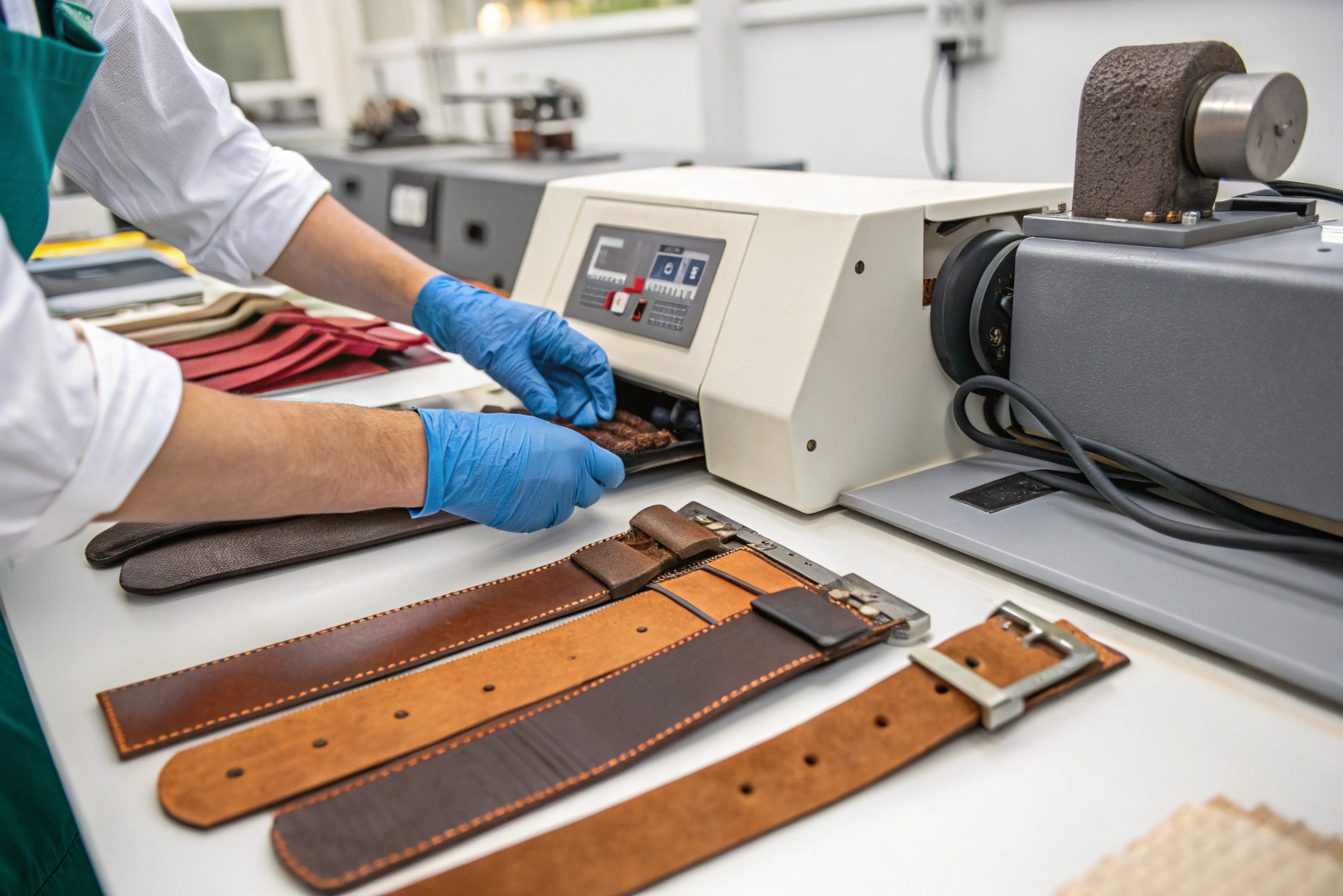
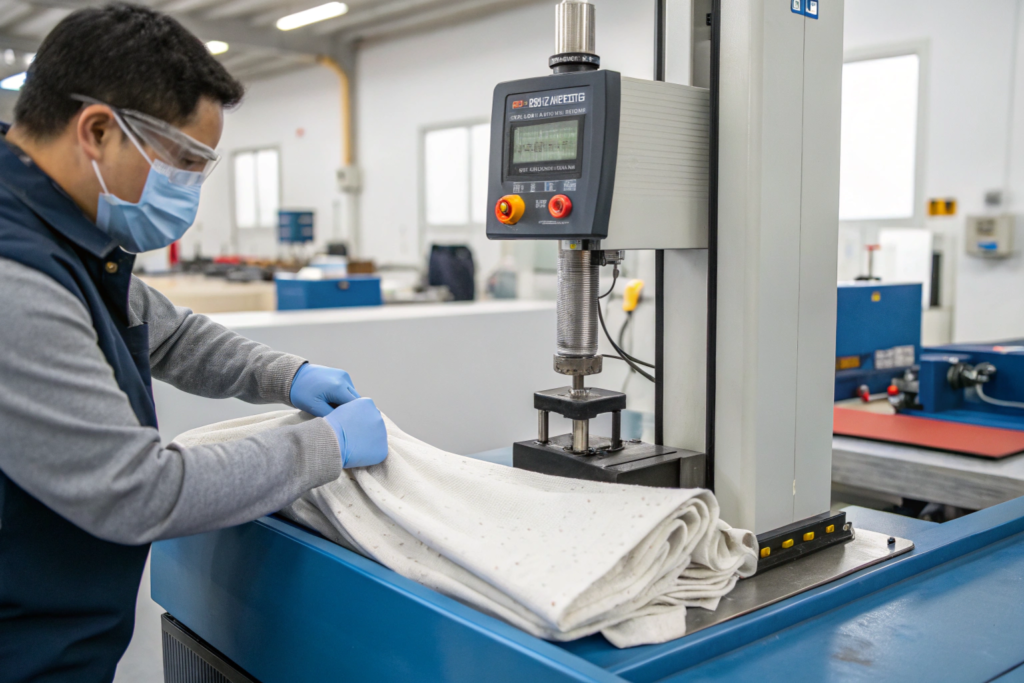
At our factory, we have rigorous testing protocols to ensure that every accessory we make for the athletic market can withstand the demands of its intended use. We test for seam strength, fabric abrasion resistance, colorfastness, and the durability of any added features like reflective trims. For standards on textile testing, organizations like ASTM International and ISO provide the benchmarks we follow.
What are the key durability tests for athletic accessories?
- Seam Strength Test: We test the seams by pulling them apart with a calibrated force to ensure they are strong enough to withstand stress and stretching.
- Abrasion Resistance Test: We use a machine (like a Martindale tester) to rub the fabric against a standard abradant for thousands of cycles, simulating the wear and tear it would experience over time. This tests for pilling, fraying, and fabric breakdown.
- Colorfastness Tests: We test the fabric's resistance to fading from light (lightfastness), from rubbing (crocking), and from washing. Athletic gear is washed frequently, so colorfastness is essential.
- Reflective Material Durability: We specifically test reflective elements to ensure they remain reflective and don't peel or crack after repeated washing and wear.
These tests give us confidence that the accessories we ship will perform for our clients' customers, not just for one season, but for many.
How do you test for performance claims like moisture-wicking?
Claims like "moisture-wicking" need to be backed up by data. We can test these performance properties in our lab.
- Wicking Test: A sample of the fabric is suspended with one end in a reservoir of water. We measure how high the water travels up the fabric over a set period. This measures the fabric's ability to transport moisture.
- Drying Time Test: We wet a fabric sample and then measure how long it takes to dry under controlled conditions. A fast-drying fabric is essential for athletic performance.
- Breathability Test: We measure the rate at which water vapor can pass through the fabric. This indicates how well the fabric will allow sweat to evaporate.
By conducting these tests, we can verify that the fabrics we are using actually perform as advertised. This allows our clients to make confident claims about their products and build trust with their customers.
Conclusion
Sourcing fashion accessories for the high-performance athletic market is a specialized field that demands a deep understanding of materials, design, and testing. It's about moving beyond simple aesthetics and focusing on function: moisture management, temperature regulation, UV protection, safety, and durability. From moisture-wicking polyester and Merino wool to breathable mesh and reflective trims, every component must be chosen and engineered with the athlete's performance and safety in mind.
At Shanghai Fumao Clothing, we have the expertise and the facilities to meet these demanding requirements. Our factory in Zhejiang produces a wide range of high-performance athletic accessories, from running caps and thermal headbands to moisture-wicking wristbands and reflective gear. We work with leading suppliers of technical fabrics and performance yarns. Our rigorous testing protocols ensure that every product meets the highest standards of durability and performance.
If you're ready to develop a line of high-performance athletic accessories, let's talk. Please contact our Business Director, Elaine, at elaine@fumaoclothing.com. We'll help you create gear that athletes can trust.