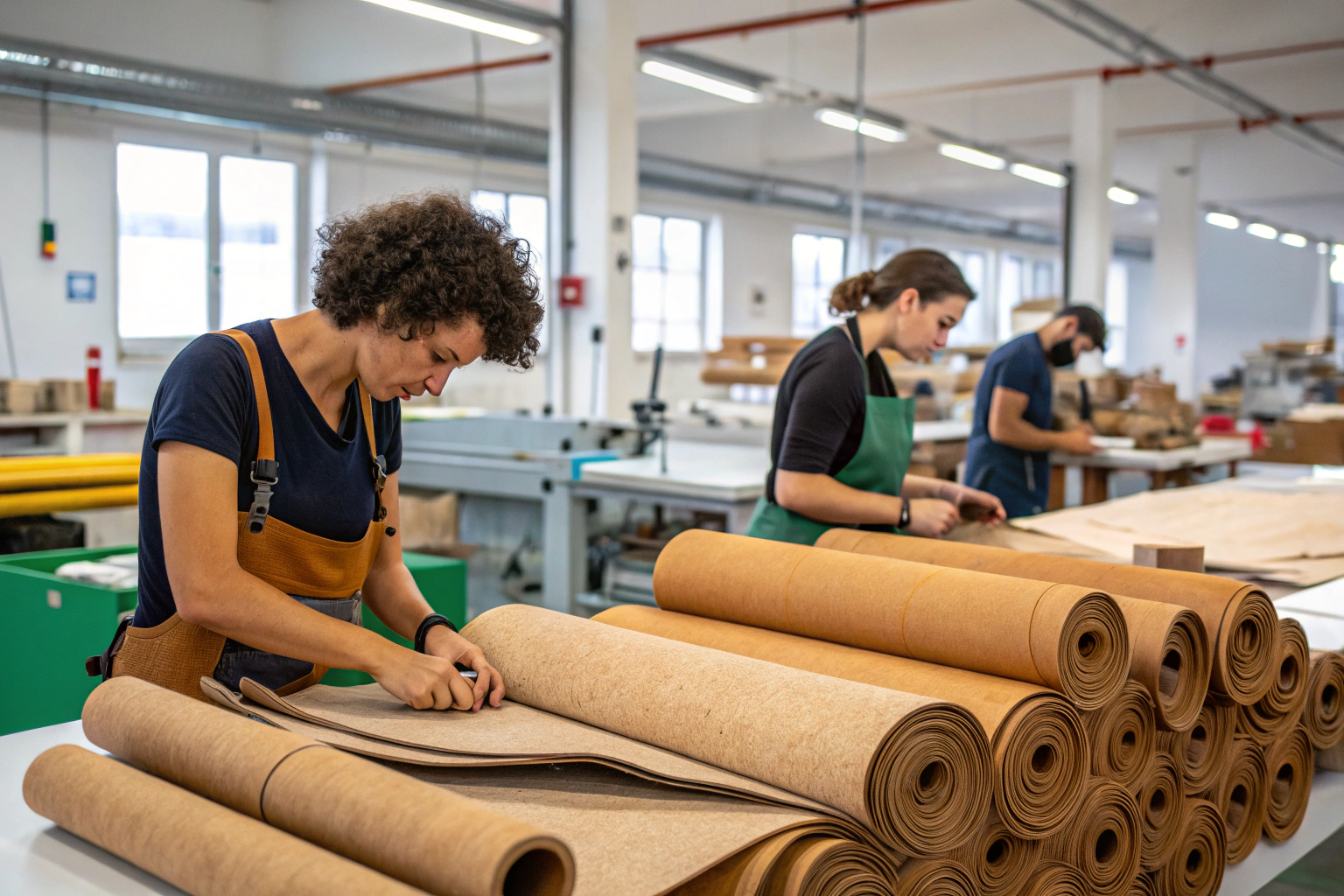
A few years ago, a buyer from a major European accessories brand came to me with a challenge. Her customers were asking for sustainable products. She wanted something different from leather. She wanted something eco-friendly but still luxurious. I showed her our cork fabric samples. She touched the material. It was soft. It was smooth. It felt like leather but lighter. She ordered a small test collection. It sold out in weeks. She has been ordering cork products from us ever since. That is when I realized cork was not just a trend. It was a real alternative.
Sourcing eco-friendly cork clutches and wallets requires finding a supplier with expertise in cork fabric processing, quality control, and sustainable practices. Cork fabric is made from the bark of cork oak trees. It is renewable, biodegradable, and vegan. The best suppliers offer certified cork materials, skilled craftsmanship, and reliable production. At AceAccessory, we have developed specialized techniques for working with cork fabric. This expertise is a core part of our service at Shanghai Fumao Clothing.
You might think cork products are fragile. They are not. Cork is surprisingly durable. It is water-resistant. It is lightweight. It is easy to clean. In this article, I will share everything I have learned about sourcing cork accessories. If you want to understand how we manage quality across all our products, you can also read our guide on what makes a factory's quality control stand out.
What Makes Cork Fabric an Eco-Friendly Material?
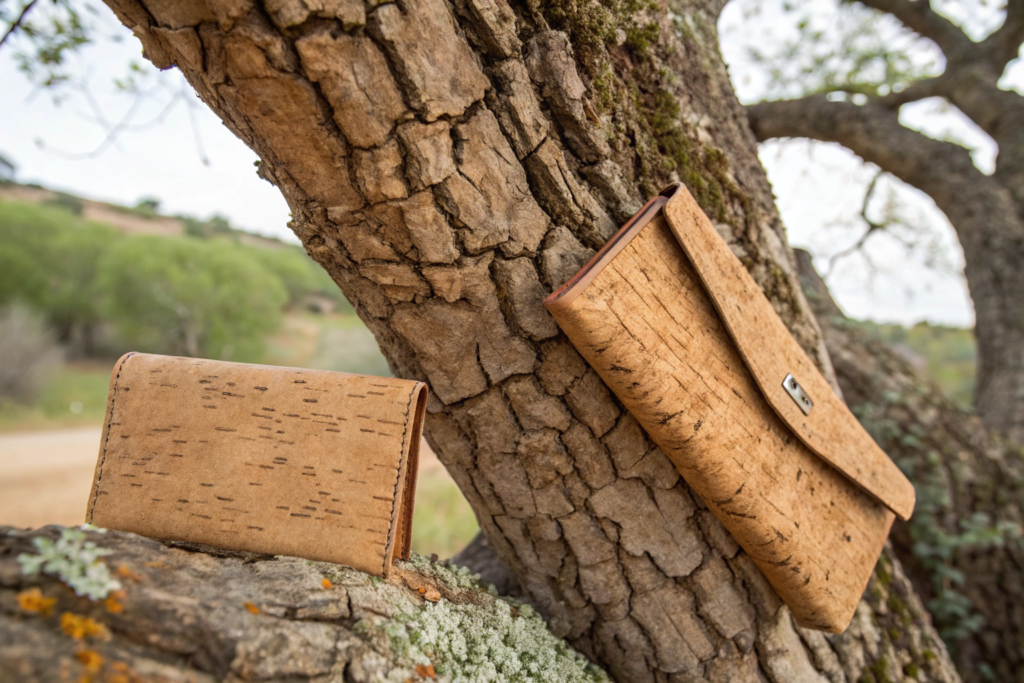
I remember visiting a cork forest in Portugal years ago. I saw how they harvest the bark. They do not cut down the trees. They carefully remove the outer bark. The tree regenerates. It can be harvested again every nine years. The cork forests are protected. They support biodiversity. I knew then that cork was special.
Cork fabric is one of the most sustainable materials available. It comes from the bark of cork oak trees. The harvesting process does not harm the trees. The bark regenerates. Cork forests absorb carbon dioxide. They support wildlife. Cork is renewable, biodegradable, and recyclable. It requires no irrigation or pesticides. These qualities make cork an ideal choice for eco-conscious brands. I have worked with many sustainable materials. Cork stands out. Let me explain why.
How Is Cork Harvested Sustainably?
Cork harvesting is an ancient craft. Skilled workers carefully remove the outer bark. They use special axes. They work with precision. They do not damage the inner bark. The tree continues to grow. New bark forms. The same tree can be harvested many times over its 200-year lifespan. This process is regulated. Forests are managed responsibly. Organizations like the Cork Quality Council set standards for sustainable harvesting. We source our cork from certified suppliers who follow these practices. This ensures our products support responsible forestry.
What Certifications Should You Look For?
Certifications matter for eco-friendly products. The Forest Stewardship Council (FSC) certification is important. It ensures the cork comes from responsibly managed forests. You can verify FSC certified cork through their database. Some suppliers also offer organic certifications. Others have vegan certifications. These prove the material is animal-free. We maintain these certifications for our cork products. They give our clients confidence. They help your brand tell a credible sustainability story. You can also check PETA-approved vegan listings for additional verification.
How Is Cork Fabric Made and Processed?
A client once asked me if cork fabric was just natural cork. I explained it is more complex. Natural cork is rigid. It is good for wine stoppers. But for bags, it needs processing. We bond thin cork sheets to a fabric backing. This creates a flexible, durable material. The client understood. She appreciated the craftsmanship behind it.
Cork fabric is made by slicing cork oak bark into thin sheets. These sheets are bonded to a fabric backing, usually cotton or polyester. The backing adds strength and flexibility. The cork surface is treated with a protective coating. This coating resists water and stains. The result is a material that feels like leather but is lighter and more sustainable. The processing of cork fabric requires skill. Let me explain the steps we follow.
What Is the Bonding Process?
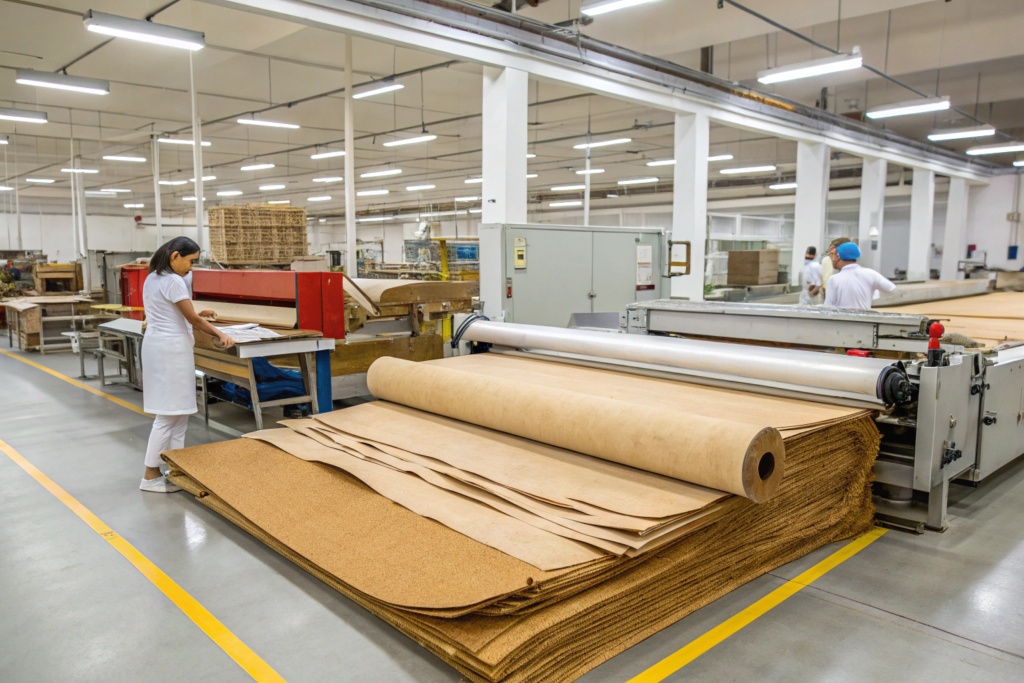
The bonding process is critical. The cork sheet must be attached securely to the backing fabric. We use water-based adhesives. These are eco-friendly. They contain no harmful solvents. The bond must be strong. It must survive repeated flexing. A poor bond will cause delamination. The cork will separate from the backing. We test our bonded materials. We flex them thousands of times. We ensure the bond holds. You can learn about bonding standards from industry resources. We follow these standards to ensure quality.
How Is the Cork Surface Protected?
Natural cork is porous. It can absorb water. It can stain. To prevent this, we apply a protective coating. The coating is clear. It preserves the natural look of the cork. It adds water resistance. It repels stains. The coating is also flexible. It moves with the cork. It does not crack or peel. This coating is essential for clutches and wallets. They get handled frequently. The coating keeps them looking new. For surface treatment standards, you can find detailed specifications. We use coatings that meet eco-friendly requirements.
What Should You Look for in a Cork Accessory Supplier?
I had a client from a large American online store. She wanted to add cork wallets to her collection. She had found a cheap supplier online. The samples looked good. But the production was inconsistent. Some wallets had poor bonding. Others had uneven stitching. She came to us. We showed her our quality system. She switched. Her customer reviews improved.
A reliable cork accessory supplier must have experience working with cork fabric. They should understand the material's unique properties. They need proper equipment for cutting and sewing cork. They should have quality control processes specific to cork. Look for suppliers who offer certifications and sample testing. Experience with international shipping and customs is also important.
Finding the right supplier takes work. Here are the qualities I recommend looking for.
What Equipment Is Needed for Cork Fabric?
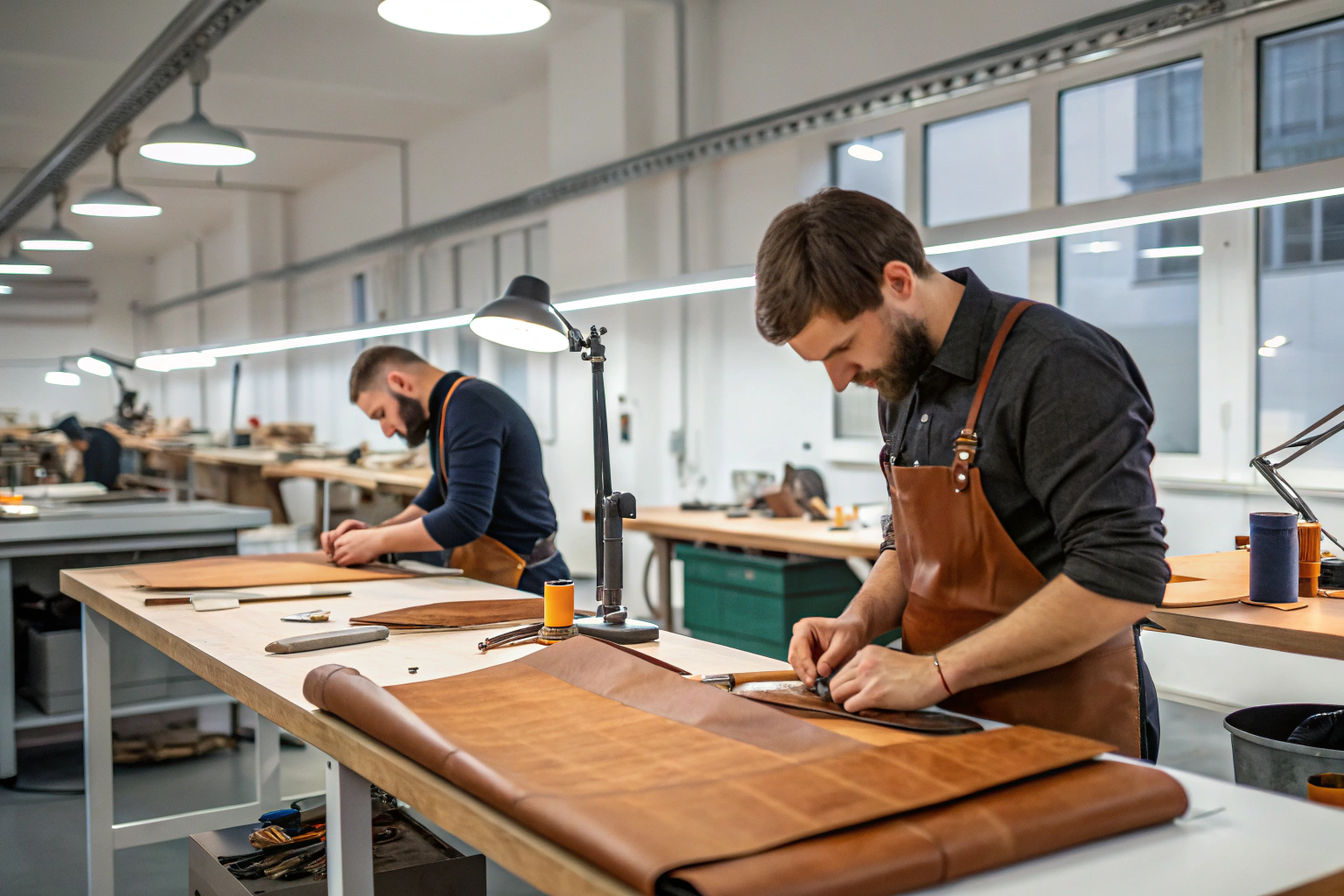
Cork fabric requires special handling. It is not like leather or cotton. It can tear if cut incorrectly. We use laser cutting for precise edges. This prevents fraying. It creates clean lines. For sewing, we use sharp needles. Cork is dense. Dull needles can damage it. We use Teflon presser feet. These glide over the cork surface. They do not leave marks. Our sewing machines are calibrated for cork. This prevents skipped stitches. You can learn about textile cutting equipment from industry resources. We have invested in the right tools for cork.
How Do You Test Cork Product Quality?
We perform specific tests for cork products. We test the bond strength. We try to separate the cork from the backing. It should resist. We test the coating. We apply water and stains. They should bead up and wipe off. We test the stitching. We pull on seams. They should hold. We test the zippers and snaps. They should operate smoothly. We keep records of all tests. This ensures consistency. For quality testing methods, you can find comprehensive resources. We apply these methods to every cork order at Shanghai Fumao Clothing.
How Do You Design Clutches and Wallets with Cork Fabric?
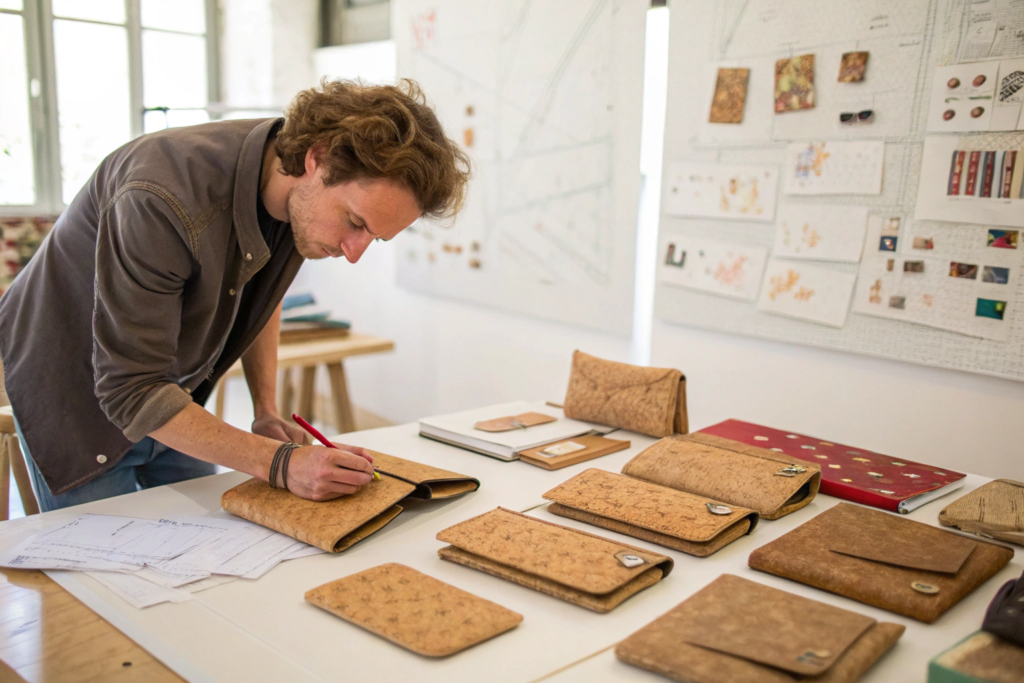
I worked with a fashion brand from New York. They wanted a cork clutch that was both elegant and functional. They wanted it to look like leather but feel lighter. We designed a simple envelope style. We added a magnetic snap. We lined it with organic cotton. The result was beautiful. The clutch was featured in a fashion magazine. The brand received many inquiries.
Designing with cork fabric requires understanding its unique qualities. Cork is lightweight and flexible. It holds its shape well. It can be cut into clean geometric shapes. It takes stitching beautifully. It pairs well with other natural materials like cotton and wood. The design should highlight the natural texture of cork. Simplicity often works best. Cork offers design opportunities. Let me share what we have learned.
What Styles Work Best with Cork?
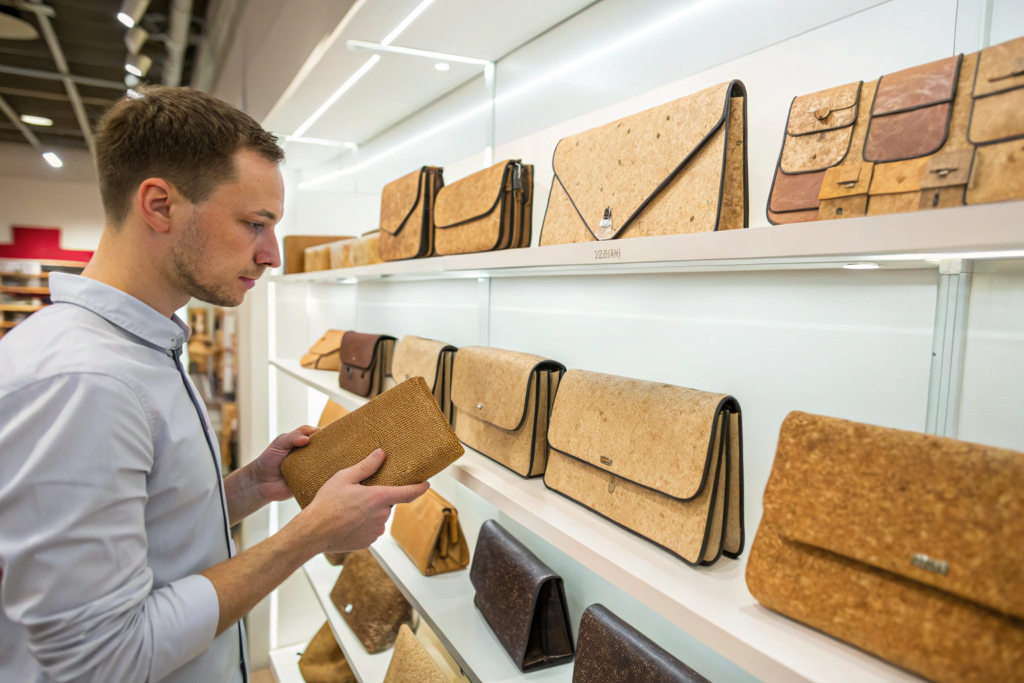
Simple styles work best. Cork has a natural beauty. It does not need heavy embellishment. Envelope clutches show off the material. Minimalist wallets highlight the texture. Tote bags in cork look modern. The natural grain of cork adds visual interest. We avoid complex shapes. Cork is flexible but not stretchy. Simple shapes are easier to construct. They also last longer. For fashion design inspiration, you can see how other brands use cork. We help our clients create styles that suit their market.
What Linings and Hardware Work Well?
We pair cork with natural linings. Organic cotton is a good choice. It matches the eco-friendly theme. Linen also works well. For hardware, we use lightweight metals. Brass and aluminum look good against cork. We avoid heavy hardware. It can weigh down the cork. Magnetic snaps are popular for clutches. They are easy to use. They do not damage the material. Zippers should be nylon or lightweight metal. We test all hardware with cork. We ensure compatibility. Resources like hardware testing guides provide useful information.
How Do You Care for and Maintain Cork Accessories?
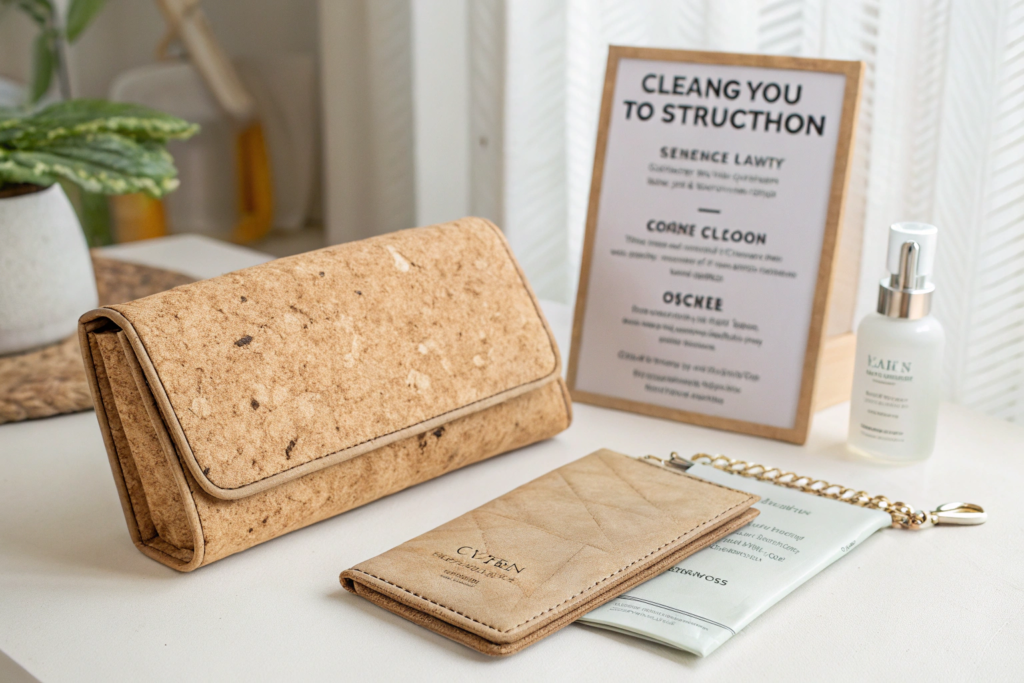
A client from a European department store asked me about cork care. Her customers wanted to know how to maintain their cork wallets. I explained it is simple. Cork is easy to care for. The client created care cards for her products. Her customers appreciated the guidance.
Cork accessories are easy to care for. They resist water and stains. To clean, simply wipe with a damp cloth. Avoid harsh chemicals. Store in a cool, dry place away from direct sunlight. Cork can dry out over time. A light application of cork conditioner helps maintain flexibility. With proper care, cork products last for years. Good care extends the life of cork products. Here is what we tell our clients.
How Do You Clean Cork Fabric?
Cleaning cork is simple. Use a soft, damp cloth. Wipe gently. For stubborn marks, use mild soap. Test on a small area first. Do not soak the cork. Do not use abrasive cleaners. They can damage the coating. Do not put cork in the washing machine. The bonding can be affected. After cleaning, let it air dry. Avoid direct heat. You can find cleaning guides for cork from industry associations. We provide care instructions with every order.
How Do You Prevent Cork from Drying Out?
Cork is natural. It can dry out over time. This is normal. Dry cork can become brittle. To prevent this, apply cork conditioner. This is like a moisturizer for cork. It keeps the material flexible. We recommend conditioning once or twice a year. Avoid over-conditioning. A little goes a long way. Store cork products away from radiators and direct sunlight. These can accelerate drying. With proper care, cork wallets and clutches can last for many years. For leather and cork care products, you can find suitable conditioners.
Conclusion
Sourcing eco-friendly cork clutches and wallets is a smart choice for brands. Cork is sustainable. It is durable. It is beautiful. It appeals to customers who care about the environment. At AceAccessory, we have invested in cork expertise. Our factory in Zhejiang has the equipment and skills to produce high-quality cork products.
We understand cork's unique properties. We know how to cut it, sew it, and finish it. We test our products thoroughly. We provide certifications and care instructions. We help our clients tell their sustainability story.
I have seen cork products succeed in many markets. European brands love them. American online stores sell them well. Russian importers are adding them to their collections. The demand is growing. If you are ready to add cork clutches and wallets to your product line, we are here to help. We can guide you through material selection, design, and production. We can show you samples. We can discuss your sustainability goals.
I invite you to reach out to our Business Director, Elaine. She can answer your questions and start the conversation. Contact her at elaine@fumaoclothing.com. Let us create beautiful, sustainable cork products together.