Are you looking to build a hat line that aligns with your brand's sustainability values but feel overwhelmed by vague claims like "green" or "eco"? Do you worry about "greenwashing" and need to source materials and partners with genuine, verifiable credentials? You're addressing the core challenge of conscious commerce. Today's consumers demand transparency and authentic environmental stewardship, making the sourcing process more critical than ever.
Successfully sourcing eco-friendly cloth hats requires a holistic, three-pillar approach: Material Integrity, Ethical Manufacturing, and End-of-Life Responsibility. It's about moving beyond just the fabric to evaluate the entire supply chain—from how the fibers are grown and processed to the working conditions of the factory and the product's ultimate disposal. Your manufacturing partner must be a true collaborator in this mission, providing traceability and proof at every step.
This guide will provide a clear, actionable framework. We'll explore how to select and verify truly sustainable fabrics, identify manufacturing partners with aligned values and certifications, navigate the sampling and production process with an eco-lens, and finally, communicate your sustainability story effectively to your customers. Let's build a hat line that looks good and does good.
How to Select and Verify Truly Sustainable Hat Fabrics?
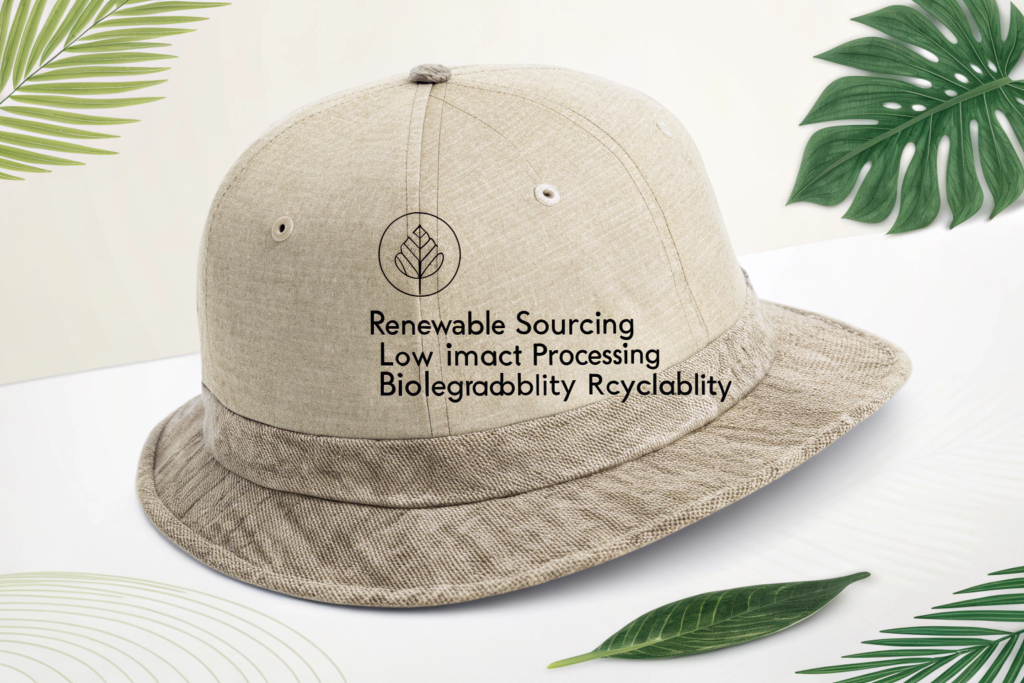
The foundation of an eco-friendly hat is its fabric. The term "sustainable fabric" encompasses a wide range, but key criteria include: Renewable/Organic Sourcing, Low-Impact Processing, and Biodegradability/Recyclability. Your choice will define the hat's environmental footprint and your brand's narrative.
Focus on these primary categories:
- Organic Natural Fibers: GOTS-Certified Organic Cotton is the gold standard. It ensures no synthetic pesticides/fertilizers were used, and processing follows strict environmental and social criteria. Linen (from flax) is inherently eco-friendly—it requires little water, no irrigation, and almost every part of the plant is used. Hemp is similar, with high yield and soil-enriching properties.
- Recycled Fabrics: Recycled Cotton (from pre- or post-consumer textile waste) and Recycled Polyester (rPET) (from plastic bottles) reduce waste and resource extraction. While rPET is still plastic, it diverts waste from landfills and oceans.
- Innovative Next-Gen Materials: TENCEL™ Lyocell (from sustainably sourced wood pulp) is produced in a closed-loop process that recycles water and solvents. ECONYL® is regenerated nylon from fishing nets and other waste.
Always prioritize certifications (GOTS, OCS, GRS) over supplier claims.
What Certifications (GOTS, GRS) Are Non-Negotiable for Fabric Verification?
Certifications are your objective proof. Never accept a "sustainable" claim without the paperwork.
- GOTS (Global Organic Textile Standard): The most comprehensive certification for organic fibers. It covers the entire supply chain—from harvesting to labeling—ensuring organic status, environmental criteria, and social compliance (safe working conditions, living wages). For organic cotton or linen hats, demand GOTS certification for both the fabric and the final manufacturing facility.
- GRS (Global Recycled Standard): Verifies the recycled content in a product (e.g., 80% GRS-certified recycled polyester) and tracks it through the chain. It also includes environmental and social criteria.
- OEKO-TEX Standard 100: Certifies that a textile product is free from harmful levels of over 100 regulated substances. While not an "eco" cert per se, it's crucial for ensuring a non-toxic product, especially for items worn close to the skin.
Request Transaction Certificates (TCs) from your supplier for each batch of fabric. This is the chain-of-custody document that proves the certified material is in your product.
How to Evaluate the Full Lifecycle Impact of a Fabric (Water, Carbon, Toxicity)?
Look beyond the fiber source. Ask your fabric mill or supplier for a Life Cycle Assessment (LCA) or key impact data. Key questions:
- Water Usage: How many liters of water are used to produce 1kg of this fabric? (Organic cotton uses significantly less than conventional).
- Carbon Footprint: What is the CO2 equivalent per kg? (Locally sourced linen may have lower transport emissions).
- Chemical Management: Are dyes low-impact, AZO-free, and is wastewater treated?
- End-of-Life: Is the fabric biodegradable (like organic cotton/linen) or recyclable (like mono-material recycled polyester)?
A transparent supplier will engage in this dialogue. This level of scrutiny is part of building a transparent and trusted partnership.
How to Identify an Ethical and Sustainable Manufacturing Partner?
The "where" and "how" of production are as important as the "what." An eco-friendly fabric sewn in a polluting, unethical factory negates your efforts. Your manufacturer must share your values and operate with transparency and responsibility.
Seek out factories that publicly commit to sustainability. Look for evidence on their website: dedicated sustainability pages, published policies, and listed certifications beyond just ISO 9001. Key certifications to look for include:
- GOTS Facility Certification: If producing GOTS final products.
- SA8000 or Sedex SMETA Audits: Indicators of strong social responsibility (fair wages, safe conditions, no child labor).
- ISO 14001 (Environmental Management): Shows a structured approach to reducing environmental impact.
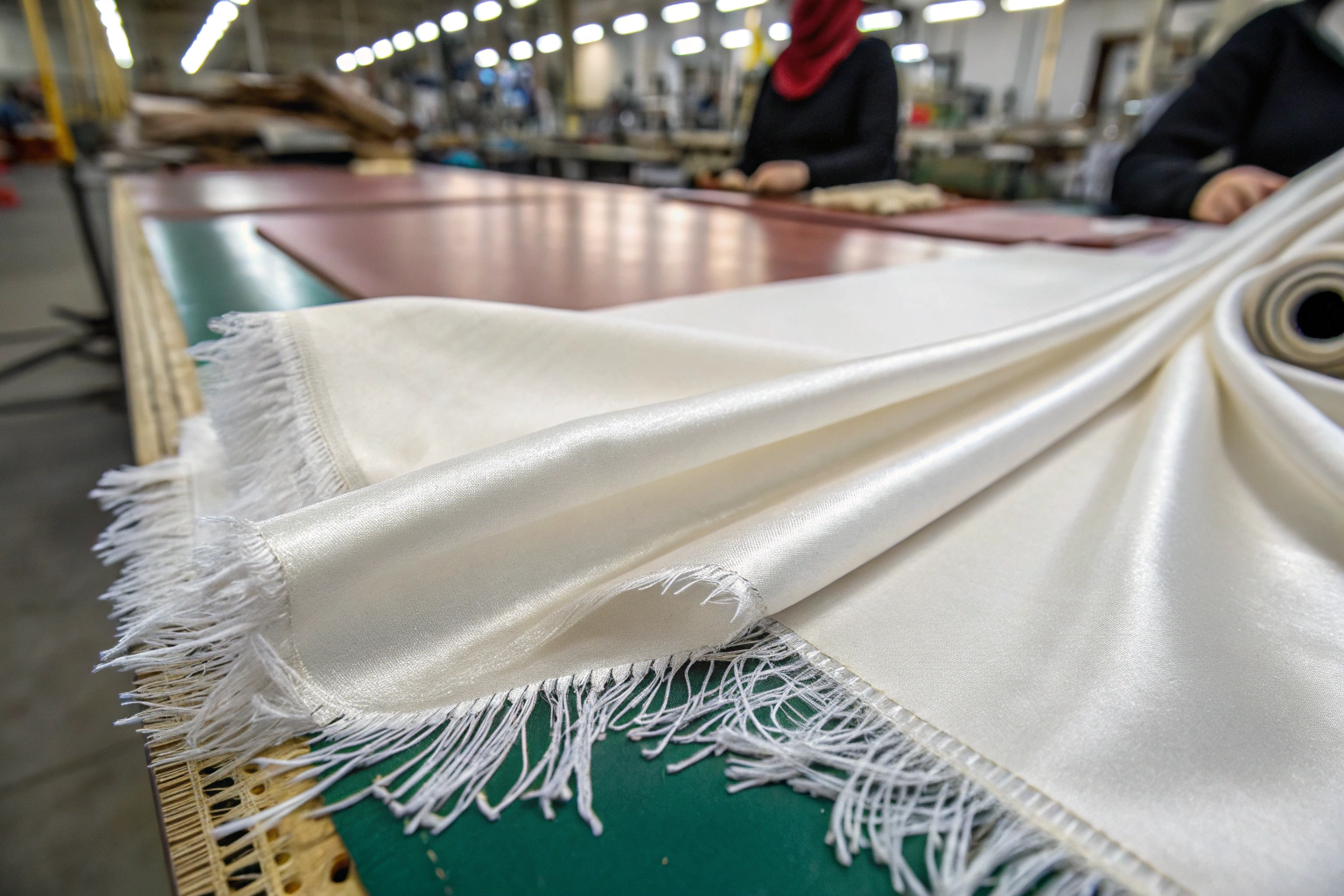
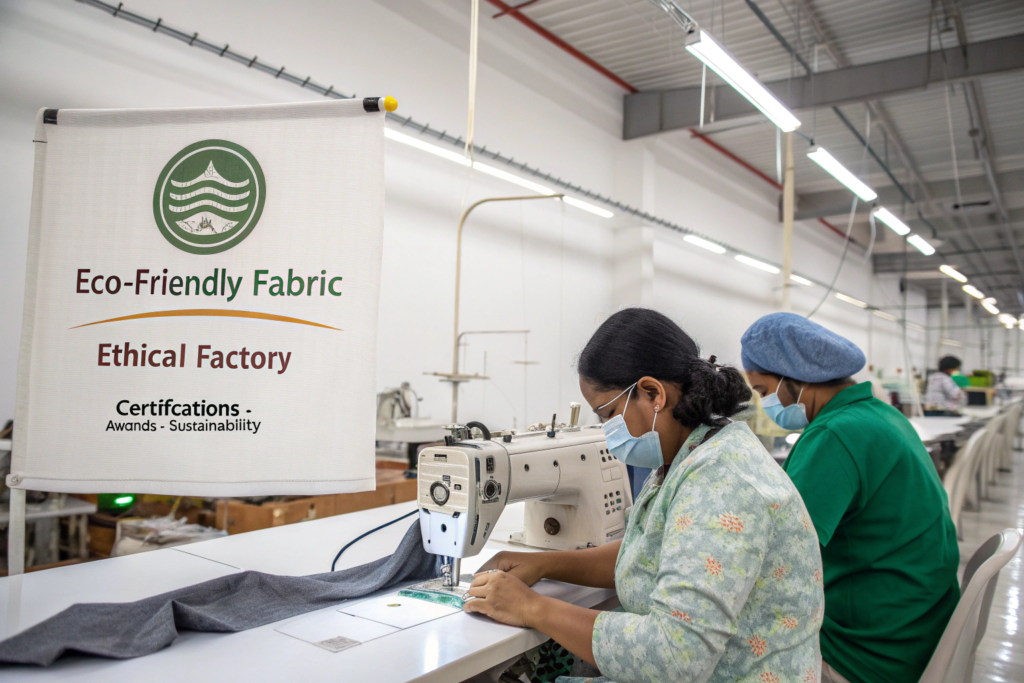
Schedule a virtual or in-person tour. Ask about their waste reduction (fabric scrap recycling programs), energy sources (solar panels?), and chemical management (for hat stiffeners or water repellents). A partner like Shanghai Fumao Clothing is investing in these areas to meet the demands of forward-thinking brands.
What Factory Audits and Social Compliance Reports Should You Review?
Before committing, request audit reports. The Sedex Members Ethical Trade Audit (SMETA) is a widely recognized social audit. Review it for:
- Health & Safety: Are fire exits clear? Is protective equipment provided?
- Working Hours & Wages: Do records show compliance with local laws and overtime pay?
- Freedom of Association: Can workers organize?
- Environment: A SMETA audit can include an environmental module.
For a deeper dive, you can hire a third-party agency to conduct a specialized environmental audit. Also, simply ask for photos of their workspace, waste segregation bins, and worker facilities. A clean, organized, well-lit factory is a positive indicator.
Can Local or Near-Shoring Be a Viable Sustainable Sourcing Strategy?
Near-shoring (producing closer to your market, e.g., in Mexico for the US, Turkey for the EU) is gaining traction for its sustainability benefits: shorter, lower-carbon shipping distances and often greater oversight and transparency. However, it typically comes with a higher unit cost. Local sourcing of materials (e.g., using European linen) can further reduce the carbon footprint.
The decision involves a trade-off between cost, carbon, and control. For some sustainable brands, the story and footprint reduction justify the higher price. Analyze your total landed cost and brand positioning. For others, a highly certified, efficient factory in Asia that uses renewable energy and ships by sea may have a comparable or lower total carbon footprint. The key is to do the research and make an intentional, documented choice.
How to Navigate Eco-Conscious Sampling and Production?
The development and production phases must reflect your sustainability principles. This means minimizing waste during sampling, choosing low-impact trims and dyes, and implementing a green packaging strategy.
Start with digital prototyping. Use 3D design software to visualize hats and make adjustments before cutting any physical fabric, drastically reducing sample waste. When physical samples are needed, work with the factory to use fabric leftovers from previous production runs for sampling. For trims, specify:
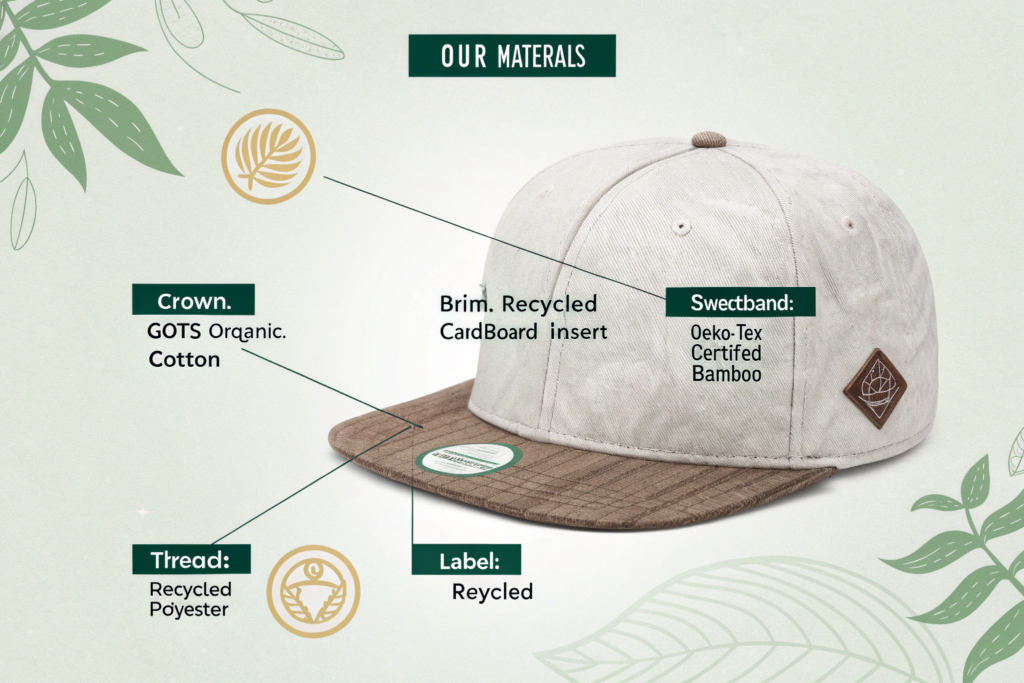
- Labels: Made from recycled polyester or organic cotton.
- Thread: Certified organic cotton or recycled polyester thread.
- Stiffeners: Avoid PVC. Use biodegradable alternatives like corn starch-based interfacing or recycled cardboard for brims.
- Dyes & Finishes: Insist on low-impact, OEKO-TEX certified dyes and avoid toxic PFC-based water repellents (opt for eco-friendly alternatives).

How to Implement a Zero-Waste or Low-Waste Cutting Strategy?
Fabric cutting generates the most waste in apparel production. Discuss these strategies with your factory:
- Nesting Software: Using CAD software to lay pattern pieces as tightly together as possible on the fabric roll.
- Design for Efficiency: Creating hat patterns that are inherently geometric and tessellate well.
- Scrap Recycling Program: Ensure the factory has a system to collect and recycle 100% of fabric scraps—either back into yarn, as stuffing material, or for upcycled products. Ask for evidence of where scraps go.
A responsible factory will track and report their fabric utilization rate. A higher percentage means less waste.
What Are the Best Practices for Sustainable Packaging and Shipping?
The unboxing experience must align with your brand values. Ditch single-use plastic.
- Primary Packaging: Use recycled and recyclable paper headbands or stuffers. Avoid plastic polybags; use compostable cellulose bags if a bag is necessary.
- Shipping Cartons: Use FSC-certified recycled cardboard boxes. Right-size the box to minimize void fill.
- Void Fill: Use crumpled recycled paper or biodegradable cornstarch peanuts, never plastic bubble wrap.
- Shipping: Opt for sea freight over air freight whenever possible to reduce carbon emissions by ~95%. Consolidate shipments. For your own fulfillment, offer a carbon-neutral shipping option at checkout.
Every touchpoint is a chance to reinforce your commitment, turning logistics into part of your sustainability story.
How to Authentically Communicate Your Sustainability Story?
Transparency builds trust. After doing the hard work, you must communicate it clearly, honestly, and without exaggeration ("greenwashing"). Your story should be data-backed and focus on specific actions and impacts.
Build your communication on a "Pillar" framework. For example:
- Pillar 1: Material Health: "Made from GOTS-certified organic cotton, grown without toxic pesticides."
- Pillar 2: Ethical Production: "Sewn in a SA8000-certified factory where fair wages and safe conditions are guaranteed."
- Pillar 3: Circular Design: "Designed for longevity and made from biodegradable materials."
Use specific numbers: "Saves 3,000 liters of water compared to a conventional cotton hat," or "Contains 5 recycled plastic bottles."
How to Use Certifications and Transparency Tools on Labels & Website?
Make certifications visible:
- Hangtags & Labels: Sew in labels with certification logos (GOTS, GRS) and a QR code.
- QR Code Link: Have the QR code link to a dedicated page on your website that tells your full sustainability story, shows factory photos, and even uploads copies of your Transaction Certificates (TCs) or a supplier map.
- Dedicated Webpage: Create a "Sustainability" or "Our Materials" page that details your pillars, partners, and impact.
Tools like the Higg Index or partnerships with platforms like Good On You can lend third-party credibility. The goal is to make it easy for the conscious consumer to validate your claims.
What is Greenwashing and How to Avoid It in Your Marketing?
Greenwashing is making misleading or unsubstantiated claims about the environmental benefits of a product. To avoid it:
- Be Specific: Don't say "eco-friendly." Say "made with 80% GRS-certified recycled polyester."
- Don't Exaggerate: If only the fabric is organic, don't call the entire hat "100% organic."
- Have Proof: Back up every claim with a certificate or report.
- Acknowledge Imperfections: Honesty is powerful. You can say, "We're not perfect, but we're committed. Our next step is to move to compostable shipping mailers by Q3."
This authentic approach, rooted in verifiable actions like rigorous material verification, builds deeper, more loyal customer relationships than any vague green claim.
Conclusion
Sourcing eco-friendly cloth hats for sustainable brands is a comprehensive journey that intertwines material science, ethical business practices, and authentic storytelling. It requires moving from superficial claims to deep supply chain engagement—selecting certified organic or recycled fabrics, partnering with transparent and ethical manufacturers, minimizing waste at every production stage, and communicating your efforts with clarity and proof.
By embracing this holistic approach, you do more than create a product; you build a brand defined by integrity and responsibility. This meets the modern consumer's demand for transparency and creates a resilient, purpose-driven business model.
Ready to source hats that reflect your brand's true values? At Shanghai Fumao Clothing, we guide sustainable brands through this process, offering access to GOTS-certified facilities, recycled material sourcing, waste-reduction programs, and the documentation you need to tell your story. Contact our Business Director Elaine at elaine@fumaoclothing.com to start your responsible sourcing journey.