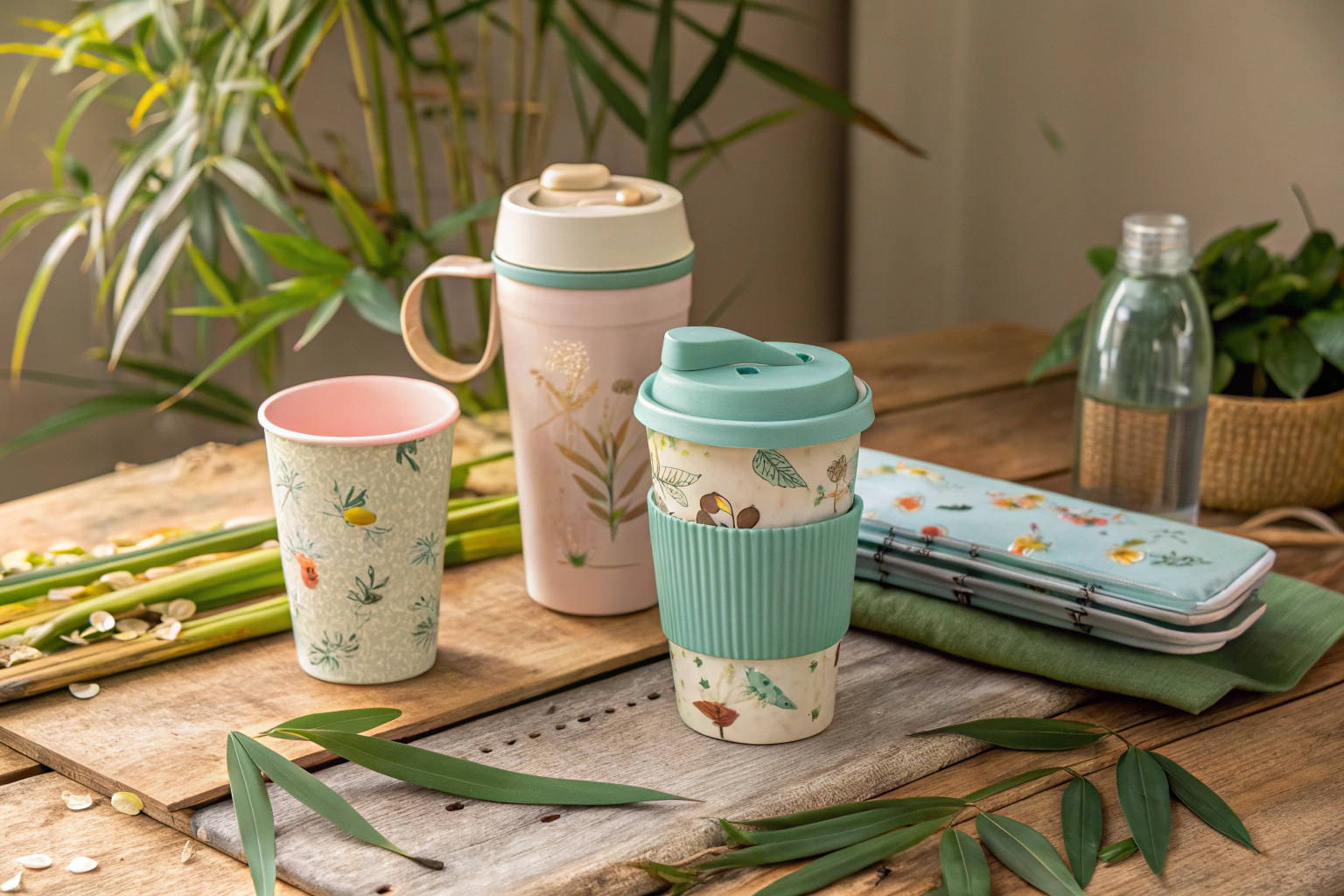
I have been in the manufacturing business for over twenty years, and I have watched the demand for eco-friendly products transform the industry. For a buyer like Ron, who supplies to environmentally conscious retailers, cafes, and corporate clients, bamboo fiber cups and drinkware represent a significant opportunity. They are biodegradable, made from a rapidly renewable resource, and appeal to consumers who want to reduce their plastic footprint. But sourcing them requires understanding the material, the manufacturing process, and the quality considerations that make bamboo fiber a sustainable choice.
To source eco-friendly bamboo fiber cups and drinkware, you need to understand the material: bamboo fiber is made from bamboo pulp mixed with a melamine binder to create a durable, reusable product. The bamboo content typically ranges from 20% to 80%. Higher bamboo content is more sustainable but may be less durable. You need to find a manufacturer who uses food-safe materials, meets safety standards like LFGB or FDA, and can produce consistent quality with smooth finishes and secure lids. Key considerations include durability, heat resistance, and the ability to customize with logos or colors.
At Shanghai Fumao Clothing, we have expanded into eco-friendly drinkware to meet the growing demand from our clients. We source high-quality bamboo fiber and work with manufacturers who adhere to strict food safety standards. We understand that bamboo fiber cups are not just a product; they are a statement about your brand's commitment to sustainability. I want to share what we have learned so you can source bamboo fiber drinkware with confidence.
What Is Bamboo Fiber And How Is It Made Into Drinkware?
Bamboo fiber is a composite material made from bamboo pulp mixed with a binder. It is often marketed as a sustainable alternative to plastic. Understanding what it is and how it is made helps you evaluate quality and make informed sourcing decisions.
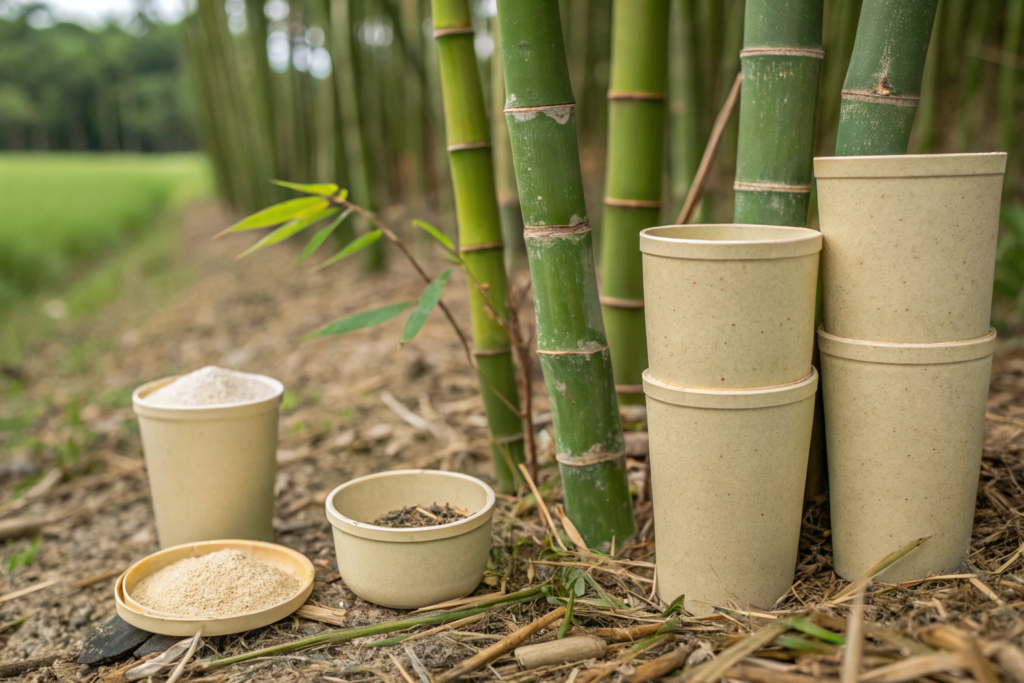
Bamboo fiber drinkware starts with bamboo. Bamboo is a fast-growing grass that can be harvested in 3 to 5 years, compared to decades for trees. It grows without pesticides, requires little water, and regenerates from its roots after harvesting. The bamboo is harvested, stripped, and ground into a fine powder or pulp. This bamboo powder is then mixed with a binder, typically melamine resin, and sometimes cornstarch or other plant-based materials. The mixture is heated and pressed into molds to form cups, plates, bowls, and other items. The result is a durable, reusable product that has the look and feel of ceramic or plastic but is marketed as biodegradable.
It is important to understand that bamboo fiber drinkware is not 100% bamboo. The bamboo content typically ranges from 20% to 80%. The remainder is the binder, which is often a melamine resin. Melamine is a plastic that gives the product its durability and heat resistance. Some manufacturers use a cornstarch-based binder, but these products are less durable. For a product to be marketed as "bamboo," it typically contains at least 20% bamboo fiber. Higher bamboo content is more sustainable but may be less durable. For more information on bamboo fiber manufacturing, resources like the Bamboo Industry Association provide technical information on bamboo processing.
What is the difference between bamboo fiber and pure bamboo?
The difference between bamboo fiber and pure bamboo is significant for both sustainability and performance. Pure bamboo refers to products made from solid bamboo, such as cutting boards, utensils, or furniture. These products are 100% bamboo and are biodegradable at the end of their life. Bamboo fiber drinkware, on the other hand, is a composite material. It is made from bamboo powder mixed with a binder, typically melamine resin. The binder is a plastic, which means the final product is not 100% biodegradable. Some manufacturers claim that bamboo fiber products are biodegradable, but this is only true if the binder is also biodegradable (e.g., cornstarch-based). However, cornstarch-based binders are less durable and may not meet food safety standards. For most bamboo fiber cups, the binder is melamine, which is not biodegradable. The sustainability advantage of bamboo fiber cups is that they use a renewable resource (bamboo) to replace some of the plastic. They are also durable and reusable, which reduces single-use plastic waste. For a truly biodegradable option, look for products made from 100% bamboo or from biodegradable composites like bamboo and cornstarch.
How is bamboo fiber drinkware manufactured?
The manufacturing process for bamboo fiber drinkware involves several steps. First, bamboo is harvested and processed. The outer green layer is stripped away, and the inner core is ground into a fine powder. The powder is dried and screened to achieve a consistent particle size. Next, the bamboo powder is mixed with a binder. The most common binder is melamine resin, a thermosetting plastic. The mixture is typically 20% to 80% bamboo powder, with the remainder being melamine. The mixture is heated and poured into molds under high pressure. The heat and pressure cause the melamine to cure, forming a solid, durable product. After molding, the cups are trimmed, polished, and inspected. Decorations, such as logos or patterns, are often applied using screen printing or heat transfer. Finally, the cups are packaged and shipped. The quality of the final product depends on the quality of the bamboo powder, the quality of the melamine resin, the precision of the molding process, and the finishing work. At Shanghai Fumao Clothing, we work with manufacturers who use high-quality materials and maintain strict quality control.
What Safety Standards Should Bamboo Fiber Drinkware Meet?
Safety is paramount for any product that will hold food or beverages. Bamboo fiber drinkware must meet strict safety standards to ensure it does not leach harmful chemicals into drinks. Understanding these standards helps you verify that your products are safe for consumers.
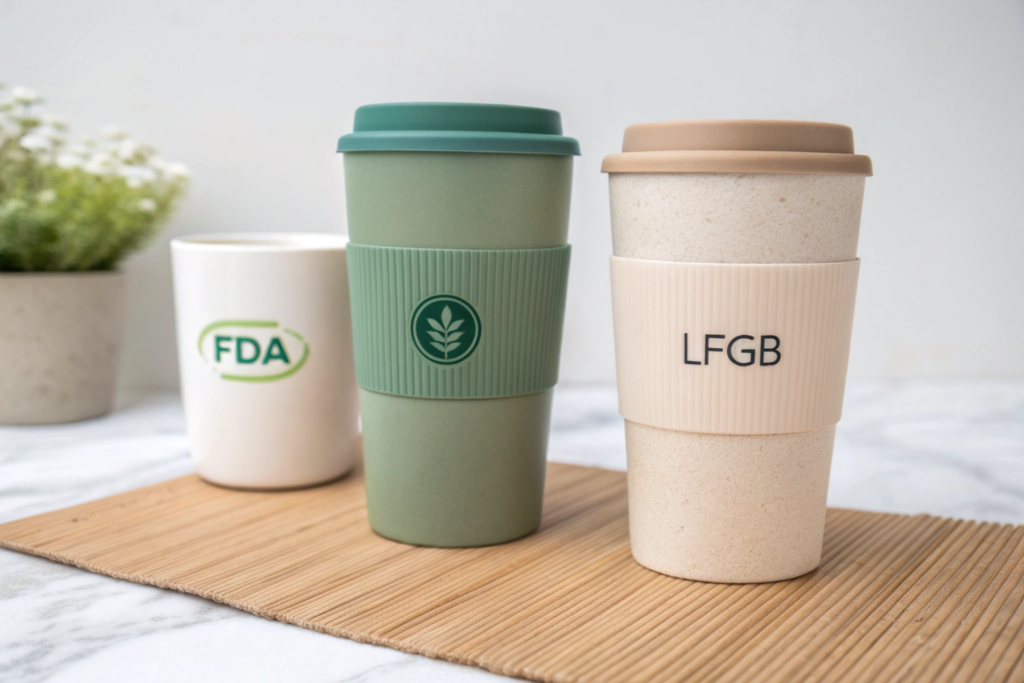
The most important standard for drinkware in the US is FDA compliance. The FDA regulates materials that come into contact with food. For bamboo fiber cups, the melamine binder must meet FDA standards for food contact. This ensures that the product does not leach melamine or other harmful substances into food or beverages. In Europe, the key standard is LFGB (Lebensmittel- und Futtermittelgesetzbuch), the German Food and Feed Code. LFGB is a stricter standard than FDA and is widely accepted across Europe. It requires that the product not transfer any substances to food that could affect the taste, odor, or safety.
Other important certifications include BPA-free, which confirms that the product does not contain bisphenol A, a chemical of concern. Some manufacturers also offer products that are free from phthalates and other harmful chemicals. For products marketed as biodegradable or compostable, look for certifications like BPI (Biodegradable Products Institute) or TÜV Austria. These certify that the product will biodegrade in industrial composting facilities. However, note that most bamboo fiber cups with melamine binders are not compostable. For more information on food contact material regulations, the FDA's Food Contact Substances website and the European Food Safety Authority (EFSA) provide detailed guidance.
What is LFGB certification and why does it matter?
LFGB certification is the gold standard for food contact materials in Europe. It is a German regulation that has been adopted across the European Union. The LFGB test is more rigorous than FDA testing. It involves testing for sensory properties (does the product affect the taste or smell of food?), chemical migration (does any substance transfer to food?), and overall safety. Products that pass LFGB testing can carry the "LFGB" mark, which is widely recognized by European consumers as a mark of safety. For bamboo fiber cups, LFGB certification provides assurance that the product is safe for hot and cold beverages. It also indicates that the product is free from harmful chemicals. If you are selling to European retailers or consumers, LFGB certification is highly recommended. If you are selling in the US, FDA compliance is the baseline, but LFGB certification can be a differentiator. At Shanghai Fumao Clothing, we source bamboo fiber cups that meet both FDA and LFGB standards.
How do I verify that a product is truly BPA-free?
Verifying that a product is truly BPA-free requires documentation and testing. BPA (bisphenol A) is a chemical used in some plastics. It is a concern because it can mimic estrogen and has been linked to health issues. Many consumers specifically seek BPA-free products. To verify BPA-free claims, ask your supplier for a test report from an accredited laboratory. The report should state that the product has been tested and found to contain no detectable BPA. The test should be conducted on the finished product, not just the raw materials. For bamboo fiber cups, the concern is primarily with the melamine binder. High-quality melamine is BPA-free, but low-quality melamine may contain BPA or other harmful chemicals. In addition to BPA, consider asking for testing for other harmful substances like phthalates, lead, and cadmium. A reputable supplier will have these test reports readily available. At Shanghai Fumao Clothing, we provide test reports for all our bamboo fiber products.
How Do I Evaluate The Quality Of Bamboo Fiber Drinkware?
Quality varies significantly among bamboo fiber products. A well-made bamboo fiber cup should be smooth, durable, and safe. A poorly made cup may have rough edges, weak construction, or safety concerns. Knowing what to look for helps you select the best products for your brand.
Start with the finish. The surface should be smooth and even. There should be no bumps, pits, or rough spots. The edges of the cup and lid should be smooth. Run your finger along the rim to check for any sharpness. The color should be consistent. There should be no streaks or uneven areas. Next, check the durability. Tap the cup with your fingernail. It should sound solid, not hollow. Squeeze the cup gently. It should not flex or deform. Drop a sample from a short height onto a hard surface. It should not crack or chip. Next, check the lid. The lid should fit securely and form a tight seal. It should not leak when the cup is tipped. The lid should be easy to open and close.
Next, check the heat resistance. Fill the cup with hot water (not boiling) and hold it. The cup should not become too hot to hold. The lid should not warp. There should be no odor or taste transfer. Finally, check the documentation. The supplier should provide test reports for food safety, BPA-free status, and any other claims. For more information on quality testing, the ASTM International provides standards for testing plastic and composite materials.
What are the common defects in bamboo fiber cups?
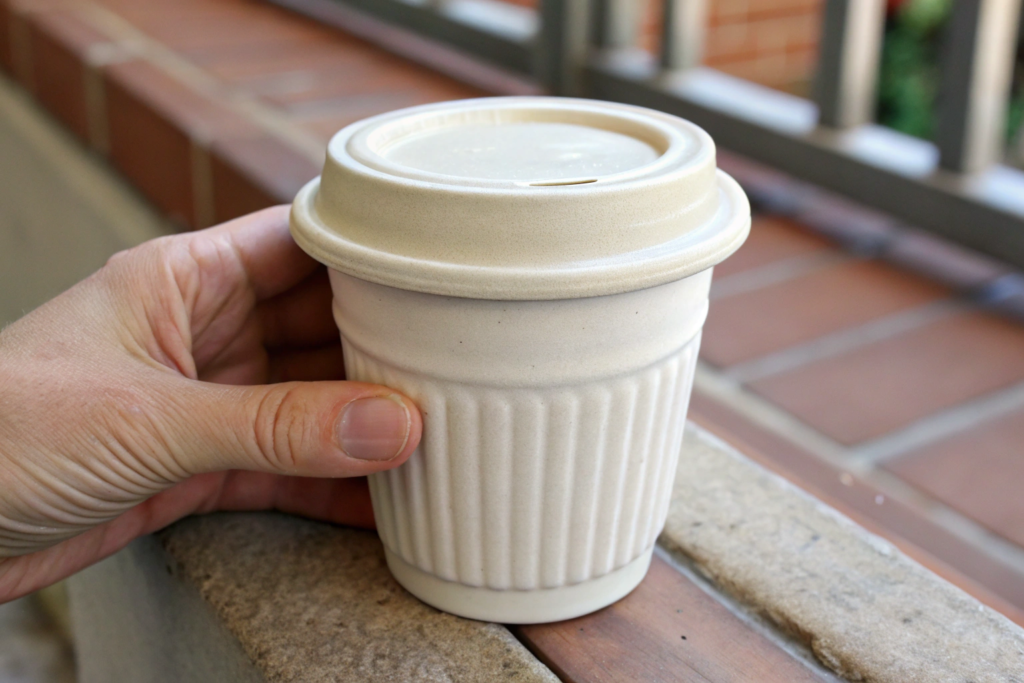
Bamboo fiber cups can have several common defects that quality control should catch. The first is surface imperfections. Bumps, pits, or rough spots indicate poor molding or finishing. The second is uneven color. Streaks or discoloration indicate inconsistent mixing or poor quality bamboo powder. The third is cracks. Small cracks may appear during molding or from thermal stress. They can compromise safety. The fourth is lid fit issues. A lid that is too loose will leak. A lid that is too tight is difficult to use. The fifth is odor. A strong chemical smell indicates that the product may not be properly cured or may contain harmful substances. The sixth is warping. Cups that are not perfectly round or that have uneven rims indicate poor quality control. At Shanghai Fumao Clothing, we inspect every batch for these defects.
How do I test for durability and heat resistance?
Testing for durability and heat resistance is essential to ensure your products will perform for customers. Start with a drop test. Drop a sample cup from a height of 3 feet onto a hard surface. It should not crack, chip, or break. Repeat several times. Next, perform a squeeze test. Squeeze the cup firmly. It should not deform or crack. Next, test the lid seal. Fill the cup with water, close the lid, and turn it upside down. Shake it vigorously. No water should leak. Next, test heat resistance. Fill the cup with hot water (around 185°F/85°C). Hold the cup. It should not become too hot to hold. The cup should not warp or soften. Let the water cool, then taste it. There should be no plastic or chemical taste. Next, test dishwasher safety. Run a sample through a dishwasher cycle. The cup should not warp, fade, or lose its finish. Finally, test for long-term durability. Use a sample cup daily for a week. Check for any signs of wear, cracking, or fading. At Shanghai Fumao Clothing, we conduct these tests on all new products.
How Do I Customize Bamboo Fiber Drinkware?
Customization is what turns a standard cup into a branded product. Bamboo fiber cups can be customized with logos, colors, and patterns. Understanding the customization options helps you create products that reflect your brand.
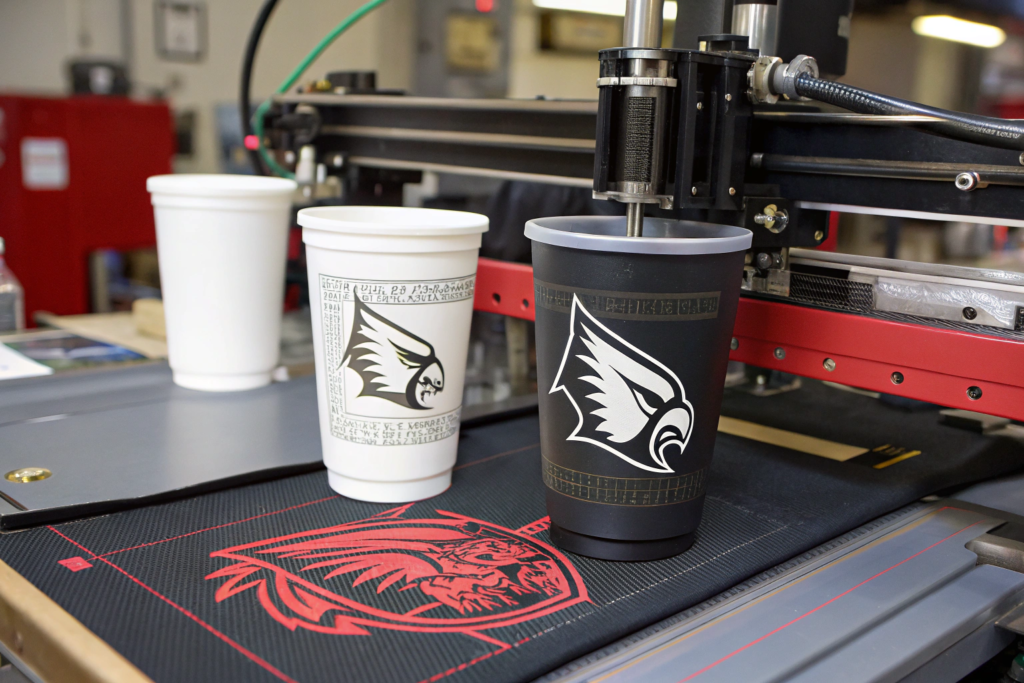
The most common customization method is screen printing. A logo or design is printed directly onto the cup using specialized inks. Screen printing is durable and works well for simple, bold logos. It is cost-effective for larger quantities. The second method is heat transfer. A design is printed onto a transfer film and then heat-pressed onto the cup. Heat transfer allows for full-color designs and complex graphics. It is good for smaller quantities. The third method is laser engraving. A laser removes a thin layer of the surface to create a permanent, etched design. Laser engraving is elegant and durable but only works on darker colors.
The fourth method is custom molding. You can create a cup with your brand's unique shape. This requires creating a custom mold, which has a higher upfront cost but creates a truly unique product. The fifth method is custom packaging. Even if the cup itself is standard, custom packaging with your logo can create a branded experience. Consider the color of the cup. Bamboo fiber cups come in a range of colors, from natural beige to bright pastels. You can often select colors that match your brand palette.
What is the best printing method for bamboo fiber cups?
The best printing method depends on your design, quantity, and budget. For simple logos with one or two colors, screen printing is the most cost-effective. The print is durable and has a clean, professional look. Screen printing works best on smooth surfaces. For full-color designs or complex graphics, heat transfer is the better choice. The transfer can reproduce photographs, gradients, and fine details. The print is durable but may have a slightly raised texture. For a premium, elegant look, consider laser engraving. The engraved design is permanent and does not wear off. It is subtle and sophisticated. Laser engraving works best on dark-colored cups where the engraved area contrasts with the surface. For small quantities, heat transfer is often the most economical because there is no screen setup cost. For large quantities, screen printing becomes more cost-effective. At Shanghai Fumao Clothing, we offer all three methods and can advise you on the best option for your project.
How do I ensure the logo stays on after repeated use?
Ensuring that your logo stays on after repeated use requires attention to the printing method and the curing process. For screen printing, the ink must be properly cured. The cup is passed through a dryer that heats the ink to the correct temperature, causing it to bond with the surface. If the curing is insufficient, the ink will crack or peel. For heat transfer, the transfer must be applied at the correct temperature and pressure for the correct duration. If the pressure is too low or the temperature too high, the transfer may not adhere properly. For laser engraving, the logo is permanent and will not wear off. After production, we conduct wash tests. We run printed cups through a dishwasher cycle and check the print for any signs of cracking, peeling, or fading. We also perform rub tests to simulate handling. A good quality print should withstand many washes and daily use. At Shanghai Fumao Clothing, we perform these tests on all custom prints to ensure durability.
Conclusion
Sourcing eco-friendly bamboo fiber cups and drinkware requires a thorough understanding of the material, safety standards, quality indicators, and customization options. Bamboo fiber is a composite of bamboo powder and a binder, typically melamine. The bamboo content can range from 20% to 80%. Higher bamboo content is more sustainable but may be less durable. Safety is paramount. Ensure that your products meet FDA or LFGB standards and are BPA-free. Quality evaluation should focus on finish, durability, heat resistance, and lid fit. Customization options include screen printing, heat transfer, and laser engraving. Sustainable sourcing involves considering the bamboo source, the manufacturing process, the packaging, and the end of life.
At Shanghai Fumao Clothing, we have developed expertise in sourcing and manufacturing eco-friendly bamboo fiber drinkware. We work with FSC-certified bamboo suppliers and factories that meet strict food safety and environmental standards. We offer a range of customization options and can help you create products that reflect your brand's commitment to sustainability. Whether you need cups for a cafe, corporate gifts, or a retail line, we have the knowledge and capabilities to deliver.
If you are ready to source eco-friendly bamboo fiber cups and drinkware for your brand, let's talk. Please contact our Business Director, Elaine, directly at elaine@fumaoclothing.com to discuss your project and how we can help you bring sustainable products to market.