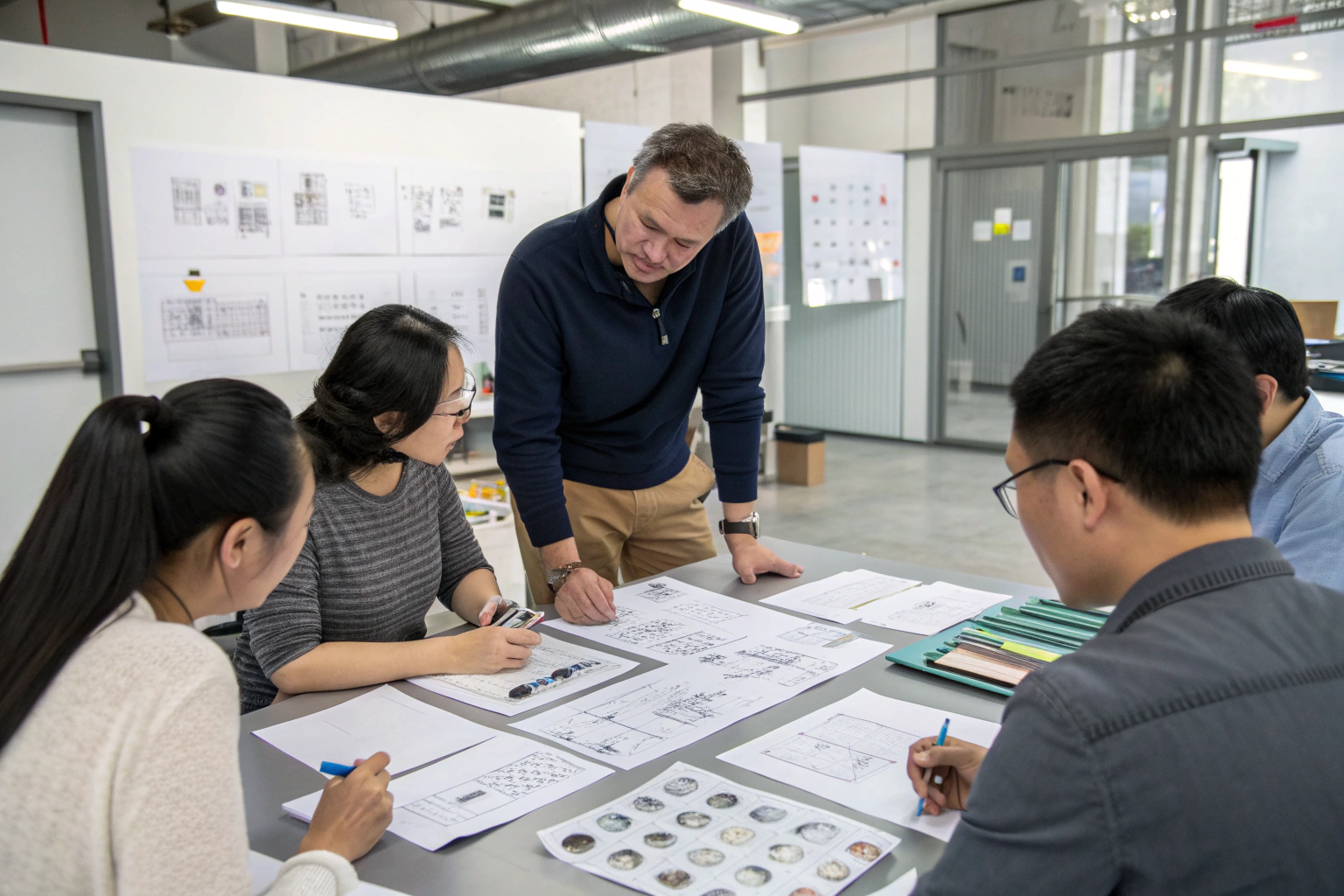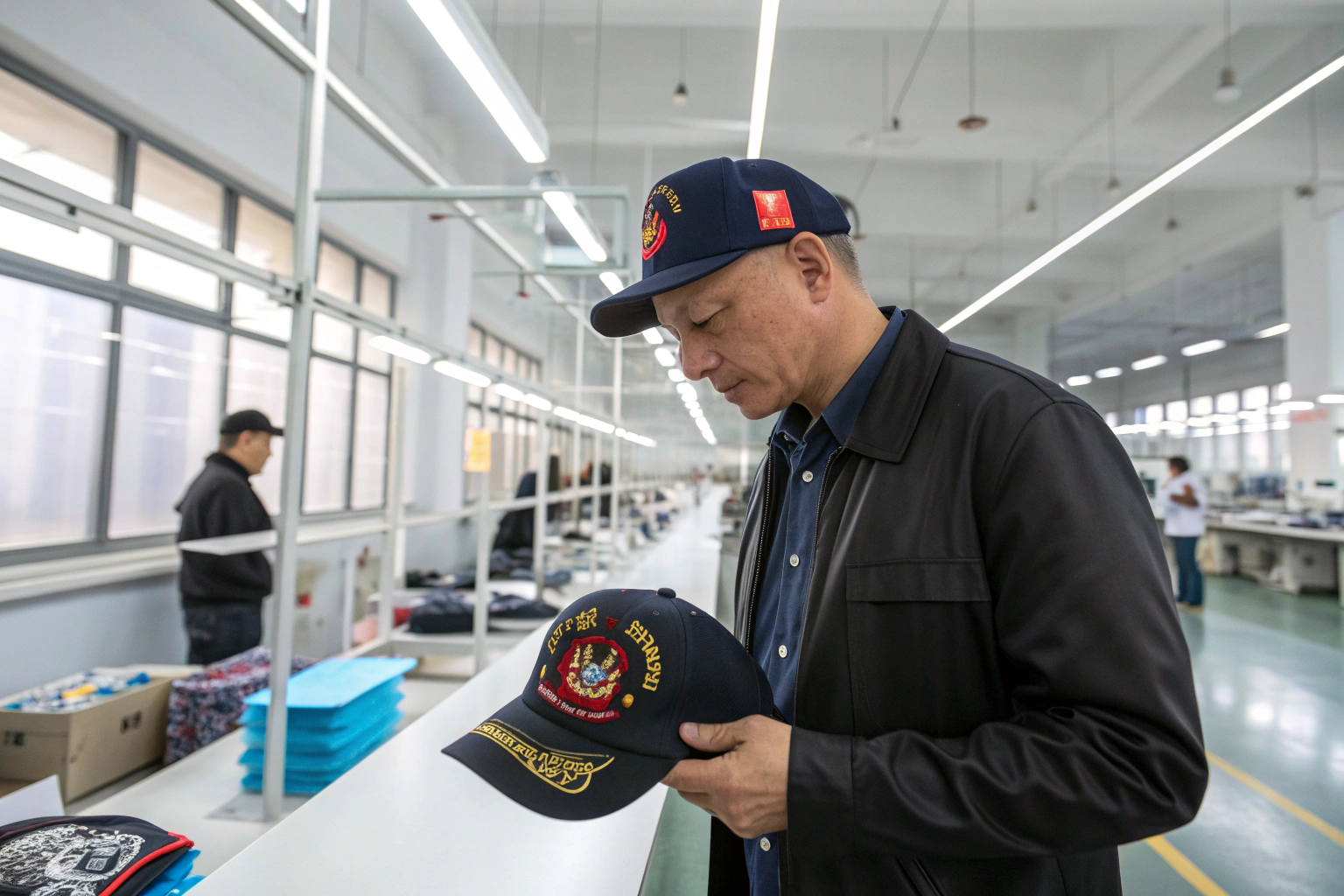
I have been in this industry for over two decades, and I have learned one thing about fashion: it is a constant conversation between the past and the present. The most successful accessories are often the ones that feel both familiar and fresh. They have the comfort of a classic style, but with a twist that makes them feel new and exciting. My clients across America and Europe are always asking for this balance.
Sourcing classic accessory styles with a modern twist requires identifying the timeless silhouettes that have enduring appeal, then reimagining them through unexpected material choices, contemporary color palettes, innovative textures, or subtle design updates that add a fresh perspective without losing the original's essence.
I have helped countless clients navigate this process. The key is restraint. A modern twist should enhance the classic, not overwhelm it. It should make the customer do a double-take, appreciating the familiar form and the surprising detail. For a buyer like Ron, who needs to appeal to a broad audience, this approach is a powerful way to offer something for everyone. At Shanghai Fumao Clothing, our design team excels at this kind of creative development. Let me walk you through how to source these timeless-yet-trendy pieces.
What makes an accessory style "classic"?
Before you can weave a modern twist into the fabric of tradition, you must first immerse yourself in the soul of what makes the original a classic. Classic styles are not mere accidents of fashion or fleeting trends; they are time-honored testaments to enduring beauty and functionality, forged in the fires of cultural heritage and human ingenuity.
They have stood the test of time, weathering the storms of changing eras and evolving tastes, for specific, profound reasons—reasons rooted in harmony, balance, and an intuitive understanding of what resonates deeply within us. To grasp these reasons is to unlock the very foundation upon which your design process will be built, transforming vague inspiration into a purposeful, meaningful creation that honors the past while embracing the future.
Which accessory silhouettes have stood the test of time?
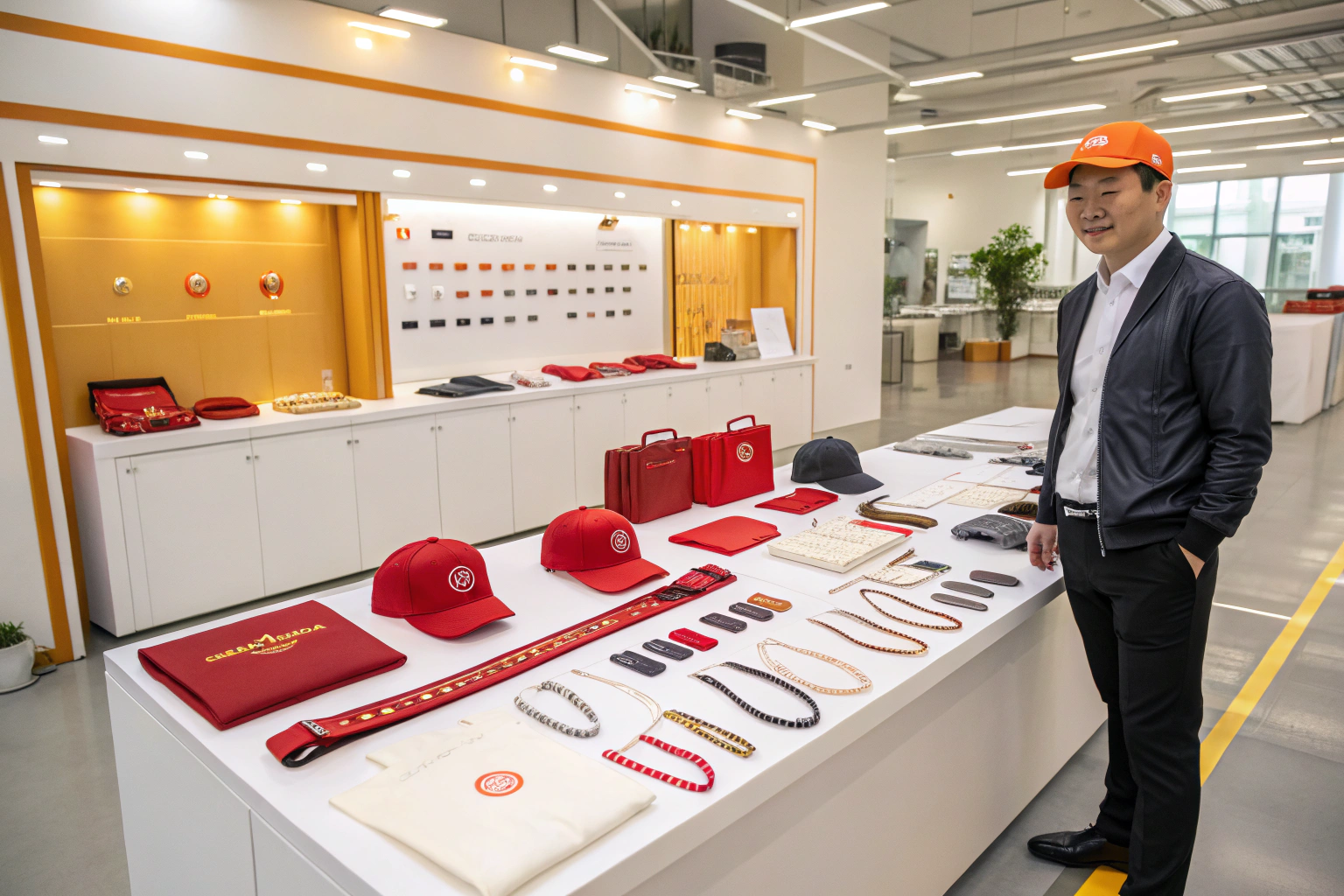
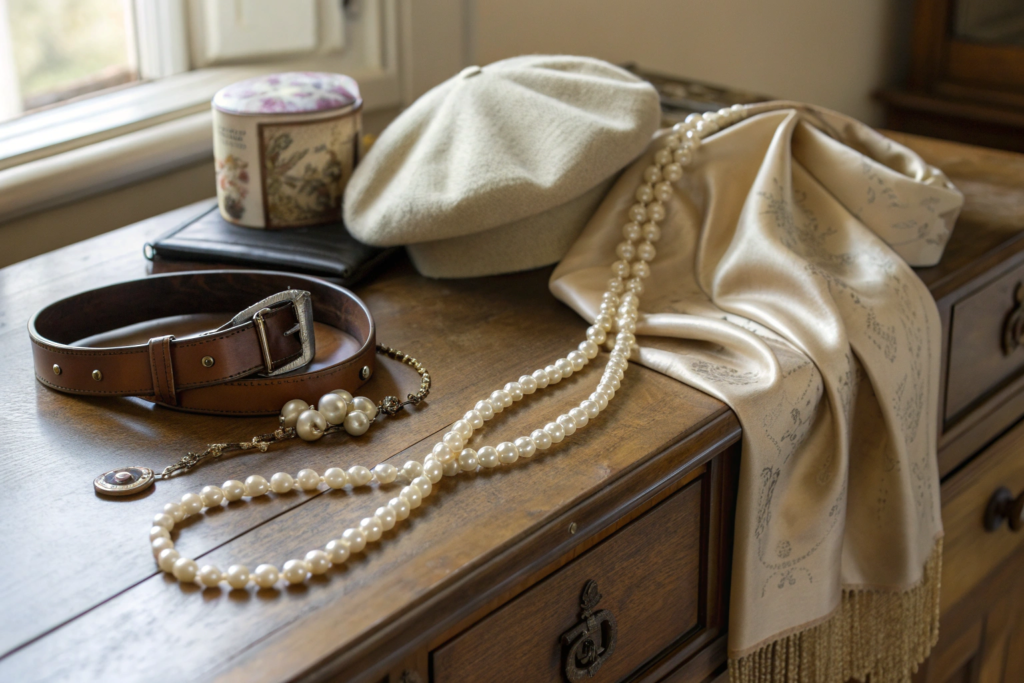
Certain shapes and forms are forever. The strand of pearls is a classic. The silk scarf, whether square or oblong, is another. The leather belt with a simple buckle is a staple. The beret, the baseball cap, the bucket hat – these are all silhouettes that have been around for decades and continue to be relevant. They are simple, functional, and flattering. They are not tied to a specific trend. Their power is in their simplicity. When you start with a silhouette like this, you have a solid foundation. The customer already understands and trusts the form.
Why do certain designs remain popular for decades?
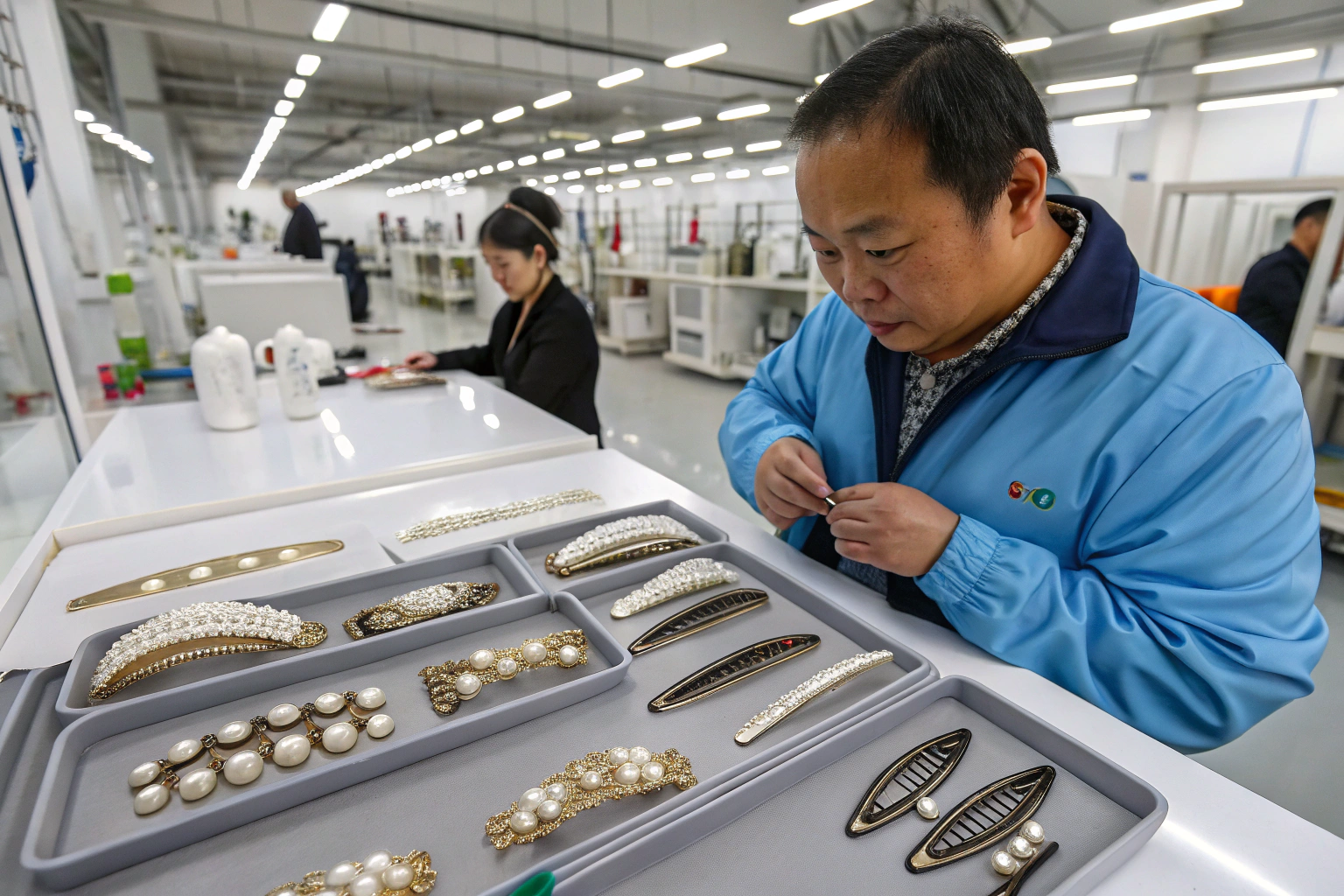
Classic designs endure because they solve a problem beautifully. The pearl necklace adds elegance to any outfit. The silk scarf adds a pop of color and can be worn in a dozen different ways. The leather belt is both functional and a style statement. These designs are also versatile. They work with many different outfits and for many different occasions. They are not one-hit wonders. They are reliable. This reliability is what builds customer trust. When someone buys a classic style, they know it will not look dated next year. It is an investment. This is the value you are building on when you add your modern twist.
How can materials be used to modernize a classic accessory?
Material is one of the most powerful tools for creating a modern twist, breathing fresh life into familiar forms. The same silhouette can feel completely different depending on what it is made of—sleek and futuristic with polished carbon fiber, warm and inviting with handwoven jute, or bold and edgy with recycled metal. A classic shape, once rendered in an unexpected material, transforms from a mere object into a statement piece, an instant conversation starter that sparks curiosity and admiration. Imagine a timeless chair: its clean lines reimagined in iridescent resin that shifts color with the light, or a simple tote bag crafted from upcycled denim and leather patches, each stitch telling a story.
These materials don’t just cover the form; they infuse it with texture, weight, and character, evoking emotions and memories while challenging perceptions of what something 'should' be. It’s this alchemical interplay between structure and substance that makes material selection not just a design choice, but a narrative device, turning the ordinary into the extraordinary with a single, intentional touch.
What unexpected materials are being used for classic shapes?
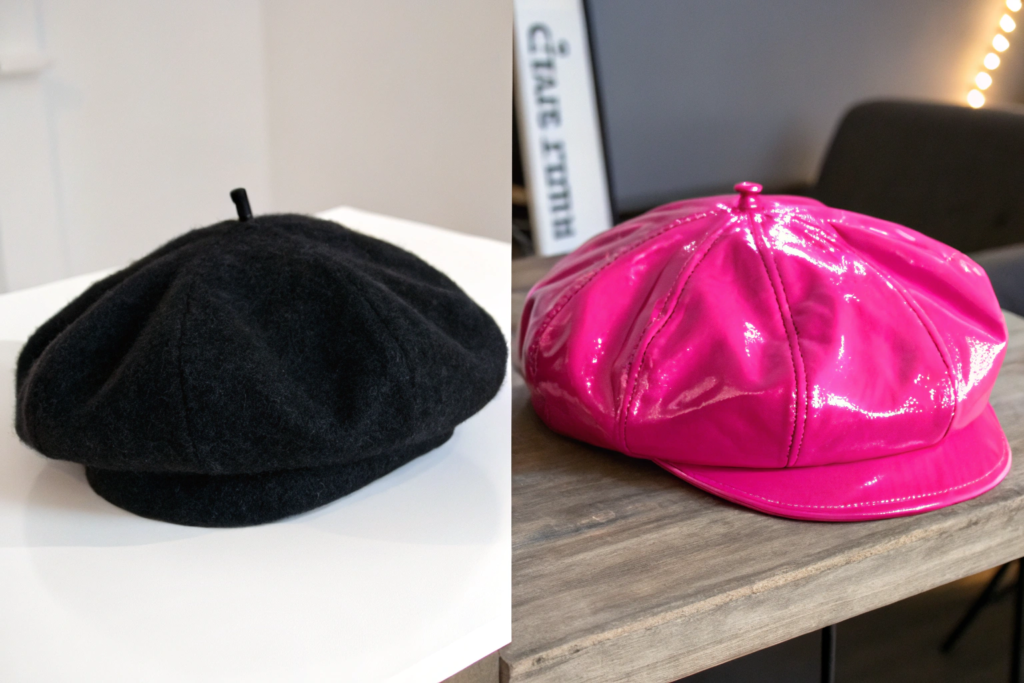
We are seeing classic silhouettes in materials they were never intended for. A classic wool beret, reimagined in shiny PVC or neoprene, becomes a futuristic statement piece. A simple leather belt, made from soft, colorful suede or woven fabric, takes on a completely different character. A silk scarf shape, printed with a bold, abstract digital design, feels modern and artistic. Even classic pearl necklaces are being reimagined, using colored glass, wood, or resin beads instead of traditional white pearls. The material choice changes everything. It takes something familiar and makes it new.
How do you balance material innovation with wearability?
This is the key challenge. A modern material might look amazing, but it also has to function. A PVC beret might be stylish, but is it comfortable to wear for hours? Will it cause the head to sweat? A resin bead might look beautiful, but is it too heavy for a necklace? Is it durable enough? You have to test. The modern twist should not come at the expense of the product's basic function. The accessory must still be something people want to wear. This is where our experience at the factory comes in. We know the properties of different materials. We can advise on what will work and what will be a problem. The goal is a twist that is both exciting and practical.
What role do color and pattern play in modernizing classics?
Color and pattern stand as another formidable lever in the realm of design transformation. A timeless silhouette, draped in a traditional hue—think the soft ivory of a tailored blazer or the deep indigo of a straight-leg pant—exudes an air of enduring elegance, a quiet nod to bygone eras. It is the epitome of understated sophistication, a piece that feels familiar and comforting, like a well-loved song.
How can bold colors update a traditional accessory?
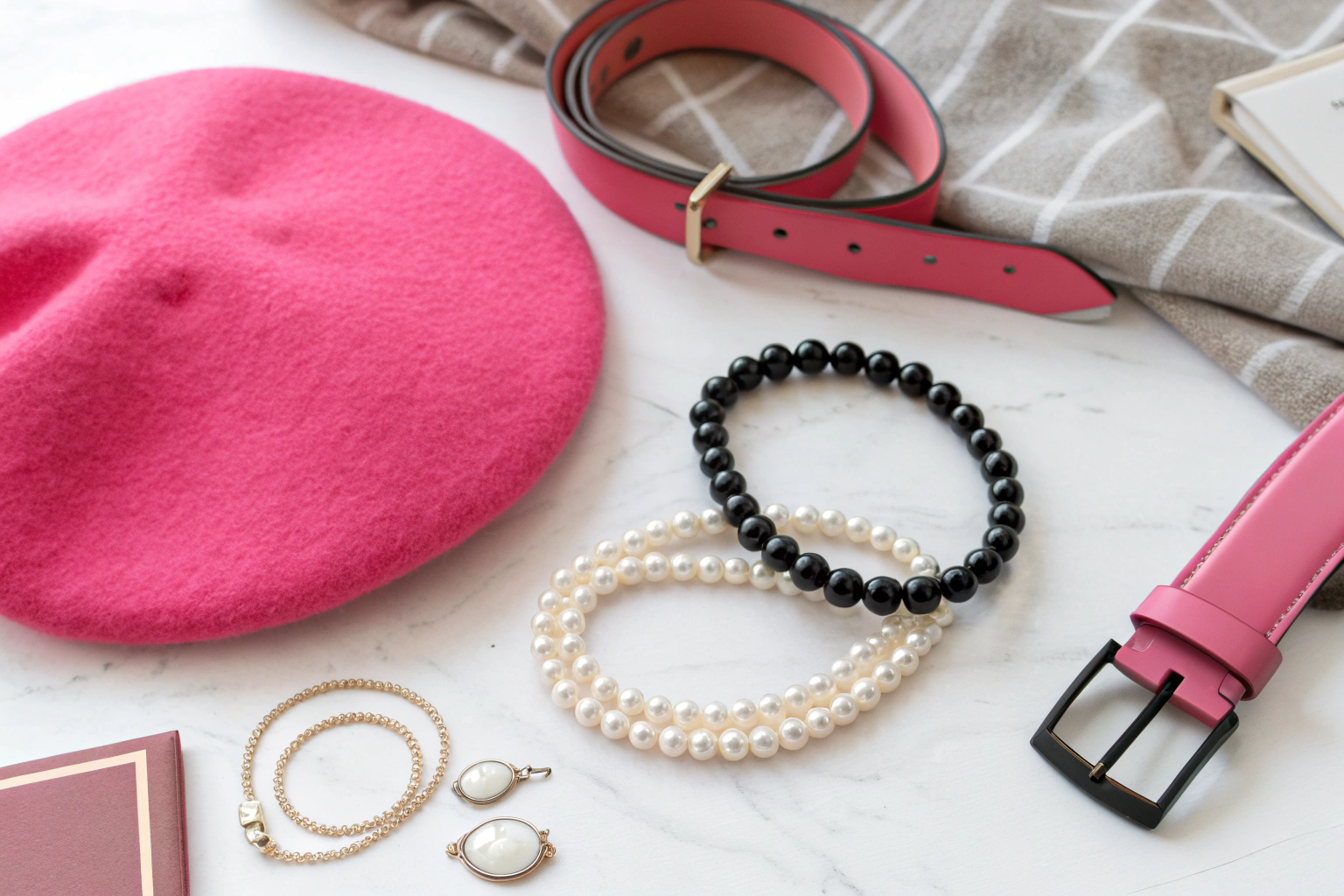
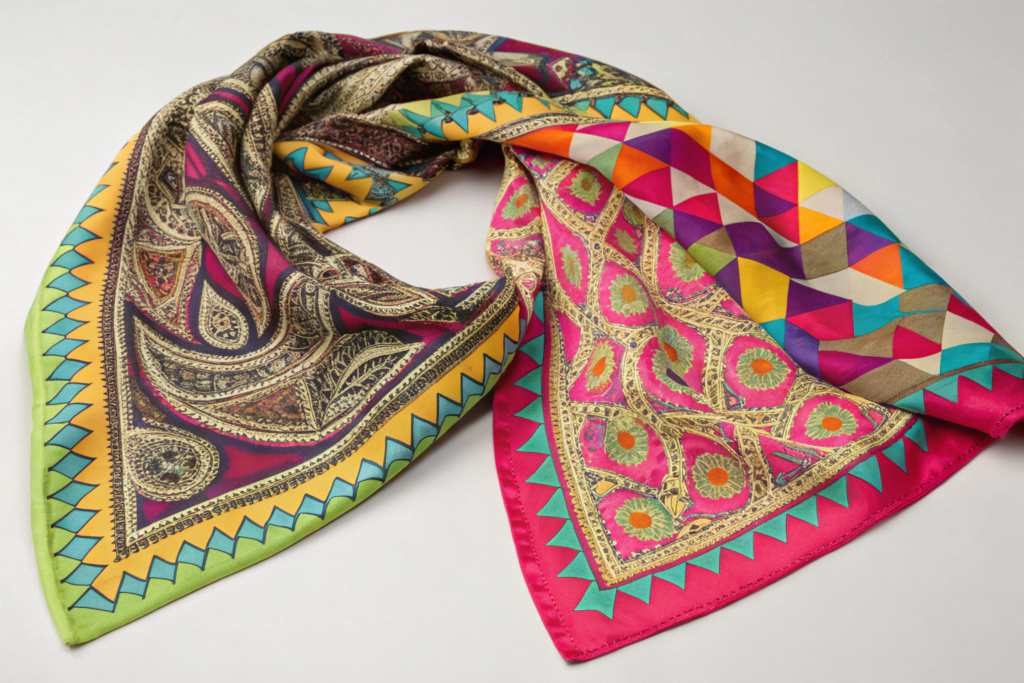
A simple leather belt in a traditional brown is a staple. The same belt in a vibrant cobalt blue or a bright neon yellow becomes a statement piece. A classic wool beret in black is elegant. The same beret in a shocking pink is fun and fashionable. Bold colors inject energy and personality into timeless forms. They make the accessory the focal point of an outfit. This is a great way to appeal to a younger, more trend-conscious customer. It allows them to participate in a classic style without feeling like they are wearing something from their grandmother's closet.
What modern patterns are being used on classic silhouettes?
Patterns are also evolving. A classic silk scarf might traditionally feature a paisley or floral print. A modern version might feature a bold, graphic geometric pattern, an abstract digital print, or even a camouflage pattern in unexpected colors. The scarf shape is the same, but the pattern gives it a completely different feel. It becomes a canvas for contemporary art. We are also seeing classic shapes used for branded patterns, with logos and monograms becoming the print itself. This is a powerful way for brands to create a signature look. The classic silhouette becomes a vehicle for brand expression.
How can subtle design details create a modern twist?
Sometimes, the most effective modern twist is the smallest, a whisper of innovation that lingers in the mind like a half-remembered melody. It is not about dismantling and rebuilding the entire product with flashy new parts, but rather about altering one key detail—a single thread woven into the fabric of the familiar. This subtlety, this quiet revolution, can be incredibly powerful, capable of transforming a mundane object into something that feels refreshingly alive.
It rewards a closer look, inviting the curious eye to pause, to lean in, and to discover the unexpected. Imagine a classic leather-bound journal, its pages worn soft by time, but with a single, iridescent ribbon bookmark that shimmers like captured starlight when caught in the right light. Or a vintage coffee mug, its chipped edge a story of years of use, now adorned with a tiny, hand-painted sunflower that seems to bloom brighter with each sip.
What are examples of modern hardware on classic accessories?
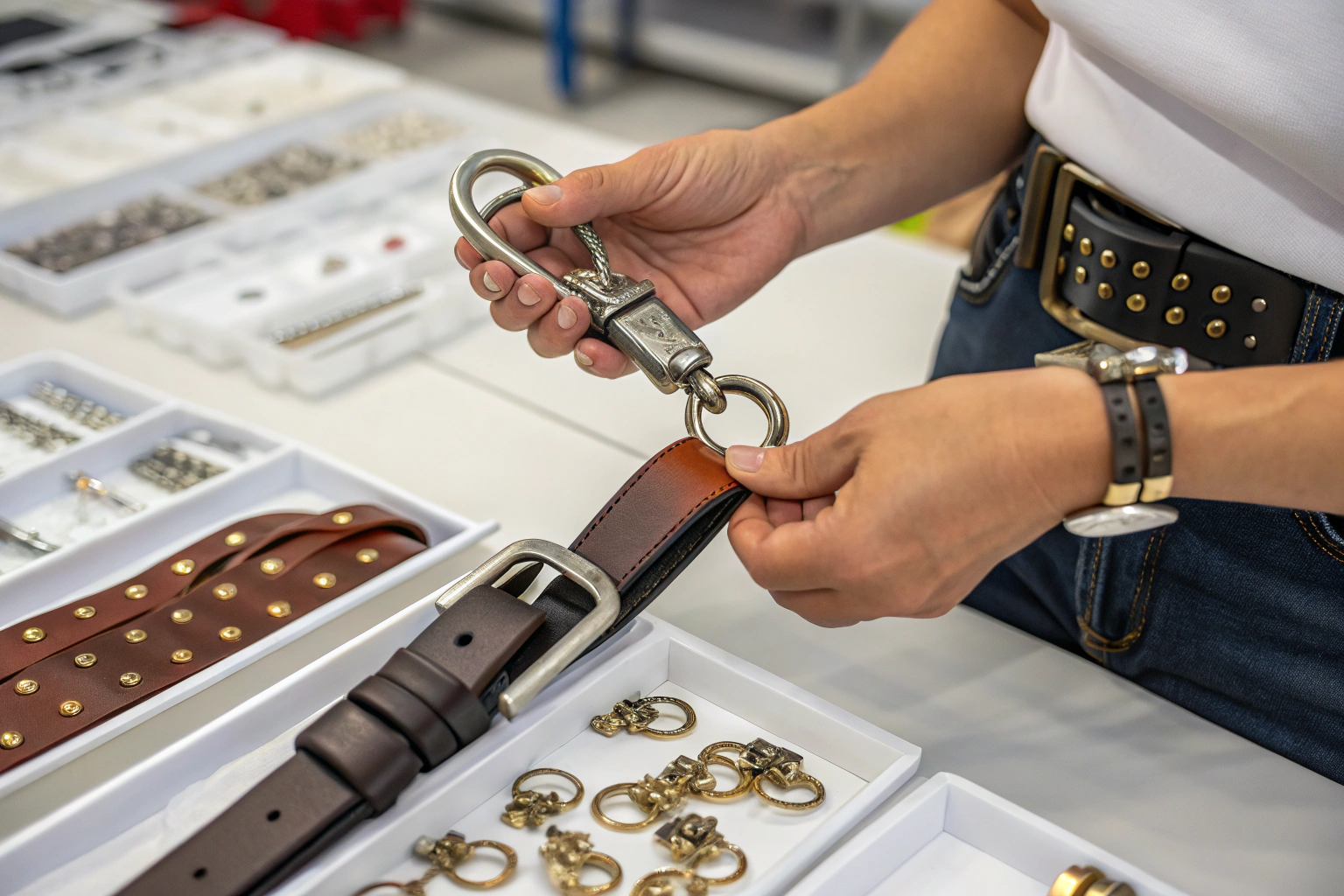
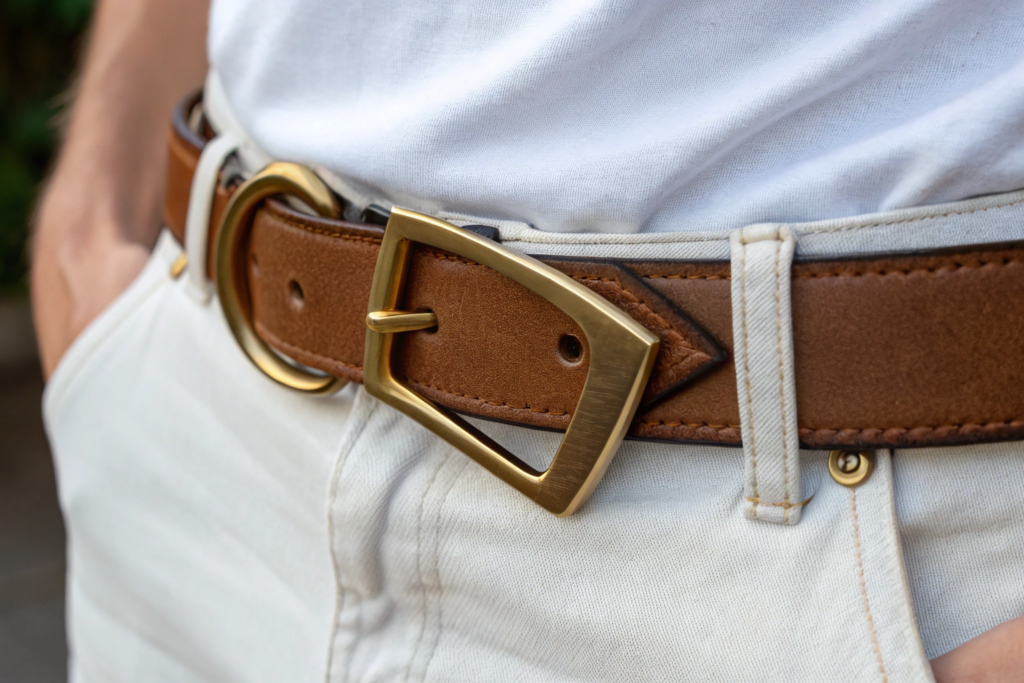
Hardware is a perfect place for a modern update. A classic leather belt with a simple, traditional buckle can be transformed by using a modern, sculptural buckle. Think geometric shapes, unusual finishes like brushed gunmetal or matte black, or even buckles made from unexpected materials like wood or acrylic. The same principle applies to bags. A classic tote bag with modern, oversized zipper pulls or sleek, minimalist hardware feels instantly more contemporary. For jewelry, a classic strand of pearls can be updated with a modern clasp, like a geometric box clasp or a sleek magnetic closure. These small details catch the eye and signal that this is not your grandmother's accessory.
How do updated proportions change the feel of a classic?
Proportion is another powerful tool. A classic scarf might traditionally be a certain size. Making it oversized creates a dramatic, modern look. A classic bucket hat in an extra-large size feels more fashion-forward. A classic skinny belt, made extra wide, becomes a corset-style statement piece. These changes in scale take something familiar and make it feel bold and new. The customer recognizes the silhouette, but its exaggerated proportions give it a contemporary edge. This is a simple but effective way to create a modern twist without adding any extra decoration.
Conclusion
Sourcing classic accessory styles with a modern twist is an art. It is about respecting the past while looking toward the future. We have explored how understanding timeless silhouettes provides a solid foundation. We have seen how unexpected materials can completely transform a classic form. We have discussed the power of bold colors and modern patterns to inject energy and personality. And we have looked at how subtle details, like updated hardware and changed proportions, can create a fresh perspective.
For a professional buyer like Ron, this approach offers a powerful strategy. It allows him to offer products that appeal to customers who love tradition but also want something new. It is a way to bridge generations and tastes.
At our factory in Zhejiang, we love these kinds of creative challenges. Our design team is skilled at taking a classic idea and finding the perfect modern twist. Our experienced project managers can guide you through the process of sourcing the right materials, developing the perfect color, and executing the details with precision. If you are ready to create a collection that honors the classics while embracing the new, we are here to help.
To discuss your next project and how we can help you create classic styles with a modern twist, please contact our Business Director, Elaine, at elaine@fumaoclothing.com. Let's create something timeless and new.