You're Ron, a buyer for a major US retailer, and you're tired of the trend rollercoaster. You invest heavily in the "it" accessory of the season—like neon bucket hats or chunky plastic chains—only to see them end up on the clearance rack six months later. This endless cycle of boom and bust is exhausting and eats into your profit margins. You're looking for stability, for products that will sell consistently year after year, but you're worried that "classic" just means "boring."
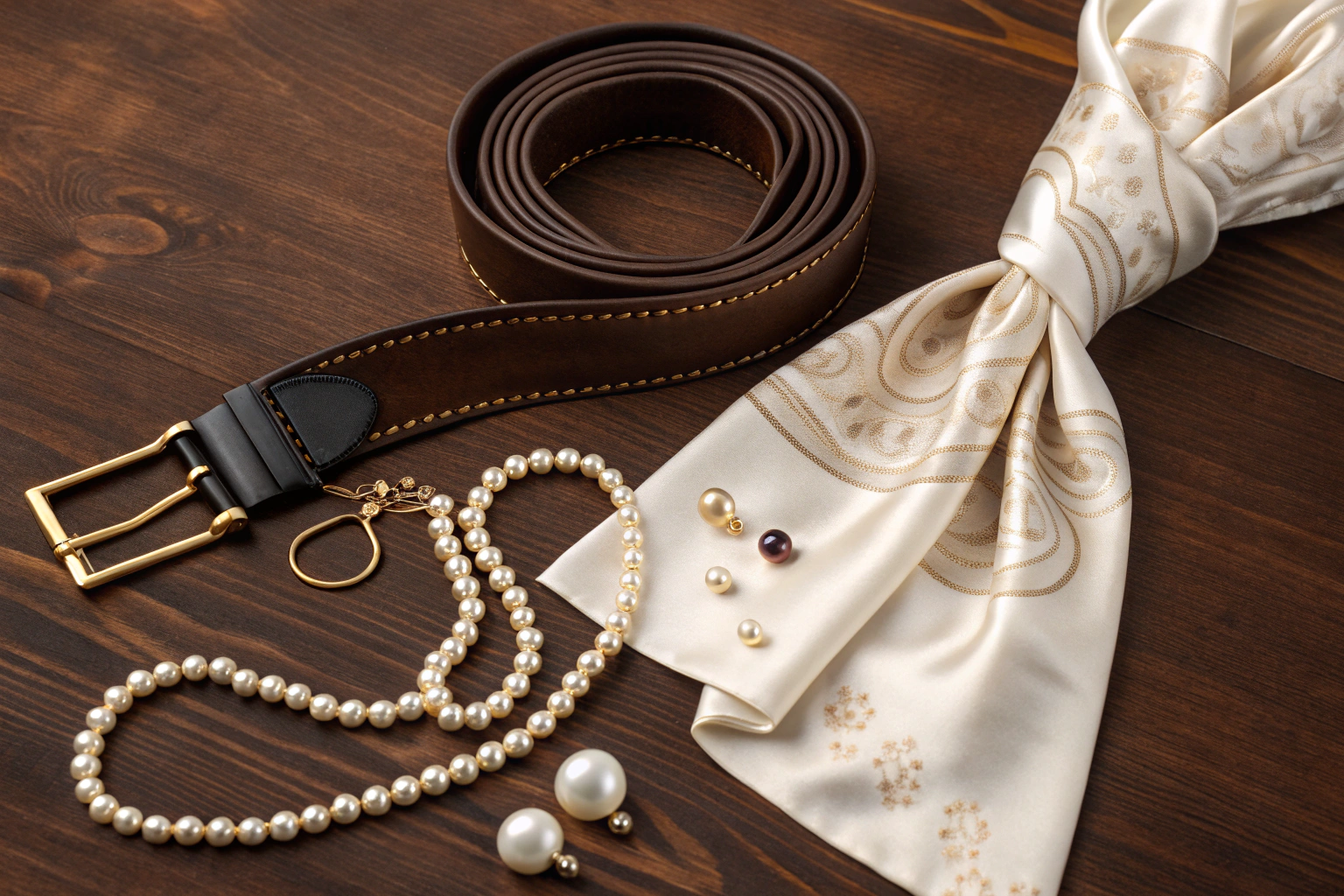
Sourcing classic accessory styles that never go out of fashion requires a focus on three core principles: timeless design archetypes, superior quality materials, and impeccable craftsmanship. Instead of chasing fleeting trends, you invest in iconic pieces—like the silk scarf, the leather belt, or pearl earrings—that have proven their enduring appeal across generations. These items provide long-term value and consistent sales because their desirability is rooted in quality and elegance, not novelty.
As the owner of Shanghai Fumao Clothing, I've seen countless trends come and go. But a significant portion of our business has always been dedicated to producing these timeless staples for discerning brands. These "forever pieces" are the bedrock of any successful accessories department. They are the items customers trust and return to again and again. They aren't boring; they are the foundation of style. Let's explore how to identify and source these perennial best-sellers.
What Defines a "Timeless Design Archetype"?
You're looking at a supplier's catalog, and it's filled with thousands of items. How do you separate the fleeting fads from the foundational pieces? A design that looks fresh today might look dated tomorrow. You're afraid of misjudging a style, thinking it's a classic when it's actually just the peak of a temporary trend, leaving you with inventory that has a very short shelf life.
A timeless design archetype is a fundamental form or style that has remained relevant and desirable for decades, transcending seasonal trends. These are iconic silhouettes—the trench coat, the white t-shirt, the pearl necklace—that have become ingrained in our cultural understanding of style. Their appeal is based on clean lines, functional elegance, and proven versatility, making them a safe and profitable long-term investment.
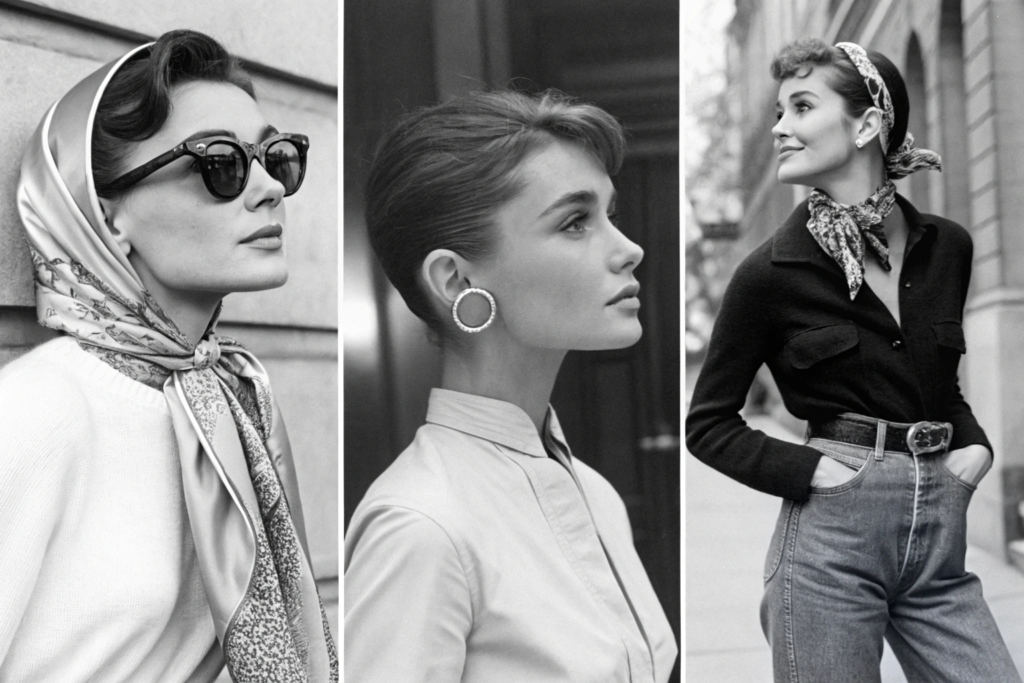
Think about the accessories that appear in photos of your grandmother, your mother, and today's top style influencers. What do you see? You'll likely see a simple leather belt, a pair of elegant hoop earrings, a classic watch, or a beautifully draped scarf. These are the archetypes. At our factory, when a client wants to build a core collection, we start here. We don't look at what's trending on TikTok this week; we look at what has been a staple for the last 50 years.
What Are Some Key Accessory Archetypes?
Every buyer should have a core list of these "never-out-of-style" pieces. Here are a few examples we consistently produce:
- The Silk Scarf: Whether it's a square tied around the neck or a long rectangle draped over the shoulders, a quality silk scarf is eternally chic. Classic patterns include equestrian, paisley, and simple geometric prints.
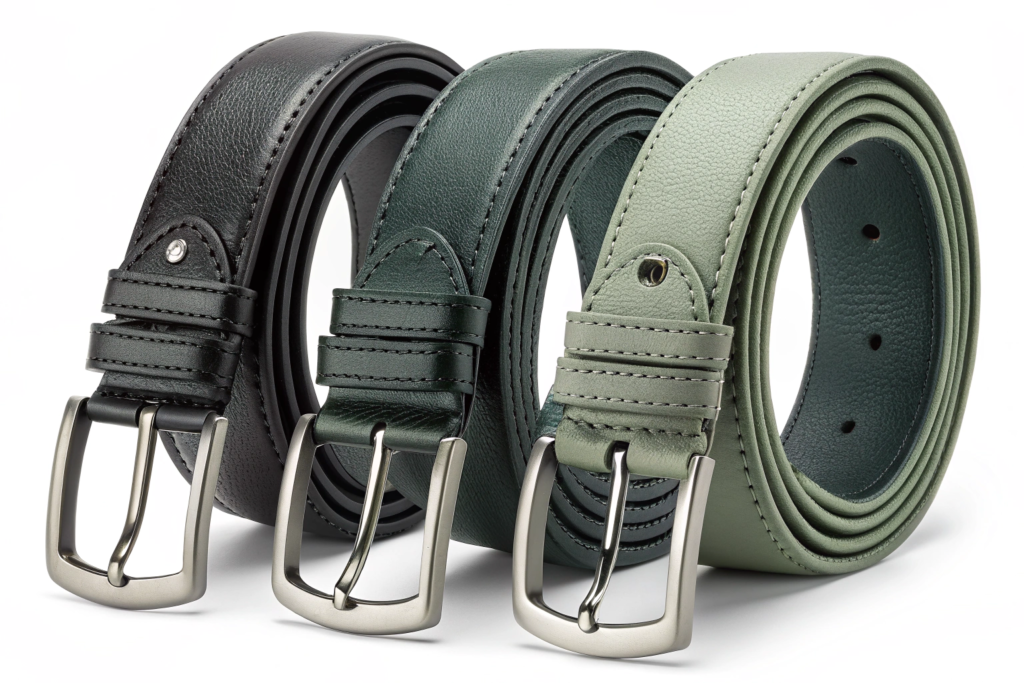
- The Leather Belt: A simple, well-made leather belt in black, brown, or tan with a classic buckle is a wardrobe workhorse for both men and women.
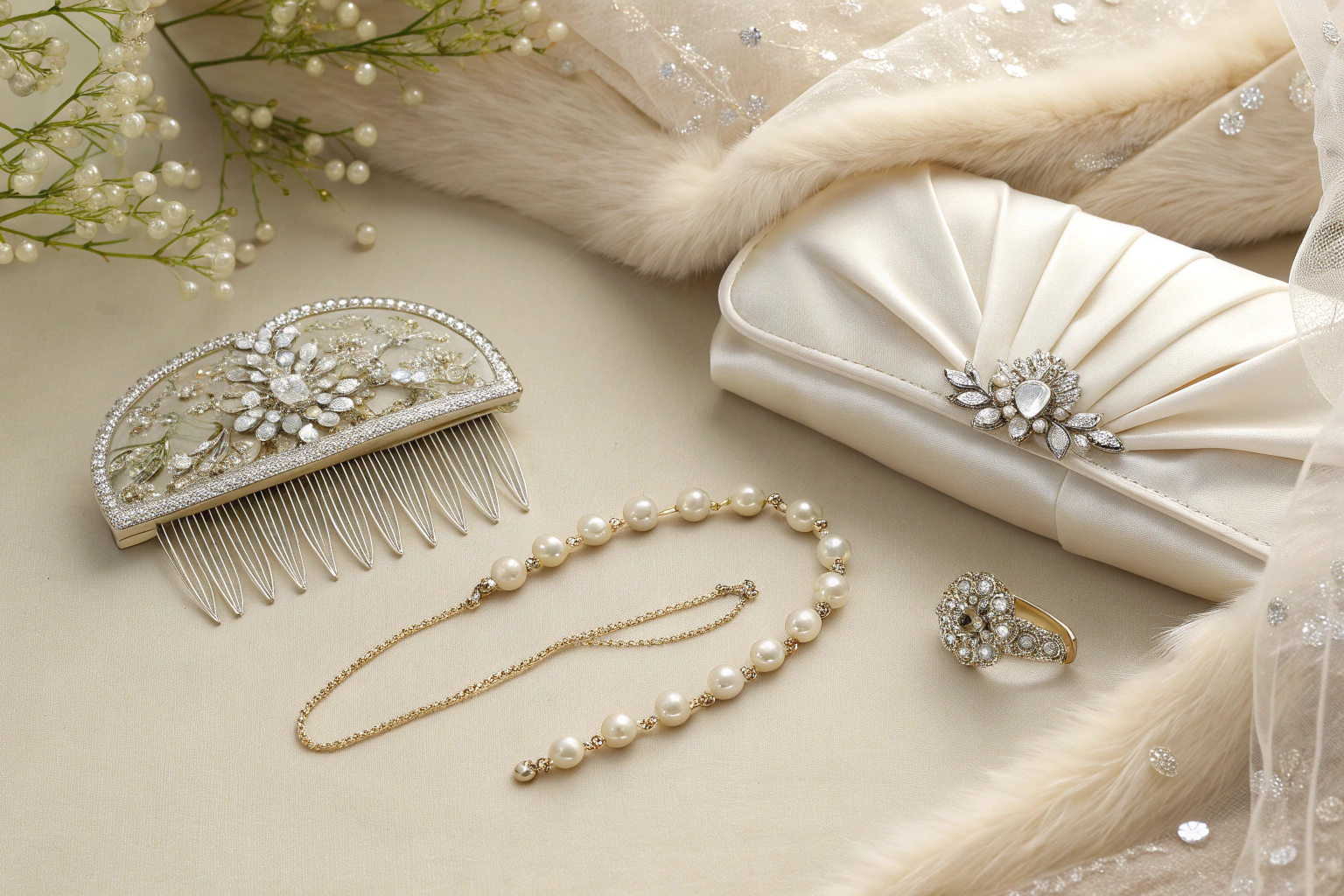
- Pearl Jewelry: A simple pair of pearl stud earrings or a single-strand necklace offers timeless elegance. Their design has remained virtually unchanged for a century.
- Gold Hoop Earrings: From small, subtle hoops to larger, more statement-making sizes, the simple gold hoop is a versatile classic that has been documented throughout fashion history.
How to Identify an Archetype vs. a Trend?
To distinguish between a classic and a trend, ask yourself a few questions. Have you seen this style in movies or photos from 20, 30, or 40 years ago? Does it serve a clear function or have a simple, elegant form? Is it versatile enough to be worn with many different outfits and for many different occasions? If the answer to these questions is yes, you are likely looking at a timeless archetype. A trend, by contrast, is often an exaggerated or novel version of a classic, like an extra-wide belt or neon-colored pearls.
Why Are Quality Materials the Cornerstone of a Classic?
You've sourced two leather belts. One is made from genuine leather, which is essentially bonded leather scraps, and the other is made from full-grain leather. They look similar at first glance, but the cheaper one starts to crack and peel after a few months of wear. The full-grain leather belt, however, develops a beautiful patina and lasts for years. Your customers notice the difference. The cheap belt leads to returns and complaints, while the quality belt builds brand loyalty.
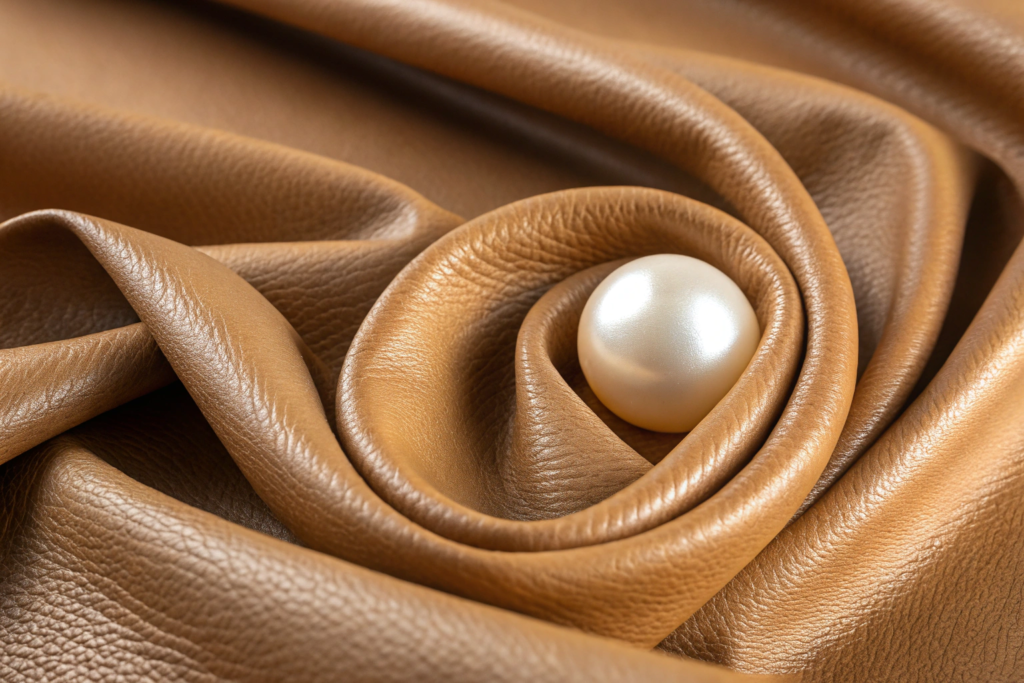
Quality materials are the cornerstone of a classic because timeless accessories are expected to last. The value of a classic piece lies in its longevity. Using superior materials like full-grain leather, pure silk, sterling silver, or high-grade pearls ensures the product not only looks and feels luxurious but also endures, becoming a trusted favorite in a customer's wardrobe.
This is a non-negotiable principle for us. When a client wants to produce a classic piece, the conversation always starts with materials. You cannot create a "forever piece" with "temporary" materials. It's a contradiction. We guide our clients, like Ron, to understand that while using full-grain leather might increase the initial unit cost compared to genuine leather, the return on investment is far greater. You get fewer returns, better reviews, and repeat customers who trust your brand's quality.
What Are the "Go-To" Materials for Timeless Pieces?
For a core collection of classics, focus on materials known for their durability and graceful aging:
- Full-Grain Leather: The highest quality grade of leather, it's durable and develops a beautiful patina over time. Perfect for belts, watch straps, and classic bags.
- Pure Silk: Known for its softness, strength, and beautiful drape. The standard for luxury scarves. Look for specific weaves like twill or charmeuse.
- Sterling Silver and Gold: The noble metals for jewelry. They are durable, hold their value, and can be polished back to their original shine.
- High-Quality Pearls: Look for freshwater or Akoya pearls with good luster, a round shape, and a clean surface. Resources like the Gemological Institute of America (GIA) provide excellent guides.
How to Specify and Verify Material Quality?
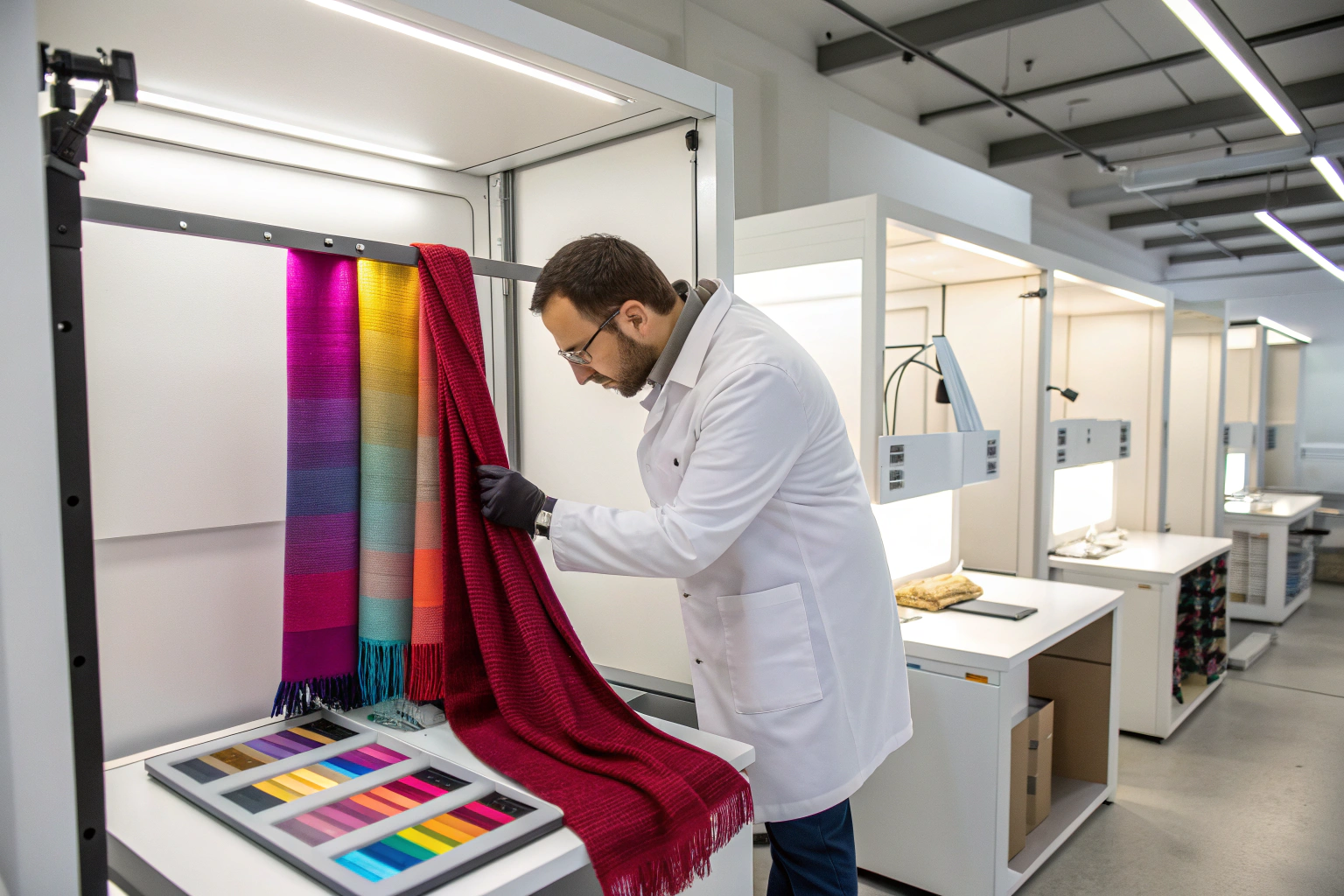
Don't just ask for "leather"; ask for "full-grain cowhide leather, 3.5mm thickness." Don't just ask for "silk"; specify "14 momme 100% mulberry silk twill." The more specific your request, the better. To verify, always request material samples that you can see and feel. For established suppliers, ask for material composition reports or certifications. A trustworthy manufacturer will have no problem providing this documentation.
What Is the Role of Craftsmanship and Construction?
You have two simple black belts. One has a raw, painted edge that starts to fray after a few weeks. The other has a beautifully burnished and polished edge that remains smooth for years. One has stitching that is uneven and starts to unravel. The other has tight, perfectly straight stitches. The difference isn't in the design; it's in the small details of how they were made. These details determine whether the product feels cheap or luxurious.
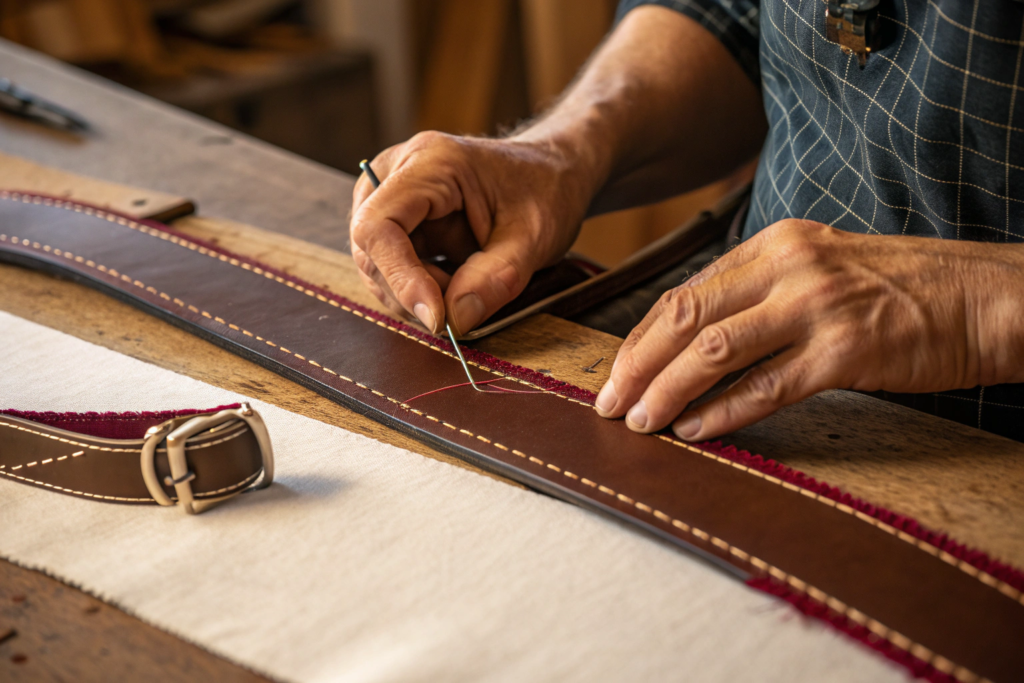
In classic accessories, where designs are simple, craftsmanship is everything. Meticulous construction details—like hand-rolled hems on a scarf, burnished edges on a leather belt, or secure settings in jewelry—are what elevate a simple item into a premium, durable piece. It's the tangible evidence of quality that a customer can see and feel.
This is where a good manufacturing partner shows their true value. At Shanghai Fumao Clothing, our experienced workers understand these details. They know that the difference between a good scarf and a great scarf is the skill in rolling the hem. They know that a durable belt requires not just good leather, but also strong, even stitching and a properly finished edge. When you are sourcing classic pieces, you should ask potential suppliers about their construction methods. Ask to see close-up photos of their stitching and edge work. These details are far more telling than a fancy marketing brochure.
What Construction Details Should You Look For in Leather Goods?
For a classic leather belt or bag, inspect the stitching. It should be straight, even, and tight, with no loose threads. Check the edge finishing. High-quality items will have edges that are sanded, beveled, and burnished to a smooth, durable finish, not just painted over. Look at the hardware attachment. Buckles and clasps should be securely fastened with strong rivets or stitching, not just flimsy clamps.
What Defines a High-Quality Scarf?
The hallmark of a luxury silk scarf is the hem. A machine-stitched hem is flat and simple. A high-quality scarf will have a hand-rolled and hand-stitched hem. This creates a plump, rounded edge that drapes beautifully and is a subtle sign of superior craftsmanship. The print quality should also be sharp, with colors that are deeply saturated and do not bleed.
How Do You Keep Classics Feeling Fresh and Modern?
You've committed to a core collection of classic styles. But you're worried your accessories department will look stagnant. How do you balance the safety of timeless design with the need to show your customers something new and exciting each season? You need a strategy to keep your core offerings feeling relevant without chasing every fleeting trend.
You keep classics fresh by making subtle, strategic updates to color, hardware, or proportion while keeping the core design archetype intact. Introduce a classic belt in a seasonal color palette. Update a timeless bag silhouette with a more modern, minimalist buckle. Offer a classic pearl necklace with a slightly different clasp. This "80/20" approach—80% classic design, 20% modern update—allows you to participate in trends without sacrificing the long-term appeal of the product.
This is the strategy we recommend to all our long-term clients. Your core offering of black and brown leather belts should never leave your collection. But for the spring season, why not offer that same high-quality belt in a pastel pink or a soft blue? The tooling and production process are the same, making it an efficient way to add newness. The customer already trusts the quality and fit of your classic style; you're simply giving them a new reason to buy it again. This is how you build a sustainable and profitable accessories business, moving beyond the initial sourcing of the archetype, which we discussed in What Defines a "Timeless Design Archetype"?.
How to Use Seasonal Color Palettes?
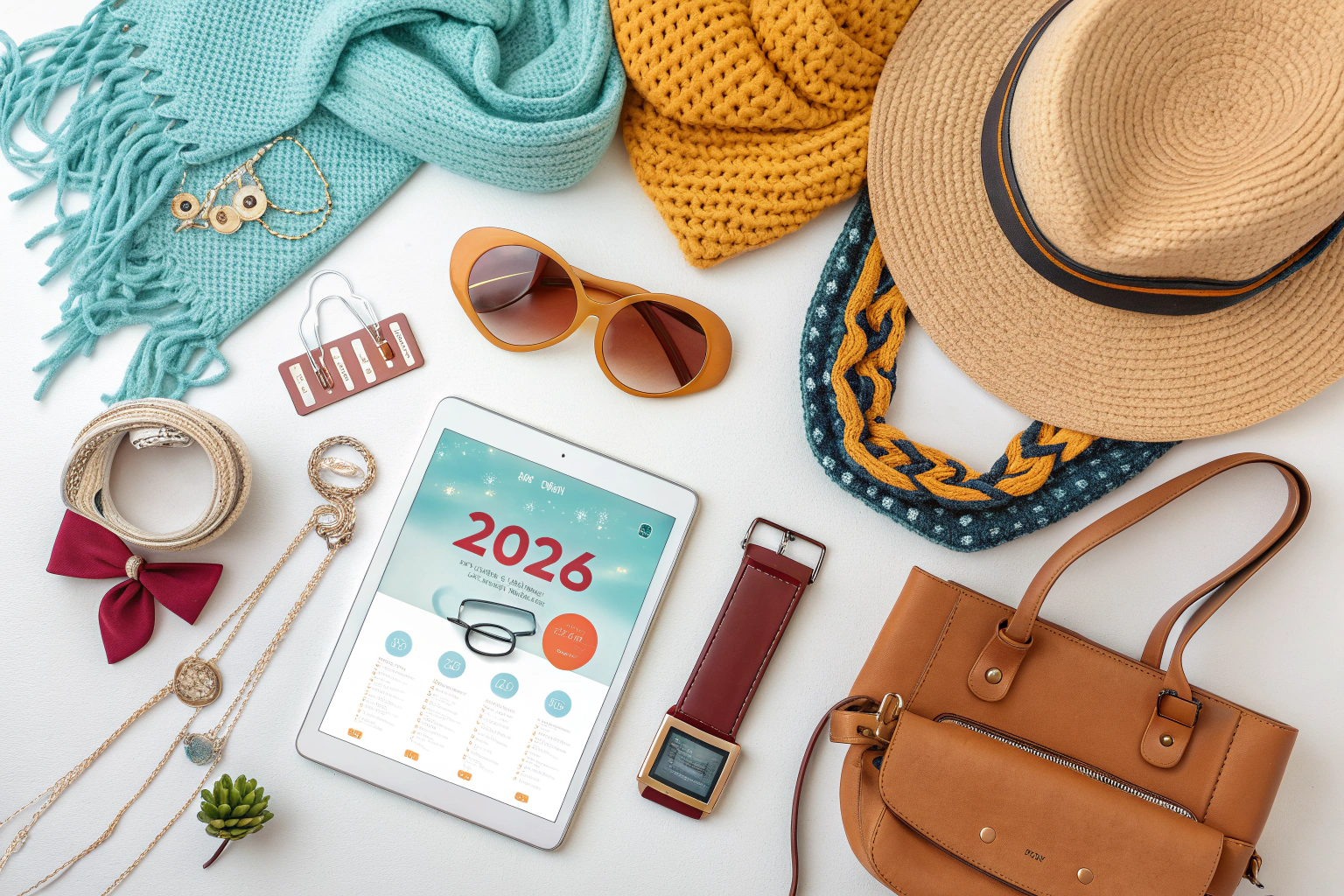
One of the easiest and most effective ways to update a classic is through color. Each season, trend forecasting services like Pantone release a new color palette. Take your classic silk scarf design and offer it in two or three of these new seasonal colors. This creates an instant "update" that feels timely and fresh, encouraging repeat purchases from loyal customers.
When to Update Hardware and Proportions?
Hardware—buckles, clasps, and zippers—is a great way to modernize a classic. A simple tote bag can be transformed by swapping a traditional brass buckle for a sleek, matte black magnetic closure. Proportions can also be tweaked. If the trend is towards smaller bags, you can release a "mini" version of your classic crossbody. If wider belts are in vogue, you can offer your timeless design in a slightly wider cut. These subtle shifts keep the product line dynamic and responsive to the market.
Conclusion
Sourcing classic accessories that never go out of fashion is a deliberate strategy, not a matter of chance. It's about shifting your focus from the short-term thrill of the trend to the long-term value of quality and timeless design. By identifying core design archetypes, insisting on superior materials, demanding impeccable craftsmanship, and making subtle, strategic updates, you can build a collection that is both profitable and enduring. These are the pieces that build a brand's reputation and earn a customer's trust for life.
At Shanghai Fumao Clothing, we specialize in helping brands create these "forever pieces." We understand the balance between timeless quality and modern relevance.
If you are ready to build a core accessory collection that will stand the test of time, let's begin the conversation. Contact our Business Director, Elaine, at elaine@fumaoclothing.com to discuss how we can bring your vision for classic, enduring style to life.