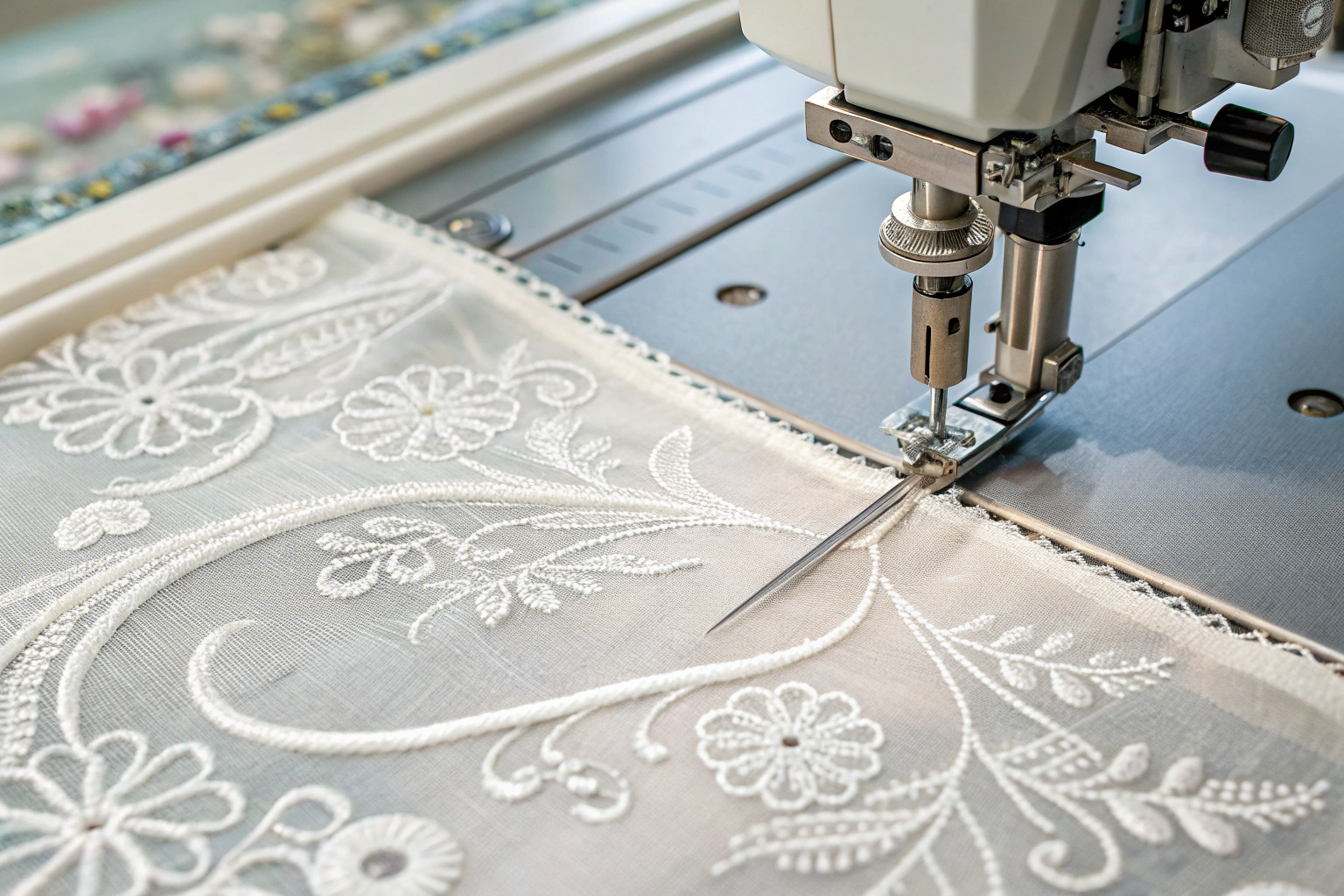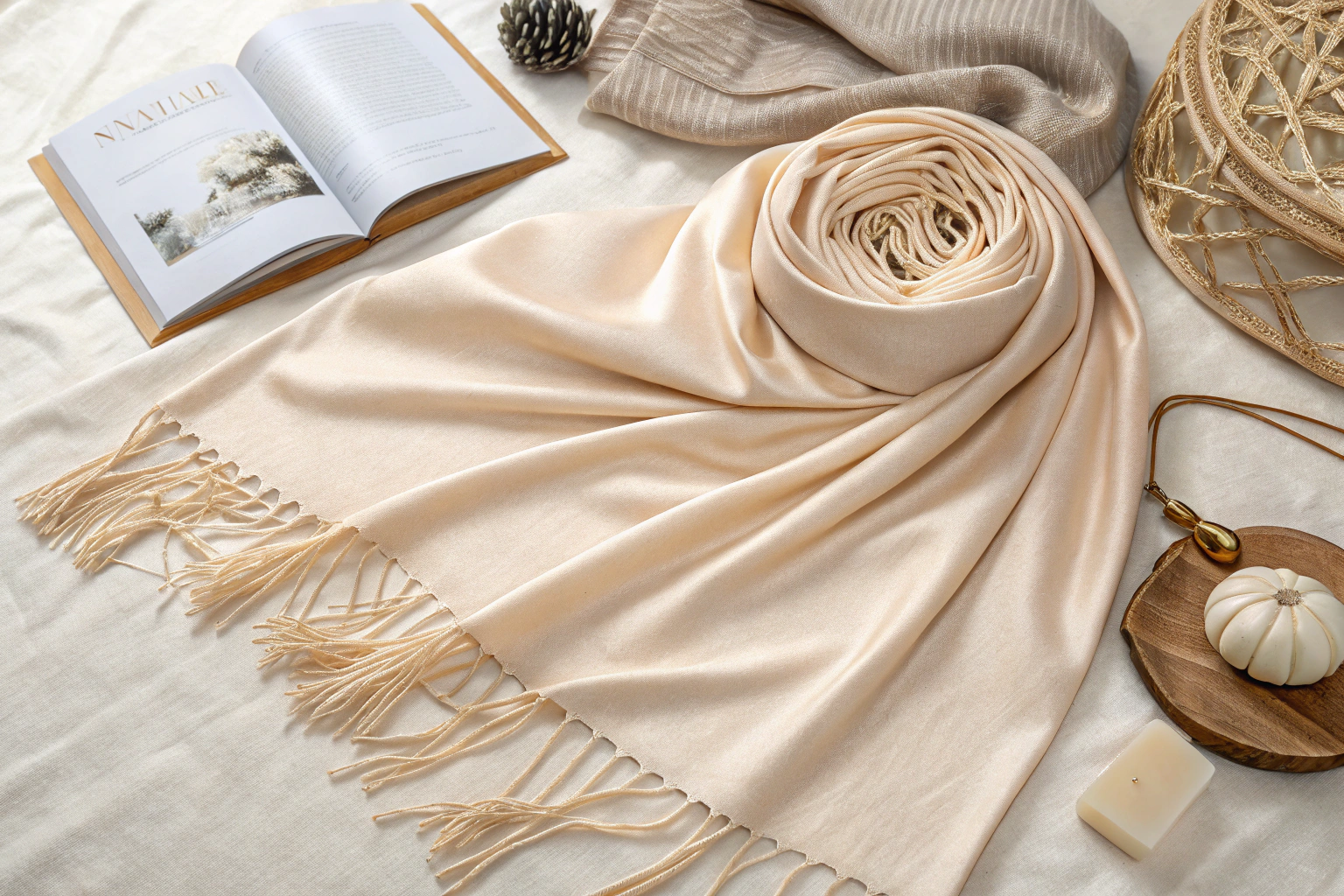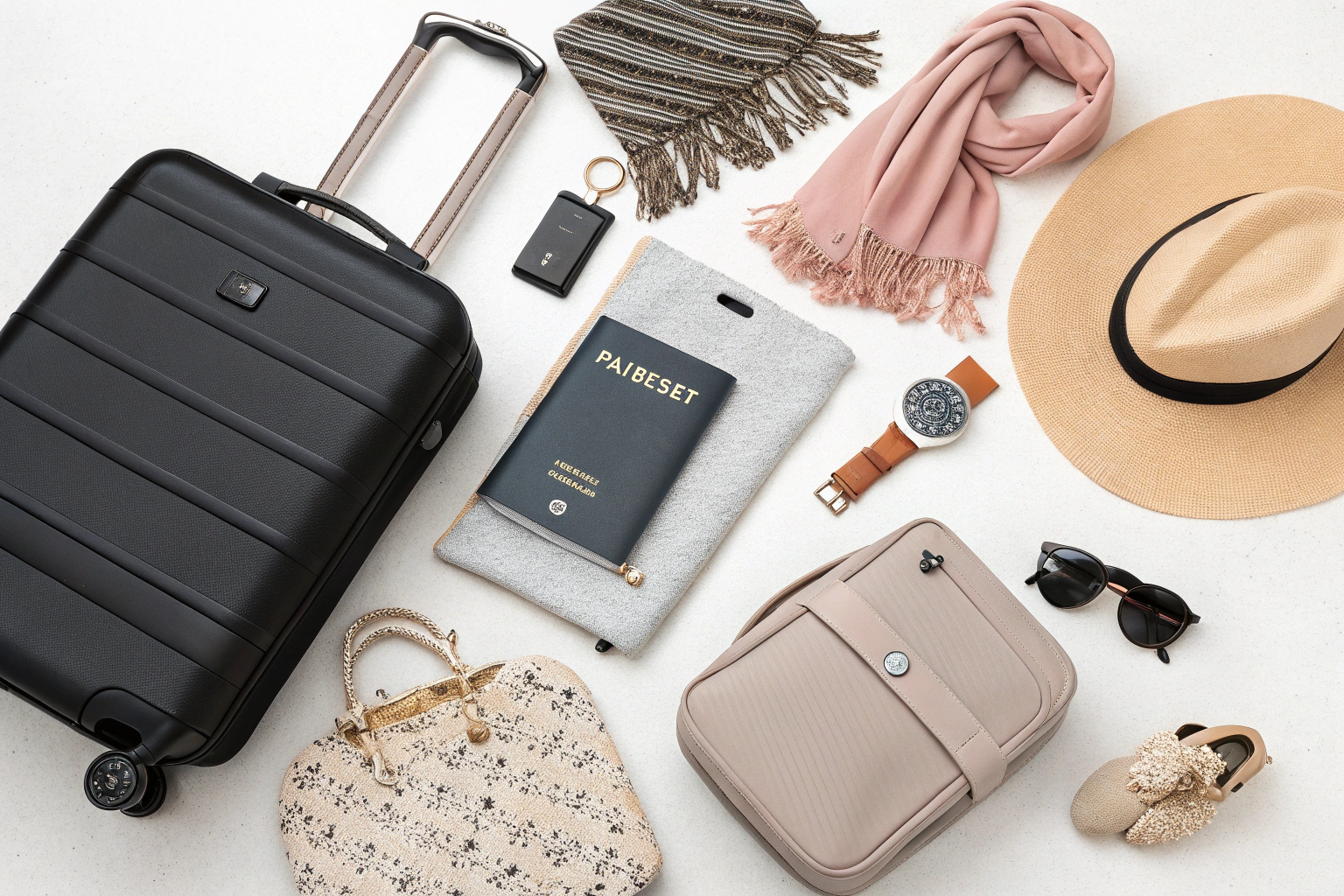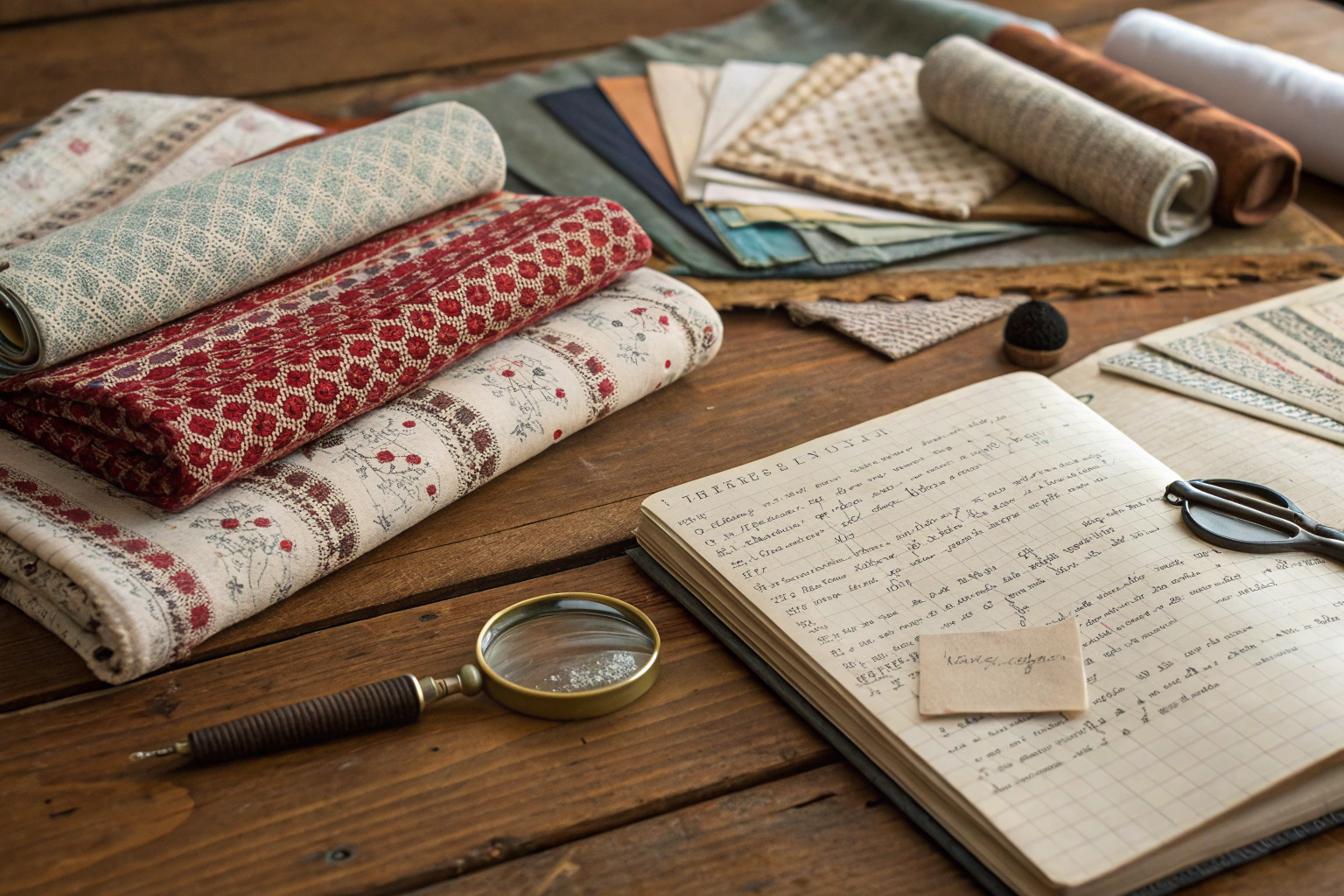
I've been in this business for decades, and I can tell you that there is a special kind of magic in working with vintage fabric. It's not just about the pattern or the color. It's about the history, the story, the feeling that this piece of cloth has lived a life before. For brands and designers creating reproduction accessories, authentic vintage fabric is the ultimate way to capture a specific era's true spirit.
But sourcing authentic vintage fabric is a world away from ordering a bolt of new material from a mill. It's a treasure hunt. It requires knowledge, patience, a keen eye, and a deep appreciation for textile history. You need to know where to look, how to evaluate quality and age, and how to work with a limited, often one-of-a-kind, supply.
Buyers like Ron, who are looking to create truly unique and heritage-inspired pieces, are increasingly interested in this approach. At Shanghai Fumao Clothing, we have experience working with both new and vintage materials. We understand the challenges and the immense rewards of incorporating authentic vintage fabric into accessory designs. In this post, I'll share our best advice on how to source authentic vintage fabric for reproduction accessories.
What Defines "Authentic Vintage" Fabric?
The first step is understanding what "authentic vintage" really means. It's not just a style or a pattern. It's fabric that was actually produced in a past era. The definition can vary, but generally, "vintage" refers to items that are at least 20 years old, and often much older. "Antique" typically refers to items over 100 years old.
The age of the fabric is what gives it its unique character. The fibers have aged, the dyes may have softened, and the fabric has a "hand feel" that is impossible to replicate with modern manufacturing. For more on textile history, museums like the Victoria and Albert Museum in London and the Metropolitan Museum of Art's Costume Institute in New York have extensive collections.
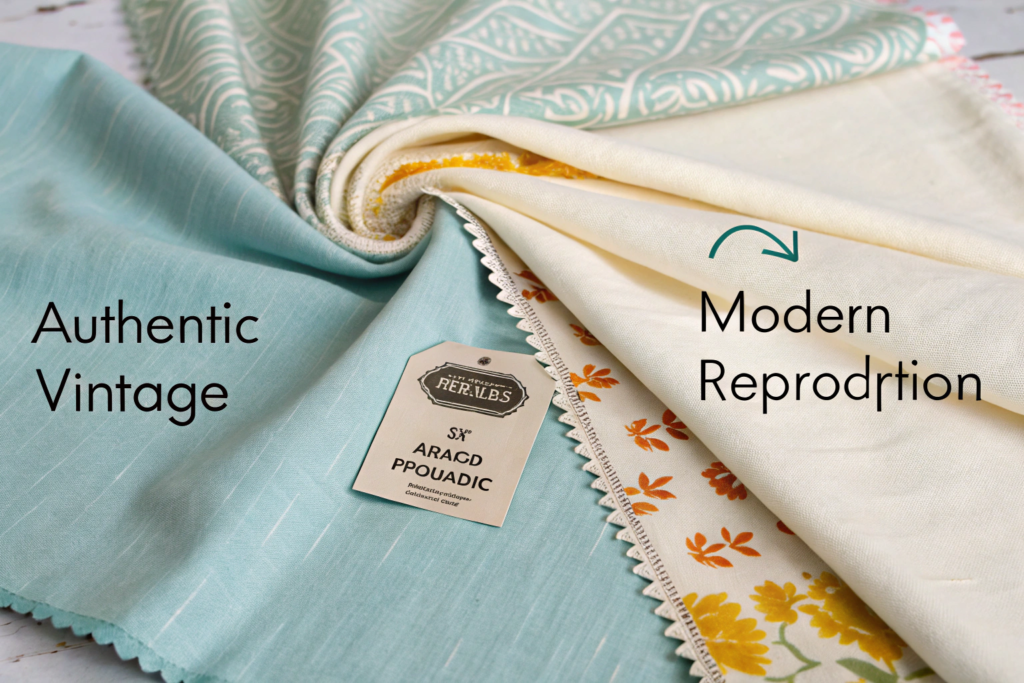
How do you determine the age and authenticity of a fabric?
Determining the age and authenticity of a fabric requires a trained eye and some detective work. Here are some key clues:
- Fiber Content: The types of fibers used can be a clue. For example, early synthetic fibers like rayon, nylon, and early polyesters have specific characteristics that differ from modern synthetics.
- Weave and Construction: The way the fabric was woven can indicate its age. Hand-loomed fabrics will have slight irregularities that are not present in machine-made fabrics. The selvage (the finished edge) can also be a clue.
- Dyes and Prints: The dyes used in different eras have specific properties. Aniline dyes, for example, were popular in the late 19th century. The printing techniques also leave clues; early screen prints have a different look than modern digital prints.
- Labels and Markings: If the fabric still has its original manufacturer's label or selvage markings, this is a huge help. These can be researched to date the fabric.
- Overall Condition and "Feel": With experience, you can develop a sense for the "hand feel" of vintage fabric. It often feels softer, more supple, and has a certain drape that is different from new fabric.
- Provenance: Knowing where the fabric came from (e.g., an estate sale, an old factory's deadstock) can also help establish its age and authenticity.
It's a combination of these factors, not just one, that allows you to make a confident assessment.
What is the difference between "deadstock" and "used" vintage fabric?
This is an important distinction for sourcing.
- Deadstock (or New Old Stock): This is fabric that was manufactured decades ago but never used or sold. It was sitting in a warehouse, a factory, or a store, unused. Deadstock is the holy grail for many designers because it is in pristine, unused condition. It has the look and feel of vintage fabric but with no wear or damage.
- Used Vintage Fabric: This fabric has had a previous life. It might be from old garments, curtains, upholstery, or other items. It will have some signs of wear, fading, or age-related patina. This can be part of its charm, but it also means you need to carefully assess its condition for flaws, stains, or weak spots that could affect its use in a new product.
Both types have their place, depending on the desired aesthetic and the intended use.
Where Can You Source Authentic Vintage Fabric?
Sourcing vintage fabric is not like placing an order with a mill. It requires going out and finding the treasures. There are several key places to look, each with its own characteristics and challenges.
The key is to be persistent, build relationships, and be prepared to hunt. The thrill of the find is part of the reward.
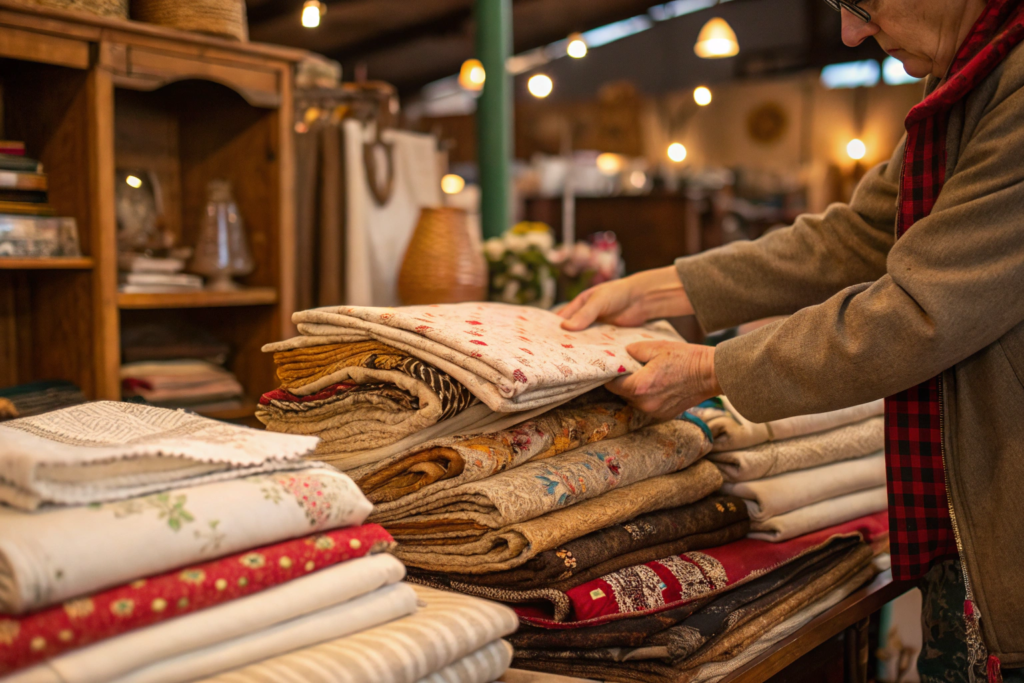
What are the best physical locations to find vintage fabric?
- Estate Sales and Auctions: These can be goldmines, especially for finding old quilts, linens, and fabric stashes from people who were sewers or collectors. You often have to be quick and know what you're looking for.
- Flea Markets and Antique Fairs: These are classic hunting grounds. You'll find a mix of everything, from small scraps to larger pieces. It requires patience and a keen eye.
- Thrift Stores and Charity Shops: You can sometimes find vintage garments made from beautiful fabric that can be upcycled. Look for high-quality natural fibers like silk, linen, and wool.
- Specialized Vintage Textile Dealers: There are dealers who specialize in vintage textiles. They have already done the work of sourcing and authenticating, and they often have a wide selection. This is a more convenient, but often more expensive, option.
- Textile Archives and Museums: Some museums and institutions have textile archives that may be accessible to researchers and designers. This is more for research and inspiration, but sometimes they may have duplicates or pieces available for purchase.
Building relationships with dealers and frequenting these locations is key to finding the best pieces.
How can you use online platforms to source vintage fabric?
The internet has made sourcing vintage fabric much more accessible. There are several key online platforms.
- Etsy: Etsy is a huge marketplace for vintage and handmade goods. Many sellers specialize in vintage fabric and textiles. You can search by era, fiber, pattern, and color. It's a great place to start.
- eBay: eBay is another massive platform. You can find everything from small scraps to large quantities of deadstock fabric. Be sure to carefully read descriptions and look at photos to assess condition.
- Instagram: Many vintage textile dealers and collectors use Instagram to showcase their latest finds. Following relevant hashtags and accounts can give you access to a constantly updated stream of new material.
- Specialized Online Vintage Fabric Stores: There are online stores that specialize exclusively in vintage fabric. They often have a curated selection and provide detailed information about each piece.
- Online Auction Sites: Beyond eBay, there are other online auction platforms that specialize in antiques and vintage items. These can be a source for high-quality, rare pieces.
When buying online, it's crucial to ask for detailed photos and measurements, and to clarify the condition and any flaws.
How Do You Evaluate The Quality And Condition Of Vintage Fabric?
Once you've found a potential piece of vintage fabric, the next step is to evaluate its quality and condition. This is a critical step. Vintage fabric, especially used fabric, can have hidden flaws that could make it unsuitable for your project. A thorough inspection is essential.
At our factory, we have trained experts who can assess the condition of vintage materials. We know what to look for and how to determine if a fabric can be successfully used in a new product.
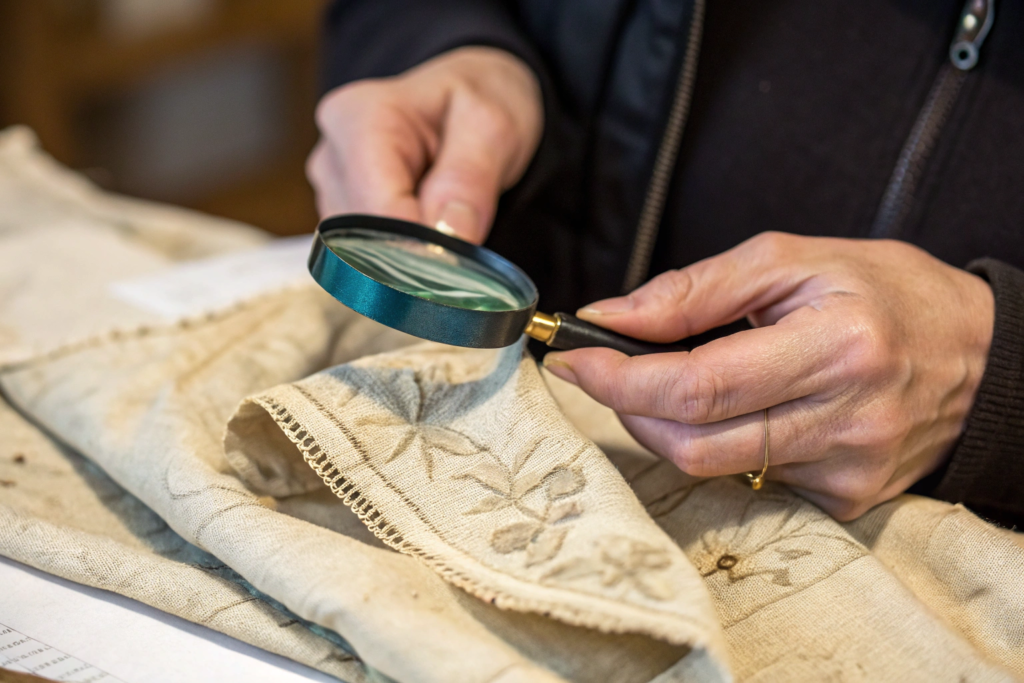
What are the key things to look for when inspecting vintage fabric?
- Fiber Integrity: Gently stretch and feel the fabric. Are the fibers still strong, or do they feel weak and brittle? Age can cause fibers to degrade, especially with natural fibers like silk and linen.
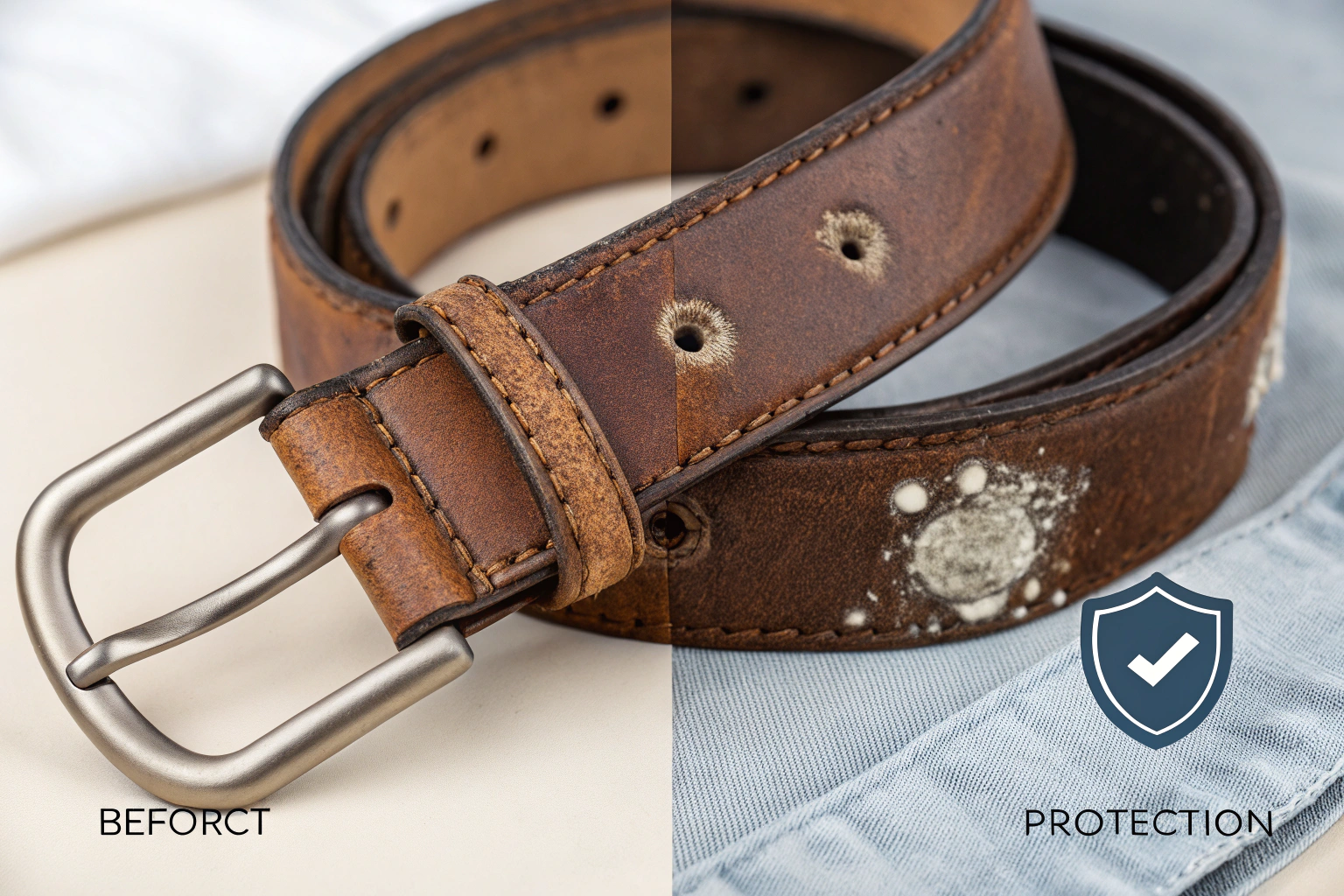
- Stains and Discoloration: Look carefully for any stains, spots, or areas of discoloration. Some stains may be impossible to remove. Age-related yellowing is common, especially on white and light-colored fabrics, and can be part of the vintage charm, but you need to decide if it's acceptable for your design.
- Fading: Has the fabric faded unevenly? This is common, especially on pieces that were exposed to light. Check the entire piece, including areas that might have been folded or protected.
- Holes, Tears, and Weak Spots: Inspect the fabric carefully, holding it up to the light to look for any holes, tears, or areas where the fabric has become thin and weak. These can be deal-breakers, depending on the size and location.
- Moth or Insect Damage: Look for small holes or signs of insect damage, especially on wool and other natural fibers. This can be a major problem.
- Odors: Vintage fabric can sometimes have musty or other odors. Some odors may dissipate with airing and cleaning, but others can be persistent.
A thorough inspection will help you avoid unpleasant surprises later.
How do you assess if a vintage piece is suitable for your project?
Beyond its condition, you need to consider if the fabric is right for your specific design.
- Quantity: Do you have enough of the fabric to complete your project? With vintage, you often have a limited, fixed amount. You need to plan your design carefully around the available yardage.
- Width: Vintage fabrics often come in different widths than modern fabrics. You need to know the width and factor that into your pattern cutting.
- Fiber Content and Drape: Is the fabric's weight, drape, and hand feel appropriate for the accessory you are making? A heavy upholstery fabric might not be suitable for a delicate scarf.
- Overall Aesthetic: Does the color, pattern, and overall look of the fabric match the vintage aesthetic you are trying to achieve? This is subjective, but essential.
Choosing the right vintage fabric is a match between its inherent qualities and your design vision.
What Are The Challenges And Opportunities Of Working With Vintage Fabric?
Working with vintage fabric is not the same as working with new materials. It comes with its own unique set of challenges and, equally, its own unique opportunities. Understanding these is key to a successful project.
At our factory, we have experience navigating these challenges and maximizing the opportunities. We can help our clients turn a beautiful piece of vintage fabric into a stunning, one-of-a-kind accessory.
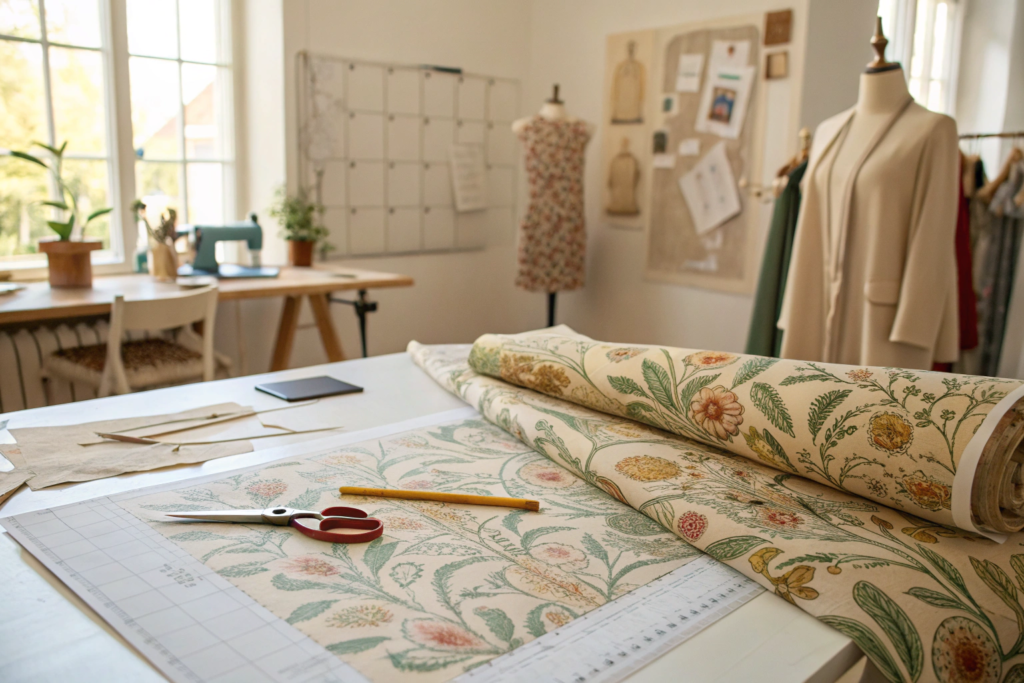
What are the main challenges of using vintage fabric?
- Limited and Inconsistent Supply: You cannot simply reorder more fabric if you run out. This means you must carefully plan your production and often work with smaller quantities, making each piece more unique and potentially more expensive.
- Condition Issues: As discussed, vintage fabric may have hidden flaws, stains, or weak spots that are not discovered until you start working with it. This requires flexibility and a willingness to sometimes scrap a piece.
- Lack of Fiber Content and Care Information: You may not know the exact fiber content or the recommended care instructions for the fabric. This can make it difficult to advise customers on how to care for the finished product. You may need to do your own burn tests or have the fabric professionally tested.
- Cost: High-quality, rare vintage fabric can be very expensive, often more so than new, premium fabrics.
- Cleaning: Vintage fabric may need to be carefully cleaned before use, which adds an extra step and potential risk.
These challenges are real, but they are part of what makes working with vintage so special.
What are the unique opportunities and selling points?
- Uniqueness: This is the biggest opportunity. An accessory made from authentic vintage fabric is truly one-of-a-kind. No two pieces will be exactly the same. This is incredibly appealing to customers who value individuality.
- Authenticity and Story: The fabric has a history. You can tell its story—where it came from, its approximate age, its previous life. This adds an emotional layer to the product that new fabrics simply cannot match.
- Sustainability: Using vintage fabric is the ultimate form of upcycling. It gives new life to existing materials, reducing waste and the demand for new textile production. This is a powerful selling point for eco-conscious consumers.
- Heritage and Craftsmanship: Vintage fabrics often have a quality of craftsmanship that is hard to find in modern mass-produced textiles. The weaves, the prints, the fibers themselves can be of exceptional quality.
- Niche Market Appeal: Products made from authentic vintage fabric appeal to a specific, discerning niche market of collectors, history buffs, and vintage enthusiasts. This can be a very loyal and profitable customer base.
A scarf made from authentic 1950s silk is not just a scarf; it's a piece of wearable history.
Conclusion
Sourcing authentic vintage fabric for reproduction accessory designs is a journey into the past. It requires knowledge, patience, and a deep appreciation for textile history. You need to understand how to determine a fabric's age and authenticity, know where to hunt for treasures—from estate sales to online platforms—and have the skills to evaluate its condition and suitability for your project. The challenges of limited supply and potential flaws are real, but they are far outweighed by the unique opportunities: the chance to create truly one-of-a-kind pieces with an authentic story, a commitment to sustainability, and a connection to the craftsmanship of the past.
At Shanghai Fumao Clothing, we share this passion for vintage textiles. While our core business is modern manufacturing, we have experience working with clients on special projects involving vintage and deadstock fabrics. We understand the care and attention required to transform these precious materials into beautiful, wearable accessories. We can help you navigate the challenges and bring your vintage-inspired visions to life.
If you're ready to explore the world of authentic vintage fabric for your accessory designs, let's talk. Please contact our Business Director, Elaine, at elaine@fumaoclothing.com. We'll help you create pieces with a story to tell.