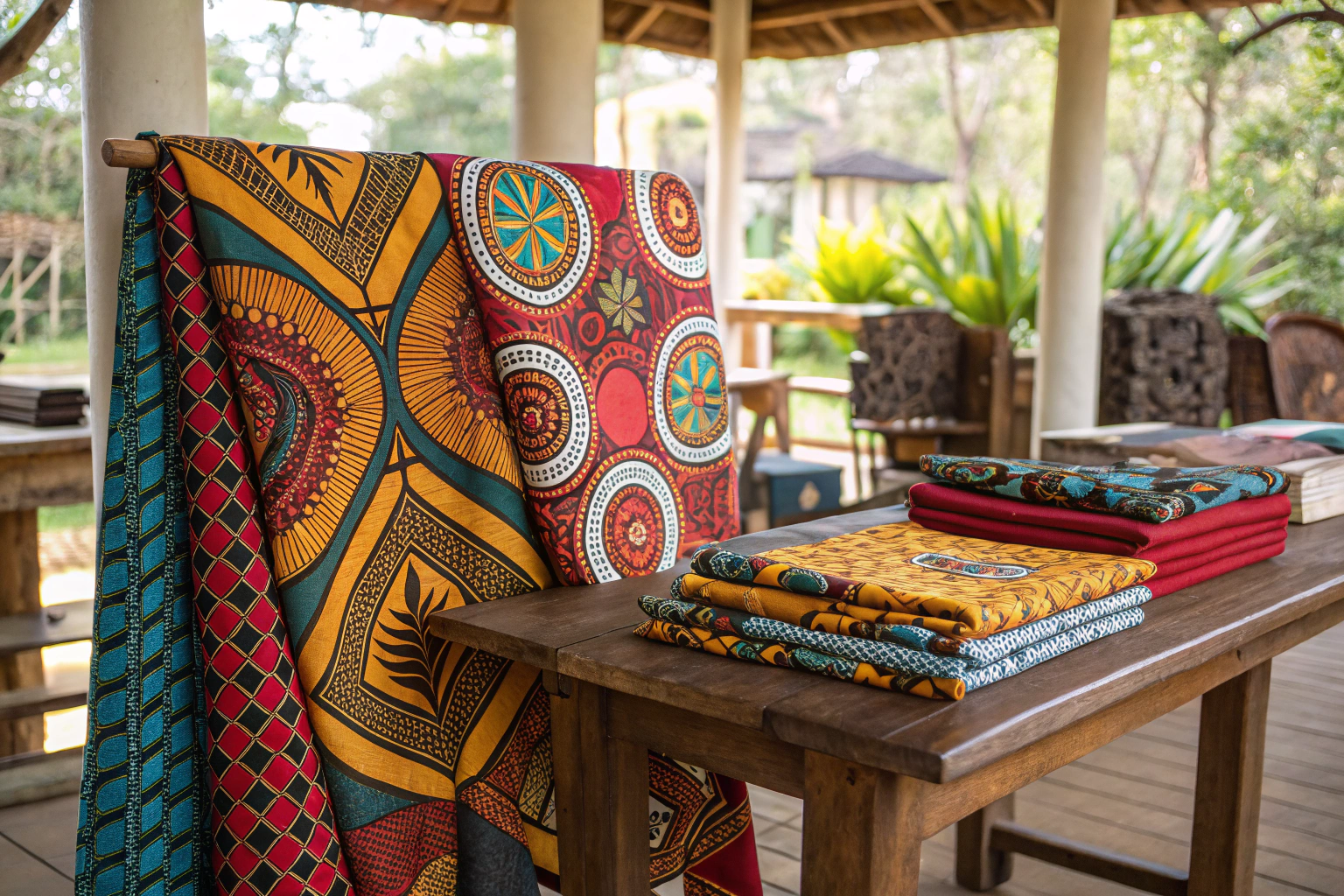
I still remember the first time I held authentic African wax print fabric in my hands. I was at a trade show in Paris, and a West African textile exporter had a booth across from ours. His fabrics were unlike anything I'd seen. The colors were incredibly vibrant. The patterns told stories. The fabric had a weight and feel that screamed quality.
I asked him where he sourced his materials, expecting to hear about some specialized mill in Africa. Instead, he laughed and said, "My friend, half the 'African print' sold in the world comes from China. But the real thing, the authentic fabric that African women fight over in the markets, that's something else entirely."
That conversation started me on a journey. At Shanghai Fumao Clothing, we were already making accessories for clients around the world. Some wanted African print designs. But I realized I didn't really understand what I was buying. Was it authentic? Where did it come from? Did it matter?
The answer, I learned, is yes, it matters enormously. Authentic African print fabric has cultural significance, quality differences, and a story that customers value. Let me share what I've learned about sourcing the real thing.
What Makes African Print Fabric "Authentic"?
The term "African print" gets thrown around loosely. Many fabrics sold under this name have nothing to do with Africa. Understanding authenticity starts with knowing what you're looking at.
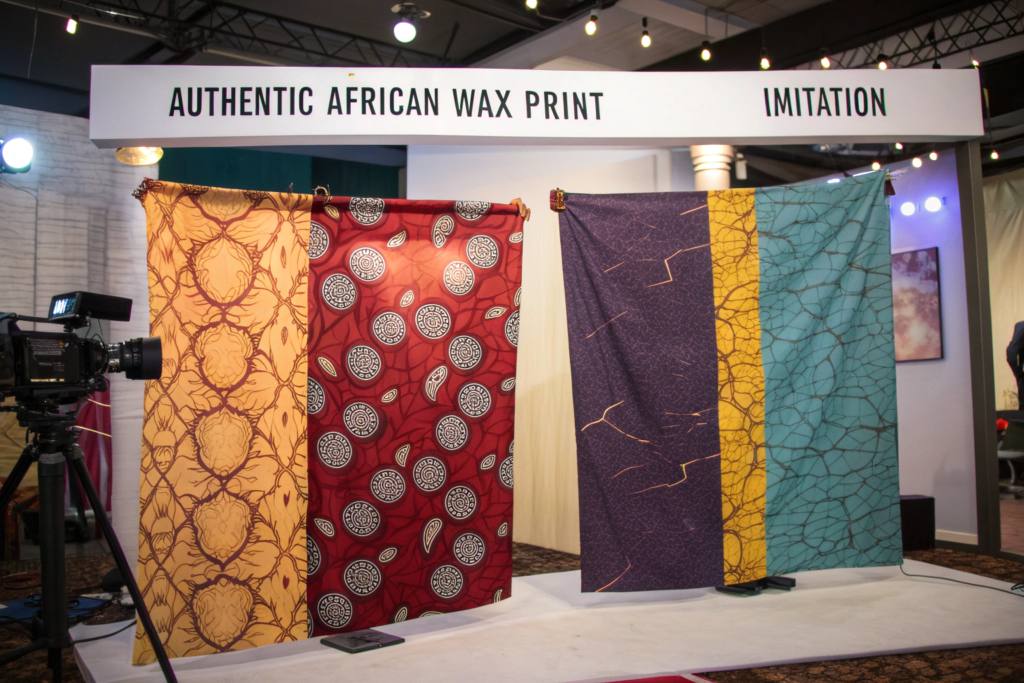
Authentic African print fabric, particularly the famous wax prints, has specific characteristics. The most important is that the pattern is visible on both sides of the fabric. This happens because the dye penetrates completely through, not just sitting on the surface. If you look at the back of authentic fabric, you'll see the same pattern, slightly fainter but clearly there.
The colors have a depth and vibrancy that imitations can't match. They almost glow. This comes from high-quality dyes and proper fixation during production. Cheap imitations use surface printing that looks flat and may fade quickly.
Authentic fabric also has what's called "crackle" or "wax effects." During production, the wax resist cracks slightly, allowing dye to seep into the cracks and create fine lines throughout the design. This isn't a defect. It's a signature of real wax print. Imitations often lack this detail or print it artificially.
What is the difference between wax print and other African fabrics?
"African print" covers many different fabric types. Knowing the differences helps you source appropriately.
Wax print is the most famous. It's made using a wax-resist dyeing technique, originally inspired by Indonesian batik but developed into a uniquely African art form. The patterns have names and meanings. Dutch Wax and African Wax are the premium categories.
Java print is similar to wax but uses a different production method. It's often slightly less expensive but still authentic. The patterns may be less complex.
Fancy print is printed directly onto fabric without wax resist. It's still authentic African fabric but lacks the double-sided visibility and crackle effects of true wax. It's often used for more affordable garments.
Kente cloth is woven, not printed. It comes from Ghana and has enormous cultural significance. Each pattern has meaning. Authentic kente is hand-woven and expensive. Machine-made imitations are common but not authentic.
Ankara is another term often used interchangeably with African print. Technically, it refers specifically to the Dutch wax prints that became popular in West Africa. But usage varies by region.
For accessories, wax print and fancy print are most common. Kente works for special pieces but costs more and requires cultural sensitivity in design.
Why does authenticity matter for accessories?
Some buyers ask why authenticity matters. If the customer can't tell the difference, why pay more for authentic fabric?
There are several reasons. First, authentic fabric performs better. The colors stay vibrant. The fabric wears well. Accessories made from authentic material last longer and look better over time.
Second, authenticity carries meaning. Many African and African diaspora customers know the difference. They can spot imitation fabric. Using authentic material signals respect for the culture.
Third, the story matters. Customers increasingly want to know where products come from. Authentic fabric has a story, a history, a cultural context. That story adds value that imitations can't match.
Fourth, quality standards differ. Authentic fabric producers maintain higher standards because they're serving customers who demand quality. The fabric is simply better.
At Shanghai Fumao Clothing, we've found that using authentic fabric opens doors. Clients who care about quality and authenticity seek us out. They're willing to pay for the real thing.
Where Does Authentic African Print Come From?
This is where things get complicated. The geography of African print doesn't match what most people assume. Understanding the real supply chain helps you source effectively.
The cotton often comes from Africa. West African countries like Burkina Faso and Mali grow high-quality cotton. But most of that cotton is exported for processing elsewhere.
The fabric production happens in multiple locations. The most famous authentic African wax prints come from the Netherlands, where companies like Vlisco have produced Dutch Wax since the 19th century. These are considered the highest quality.
England also has a history of producing African prints. Companies like ABC Fabrics (Associated British Cottons) produced for the African market for generations. Some still operate.
China produces enormous quantities of African-style prints. Some of this is imitation quality, but some Chinese mills now produce authentic-quality fabric specifically for African markets. The key is knowing which is which. African countries themselves produce fabric too. Nigeria, Ghana, Kenya, and others have textile industries. Some produce excellent authentic fabric. Others struggle with quality consistency.

Are authentic prints made in Africa?
Yes and no. Some authentic prints are made in Africa. Nigerian manufacturers like GTP and Hilltop produce quality fabric. Ghana has its own producers. But the volume is limited compared to imports.
The challenge for African producers has been competition from cheaper imports. Many African textile industries declined in recent decades. But there's a resurgence happening, with growing demand for "made in Africa" products.
For accessories, sourcing from African producers can be powerful. The story of supporting African industry adds value. But you need to verify quality and consistency, which can vary more than with established European producers.
The highest-volume authentic producer for the African market remains Vlisco in the Netherlands. Their fabrics are sold throughout West and Central Africa and are considered the gold standard. Many African women will only buy Vlisco.
Other European producers like Uniwax in Ivory Coast (owned by Vlisco) and GTP in Ghana (also Vlisco-owned) produce authentic quality. The industry is more integrated than it appears.
The key is understanding that "authentic" isn't about where it's made. It's about how it's made and who it's made for. A fabric made in the Netherlands for the African market can be authentic. A fabric made in China imitating African designs may or may not be, depending on quality and intent.
What about Chinese-made African prints?
China produces vast quantities of African-style prints. Some is cheap imitation bound for Western craft stores. Some is quality fabric destined for African markets. The range is enormous.
The good news is that some Chinese manufacturers have invested in understanding the African market. They've learned what quality means to African consumers. They've developed production methods that approach authentic standards.
The challenge is finding them. Most Chinese textile mills producing for export don't sell to small Western buyers. They work through trading companies or focus on large volumes. The supply chain is opaque.
We've had success by working through specialized African print distributors who know both the Chinese supply chain and the quality standards that matter. They act as quality gatekeepers, ensuring that what we receive meets authentic standards.
The key is due diligence. Ask for samples. Test them against authentic benchmarks. Check both sides of the fabric. Examine color vibrancy. Feel the weight and hand. If it passes these tests, origin matters less than quality.
At Shanghai Fumao Clothing, we source from multiple origins depending on client needs. For premium collections, we use Dutch or West African sources. For more accessible price points, we use verified Chinese sources that meet our quality standards.
What Quality Indicators Distinguish Authentic Prints?
When you're sourcing fabric, you need to know what quality looks like. These indicators separate authentic prints from imitations.
The first and most reliable indicator is the back of the fabric.
Authentic wax print shows the pattern on both sides. The back may be slightly fainter, but the design is clearly visible. If the back is plain or shows only faint color, it's not authentic wax print.
The second indicator is the crackle effect. Hold the fabric at an angle to light. You should see fine lines throughout the design, like a network of tiny cracks. This comes from the wax resist process. Imitations often lack this entirely or print it artificially, which looks uniform and fake. The third indicator is color depth. Authentic colors are deep and rich. They almost seem to glow. This comes from high-quality dyes and proper fixation. Imitation colors often look flat or have a plastic-like sheen.
The fourth indicator is fabric quality. Authentic fabric uses good cotton with proper weight. It should feel substantial but not stiff. It should drape nicely. Imitations often feel thin or have a chemical stiffness from poor finishing.

How can you test for color fastness?
Color fastness matters enormously for accessories that may face sweat, light, or occasional washing. Poor color fastness means returns and unhappy customers.
The simplest test is the rub test. Take a white cloth, dampen it slightly, and rub it firmly against the colored fabric. If color transfers to the white cloth, the fabric has poor crocking resistance. This dye will come off on skin or clothing.
The wash test is more rigorous. Cut a sample, wash it according to expected care instructions, and check for color loss or bleeding. Also check whether colors have shifted or faded. Good fabric should survive multiple washes with minimal change.
The light test matters for accessories that will face sunlight. Expose a sample to direct sunlight for several days or use a UV testing chamber. Check for fading. Some dyes fade quickly, others hold up well.
The perspiration test matters for accessories worn against skin. Simulated sweat solutions can reveal whether dyes will stain or fade with body contact. This is especially important for headbands, hair accessories, and items worn close to skin.
Professional testing labs can perform all these tests with standardized methods. For critical products, third-party certification provides assurance. Organizations like ASTM publish standard test methods for color fastness.
What does the back of the fabric tell you?
The back of authentic wax print tells a clear story. Look for these indicators.
Pattern visibility is primary. The design should be clearly visible on the back, even if slightly fainter. This proves the dye penetrated through, not just sat on the surface.
Color intensity on the back should be reasonably consistent with the front. If the back is dramatically lighter, dye penetration was poor.
Crackle effects should be visible on the back too. The wax cracks affect both sides, so the fine lines should appear on both surfaces.
If the back is completely white or shows only random color spots, it's not authentic wax print. It's either a different fabric type or an imitation.
Some fancy prints (non-wax) are intentionally single-sided. This doesn't make them bad, but they're different. The key is knowing what you're buying and setting appropriate expectations.
For accessories where both sides may be visible, like headbands or scarves, double-sided authenticity matters more. For items where the back is hidden, like lined bags, single-sided fabric may work fine.
What Cultural Considerations Matter When Using African Prints?
African prints aren't just pretty patterns. They carry meaning. Using them without understanding that meaning can lead to cultural missteps that damage brands and offend customers.
Many African prints have names and stories. A pattern might commemorate a historical event, express a proverb, or celebrate a personality. Wearing that pattern carries that meaning. Using it in accessories without understanding can seem ignorant at best, disrespectful at worst.
Some patterns have specific cultural associations. Certain designs are traditionally worn by chiefs or for particular ceremonies. Using them in commercial products without context can be inappropriate. Colors also carry meaning. In many West African cultures, certain colors are associated with mourning, celebration, or specific occasions. Using them out of context can send unintended messages.
The good news is that most consumers in diaspora appreciate seeing their culture represented, when done respectfully. The key is doing the work to understand what you're using and why.

Do patterns have specific meanings?
Yes, many do. This is a deep subject that could fill books. But here are some examples to illustrate.
The "Nana Benz" pattern honors the powerful Togolese women who built fortunes selling wax prints. Wearing it connects to that history of female entrepreneurship.
The "Golden Stool" pattern references the sacred symbol of the Ashanti kingdom. Using it carries political and cultural weight.
The "Cocoa Pod" pattern celebrates the crop that built economies in Ghana and Ivory Coast. It speaks to agricultural heritage.
Some patterns express proverbs. "The bird that flies from the ground doesn't fear the trap" might be represented visually. Wearing it says something about freedom and caution.
Others commemorate events. Independence anniversaries, political milestones, even the visit of a pope might inspire patterns.
The key isn't to avoid meaningful patterns. It's to understand them and use them appropriately. If you're unsure, consult with cultural advisors or choose patterns with less specific cultural loading.
For research, organizations like Smithsonian National Museum of African Art offer resources on African textile traditions and meanings.
How can you avoid cultural appropriation concerns?
Cultural appropriation is a real concern when using African prints. The line between appreciation and appropriation can be fuzzy. Here's how we navigate it.
First, we acknowledge the source. We don't pretend these designs originated with us. We credit the cultures that created them. This respect matters.
Second, we work with African designers and consultants. Their input guides our choices. They help us understand what's appropriate and what's not. They also benefit from the collaboration.
Third, we pay fair prices for authentic fabric. Supporting the communities that created these traditions is part of respecting them. Cheap imitations that undercut African producers are problematic.
Fourth, we avoid sacred or restricted patterns. Some designs aren't meant for commercial use. We respect those boundaries.
Fifth, we tell the story. Our product descriptions explain where the fabric comes from, what the patterns mean, and why we chose them. This education adds value and shows respect.
The goal is appreciation, not appropriation. We celebrate African creativity while ensuring that celebration benefits African communities. At Shanghai Fumao Clothing, we're committed to this approach.
How Do You Source African Prints Responsibly?
Sourcing African prints responsibly involves more than just finding a supplier. It means considering the entire supply chain and its impacts.
The first step is deciding what "responsible" means for your business. Does it mean supporting African producers? Using environmentally sustainable materials? Ensuring fair labor practices? All of the above? Your definition guides your sourcing choices. The second step is finding suppliers who share your values. This takes research. Trade shows, industry associations, and referrals help. Don't rely on internet searches alone.
The third step is verification. Visit suppliers if possible. Request certifications. Check references. Don't take claims at face value. The fourth step is building relationships. Responsible sourcing isn't transactional. It's about partnerships that benefit both sides over time. This means consistent orders, fair prices, and open communication.
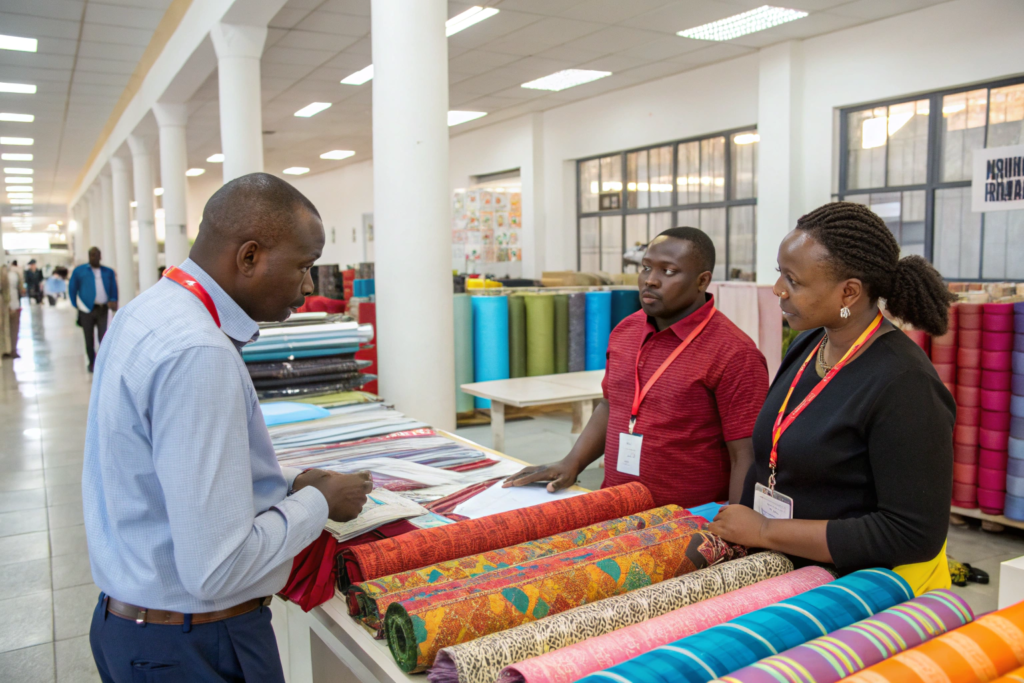
Should you buy directly from African producers?
Direct sourcing from African producers has advantages and challenges. Understanding both helps you decide.
Advantages include supporting African economies directly. Your money goes to the source, not through intermediaries. You may get better pricing. And you build relationships with producers who understand the cultural context intimately.
Challenges include logistics. Shipping from Africa can be more complex than from established export hubs. Quality consistency may vary. Communication and time zones add complexity. Minimum order quantities may be higher.
For many buyers, working through specialized distributors makes sense initially. These distributors have vetted suppliers, handle logistics, and ensure quality. They add cost but reduce risk.
As you grow, direct relationships become more feasible. You can visit producers, build trust, and eventually work directly. This progression from distributor to direct is common.
At Shanghai Fumao Clothing, we use a hybrid approach. For premium collections, we work with West African suppliers directly. For volume production, we work through distributors who ensure consistency. Both have their place.
What certifications should you look for?
Certifications provide assurance about quality and ethics. Several matter for African prints.
Fair Trade certification ensures producers receive fair prices and workers have decent conditions. Look for Fair Trade Certified fabric or work with Fair Trade certified suppliers.
Organic certification matters if you're using organic cotton. The Global Organic Textile Standard (GOTS) is the gold standard. It covers both environmental and social criteria.
Oeko-Tex certification ensures fabrics are free from harmful substances. Standard 100 by Oeko-Tex is common for textiles. It's not about ethics directly but about consumer safety.
Vegan certification may matter for some markets. While cotton is inherently vegan, some treatments or finishes could involve animal products. Certification provides clarity.
The challenge is that many African producers don't have these certifications, especially smaller ones. The cost and complexity of certification can be prohibitive. In these cases, direct verification through visits and audits may substitute.
The key is knowing what matters for your market and customers. A luxury brand may demand certifications. A craft-focused brand may value direct relationships more. Align your approach with your values and customer expectations. For certification information, Textile Exchange provides resources on various standards.
Conclusion
Sourcing authentic African print fabric for accessories is about more than finding a supplier. It's about understanding what authenticity means, how to recognize quality, and why cultural context matters.
Authentic fabric shows its quality in both sides, in the depth of its colors, in the crackle effects that prove real wax production, in the weight and feel that signal proper materials. It performs better in use and carries meaning that imitations cannot match. The supply chain is global. The best quality often comes from European mills with centuries of experience, but African producers are growing and Chinese sources can be good when properly vetted. The key is verifying quality, not assuming based on origin.
Cultural considerations matter deeply. Patterns have meanings. Colors carry messages. Using these fabrics without understanding can offend. Working with African designers, paying fair prices, and telling the story of the fabric shows respect and creates value.
At Shanghai Fumao Clothing, we've learned that authentic African prints open doors. Clients who value quality and authenticity seek us out. They're willing to pay for the real thing because they know their customers appreciate it.
If you're considering adding African print accessories to your line, or if you want to improve the quality of your current sourcing, I'd love to help. Please reach out to our Business Director, Elaine, at elaine@fumaoclothing.com. Let's create something beautiful and meaningful together.