I have been manufacturing accessories for over 15 years. I started with small orders. In the beginning, we were a small factory. We took any order we could get. A few hundred belts. A thousand hair bands. We did everything manually. As we grew, clients started asking for larger volumes. Five thousand belts. Twenty thousand hats. One hundred thousand hair clips. The transition from small batch to large volume was not automatic. We had to change how we worked. I remember a client who came to us with a small order of 500 scarves. We did it. They loved the quality. Then they came back with an order for 50,000 scarves. I had to tell them, "We can do it. But we need to do it differently." That client trusted us. We scaled up. We delivered. They are still a client today. That experience taught me the principles of scaling production. Today, I want to share what I have learned about moving from small batches to large volumes.
Scaling production from a small batch to large volume orders requires changes in material sourcing, production processes, quality control systems, and project management. For small batches, you can hand-pick materials and use manual processes. For large volumes, you need to secure bulk material orders, implement automated or semi-automated production lines, establish systematic quality control with sampling plans, and assign dedicated project managers to coordinate the entire process. The key is to plan for scale before you need it. A good manufacturing partner will have the capacity and systems to grow with you. They will help you transition smoothly from small test orders to large production runs without compromising quality or timelines.
You might be thinking, "I have a small business now. I am not ready for large volumes. Why should I care about scaling?" The reason is growth. If your products are good, your business will grow. Small test orders can lead to large production orders. You want to be with a supplier who can grow with you. You do not want to have to find a new supplier every time you increase your order size. At Shanghai Fumao, we are built to scale. We have the capacity to handle both small batches and large volumes. Let me walk you through the differences and how we manage the transition.
How Does Material Sourcing Change When Scaling Up?
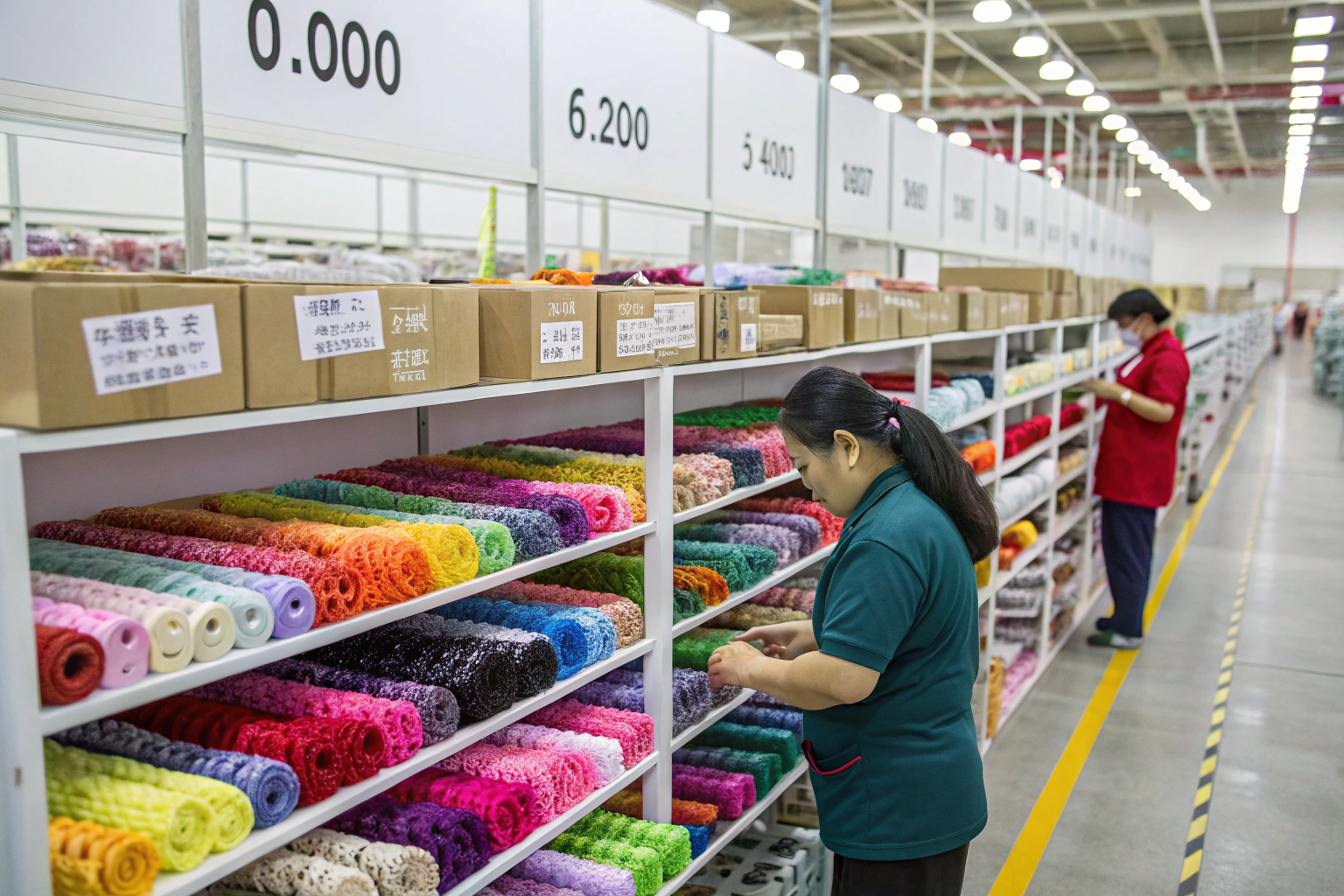
For a small batch, you can buy materials off the shelf. You can go to a local supplier and buy 50 yards of fabric. You can buy 100 buckles. For a large volume, you cannot do that. You need to secure materials in advance. You need to work with mills and manufacturers. You need to manage lead times. I have seen clients who assumed that scaling up was just a matter of ordering more. They did not account for material availability. They were surprised when their large order was delayed because the fabric had a 60-day lead time.
Material sourcing changes dramatically when scaling up. For small batches, you can use standard materials available from local suppliers or stock. For large volumes, you need to work directly with mills and manufacturers. You need to forecast your material needs. You need to place bulk orders well in advance. You need to consider lead times for custom materials. You may need to commit to minimum order quantities from material suppliers. A good manufacturing partner will help you manage this transition. They will advise you on lead times. They will help you plan your material orders. They will secure the materials you need for your large volume order. This advance planning is essential for meeting delivery timelines.
I want to share a story about a client who scaled up quickly. They had a successful test order of 1,000 hats. They came back with an order for 100,000 hats. They wanted delivery in 60 days. I had to tell them that the fabric had a 45-day lead time. The buckles had a 30-day lead time. We could not meet 60 days. We worked together. We adjusted the timeline. We placed the material orders immediately. We produced the hats in 90 days. The client learned to plan further ahead. Now, they give us forecasts. They tell us what they will need six months out. This allows us to secure materials and plan production. Scaling up requires this kind of planning.
What Is the Difference Between Spot Buying and Bulk Material Orders?
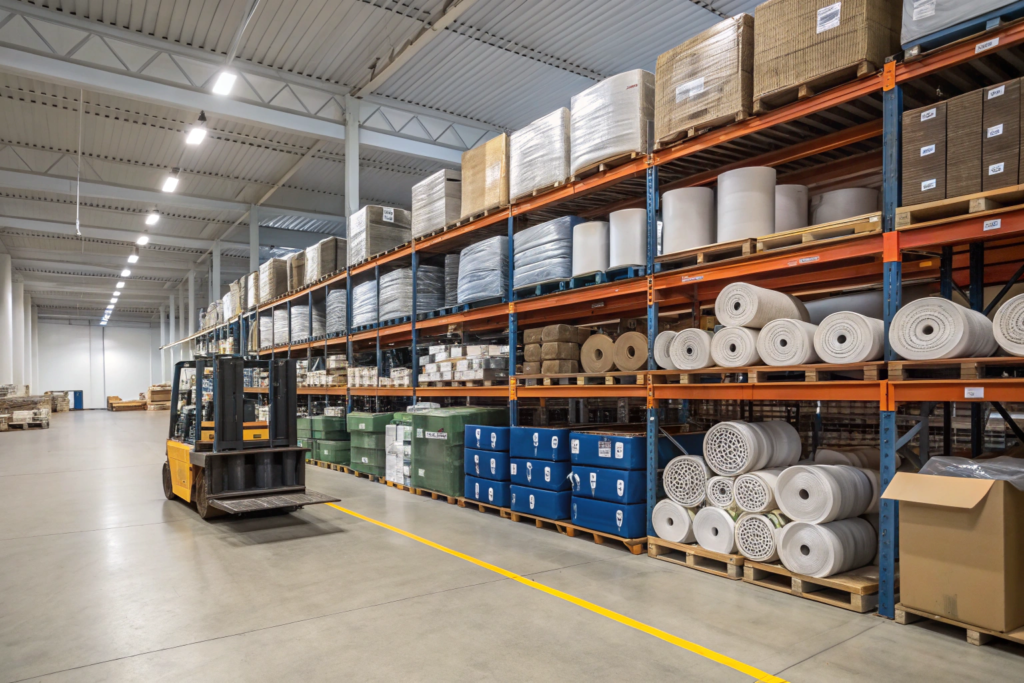
Spot buying is buying what you need when you need it. You go to a supplier and buy a small quantity. The price is higher. The availability is uncertain. Bulk material orders are different. You commit to a large quantity. You negotiate a price. You secure the material. The lead time is longer. But the cost per unit is lower. For small batches, spot buying is fine. For large volumes, bulk orders are essential. You cannot spot buy 100,000 yards of fabric. It does not exist on a shelf. It needs to be produced. A good supplier will help you make this transition. They will help you forecast. They will help you place bulk orders. They will help you manage the lead times.
How Do You Manage Lead Times for Custom Materials?
Custom materials add complexity. If you have a custom color or custom fabric, the lead time is longer. The mill needs to produce the material. For a small batch, you might use a standard color. For a large volume, you may want a custom color to match your brand. You need to plan. You need to place the material order early. You need to allow time for production and shipping. A good manufacturing partner will give you realistic lead times. They will tell you, "If you want a custom color, we need 90 days." They will help you plan your production schedule around these lead times. This is part of our material sourcing service.
How Do Production Processes Change for Large Volumes?
A small batch can be made by hand. One worker can assemble 100 belts in a day. They can use hand tools. They can work slowly and carefully. A large volume cannot be made by hand. You need machines. You need jigs. You need production lines. I have seen clients who thought they could scale up by just adding more workers. They did not understand that manual processes do not scale linearly. Adding more workers introduces variability. Quality suffers.
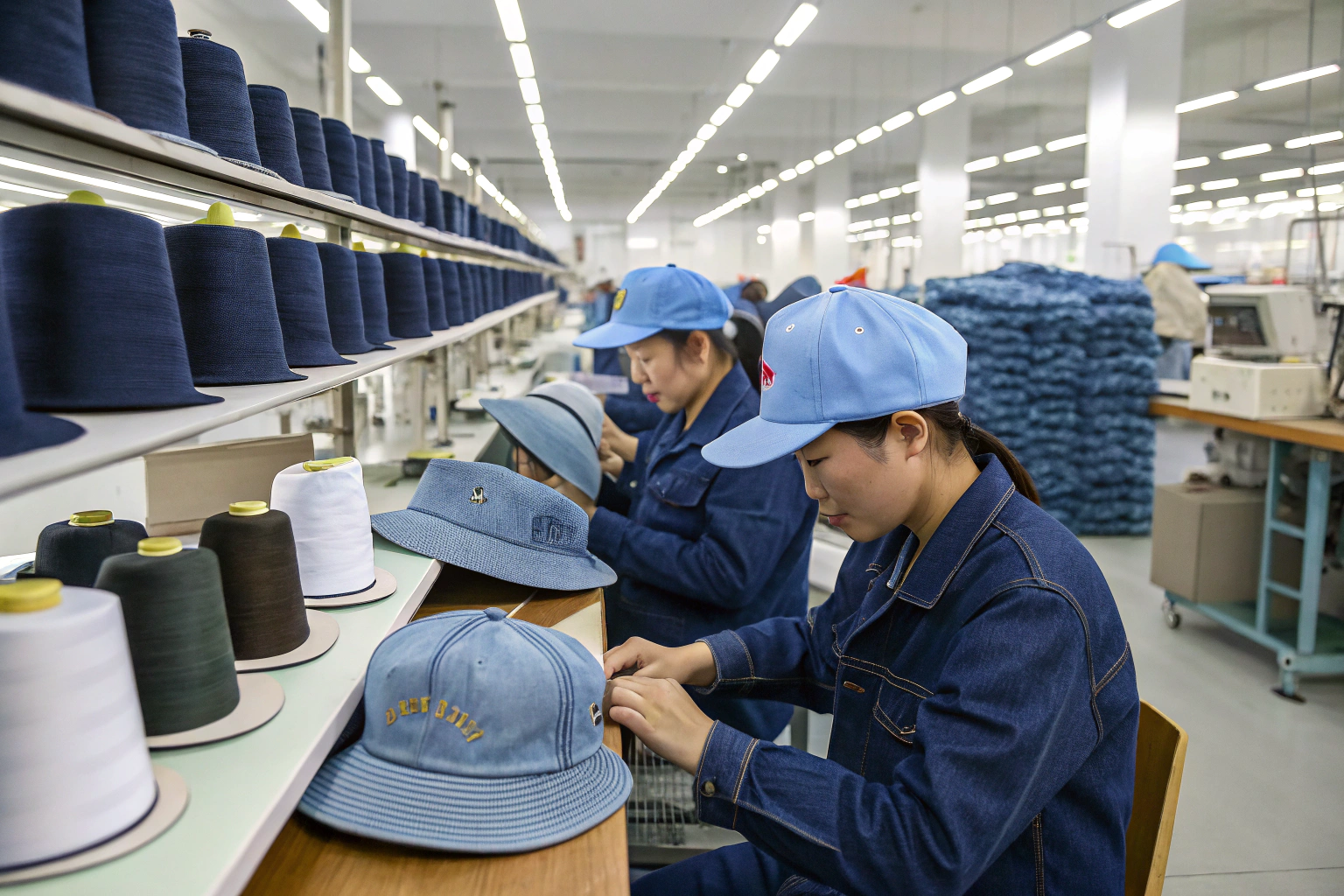
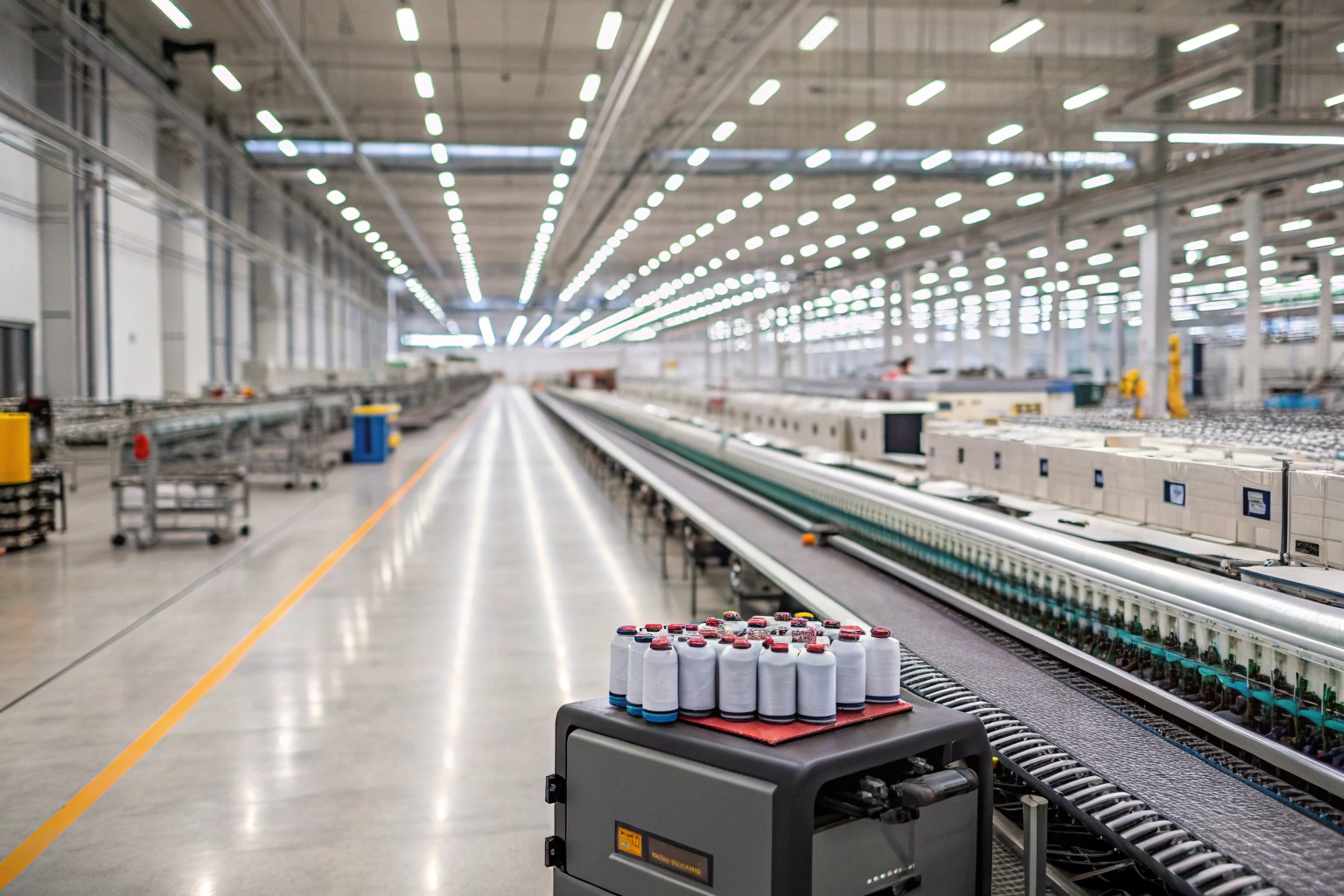
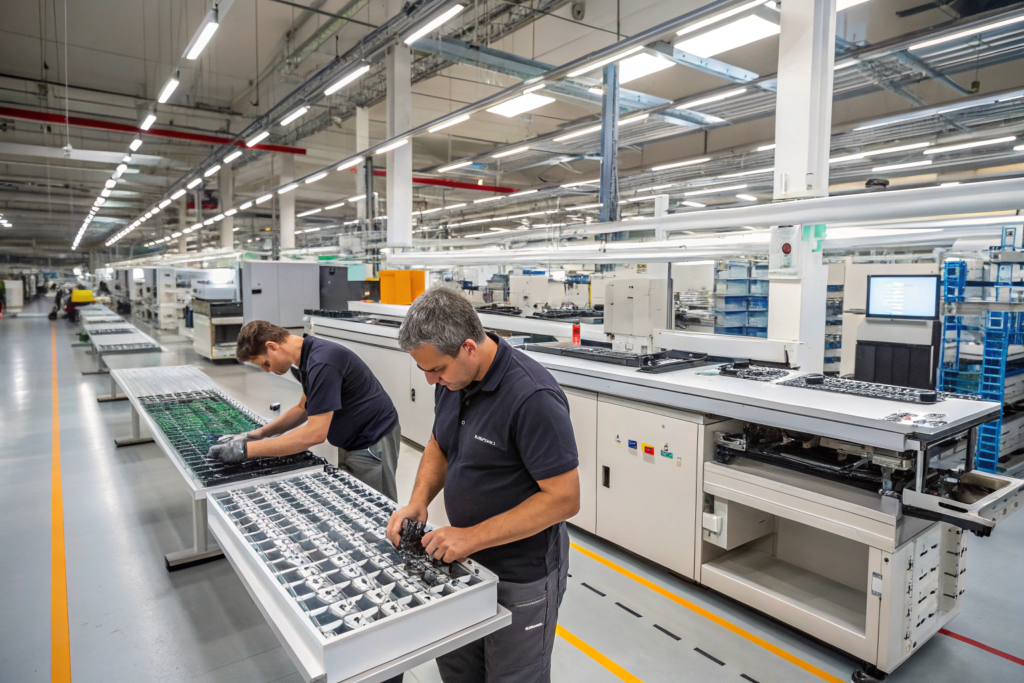
Production processes change significantly when scaling up. For small batches, you can use manual processes. One worker can handle multiple steps. For large volumes, you need to implement production lines. Each worker focuses on a single step. You need to use jigs and fixtures to ensure consistency. You may need to invest in automated or semi-automated equipment. You need to balance the line so that all steps work at the same speed. You need to plan the workflow to minimize movement and waiting. These changes allow you to produce large volumes efficiently and consistently. A good manufacturing partner will have the flexibility to switch between manual and automated processes depending on the order size.
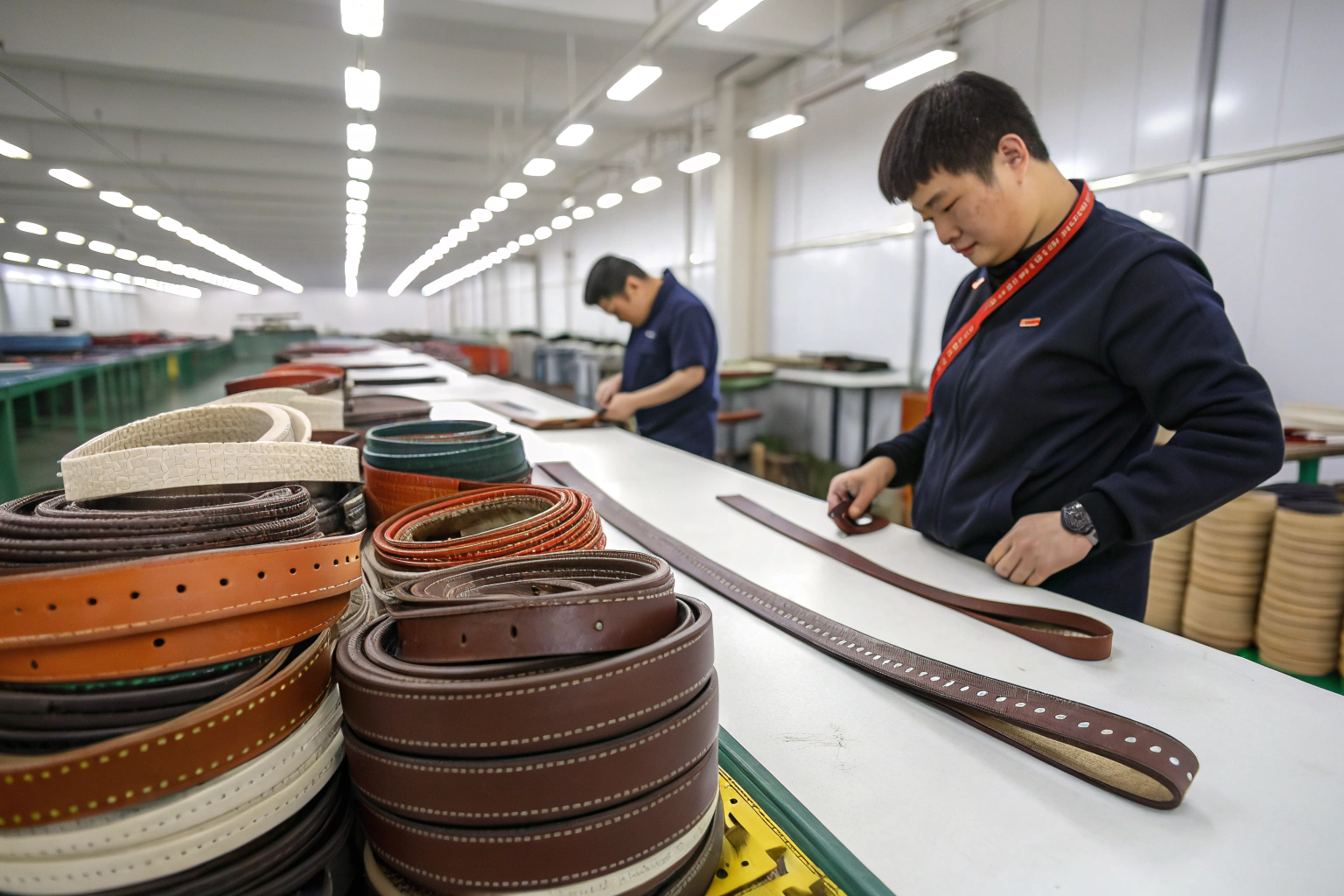
I remember when we first started using assembly lines for belts. For small batches, one worker would cut the leather, punch the holes, attach the buckle, and pack the belt. For large volumes, we created a line. One worker cut the leather. Another punched the holes. Another attached the buckle. Another packed the belts. The line was balanced. Each worker did one thing. The speed increased. The quality improved because each worker specialized. This change was essential for scaling.
What Is the Role of Jigs and Fixtures in Scaling?
Jigs and fixtures are tools that hold parts in place. They ensure consistency. For a small batch, a worker can measure each belt by eye. For a large volume, you need a jig. The worker places the belt in the jig. The jig ensures the holes are in the same place every time. The buckle is attached at the same spot. This consistency is essential for quality at scale. Jigs and fixtures also speed up production. The worker does not need to measure. They just place the part and perform the operation. We use jigs and fixtures for all our large volume production. They are part of our manufacturing process.
How Do You Balance Production Lines for Large Volumes?
Balancing a production line means making sure each step takes the same amount of time. If one step is slower, it becomes a bottleneck. The other workers wait. If one step is faster, it creates excess inventory. You need to analyze the cycle time for each step. You may need to add more workers to a slow step. You may need to invest in equipment to speed it up. You may need to split a complex step into simpler steps. Balancing the line is essential for efficiency. We use time studies to balance our lines. We adjust as needed. This ensures that our large volume orders move smoothly through production.
How Does Quality Control Evolve with Scale?
For a small batch, you can inspect every piece. You can check each belt. You can look at each hair clip. For a large volume, you cannot inspect every piece. It would take too long. It would cost too much. You need a different approach. You need statistical sampling. You need to inspect a sample and infer the quality of the whole batch. I have seen clients who were uncomfortable with this. They wanted 100% inspection. I had to explain that it is not practical for large volumes. But I also had to show them that statistical sampling can be just as effective.
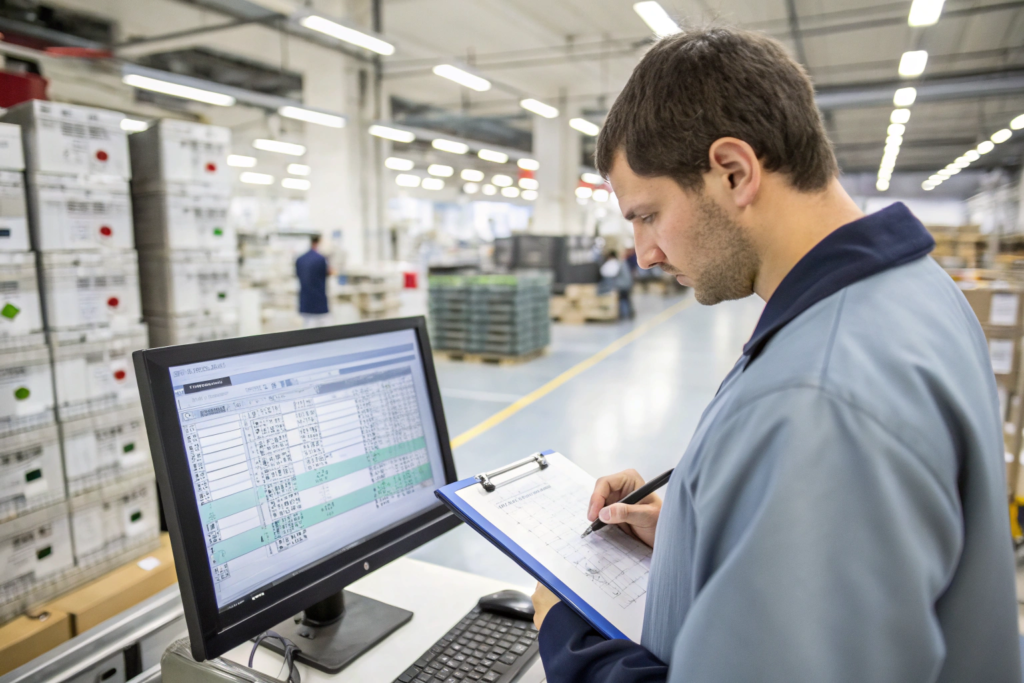
Quality control evolves from 100% inspection for small batches to statistical sampling for large volumes. For small batches, you can inspect every piece. This ensures perfect quality. For large volumes, you use AQL sampling. AQL, or Acceptable Quality Limit, is a statistical method. You inspect a sample of the batch. The sample size is based on the batch size. You count the defects. If the defect count is below the acceptable level, the batch passes. If it is above, the batch is rejected. This system is efficient and reliable. It is used by manufacturers worldwide. A good manufacturing partner will have a documented AQL plan. They will provide you with inspection reports. They will also continue to do 100% inspection for critical quality attributes.
I want to explain how we use AQL. For a batch of 10,000 belts, we might inspect 200 belts. We check them against our quality standards. We count the defects. If there are 5 minor defects, the batch passes. If there are 10 minor defects, we might do a second inspection. If there are too many defects, we reject the batch. This system is efficient. It catches quality issues. It also allows us to produce large volumes without 100% inspection. We also do 100% inspection for critical attributes. For example, every buckle is checked for proper function. This combination ensures quality.
What Is AQL and How Does It Work?
AQL stands for Acceptable Quality Limit. It is a statistical method for quality inspection. You determine the batch size. You select a sample size based on an AQL table. You inspect the sample. You count the defects. You compare the defect count to the acceptable level. If the defect count is below the level, the batch passes. If it is above, the batch is rejected. There are different AQL levels for different types of defects. Critical defects are never acceptable. Major defects have a low AQL. Minor defects have a higher AQL. This system is standard in manufacturing. We use AQL for all our large volume quality control.
How Do You Maintain Consistency Across Large Batches?
Consistency is about controlling the process. You need to ensure that the first belt in a batch is the same as the last belt. You do this through process control. You set up the line. You check the first piece. You check pieces at regular intervals. You adjust the process if needed. You use jigs and fixtures to ensure consistency. You train workers to perform the same steps the same way every time. You document the process. This is how you maintain consistency. We have standardized work instructions for every product. This ensures that large batches are consistent.
How Does Project Management Scale with Order Size?
For a small batch, project management is simple. One person can handle it. They talk to the client. They order materials. They schedule production. They arrange shipping. For a large volume, project management is complex. You need a dedicated project manager. They need to coordinate with multiple departments. They need to track material orders, production progress, and shipping. I have seen small suppliers fail at large orders because they did not have the project management systems. They lost track of details. Orders were late. Quality suffered.
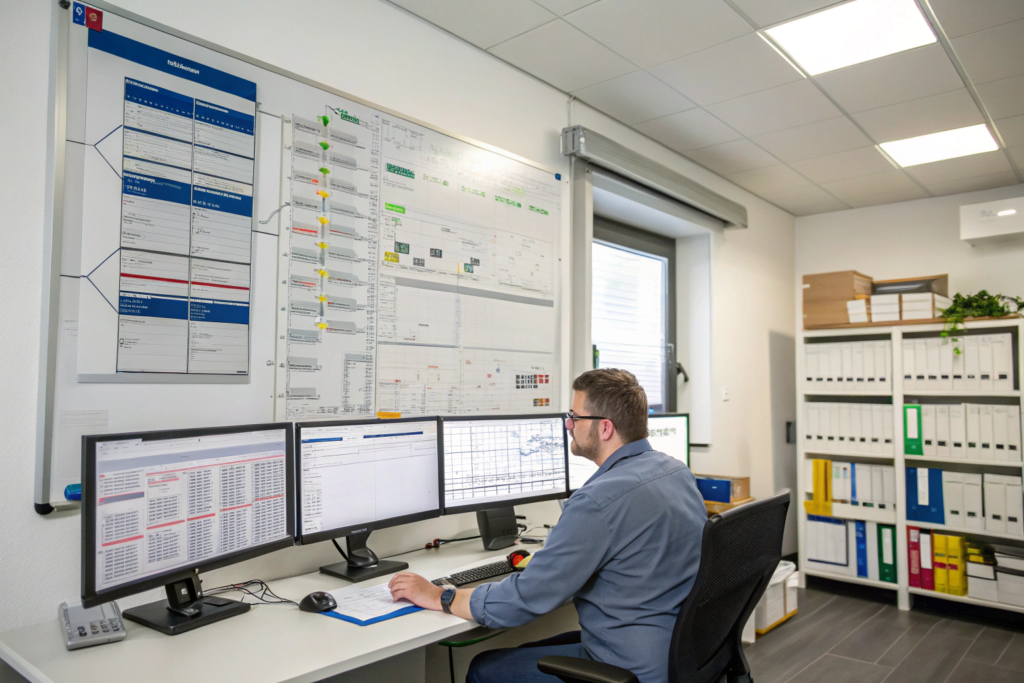
Project management scales from simple coordination for small batches to dedicated project management for large volumes. For small batches, a single person can manage the entire process. For large volumes, you need a dedicated project manager. They are the single point of contact for the client. They coordinate with material sourcing, production planning, quality control, and shipping. They track the order against a detailed timeline. They anticipate problems and solve them before they become crises. They provide regular updates to the client. This level of management ensures that large volume orders are delivered on time and to specification. A good manufacturing partner will assign a dedicated project manager to every large order.
I want to share how we manage large orders. When a client places a large volume order, we assign a project manager. This person owns the order. They create a timeline. They work with material sourcing to ensure materials are ordered. They work with production to schedule the line. They work with quality control to plan inspections. They communicate with the client weekly. They provide updates. If there is a delay, they tell the client immediately. They work to resolve it. This level of management gives our clients confidence. They know their order is being handled.
What Is the Role of a Dedicated Project Manager?
The dedicated project manager is the bridge between the client and the factory. They ensure that the client's requirements are understood. They ensure that the factory executes. They track progress. They solve problems. They communicate. For a small batch, the client might talk directly to the production supervisor. For a large volume, that does not work. There are too many details. The dedicated project manager handles the complexity. They free up the client to focus on their business. We assign dedicated project managers to all our large volume orders.
How Do You Create a Production Timeline for Large Orders?
A production timeline is a detailed schedule. It starts with material ordering. It includes material arrival, production start, production finish, quality control, packing, and shipping. It includes buffer time for unexpected delays. It is shared with the client. It is updated as the order progresses. Creating a realistic timeline requires experience. You need to know material lead times. You need to know production rates. You need to know shipping schedules. A good project manager has this knowledge. They create timelines that are achievable. They manage to the timeline. This is how we deliver on time.
Conclusion
Scaling production from small batches to large volumes is a journey. It requires changes in material sourcing, production processes, quality control, and project management. It requires planning. It requires a partner who understands both small batch and large volume production.
At Shanghai Fumao, we have made this journey with hundreds of clients. We started as a small factory ourselves. We grew. We learned. We built systems. Today, we have the flexibility to handle small test orders and the capacity to handle large volume production. We have the material relationships to secure bulk materials. We have the production lines to produce efficiently. We have the quality systems to ensure consistency. We have the project managers to coordinate it all.
Your business will grow. Your orders will get larger. You need a supplier who can grow with you. You need a partner who understands the transition. We are that partner. Please contact our Business Director, Elaine, at elaine@fumaoclothing.com to discuss your production needs. Whether you are starting with a small test order or ready to scale up to large volumes, we have the systems and experience to support your growth.