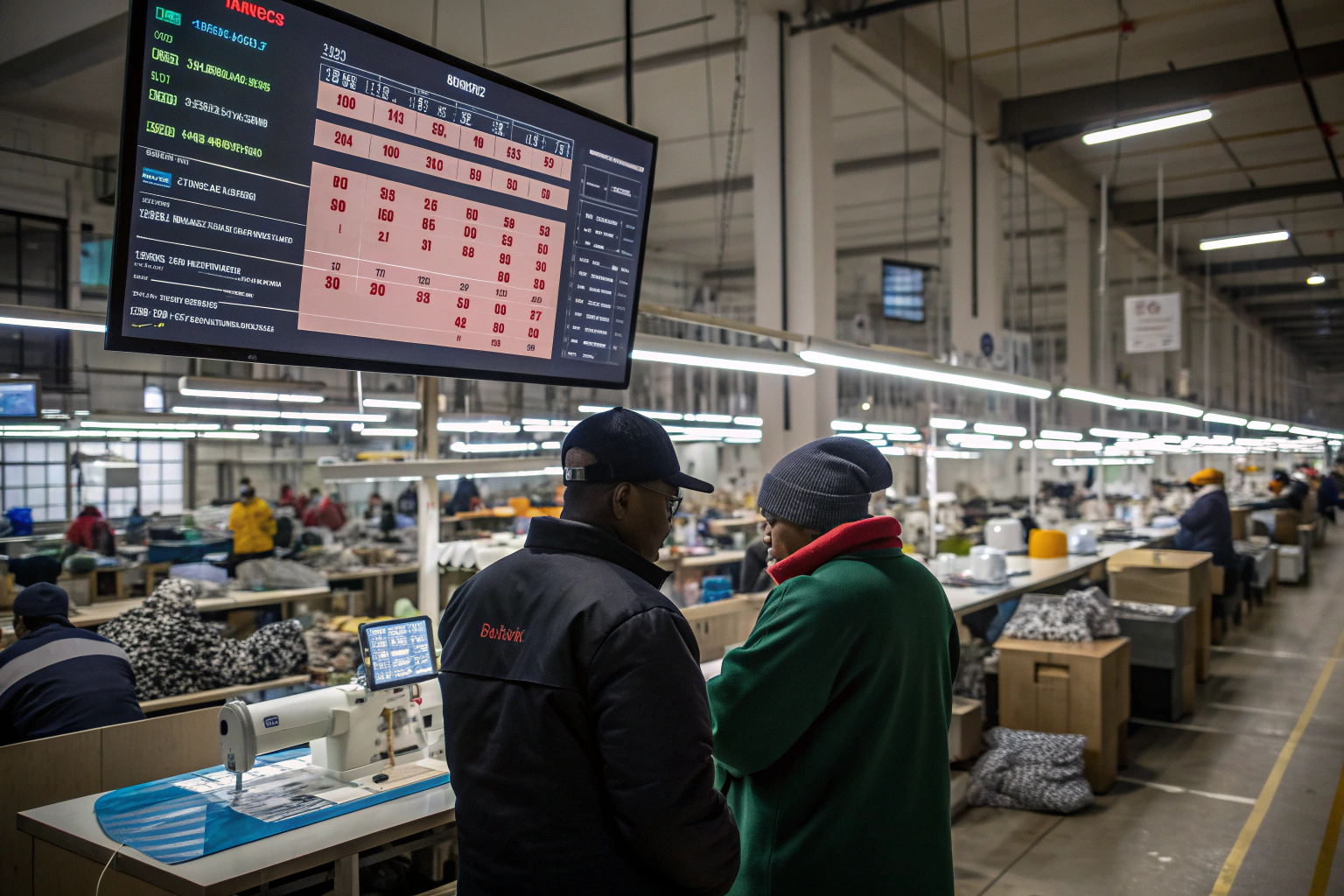
The calendar flips to August, and a familiar tension fills the air. The peak season is upon us. For brands, this is the golden quarter where sales goals are met and exceeded. For manufacturers like us, it's a high-stakes period of maximum capacity, tight deadlines, and immense pressure. You need your holiday collection of scarves, hats, and gloves delivered on time, but every other brand wants the same thing. You hear factories quoting longer lead times, and the anxiety starts to build. How do you secure the production slots you need without compromising on quality?
Successfully negotiating lead times during peak season is not about pressure tactics; it's about strategic planning, clear communication, and building a collaborative partnership with your supplier long before the rush begins. As the owner of Shanghai Fumao Clothing, I've navigated countless peak seasons. I can tell you that the brands who get their products on time are not the ones who shout the loudest. They are the ones who work with us, understanding that a successful negotiation is a win-win outcome, not a zero-sum game.
This guide will pull back the curtain on how factories operate during these critical months and provide you with a playbook for negotiating lead times effectively. It’s about shifting your mindset from a simple transaction to a strategic alliance. Let's ensure your peak season is profitable, not painful.
Why is Early Planning Your Strongest Negotiation Tool?
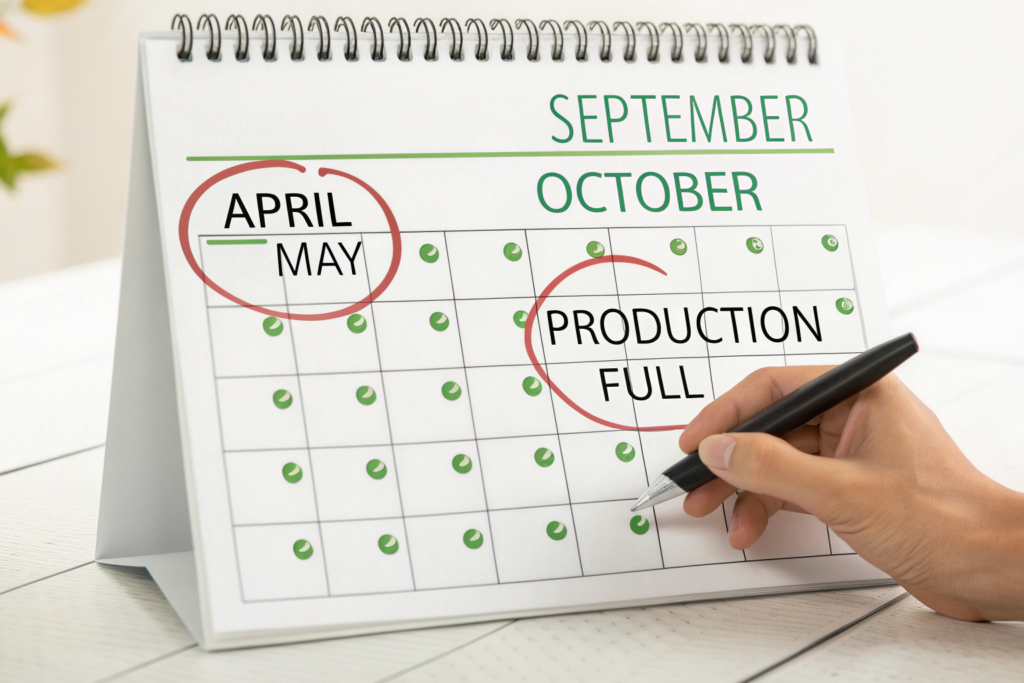
Many brands start thinking about holiday production in late summer, but by then, they're already behind. When you approach a factory in September asking for an October delivery, what do you think their production schedule looks like? It's already full. The most powerful position in any negotiation is having options, and time gives you options.
The brands that get the best lead times are those who start the conversation with us in the spring. They understand that peak season capacity is a finite resource. By planning months in advance, you are not asking for a favor; you are booking your rightful place in the queue. This proactive approach allows us to reserve production lines, pre-order raw materials, and allocate labor specifically for your orders. It transforms the negotiation from a desperate plea into a calm, logistical discussion.
This foresight is the single most significant factor in a successful peak season. It demonstrates professionalism and allows us to serve you better. Let's break down what "early planning" looks like in practice and how it directly impacts your leverage. This strategic foresight is the foundation upon which all other production steps, like a thorough sample evaluation, are built.
What is a Production Forecast and Why is it Crucial?
A production forecast is a non-binding estimate of the products you plan to order for the upcoming season. Share this with your supplier as early as March or April. It should include estimated quantities, product types (e.g., 10,000 knit hats, 5,000 scarves), and your desired delivery window. This isn't a firm purchase order, but it's an invaluable tool for us. It allows us to anticipate your needs and start a dialogue about capacity. A brand that provides a forecast is a brand we take seriously. This practice is a cornerstone of effective supply chain management and helps us manage our resources efficiently.
How Does Early Material Sourcing Secure Your Spot?
Once your designs are nearly finalized (ideally by June), you can authorize your supplier to pre-purchase "long lead time" raw materials, like custom-dyed yarn or specially printed fabrics. This has two huge benefits. First, it ensures the materials are ready and waiting, cutting down the final production time significantly. Second, by placing a deposit on these materials, you are financially committing to the order, which gives us the confidence to officially reserve a production line for you. This action speaks louder than any email and is a tangible step in securing your production slot. This is a key strategy in mitigating risks within the procurement process.
How Can Simplifying Your Order Accelerate Production?
During peak season, complexity is the enemy of speed. Every unique component, every additional color, and every complex design feature adds time and increases the risk of delays. When capacity is stretched thin, the most efficient orders are naturally the ones that move through the production line the fastest.
If you find yourself in a tight spot, strategically simplifying your order can be a powerful negotiation tactic. This doesn't mean compromising your brand's vision, but rather being flexible on non-essential details. By offering to streamline your order, you are helping the factory optimize its workflow, which in turn allows them to offer you a faster lead time. It shows that you understand the operational realities of manufacturing and are willing to be a pragmatic partner.
This is a collaborative approach to problem-solving. Instead of just asking "Can you do it faster?", you are asking "How can we work together to make this faster?". Let's look at specific, actionable ways you can simplify an order to speed up the process. This is directly related to the initial design phase, where choices about materials and construction have a direct impact on production speed.

Can You Reduce the Number of SKUs or Colors?
Consolidating your order can have a huge impact. Instead of ordering 10 different hat styles with 1,000 units each, could you order 5 styles with 2,000 units each? Reducing the number of unique SKUs (Stock Keeping Units) means fewer machine changeovers and less time spent setting up different production lines. Similarly, reducing the number of custom colors in your order minimizes the time spent on lab dips and dye lot management. For example, using a high-quality, in-stock black yarn instead of a custom-dyed "midnight" black can shave weeks off your timeline. This is a practical application of the 80/20 principle in production planning.
Are There Any Non-Essential Embellishments You Can Modify?
Take a critical look at your design. Is there a custom-molded zipper pull that could be replaced with a high-quality stock option? Is there a complex embroidery that could be simplified or replaced with a print? Every custom component has its own supply chain and lead time. During peak season, a delay from a single, tiny component supplier can hold up your entire order. By being flexible on these non-core design elements, you can eliminate potential bottlenecks. This requires a deep understanding of your product's bill of materials (BOM) and identifying the items with the longest lead times.
What Financial Incentives Can You Offer?
In any business relationship, money talks. While factories want to help all their clients, they are also running a business. During peak season, when demand outstrips supply, a brand that can offer financial incentives will naturally gain a competitive edge. This isn't about bribing your way to the front of the line; it's about using financial tools to de-risk the process for your supplier and demonstrate your commitment.
Offering favorable payment terms is a powerful yet often overlooked negotiation lever. A factory's biggest concern during peak season is cash flow. They are spending huge amounts of money on raw materials and labor upfront. A client who helps alleviate this financial pressure becomes a highly valued partner. This gesture shows that you understand their business challenges and are invested in a mutually beneficial relationship.
This financial partnership can be more persuasive than any demand for a faster timeline. Let's explore specific payment strategies that can make you a priority client. This approach complements other strategies, like ensuring your packaging and labeling are finalized early to prevent last-minute delays.

How Does a Larger Upfront Deposit Help?
The standard payment term in the industry is often a 30% deposit upon order confirmation and 70% upon completion or shipment. Consider offering a 50% or even 60% upfront deposit. This significantly reduces the factory's financial risk and provides them with the working capital needed to purchase all materials without strain. This frees up their cash flow to run their operations smoothly, making them more efficient and more appreciative of your business. This is a powerful signal that your order is firm and you are a serious, reliable partner. This is a common strategy in trade finance.
What is an "Early Payment Discount" in Reverse?
Instead of asking for a discount for paying early, you can offer to pay the final balance before the goods ship. For example, you could offer to pay the final 70% balance as soon as the goods pass their final inspection, rather than waiting for the bill of lading. This can be a huge incentive for the factory. Knowing that the final payment is secure allows them to close their books on your order and focus entirely on the next one. You could frame it as: "If you can guarantee shipment by October 15th, we will guarantee payment in full by October 10th." This creates a powerful, mutually beneficial incentive. This creative approach to payment terms can set you apart from other buyers.
Why is a Strong Relationship Your Ultimate Advantage?
Imagine two brands. Brand A only communicates when they need a quote or want to complain about a delay. Brand B communicates regularly, provides forecasts, gives clear feedback, and pays on time. When both brands call on the same day during the peak season asking for a favor, who do you think the factory owner will bend over backward to help?
Your long-term relationship with your supplier is your ultimate trump card in any negotiation. A supplier is not a vending machine; it's a business run by people. When you have a history of being a fair, reasonable, and reliable partner, you build a bank of goodwill. During the chaos of peak season, this goodwill is the currency that gets things done. We will always prioritize the clients who have treated us as partners over those who have treated us as a disposable commodity.
This relationship is built brick by brick, through every interaction you have. It's the most valuable asset in your supply chain, and it's what turns a stressful negotiation into a collaborative problem-solving session. Let's discuss how to actively cultivate this relationship. This is the human element that underpins all the technical processes, including finding the right partner for premium goods.

How Does Clear and Consistent Communication Build Trust?
Keep your supplier in the loop, even when you don't need something. Share good news, like positive customer feedback on a previous collection. Give them a heads-up about your future plans. When there is a problem, communicate it clearly and calmly, focusing on solutions, not blame. A simple "Thank you for your hard work on our last order, it was a great success for us" goes a long way. This kind of professional business communication builds a foundation of mutual respect.
Why Should You Consolidate Your Orders with Fewer, Better Suppliers?
Instead of spreading your orders thinly across ten different factories, try to build a deep relationship with two or three key partners. By consolidating your volume, you become a more significant and important client to those suppliers. This increases their dependency on you, just as you are dependent on them, creating a true partnership. When you are a top 3 client for a factory, you have their full attention. They will be more willing to invest in your success and will fight harder to meet your needs during the critical peak season. This is a classic strategy for building a resilient and strategic supply chain.
Conclusion
Navigating lead time negotiations during peak season is a masterclass in strategic partnership. It's a test of your planning, communication, and relationship-building skills. The brands that thrive are those who move beyond a transactional mindset. They win by planning meticulously far in advance, by being flexible and collaborative in their designs, by using financial incentives smartly, and above all, by cultivating a strong, respectful, long-term relationship with their manufacturing partners.
Remember, your supplier's success is your success. By working together, you can transform the annual stress of peak season into a smooth, predictable, and highly profitable period for your brand.
We pride ourselves on building these kinds of lasting partnerships. If you are looking for a supplier who values collaboration and strategic planning, we would be honored to discuss how we can help you succeed, not just during peak season, but all year round. Please feel free to contact our Business Director, Elaine, at her email: elaine@fumaoclothing.com.