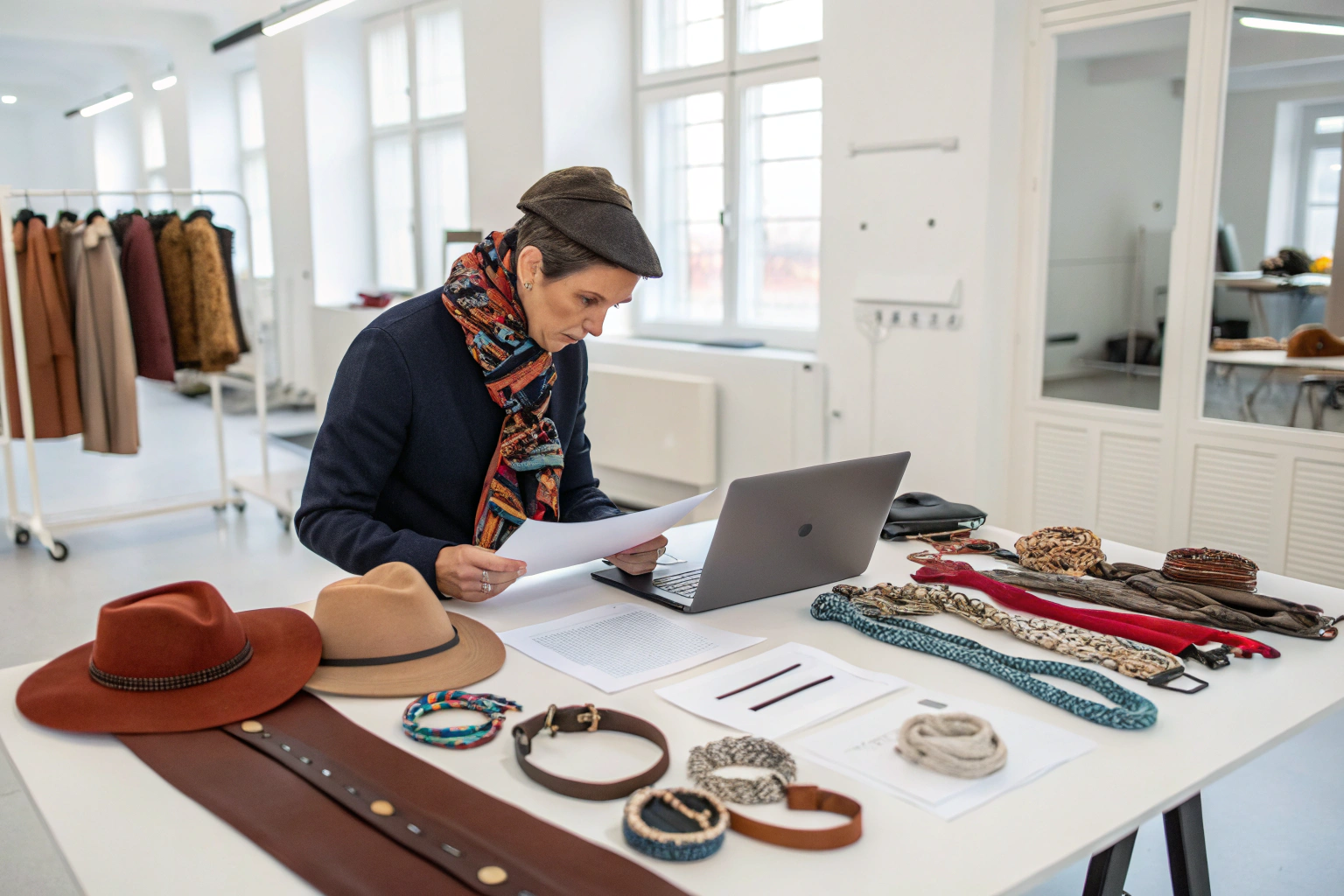
I have been manufacturing accessories for over 15 years. In that time, I have seen many brands develop multiple styles at once. A new collection. A seasonal line. A range of colors. The sample costs can be overwhelming. I remember a client who wanted to develop 50 new hair clips. She had a budget. She did not realize that sample costs would add up. Each style needed a sample. Each sample cost money. She was shocked. She had to cut her line. That experience taught me that sample costs must be managed. Today, I want to share how to manage sample costs when developing multiple accessory styles.
Managing sample costs when developing multiple accessory styles requires strategic planning: prioritizing styles, using modular design, leveraging 3D sampling, consolidating sample runs, negotiating with suppliers, and reusing components. Prioritize your styles. Focus on best-sellers first. Use modular design. Create a base that can be customized. Use 3D sampling for initial iterations. It is cheaper than physical samples. Consolidate sample runs. Produce multiple samples at once. Negotiate with suppliers. Ask for discounts on sample fees for volume. Reuse components. Use the same buckle for multiple belt styles. These strategies can reduce sample costs by 30% to 50%.
You might be thinking, "I need samples to test my designs. I cannot skip them." You are right. Samples are essential. But you can manage the costs. You do not have to pay full price for every sample. At AceAccessory, we have helped clients develop hundreds of styles. We have learned how to keep sample costs under control. Let me walk you through the strategies.
How Do You Prioritize Which Styles to Sample First?
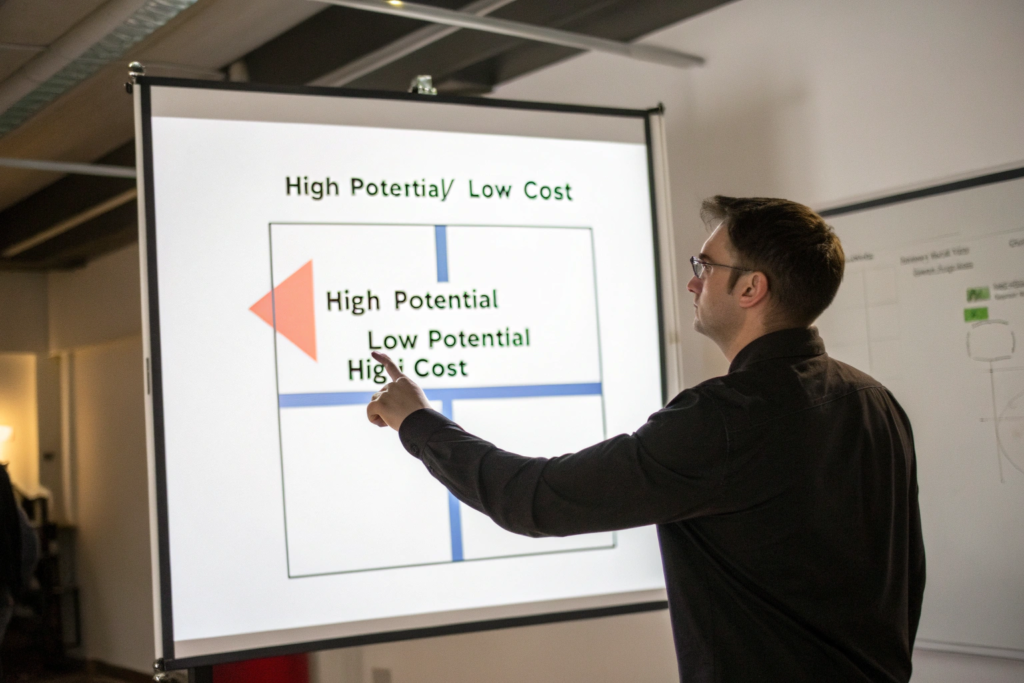
You cannot sample every style at once. You need to prioritize. I have learned to use a simple matrix. It balances potential and cost.
Prioritizing which styles to sample first involves evaluating each style's potential and sample cost. Use a simple matrix. High potential and low cost: sample first. These are your winners. High potential and high cost: sample second. But look for ways to reduce cost. Low potential and low cost: sample third. But be selective. Low potential and high cost: do not sample. Cut these styles. This matrix helps you focus your sample budget on styles that are most likely to succeed. It prevents waste.
I want to share a story about prioritization. A client had 30 belt styles. She wanted to sample all of them. We used the matrix. She identified 10 as high potential and low cost. She sampled those first. Five sold well. She then sampled the next tier. She saved thousands in sample costs.
How Do You Estimate Sample Costs?
Ask your supplier. Each sample has a cost. For simple items like hair clips, samples may be $20 to $50. For complex items like bags, samples may be $200 to $500. Factor in shipping. Factor in revisions. Get a quote. We provide sample cost estimates upfront.
How Do You Evaluate Potential?
Dive into the annals of past sales, where numbers whisper tales of what resonated before. If a similar style once danced its way to the top of the sales charts, glowing with the warmth of satisfied customers and overflowing inventory, it carries a spark of high potential, a proven path lit by history. Scrutinize the ever-shifting tides of trends, those invisible currents that sweep through markets and hearts alike. If the style you’re considering is riding the crest of a wave, a trend that hums with the energy of social media buzz, fashion forecasts, and eager anticipation, it pulses with high potential, a promise of relevance and desire.
How Does Modular Design Reduce Sample Costs?
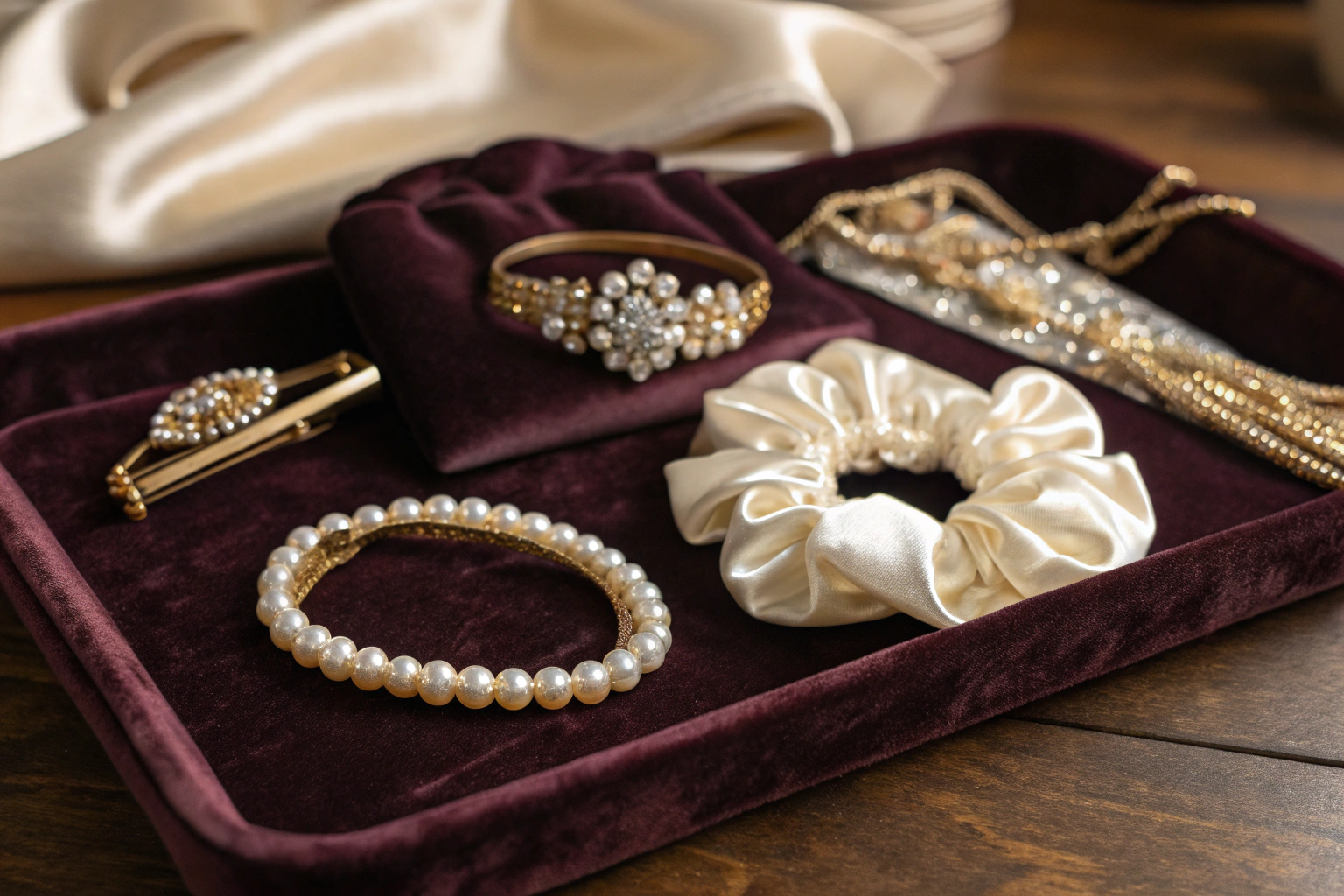
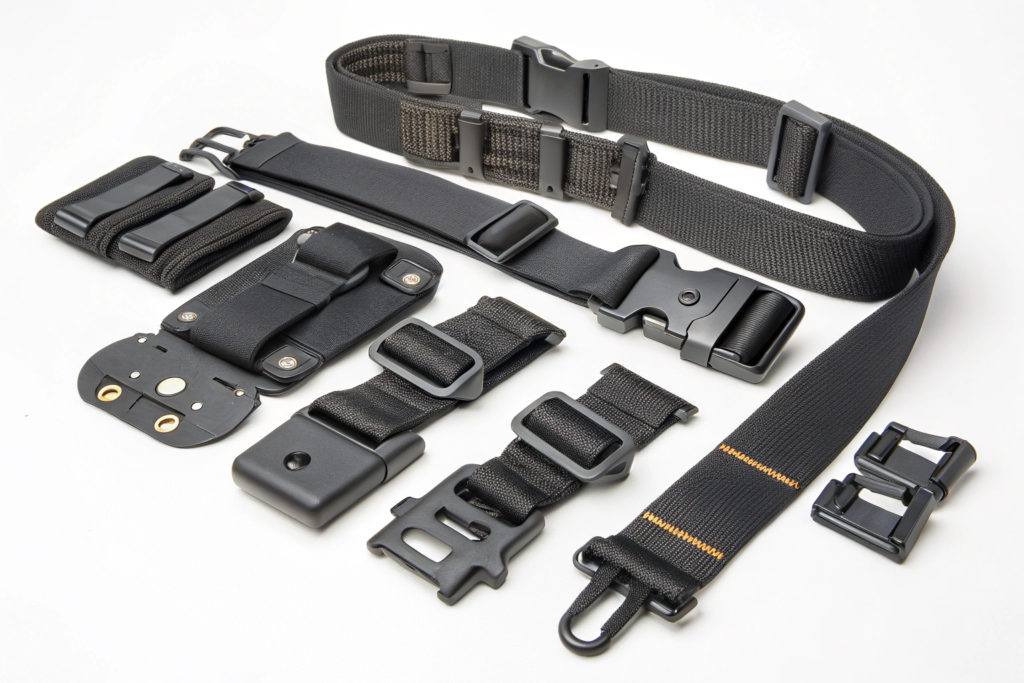
Modular design is a powerful tool. You create a base. Then you add variations. For belts, you might have one strap and multiple buckles. For hair clips, you might have one base and multiple decorations. I have used this to reduce sample costs significantly.
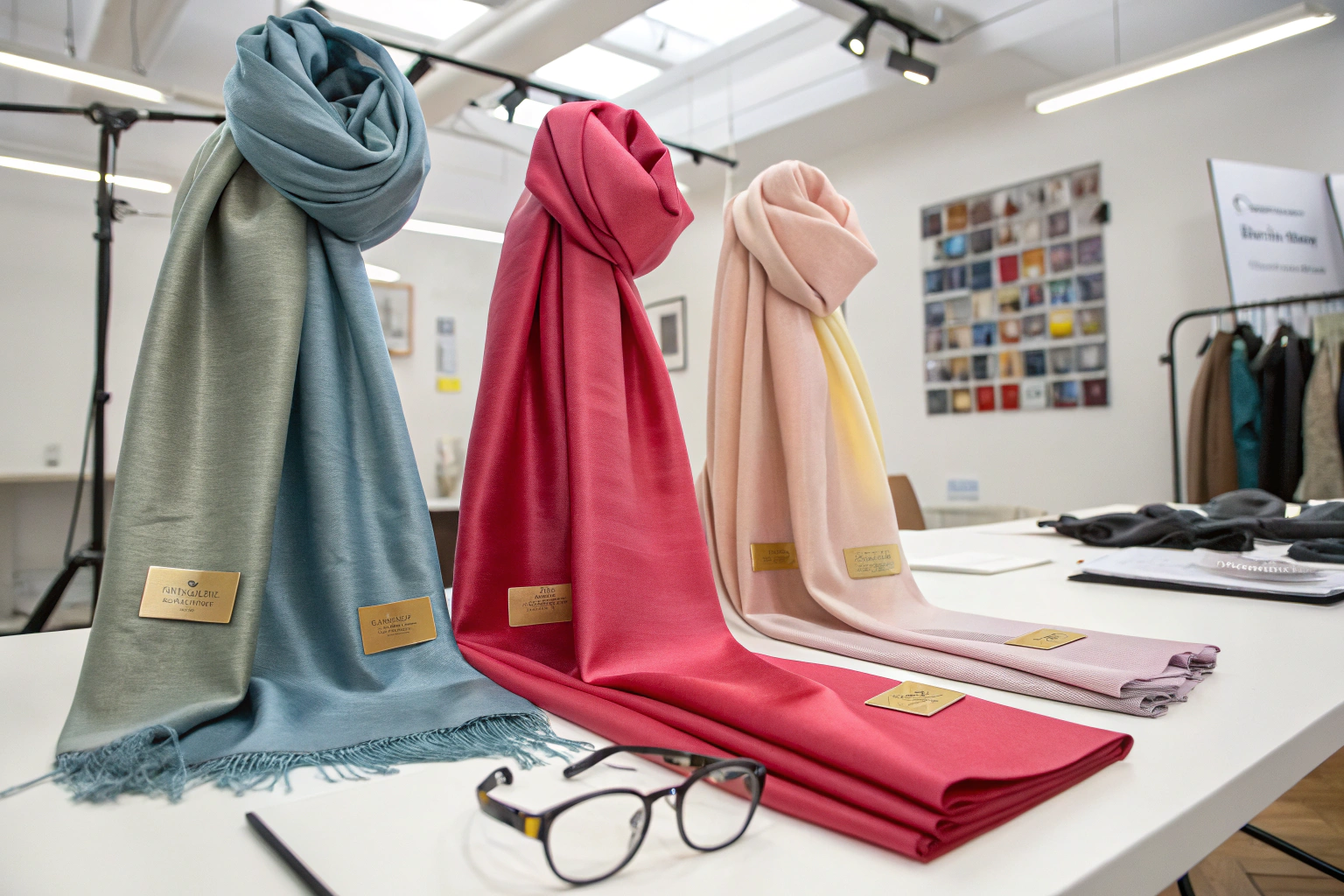
Modular design reduces sample costs by reusing common components. Instead of sampling 10 complete belt styles, sample one strap and 10 buckles. The strap is the same. The buckles change. This reduces the number of unique samples. For hair clips, sample one clip base and 10 decorations. The base is the same. The decorations change. For scarves, sample one shape and 10 prints. The shape is the same. The print changes. Modular design reduces the number of samples you need. It also reduces production costs later.
I want to share a story about modular design. A client wanted 20 hair clip styles. We designed one clip base. We made 20 different flowers. The base was sampled once. The flowers were sampled as small attachments. The sample cost was 70% less than sampling 20 complete clips. The client was thrilled.
What Components Can Be Modular?
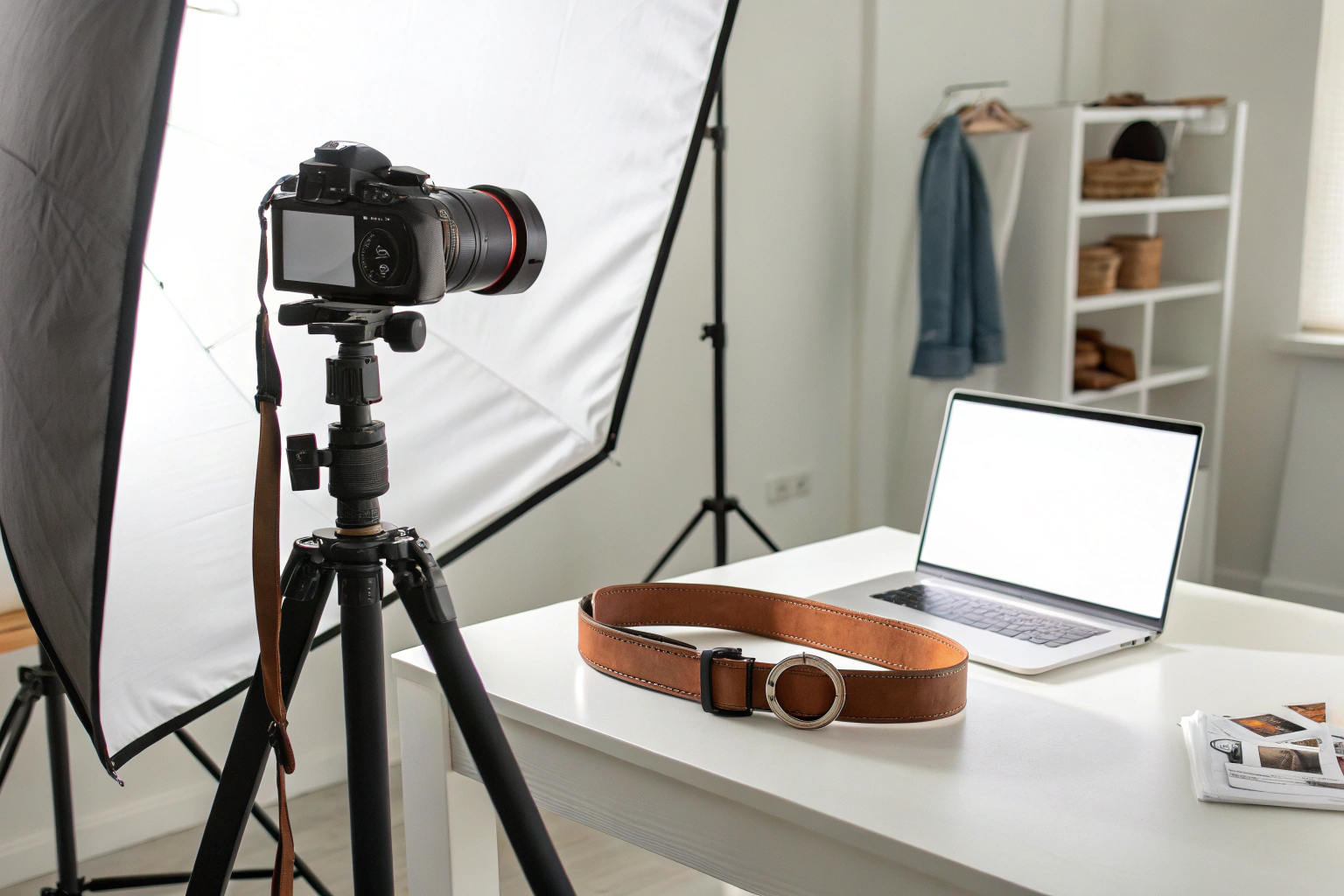
For belts: strap and buckle. The strap, a supple ribbon of leather or fabric, should be sampled once—feel its texture, the way it bends and conforms to the curve of a waist, the subtle sheen of its surface catching light. But the buckle, that small but mighty adornment, demands multiple samples: each one a unique story, from the cold, polished gleam of metal to the warm, earthy patina of aged brass, from intricate engravings that tell tales to minimalist designs that speak volumes in simplicity. For hair clips: base and decoration. The base, the sturdy foundation that grips and holds, is best sampled once—test its grip, the smoothness of its edges against delicate hair, the weight that balances without pulling.
How Do You Ensure Modular Components Fit Together?
Design with standards. The buckle attachment must be the same for all buckles. The clip base must be the same for all decorations. Create a specification. Test the fit. We have modular design guidelines for clients.
How Does 3D Sampling Reduce Costs?
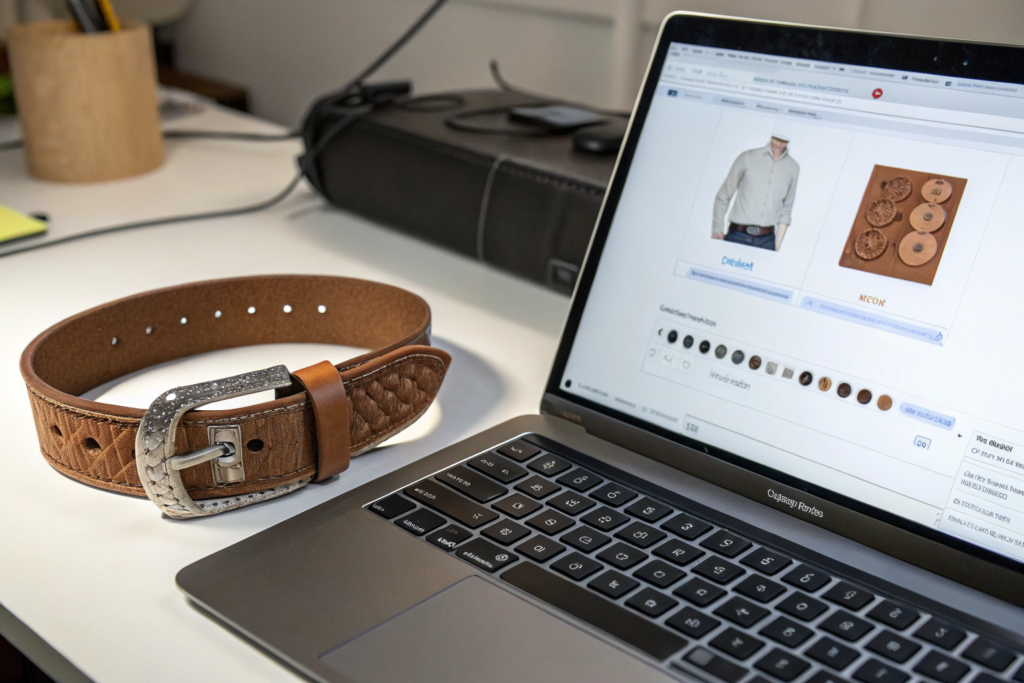
3D sampling is a game-changer. You can see the design on screen. You can change colors. You can change materials. All without making a physical sample. I have used 3D sampling to reduce sample costs by 50%.
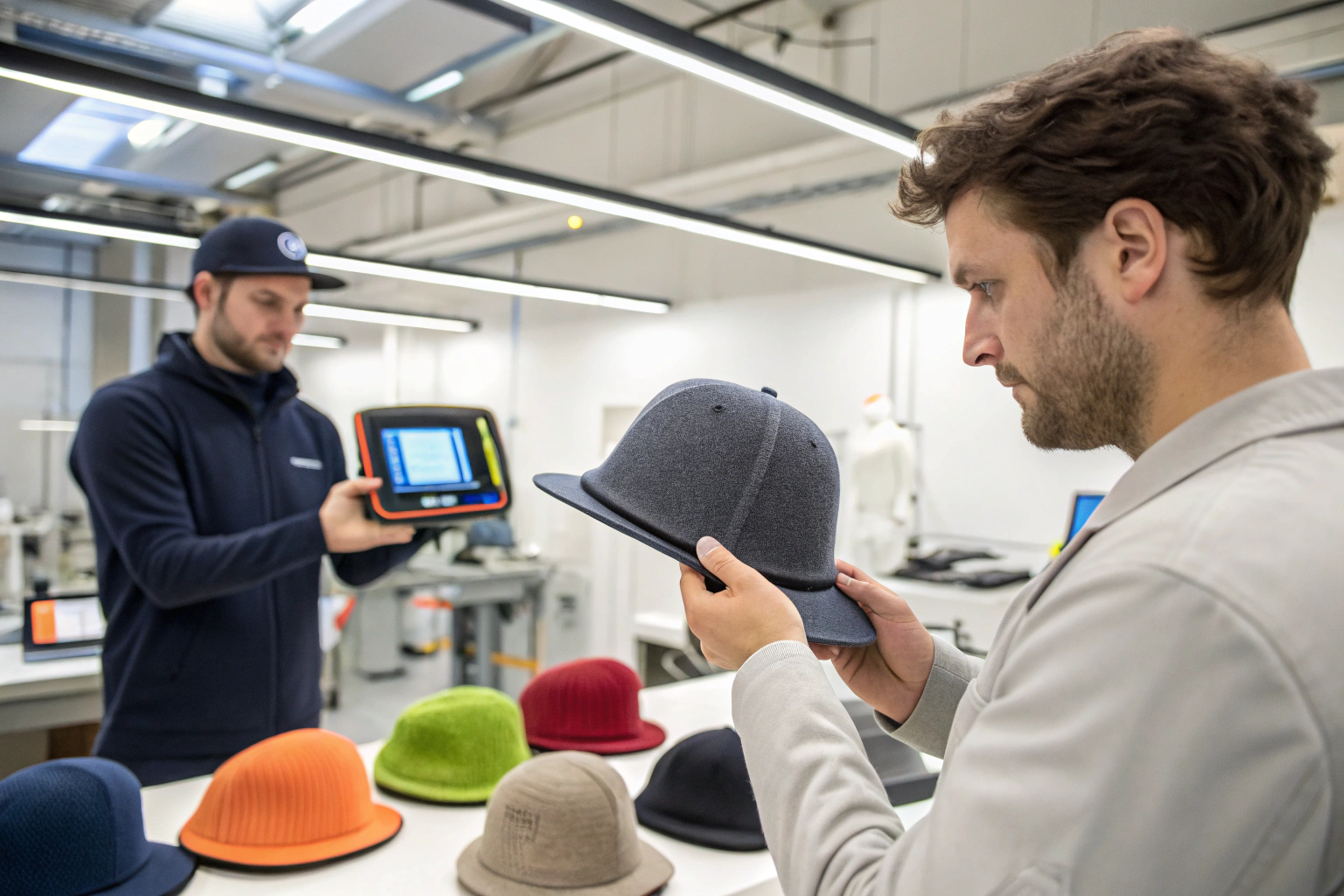
3D sampling reduces costs by eliminating physical samples in the early stages. You create a 3D model. You render it with realistic materials. You review it on screen. You make changes digitally. Only when the design is finalized do you make a physical sample. This reduces the number of physical samples. For multiple styles, you can create 3D models of all styles. You can review them. You can select the best ones. Then you make physical samples only for those. 3D sampling is faster and cheaper.
I want to share a story about 3D sampling. A client wanted to develop 50 scarf prints. We created 3D models of all 50. She reviewed them on screen. She selected 20. We made physical samples of those 20. She saved 60% on sample costs. The 3D models were enough to make the initial decision.
What Is the Cost of 3D Sampling?
3D sampling has a setup cost. You need software and skills. But for multiple styles, it is cheaper than physical samples. A 3D model might cost $50 to $200. A physical sample might cost $100 to $500. For 50 styles, 3D sampling is much cheaper. We offer 3D sampling services for clients.
How Realistic Are 3D Samples?
Modern 3D rendering breathes life into digital creations with an astonishing level of realism that blurs the line between virtual and tangible. Every surface glistens with lifelike texture—whether it's the rough, grainy feel of wood, the smooth, cool sheen of polished metal, or the soft, velvety depth of fabric. Colors pop with vibrancy, rich and true, as if caught in the golden light of a well-lit studio, while subtle highlights dance across contours, mimicking the way real-world objects catch and reflect light. You can spin the product in your digital hands, tilting it to examine every curve, edge, and detail from any angle, as if holding it up to the light to inspect its craftsmanship.
How Do You Consolidate Sample Runs?
Making one sample is expensive. Making ten samples at once is cheaper per sample. The setup time is shared. I have learned to consolidate sample runs. Instead of sampling one style each week, sample ten styles in one week.
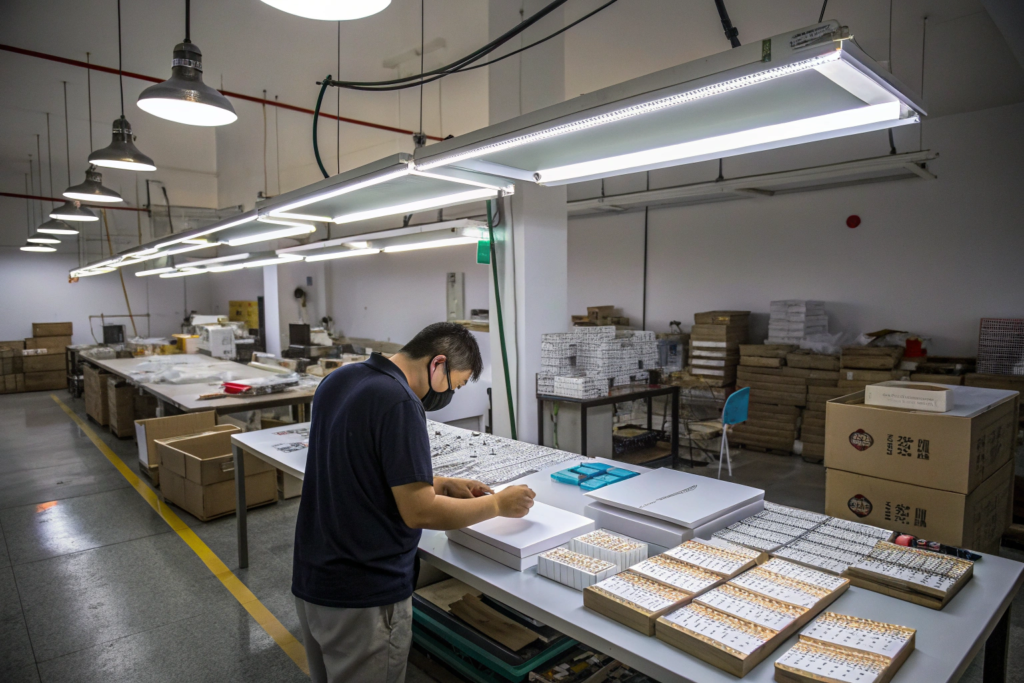
Consolidating sample runs reduces per-sample costs by sharing setup time. Each sample requires setup. The machine must be calibrated. The materials must be cut. The worker must be trained. If you make one sample, you pay for setup once. If you make ten samples at once, you pay for setup once for all ten. The per-sample cost is lower. Consolidate your sample requests. Send them together. Ask your supplier to run them in one batch. This reduces your sample costs by 20% to 40%.
I want to share a story about consolidation. A client wanted samples every week. Each sample cost $100. We suggested consolidating. He sent 10 sample requests at once. We ran them together. The cost per sample dropped to $70. He saved $300 on that batch.
How Many Samples Can Be Consolidated?
It depends on the supplier. Some can run 20 samples at once. Some can run 50. Ask your supplier. Plan your sample requests. Do not send them one by one. We accept consolidated sample orders for efficiency.
How Do You Coordinate Timing with Multiple Styles?
Create a sample plan. List all the styles you want to sample. Group them by material or process. Send them together. Set a deadline. Work with your supplier. We provide a sample planning template for clients.
Conclusion
Managing sample costs when developing multiple accessory styles is possible. The strategies are clear. Prioritize your styles. Focus on winners first. Use modular design. Reuse components. Use 3D sampling for initial review. Consolidate sample runs. Negotiate with your supplier. These strategies can reduce your sample costs by 30% to 50%. They allow you to test more ideas. They help you find your best-sellers.
At Shanghai Fumao, we are ready to help. We offer 3D sampling. We support modular design. We consolidate runs. We negotiate. We want you to succeed. Your next collection can be big. It does not have to break the bank. Let us help you manage the sample costs.
Please contact our Business Director, Elaine, at elaine@fumaoclothing.com to discuss your multiple-style development. We can help you create a sample plan that fits your budget.