I remember a client from a major US fashion brand. She came to me with a problem. Her customers loved her bags. But they complained about the weight. The bags looked great. But after a full day, shoulders hurt. She needed bags that felt light but still held their shape. We worked together for weeks. We tested materials. We changed construction methods. Finally, we found the perfect combination. She launched a new collection. It sold out in weeks. That is when I learned that lightweight and sturdy are not opposites. They can work together.
Making lightweight yet sturdy fashion bags requires the right material selection, smart construction techniques, and precise quality control. Materials like high-density nylon, polyester with reinforcement, and lightweight vegan leather offer strength without bulk. Construction methods like strategic stitching, reinforced stress points, and lightweight interlinings add durability. At AceAccessory, we have perfected these techniques in our factory. This expertise is a core part of our service at Shanghai Fumao Clothing.
You might think that a sturdy bag has to be heavy. That is not true. We have been making bags for years. We have learned the secrets. In this article, I will share them with you. We will cover materials, design, and production methods. If you want to understand how we manage quality across all our products, you can also read our guide on what makes a factory's quality control stand out.
What Materials Create the Best Balance of Lightness and Strength?
A few years ago, a buyer from a European accessories brand asked me to find a material that felt like leather but weighed half as much. I found it. It was a lightweight vegan leather made from polyurethane with a microfiber backing. She approved the sample immediately. Her customers loved it. The material looked premium. But it did not weigh them down.
The best materials for lightweight yet sturdy bags include high-density nylon, ripstop polyester, lightweight vegan leather, and technical fabrics with coatings. High-density nylon offers excellent tear strength with low weight. Ripstop polyester has a reinforced grid pattern that prevents tearing. Lightweight vegan leather provides the look of leather without the bulk. These materials form the foundation of modern lightweight bag construction.
I have tested dozens of materials over the years. Some look good but fail under stress. Some are strong but feel like sandpaper. The key is finding the right balance. Let me walk you through the materials we use most often.
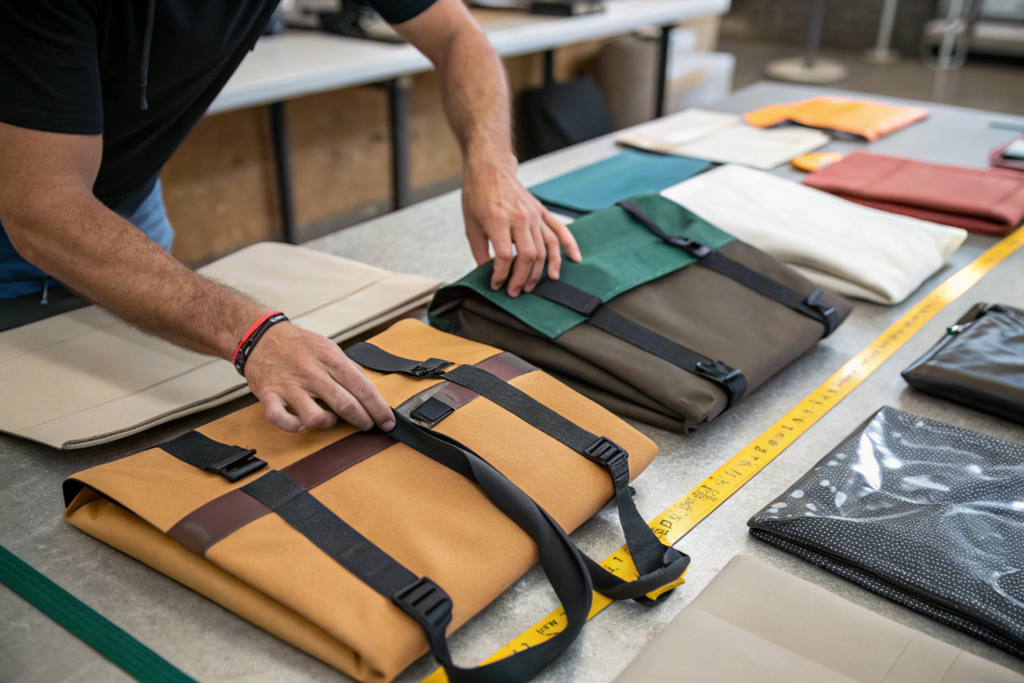
Why Is High-Density Nylon a Top Choice?
High-density nylon is one of my favorites. It is lightweight. It is strong. It resists water. The density is measured in denier. For lightweight bags, we use 210D to 420D nylon. This is strong enough for daily use. But it feels light in your hand. The material also packs well. This is important for travel bags and foldable totes. We have made thousands of bags with this material for clients in the US and Europe. The durability is proven. You can learn more about nylon fabric specifications from resources like Textile School. We also follow ASTM testing standards to ensure the material meets strength requirements. The nylon we use comes with certifications that guarantee its performance.
What Makes Ripstop Polyester Ideal for Durability?
Ripstop polyester is a special fabric. It has a grid of reinforcement threads woven in. This grid stops tears from spreading. If the bag gets a small cut, it does not rip open. This makes it perfect for bags that get heavy use. Think of backpacks, travel bags, and outdoor totes. The fabric is lightweight. But the reinforcement adds strength. We often use 300D to 600D ripstop for bags. It gives clients confidence that their products will last. For technical specifications, you can check Oeko-Tex certified fabrics. Many of our ripstop materials carry this certification. It assures your customers that the materials are safe and tested.
How Does Construction Technique Affect Bag Strength?
I once had a client who used a cheap supplier. The bags looked good at first. But after a month, the seams started coming apart. She lost customers. She came to us. We showed her our construction methods. We use double stitching on stress points. We reinforce corners. We use box stitching on handles. Her new bags lasted for years. She never went back to the old supplier.
Construction techniques are just as important as materials. Double stitching, reinforced stress points, box stitching on handles, and proper seam finishing all contribute to bag durability. A well-constructed bag can be lightweight but still withstand heavy loads. The technique determines where the bag will fail under stress. We have developed specific methods to prevent common failure points.
The way a bag is sewn matters. I have seen beautiful materials fail because of poor stitching. Let me share the techniques we use to ensure strength.
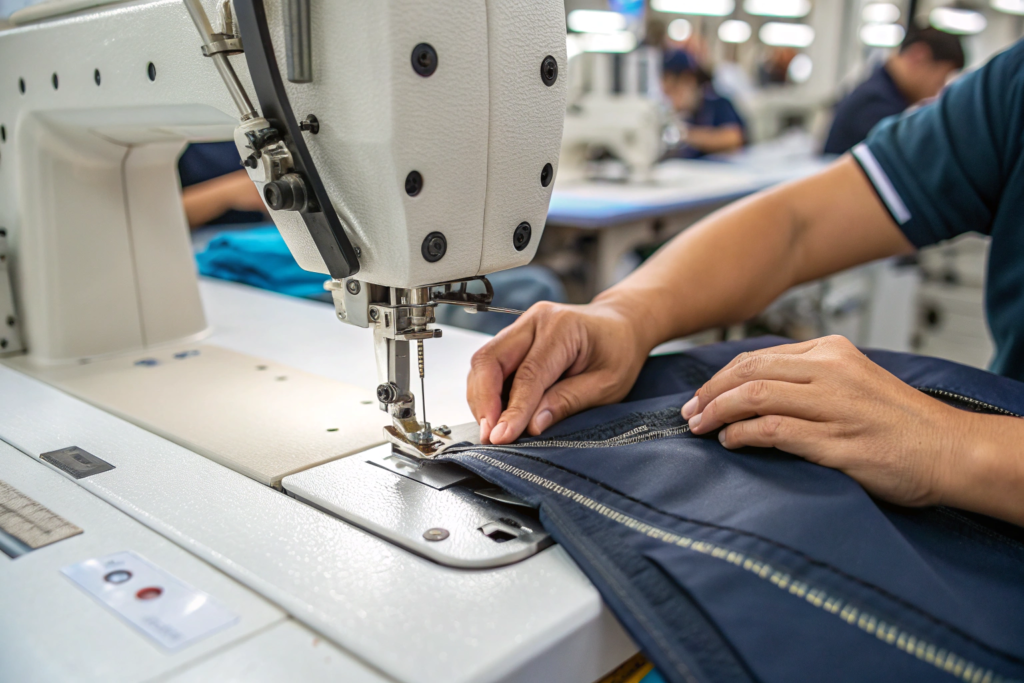
What Is Box Stitching and Why Does It Matter?
Box stitching is a technique we use on handles and straps. It involves sewing a box shape with an X inside. This distributes weight evenly. It prevents the handle from tearing off. You see this on high-quality bags. It is a sign of durability. We use box stitching on all our bags. It adds strength without adding weight. A simple straight stitch can fail under heavy loads. Box stitching holds. You can read about different stitching techniques to understand the differences. We also follow ISO quality standards for our sewing processes. This ensures consistency across every bag we make.
How Do Reinforced Stress Points Prevent Damage?
Stress points are areas that take the most force. These include where handles attach, where zippers end, and bottom corners. We reinforce these areas. We add extra layers of fabric. We use bar tacks, which are short, dense stitches. We also add leather or fabric patches at key points. These reinforcements add almost no weight. But they dramatically increase strength. I have seen bags that weighed less than a pound carry over 20 pounds of items without any damage. That is the power of smart reinforcement. For more on this, you can look at bag construction guides from industry experts. We apply these principles to every bag we produce at Shanghai Fumao Clothing.
What Role Does Hardware Play in Lightweight Bag Durability?
A client from a large online store had a problem. Her bags looked great. But the zippers kept breaking. Customers left bad reviews. She switched to us. We used lightweight aluminum zippers and high-quality plastic buckles. The problems stopped. Her reviews improved. She told me hardware is the first thing customers notice when it fails.
Hardware is often the weakest link in a bag. Lightweight yet sturdy bags require hardware that matches the material quality. Aluminum zippers, nylon zippers, and lightweight plastic buckles offer strength without adding bulk. Metal hardware can be heavy. We choose hardware based on the bag's intended use. The right hardware keeps the bag functional and reliable.
Hardware might seem small. But it makes a big difference. I have seen great bags ruined by cheap zippers. Let me explain how we choose hardware.
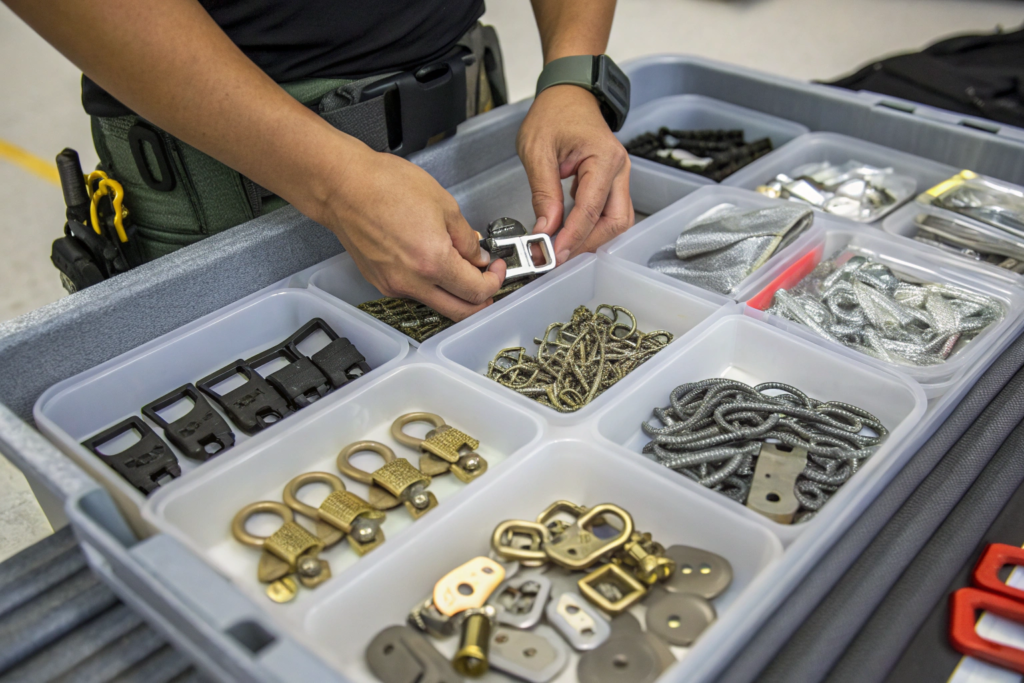
Why Choose Aluminum or Nylon Zippers?
Metal zippers look nice. But they are heavy. For lightweight bags, we prefer aluminum or nylon zippers. Aluminum is light but strong. It has a sleek look. Nylon coil zippers are even lighter. They are flexible and smooth. They work well for totes and backpacks. We use zippers from trusted brands. We test every batch for strength and smooth operation. You can learn about zipper quality standards from major manufacturers. We also conduct our own tests in our QC lab. This ensures the zippers we use will not be the reason your customers complain.
How Do Lightweight Buckles and Snaps Add Value?
Buckles and snaps secure the bag. They need to be reliable. For lightweight bags, we use plastic or aluminum hardware. Plastic buckles from good suppliers are surprisingly strong. They can hold heavy loads without breaking. Aluminum snaps and hooks offer a premium feel with low weight. We choose hardware that matches the bag's style. For outdoor styles, we use durable plastic. For fashion styles, we use lightweight metal. We test all hardware for pull strength and corrosion resistance. Resources like SGS hardware testing provide industry standards. We meet or exceed these standards for every order.
How Do You Balance Aesthetics with Lightweight Construction?
I worked with a high-end fashion brand from New York. They wanted a bag that looked structured and expensive. But they wanted it light. We used a lightweight interfacing material inside the fabric. It gave the bag shape without adding weight. We also used hidden reinforcement panels. The final product looked like a structured leather bag. But it weighed less than half of a leather bag. The client was thrilled.
Balancing aesthetics with lightweight construction requires smart material choices and design details. Lightweight interfacings add structure without weight. Strategic reinforcement panels maintain shape. Minimalist hardware choices keep the look clean. The goal is to create a bag that looks substantial but feels light. This is a skill that comes from experience.
Aesthetics matter. Your customers want a bag that looks good. They also want it to feel good. Here is how we achieve both.
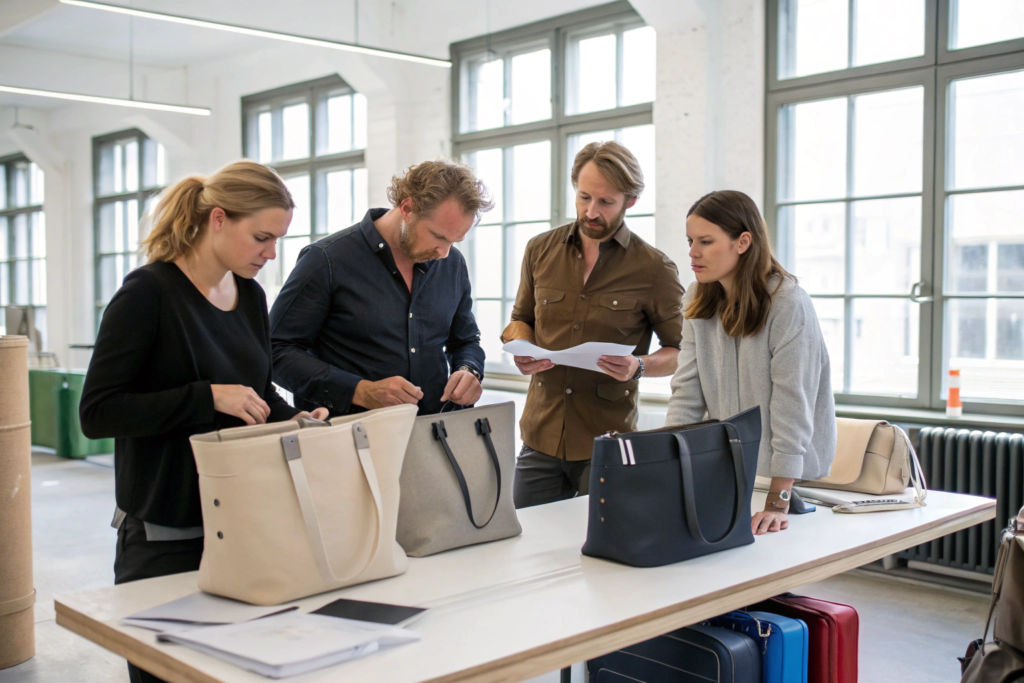
What Is Lightweight Interfacing and How Does It Work?
Interfacing is a material used inside the bag fabric. It adds structure. It helps the bag hold its shape. For lightweight bags, we use fusible interfacing. It is thin but firm. It bonds to the outer fabric. This gives the bag a structured look without adding noticeable weight. We also use foam interfacing for soft-structured bags. It adds body but remains light. We choose interfacing based on the bag style. A structured tote needs different interfacing than a soft hobo bag. You can learn about interfacing types from sewing resources. We stock multiple types to match our clients' needs.
How Do Hidden Reinforcement Panels Work?
Sometimes a bag needs extra strength in specific areas. We use hidden reinforcement panels. These are pieces of strong material placed between the outer fabric and lining. They are invisible from the outside. But they provide support. We use them on bag bottoms to prevent sagging. We use them on handles to prevent stretching. We use them on front panels to maintain shape. These panels add minimal weight. But they transform how the bag performs. For technical details, Textile Today offers insights into modern bag construction. We apply these techniques to ensure your bags look good and perform well.
Conclusion
Making lightweight yet sturdy fashion bags is not a mystery. It is a combination of smart choices. You choose the right materials. You use proper construction techniques. You select reliable hardware. You balance aesthetics with function. We have been doing this for years. Our factory in Zhejiang is set up for this work.
The benefits are clear. Your customers get bags that are comfortable to carry. They do not get tired shoulders. But the bags still last. They hold their shape. They resist wear. This builds loyalty. Customers come back for more.
We have worked with major supermarkets, fashion brands, and online stores. We have made lightweight bags for all of them. Our design team knows how to select materials. Our QC team checks every seam and zipper. Our project managers ensure everything runs smoothly.
If you are ready to create a lightweight yet sturdy bag line, we are here to help. We can guide you from material selection to final production. We can show you samples. We can discuss your specific needs.
I invite you to reach out to our Business Director, Elaine. She can answer your questions and start the conversation. Contact her at elaine@fumaoclothing.com. Let us create bags that your customers will love to carry.