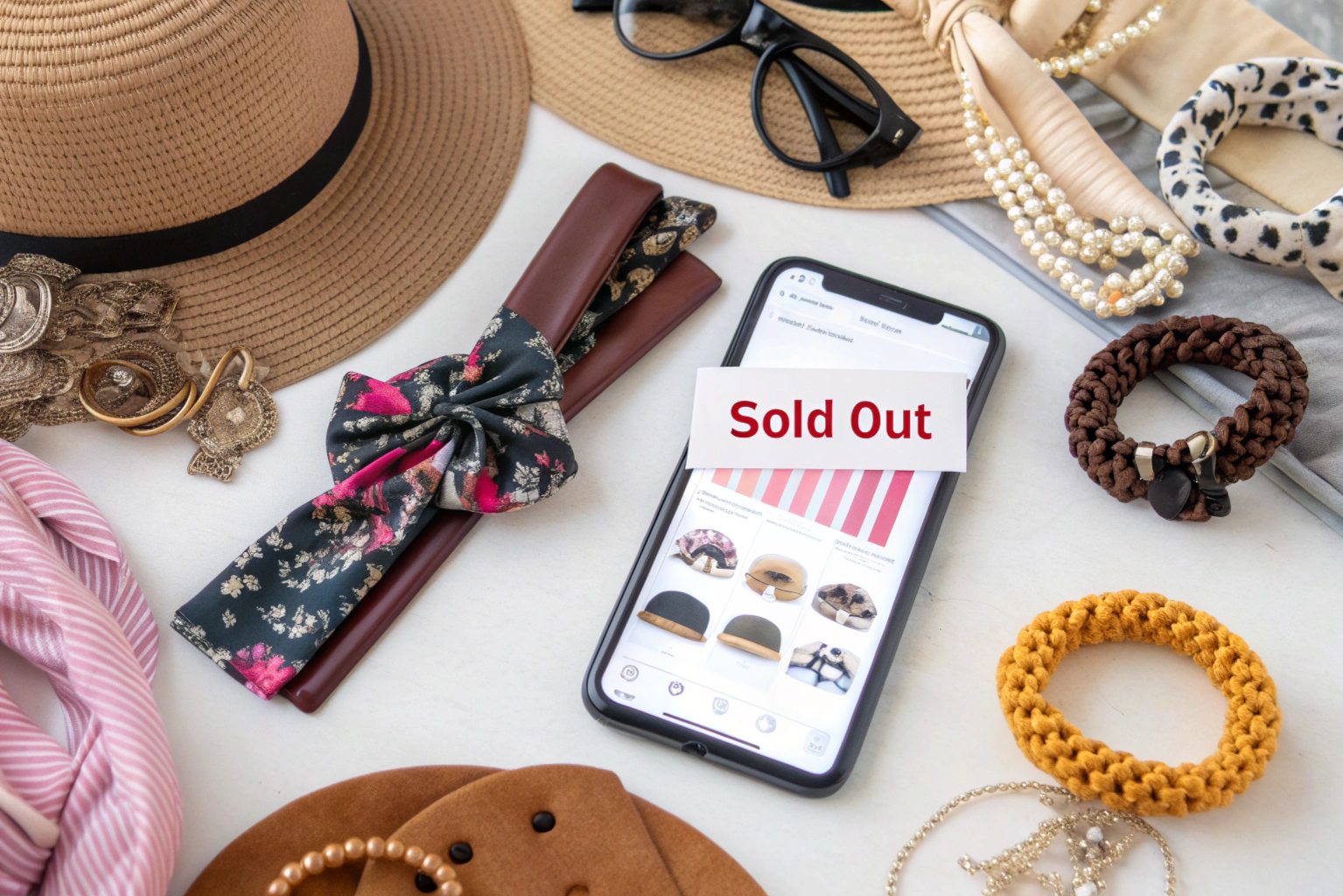
I've been in this business for decades, and I can tell you that the product itself is only half the battle. You can have the most beautiful, well-made accessories in the world, but if you can't get them in front of the right people and convince them to buy, your business will struggle. Increasing sales is a multi-faceted challenge that requires a strategic approach.
Buyers like Ron are always looking for ways to boost their numbers. They know that accessories are a powerful category—they are often impulse buys, they can refresh a whole wardrobe without a big investment, and they are perfect for gifting. But capturing that potential requires a smart strategy that covers product selection, pricing, visual presentation, marketing, and customer experience.
At Shanghai Fumao Clothing, we've helped countless clients grow their accessory sales. We've seen what works and what doesn't. We understand the trends, the marketing channels, and the psychology of the accessory consumer. In this post, I'll share our best advice on how to increase sales through fashion accessory products.
What Products Should You Focus On?
The foundation of any sales increase is having the right products. You can't sell what people don't want. This means you need to be deeply in tune with current trends, but also understand the classic, staple items that always sell. It's a balance between chasing the new and providing the reliable.
Your product mix should be a combination of "hero" items that are designed to grab attention and drive traffic, and "staple" items that provide consistent, reliable sales. Understanding your customer and their needs is the key to getting this mix right. For more on retail buying and merchandising, resources like the National Retail Federation (NRF) offer valuable insights.
How do you identify trending accessory styles?
Staying on top of trends is essential for capturing impulse buys and attracting fashion-forward customers. Here are some ways to identify what's hot:
- Social Media Monitoring: This is your most powerful tool. Follow fashion influencers, browse relevant hashtags on TikTok, Instagram, and Pinterest, and see what people are wearing and talking about. Platforms like Trend Hunter and Pinterest Predicts are also great.
- Trade Shows and Fashion Weeks: Attending trade shows and following coverage of fashion weeks gives you a direct line to emerging trends.
- Competitor Analysis: See what your competitors are promoting and what seems to be selling well for them.
- Sales Data: Analyze your own sales data. What's selling out quickly? What are customers asking for? Your own history is a great predictor of future demand.
By combining these sources, you can get a clear picture of the styles that are gaining momentum and are likely to be in high demand.
What are the staple accessories that always sell well?
While trends come and go, some accessories have enduring appeal. These staples form the foundation of a reliable sales base.
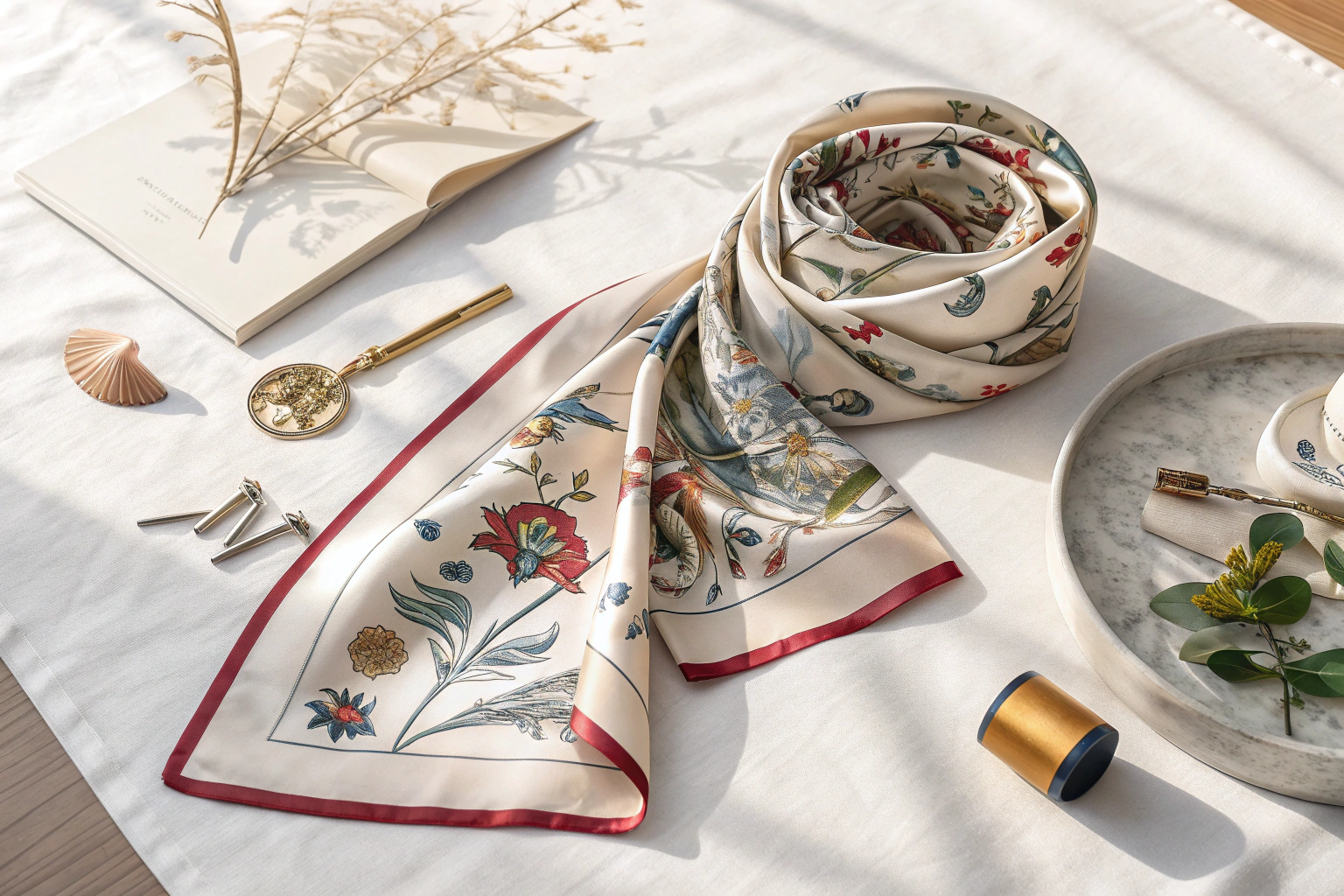
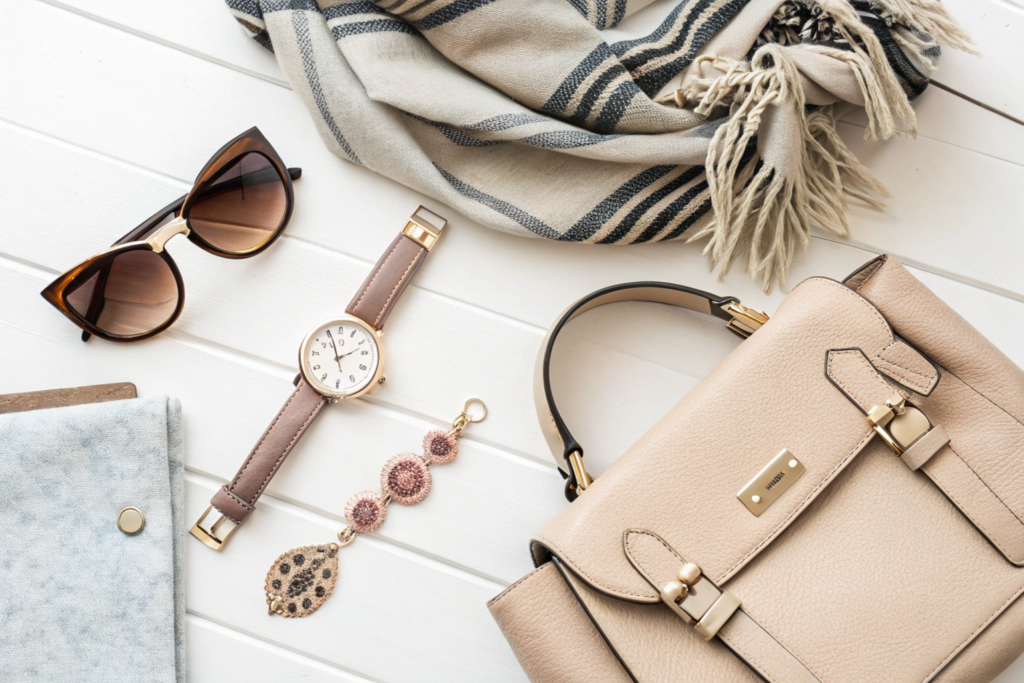
- Classic Scarves: Simple, high-quality scarves in neutral colors and classic patterns like stripes or plaids are perennial sellers.
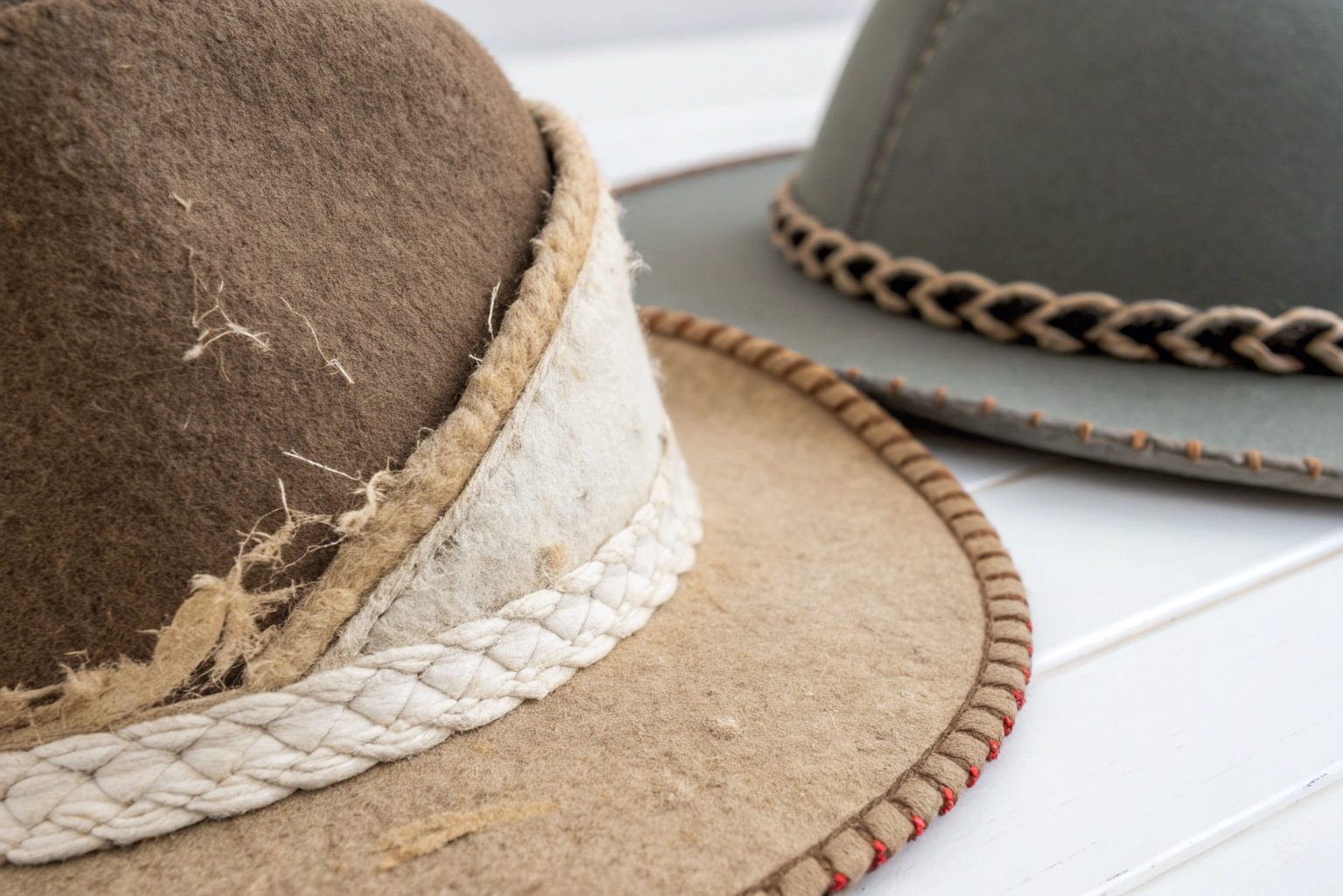
- Basic Hats: Beanies, baseball caps, and sun hats in classic styles and colors are always in demand.
- Simple Hair Accessories: Basic hair ties, bobby pins, and simple claw clips are everyday essentials that people repurchase regularly.
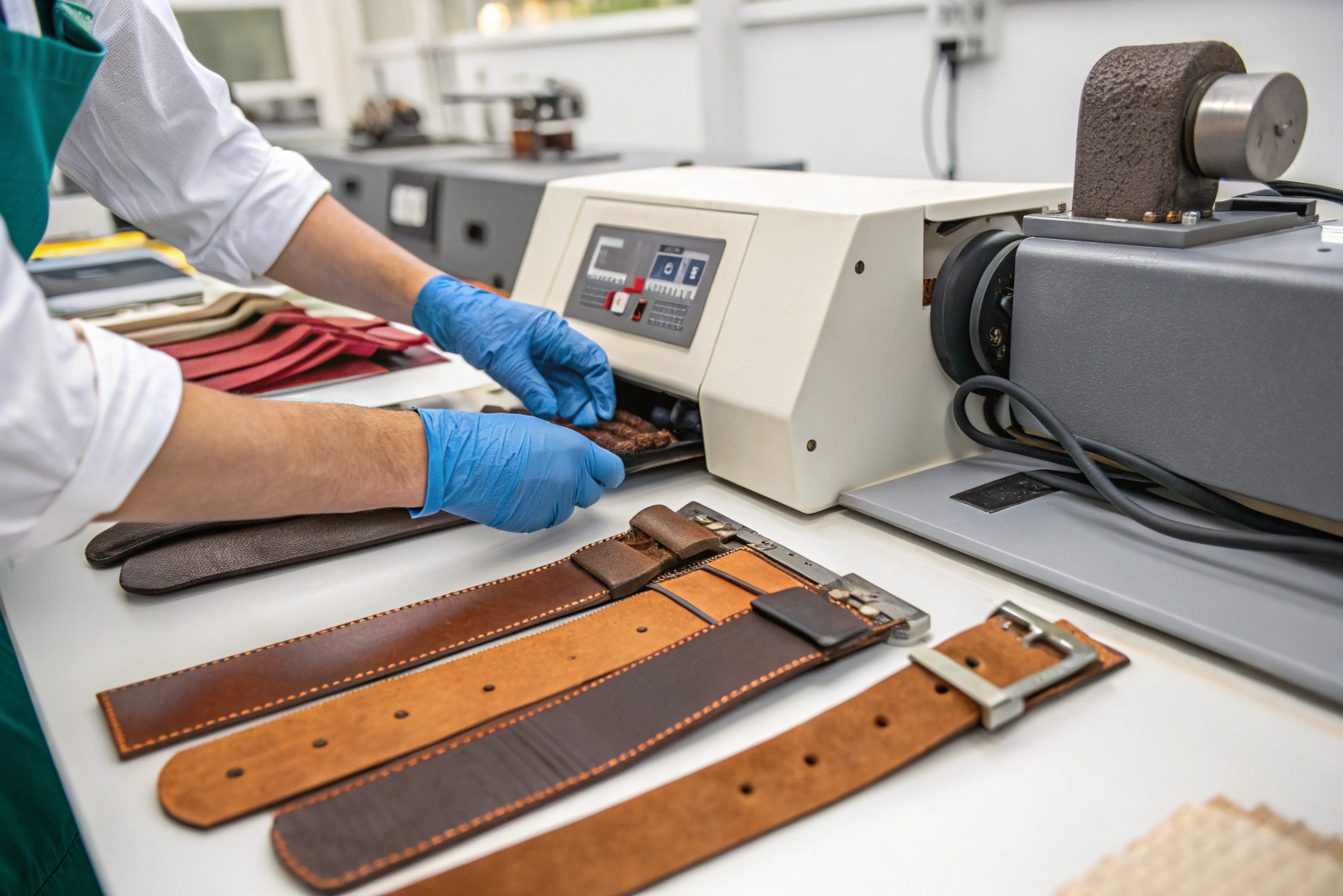
- Belts: Classic leather belts in black and brown are wardrobe staples.
- Everyday Jewelry: Simple stud earrings, chain necklaces, and bangle bracelets are items people wear daily and often buy to replace or add to their collection.
Having a solid foundation of these staple items ensures a consistent revenue stream, even as trends fluctuate.
How Should You Price Your Accessories?
Pricing is a critical lever for sales. Price too high, and you scare away customers. Price too low, and you devalue your brand and hurt your margins. Finding the right price point requires understanding your costs, your target market, and your competition. A smart pricing strategy can significantly boost your sales volume and profitability.
For accessories, which are often impulse purchases, price sensitivity is a major factor. But so is perceived value. A $5 hair clip feels like a fun, low-risk treat. A $50 scarf needs to feel like a quality investment. For more on pricing strategy, resources like the Harvard Business Review have many excellent articles.
What are the psychological price points for accessories?
Certain price points have been shown to be more effective for driving sales. These are often just below a round number.
- Under $10: This is the impulse-buy zone. Prices like $5, $8, or $9.99 feel very accessible and low-risk. Perfect for small items like hair clips, scrunchies, and keychains.
- $10 - $20: This is a sweet spot for many accessories like hats, scarves, and belts. Prices like $14.99 or $19.99 feel like a good value.
- $20 - $50: This range is for higher-quality or more substantial items. The perceived value needs to be clear. The product should feel like it's worth the investment.
- $50 and above: This is for premium or luxury accessories. The pricing here is less about psychology and more about the inherent value of the materials and craftsmanship.
Offering a range of products at different price points allows you to capture customers at various budget levels.
How can bundling and multi-buy offers increase sales?
Bundling is a powerful technique for increasing average order value and moving more inventory.
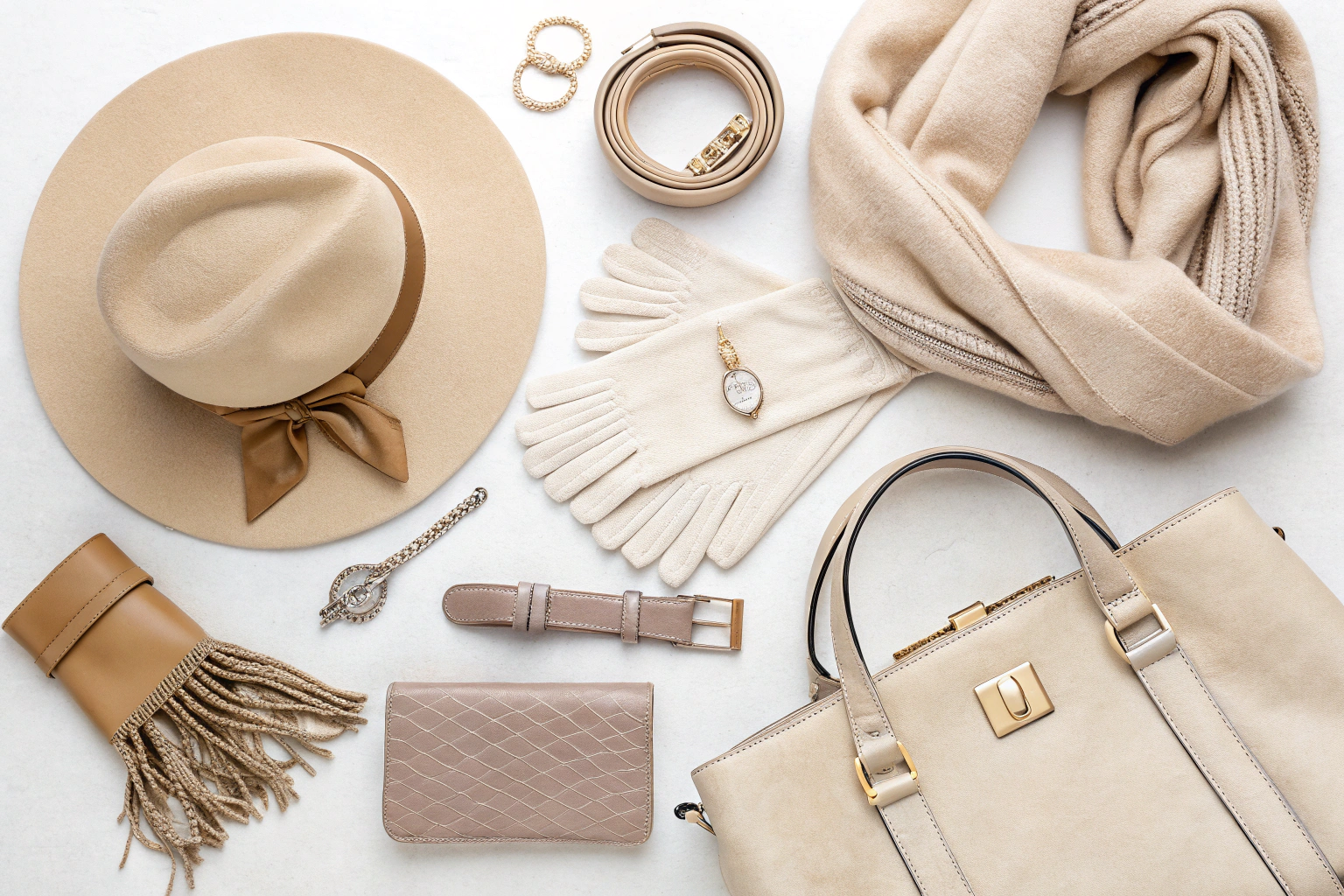
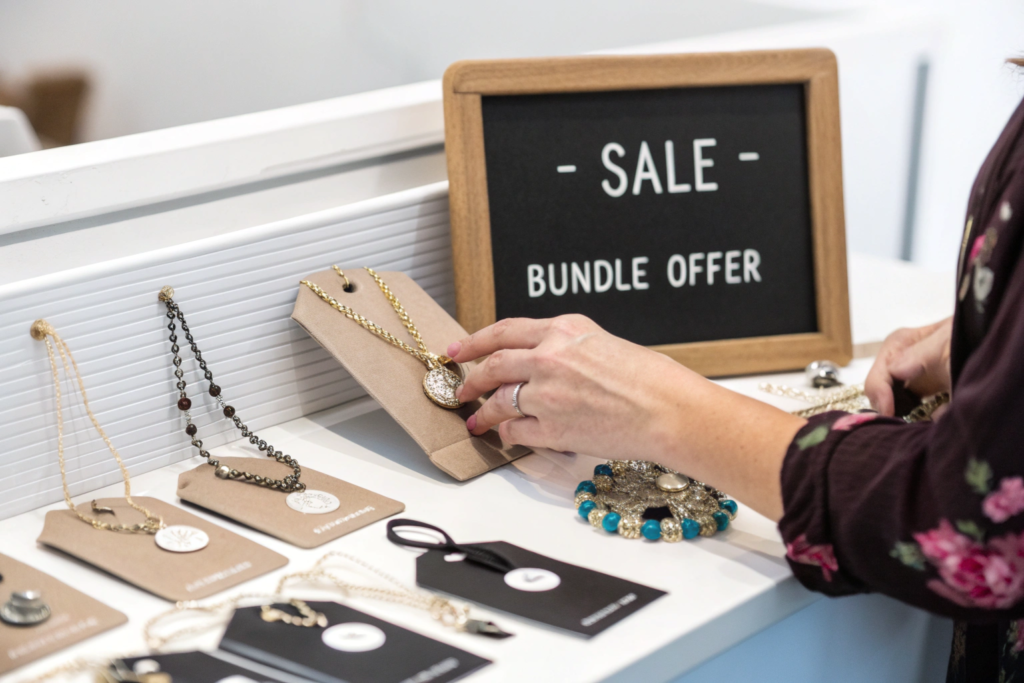
- Product Bundles: Create curated sets of accessories that work well together. For example, a "hair kit" with a few different clips and a scrunchie, or a "winter essentials" bundle with a hat, scarf, and gloves. Offer the bundle at a slightly lower price than buying the items individually.
- Multi-Buy Offers: "Buy 2, get 1 free" or "Buy 3 for $20" promotions encourage customers to purchase more than they originally intended. This is especially effective for lower-priced items like hair clips and bracelets.
- Mix and Match: Allow customers to create their own bundle by choosing a certain number of items from a selection for a fixed price. This gives them a sense of control and personalization.
Bundling and multi-buy offers create a sense of value and encourage larger purchases, directly boosting your sales revenue.
How Do You Use Visual Presentation To Drive Sales?
In the world of accessories, visual presentation is everything. Customers need to see the product clearly, understand its scale and details, and imagine themselves wearing it. This is true both in a physical store and, even more so, online. High-quality, compelling visuals are non-negotiable for driving sales.
Poor photography can make the most beautiful accessory look cheap and unappealing. Great photography can make a simple item look desirable and luxurious. This is an investment that pays for itself many times over. For more on e-commerce photography, resources like BigCommerce and Shopify have excellent guides.
Why is high-quality photography essential for online sales?
Online, your customer cannot touch or try on the product. Your photos are their only way to experience it. High-quality photography builds trust and reduces the perceived risk of buying.
- Show Detail: Use macro shots to show the texture of the fabric, the shine of a buckle, the intricacy of a design.
- Show Scale: Always include a photo that shows the product in context or next to a common object to convey its size. For a hair clip, show it in hair. For a scarf, show it draped on a model or mannequin.
- Show Multiple Angles: Provide photos from different angles so the customer can see the entire product.
- Show Color Accurately: Ensure your photos accurately represent the true color of the product. Nothing leads to more returns than a customer receiving an item that looks different from the photo.
Investing in professional product photography is one of the most effective ways to increase online conversion rates.
How can lifestyle photography increase desire?
Lifestyle photos show the accessory being worn or used in a real-world setting. They are incredibly powerful because they help the customer imagine the product in their own life.
- Model Shots: Show your accessories on models of diverse ages, sizes, and styles. This helps customers see how the item might look on them.
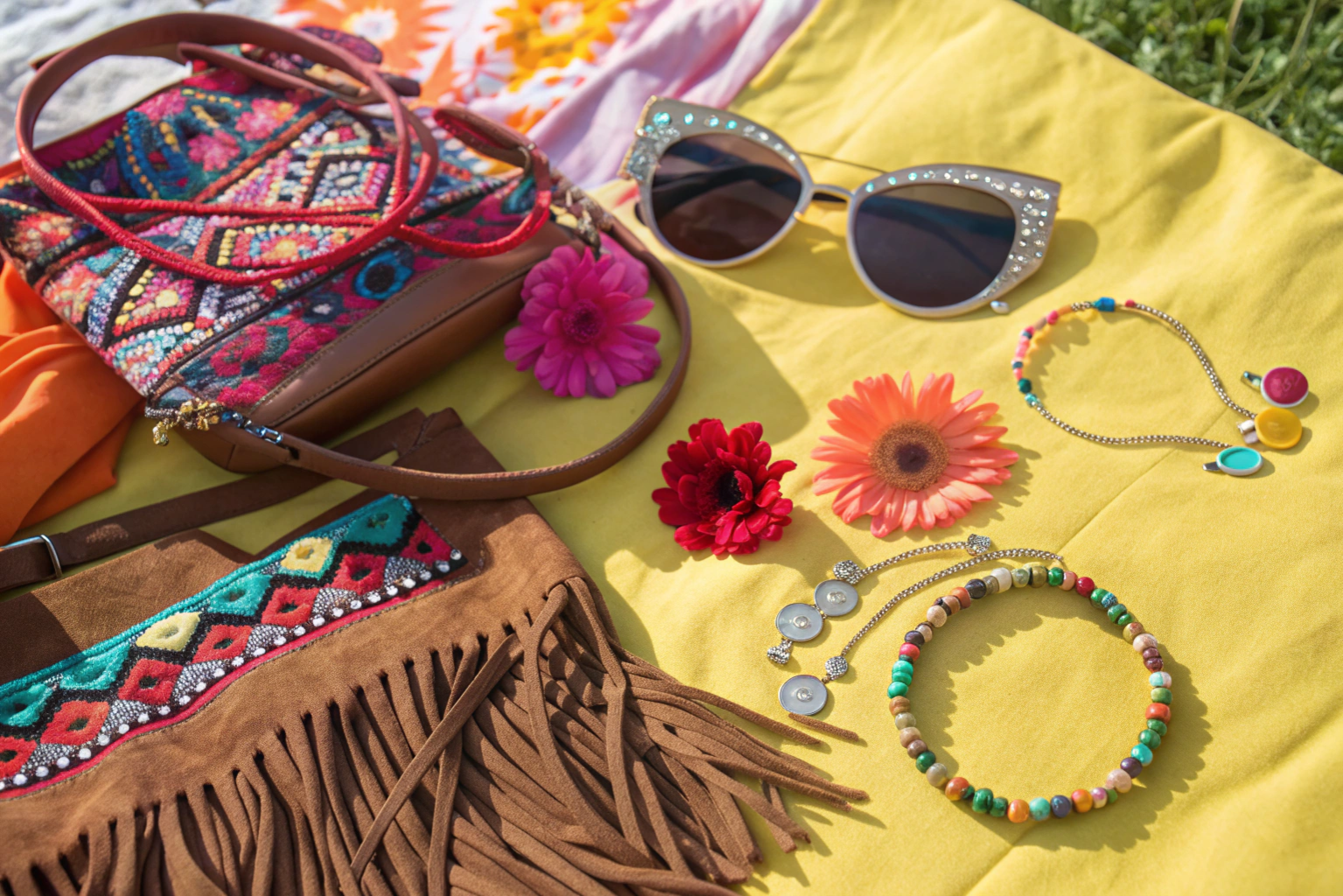
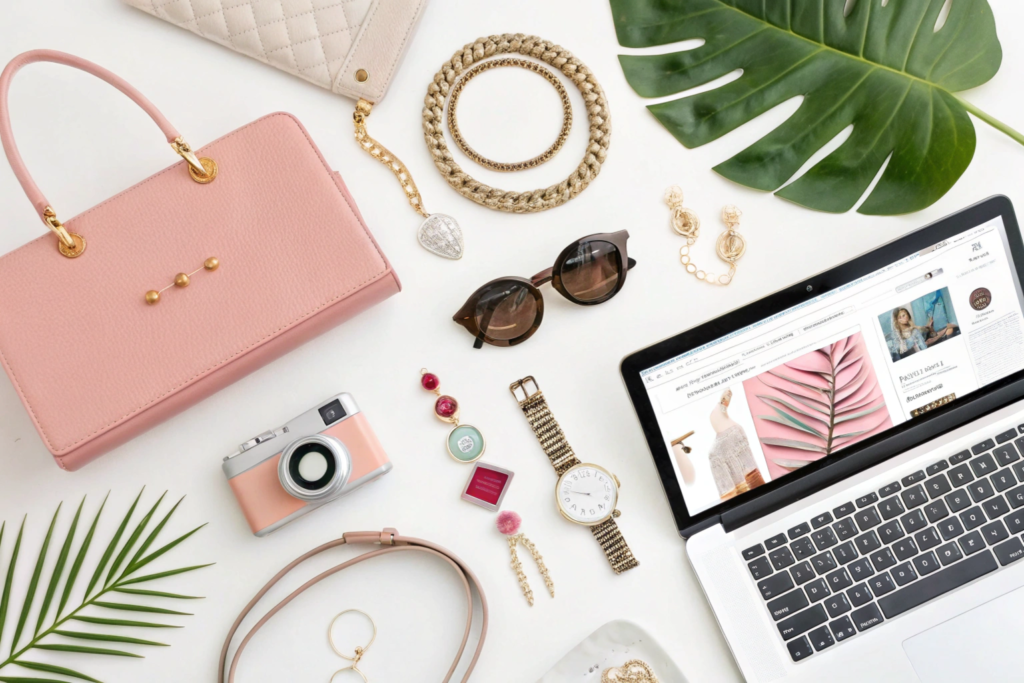
- Styled Scenes: Place your accessories in attractive, aspirational settings. A scarf draped over a chic coat on a city street. A hat on a sunny beach. A hair clip in a beautifully styled flat lay with other desirable objects.
- User-Generated Content: Encourage your customers to share photos of themselves wearing your products. Reposting this content on your own channels is a powerful form of social proof and provides authentic, relatable lifestyle imagery.
Lifestyle photography creates an emotional connection and makes the product feel more desirable and attainable.
What Marketing Channels Drive Accessory Sales?
To maximize sales, you need to be where your customers are. That means a multi-channel marketing strategy that reaches them through different touchpoints. The most effective channels for accessories are those that are highly visual and allow for easy sharing and discovery.
A combination of social media, email marketing, and strategic partnerships can create a powerful sales engine. For more on digital marketing for fashion, resources like Later and Hootsuite are excellent.
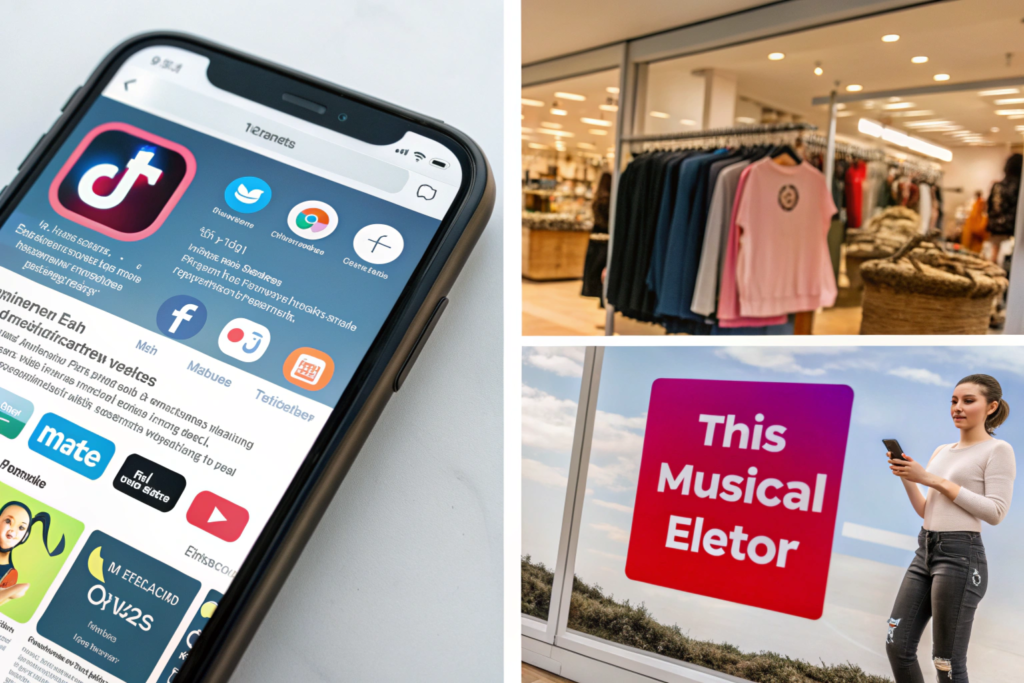
How can social media platforms like Instagram and TikTok drive sales?
Social media is the most powerful channel for accessory sales. It's visual, interactive, and trend-driven.
- Shoppable Posts: Use Instagram and TikTok's shopping features to tag products directly in your posts and stories, making it easy for users to click and buy.
- Influencer Collaborations: Partner with relevant influencers to showcase your products to their engaged audiences. Authentic recommendations are incredibly effective.
- User-Generated Content: Encourage customers to share photos and videos wearing your products. Repost this content and run contests to encourage participation.
- Engaging Content: Create your own engaging content—styling videos, "what's in my bag," trend reports—that showcases your products in a fun, informative way.
- Paid Advertising: Use targeted ads on these platforms to reach new customers based on their interests and demographics.
Social media turns your products into content, and that content drives discovery and sales. A trendy hair clip seen on a popular influencer's page can sell out in hours.
What role does email marketing play in accessory sales?
Email marketing is a powerful tool for nurturing relationships with existing customers and driving repeat sales.
- New Arrival Announcements: Email your list when you launch new collections. Give them a first look and create a sense of exclusivity.
- Styling Tips and Inspiration: Send emails with ideas on how to style your accessories. This provides value and encourages customers to see new uses for your products.
- Personalized Recommendations: Use customer purchase history to send personalized recommendations for accessories that complement what they've already bought.
- Abandoned Cart Reminders: Send automated emails to customers who have added items to their cart but haven't checked out. A gentle reminder can recover lost sales.
- Exclusive Offers: Reward your email subscribers with exclusive discounts and early access to sales.
Email marketing keeps your brand top-of-mind and encourages repeat purchases, which are often more profitable than acquiring new customers.
Conclusion
Increasing sales through fashion accessory products is a multifaceted endeavor that requires a strategic approach. It starts with having the right products—a mix of on-trend items and reliable staples. It continues with smart pricing strategies, including psychological price points and enticing bundles. It relies heavily on high-quality visual presentation, both through detailed product shots and aspirational lifestyle photography. And it requires a multi-channel marketing approach, leveraging the power of social media and the nurturing potential of email marketing.
At Shanghai Fumao Clothing, we are your partner in this process. We don't just manufacture accessories; we help our clients succeed. Our team can help you identify trends, develop the right products, and create the high-quality items that will form the foundation of your sales strategy. We understand the market and we're committed to your success.
If you're ready to take your accessory sales to the next level, let's talk. Please contact our Business Director, Elaine, at elaine@fumaoclothing.com. We'll help you create a winning strategy and the products to match.