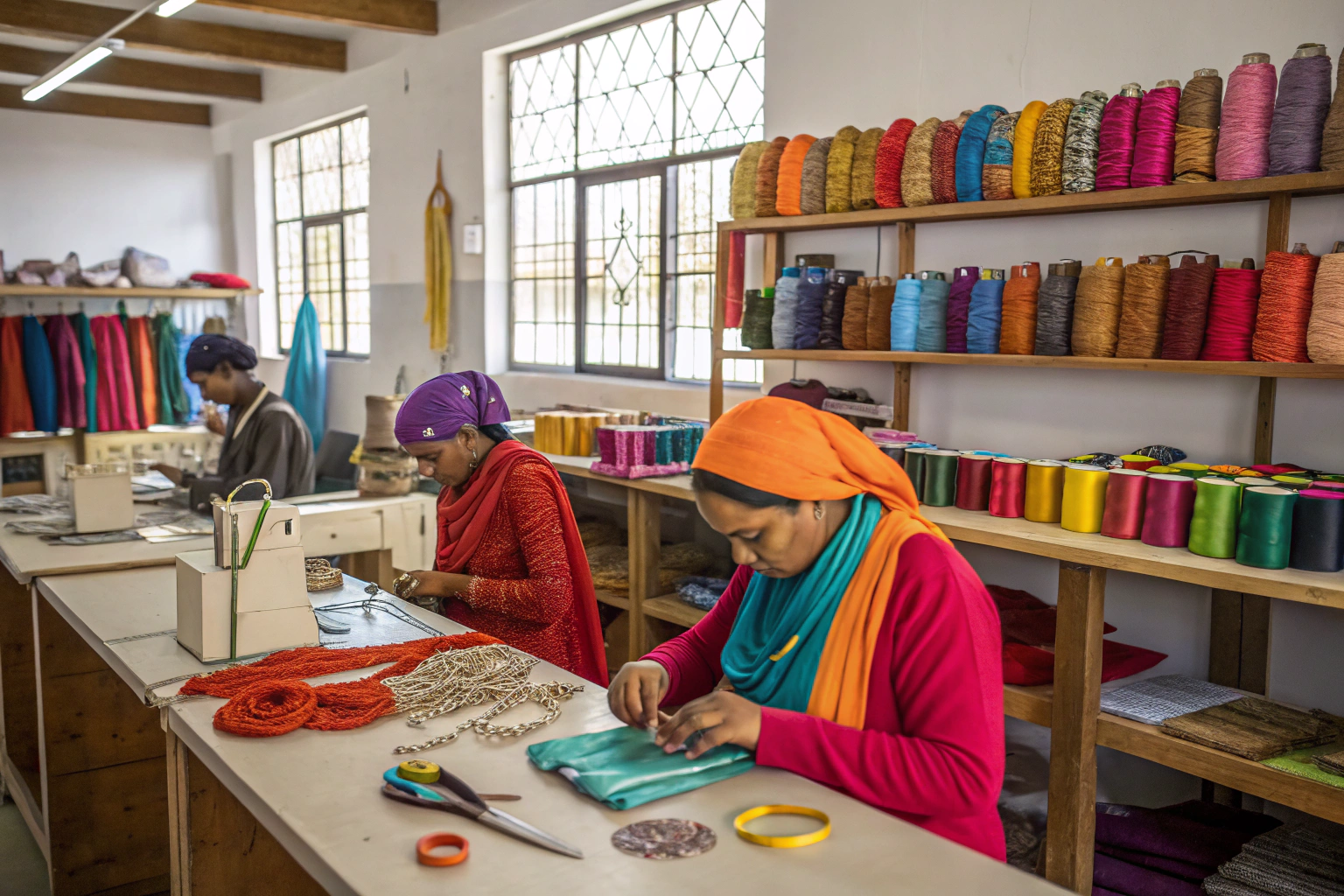
This is one of the most common and heartfelt questions I get from aspiring designers and startup brand owners. They have incredible ideas, a clear vision, and a target audience, but they hit a wall when they start contacting factories. They hear "Our MOQ is 10,000 pieces," and their dream feels instantly out of reach. They're stuck in a classic catch-22: they can't afford a large order until their brand is established, but they can't establish their brand without inventory.
To find manufacturers that support small-batch production, you must shift your search strategy away from large-scale factories and focus on specialized suppliers, utilize online B2B platforms with specific filters, and be prepared to present yourself as a professional, long-term partner, not a one-time hobbyist. It's about finding the right kind of factory, one whose business model is built on flexibility and partnership rather than pure volume. At my company, Shanghai Fumao Clothing, while we handle large orders, we also have dedicated lines and project managers to help emerging brands get their start, because we know that today's small brand is tomorrow's global leader.
I understand the frustration completely. It feels like the industry is only set up for the big players. But I'm here to tell you that's not true. There is a growing ecosystem of manufacturers who welcome small orders, or what we call "low MOQ" (Minimum Order Quantity) production. You just need to know where to look and how to approach them. Let me share my insider's perspective on how you can find the perfect manufacturing partner to bring your vision to life, one small batch at a time.
Where to Look for Low-MOQ Manufacturers?
You've been searching on Google for "accessory factory," and you're only finding massive industrial groups that won't even return your email. You're looking in the wrong ocean. The giant whales of manufacturing aren't interested in small fish. You need to find the smaller, more agile dolphins that thrive in a different part of the ecosystem.
Your search for low-MOQ partners should be concentrated on three key areas: specialized online B2B marketplaces that have low-MOQ filters, smaller, family-owned or workshop-style factories, and domestic or near-shore manufacturers who are geographically closer. These avenues are specifically structured to cater to smaller order volumes.
Forget trying to get the attention of a factory that makes millions of units for Zara or H&M. Your goal is to find a partner whose success is tied to the success of emerging brands like yours. They value relationships over massive single orders. Let's explore how to navigate each of these channels effectively. This is the first crucial step before you even think about how to approach them.
How to Use B2B Platforms Effectively?
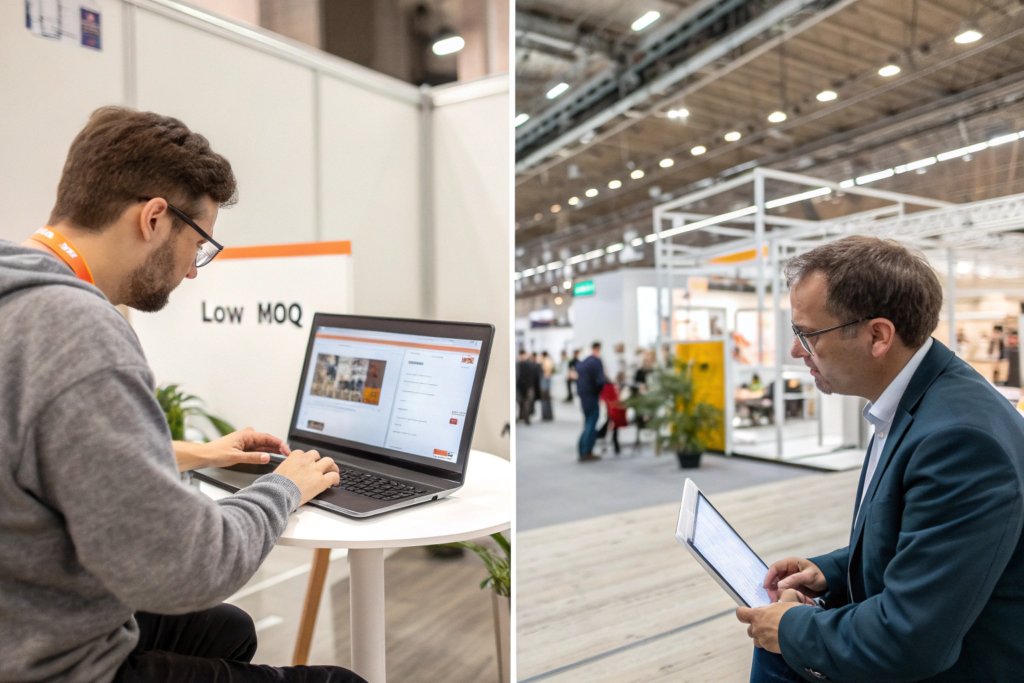
Platforms like Alibaba, Made-in-China.com, and Global Sources are powerful tools, but you have to use them correctly.
- Filter, Filter, Filter: Don't just search for "hat manufacturer." Use the platform's filters to set a maximum MOQ. This will immediately weed out the factories that aren't a fit.
- Look for "Ready to Ship" or "RTS": Many suppliers on these platforms have a selection of "Ready to Ship" products. While you want a custom design, these suppliers are often set up for smaller, faster orders and are more likely to be flexible with a custom small-batch run.
- Search for Trading Companies (Strategically): While I often advocate for going direct to the factory, a good, small trading company can be a great ally for a startup. They have relationships with multiple small workshops and can place your 200-piece order with a factory that trusts them, a service that factory might not offer to you directly.
What about Domestic or Near-Shore Manufacturing?
Don't overlook factories in your own country or a neighboring one (e.g., Mexico for the US, Eastern Europe for the EU).
- Pros: MOQs are often significantly lower. Communication is easier (no language barrier or major time zone difference). Shipping is faster and cheaper. You can often visit the factory in person.
- Cons: The cost per unit will almost certainly be higher than in China.
For many startups, paying a higher per-unit cost in exchange for a lower total investment (due to the low MOQ) and less risk is a very smart trade-off for their first production run. Resources like Makers Row in the US can help you find domestic manufacturers.
How to Approach a Factory as a Small Brand?
You've found a few potential factories. Now, how do you make them take you seriously? They get dozens of emails a day from "idea people." You need to instantly signal that you are a professional, organized, and serious potential partner, not someone who is going to waste their time.
You must approach a potential manufacturing partner with a comprehensive and professional presentation of your project. This means leading with a detailed "Tech Pack" for each design, communicating your long-term vision, and being clear and realistic about your order volume. Professionalism inspires confidence and makes a factory want to work with you, even if your first order is small.
This is where you move from being a "dreamer" to a "brand owner." When I receive a detailed tech pack, I know I'm dealing with a pro. It tells me you've done your homework and you respect my time. It allows me to give you an accurate quote quickly. An email that just says "How much for a hat?" will likely get a polite "Our MOQ is 5,000" response, or it will be ignored. This professional approach is the key to successfully negotiating your small-batch order.

What is a Tech Pack and Why is it Essential?
A tech pack is the blueprint for your product. It's a document that contains all the technical specifications a factory needs to create your accessory. It should include:
- Technical Drawings/Flats: Clear, simple drawings of your product from multiple angles (front, back, side).
- Dimensions: Precise measurements for every part of the accessory.
- Materials: Specifics about the fabric, metal, etc. (e.g., "100% cotton twill, 280 gsm").
- Hardware: Details on buckles, clasps, zippers, etc.
- Colorways: Pantone color codes for each component.
- Branding: Placement and specifications for any logos or tags.
You can create a tech pack using software like Adobe Illustrator, or even use templates you can find online. A great resource for learning about tech packs is the University of Fashion.
How to Communicate Your Long-Term Vision?
In your first email, don't just ask for a quote for 200 pieces. Frame it as a partnership. Say something like:
"We are launching a new brand of premium fashion accessories and we are looking for a long-term manufacturing partner. We plan to start with a test order of 200 units for our first design (tech pack attached). Our goal is to grow this into a collection of 5-10 designs, with order volumes projected to reach 1,000-2,000 units per style within 12-18 months."
This shows the factory that investing time in your small order now could lead to bigger, more profitable orders in the future.
How to Negotiate a Small-Batch Order?
The factory is interested, but their MOQ is still a little high (say, 500 pieces), or the price per unit for your 200-piece order is more than you budgeted for. How can you close the gap without souring the relationship?
Negotiating a small-batch order is not about haggling over the final price; it's about collaborative problem-solving. Be prepared to be flexible with your design, offer to pay a higher price per unit, and simplify your order to make it easier for the factory to say "yes." It's a partnership, not a battle.
Remember, a factory's MOQ is often based on the MOQ of their raw material suppliers. They might have to buy enough fabric for 500 hats, so making only 200 for you means they're stuck with the rest. Understanding their constraints is the key to finding a creative solution together. This collaborative mindset is the final step in building a lasting relationship.

How can design flexibility help?
Ask the factory, "What is the main driver of the MOQ for this product?"
- If it's the fabric: Ask if they have any similar, high-quality "stock" fabrics that they already have on hand. Using a stock material can often dramatically lower the MOQ.
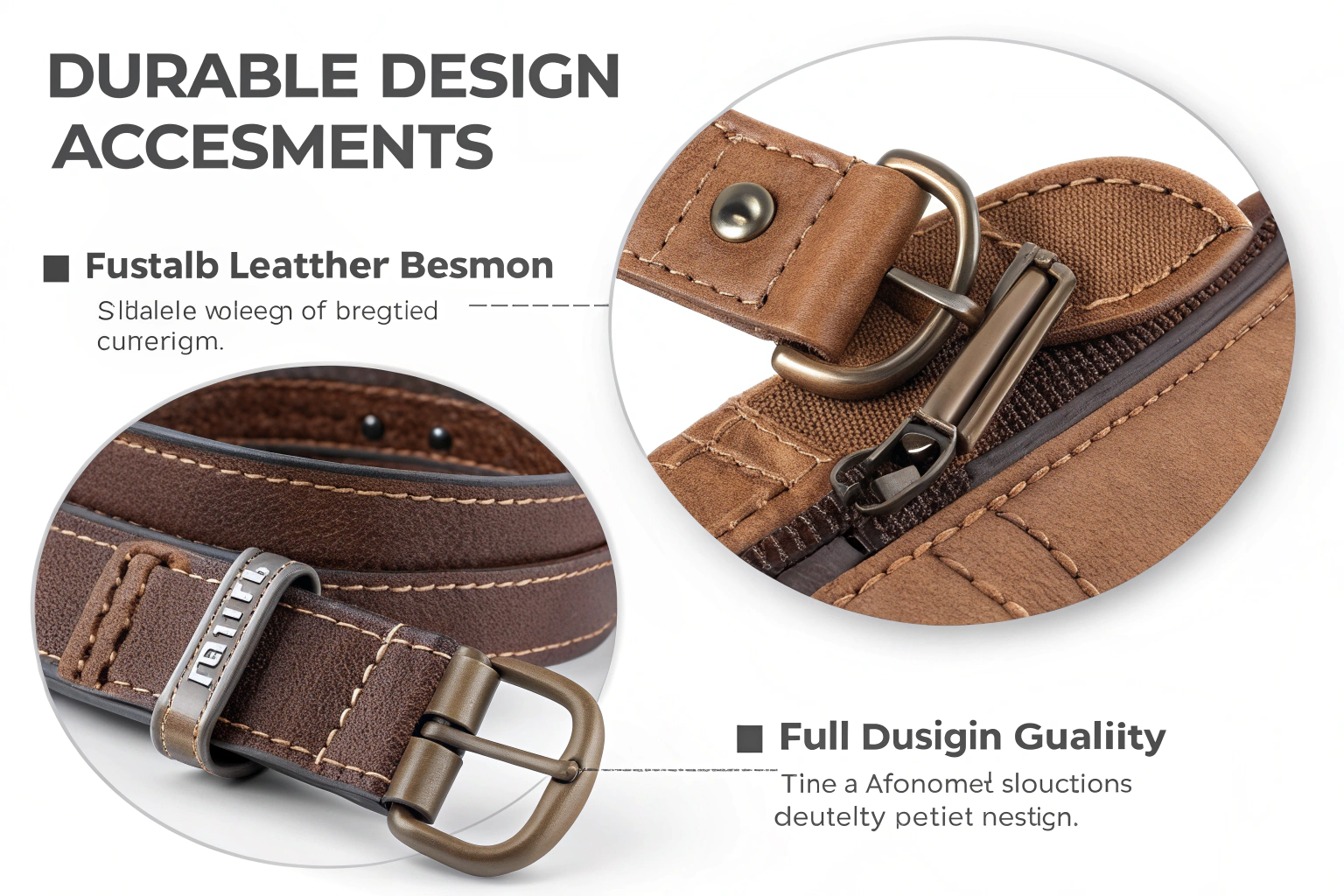
- If it's a custom component (like a buckle): Ask if there's a similar stock buckle you could use for the first run. You can always invest in the custom buckle later when your order volumes are higher.
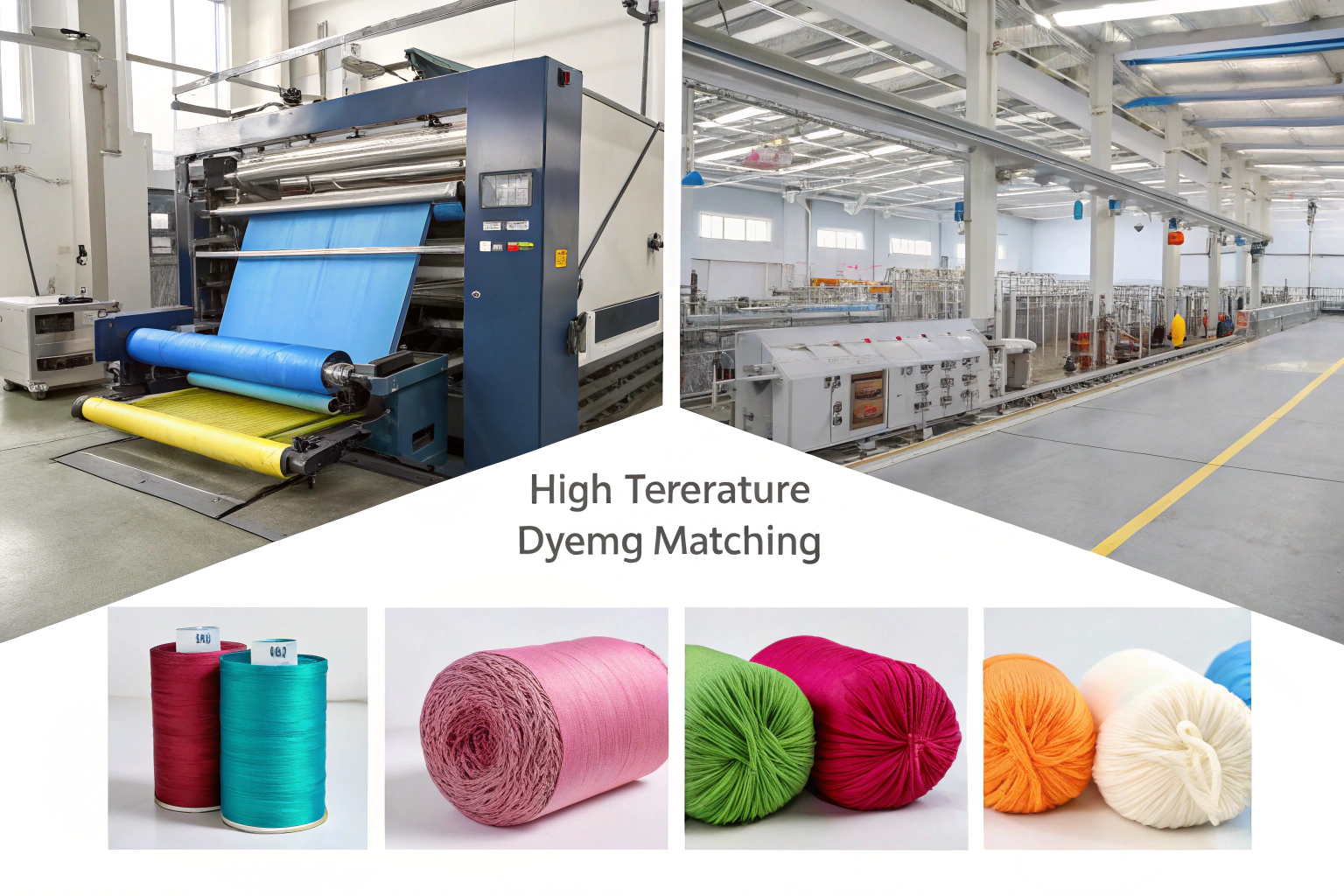
- If it's the color: Dyeing a custom color requires a minimum amount of fabric. Consider launching your first run in a standard color like black, white, or a color the factory is already producing for another client.
Why should you offer to pay more?
It may seem counterintuitive, but offering to pay a higher price per unit for a smaller order shows that you understand their business. A small run is less efficient for them. By offering a 10-20% higher price per piece, you are acknowledging their inefficiency and making the small order more attractive. This gesture builds a huge amount of goodwill and signals that you are a serious partner.
How to Build a Lasting Relationship with Your Manufacturer?
You've successfully produced your first small batch! Now what? The goal isn't just to complete one order; it's to build a relationship that will support your brand's growth for years to come.
Build a long-term partnership by being a great client. This means communicating clearly, paying your invoices on time, providing constructive feedback, and sharing your successes with the factory. When they see that their hard work helped you succeed, they become invested in your brand's future.
This is the most rewarding part of the process. At our company, Shanghai Fumao Clothing, we have clients who started with us by ordering 150 pieces. Today, they order 15,000. We've grown together, and we celebrate their success as our own. That's the power of a true partnership.

Why is sharing success important?
After your launch, send your project manager an email. Say, "Hi Elaine, just wanted to let you know that the hats you made for us were a huge hit! We sold out in three weeks. Our customers love the quality. We're already working on the tech pack for our re-order and a new design. Thank you to you and your team!" This kind of feedback is incredibly motivating for the factory team and makes them excited to work on your next project.
How to be a "low-maintenance" client?
- Consolidate your feedback: When you receive a sample, gather all your comments into a single, clear document. Don't send 10 separate emails with small changes.
- Understand cultural differences: Be patient and polite. Business communication styles can vary.
- Pay promptly: Nothing builds trust faster than paying your invoices on time, every time.
Conclusion
Finding a manufacturer to support your small-batch production is not impossible; it just requires a different strategy. By focusing your search on the right platforms and types of factories, approaching them with professionalism and a detailed tech pack, and negotiating with a collaborative spirit, you can find the perfect partner to launch your brand. Remember, you are not just buying a product; you are starting a relationship. The right partner won't just make your accessories; they will help you build your dream.
My team and I are passionate about helping new brands find their footing. We understand the challenges and have developed systems to make low-MOQ production possible. If you are a brand owner with a clear vision and a professional approach, we would be honored to discuss how we can grow together. Please feel free to reach out to our Business Director, Elaine, at her email: elaine@fumaoclothing.com.