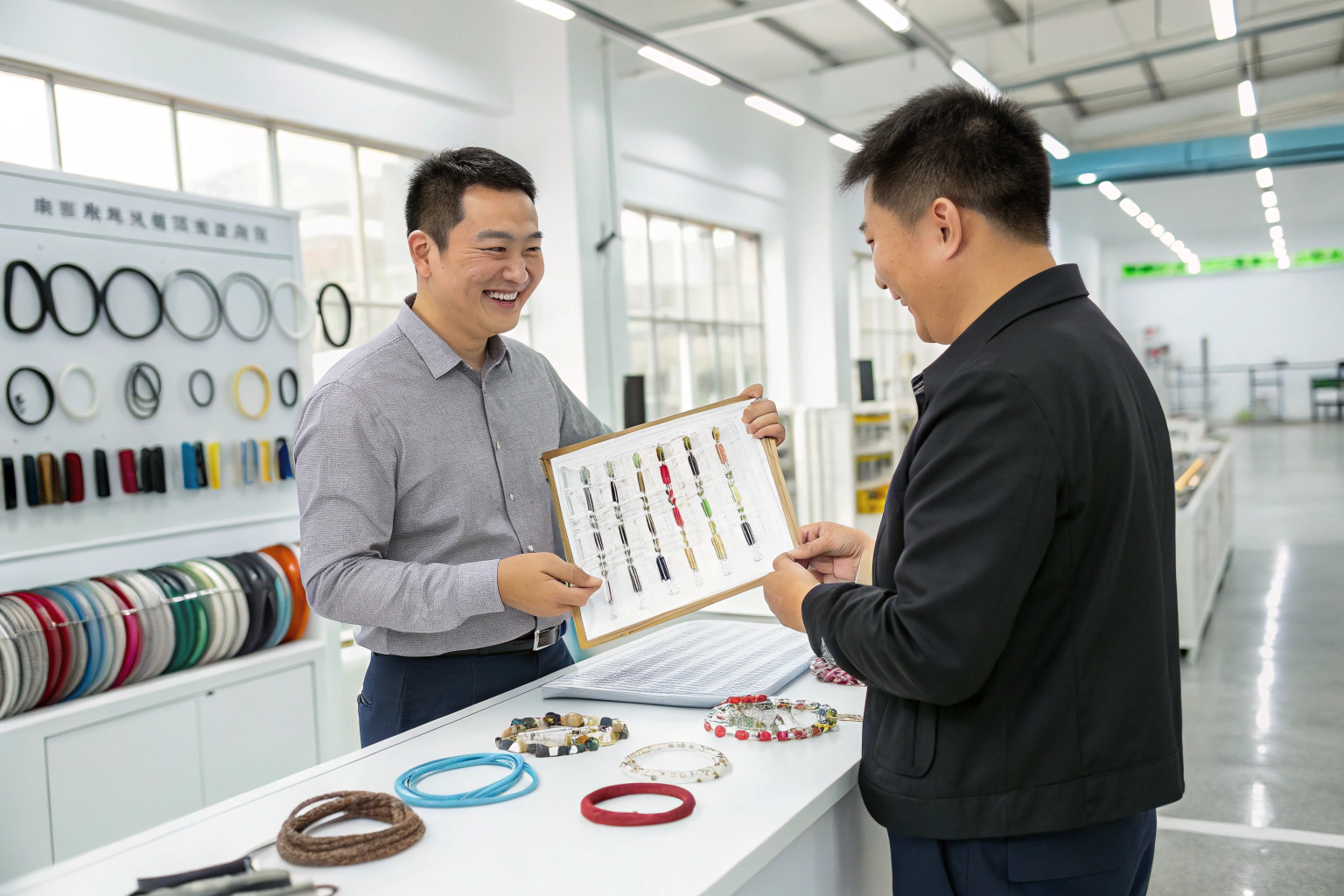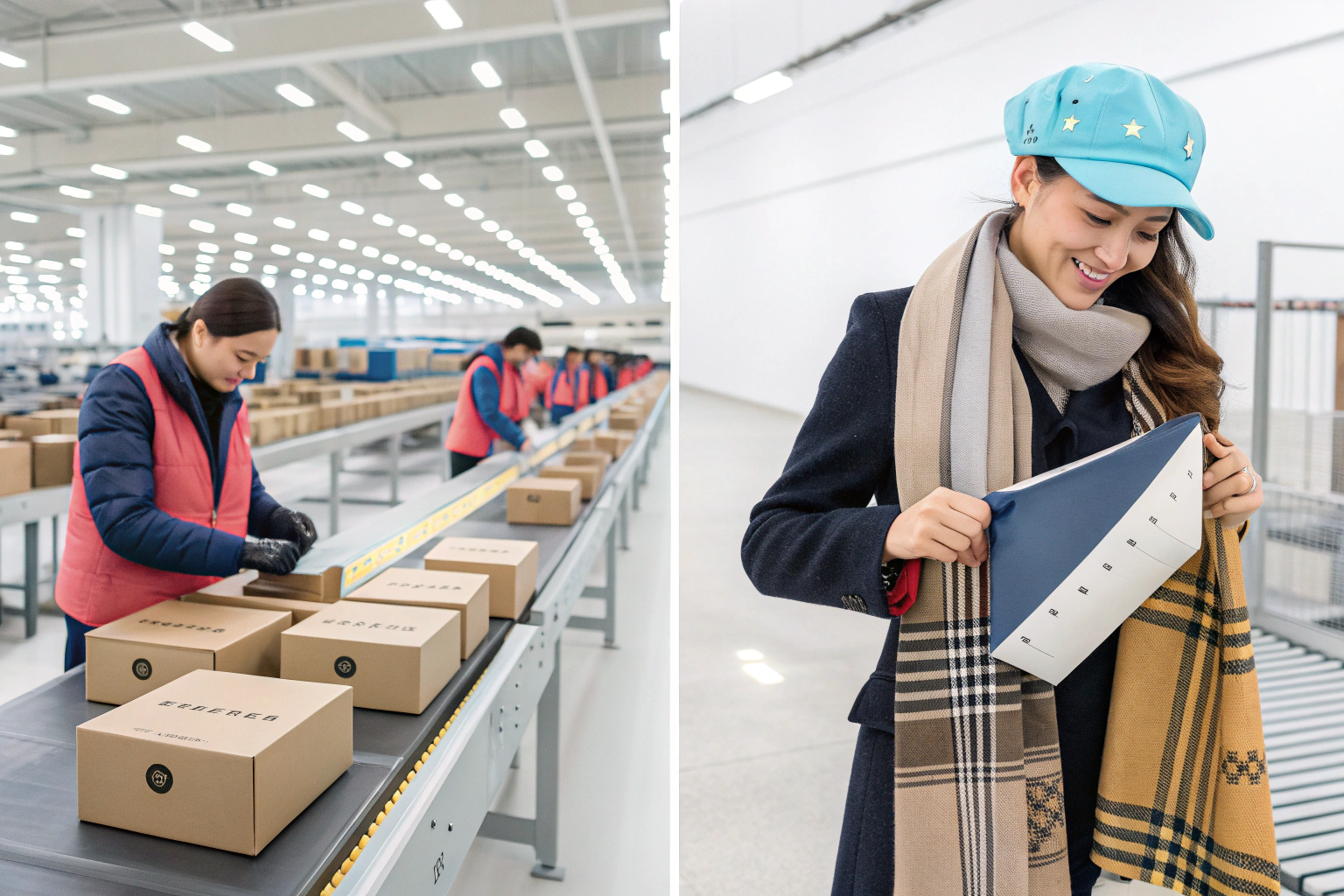
As an ambitious e-commerce brand owner, you're dreaming of scale. You have a strong brand identity and a growing audience, but you're trapped in a logistical nightmare. Your living room is overflowing with inventory, you spend your evenings packing orders, and you're struggling to manage the upfront cost of buying products in bulk. You've heard about dropshipping as a solution, but you're rightly skeptical. You're worried about losing control over quality, slow shipping times from anonymous middlemen, and the inability to create a unique, branded customer experience.
To successfully find a factory that offers dropshipping, you must shift your search from "dropshipping suppliers" to "manufacturers with direct-to-consumer fulfillment capabilities." This means seeking out modern, vertically integrated factories that have invested in the software and logistics to ship individual, branded packages directly from their production facility to your end customers. This model, often called "Direct-to-Consumer (D2C) Manufacturing," combines the quality control of direct sourcing with the capital efficiency of dropshipping.
I'm the owner of Shanghai Fumao Clothing, and we've seen a massive shift in the e-commerce landscape. The old model of buying huge inventory lots is becoming unsustainable for many growing brands. That's why we've invested heavily in becoming a D2C manufacturing partner. We recognized that the problem with traditional dropshipping isn't the concept; it's the execution. The key is to eliminate the anonymous middleman and partner directly with the source. Let's explore how you can find a true factory partner for your dropshipping needs.
Why Is Traditional Dropshipping So Risky?
You've explored the world of traditional dropshipping through platforms like AliExpress or by using marketplace apps. The promises are huge: no inventory, endless products, easy setup. But the reality is often a mess. You're dealing with faceless suppliers, products of inconsistent quality, and shipping times that can take weeks or even months. You have no control over the packaging, so your customer receives a generic, unbranded parcel that does nothing to build your brand loyalty. This model feels cheap, and you're worried it will make your brand look cheap, too.
Traditional dropshipping is risky because it relies on a long, opaque chain of middlemen. You are typically buying from a reseller, who is buying from a wholesaler, who is buying from a trading company, who is buying from the actual factory. This multi-layered system destroys quality control, eliminates any possibility of branding, and creates notoriously slow and unreliable shipping.
This broken model is the source of all the common dropshipping horror stories.
- No Quality Control: You have no idea where the product is actually made or if the product your 100th customer receives is the same quality as the one your first customer received.
- No Branding: Your customer receives a package with foreign labels and generic packaging. You've lost the most critical touchpoint for building a brand experience. The unboxing experience, a huge part of modern e-commerce as highlighted by platforms like Shopify, is completely lost.
- Slow Shipping: The product may sit at various warehouses along the chain before it even begins its long journey to your customer. "ePacket" shipping, once a popular option, has become slower and less reliable.
- Poor Communication: When a customer has a problem, you have to relay the message through multiple layers, making customer service a nightmare.

What is a "middleman" or "trading company"?
In this context, a middleman is anyone who sells you a product they did not manufacture themselves. While some trading companies offer valuable services, in the world of low-cost dropshipping, they often act as anonymous resellers who have never even seen the product. They simply list thousands of items from various factory catalogs and pass the order along once they get a sale.
Is AliExpress bad for dropshipping?
AliExpress is a marketplace, not a manufacturer. While it can be a tool for product research, building a serious, long-term brand on the back of random AliExpress vendors is extremely difficult due to the issues of quality control, branding, and shipping mentioned above. It's a model built for price, not for brand equity.
What is D2C Manufacturing and How Does it Work?
You want the benefits of dropshipping (no inventory, no packing) but the quality and branding control of direct sourcing. It seems like you have to choose one or the other. But what if you could have both? What if the factory that makes your custom-designed product could also be your fulfillment center?
Direct-to-Consumer (D2C) Manufacturing is a modern fulfillment model where the factory that produces your goods also stores, picks, packs, and ships them directly to your individual customers on your behalf. It uses software integration to connect your e-commerce store (e.g., Shopify) directly to the factory's warehouse management system, automating the entire process from order placement to final delivery.
This is the game-changing model that we at Shanghai Fumao Clothing are pioneering. Here’s how it solves the problems of traditional dropshipping:
- Full Quality Control: You are working directly with the source. You develop the product, approve the final sample, and the factory produces and ships that exact product every time.
- Complete Brand Experience: The factory stocks your custom-branded packaging—your boxes, your tissue paper, your thank-you cards. Every order is packed according to your specifications, creating a premium unboxing experience for your customer.
- Faster, More Reliable Shipping: By eliminating middlemen, the product goes directly from the factory's fulfillment center to a modern international courier. This dramatically cuts down processing time.
- Direct Communication: You have a single point of contact—your project manager at the factory—for everything from production to fulfillment.
This model requires a manufacturer who has invested not just in machinery, but in logistics technology and a service-oriented mindset.

How does the software integration work?
Modern factories use Warehouse Management Systems (WMS) that can connect to major e-commerce platforms via an API (Application Programming Interface). When an order is placed on your Shopify or WooCommerce store, the API securely sends the order details (product, quantity, customer address) to the factory's WMS. The factory's fulfillment team then sees the order, picks the items, packs them, and the system generates a shipping label. The tracking number is then automatically sent back to your store and forwarded to your customer.
Is this the same as a 3PL (Third-Party Logistics)?
It's similar in function but with one crucial difference. A traditional 3PL is a separate company that you ship your bulk-produced inventory to. In the D2C Manufacturing model, the factory is your 3PL. This eliminates a whole step of shipping and cost, as the goods don't need to be moved from the factory to a separate fulfillment center.
How Do I Find and Vet a D2C Manufacturing Partner?
You're sold on the D2C Manufacturing model. It's the solution you've been looking for. But you realize that this requires a far more advanced and service-oriented factory than a typical manufacturer. How do you find these rare, modern factories? And how do you verify that they actually have the technology and processes to handle direct-to-consumer fulfillment effectively?
Finding a true D2C manufacturing partner requires a targeted search and a rigorous vetting process focused on their technological and logistical capabilities. You must explicitly search for "manufacturers with dropshipping service" or "D2C fulfillment factory" and then interrogate their processes for software integration, branded packaging, and shipping methods.
You need to act like a detective and ask very specific questions.
- Search with the Right Keywords: On platforms like Alibaba or in Google searches, use phrases like "factory dropshipping," "D2C fulfillment," "private label dropshipping," or "manufacturer direct fulfillment."
- Interrogate Their Technology: Don't just ask "Do you dropship?" Ask "What e-commerce platforms can you integrate with? Do you have a direct Shopify API? Can you show me a demo of your order management portal?" A legitimate D2C factory will be able to answer these questions easily.
- Discuss Branded Packaging in Detail: Ask "Can I send you my own custom boxes, mailers, and inserts? What are the storage fees for my packaging materials? Can you send me photos of how you would pack one of my orders?"
- Analyze Their Shipping Methods: Ask "Which international carriers do you use? (Look for names like YunExpress, 4PX, or direct partnerships with USPS, not just 'ePacket'). What are your average shipping times to the US/Europe? Can you provide real-time tracking for all orders?"
- Inquire About Returns: This is crucial. Ask "How do you handle returns? Can customers ship returns to a domestic address in my country, or do they have to ship back to the factory?" A sophisticated partner may have a solution for this.

Why are specific shipping carriers important?
Modern e-commerce logistics companies like YunExpress have created hybrid shipping lines that are much faster and more reliable than traditional postal services like ePacket. They manage the export from China and then hand the package off to a reliable domestic carrier like USPS for the final delivery. A factory that uses these modern carriers is serious about providing a good customer experience.
Should I start with a test order?
Absolutely. Before committing to a partnership, place several test orders yourself. Ship them to different addresses. Evaluate the entire process: Did you receive an order confirmation? Was the tracking number provided promptly? How long did shipping actually take? And most importantly, what did the final package look like when it arrived? This is the ultimate test of their capabilities.
How Do I Manage a D2C Manufacturing Partnership?
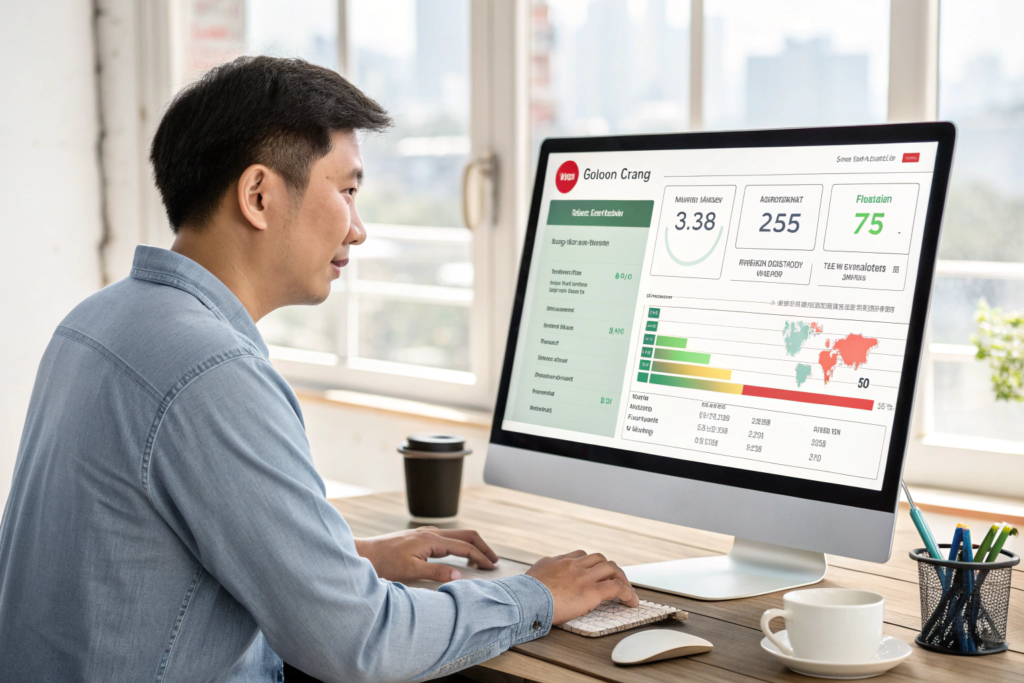
You've found the perfect partner. They have the technology, the quality, and the service. Now, how do you manage this long-distance relationship effectively? You're worried about communication barriers, managing inventory levels from afar, and ensuring that the day-to-day operations run smoothly without your physical presence.
How do I handle new product development?
The process is the same as with a traditional manufacturer. You will work with their design and sampling team to develop your new product. Once you approve the final "golden sample," you will place a "production batch" order. That batch then becomes the inventory that the factory will dropship for you.
What Quality Control Processes Ensure Consistency in D2C Manufacturing Partnerships?
In the dynamic landscape of direct-to-consumer (D2C) manufacturing partnerships, where brands rely heavily on external producers to bring their vision to life, ensuring unwavering consistency is paramount. This consistency isn’t merely a buzzword; it’s the backbone of customer trust, brand reputation, and long-term success.
Conclusion
The dream of a scalable, inventory-free e-commerce business is achievable, but not through the risky, low-quality channels of traditional dropshipping. The future lies in a direct partnership with a D2C-capable manufacturer. This model allows you to combine the lean, capital-efficient nature of dropshipping with the absolute quality control and premium brand experience of direct sourcing. It requires more diligence to find and vet this new breed of factory, but the reward is a resilient, scalable, and brand-centric business that is built for long-term success.
At Shanghai Fumao Clothing, we have invested in the technology, logistics, and service-oriented team to be a premier D2C manufacturing partner. We believe in empowering brands to scale without compromising on quality. If you are ready to move beyond the limitations of traditional dropshipping and build a true brand with a reliable partner at the source, we invite you to start a conversation with us. Please reach out to our Business Director, Elaine, at elaine@fumaoclothing.com to learn how we can help you grow.