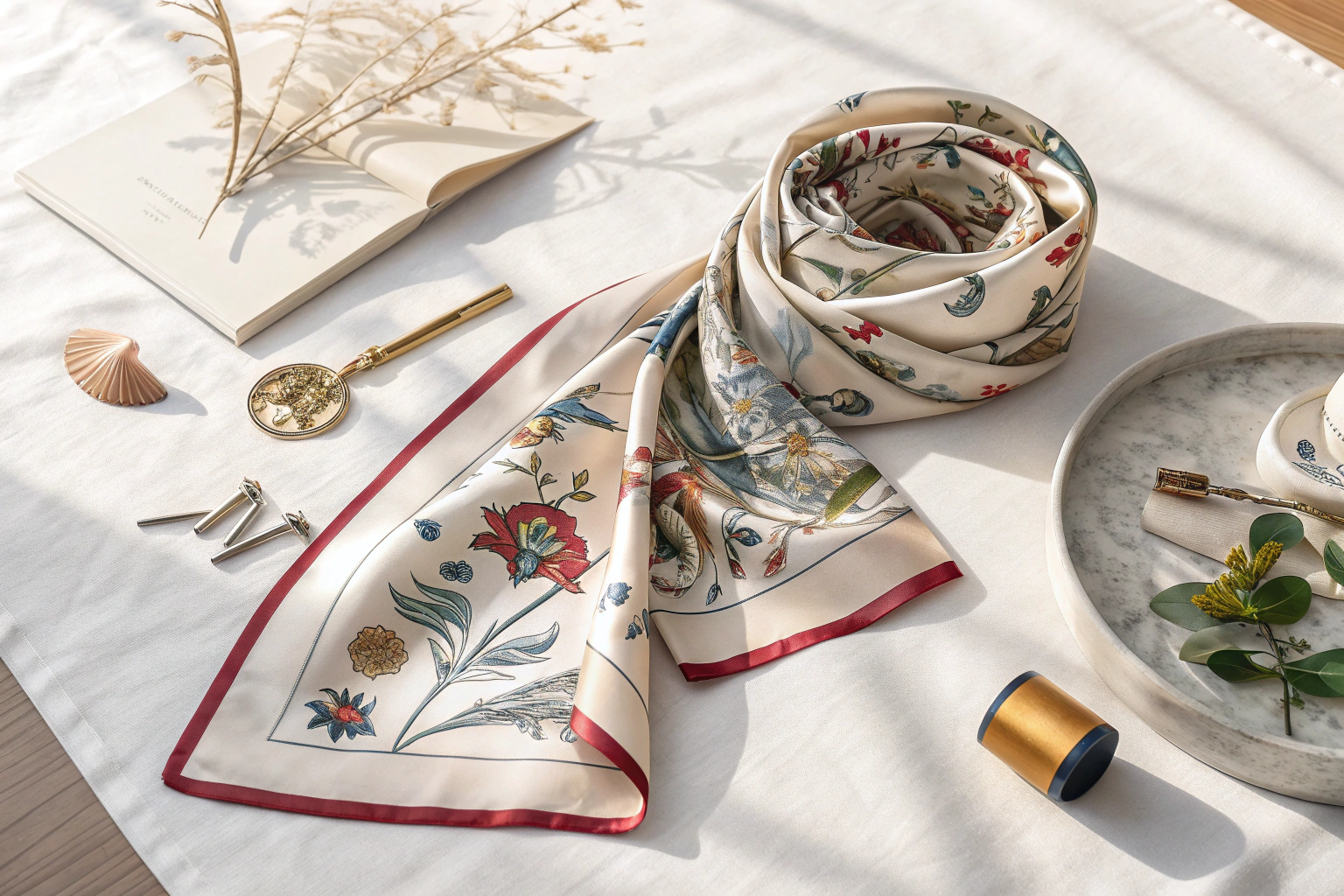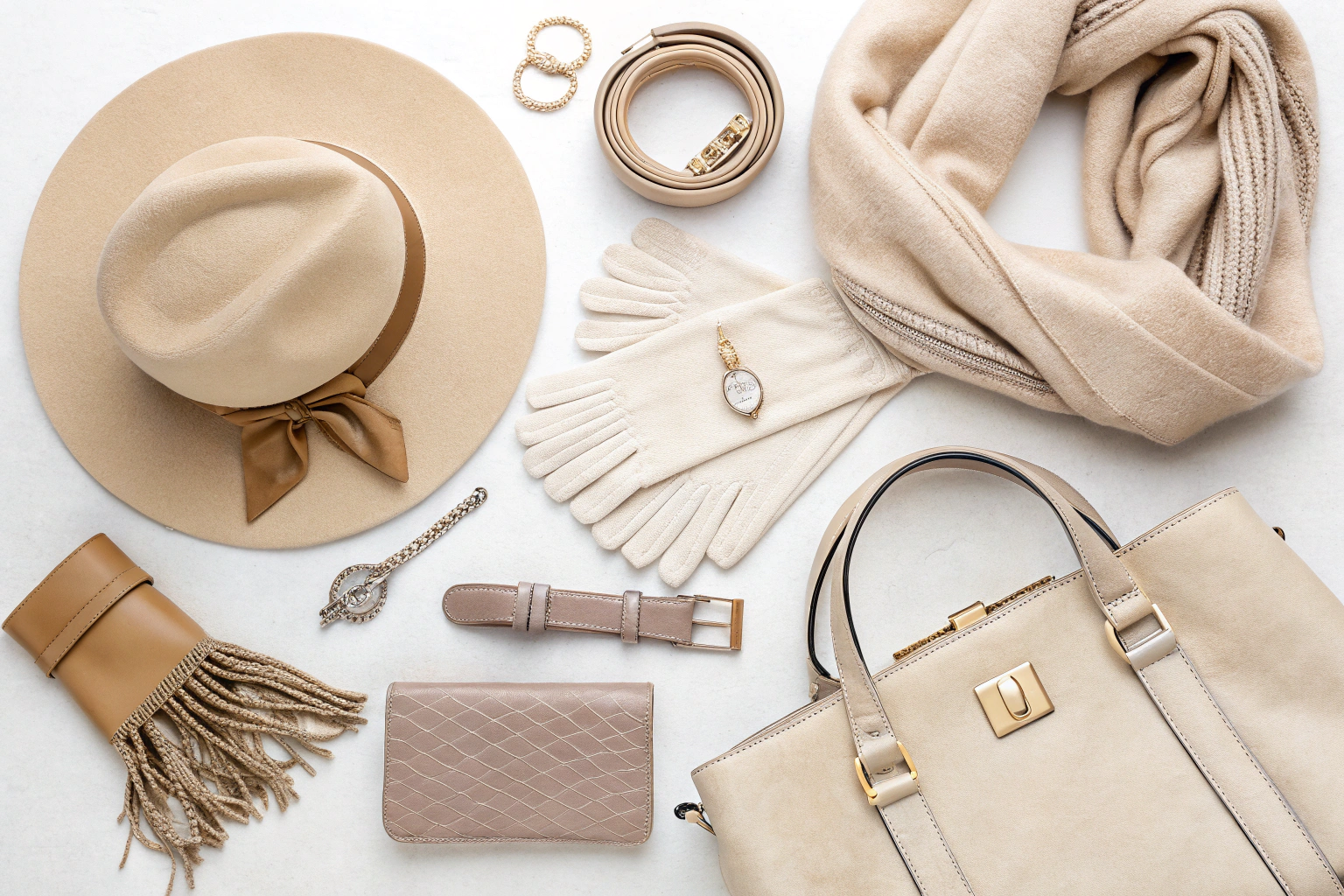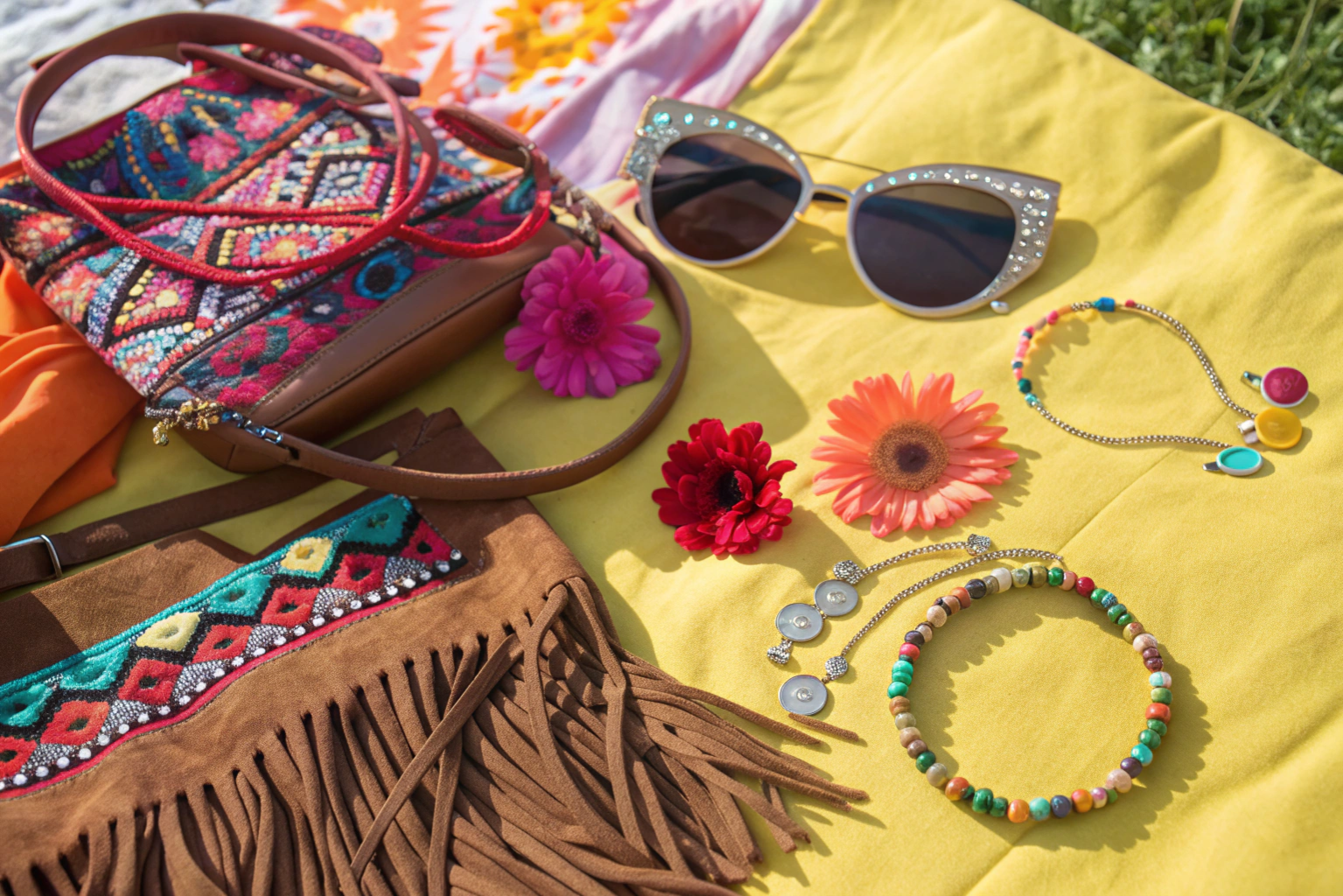
The market for vintage inspired accessories is booming. From Art Deco hair clips and Victorian lace gloves to 70s-inspired oversized sunglasses and retro scarves, consumers are craving pieces that tell a story and offer unique style. But as a brand owner, finding the right supplier to manufacture these nostalgic yet new pieces is a unique challenge. You need a factory that doesn't just replicate old designs, but understands the aesthetic essence, material authenticity, and construction techniques of bygone eras to create convincing, high-quality reproductions. Where do you begin this search?
Finding the right supplier requires targeting manufacturers with specific design capabilities and material expertise, rather than just mass-production capacity. The ideal partner will have an in-house design team skilled in historical research and trend adaptation, access to or knowledge of heritage materials (like acetate for sunglasses, filigree metals, or specific lace weaves), and the craftsmanship to execute delicate details like antiqued finishes, enamel work, or intricate etching. Your search must focus on suppliers who specialize in fashion jewelry, hair accessories, scarves, and small leather goods, as these are the core categories of vintage-inspired style.
This journey is about more than finding a vendor; it's about finding a creative collaborator. You need a partner who can help you navigate the line between "inspired by" and "costume," ensuring your collection feels authentic yet commercially viable. The following guide outlines the strategic steps to identify, vet, and partner with a manufacturer that can bring your vintage vision to life with quality and consistency.
Where to Find Manufacturers Specializing in Niche Aesthetics?
The mainstream B2B platforms where you find generic accessory suppliers will rarely yield partners with the nuanced understanding required for vintage-inspired work. Your search must be more targeted, leveraging industry-specific networks, trade shows, and creative communities that attract design-focused manufacturers.
Begin by focusing on trade shows dedicated to accessories, fashion, and gifts. Events like Première Classe (Paris), Accessories Circuit (New York), or JIAM (Japan) often attract smaller, specialized manufacturers who showcase design-led capabilities. While attending as a buyer, you can meet suppliers directly, assess the craftsmanship of their samples, and gauge their design aesthetic. Online, move beyond Alibaba. Use platforms like Maker's Row, Kompass, or Global Sources with highly specific search terms: "enamel jewelry manufacturer," "acetate eyewear factory," "vintage scarf printing," or "hair accessory OEM." LinkedIn is a powerful tool for this niche. Search for companies using keywords like "retro style accessories," "heritage jewelry manufacturing," or "custom vintage design," and examine their portfolios and client lists for relevant work.
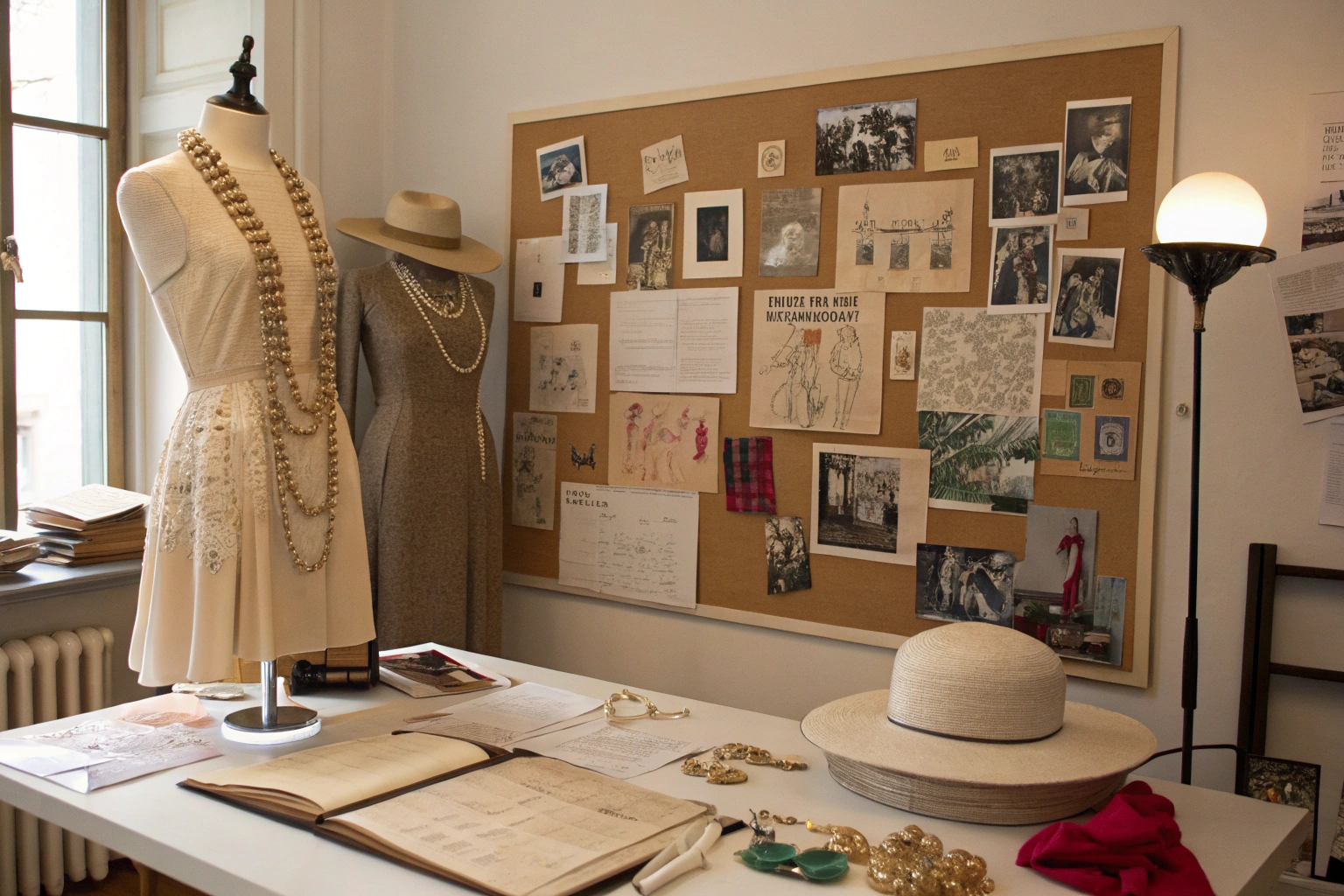
When you identify potential partners, your first communication is crucial. Instead of a generic price inquiry, send a curated design brief. This should include mood boards, inspiration images from specific eras (e.g., "1920s beaded flapper headbands," "1950s cat-eye sunglasses"), and notes on desired materials and finishes (e.g., "antique brass plating," "matte cellulose acetate," "viscose jacquard weave"). A supplier with genuine expertise in this area will respond with enthusiasm, ask insightful questions about the desired "feel" and "aging" techniques, and likely share their own portfolio of similar work. They may also advise on material alternatives that achieve the vintage look at a better cost or with improved durability—a sign of a valuable collaborative partner.

Are there specific regions known for vintage accessory craftsmanship?
Yes, certain manufacturing regions have developed deep expertise in categories that align with vintage aesthetics. For fashion jewelry and hair accessories with intricate metalwork, Yiwu and Qingdao in China have many factories specializing in alloy casting, enamel filling, and electroplating finishes like antique gold or rhodium. For high-quality acetate sunglasses and optical frames, the Danyang region in Jiangsu is renowned. For scarves and shawls with complex jacquard weaves or vintage prints, Hangzhou and Keqiao are key textile hubs. In Europe, Italy is famous for leather goods and eyewear, while Portugal has a strong reputation for jewelry. However, the most important factor is not just location, but the factory's specific portfolio and willingness to engage in custom, design-heavy projects.
How to use a design brief to filter suppliers?
A detailed design brief acts as the perfect filter. It separates transactional suppliers from creative partners. Include:
- Era & Inspiration: Clear reference to decades (e.g., "Art Nouveau," "Mid-Century Modern").
- Key Visual Elements: Describe details like "cabochon stones," "milgrain edges," "tassels," "floral cameos."
- Material Requirements: Specify desires like "feeling of weight," "non-shiny metal," "specific pantone colors for enamel."
- Target Price Point: Be transparent to see if they can work within your budget while maintaining quality.
Suppliers who respond with generic catalogs or only talk about MOQ and price are not the right fit. The right partner will comment on your brief, suggest modifications for manufacturability, and provide relevant prototype samples from their past work. This process helps you identify a factory like Shanghai Fumao Clothing, which invests in design teams capable of such collaborative development.
What Design and Development Capabilities are Essential?
Vintage-inspired design is not about copying; it's about interpreting. Therefore, your supplier must have an active design and development (D&D) department with specific skills that go beyond modern, minimalist accessory design. This capability is what transforms an idea into a tangible product that feels authentically vintage.
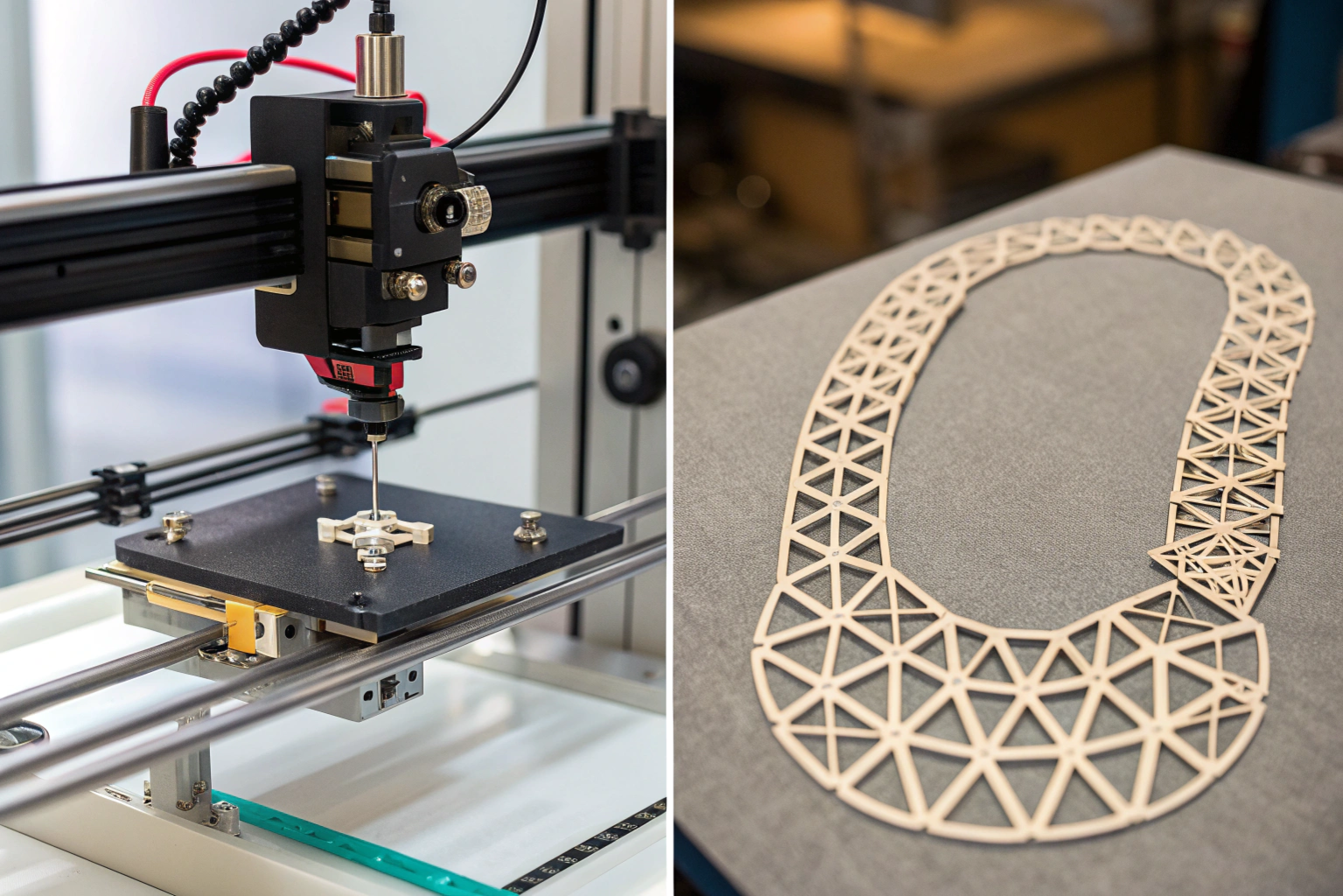
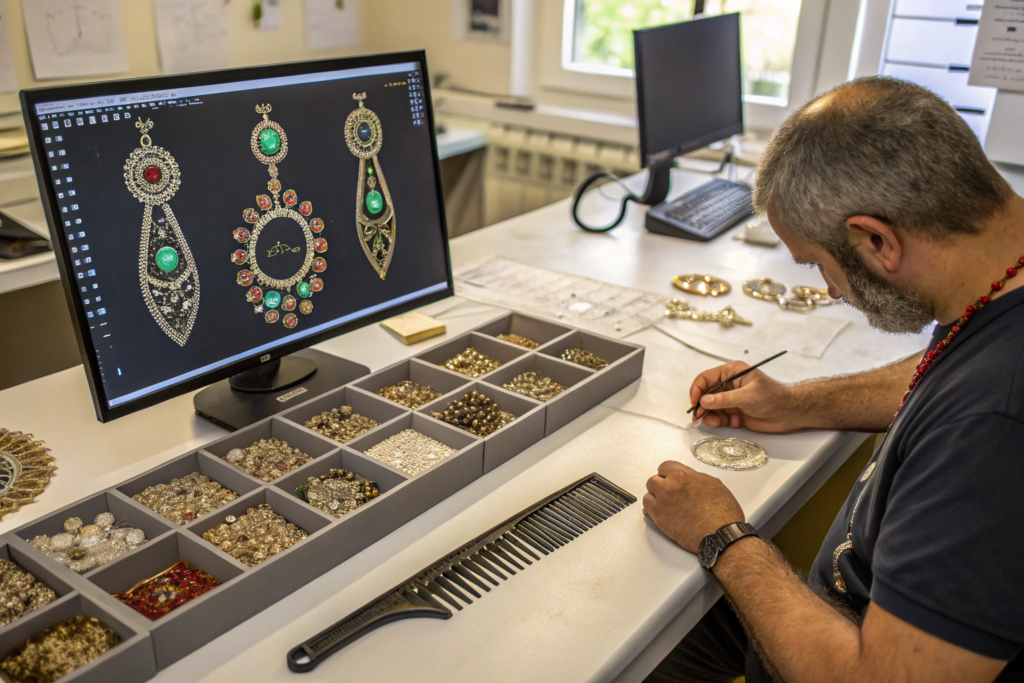
The essential capabilities include historical research, technical sketching and 3D modeling for complex forms, and material sourcing for heritage looks. A strong D&D team should be able to research period-correct styles and adapt them for modern wearability and production. They need proficiency in CAD software for jewelry or 3D rendering for sunglasses to visualize intricate details before costly sampling. Furthermore, they must have a network of material suppliers for items like lampwork glass beads, semi-precious stone cabochons, specific lace and embroidery patterns, or colored acetate blocks in vintage hues. Their sample room should be equipped to create antiquing effects through oxidation, tumbling, or specialized plating, and to assemble pieces with techniques like pave setting or filigree wiring that are hallmarks of vintage craftsmanship.
The development process for vintage-inspired pieces is typically more iterative. Expect and budget for multiple sample rounds. The first sample assesses shape and proportion; the second focuses on color, material feel, and the accuracy of aging techniques; the third is for final finish and packaging. Throughout this process, the factory should provide high-resolution photos under different lights to show patina and detail. They should also be proactive in identifying potential production challenges—for example, suggesting a zinc alloy with a heavy antique plating instead of solid brass for both cost and weight considerations, while achieving the same visual effect. This collaborative, problem-solving approach is the hallmark of a true specialist.
Why is a supplier's sample room a critical indicator?
The sample room is the heart of a design-oriented factory. Visiting it (or via video tour) tells you everything. Look for:
- Organization: Are materials and tools for delicate work well-organized?
- Skill Diversity: Do you see technicians working on different tasks—enamel filling, stone setting, laser etching?
- Past Projects: Are there half-finished samples that show complex, vintage-like designs?
- Equipment: Are there small-scale tools for lost-wax casting, etching machines, or tumblers for antiquing?
A sample room filled only with simple, modern pieces indicates a factory geared for high-volume, low-complexity work. A room buzzing with intricate prototype work signals the capability and passion for the detailed, custom projects that vintage inspiration demands. This hands-on development space is where initial concepts are proven, much like the rigorous testing required for functional product components.
How to assess a factory's material library for authenticity?
A factory's material library is its palette. When assessing for vintage authenticity, look beyond standard offerings. Ask to see:
- Metal Finish Samples: Do they have a range of antique gold, oxidized silver, gunmetal, and copper patina finishes?
- Acetate & Resin Sheets: Do they offer tortoiseshell patterns, marbled effects, and pearlized sheets?
- Stone and Bead Selection: Is there a variety of faceted glass, cabochons, and iridescent beads that mimic vintage finds?
- Fabric Swatches: For scarves or gloves, do they have jacquard weaves, brocades, or lace with classic patterns?
A supplier with a rich, curated material library demonstrates an investment in aesthetics and provides more creative options. They should also be knowledgeable about the sustainability of these materials, offering alternatives like bio-acetate or recycled metals without compromising the vintage look.
How to Ensure Quality Control for "Aged" Finishes and Details?
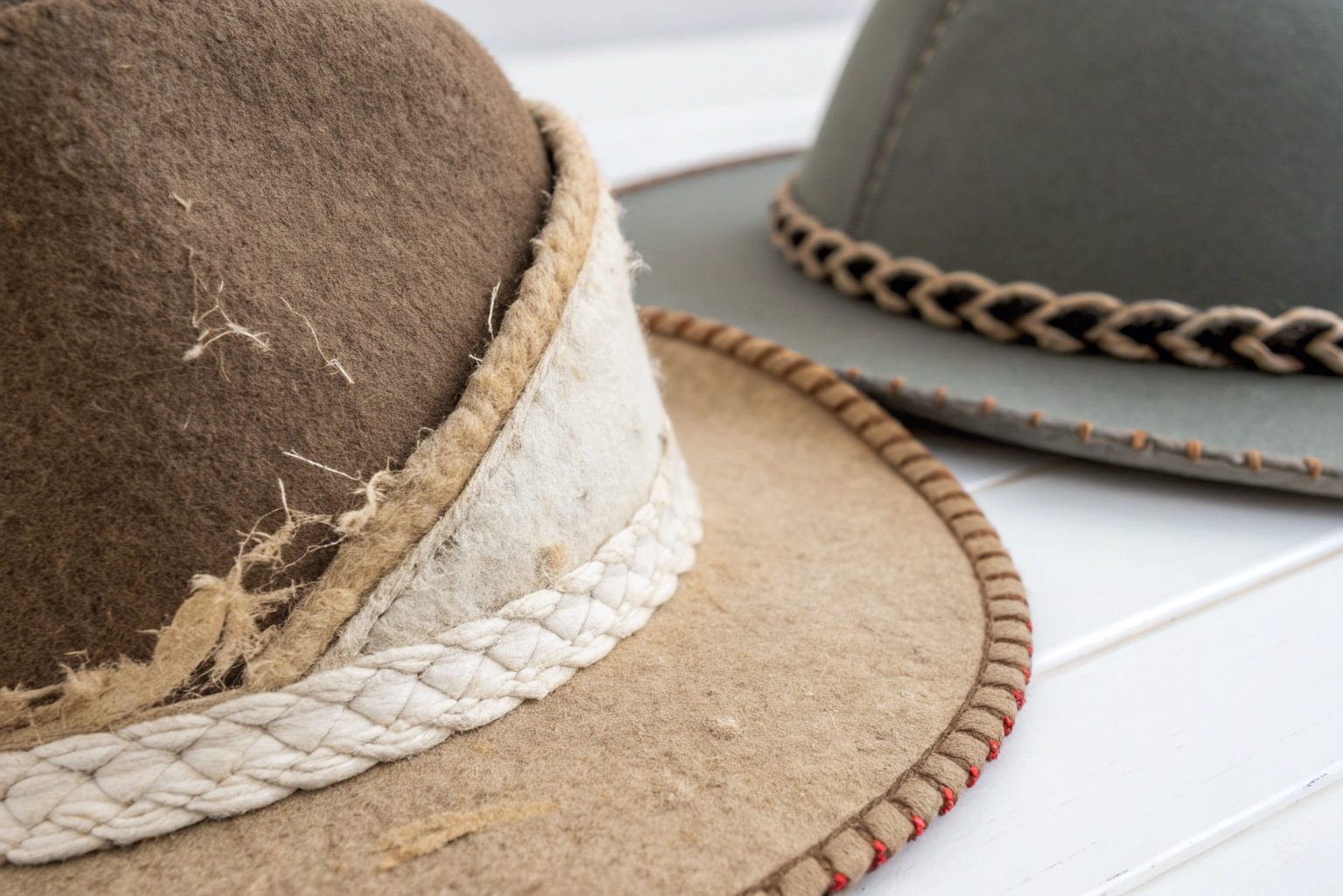
The quality paradigm for vintage-inspired accessories is unique. Perfection is not the goal; authentic imperfection is. However, this "aged" look must be consistent, intentional, and durable. Your quality control must therefore focus on the artistry of the finish and the integrity of delicate construction, ensuring that "distressed" doesn't mean "defective."
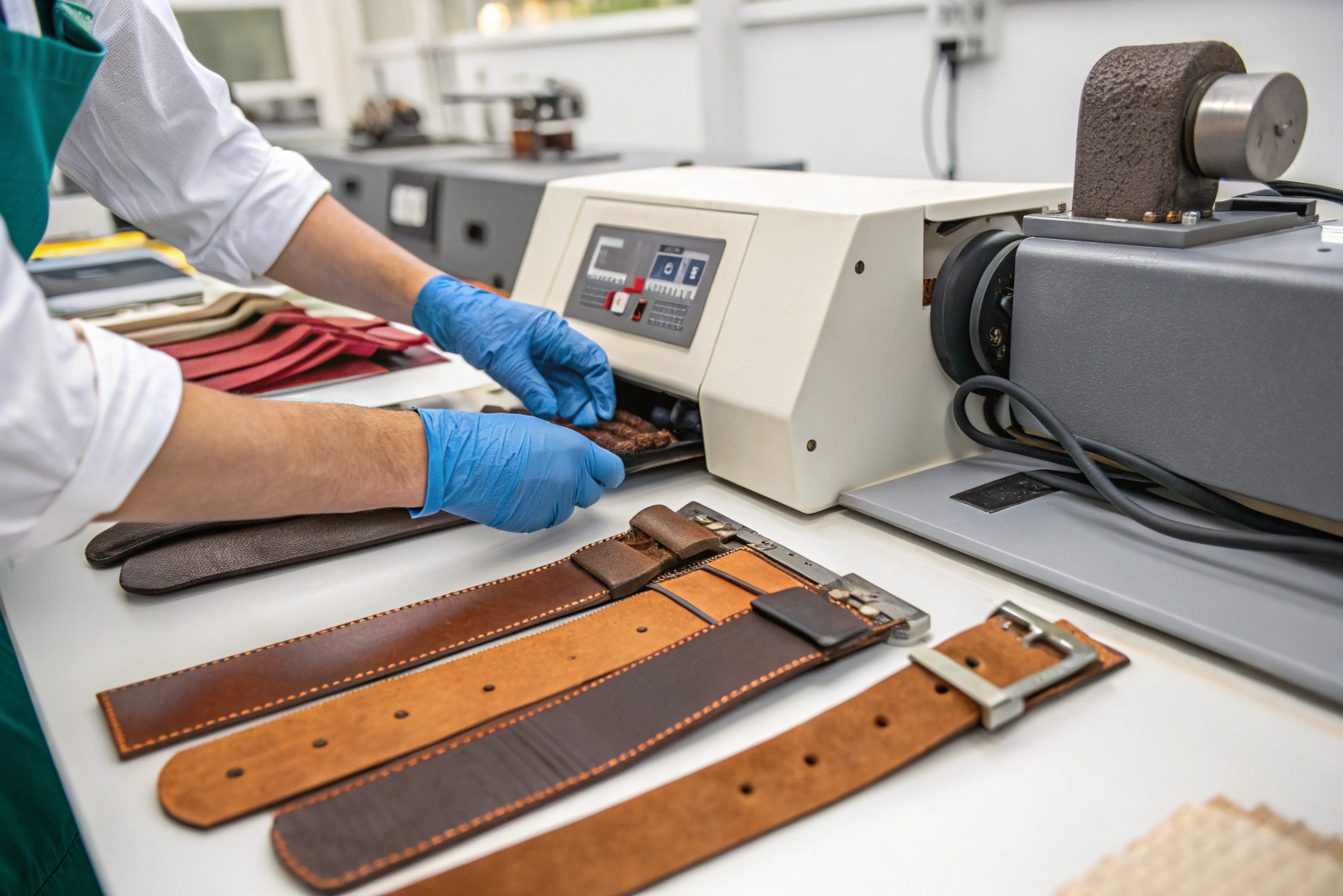
Establish clear finish standards through approved master samples. For an antiqued brass pendant, the master sample defines the exact darkness of the recesses and the highlight points. QC inspectors must compare production pieces to this master under consistent lighting. Key tests include wear tests for plating (e.g., a rub test with a soft cloth to ensure the antiquing isn't just surface paint that rubs off), stone setting checks (ensuring glued or prong-set stones are secure), and functionality tests for items like clasps, hinges on sunglasses, or elasticity in hair bands. For printed scarves, color matching to vintage-toned palettes and crocking tests (for colorfastness) are essential to ensure the product maintains its appeal after use.
Packaging is part of the quality experience. Vintage-inspired items often benefit from specialty packaging—dust bags with a linen feel, boxes with foil stamping, or hang tags with illustrated graphics. Your supplier should have experience sourcing or producing such packaging to complete the brand story. Furthermore, discuss their process control. How do they ensure batch-to-batch consistency for a hand-applied antique finish? Do they have a dedicated QC station for final detailing? A factory that understands these nuances will have a quality control protocol that addresses aesthetic consistency, not just structural faults, ensuring that every piece that reaches your customer feels special and well-made.
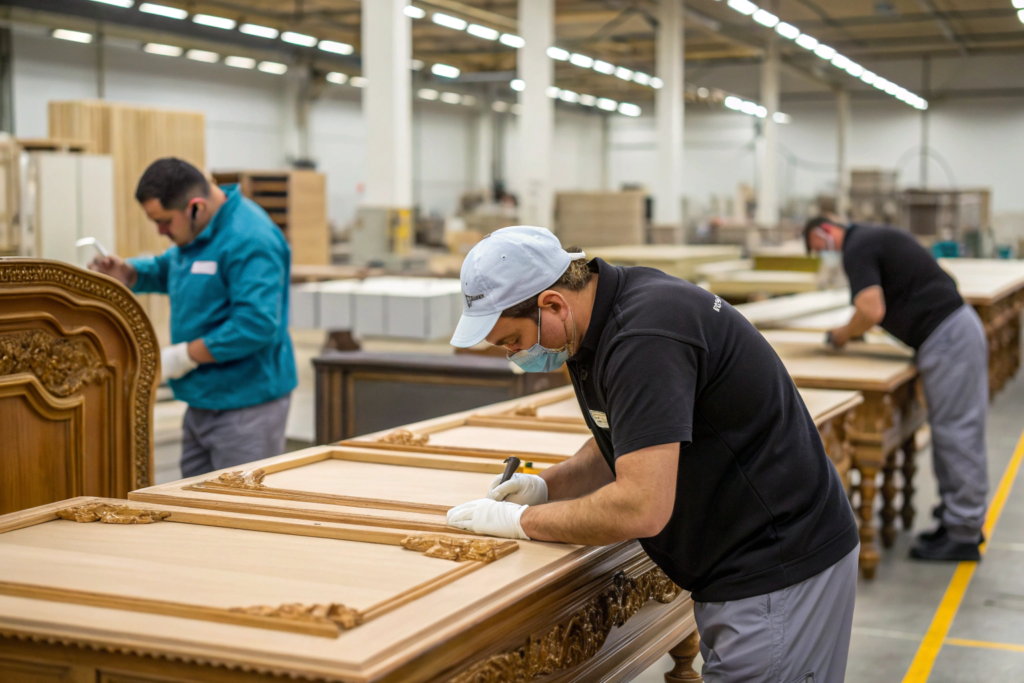
What are the key tests for plating and antique finishes?
For metal accessories, the finish is everything. Key tests include:
- Salt Spray Test (ASTM B117): Simulates accelerated corrosion to ensure the underlying plating and base metal resist tarnishing beyond the intended antique effect.
- Adhesion Test (Tape Test): A piece of specialized tape is pressed onto the plated surface and ripped off quickly. If any plating comes off with the tape, the adhesion is poor.
- Thickness Test: Using a coating thickness gauge, measure the micron thickness of the gold, silver, or other plating. A minimum thickness (often 0.5-1 micron for gold plating) is required for durability.
- Visual Consistency Check: Under standardized lighting, compare the distribution of the antique finish (dark in crevices, lighter on high points) against the master sample. This requires a trained QC eye.
A professional supplier will be able to provide reports or specifications for their standard plating thickness and expected performance, giving you confidence in the product's longevity.
How to define "acceptable variation" in handmade vintage pieces?
This is a critical commercial agreement. For items involving hand painting, hand antiquing, or hand-set stones, some variation is inherent and part of the charm. You must define the Acceptable Quality Limit (AQL) for aesthetic defects with your supplier. Create a visual guide:
- Critical Defects: Loose stones, broken clasps, sharp edges. (AQL 0% tolerance).
- Major Defects: Plating chips larger than 1mm, significant color deviation from master. (AQL 2.5 is standard).
- Minor Defects: Slight, natural variation in antique patina, tiny, non-sharp bubbles in enamel. (AQL 4.0 or higher).
By categorizing and agreeing on these limits upfront, you prevent disputes during inspection and ensure the finished goods meet your brand's standard for "artisanal variation" versus "unacceptable defect."
What Are the Sourcing and Logistics Considerations?
Sourcing vintage-inspired accessories often involves lower volumes of higher-value SKUs, and potentially complex components from specialized mills. This impacts your entire supply chain strategy, from minimum order quantities to shipping methods.
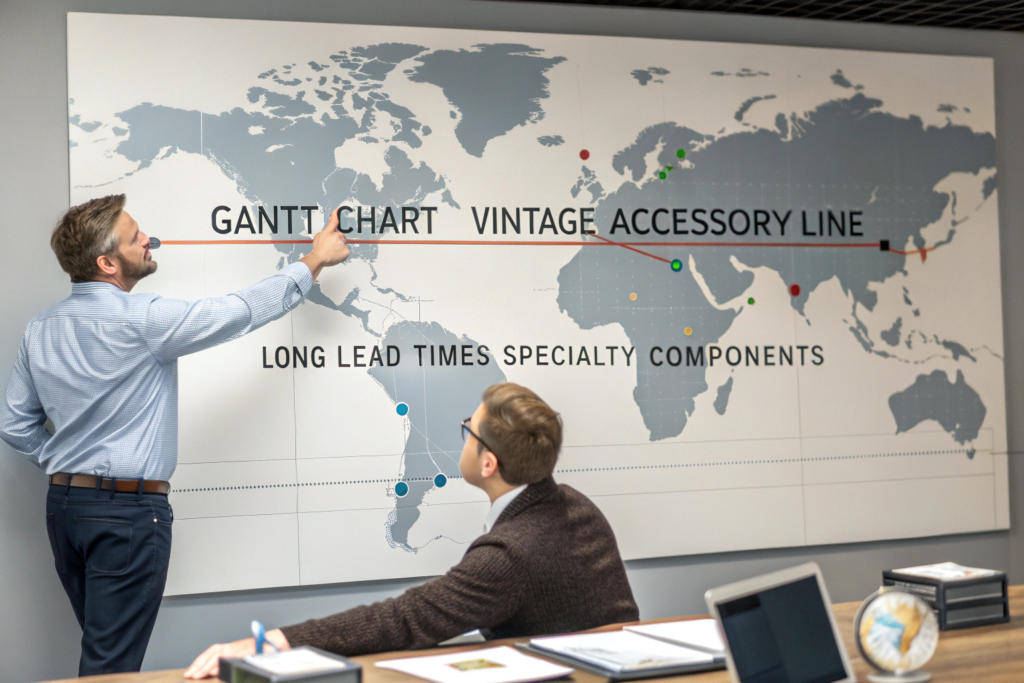
Negotiate flexible Minimum Order Quantities (MOQs). A good supplier for this niche will understand that brands may want to test 5-10 designs in small quantities before committing. They might offer low per-style MOQs (e.g., 100-300 pieces) but require a total container minimum across your collection. Be prepared for higher tooling and sample costs due to the custom nature of the work. Discuss component sourcing lead times—if they need to order special lace from France or specific acetate from Italy, this will extend your production timeline. Plan for a longer product development cycle compared to standard accessories.
For logistics, these items are often low-weight but high-value, making air freight a viable option for faster turnaround, though sea freight is more economical for larger orders. Given the delicate nature of many pieces, protective packaging is crucial to prevent damage in transit. Discuss DDP (Delivered Duty Paid) terms with your supplier to simplify the process and get a clear landed cost. Ensure they have experience in preparing proper documentation for costume jewelry (which may have different tariff codes than fine jewelry) and can advise on any specific labeling requirements for materials like nickel-containing alloys under regulations like EU REACH.
Can you produce vintage-inspired accessories in small batches?
Absolutely. In fact, the trend towards small-batch production aligns perfectly with the vintage-inspired market, which values uniqueness and limited runs. Many specialist factories cater to this model. The key is finding a partner with agile production lines and who utilizes technologies like digital printing for scarves or 3D printing for resin casting molds, which drastically reduce setup costs for small quantities. Be transparent about your volume expectations from the start to find a supplier whose business model matches your needs. This approach allows for greater creativity, faster response to trends, and reduced inventory risk.
How does component sourcing affect lead times?
Component sourcing is often the critical path in production. For a truly authentic piece, a factory may source glass stones from the Czech Republic, specialty ribbon from Japan, or eco-acetate from Italy. These international lead times can add 4-8 weeks to your schedule before production even begins. A proficient supplier will map this out for you during the quoting stage and may suggest holding safety stock of common vintage-style components (like certain chain types or filigree findings) to shorten lead times for future repeat orders. Your production timeline must account for this, and your planning should be based on the longest-lead-time component to avoid delays.
Conclusion
Finding the right supplier for vintage-inspired accessories is a quest for a creative and technical partner, not just a production facility. It requires targeting specialists with demonstrated design capabilities, material knowledge, and a passion for the details that define eras past. Success hinges on clear communication through detailed briefs, a collaborative development process with rigorous yet appropriate quality control, and a supply chain strategy adapted for lower volumes and unique materials.
By partnering with a manufacturer that embraces the artistry behind vintage style, you can build a brand that offers the charm and uniqueness of the past with the consistency and reliability of modern manufacturing. This partnership enables you to create accessories that resonate deeply with consumers looking for pieces with soul and story.
If you are looking to develop a captivating line of vintage-inspired accessories, we invite you to collaborate with us. At Shanghai Fumao Clothing, our design and production teams specialize in interpreting classic aesthetics for the contemporary market, with meticulous attention to detail, material authenticity, and small-batch flexibility. Let's create something timeless together. Contact our Business Director, Elaine, to begin the conversation: elaine@fumaoclothing.com.