Sourcing accessories for corporate uniforms—such as branded ties, scarves, pins, belts, or hats—requires a specialized approach that balances corporate identity, quality consistency, and logistical efficiency. Unlike fashion accessories, corporate uniform items serve as mobile brand ambassadors and must project professionalism, durability, and cohesive design across potentially thousands of units. Finding the right supplier is a strategic procurement task that goes beyond simple product sourcing.
The ideal supplier for corporate uniform accessories is a manufacturer with proven expertise in bulk customization, strict quality control protocols, and experience serving B2B clients with complex branding and delivery requirements. They must understand the importance of color matching, logo replication, and delivering on-time for uniform rollouts or employee onboarding cycles.
At Shanghai Fumao Clothing, we frequently partner with corporations, hotels, airlines, and large retail chains to produce their signature accessories. The process is distinct from our fashion work—it involves creating detailed technical packs, managing Pantone color approvals, and establishing inventory replenishment systems for ongoing needs. The right supplier acts as an extension of your procurement and branding teams.
What are the unique requirements for corporate accessory sourcing?
Corporate sourcing prioritizes consistency, compliance, and scalability over seasonal trendiness. The products must be uniform in the truest sense, meeting specific standards wear after wear, and aligning with the company's brand guidelines and often, industry-specific regulations.
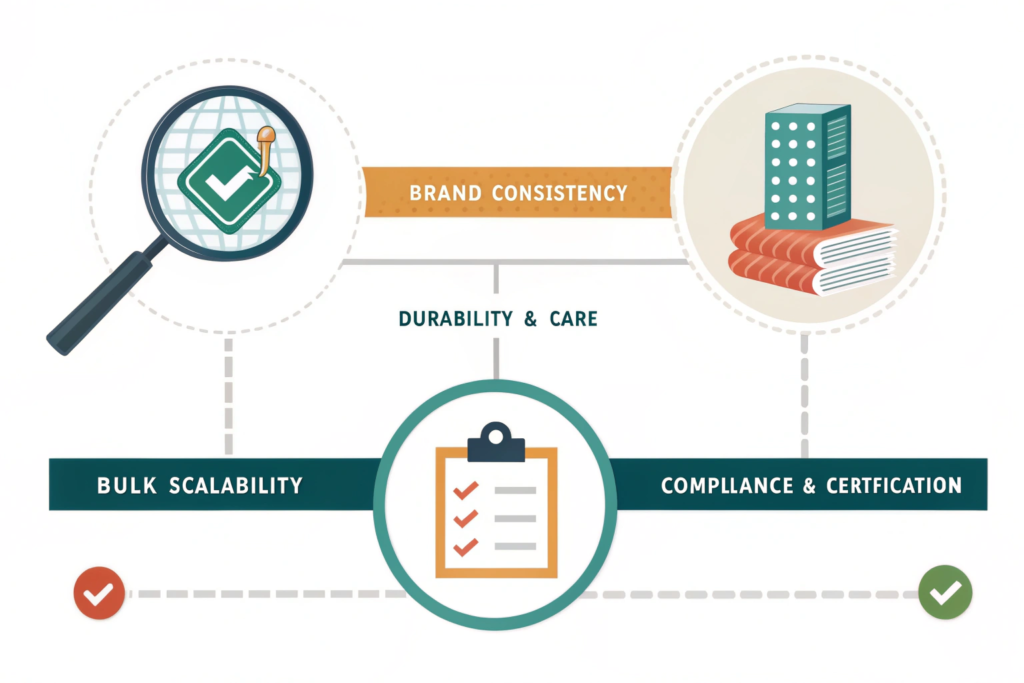
Key requirements include absolute consistency in branding, durability for frequent use and industrial laundering, and reliable supply chain management for reorders and large initial quantities.
Why is brand consistency and color matching non-negotiable?
When an employee in New York and another in London wear the same scarf, the color and logo must be identical. This requires:
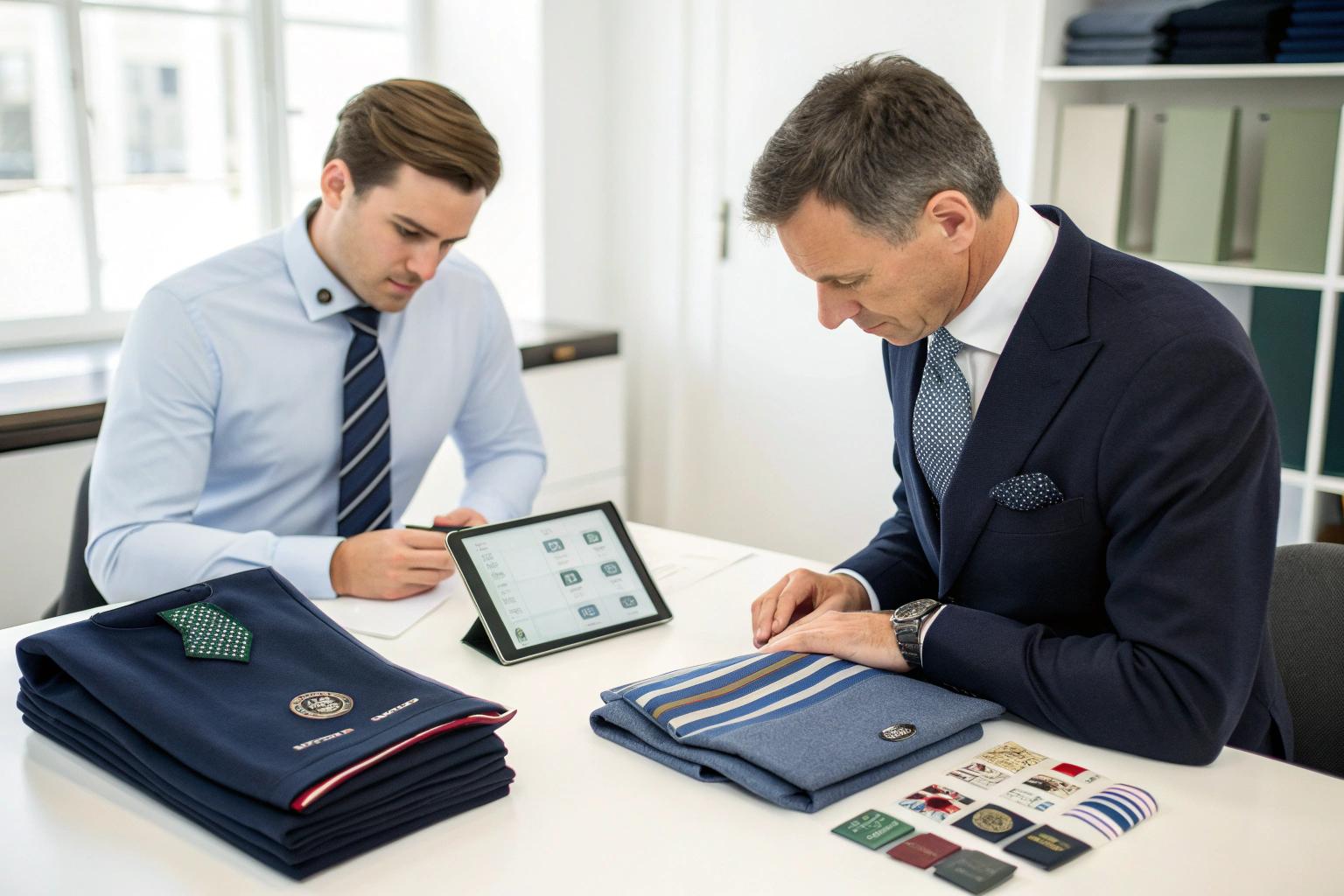
- Precise Color Specification: Use of Pantone TPX/TCX codes for textiles. A professional supplier will provide lab dip approvals—small fabric swatches dyed to your exact color for sign-off before bulk production.
- Logo Application Expertise: Whether it's woven jacquard for a scarf, embroidered on a hat, or dye-sublimated on a tie, the technique must produce a sharp, durable brand mark. The supplier should provide multiple application samples for evaluation.
- Bulk Production Control: They must have systems to ensure the 1st and the 10,000th unit are identical. This is a core aspect of a factory's quality assurance capability, often involving statistically-based AQL inspections.
How do durability and compliance factors influence supplier selection?
Corporate accessories endure heavy use. A hotel concierge's tie or a flight attendant's scarf is worn daily and cleaned frequently.
- Fabric and Construction Standards: Fabrics must be chosen for colorfastness, wrinkle resistance, and strength. Seams and hems must be secure.
- Care Labeling and Testing: Items may need to comply with flame resistance standards (e.g., for aviation) or specific industrial washing protocols. Suppliers should be able to provide or facilitate relevant test reports from accredited labs.
- Social Compliance: Many corporations require suppliers to adhere to ethical manufacturing codes of conduct. Factories may need to provide audit reports (like SMETA, BSCI) to win the business.
Where should you search for qualified corporate suppliers?
Your search should be targeted towards manufacturers who explicitly serve the B2B, uniform, and promotional products markets, rather than general fashion accessory suppliers.
Leverage industry-specific platforms, trade shows, and established networks where suppliers are vetted for their ability to handle corporate accounts.
Which B2B platforms and directories are most effective?
- Alibaba.com & Global Sources: Use advanced filters. Search for "corporate scarf manufacturer," "custom tie factory," or "promotional accessory OEM." Filter by "OEM/ODM" capability and "Verified Supplier." Pay close attention to suppliers who showcase case studies with other corporate or hospitality clients.
- Industry-Specific Directories: Explore directories from associations like the Association of Uniform Manufacturers & Distributors (AUMD) or ASI (Advertising Specialty Institute) for suppliers specializing in branded corporate wear.
- Professional Networks: LinkedIn is powerful. Search for "uniform accessory manufacturer" and connect with sales managers. Their profiles and company pages often reveal their client focus.
Why are trade shows unparalleled for vetting suppliers?
Trade shows dedicated to uniform, corporate wear, and promotional products are critical. Events like the IAAD (International Association of Amusement Parks and Attractions) show, HOSTEX (for hospitality), or Promotional Products Association International (PPAI) Expo bring specialized suppliers together.
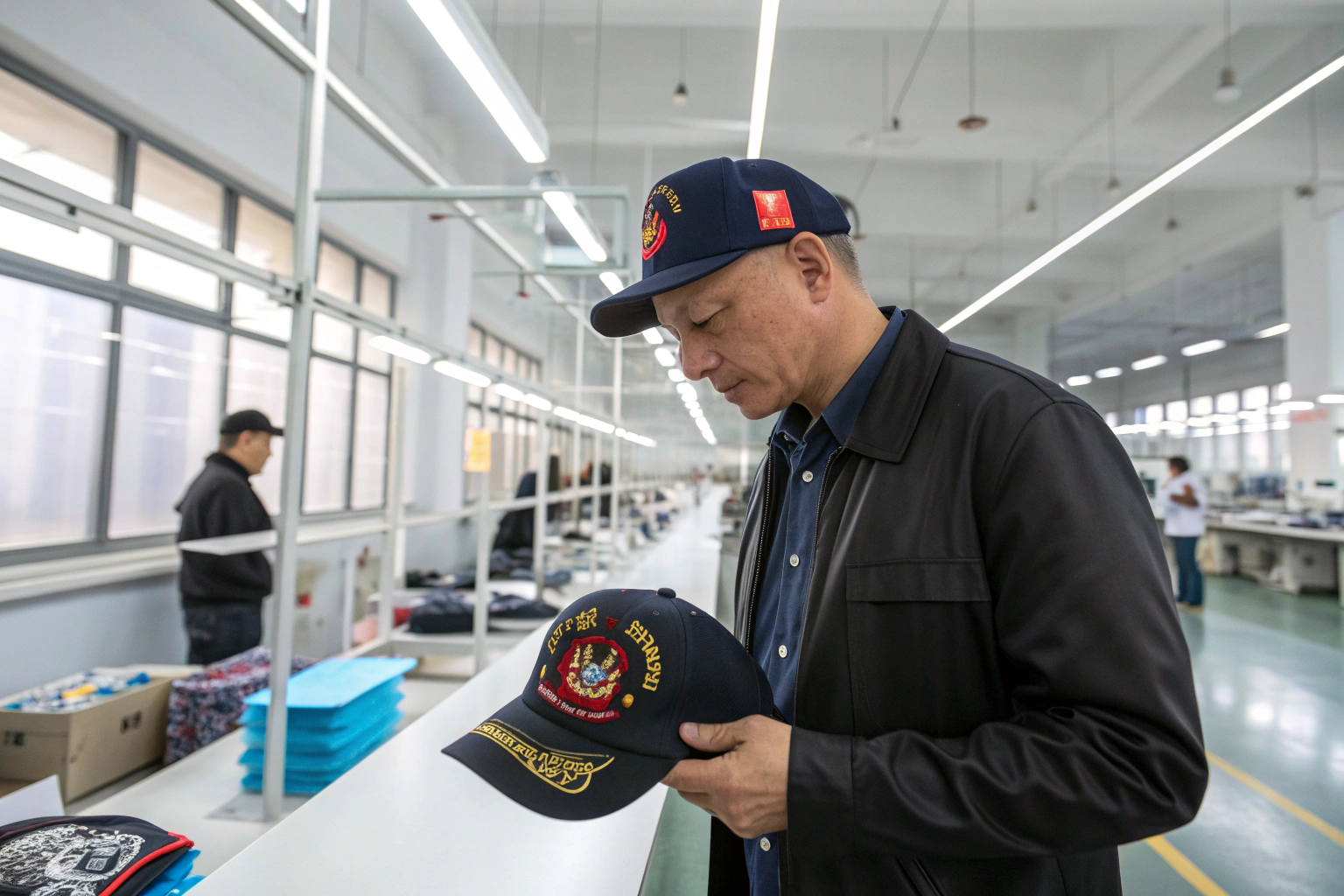
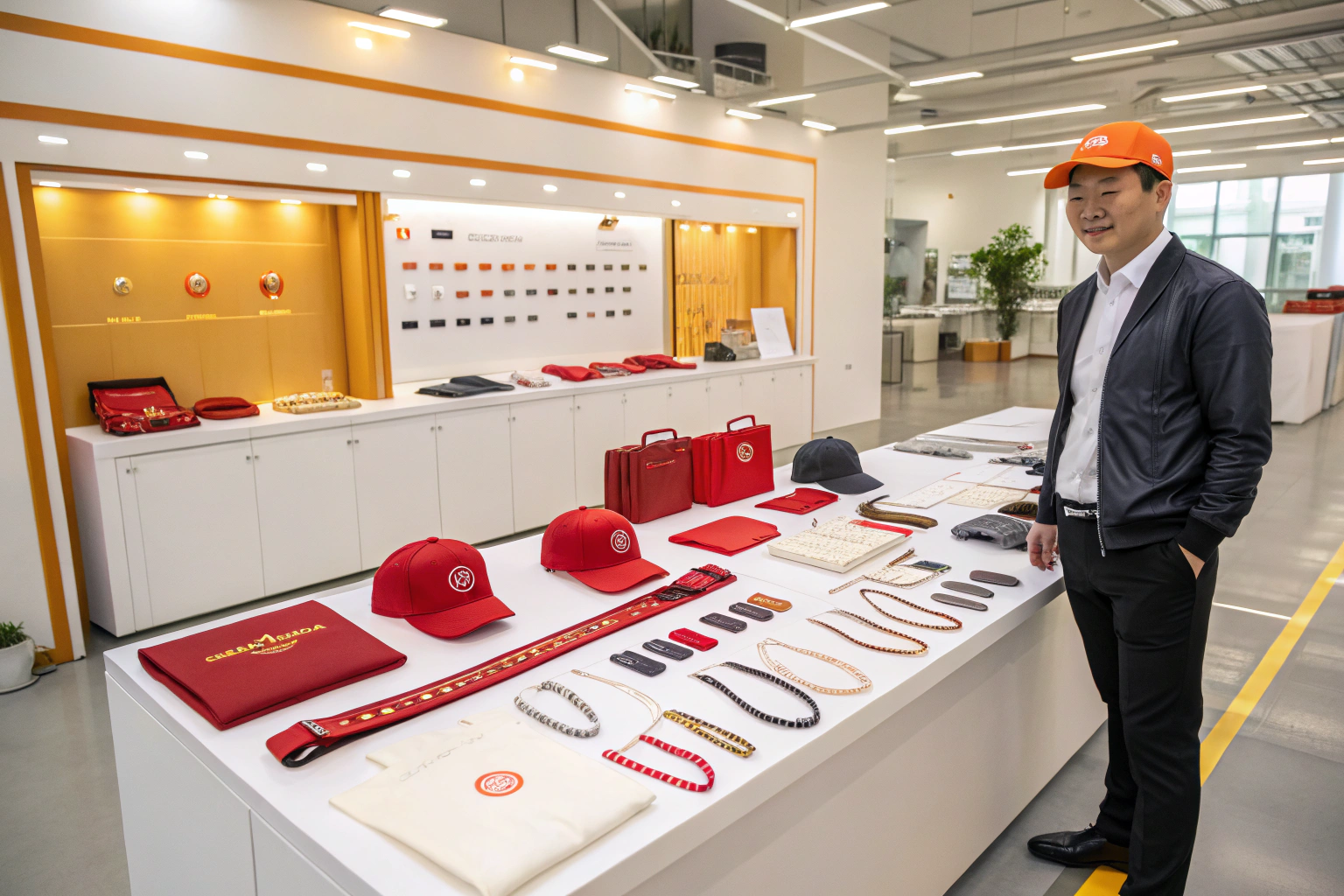
- Tangible Quality Assessment: You can physically feel fabric weight, inspect stitching, and assess logo quality on samples.
- Face-to-Face Negotiation: You can discuss MOQs, customization processes, and timelines directly, building a relationship from the start.
- Industry Networking: You can get referrals from peers in similar industries (e.g., a hotelier recommending a scarf supplier to a restaurant chain).
What is the critical vendor vetting and sampling process?
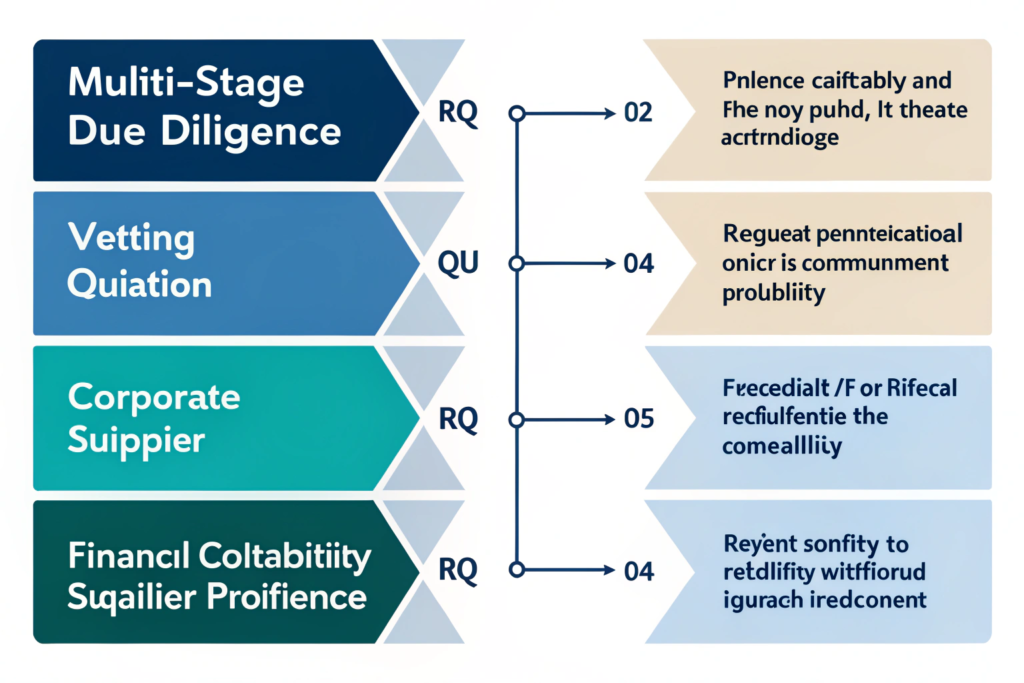
Vetting a potential corporate supplier is a multi-stage due diligence process. It must verify not just product capability, but also operational reliability, financial stability, and communication proficiency.
The process should be systematic: from initial RFQ (Request for Quotation) to a rigorous sampling phase before any bulk order commitment.
What questions reveal a supplier's corporate readiness?
During initial conversations, ask:
- "Can you provide case studies or references from other corporate clients?" (Request permission to contact them).
- "What is your process for ensuring color and logo consistency across a 5,000-piece order?" (Listen for details on lab dips, loom programming, and QC checkpoints).
- "How do you handle inventory and reorders? Can we set up a standing order or JIT (Just-in-Time) delivery schedule?"
- "What compliance certifications do you hold? Can you provide a facility audit report?"
- "Who will be our dedicated point of contact and project manager?" (A single point of accountability is essential).
Why is the sampling phase so crucial?
Never skip or rush sampling. A proper sampling process has stages:
- Prototype Sample: To confirm design, size, and general look. May be in substitute materials.
- Lab Dip & Strike-Off Approval: For color and logo technique approval.
- Pre-Production Sample (PP Sample): Made with final materials, colors, and branding. This is the contractual standard for the bulk order. You must approve and keep this sample.
- Production Sample: A random piece from the beginning of the bulk run to confirm it matches the PP sample.
A supplier who rushes you through sampling or is unwilling to provide multiple rounds is a red flag. The cost and time invested here prevent costly bulk order mistakes.
How to structure the partnership for long-term success?
A corporate uniform program is often ongoing. The supplier relationship should be structured as a strategic partnership, with clear agreements on quality, logistics, and communication to ensure smooth operation for years.
This involves detailed contracts, agreed-upon KPIs (Key Performance Indicators), and integrated planning.

What should be included in a master supplier agreement?
A robust contract protects both parties and clarifies expectations. Key clauses include:
- Quality Specifications: Reference to the approved PP sample and detailed technical pack as the binding standard.
- AQL Inspection Rights: Your right to inspect goods at the factory before shipment, often using a defined AQL level (e.g., AQL 2.5 for critical defects).
- Delivery and Penalty Terms: Clear on-time delivery requirements, Incoterms (usually FOB), and penalties for late delivery.
- Pricing and Payment Terms: Locked pricing for a period, or a formula for adjustments. Standard terms might be 30% deposit, 70% before shipment.
- Intellectual Property (IP) Protection: Guarantee that your logos and designs are confidential and will not be used for other clients.
How to manage logistics and ongoing inventory needs?
For recurring needs, efficient logistics are key.
- Consolidated Shipping: If sourcing multiple items, the supplier should consolidate into fewer shipments to reduce cost and complexity.
- Kanban or Replenishment System: Establish a system where the supplier monitors your inventory levels (based on shared data) and automatically triggers a reorder when stock hits a minimum.
- Regional Stocking: For very large corporations, some suppliers offer to hold safety stock in regional warehouses (e.g., in the US or EU) for faster regional distribution.
This level of service is what transforms a good supplier into a valued strategic partner, such as the integrated support we aim to provide at Shanghai Fumao Clothing for our corporate accounts.
Conclusion
Finding the right supplier for corporate uniform accessories is a strategic process that demands a focus on precision, consistency, and partnership. It requires moving beyond basic price comparisons to a deep evaluation of a manufacturer's technical capabilities, quality systems, and understanding of B2B operational needs. A successful partnership ensures your branded accessories consistently reflect your corporate identity with professionalism and quality, supporting your team and your brand image.
By conducting thorough searches in the right venues, executing a rigorous vetting and sampling process, and establishing a clear, long-term agreement, you secure a supply chain asset that adds value far beyond the cost per unit.
If your corporation is evaluating suppliers for custom ties, scarves, hats, or other uniform accessories, we have the expertise and systems in place to meet the stringent demands of corporate programs. Contact our Business Director Elaine at elaine@fumaoclothing.com to discuss your program's requirements and how we can deliver consistent quality and reliability.