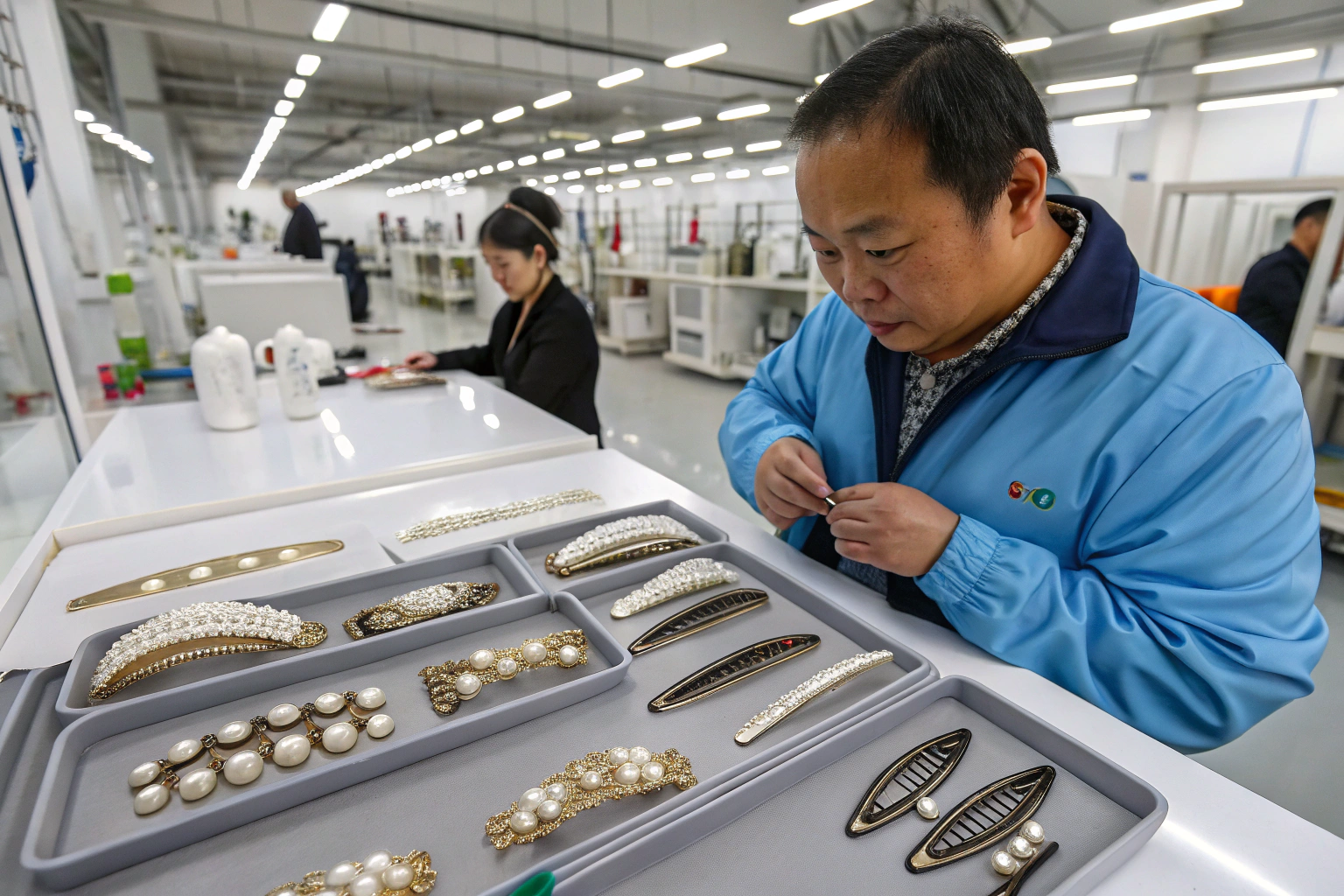
You see the trend everywhere: reversible bucket hats are the must-have accessory, offering two styles in one. The market is ready, your designs are fresh, but a critical question stalls your progress: how do you find a factory that can expertly produce these technically demanding hats? Sourcing a supplier who understands the unique construction, material pairing, and quality finishing of a reversible hat is the difference between a bestseller and a warehouse full of flawed products.
The most reliable way to find a supplier is a multi-channel approach that combines targeted online searches on B2B platforms, direct engagement at international trade shows, and leveraging verified industry networks. For a specialized product like reversible bucket hats, you need a factory with proven expertise in cut-and-sew headwear, experience with multiple fabric types, and a strong quality control process for reversible construction. The goal is to move beyond generic hat manufacturers to specialists who can become true partners.
Many brands settle for the first supplier that offers a low price, only to face issues with seam alignment, bulky reversibility, and inconsistent sizing. This guide will walk you through a step-by-step process to identify, vet, and select the right manufacturing partner for your reversible bucket hat line. We’ll cover where to search, what key questions to ask, how to evaluate samples, and the red flags to avoid, ensuring your product matches your vision perfectly.
Where to Start Your Search for a Reversible Bucket Hat Supplier?
The internet is vast, and trade shows are numerous. Beginning your search without a strategy can lead to information overload and wasted time. You need a focused plan that prioritizes channels where competent headwear manufacturers actively seek business. Where should you invest your initial effort for the highest return?
Start with online B2B manufacturing platforms that allow for detailed filtering, such as Alibaba.com, Made-in-China.com, or Global Sources. Use specific keywords like "reversible bucket hat manufacturer," "technical headwear factory," or "custom sewn hats." These platforms often have verification systems for suppliers. Secondly, research and plan to attend key international fashion and accessory trade shows like the MAGIC Show in Las Vegas, Première Vision in Paris, or the Canton Fair in China. These events allow for face-to-face meetings and immediate sample evaluation.
A targeted search saves months of back-and-forth and connects you with suppliers who are already equipped to handle your product's specific requirements.
How to Effectively Use Alibaba to Find Specialized Hat Factories?
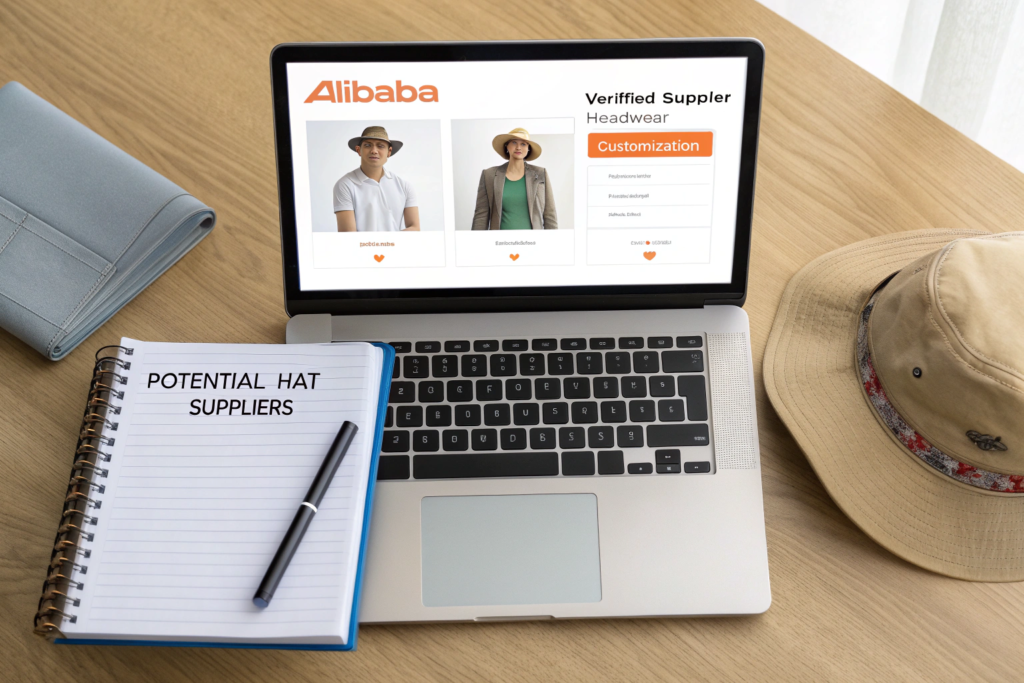
Alibaba.com is a powerful starting point, but you must use advanced filters to narrow down to capable suppliers. Do not just search for "bucket hat." Use the precise term "reversible bucket hat" in the search bar. Then, apply critical filters: check "Verified Supplier" and "Trade Assurance" for buyer protection. Look for suppliers whose "Main Products" clearly list headwear, caps, and beanies, indicating specialization. Review their product galleries for images of reversible or complex sewn hats—this shows existing capability. Finally, assess their response rate and time; a supplier with a 95%+ response rate within a few hours is likely organized and serious. Initiating contact through Alibaba's messaging system creates a record and allows you to send detailed inquiries.
Why Are Trade Shows Invaluable for Sourcing Technical Apparel?
Trade shows offer an unparalleled opportunity to assess a supplier's capability in person. You can touch and feel multiple samples of their work, instantly judging fabric quality, stitching, and the finishing of reversible seams. You can have real-time technical discussions with factory engineers or managers about construction challenges. Shows like the Canton Fair (China Import and Export Fair) have entire sections dedicated to textiles and garments, where you can meet dozens of hat manufacturers in one place. The Première Vision show is excellent for sourcing high-tech and sustainable fabrics, which is crucial for a premium reversible hat. Attending these shows demonstrates your seriousness and helps build a personal relationship, which is foundational for a smooth production partnership.
What Key Questions to Ask a Potential Hat Supplier?
Once you have a shortlist of potential factories, the next step is a detailed qualification process. The questions you ask separate the true specialists from the generalists. Your goal is to uncover their experience, capacity, and processes specifically related to reversible headwear. What do you need to know before even requesting a quote?
Your inquiry should cover five core areas: 1. Product Specialization & Experience, 2. Production Capacity & Lead Times, 3. Quality Control Processes, 4. Compliance & Certifications, and 5. Communication & Project Management. Asking detailed, technical questions early on filters out suppliers who cannot meet your standards and identifies those who are experts.
What Are the Must-Ask Questions About Reversible Construction?
The construction of a reversible hat is its most critical aspect. Ask these specific questions: "Can you explain your standard process for sewing and finishing reversible bucket hats to ensure a clean look on both sides?" "How do you manage seam allowances and hiding stitching, especially around the brim and crown join?" "What techniques do you use to minimize bulk where the two fabrics meet?" A competent factory will have clear answers, likely mentioning techniques like French seams or bound seams for a clean interior, and precise pattern grading to reduce excess material. Ask to see close-up photos or videos of the reversible seam construction on their existing samples. Their ability to explain this technical detail is a strong indicator of real experience.
How to Evaluate a Factory's Quality Control for Consistency?
Consistency across hundreds or thousands of units is paramount. Ask: "What are your in-process QC checkpoints for a reversible hat?" (Look for answers like fabric inspection, cutting approval, stitching checks, and final inspection). "What is your standard AQL (Acceptable Quality Level) for inspection, and can you provide inspection reports?" (A common standard is AQL 2.5 for accessories). "Do you have a dedicated QC team, and can we hire a third-party inspector during production?" A transparent factory, like Shanghai Fumao Clothing, will welcome these questions and often have a documented QC procedure they can share. This shows they systematize quality rather than leaving it to chance.
How to Properly Evaluate a Supplier's Sample?
A supplier's sales pitch and your product sample are two different things. The sample is the ultimate test of their capability. A poorly made sample is a definitive red flag, no matter how attractive the price or promises. How should you structure your sampling request and evaluation to get the most truthful assessment of their skills?
Always request a custom sample based on your own tech pack and specifications, not just a stock sample from their catalog. Be prepared to pay a reasonable sample fee—this shows seriousness and covers the factory's costs. When evaluating the sample, conduct a meticulous, step-by-step assessment focusing on materials, construction, sizing, and finishing.
The sample is a proxy for your entire production run. Scrutinizing it with a critical eye prevents costly mistakes later.

What Specific Details Should You Check on a Reversible Hat Sample?
Your evaluation should be systematic. Create a physical checklist:
- Fabric: Does the material match your requested weight, composition, and hand feel on both sides? Is it pre-shrunk?
- Construction: Turn the hat inside out repeatedly. Is it easy to reverse? Do the seams lie flat without puckering or excessive bulk? Are there any loose threads?
- Stitching: Check the stitch density (SPI – stitches per inch). It should be consistent and tight enough for durability. Look for any skipped stitches.
- Symmetry & Shape: Is the crown symmetrical? Does the brim have a consistent, smooth curve all around? Does the hat hold its intended shape when placed on a flat surface?
- Size & Labeling: Measure the hat's circumference and brim width against your spec sheet. Check the placement and quality of any internal labels or care tags.
Why is a "Test of Wear" Important for Sample Evaluation?
Beyond static inspection, you must subject the sample to real-world conditions. Wear the hat for a day. Does it feel comfortable? Does it stay on securely in a breeze? Reverse it multiple times over several days. Does the fabric show signs of premature wear or pilling along the seams? Does the structure become sloppy? Wash the sample (if washable) according to the care instructions you plan to use. Does it shrink? Do the colors bleed? Do the seams hold? This "torture test" reveals the product's true durability and the factory's understanding of material performance, which generic inspections miss. Reputable resources like the American Headwear Institute provide guidelines on quality standards that can inform your testing.
What Are the Major Red Flags When Sourcing a Supplier?
In the excitement of finding a potential partner, it's easy to overlook warning signs. Ignoring these red flags can lead to production nightmares, financial loss, and brand damage. What behaviors or gaps in the process should immediately make you cautious?
Major red flags include: Unrealistically low quotes that are far below market rate (indicating corner-cutting on materials or labor), reluctance to provide a detailed contract or proforma invoice, avoidance of video calls or factory tours, pressure for large upfront payments (a standard is 30-50% deposit), and vague or evasive answers to technical questions. Additionally, a lack of a dedicated project manager or slow, inconsistent communication are strong indicators of future problems.
Trust your instincts. If something feels off during the sourcing phase, it will likely worsen during production. Proceeding with caution is always cheaper than dealing with a failed order.

How to Spot a Trading Company Posing as a Factory?
Many middlemen (trading companies) operate on B2B platforms. While some are excellent, others add cost and communication layers. To identify a true factory, ask direct questions: "May we have a video tour of your production floor, specifically the cutting and sewing sections for hats?" "Can you provide the business license and show the factory address?" Genuine factories are usually proud to show their facilities. Be wary of suppliers who only have studio-quality photos of products on models but no images of workshops or machinery. Check the company's listed location; many true headwear factories are clustered in regions like Zhejiang or Guangdong province in China. A direct manufacturer like Shanghai Fumao Clothing will transparently share this information to build trust.
Why is a Detailed Contract More Important Than a Low Price?
A comprehensive manufacturing agreement protects both parties. A red flag is a supplier who refuses to sign a contract or insists on overly simple terms. Your contract should clearly specify: Product specifications (referencing the approved sample and tech pack), quality standards (AQL level), delivery schedule, payment terms (linked to milestones), liability for defects, and protocols for changes or delays. Using a contract template from a legal resource like the International Trade Centre can be a good starting point. A reliable supplier understands the need for clarity and will negotiate contract terms in good faith. Agreeing on a fair price with a solid contract is always safer than a cheap price with no protections.
Conclusion
Finding a reliable supplier for reversible bucket hats is a deliberate process of research, qualification, and verification. It begins with targeted searches on specialized platforms and at trade shows to create a shortlist of potential partners. It advances through asking incisive, technical questions that reveal true expertise in reversible construction. It culminates in the rigorous evaluation of a custom-made sample, treating it as the blueprint for your entire production run. Throughout this journey, you must remain vigilant for red flags like unrealistic pricing and lack of transparency.
The ultimate goal is to move from a transactional buyer-supplier relationship to a strategic partnership. The right factory will not just execute your order but will collaborate on solving construction challenges, ensuring quality at scale, and helping you bring a superior product to market. This partnership is the unseen foundation of any successful accessory line.
If you are seeking a manufacturing partner with proven expertise in technical headwear and a commitment to transparent collaboration, we invite you to connect with us. Shanghai Fumao Clothing has extensive experience producing high-quality reversible and fashion hats for global brands. Let us help you turn your bucket hat designs into a flawless reality. Contact our Business Director Elaine to start a conversation about your project. Reach her at: elaine@fumaoclothing.com.