Are you struggling to turn your unique bandana headband designs into a tangible, high-quality product? Do you feel lost navigating the world of custom textile printing, worried about color accuracy, fabric quality, and ethical production? You're facing a common hurdle for brands looking to create custom accessories. The market is saturated with generic products, but finding a manufacturer who can faithfully reproduce your artwork on a functional, durable headband requires a targeted strategy.
The key is to identify suppliers who specialize in cut-and-sew accessories with expertise in custom textile printing, rather than general garment factories. A reliable partner for custom printed bandana headbands will manage the entire process: fabric sourcing, printing technique selection (like dye-sublimation or screen printing), precise cutting, sewing with comfortable elasticity, and quality finishing. They should act as a technical advisor, helping you choose the right methods to bring your vision to life within budget.
This guide will walk you through a clear, step-by-step process. We'll cover how to search for specialists in custom accessory printing, evaluate their technical capabilities and printing samples, navigate the critical sampling and proofing stage, and finally, structure a production order for success. Let's find the perfect partner to imprint your brand's identity onto every headband.
Where to Find Suppliers Specializing in Custom Printed Accessories?
Your search must be more specific than "clothing manufacturer." Bandana headbands are a niche accessory combining textile printing and small-scale sewing. Start by targeting suppliers whose core business aligns with your product. Use precise keywords on B2B platforms and search engines: "custom printed bandana manufacturer," "sublimated headband factory," "cut and sew accessories OEM," or "printed hair accessories supplier."
Focus on regions with strong textile and accessory manufacturing ecosystems. In China, areas like Yiwu and Zhejiang province are known for small commodity and accessory production, while Guangdong has advanced printing facilities. Review supplier profiles meticulously. A true specialist will showcase a portfolio of similar custom printed items (headbands, scarves, neck gaiters) rather than a vast array of unrelated products. Their website should detail their printing processes (dye-sublimation, digital printing, screen printing) and sewing capabilities. Participation in trade shows like the Canton Fair (specifically the consumer goods or textile sections) or Magic Show in Las Vegas can also reveal qualified suppliers.
Are B2B Platforms Like Alibaba Effective for This Niche?
Yes, but with advanced filtering and scrutiny. On Alibaba.com, use the filters to select "Verified Suppliers" and those with "Trade Assurance." In the search bar, use the specific long-tail keywords mentioned above. When evaluating a supplier's storefront, look for:
- Product Focus: Do they show similar custom printed accessories?
- Factory Photos: Look for images of printing machines (sublimation printers/calenders, screen printing beds), cutting tables, and sewing stations for small items.
- MOQ Information: Custom printing often has MOQs. Look for transparent disclosure, e.g., "500pcs per design."
- Response Quality: Send an inquiry with a basic question about their printing process for polyester. A knowledgeable reply is a good sign.
Avoid suppliers who are clearly trading companies without factory images, or those who immediately quote an unrealistically low price without asking for your design file or specifications.
What Questions to Ask Potential Suppliers in the First Contact?
Your initial inquiry should separate specialists from generalists. Ask these key questions:
- "What fabric types do you recommend for printed bandana headbands (e.g., polyester, cotton blend) and why?"
- "Which printing method do you use for all-over, photo-realistic prints (e.g., dye-sublimation) and for simpler, spot-color designs (e.g., screen printing)?"
- "Can you provide the color profile or DPI requirements for artwork submission?"
- "What is your process for providing a digital or physical print proof before production?"
- "What is the typical timeline and MOQ for a custom print project like this?"
A competent factory will answer these questions confidently and may ask you follow-up questions about your design, which is a positive sign of engagement. This early dialogue tests the communication foundation vital for any partnership.
How to Evaluate a Supplier's Printing and Sewing Capabilities?
Once you have a shortlist, due diligence on their technical capabilities is crucial. Custom printing is both an art and a science. You need to assess their ability to handle color matching, fine detail, and fabric handling, as well as their sewing precision for a comfortable, durable finished product.
Request to see physical samples of their previous work on similar items. Pay close attention to:
- Print Quality: Are colors vibrant and consistent? Are edges sharp without blurring (especially important for geometric patterns)?
- Fabric Hand Feel: Is the printed fabric soft, or does it have a stiff, plasticky feel (a sign of poor sublimation)?
- Colorfastness: Gently rub a white cloth on a dark printed area; is there color transfer?
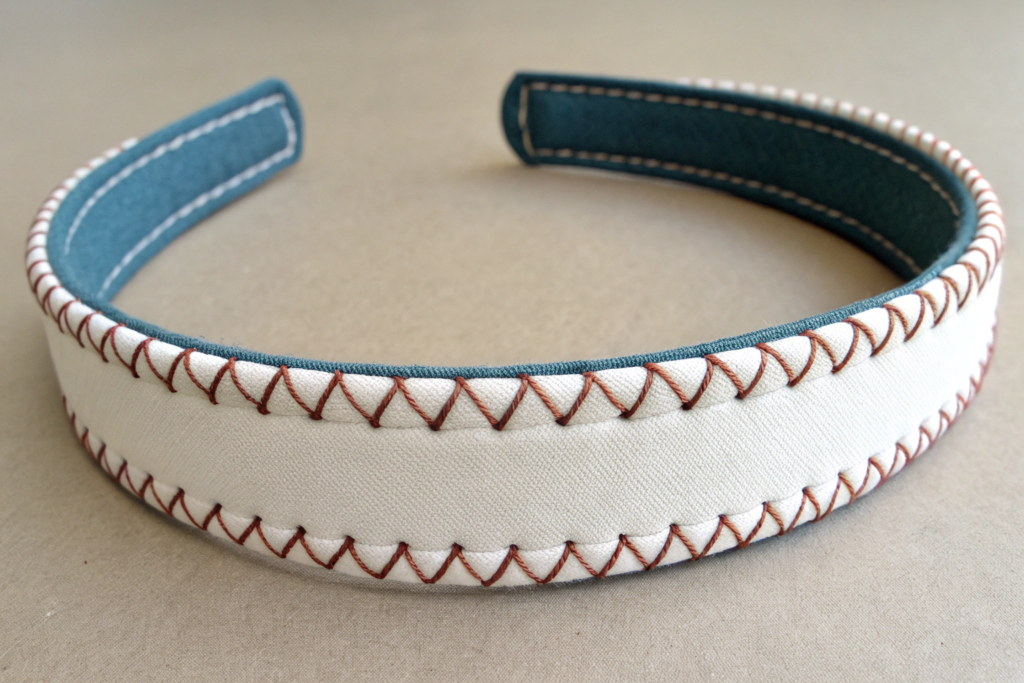
- Sewing & Finishing: Examine the seams on the headband. Are they straight and secure? Is the elastic joining method sturdy? Are the edges finished neatly (e.g., with a serger or clean hem) to prevent fraying?
A reputable supplier, like Shanghai Fumao Clothing, will have a sample library and be proud to showcase their craftsmanship.
What Are the Pros and Cons of Dye-Sublimation vs. Screen Printing?
Choosing the right printing method is critical and depends on your design.
- Dye-Sublimation (for polyester fabrics):
- Pros: Excellent for full-color, photographic, or gradient designs. The dye infuses into the fiber, so the print is breathable, stretchable, and won't crack or peel. No color limit.
- Cons: Only works on synthetic fabrics (like polyester). Initial setup costs are in the digital file preparation, but per-unit cost is consistent.
- Screen Printing (for cotton or blends):
- Pros: Creates a vibrant, opaque layer of ink on top of the fabric. Great for bold, simple designs with limited colors (each color requires a separate screen).
- Cons: The ink layer can feel stiff, may crack over time with stretching, and is not ideal for complex, multi-color designs due to cost and registration challenges.
For most modern, all-over print bandana headbands, dye-sublimation on polyester is the industry standard. Your supplier should advise you on this.
How to Assess the Quality of Sewing and Elastic Application?
The print might be perfect, but poor construction will ruin the product. Focus on:
- Seam Strength: Try gently pulling the seams apart. They should hold firmly.
- Elastic Integration: The elastic at the back should be securely enclosed in a fabric casing or neatly bound. It should have consistent tension—not too tight (causing headaches) or too loose (slipping off).
- Neatness: There should be no loose threads, uneven hems, or puckering along the seams.
- Size Consistency: If you have multiple samples, measure them. They should be identical in dimensions.
Ask the supplier about their quality control process for sewing. Do they have in-line checks? What is their defect tolerance rate? This operational rigor is as important as their overall quality systems.
Why is the Sampling and Proofing Stage Non-Negotiable?
This is the most critical phase where you prevent costly errors. Never skip to bulk production without approved samples. The sampling process for custom prints has two key parts: the print proof and the physical product sample.
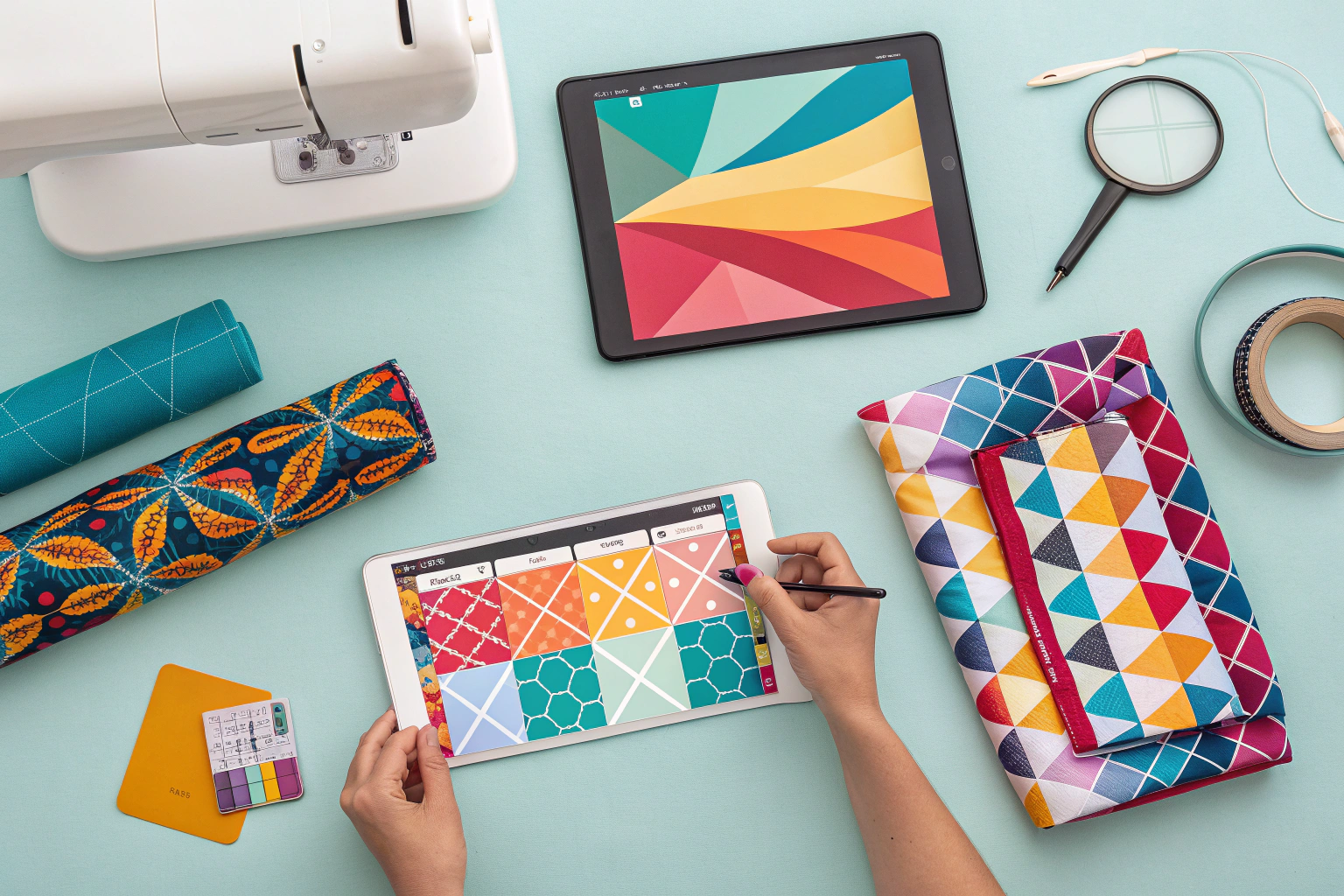
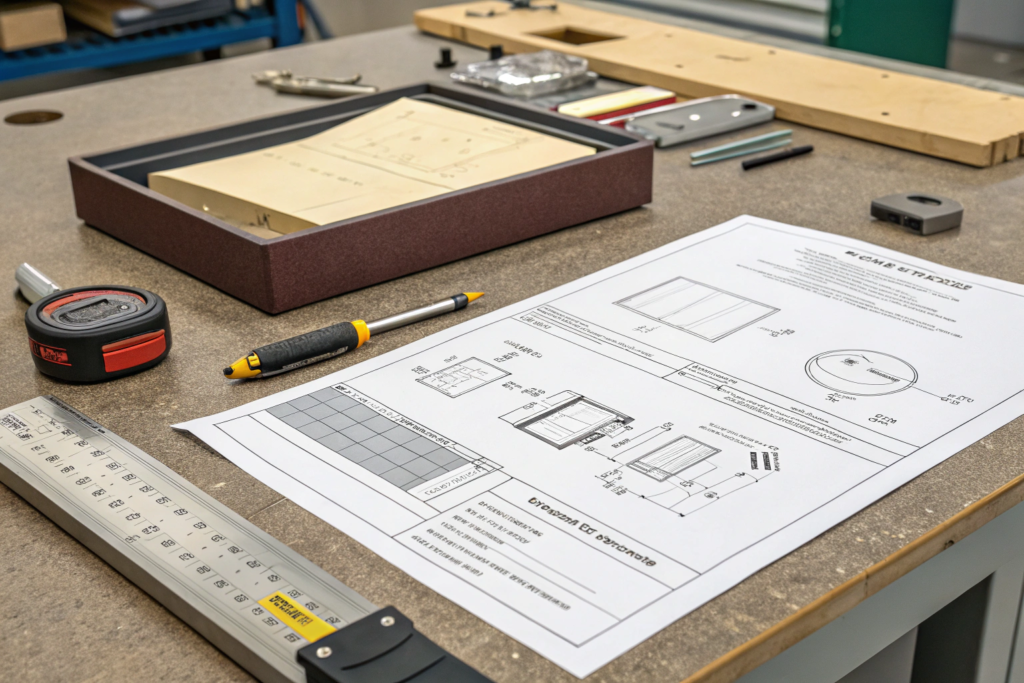
First, you will receive a digital print proof (a simulated image) or a strike-off (a small swatch of fabric printed with your design). This is your chance to check color accuracy, pattern alignment, and scale. Use your original Pantone (PMS) codes for reference. Once the print proof is approved, the factory will make a full physical sample. This sample must be evaluated for everything: print quality as seen on the actual fabric, color under different lights, fabric hand feel, sizing, sewing, and overall finish. Approving this sample means "Produce the entire order to match THIS exactly."
What Should You Look for in a Digital or Physical Print Proof?
- Digital Proof: Ensure it's high-resolution. Check that all design elements are present, colors match your PMS references as closely as possible (monitor calibration can cause variance), and the pattern repeat (if applicable) is seamless. Understand that colors on screen may not match physical dye perfectly.
- Physical Strike-Off/Swatch: This is more accurate. Check color match in natural daylight. Look for any blurring, bleeding, or misalignment. Feel the hand of the printed fabric. Confirm the supplier used the exact fabric base you ordered.
Always provide clear, written feedback ("Adjust Cyan to PMS 2995C, increase pattern scale by 5%"). Keep the approved proof as a contractual reference for the bulk order. This meticulous attention mirrors the importance of sample evaluation in general.
How Many Sample Rounds Are Typical Before Bulk Production?
For a custom print project, budget for 2-3 sample rounds.
- Round 1: Initial sample based on your tech pack. It will likely have corrections.
- Round 2: Revised sample incorporating your feedback. This one should be very close.
- Round 3 (if needed): Final tweaks.
Each round has a cost and time implication, but it is far cheaper than fixing 10,000 misprinted headbands. A professional supplier will guide you through this iterative process and not rush you to approve a subpar sample. The cost of these rounds is an investment in a perfect final product.
How to Structure Your First Production Order for Success?
After sample approval, scaling up requires clear agreements. A well-structured production order minimizes misunderstandings. Key elements include a detailed Tech Pack, a clear Purchase Order (PO), and agreed-upon Quality Inspection protocols.
Your Tech Pack is the bible. It must include:
- Final Approved Sample Photos (front, back, details).
- Artwork File in the required format (e.g., .AI, .PDF with CMYK color space for sublimation).
- Fabric Specification (content, weight in GSM, supplier if you provided it).
- Printing Method (e.g., Dye-Sublimation).
- Dimensions in a detailed sketch.
- Pantone (PMS) Color Codes used in the design.
- Packaging Instructions (polybag, tag, etc.).
The PO should clearly state quantity, price per unit, payment terms (e.g., 50% deposit, 50% before shipment), delivery Incoterm (e.g., FOB Shanghai), and required delivery date.
What are Typical MOQs and Payment Terms for Custom Printing?
MOQs for custom printed textiles are dictated by the economics of setting up the print run.
- Dye-Sublimation: MOQs can range from 200 to 500 pieces per design/colorway. The cost is in the digital setup and fabric printing minimums.
- Screen Printing: MOQs are often higher (500-1000+pcs) because each color requires a separate physical screen to be engraved, which has a cost.
Payment terms are commonly 50% deposit to start production and 50% balance payment before shipment. This shares the risk. For first-time orders with a new supplier, these terms are standard. Some may offer 30/70. Never pay 100% upfront. These commercial terms are a fundamental part of establishing a reliable partnership.
How to Plan for Quality Inspection and Logistics?
Plan for a Pre-Shipment Inspection (PSI). You or a hired third-party inspector (like QIMA or Asia Inspection) will check a random sample of the finished batch (e.g., following AQL Level II standards) against your approved sample and tech pack. This verifies quantity, workmanship, print quality, and packaging.
For logistics, discuss lead times clearly: production time + inspection time + shipping time. Since bandana headbands are lightweight, you can use air freight for speed or sea freight for cost-effectiveness. Ensure the supplier provides proper packing lists and commercial invoices with accurate HS codes for smooth customs clearance. Planning for this final stage is as crucial as the initial inventory planning for seasonal disruptions.
Conclusion
Finding the right supplier for custom printed bandana headbands is a targeted process that prioritizes specialized printing expertise, rigorous sample validation, and crystal-clear communication. By focusing your search on accessory printing specialists, thoroughly vetting their technical capabilities, mastering the proofing and sampling cycle, and formalizing production with detailed documentation, you transform your unique design into a flawless, market-ready product.
This strategic approach ensures your brand's visual identity is reproduced with precision, quality, and consistency, building customer loyalty and protecting your investment.
Ready to bring your custom bandana headband designs to life with a partner who masters both print and construction? At Shanghai Fumao Clothing, we specialize in cut-and-sew accessories with in-house design support for print optimization and a rigorous sampling process. Contact our Business Director Elaine at elaine@fumaoclothing.com to start your custom accessory project with confidence.