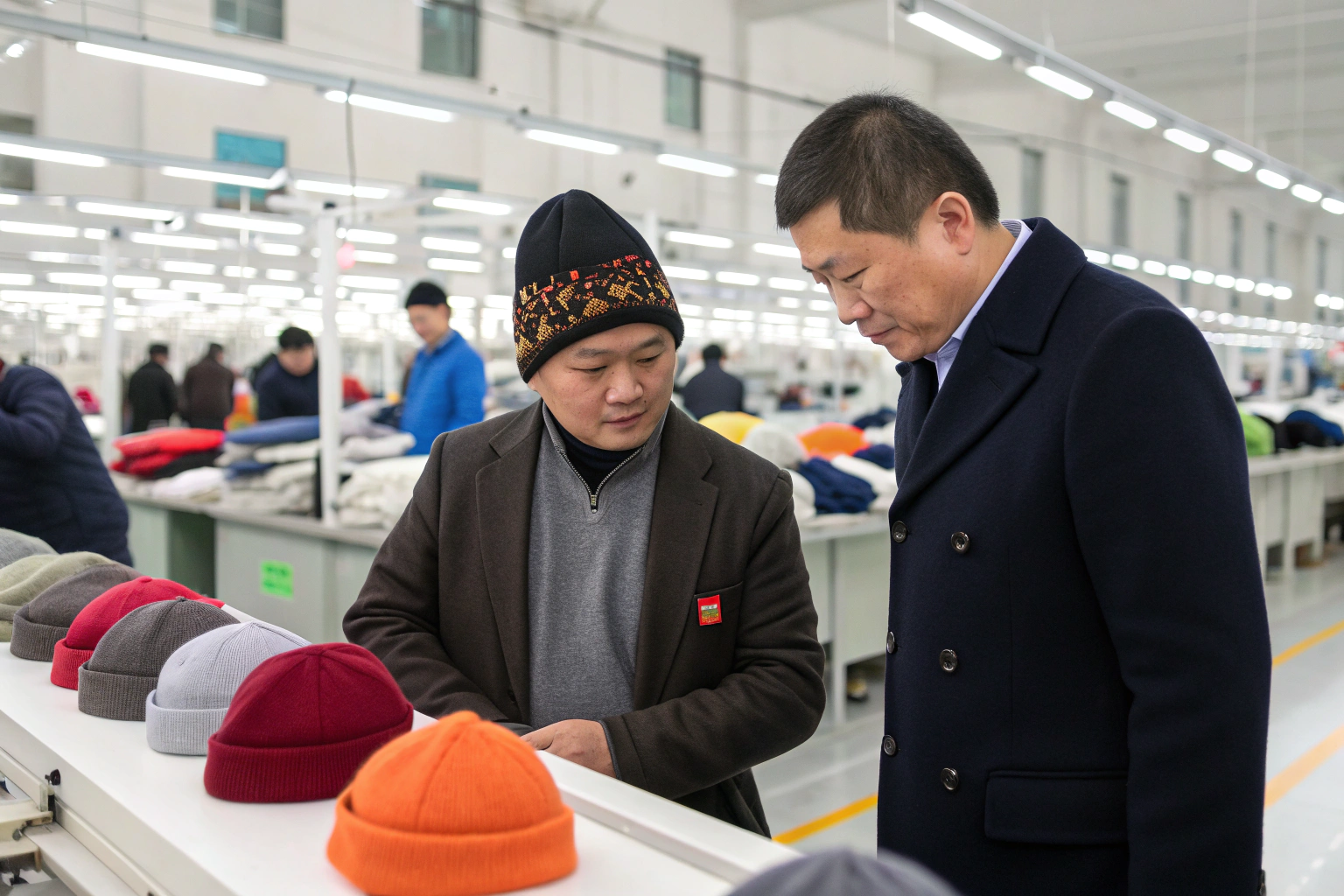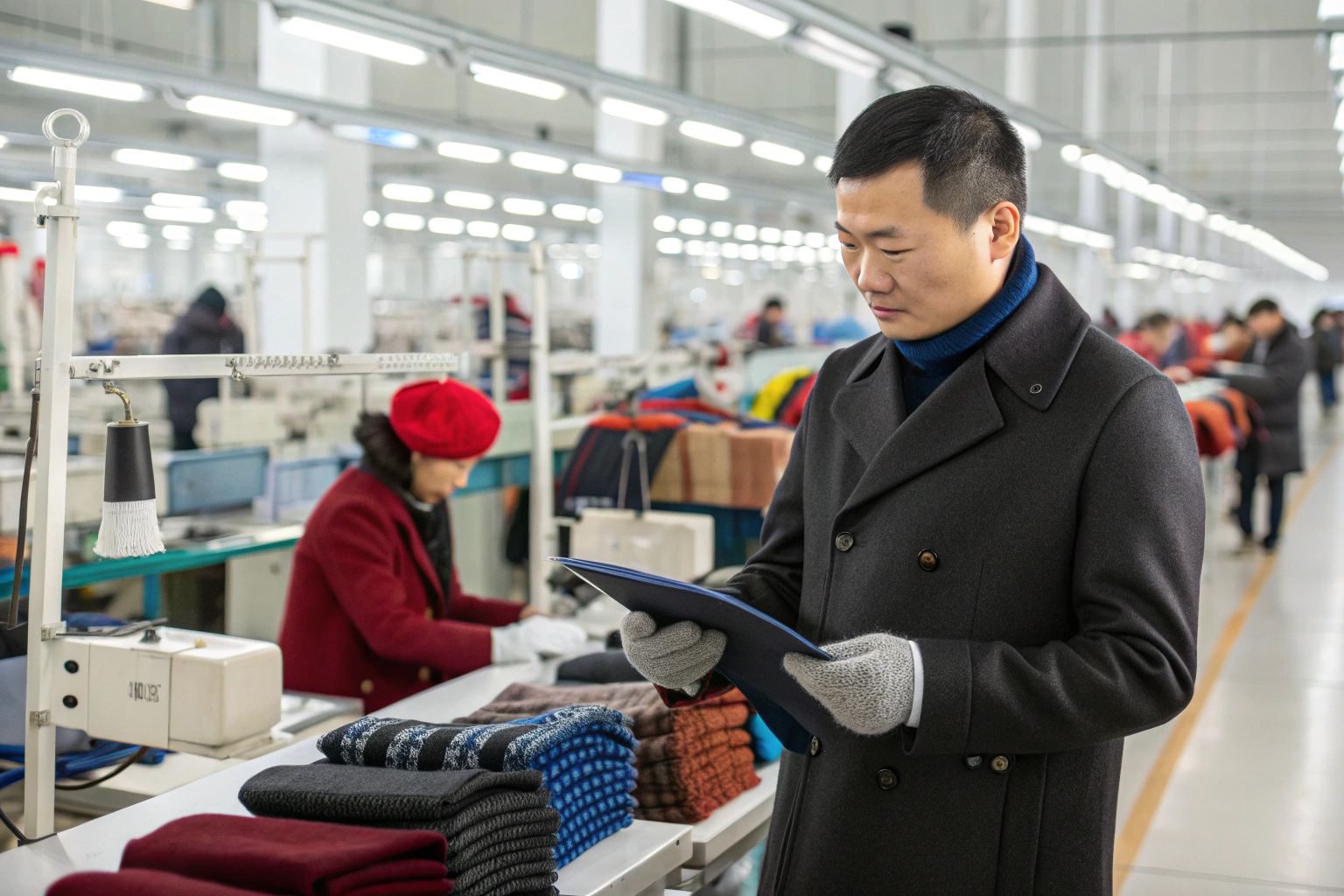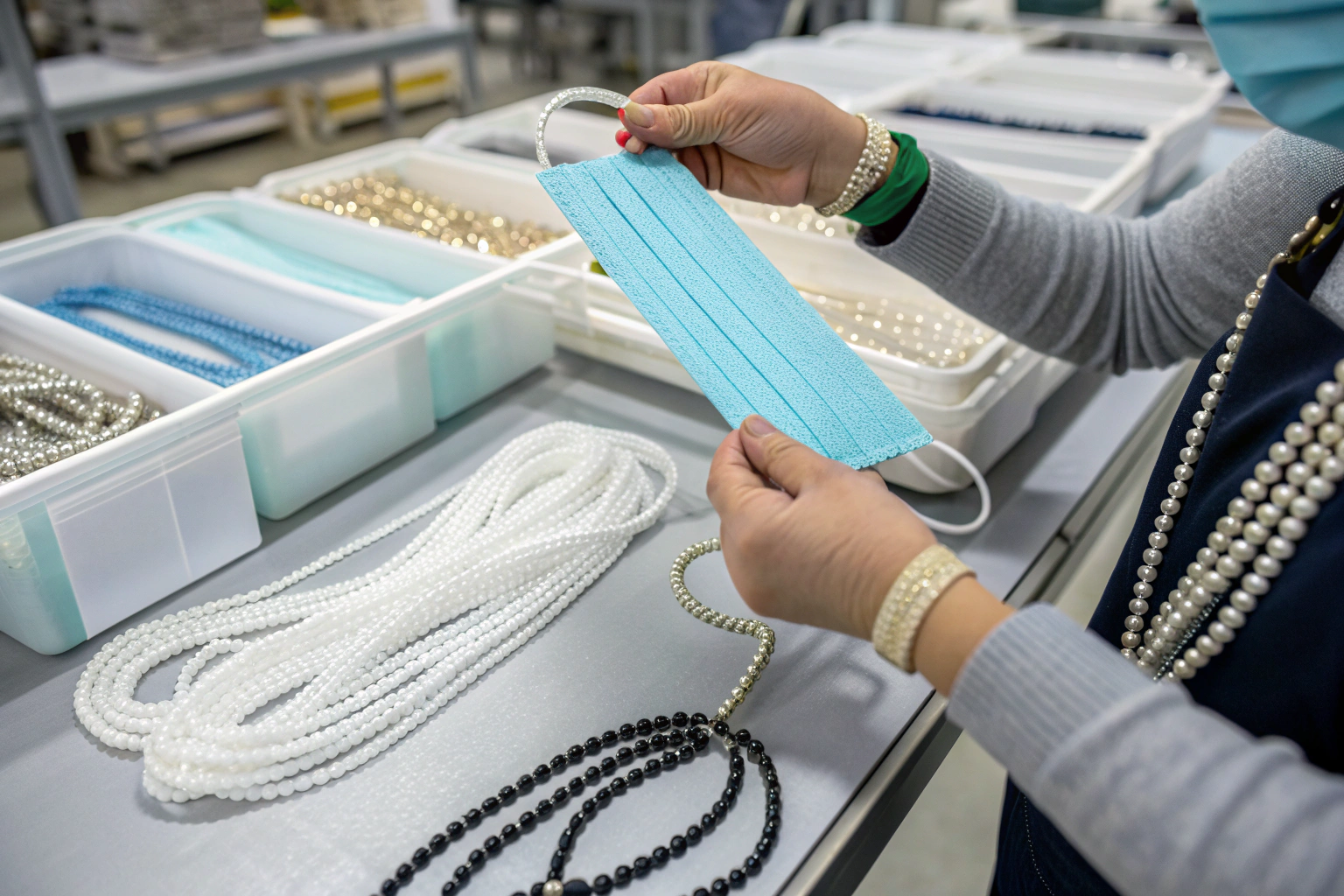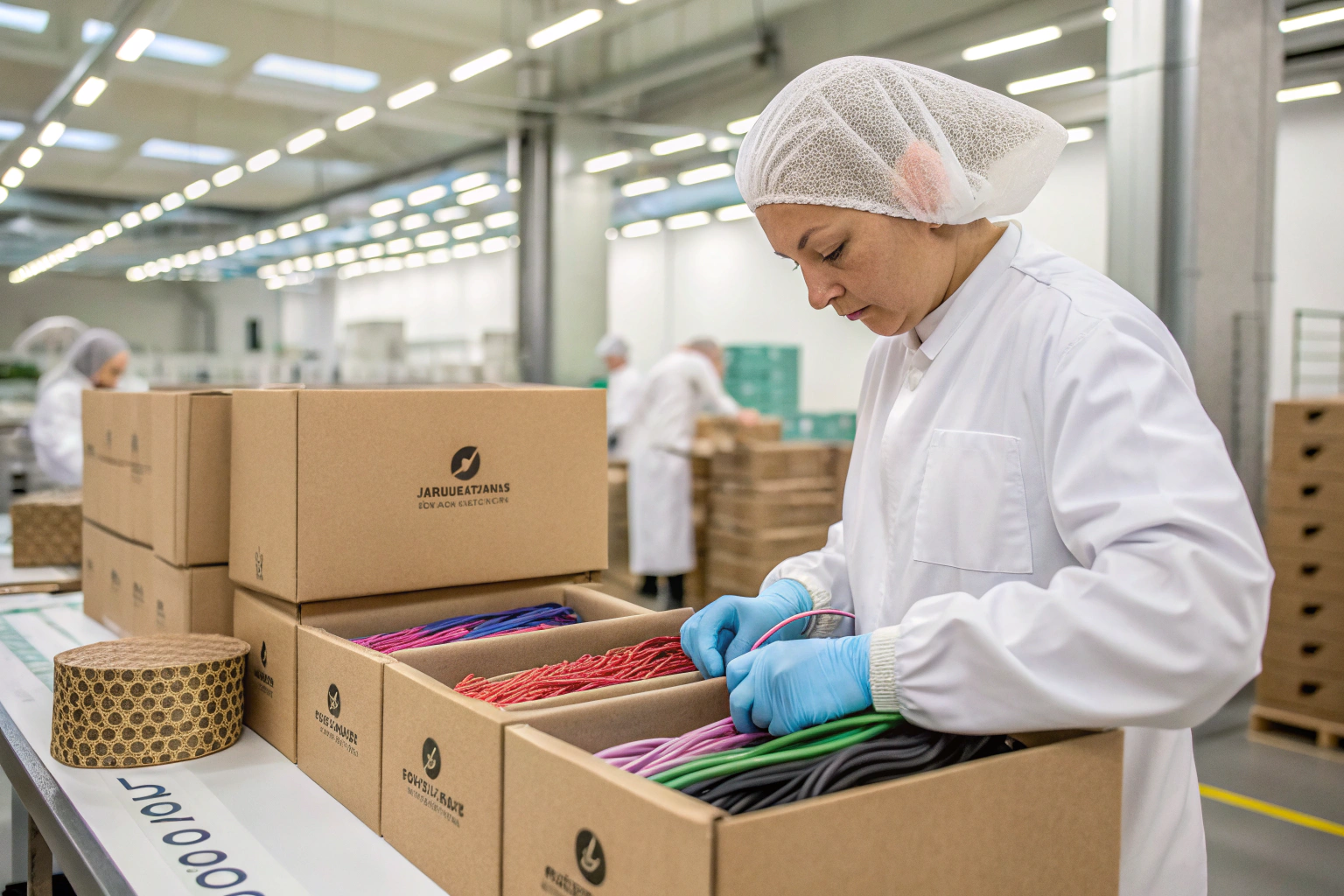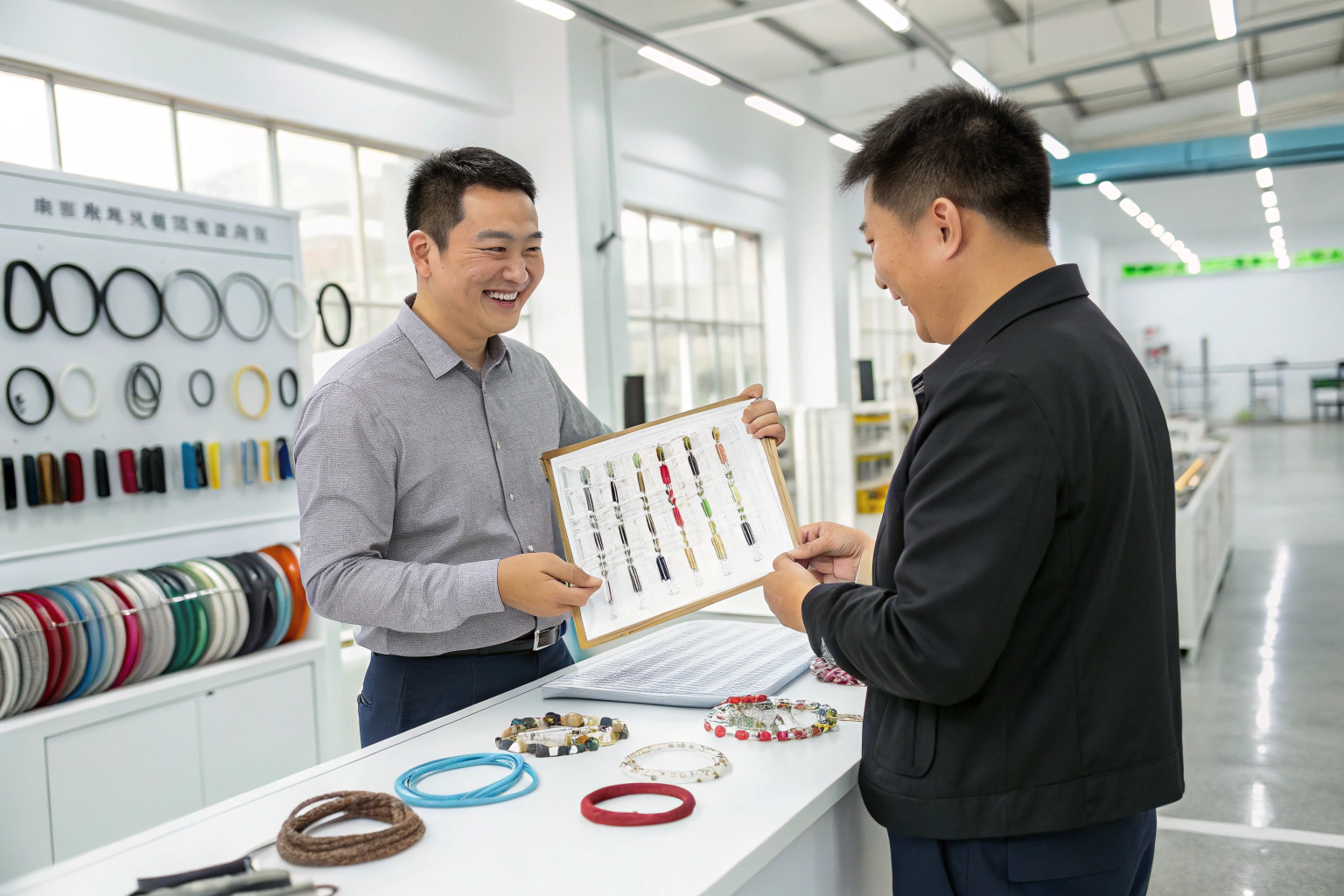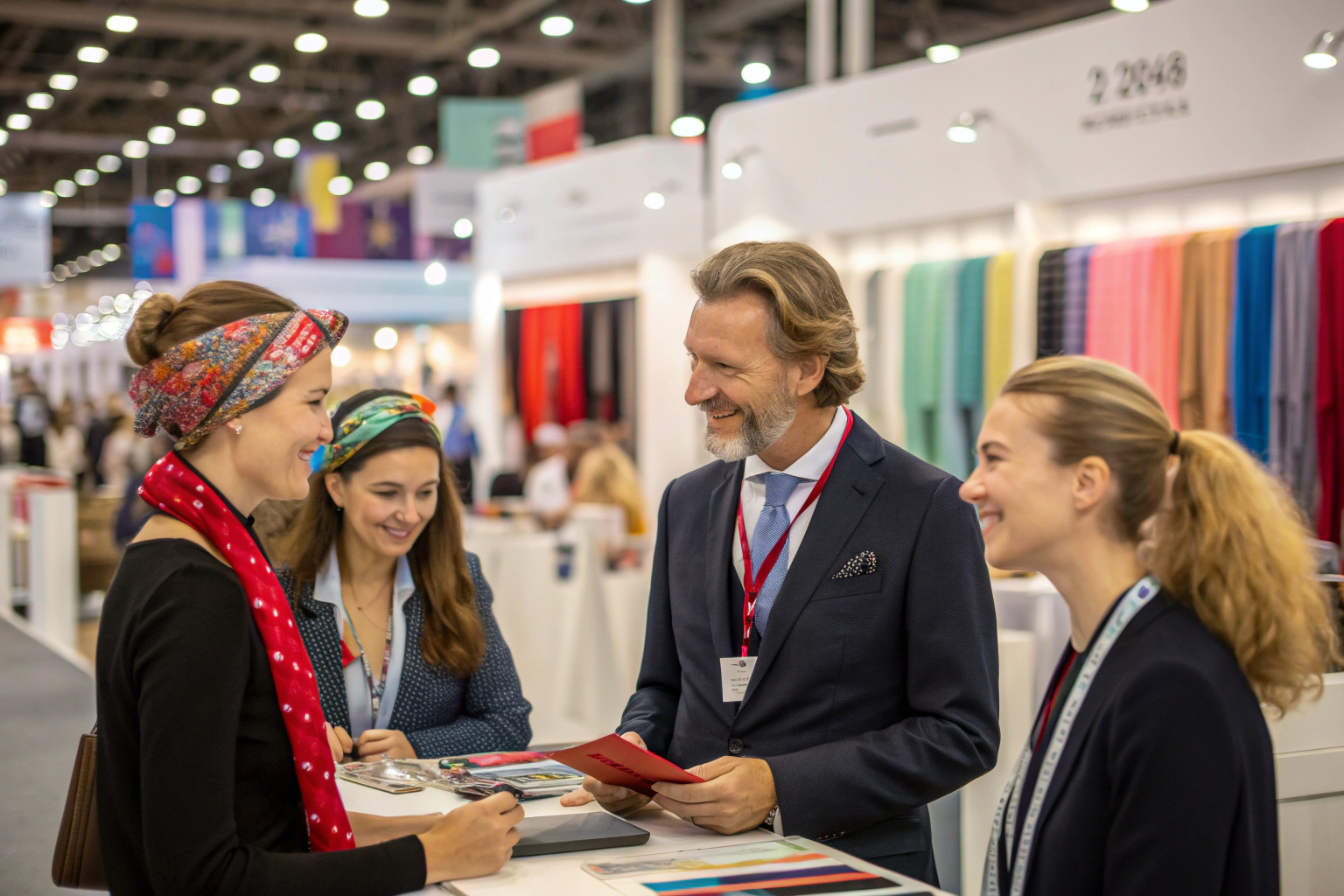
You've got a brilliant idea for a new line of hair clips, belts, or scarves. Your designs are ready, and you're excited to bring them to market. But then the reality hits: how do you actually find a reliable factory to make them? The process seems overwhelming, filled with risks of poor quality, missed deadlines, and communication breakdowns. Where do you even start to find a partner you can trust with your brand's future?
Finding the right manufacturer for your fashion accessories requires a strategic approach that combines thorough online research, verification of capabilities, and clear communication. The key is to move beyond just searching for the lowest price and instead focus on identifying partners with proven expertise in your specific product category, transparent processes, and a track record of working with international brands. By systematically using platforms like Alibaba, attending trade shows, and conducting rigorous factory audits, you can build a supply chain that supports your growth rather than creating obstacles.
I've been on both sides of this equation—as a buyer sourcing components and now as the owner of AceAccessory. I understand the critical factors that separate a good manufacturer from a great one. Let's walk through the four essential steps to finding and vetting the perfect manufacturing partner for your fashion accessories.
Where to Start Your Search for an Accessories Manufacturer?
The initial search can feel like looking for a needle in a haystack. Starting in the right places will save you immense time and filter out unqualified suppliers from the beginning. Your goal in this phase is to create a shortlist of potential partners, not to make a final decision. The most effective channels combine broad online directories with targeted industry events. For new brands, online platforms offer accessibility, while established brands often leverage trade shows for deeper, face-to-face relationship building. Understanding the strengths of each channel is your first strategic step.
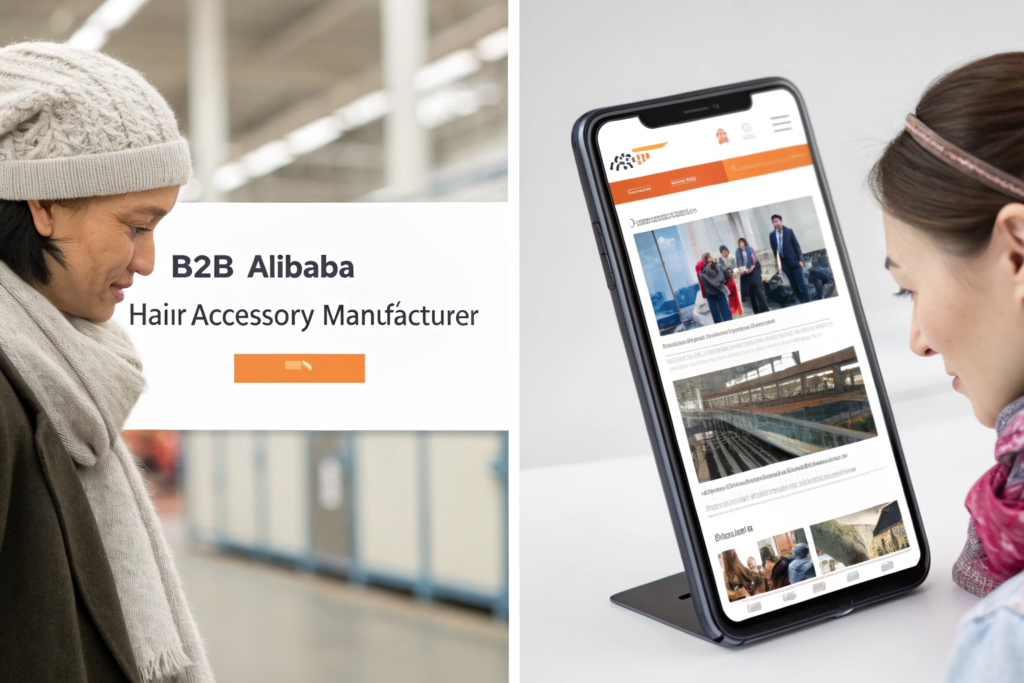
How effective are B2B platforms like Alibaba for sourcing?
B2B platforms like Alibaba and Global Sources are highly effective for creating an initial supplier list and gauging market prices. They provide a vast pool of manufacturers, complete with product galleries, company certifications, and transaction histories. Use advanced filters to narrow down suppliers by product category (e.g., hair accessories), location (e.g., Zhejiang, China), and verification status (e.g., "Gold Supplier" or "Assessed Supplier"). However, treat these platforms as a directory, not a vetting agency. The profile is a starting point for inquiry. A strong signal is a supplier with their own professional website, like Shanghai Fumao Clothing, which indicates investment in their business beyond just a platform storefront. Remember, as advised by Alibaba.com's own sourcing guides, communication and due diligence are crucial next steps after identifying a potential supplier.
Why are trade shows still valuable in the digital age?
Trade shows offer irreplaceable value: tangibility and direct relationship building. Events like the Canton Fair in Guangzhou or Magic in Las Vegas allow you to see and feel product quality firsthand, assess a wide range of samples instantly, and have real-time conversations with factory principals. You can judge a supplier's professionalism, ask detailed questions about their production capacity and quality control, and get a sense of their design capabilities on the spot. This direct interaction builds trust much faster than weeks of emails. For categories where detail is everything, like intricate hair clips or woven belts, seeing is believing. Industry resources like Trade Show News Network (TSNN) can help you find relevant events.
What Critical Factors Should You Verify Before Partnering?
Once you have a shortlist, the real vetting begins. This stage is about moving from "can they make it?" to "can they make it well, consistently, and reliably for my business?" Price is a factor, but it should not be the primary one at this point. You need to verify capabilities that directly impact risk, quality, and scalability. Overlooking this due diligence is the most common reason for failed manufacturing partnerships. Focus on concrete evidence, not promises.
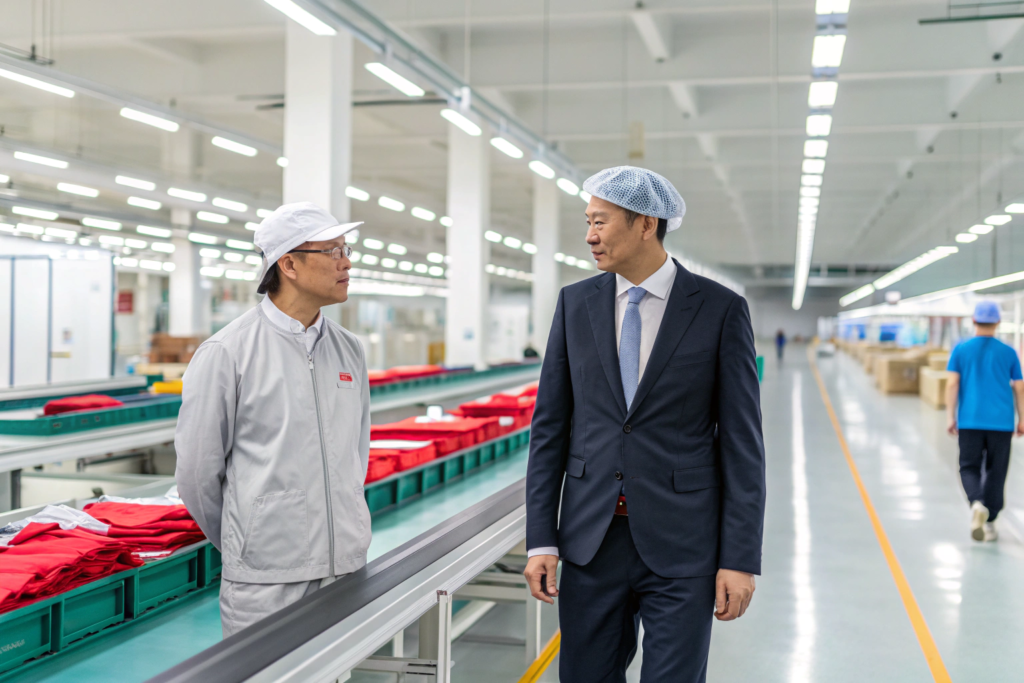
How do you assess true production capability and quality control?
Request specific evidence. Ask for a factory audit report (like from SGS or Bureau Veritas), photos and videos of the production floor, and a detailed list of machinery. For quality, inquire about their QC process: How many inspection stages do they have? What is their standard Acceptable Quality Level (AQL)? Can they provide previous inspection reports? A professional manufacturer will be transparent. For example, at our factory, we welcome virtual video tours to show our stamping machines for metal hair clips and our steaming stations for scarves. This proves capability. Furthermore, ask for references or case studies of similar clients. Organizations like the American Society for Quality (ASQ) provide frameworks for what a robust quality system should include.
Why are certifications and compliance documents non-negotiable?
Certifications are your objective safeguard. They prove a factory meets international standards for safety, ethics, and environmental management. Key certifications for fashion accessories include ISO 9001 (Quality Management), BSCI or Sedex (Social Compliance), and product-specific tests like CPSIA for the US market or REACH for Europe. Always request valid certificates and verify their authenticity online with the issuing body. A manufacturer invested in compliance is more likely to be professional, ethical, and stable. It also mitigates your risk of customs delays or product recalls. For accessories like gloves or hair bands that contact skin, material safety certifications are paramount. Resources like the International Organization for Standardization (ISO) explain the importance of these standards.
How to Communicate Effectively and Get Accurate Quotes?
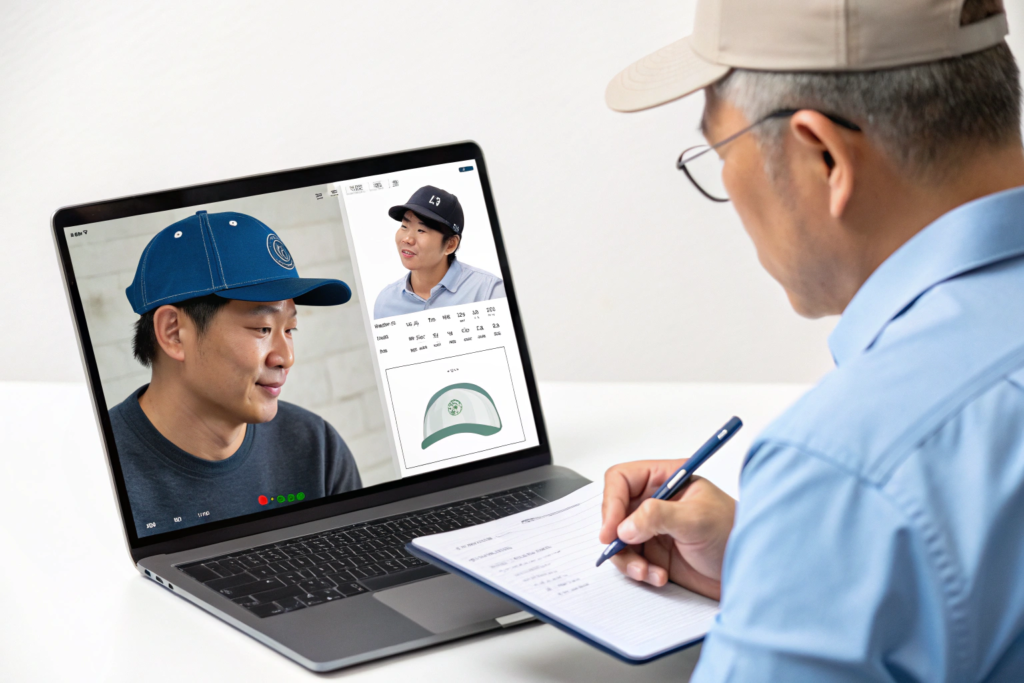
Clear communication is the bridge between your vision and the final product. Ineffective communication leads to wrong samples, cost overruns, and delays. Your initial inquiries and quote requests set the tone for the entire partnership. Being specific, organized, and professional in your communication will attract serious manufacturers and filter out those who cannot meet your standards. This phase is about aligning expectations on all fronts.
What information must you include in a request for quotation (RFQ)?
An RFQ is not just an email asking "how much for this?" It's a comprehensive briefing. Include: 1) Detailed Tech Pack: Technical drawings, dimensions, color codes (Pantone), material specifications (e.g., type of wool for a knit hat). 2) Target Price: Your ideal FOB cost per piece. 3) Order Quantity: Provide a realistic range (e.g., 3,000 - 5,000 units). 4) Packaging Details: How should each piece be packaged? 5) Logistics Destination: Port of discharge. 6) Timeline: Desired sample date and production completion date. The more precise you are, the more accurate and comparable the quotes will be. Platforms like Maker's Row emphasize the critical role of a complete tech pack in successful manufacturing.
How should you evaluate and compare different quotes?
Look beyond the unit price. A proper quote should be a breakdown sheet including cost of materials, labor, trims, packaging, profit, and FOB price. Compare the value. A slightly higher quote might include more inclusive services like mold development for a custom hair clip, a higher grade of fabric for a scarf, or more rigorous QC checks. Ask each supplier to explain their breakdown. Be wary of quotes that are significantly lower than the rest—this often signals lower-quality materials or hidden costs that will appear later. Also, clarify payment terms (e.g., 30% deposit, 70% before shipment). Transparent costing is a hallmark of a partner like Shanghai Fumao Clothing, aiming for a long-term relationship.
What Are the Red Flags and Green Flags During Sampling?
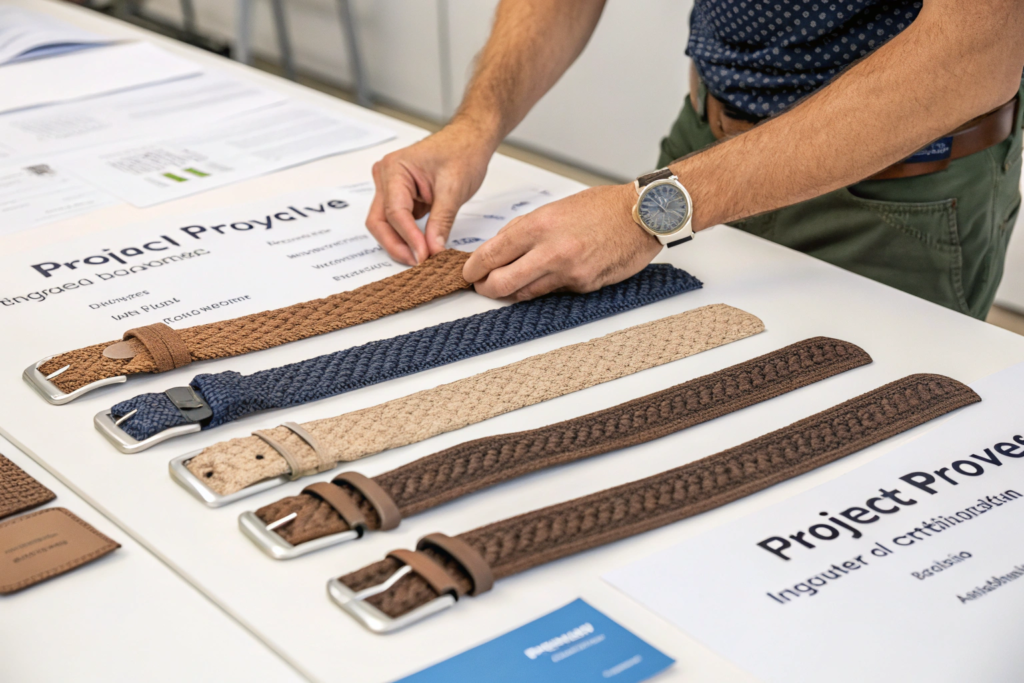
The sampling stage is your final, most critical test before committing to full production. It's a low-risk investment to vet capability and communication. How a factory handles the sampling process is a powerful indicator of how they will handle your full order. Pay close attention to timelines, communication quality, and their willingness to iterate. This is where potential problems surface and can be solved.
What are the warning signs during the sampling phase?
Major red flags include: 1) Delays without communication: Missing sample deadlines and not proactively updating you. 2) Poor sample quality that doesn't match the tech pack: This shows a lack of attention to detail or capability. 3) Unwillingness to make revisions: A good partner works with you to get it right. 4) Surprise costs: Being charged unexpectedly for "sample revisions" that were part of the original quote. 5) Lack of documentation: Not providing a sample evaluation form with the sample. If you see these signs, it likely indicates deeper operational issues. Industry forums like Sourcing Journal often discuss these common pitfalls.
What behaviors indicate a reliable and professional manufacturer?
Green flags are equally clear: 1) Meeting sample deadlines or communicating proactively if delayed. 2) Asking insightful questions about your design to ensure feasibility. 3) Providing a sample that is well-made and closely follows your specifications. 4) Offering constructive suggestions for improvement based on manufacturability or cost-saving. 5) Providing a clear timeline and cost for the next steps (pre-production sample, production). A professional factory views the sample as a shared project, not a one-off transaction. Their goal is to prove they can deliver, securing the production order. This collaborative approach is what we strive for with every client at Shanghai Fumao Clothing.
Conclusion
Finding the right fashion accessories manufacturer is a deliberate process of research, verification, communication, and testing. It requires looking beyond price to evaluate capabilities, systems, and cultural fit. By starting on the right platforms, rigorously vetting for production and compliance strength, communicating with crystal clarity, and using the sampling phase as the ultimate litmus test, you can establish a partnership that brings your designs to life with quality and reliability.
This investment of time and effort upfront pays exponential dividends in smoother production runs, fewer quality issues, and a supply chain that scales with your brand. Your manufacturer should feel like a true extension of your team.
If you are navigating this journey and seek a partner with proven expertise in hair accessories, scarves, hats, and belts, we are here to help. Let's discuss how we can turn your ideas into beautifully made products. For a direct conversation, please contact our Business Director, Elaine, at: elaine@fumaoclothing.com.