The cooling towel market is heating up, driven by fitness trends, outdoor activities, and a growing need for personal cooling solutions in warmer climates. But how do you go from a great product idea to finding a reliable factory that can produce safe, effective, and durable cooling towels? The wrong supplier could deliver towels that don't activate, fade quickly, or even contain harmful chemicals.
To find a manufacturer for cooling towels, you must first understand the core technology (often polymer-based cooling crystals), define strict performance and safety specifications, and then vet suppliers through targeted sourcing on B2B platforms and trade shows, focusing on their technical expertise, material certifications, and OEM/ODM capabilities. As a manufacturer of functional accessories, we at Shanghai Fumao Clothing know that products with a "performance promise" require a partner with specialized knowledge, not just general textile experience.
This guide provides a step-by-step framework to identify and partner with a manufacturer that can deliver a high-quality, reliable cooling towel product.
How to Define Your Cooling Towel Specifications?
Before you search, you must know exactly what you're asking for. Cooling towels are not commodity items; their performance hinges on precise material science. Vague specs will lead to inconsistent results and supplier confusion.
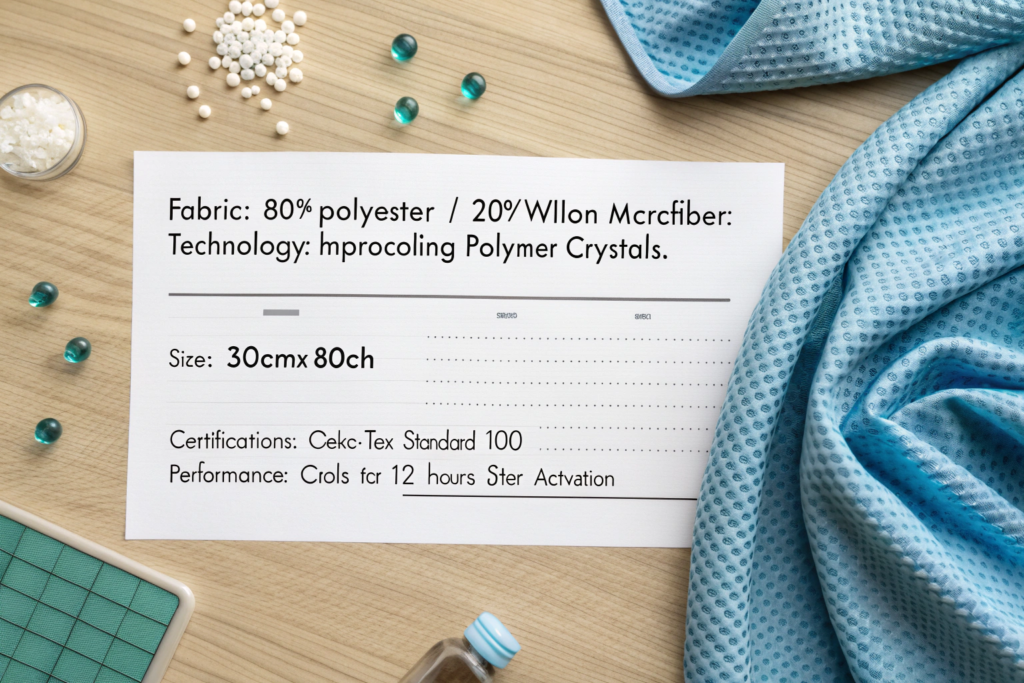
Define your cooling towel specifications by determining the core cooling technology (e.g., PCM polymer, specific crystal type), fabric composition (polyester, microfiber, viscose), size, weight, color fastness, cooling duration, safety certifications (OEKO-TEX, FDA), and packaging requirements. A detailed technical pack is your most valuable tool.
What are the Core Cooling Technologies and Fabrics?
The cooling effect is usually achieved by:
- Polymer Crystals (PCM - Phase Change Material): Tiny crystals sewn into the fabric that absorb and hold water, providing evaporative cooling. The type and quality of the polymer are critical.
- Specialized Microfiber Weaves: Some towels use a specific high-surface-area weave to maximize water retention and evaporation.
You must decide which technology fits your brand and price point. The fabric base is equally important. Polyester microfiber is common for its durability and quick-drying properties. Viscose blends offer a softer feel. The fabric's GSM (grams per square meter) determines weight and absorbency. Discuss these details with potential suppliers to gauge their expertise.
What Performance and Safety Standards are Non-Negotiable?
You must establish measurable benchmarks:
- Cooling Duration: How long should it stay cool after activation? (e.g., "1-2 hours in moderate humidity").
- Activation Speed: How quickly does it cool after wetting? (e.g., "within 30 seconds").
- Durability: How many wash cycles should it withstand without significant performance loss?
- Safety: Insist on OEKO-TEX Standard 100 certification to ensure the fabric and dyes are free from harmful substances. If targeting the US market, ensure components are FDA compliant for skin contact. A professional manufacturer will provide test reports from labs like SGS or Intertek.
Where to Source Specialized Cooling Towel Manufacturers?
General textile factories may not have the expertise. You need to target suppliers familiar with the functional accessories or sports product niche.
Source specialized cooling towel manufacturers on B2B platforms like Alibaba using precise keywords, attend sports and outdoor product trade shows (like ISPO), and leverage industry networks. Look for suppliers who showcase technical knowledge and offer OEM/ODM services, not just generic towel production.
How to Effectively Search on Alibaba and Global Sources?
Use specific, long-tail keywords:
- "PCM cooling towel manufacturer"
- "OEM evaporative cooling towel factory"
- "sports cooling towel supplier"
Filter for Verified Suppliers with Trade Assurance. Scrutinize their product pages: Do they explain the technology? Do they show factory images of production lines? Do they mention OEM/ODM services? Contact them with your preliminary tech pack and ask specific questions about their polymer source and quality control process for the cooling effect. Their response will separate experts from resellers.
Why are Trade Shows and Industry Directories Valuable?
Trade shows like ISPO (Munich/Shanghai) or Outdoor Retailer are goldmines. You can see and feel samples, test the cooling effect on the spot, and speak directly with technical sales staff. You can also discover innovations in fabrics and packaging. Industry directories for technical textiles or sporting goods manufacturers can provide curated lists of potential partners. This direct engagement allows you to assess their professionalism and product knowledge much faster than online alone.
How to Vet a Manufacturer's Technical Capability and Reliability?
Finding potential suppliers is step one. Rigorous vetting is step two. For a technical product, you must verify their ability to deliver on the science, not just the sewing.
Vet a manufacturer by requesting detailed material breakdowns and safety certificates, insisting on performance-tested pre-production samples, conducting a factory audit (virtual or in-person) focused on their QC lab and production hygiene, and checking their experience with export logistics for similar functional products.
What to Ask About Materials and Certifications?
Go beyond the sales pitch. Ask for:
- "Can you provide the MSDS (Material Safety Data Sheet) for the polymer crystals you use?"
- "Do you have a current OEKO-TEX certificate for your towel fabric? Can we see it?"
- "Who is your polymer supplier? Can we get their technical data?"
- "What color fastness testing do you perform (to washing, to rubbing, to light)?"
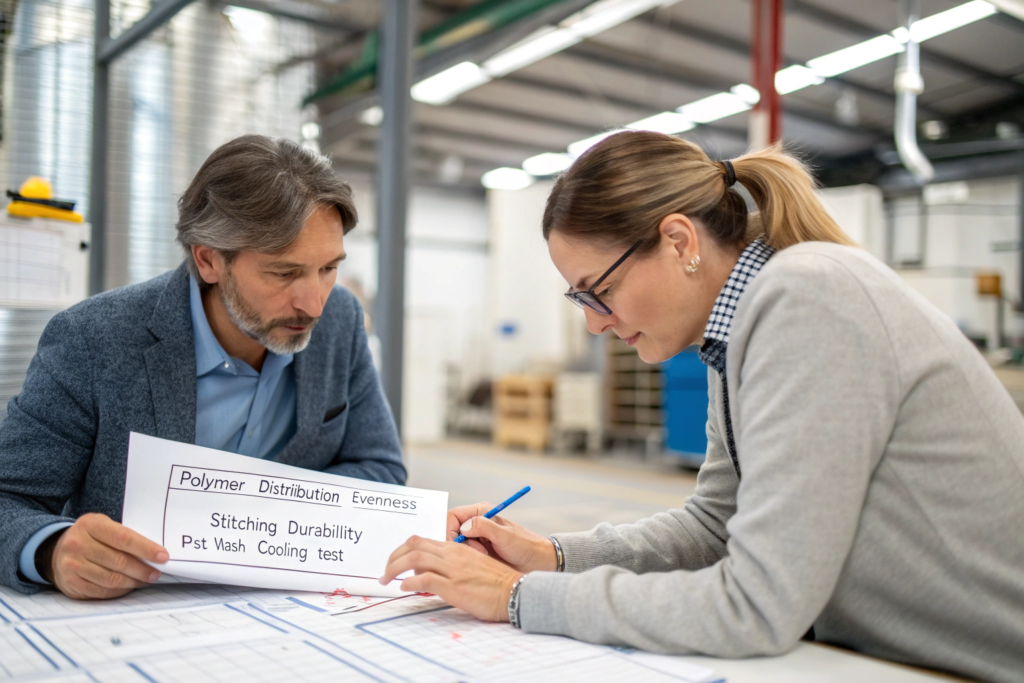
A competent factory will have these documents ready. They should also explain how they ensure even distribution of the cooling material within the towel during production, which is crucial for consistent performance.
Why are Performance Samples and Factory Audits Critical?
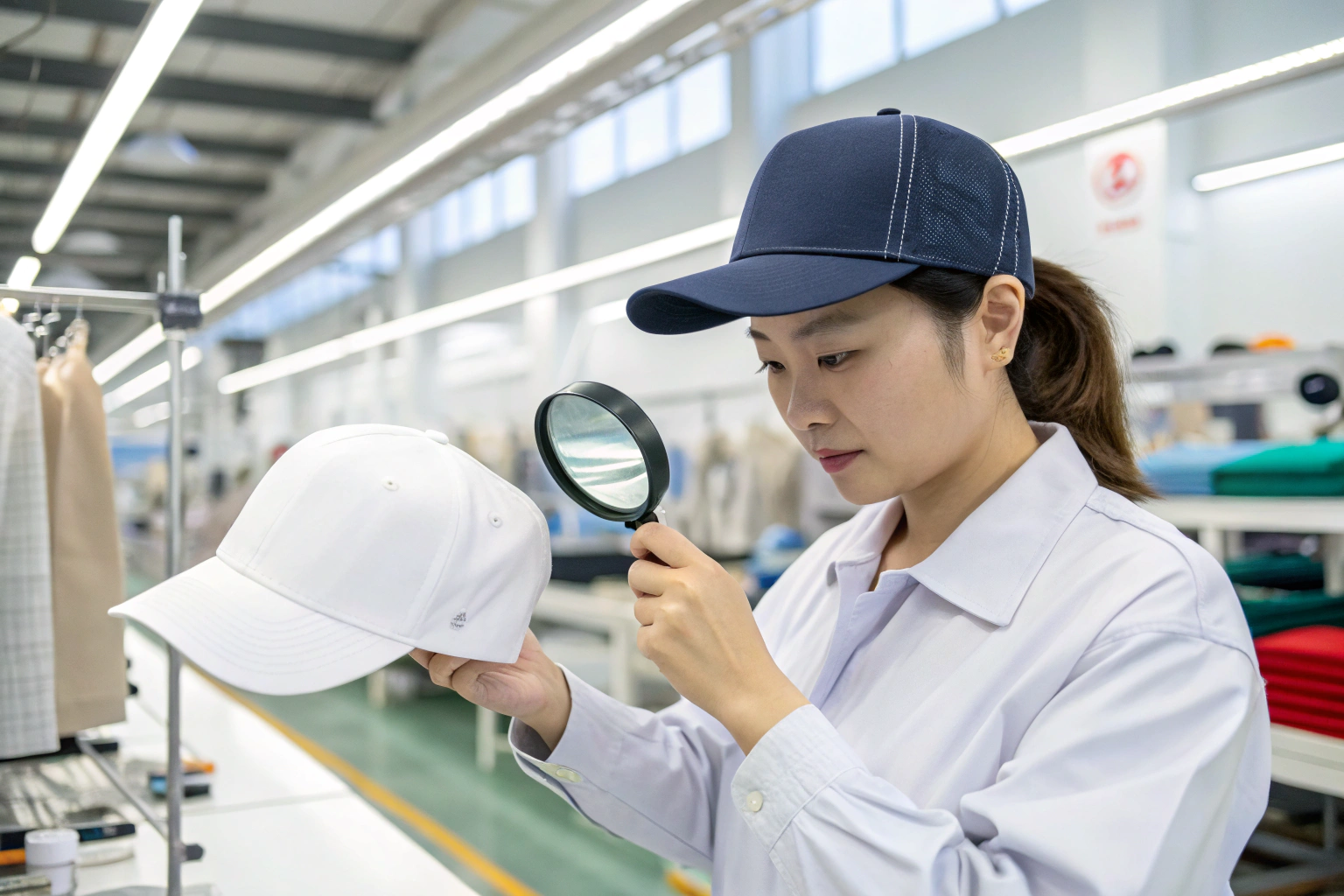
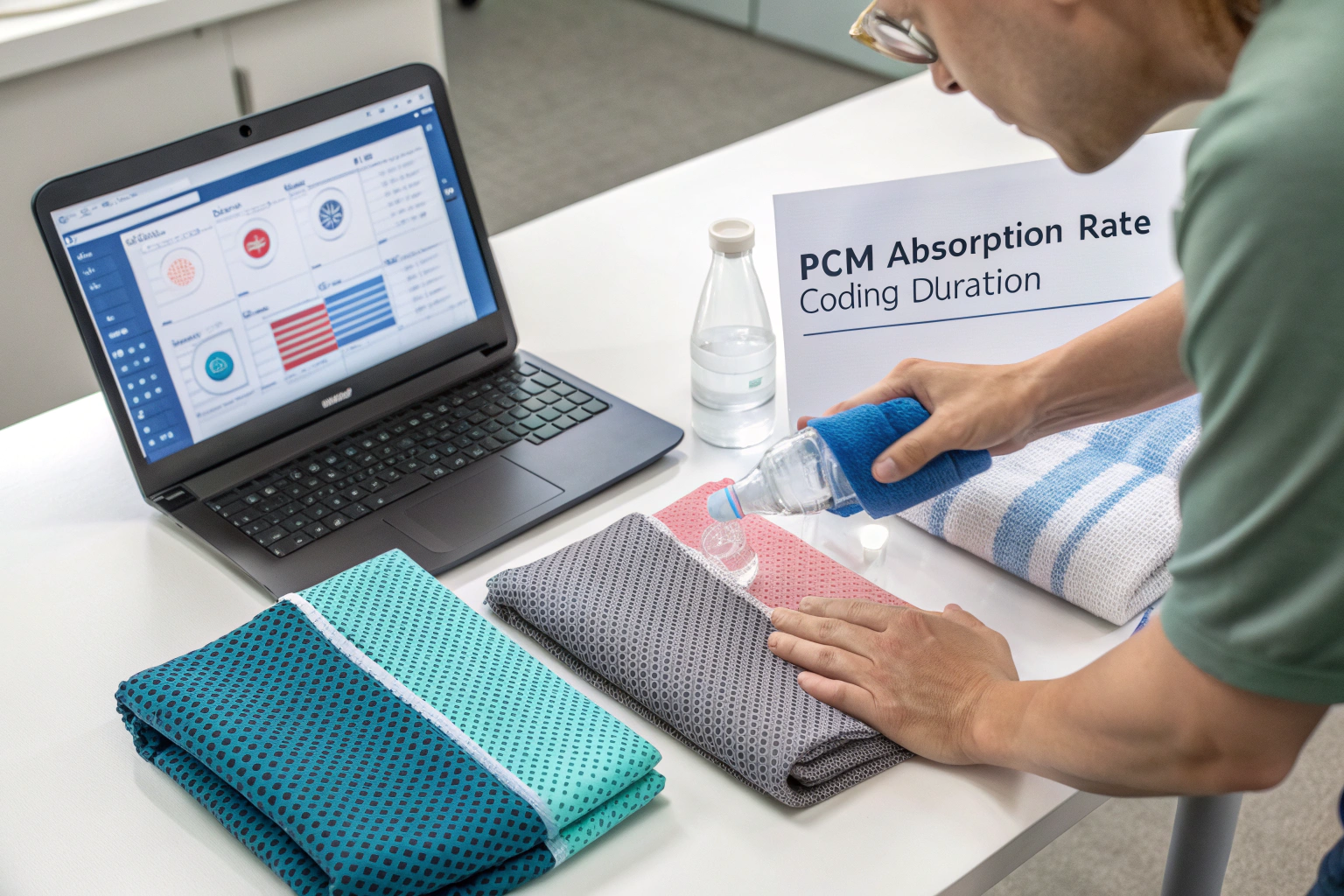
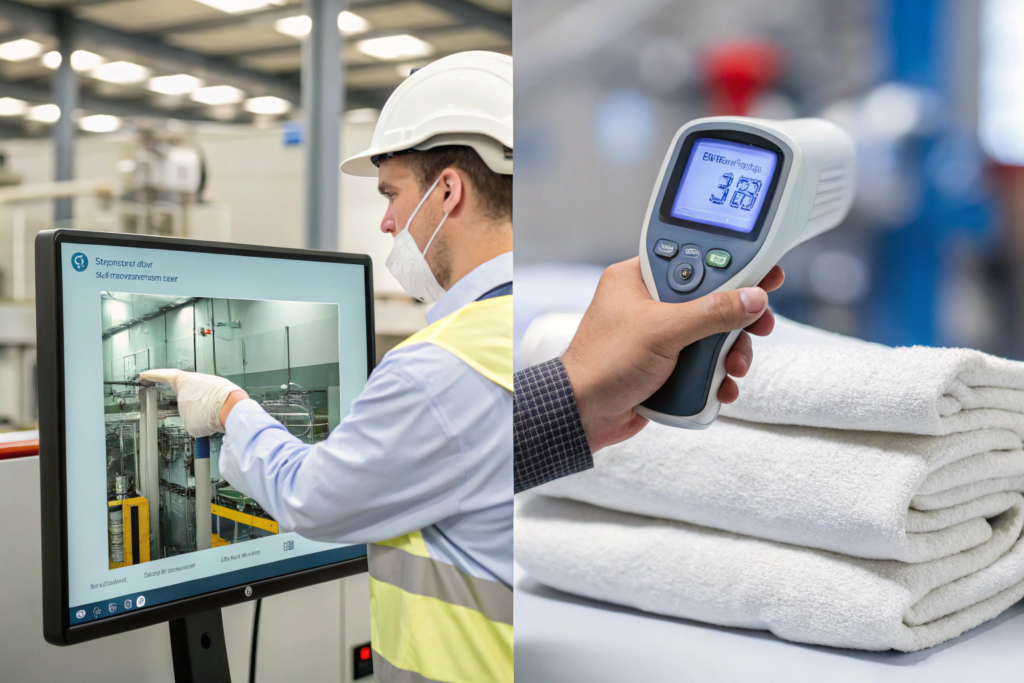
Never skip the pre-production sample. Pay for it. Test it rigorously: Activate it, time the cooling, use a thermometer, wash it multiple times, and test again. Does it meet your specs? Simultaneously, request a factory audit. A virtual tour is acceptable. Look for cleanliness (critical for a product used on the skin), organized production flow, and a dedicated quality control area. Ask to see how they test the cooling effect—do they have a standard procedure? A factory that welcomes this scrutiny is confident in its process.
How to Navigate the Order, Production, and Quality Assurance Process?
After selecting a partner, the final stage is about managing the production cycle to ensure the bulk order matches the approved sample in every way.
Navigate the order process by finalizing a contract with clear performance clauses, implementing in-process quality checks (especially on polymer application), and mandating a comprehensive pre-shipment inspection that includes functional performance testing on random units. Proactive management prevents surprises.
What Should Be in the Manufacturing Agreement?
The contract or Proforma Invoice (PI) must be detailed. Key clauses include:
- Technical Specs Appendix: Include all approved details from the tech pack.
- Performance Standard: Reference the approved sample and specify pass/fail criteria for cooling tests.
- Quality Acceptance: Define the AQL (Acceptable Quality Level) for visual defects and the protocol for performance failure.
- Payment Terms: Typical terms are 30% deposit, 70% before shipment.
- IP Protection: Ensure your design and branding are protected.
Having clear terms protects both parties and sets expectations.
How to Assure Quality During and After Production?
Don't wait until the end. Request in-process photos, especially of the stage where the cooling material is integrated into the fabric. For the pre-shipment inspection (PSI), hire a third-party inspection company if possible. The inspector must perform a functional test: randomly select units, activate them with a measured amount of water, and verify the cooling sensation and duration. They should also check for common defects like uneven color, loose stitching, and packaging errors. A reliable manufacturer like Shanghai Fumao Clothing will have a robust internal QC system for such functional products, but an independent check provides an extra layer of security for your first order.
Conclusion
Finding the right manufacturer for cooling towels is a journey that prioritizes technical knowledge and rigorous process control over finding the lowest price. It requires a clear definition of your product's science, targeted sourcing to find specialists, and diligent vetting of their capabilities and commitment to quality.
By following this structured approach, you significantly increase your chances of partnering with a factory that can produce a safe, effective, and reliable cooling towel that builds your brand's reputation. The goal is to turn a functional idea into a consistently high-performing product.
If you are looking for a manufacturing partner with expertise in functional accessories, from cooling towels to performance wear, and who understands the critical importance of material science and quality assurance, we are equipped to be that partner.
For a reliable partnership in manufacturing your cooling towel line or other functional accessories, feel free to contact our Business Director Elaine. Her email is: elaine@fumaoclothing.com.