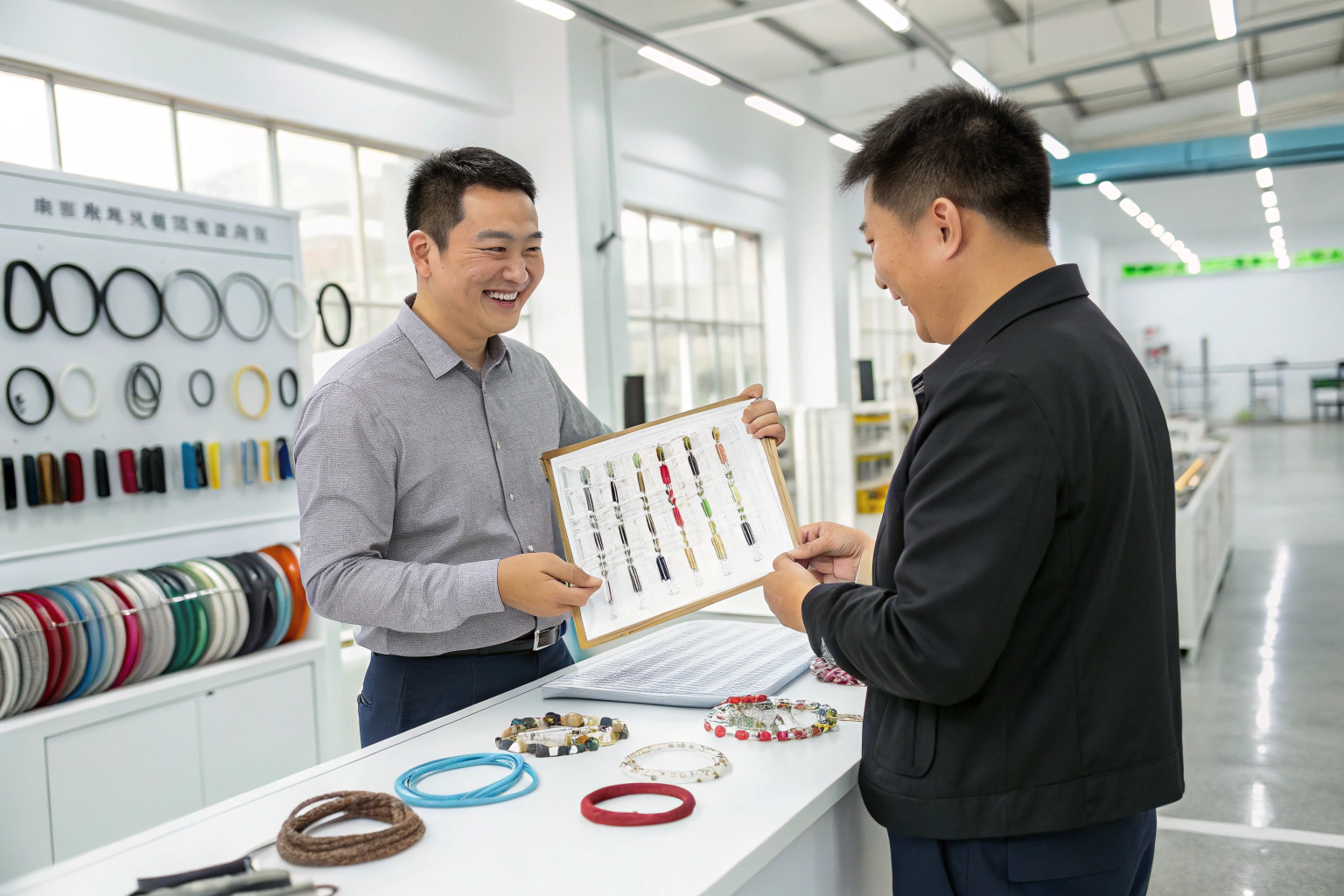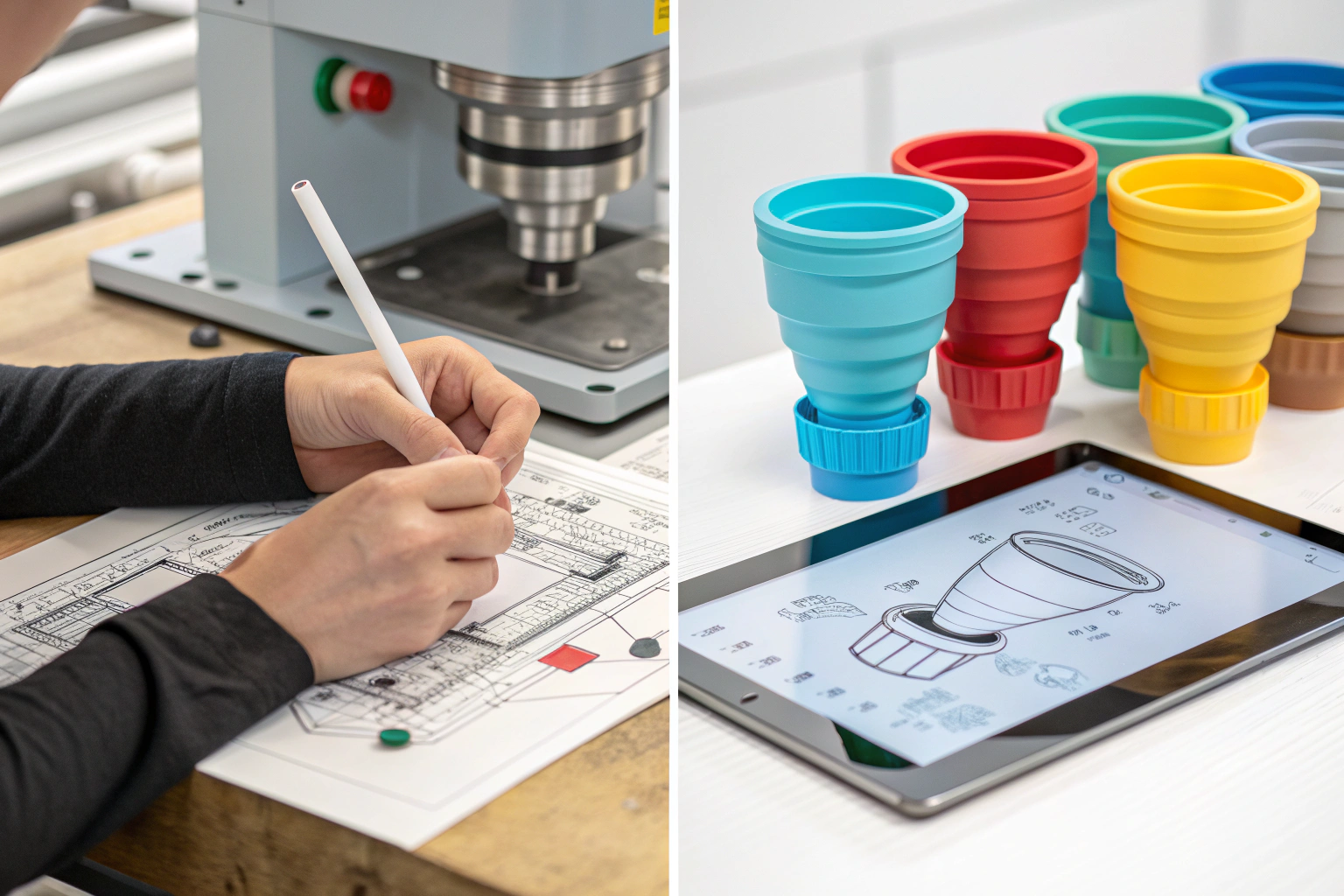
You have a brilliant idea for a line of collapsible cups—perfect for travelers, commuters, and eco-conscious consumers. You can already picture your brand's logo on them. But then reality hits: how do you actually get them made? The world of manufacturing seems like a vast, confusing landscape of technical jargon, questionable factory listings, and stories of costly mistakes. You're worried about finding a reliable partner who can deliver quality products without breaking the bank.
To find a manufacturer for collapsible cups, start by searching on B2B platforms like Alibaba and Global Sources, then thoroughly vet potential partners by verifying their certifications (like FDA and LFGB), requesting product samples to test durability, and conducting a factory audit if possible. The key is a systematic approach that prioritizes quality, communication, and compliance over just the lowest price.
Finding the right manufacturer is the most critical step in turning your product idea into a reality. It's a partnership that directly impacts your product's quality, your brand's reputation, and your business's profitability. While it might seem daunting, breaking the process down into manageable steps—from initial search to final negotiation—makes it entirely achievable. As a company, Shanghai Fumao Clothing, that has navigated this process for countless products, we know that careful research and due diligence are your best tools. Let's walk through how to do it right.
Where Should I Start My Search?
You're ready to find a factory, so you type "collapsible cup manufacturer" into Google. You're immediately flooded with thousands of results, from massive B2B marketplaces to individual factory websites that all look suspiciously similar. The sheer volume of options is paralyzing. How do you know which platforms are trustworthy and which are just digital storefronts for unreliable middlemen?
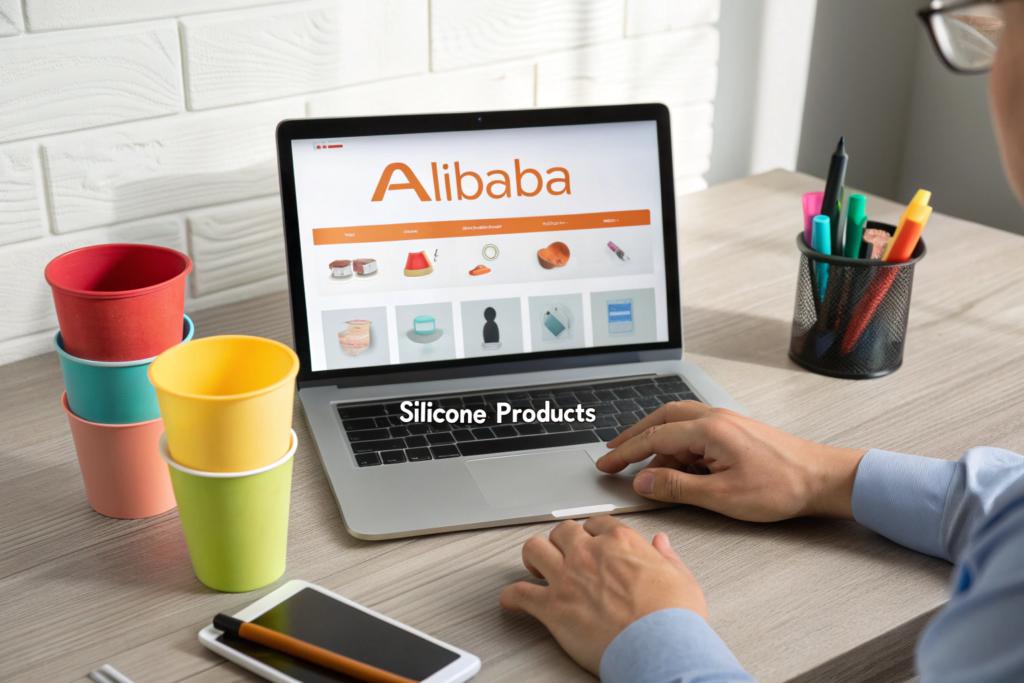
Your search for a manufacturer should begin on established, large-scale B2B sourcing platforms. The two most dominant and effective starting points for sourcing from Asia are Alibaba and Global Sources. These marketplaces offer vast directories of suppliers and provide tools to help you filter and perform initial vetting.
These platforms are designed specifically to connect buyers like you with manufacturers. They are not just simple directories; they include supplier verification systems, customer reviews, and detailed company profiles that give you a first layer of information. Alibaba is known for its sheer size and variety, offering options for nearly any product imaginable. Global Sources, on the other hand, is often seen as having a more curated list of higher-quality, export-focused suppliers, particularly in electronics and home goods. Starting your search here allows you to efficiently compare dozens of potential partners, gather initial quotes, and create a shortlist for more in-depth vetting, which we'll cover in How Do I Vet Potential Suppliers?.
Is Alibaba or Global Sources Better?
The choice between Alibaba and Global Sources often depends on your priorities. Alibaba is the larger marketplace, offering an unparalleled number of suppliers and product variations, which can lead to more competitive pricing. However, its size means you may need to sift through more trading companies and less experienced factories. Global Sources has a reputation for a more stringent supplier verification process, often featuring more established manufacturers with extensive export experience. Many buyers find that while Global Sources has fewer options, the average quality of the suppliers is higher. A good strategy is to use both: identify a wide range of potential suppliers on Alibaba and cross-reference them with the more curated lists on Global Sources.
Are There Other Platforms to Consider?
Yes, beyond the two giants, there are other valuable platforms. Made-in-China.com is another major B2B portal that is particularly strong for industrial machinery and construction materials but also has a solid base of consumer goods suppliers. For businesses in India, TradeIndia and IndiaMART are the dominant domestic B2B platforms where you can find numerous manufacturers of plastic and silicone goods. Don't underestimate professional networking sites like LinkedIn, either. By searching for titles like "Factory Manager" or "Export Sales" in specific industrial regions of China (like Zhejiang or Guangdong), you can often connect directly with key personnel at factories, bypassing the crowded marketplace environment.
How Do I Vet Potential Suppliers?
You've created a shortlist of 5-10 potential manufacturers. Their prices seem reasonable, and their online profiles look professional. But a sense of unease creeps in. How can you be sure they are who they say they are? You're worried about sending a deposit to a company that might deliver a product of inferior quality, or worse, disappear completely. This fear of the unknown is a major hurdle for new importers.
To properly vet a supplier, you must go beyond their marketing claims and verify their legitimacy through a three-step process: check their business licenses and certifications, order and test physical samples, and, for significant orders, invest in a third-party factory audit. This systematic verification is non-negotiable for protecting your investment.
This vetting process is your shield against fraud and poor quality. Start by asking for their Business License and any quality or safety certifications they claim to have, such as ISO 9001, BSCI, FDA, or LFGB. A legitimate factory will provide these willingly. Next, always order samples. There is no substitute for holding the product in your hands to assess its quality, function, and feel. Finally, for any order representing a significant financial commitment, a factory audit from a service like QIMA or TÜV Rheinland provides an unbiased, on-the-ground assessment of their facilities and processes. This diligence separates successful importers from those who learn costly lessons.
What questions should I ask a potential supplier?
When you make initial contact, be prepared with a specific list of questions to gauge their professionalism and capabilities. Beyond asking for a price quote (which you should do for various quantities), inquire about:
- Their main products and export markets: Are they specialists in silicone goods? Do they have experience shipping to your country?
- Their factory size and number of employees: This gives you a sense of their scale.
- Their sample policy: What is the cost and lead time for samples?
- Their payment terms: A standard is 30% deposit, 70% upon completion. Be wary of suppliers demanding more than 50% upfront.
- Their quality control process: Ask them to describe it. Do they have a dedicated QC team?
Their answers will reveal a lot about their experience and transparency.
How do I test a collapsible cup sample?
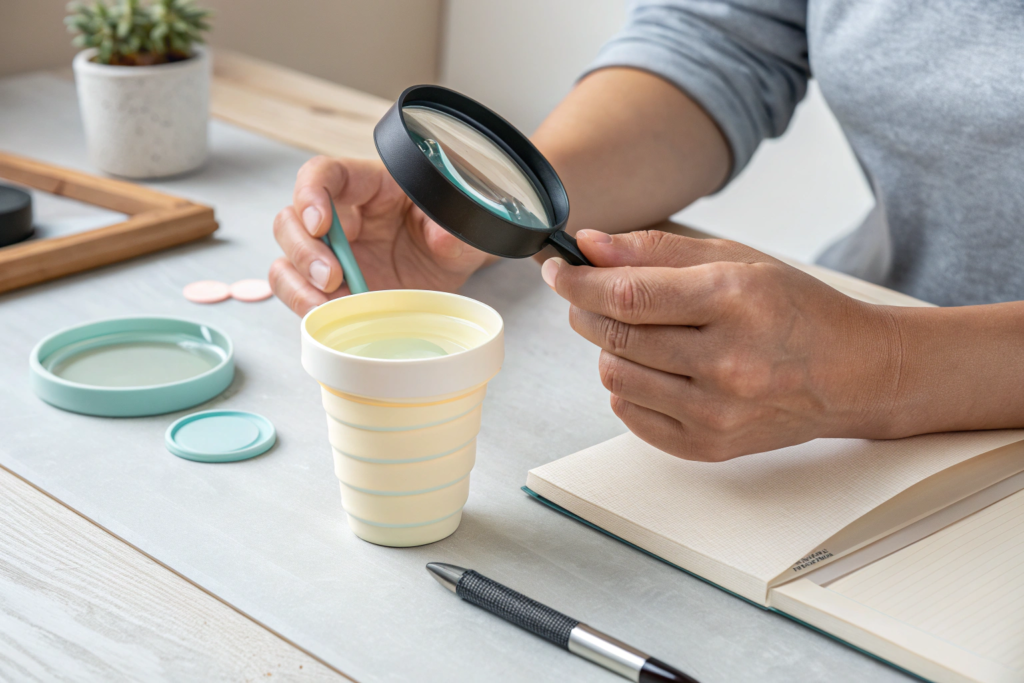
When your sample arrives, put it through rigorous testing that mimics real-world use. First, check the basics: Is the material (likely food-grade silicone) odorless and free of blemishes? Does the cup expand and collapse smoothly? Perform a leak test by filling it with water, securing the lid, and shaking it vigorously. To test for durability, collapse and expand it repeatedly—at least 50 times—to check for stress marks on the fold lines. For heat resistance, pour boiling water into it and see if the cup becomes too hot to hold or loses its structural integrity. As a manufacturer like Shanghai Fumao Clothing, we know these simple tests can quickly reveal the quality of the silicone and the mold.
What Certifications Should I Look For?
You're reviewing a supplier's profile, and they list a string of acronyms: FDA, LFGB, CE, ISO 9001. It looks impressive, but you don't really know what they mean. You're concerned about safety—especially for a product that will hold food and drinks. Choosing a product with the wrong certifications could lead to your shipment being rejected by customs or, even worse, pose a health risk to your customers.
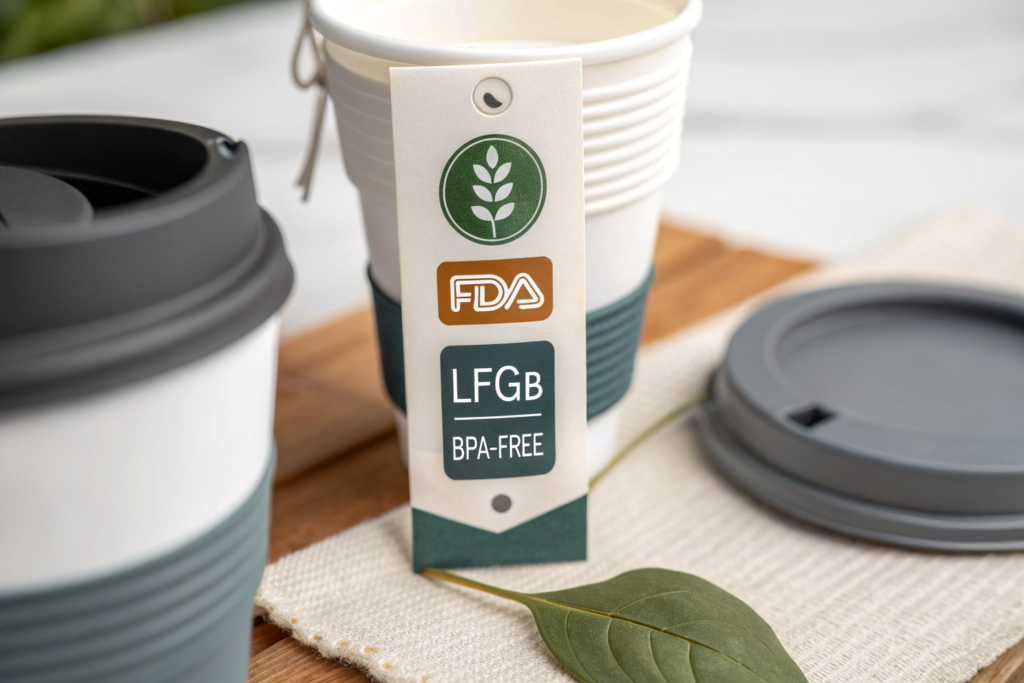
For a collapsible cup that will be sold in North America or Europe, the two most critical material safety certifications to demand from your manufacturer are FDA and LFGB. FDA is the minimum standard for the US market, while LFGB is the more stringent German/European standard. Seeing these certifications ensures the silicone is food-grade and safe for human use.
These certifications are not just suggestions; they are legal requirements for selling in their respective markets. They confirm that the silicone material has been tested and does not leach harmful chemicals into food or beverages. While FDA approval is common, LFGB is considered the gold standard for silicone products. Silicone that passes LFGB testing is generally of higher purity and durability. Always ask for the actual test reports, not just a logo on their website. A reputable supplier will have these documents ready to share.
What is the difference between FDA and LFGB?
FDA (Food & Drug Administration) is the standard required for food-contact items sold in the United States. It sets limits on what substances can be considered safe. LFGB is the German food safety standard, which is also accepted across Europe. LFGB testing is generally more comprehensive and strict than FDA testing. For example, it includes sensory tests to ensure the material does not affect the food's taste or smell. Because of the tougher requirements, LFGB-certified silicone is often more expensive but is considered a higher grade of material.
What about "BPA-Free"?
"BPA-Free" is a crucial marketing and safety claim, but it's important to understand it in context. BPA (Bisphenol A) is a chemical primarily found in hard polycarbonate plastics, not typically in 100% silicone. However, many collapsible cups have a rigid plastic lid or rim. You must ensure that these plastic components are BPA-free. High-quality food-grade silicone is naturally free of BPA. Therefore, when a manufacturer claims a cup is BPA-free, they are confirming the safety of all materials used, including any plastic parts, which is a standard expectation for any reputable producer.
How Do I Negotiate and Finalize the Order?
You've found the perfect manufacturer. They've passed your vetting process, and their samples are excellent. Now it's time to talk numbers. You feel intimidated, worried that you'll pay too much or agree to unfavorable terms. You've heard that manufacturers have very thin margins and that negotiating is pointless, leaving you unsure how to proceed to get the best possible deal for your business.
Effective negotiation is not about haggling over every last cent; it's about creating a clear, mutually beneficial agreement that ensures quality and reliability. Come prepared with a detailed product specification sheet, get quotes from multiple factories to establish a fair market price, and negotiate on the total value—including payment terms, quality assurances, and lead times—not just the unit cost.
Your leverage in a negotiation comes from being prepared. A detailed "tech pack" or specification sheet shows you are a serious, professional buyer. Having multiple quotes gives you a realistic price range and prevents you from accepting an inflated offer. Remember that you can negotiate more than just price. Asking for more favorable payment terms (e.g., 30% deposit instead of 50%), including a penalty clause for late delivery, or specifying higher-grade materials are all part of the negotiation. The goal is to build a long-term partnership. A good manufacturer would rather work with a reasonable, long-term partner than make a quick profit on a single, contentious order.
What should be in my Purchase Order (PO)?
Your Purchase Order is your legal contract with the manufacturer. It must be incredibly detailed to avoid any misunderstandings. It should include:
- Product Specifications: Every detail—exact dimensions, Pantone color codes, material type (e.g., "LFGB-certified silicone"), logo placement, and packaging design.
- Quantity and Price: The agreed-upon unit price and the total order value.
- Payment Terms: The payment schedule (e.g., 30% T/T deposit, 70% balance after inspection).
- Incoterms: The shipping terms (e.g., FOB, EXW) that define who is responsible for shipping costs and risks.
- Lead Time: The date by which production must be completed.
- Quality Control Standards: Reference the approved sample and state that the final production must match it. Mention that you reserve the right to a pre-shipment inspection.
How do I handle shipping and customs?
For most first-time importers, the easiest way to handle international logistics is to hire a freight forwarder. A freight forwarder is a company that manages the entire shipping process for you. They will arrange for the goods to be picked up from the factory, book space on a ship or plane, handle all the export and import documentation, clear your goods through customs, and arrange for final delivery to your warehouse. To do this, you will need to know the HS Code for your product, which is a standardized code used by customs worldwide to classify products and determine the correct tariff or duty rate. Your freight forwarder can help you identify the correct code for your collapsible cups.
Conclusion
Finding the right manufacturer for your collapsible cups is a journey from broad online searches to detailed, personal negotiations. It requires diligence, patience, and a strategic mindset. By starting on proven B2B platforms, systematically vetting every potential partner, insisting on safety certifications like FDA and LFGB, and negotiating a comprehensive agreement, you transform a daunting task into a structured business process. This careful approach minimizes your risk and lays the foundation for a successful product launch and a lasting partnership.
As a company with deep roots in manufacturing and exporting, we at AceAccessory understand every step of this process. We've built our reputation on quality, reliability, and transparent communication. If you're ready to bring your product idea to life and are looking for an experienced partner to guide you, we are here to help. Please feel free to contact our Business Director, Elaine, at her email: elaine@fumaoclothing.com to discuss how we can manufacture your next successful product.