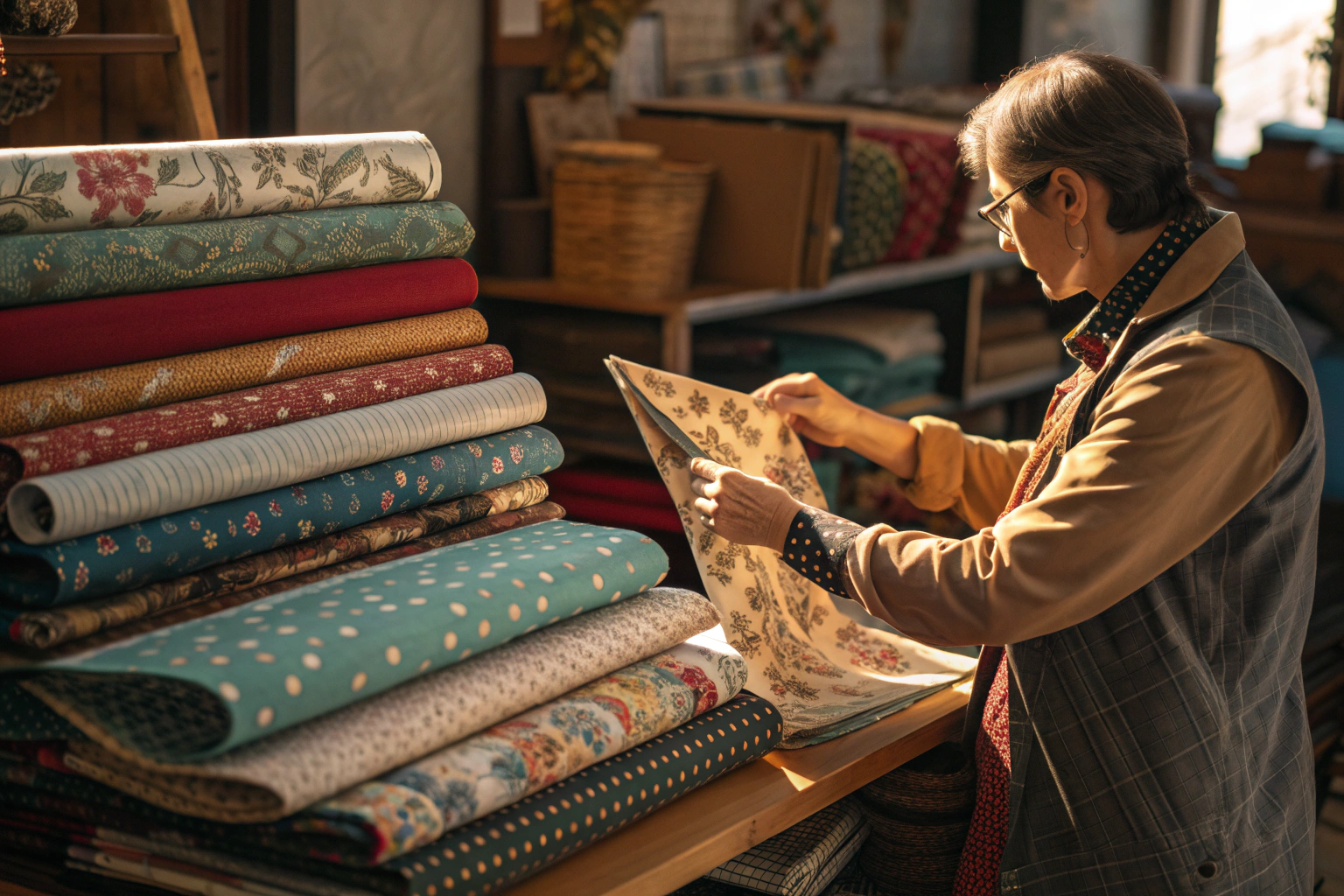
I was speaking with a designer from a promising new sustainable brand last year. She was passionate, talented, and had a clear vision. She wanted to create a line of hair accessories and small bags using only deadstock fabrics. "It's the perfect solution," she told me. "I save beautiful fabric from the landfill, and I get a unique, sustainable selling point for my brand." Her idea was brilliant. But then she asked me the question that had been keeping her up at night: "How do I actually find a manufacturer who will work with these unpredictable, limited materials? Every factory I talk to wants large, predictable orders of the same fabric."
Finding a manufacturer for accessories using deadstock fabrics requires a partner who is flexible, experienced in small-batch production, and who genuinely understands the value and challenges of working with limited, non-reproducible materials. You need a factory that does not rely on massive, automated roll-feeding systems, but one where skilled workers can handle individual pieces of fabric with care. At Shanghai Fumao Clothing, we have built our reputation on this kind of flexible, high-quality, small-batch production, making us an ideal partner for brands with a deadstock or upcycled focus.
That designer's excitement was real, and so was her challenge. Deadstock fabrics are the opposite of how most factories operate. They are unpredictable, limited in quantity, and require a completely different mindset. But for the right brand, with the right partner, they are an incredible opportunity to create truly unique, sustainable, and desirable products. Let me guide you through the four essential steps to finding and working with a manufacturer who can turn your deadstock dreams into reality.
What Exactly Is Deadstock, and Why Is It a Challenge for Factories?
Before you can find the right manufacturer, you need to fully understand what you are asking them to do. "Deadstock" sounds simple: it is leftover fabric from fashion houses or textile mills that would otherwise be thrown away. But from a manufacturing perspective, it is a complex and challenging raw material. It does not behave like the standard, bulk-ordered fabrics a factory is used to. Recognizing these challenges is the first step to overcoming them.
Deadstock fabrics are inherently variable. They come from different sources, with different fiber compositions, different widths, different weights, and different dye lots. A factory's standard processes are built on consistency. They program their cutting machines for a specific fabric width. They set their sewing machines for a specific fabric weight. Deadstock throws all of that consistency out the window. It requires a factory to be nimble, to have skilled workers who can adapt on the fly, and to have a production planning system that can handle small, unique batches.
Let me give you a concrete example of the challenges. Imagine you find a beautiful bolt of deadstock silk. It's the perfect color and print for your new line of scrunchies. But this silk is 45 inches wide. The next deadstock fabric you find for a different color is 55 inches wide. Your pattern pieces for the scrunchie are the same size, but the factory's cutting marker (the layout plan) must be completely redesigned for each fabric to minimize waste. This takes time and skill. Furthermore, the two silks might have different weights. A scrunchie made from a lighter silk will have a different drape and feel than one from a heavier silk. The factory's sewing machine tension, needle size, and thread type might need to be adjusted for each batch. This is a completely different world from feeding a single type of fabric through a machine for weeks on end. This is why many factories simply say "no" to deadstock. They are not set up for it. But for those of us who are, it is a joy. It is like solving a new puzzle with every single order. This understanding of sustainable supply chain management is critical. At Shanghai Fumao Clothing, our team thrives on this challenge.
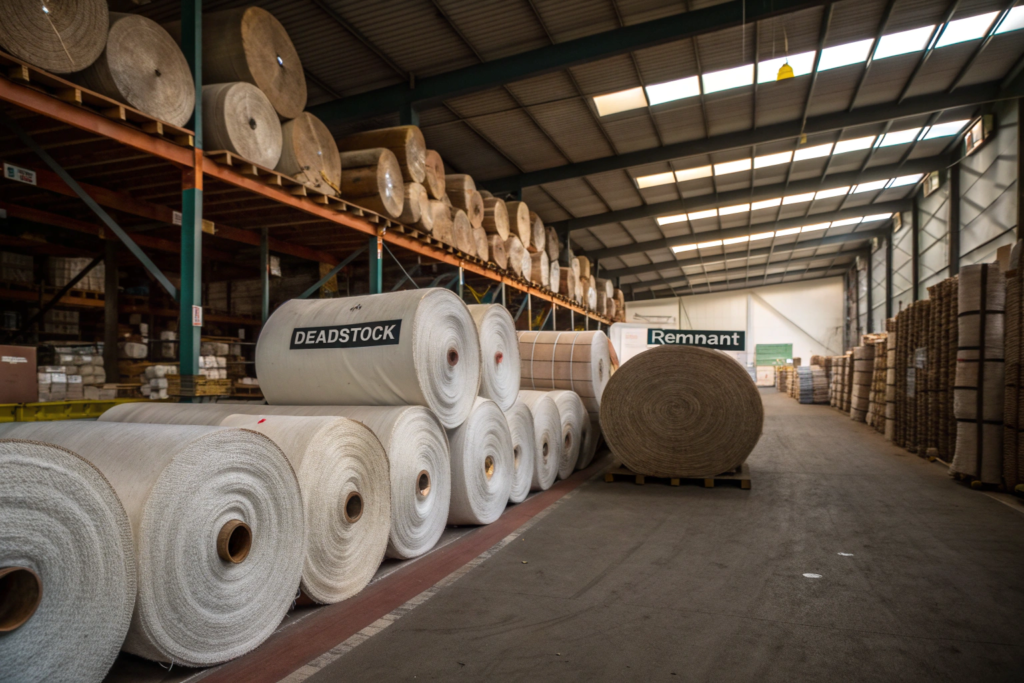
Is deadstock always cheaper than buying new fabric?
Not necessarily, and it is a common misconception. While the raw material cost might be lower (or even free, if you are rescuing it), the manufacturing cost is often higher. The extra labor for handling, cutting, and adjusting to variable materials adds up. Also, the quantity is limited, so you lose economies of scale. The value of deadstock is in its uniqueness and its sustainability story, not necessarily in its low price.
How do I know how much deadstock fabric I have, and how many units it will make?
This is a critical question. When you source a deadstock roll, you need to ask the seller for the exact yardage/meterage and the fabric width. You then work with your manufacturer to do a "marker" and "yield" calculation. They will lay out your pattern pieces digitally or manually on the fabric's dimensions to determine exactly how many units you can get from that specific roll. This must be done before you commit to a production run, as you cannot order more of the same fabric.
What Kind of Manufacturer Should You Look For?
Not all factories are created equal. You cannot take your deadstock project to a factory that specializes in mass-producing millions of identical t-shirts. They will be confused, frustrated, and they will likely give you a poor-quality product or a very high price to compensate for their inefficiency. You need to find a factory whose business model is built on flexibility, skill, and small batches. You are looking for a partner, not just a vendor.
The ideal manufacturer for deadstock accessories is a cut-and-sew factory that specializes in small-batch and medium-batch production. They should have a skilled workforce capable of hand-cutting fabric, as automated cutting systems are often not efficient for small runs of variable materials. They should have experienced machinists who can adjust their machines for different fabric types quickly. And most importantly, they should have project managers who understand the unique challenges of deadstock and are excited by the creativity it offers. They should see your project as a collaboration, not a disruption.
When you are searching for a partner, ask them specific questions. "How do you handle fabric width variations?" "What is your process for cutting small batches of unique materials?" "Can you provide a yield estimate from a photo and measurements of a deadstock roll?" "What is your minimum order quantity for a style using a fabric we may only have 50 yards of?" Their answers will tell you everything. A factory that is rigid and needs everything in a computer system will struggle. A factory that talks about their skilled cutters and their experience with "special projects" is a much better fit. We have built our entire business around this kind of agility. Our team at Shanghai Fumao Clothing is accustomed to working with designers who bring us unique, one-of-a-kind materials. We don't see it as a problem; we see it as an opportunity to showcase our craftsmanship. This is the essence of agile manufacturing in the fashion industry.
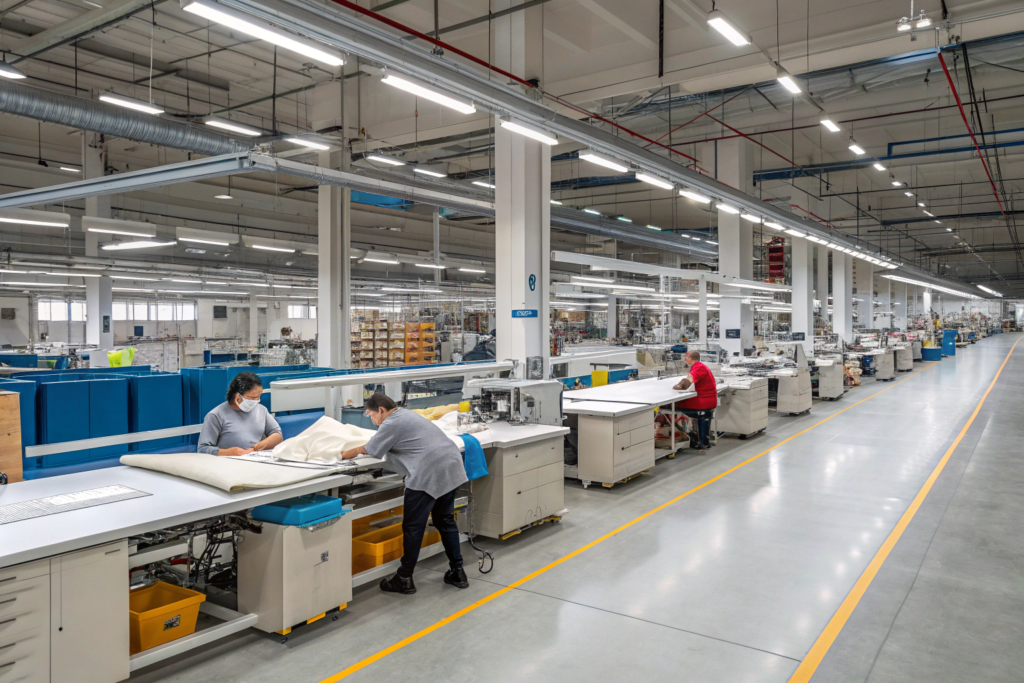
Should I look for a factory in the same country as my deadstock source?
It can be helpful, but it is not essential. Many deadstock dealers are in fashion hubs like New York, Los Angeles, London, or Milan. Working with a local cut-and-sew shop can simplify logistics. However, the expertise for high-quality, intricate accessory manufacturing is often concentrated in places like China. We regularly have clients ship deadstock fabrics to us from all over the world. The key is to find the best maker for your product, regardless of location, and factor in the shipping of the materials.
What if my deadstock fabric is a very small quantity, like 10 yards?
This is a true test of a factory's flexibility. Many factories have minimums that would make this impossible. A true small-batch specialist, however, can handle it. We regularly work with quantities this small. The product design must be chosen to maximize yield from that small amount of fabric (e.g., small items like hair scrunchies, bow clips, or small pouches). The per-unit cost will be higher, but you are creating a truly exclusive, limited-edition product.
How Do You Prepare Deadstock Fabric for Production?
So, you have found your beautiful deadstock fabric and you have identified a flexible manufacturing partner. The next step is critical: preparing the fabric for production. Unlike new, mill-direct fabric that arrives in perfect, consistent rolls, deadstock needs TLC. It may have been in storage for years. It may have flaws. It may need to be re-rolled or even gently steamed. This preparation phase is where you ensure the final product is high quality.
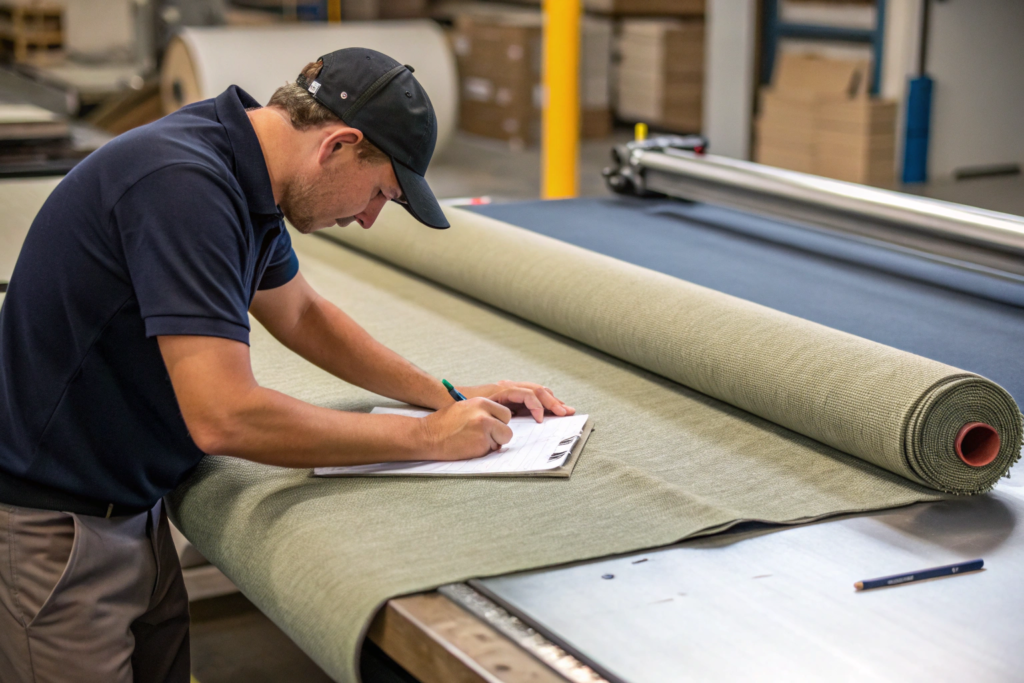
Before any cutting can happen, every piece of deadstock fabric must be inspected. Our team unrolls the fabric and examines it for any stains, holes, weak spots, or inconsistencies in the weave or print. We note the exact location of any flaws so they can be avoided during cutting. The fabric may also need to be re-conditioned. This could involve a gentle steam to remove storage creases, or simply re-rolling it onto a standard tube to make it easier to handle on the cutting table. This is a labor-intensive but absolutely essential step to ensure the quality of your finished accessories.
The inspection process is also where we do the final yield calculation. We know the total yardage, we know the width, and now we know the location of any flaws. Our skilled marker makers can then create a cutting plan that works around the flaws to maximize the number of usable pieces. This is a skill that requires experience. For example, if there is a small stain in the middle of the roll, a skilled cutter might be able to lay out pattern pieces to avoid it, saving that entire section of fabric. This is something a computer-driven, high-speed cutter cannot do. It requires human judgment. This process also highlights the importance of ordering a little more fabric than you think you need. A typical "waste factor" for new fabric might be 5-10%. For deadstock, due to flaws and variable widths, we often recommend a waste factor of 15-20% to be safe. This is all part of the pre-production planning that ensures a smooth production run. At Shanghai Fumao Clothing, we guide our clients through every step of this preparation.
What if my deadstock fabric arrives and has a chemical or musty smell?
This can happen with older stored fabrics. The solution is to have the fabric aired out and possibly professionally cleaned or ozone-treated before cutting. We can advise on this. It is crucial to address any odor before production, as it will be very difficult to remove from the finished accessory, and a smelly product is a guaranteed customer complaint.
Do I need to pre-wash deadstock fabric?
It depends on the fiber content and the intended use. For accessories that may need to be cleaned (like a cotton tote bag), pre-washing a sample swatch is a good idea to test for shrinkage or color bleeding. However, for many accessories, dry cleaning or spot cleaning is recommended. We can test a small sample of your deadstock fabric for you to determine the best care instructions for the final product.
How Do You Price Products Made from Deadstock?
You have your beautiful, unique product. Now comes the hard part: figuring out what to charge for it. Pricing deadstock products is a different equation from pricing standard, mass-produced items. You cannot simply use the same formula. The cost of materials might be lower (or free), but the cost of labor is almost certainly higher. You have to factor in the uniqueness and the sustainability story. Getting this right is essential for profitability.
Pricing deadstock accessories requires a value-based approach, not just a cost-plus approach. Your cost calculation must include: the cost of the fabric (if any), the cost of inspection and preparation, the cost of hand-cutting and pattern layout for small batches, the cost of sewing, and a higher contingency for waste. Then, you look at the final product and ask: what is its value to the customer? A one-of-a-kind print, a piece of fashion history, a powerful sustainability story—these have real value. Your price must reflect this value, justifying the higher production cost and rewarding you for the creativity and effort.
Let's be honest. A deadstock scrunchie will almost certainly cost more to make than a scrunchie made from mass-produced fabric ordered by the roll. The per-unit labor is higher. But your customer is not buying a "scrunchie." They are buying a unique piece of sustainable fashion with a story. They are buying something that no one else will have. This has immense value, especially to the growing market of conscious consumers. Your marketing must communicate this value. You are not selling a commodity; you are selling a limited-edition artisanal product. The price should reflect that. You can also use your deadstock pieces as a halo product for your brand, demonstrating your commitment to sustainability and unique design, even if your core business is in more standard, repeatable items. This approach to sustainable business models is becoming increasingly important. At Shanghai Fumao Clothing, we help our clients understand the true cost of this beautiful work and develop pricing strategies that are both profitable and fair.

Should I add a premium for "exclusivity" to my deadstock products?
Absolutely. Exclusivity is a core part of the value proposition. When a customer buys a deadstock item, they know it cannot be remade. This is a powerful motivator. Your pricing should reflect this scarcity. You are not just selling a product; you are selling the opportunity to own a unique piece. This is similar to the pricing strategy for limited edition art prints or collectibles.
How do I explain the higher price to a customer who sees a similar item for less elsewhere?
You explain the story. You show them the unique fabric. You tell them where it came from and that it was saved from landfill. You emphasize the small-batch, handcrafted nature of the product. You make them feel like they are part of a movement, not just making a purchase. Customers who value sustainability and uniqueness will understand and appreciate this. For customers who only care about the lowest price, this product is not for them, and that is okay.
Conclusion
Finding a manufacturer for accessories using deadstock fabrics is a journey that requires patience, research, and a clear understanding of your own needs. It is about finding a partner who shares your values and has the flexibility and skill to turn your unique, sustainable vision into a reality. It is about moving away from the mass-market model and embracing a more thoughtful, creative, and responsible way of making things.
At Shanghai Fumao Clothing, we have spent years perfecting this art. Our factory in Zhejiang is not a rigid, automated machine. It is a community of skilled craftspeople who thrive on variety and challenge. We love the puzzle of a unique deadstock fabric. We love the creativity of finding the perfect way to cut and sew it. And we love the pride of helping a brand tell a powerful sustainability story through a beautiful, well-made product.
Are you ready to turn your deadstock dreams into a beautiful, sellable collection? Let's talk about how we can be your partner in this creative journey. Contact our Business Director, Elaine, at elaine@fumaoclothing.com to start the conversation.