Finding a manufacturer is one thing, but finding one that can truly enhance your product line with professional design input is a game-changer. Many brands and importers hit a wall when they have a concept but lack the technical expertise to bring it to life, or they need to refresh their offerings without the overhead of an in-house design team. The frustration of communicating ideas across languages and time zones, only to receive generic samples, is all too common.
The most effective way to find a factory with design services is to specifically target Original Design Manufacturer (ODM) factories, scrutinize their in-house design team’s structure and portfolio, and evaluate their development process for transparency and collaboration. This approach moves you beyond a basic supplier to a strategic partner capable of driving innovation.
This guide will walk you through the four critical steps to identify and vet such a partner. We’ll cover the key industry terminology you need to know, how to assess a factory’s design capabilities before you visit, the crucial questions to ask during evaluation, and how to structure a successful first project. To ensure this partnership also delivers on quality and logistics, it’s wise to choose a factory that also excels in consistent quality control and reliable supply chain management.
What Is the Difference Between OEM, ODM, and OBM Factories?
Knowing the right industry terminology is your first filter in the search. Using the correct terms in your inquiries will instantly connect you with factories whose business models align with your needs. Confusing these terms can lead you to a manufacturer perfect for high-volume replication but utterly incapable of creative design.
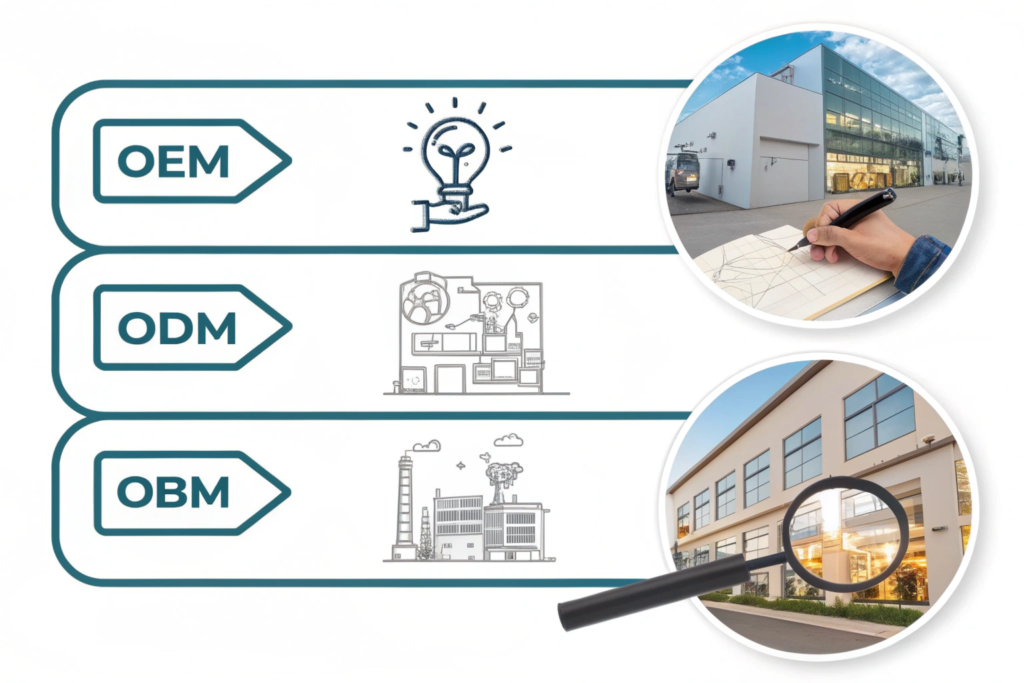
The core difference lies in where the design and intellectual property originate. OEM (Original Equipment Manufacturing) factories produce your exact design. ODM (Original Design Manufacturing) factories provide both design and production. OBM (Original Brand Manufacturing) factories design, produce, and market their own branded products. For brands seeking design services, ODM is the primary target, as they are structured to be design-driven partners.
Diving deeper, each model serves a different strategic purpose. An OEM factory is a brilliant executor. You provide detailed tech packs, and they manufacture to spec. They are ideal when you have a strong, finalized design. An ODM factory, like Shanghai Fumao Clothing, is your innovation arm. You provide a concept, trend direction, or market gap, and their team researches, sketches, creates prototypes, and engineers the product for production. They own the preliminary designs until you select and pay for the development. An OBM factory is essentially a competitor; they may do private label, but their primary goal is to build their own brand. Understanding this landscape helps you direct your sourcing efforts efficiently and set the right expectations from the first conversation.
Why Is an ODM Factory the Best Choice for Design Services?
An ODM factory is institutionally built for design collaboration. Their business model is predicated on creating new products, so they invest in trend forecasting, skilled designers, sample makers, and a sample room. They thrive on transforming a mood board into a tangible, producible item. For fashion accessories—where trends in colors, materials, and styles change rapidly—this is invaluable. An ODM partner can quickly generate a range of options for a new hair clip collection or summer scarf line, dramatically speeding up your time-to-market. Their value proposition is "We can design that for you," not just "We can make that for you."
What Are the Red Flags in a Factory’s Design Claims?
Be wary of factories that claim design capabilities but show no evidence. Red flags include:
- No dedicated design team: The "designer" is also the sales manager or owner.
- A weak or non-existent portfolio: They can only show you best-selling items from other clients (which may raise IP concerns) or generic catalog items.
- No sample room or prototyping facility: Design without rapid prototyping is just theory.
- Pressure to choose from existing molds/models only: This indicates they are OEMs masquerading as ODMs.
- Unwillingness to sign an NDA (Non-Disclosure Agreement): A professional design partner respects intellectual property confidentiality.
A genuine ODM will proudly showcase their design process, previous custom projects (with client permission), and their development workflow.
How to Research and Identify Factories with Real Design Teams?
In the digital age, your search starts online, but it must go beyond a simple Google query. The goal is to separate marketing buzzwords from operational reality. You need to find factories where design is a core department, not a sales tactic.
Effective research involves using precise keywords on B2B platforms, conducting a deep dive into company websites and social media for proof of design work, and leveraging industry networks for referrals. Look for visual and procedural evidence of the design cycle, not just pictures of finished products.
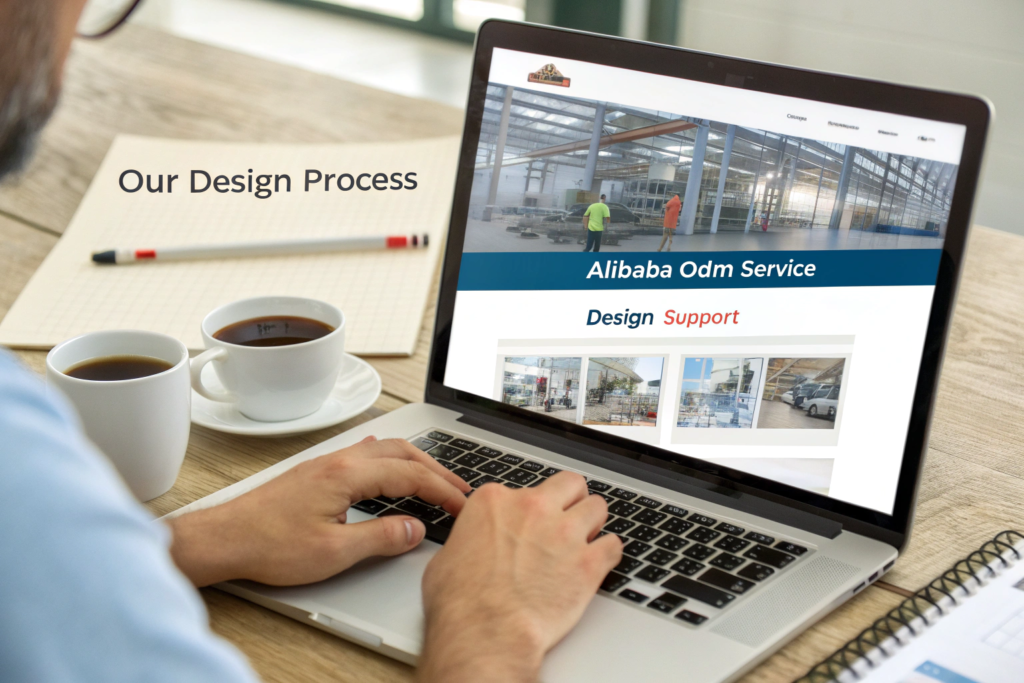
A strategic approach is multi-channel. On platforms like Alibaba.com, use filters for "ODM Service" and keywords like "custom design," "design team," "R&D," and "sample development." Then, critically analyze their presentation. Do they have a "Design" or "R&D" section on their website? Do their social media channels (like LinkedIn or Instagram) show behind-the-scenes content of sketching, material selection, or sample reviews? Do they post about attending trend fairs like Première Vision? This indicates an active, engaged design team. We at Shanghai Fumao make our design process transparent, sharing insights on our blog and social media to demonstrate our capability as a true partner, not just a vendor.
What Online Platforms and Keywords Yield the Best Results?
Beyond general B2B sites, target industry-specific directories and trade associations. Keywords should be combination searches:
- "ODM fashion accessories factory"
- "Custom scarf design and manufacturing"
- "Accessory design development China"
- "Private label hat manufacturer with design"
Platforms like Global Sources or Made-in-China.com also have strong supplier filters. However, the most valuable leads often come from industry referrals. Engaging with sourcing groups on LinkedIn or attending trade shows (even virtually) can connect you with vetted partners. When you find a potential match, immediately look for their "Capability" or "Services" page—it should explicitly outline their design process stages.
How to Analyze a Factory’s Website and Portfolio for Design Depth?
A factory’s online presence is its digital showroom. Look for these signs of a serious design department:
- Case Studies: Detailed stories of how they helped a client solve a problem or launch a product line.
- Design Team Introductions: Profiles of lead designers, their backgrounds, and specializations.
- Process Documentation: Photos or videos of mood boards, CAD drawings, 3D modeling, sample iterations, and quality control checks on prototypes.
- Trend Reports: Publications or blog posts analyzing upcoming color, material, or style trends in accessories.
- Sample Policy: A clear, professional policy for sampling costs and timelines, which is a hallmark of a developed ODM service.
If you only see a vast gallery of finished products with no story behind them, proceed with caution. A rich portfolio shows the journey, not just the destination.
What Questions to Ask When Evaluating a Factory’s Design Service?
Once you have a shortlist, the evaluation phase begins. This conversation determines if there is a true fit. Your questions should probe their process, resources, and philosophy to see if they can be an extension of your brand.
Your questions should cover their team structure, design process and communication tools, IP protection policies, and cost structure for design services. You need to understand not just if they design, but how they design and collaborate with clients like you.
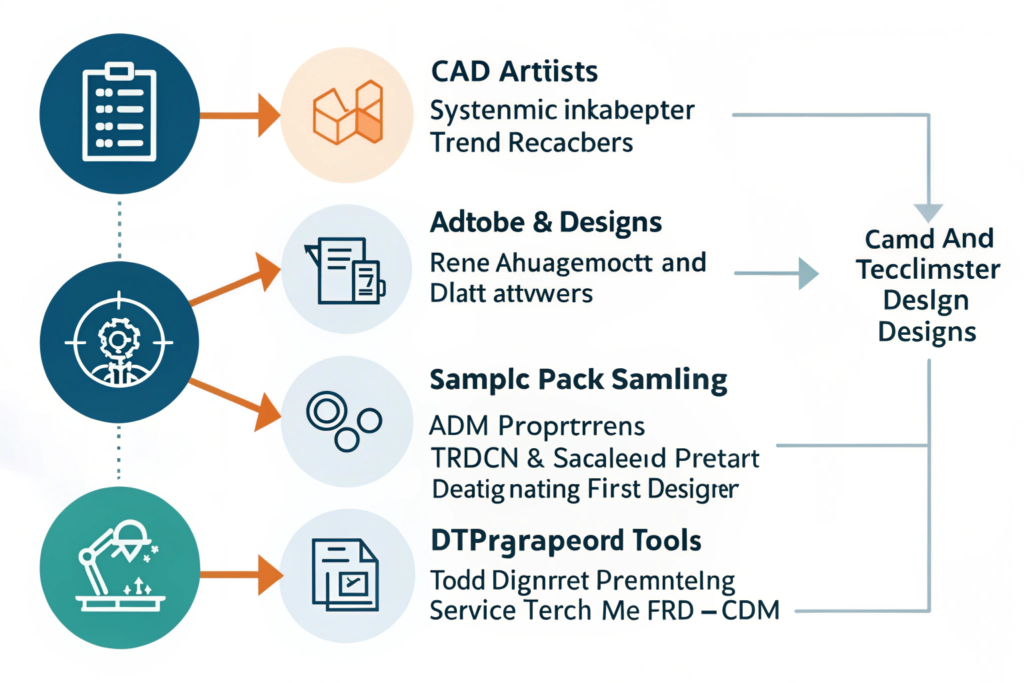
Prepare a checklist for your call or meeting. Go beyond "Do you have designers?" to "How is your design team organized?" Listen for answers that reveal a systematic approach: dedicated trend researchers, CAD artists, sample technicians. Ask about their software (e.g., Adobe Illustrator, 3D design tools) and how they share updates—do they use shared cloud folders, project management tools, or regular video calls? Inquire about their lead time from concept to first sample. A professional ODM will have clear, stage-gated answers. For example, when clients ask us, we outline our 5-step process: Briefing, Trend & Concept, Design & Tech Pack, Prototyping, and Final Sampling, detailing what happens and what is delivered at each step.
How to Assess the Design Process and Communication Flow?
Ask them to walk you through a recent project for a client (under NDA). Key questions include:
- "How do you typically start a new design project? What information do you need from me?"
- "What are your standard milestones and deliverables? Can I see examples of mood boards, CADs, or prototype reports?"
- "How many revision rounds are included in the design fee?"
- "What is your primary method for communicating updates and resolving questions? (e.g., email, weekly calls, Asana/Trello)"
- "How do you handle feedback on samples? Do you provide detailed comments and photos?"
The answers will show you if their process is collaborative and transparent or rigid and opaque. Seamless communication is as critical as design talent.
What Are the Typical Cost Structures for Design and Development?
Understanding costs upfront prevents surprises. ODM factories typically charge for design and development in one of two ways:
- Bundled Cost: The design and sample costs are absorbed into the unit price once the production order reaches a minimum quantity (MOQ). This is common.
- Separate NRE (Non-Recurring Engineering) Fee: A one-time fee covers the design, tech pack creation, and sample making. This fee may be credited against your future production order.
Always ask: "What is included in the sample cost?" and "What happens to the IP if we don’t proceed with production?" Get everything in writing. A transparent factory will provide a clear design service agreement outlining fees, deliverables, IP ownership, and payment terms.
How to Successfully Start Your First Design Project with a Factory?
You’ve found and vetted a promising partner. Now, the first project sets the tone for the entire relationship. A successful start is built on clear briefing, managed expectations, and a phased approach that allows for feedback and alignment at every step.
To launch successfully, begin with a small, well-defined pilot project, invest time in creating a comprehensive design brief, and actively participate in the review milestones. This minimizes risk, builds mutual understanding, and establishes a productive working rhythm.
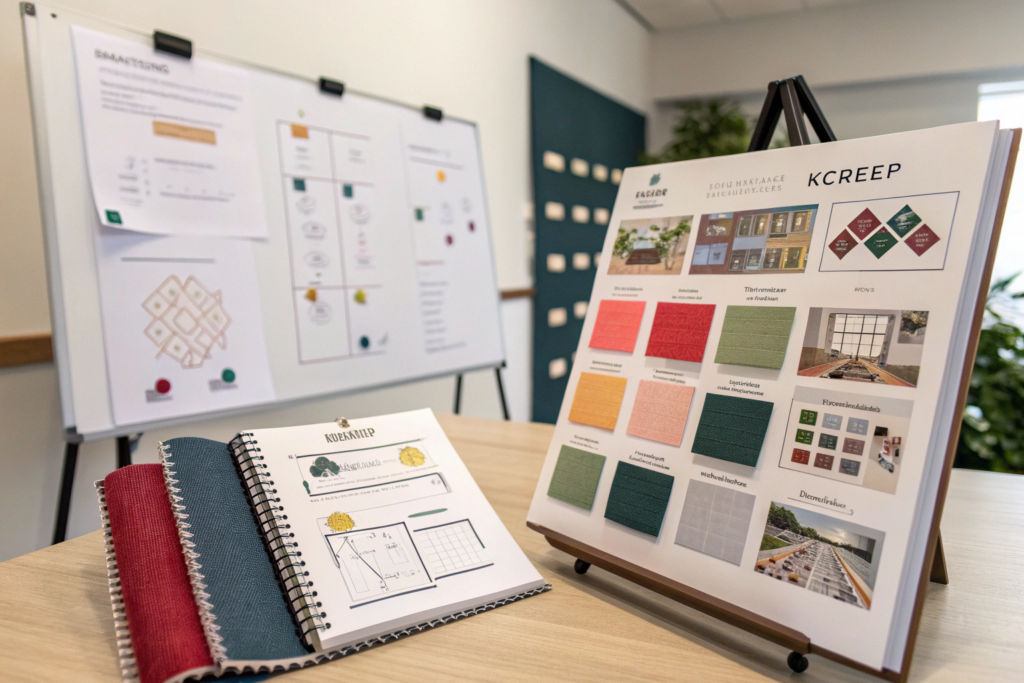
Think of the first project as a mutual audition. Choose a product that is representative of your needs but not overly complex—perhaps a new hair band series or a woven belt style. The most critical document you will provide is the design brief. This should include: your brand story, target customer, market competitors, specific product goals (e.g., "a lightweight summer scarf packable for travel"), detailed aesthetic direction (mood boards, color palettes, inspiration images), technical requirements (materials, dimensions, certifications), and budget/timeline targets. The better your brief, the more accurate the factory’s creative response will be.
How to Create an Effective Design Brief for Your Factory?
An effective brief is a communication bridge. It should be visual and descriptive. Include:
- Objective: What is the goal of this product? (e.g., "Enter the sustainable accessories market with a recycled material line.")
- Inspiration: Mood boards with images of style, color, texture, and even lifestyle.
- Technical Specifications: Target price point (FOB), desired materials (e.g., "organic cotton," "recycled polyester"), key features (e.g., "adjustable closure," "water-resistant").
- Reference Samples: Photos or links to similar products you like/dislike, with notes on what to emulate or avoid.
- Timeline: Key dates for concepts, samples, and final production.
Providing this structure shows professionalism and gives the design team a clear framework within which to innovate. It turns subjective preference into objective direction.
What Are the Key Milestones and How to Manage Them?
A well-managed first project follows clear stages:
- Concept Presentation (Week 1-2): Expect 2-3 visual design directions based on your brief. Your feedback here is crucial.
- Design Development & Tech Pack (Week 3-4): Approval of selected direction, followed by creation of detailed technical drawings with measurements, materials, and construction notes.
- Prototype/Sample Making (Week 5-7): Receipt of the first physical sample. Evaluate fit, form, function, and quality. Provide written feedback with photos.
- Revised Samples & Pre-Production (Week 8-10): Review updated samples until finalized.
At each milestone, schedule a review meeting. Be prompt with detailed feedback. A good partner like Shanghai Fumao will guide you through this process, ensuring no detail is overlooked before committing to mass production. This phased approach de-risks the investment and ensures the final product truly meets your vision.
Conclusion
Finding a factory that offers genuine design services is about shifting from a transactional sourcing mindset to a partnership mindset. It requires identifying ODM specialists, thoroughly vetting their creative and procedural capabilities, and establishing a collaborative workflow centered on clear communication. The reward is a powerful extension of your brand’s creative capacity, accelerating innovation and giving you a competitive edge in the market.
This partnership allows you to leverage professional design expertise and efficient production in one seamless package, reducing your internal workload while expanding your product potential.
If you are looking for a fashion accessory partner that combines creative design with reliable manufacturing and global logistics expertise, we are ready to collaborate. Contact our Business Director, Elaine, at elaine@fumaoclothing.com to discuss how Shanghai Fumao integrated ODM services can bring your next product vision to life.