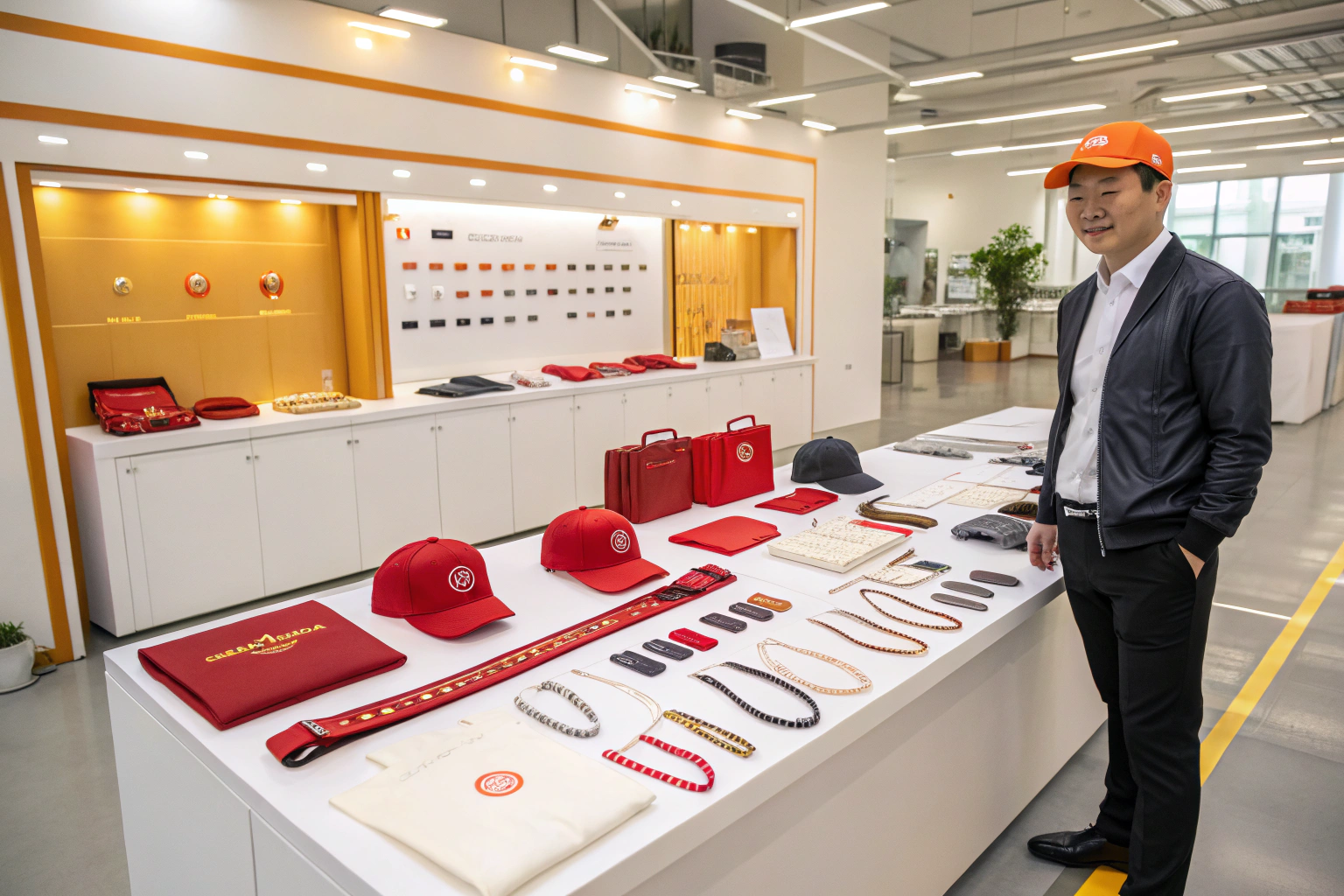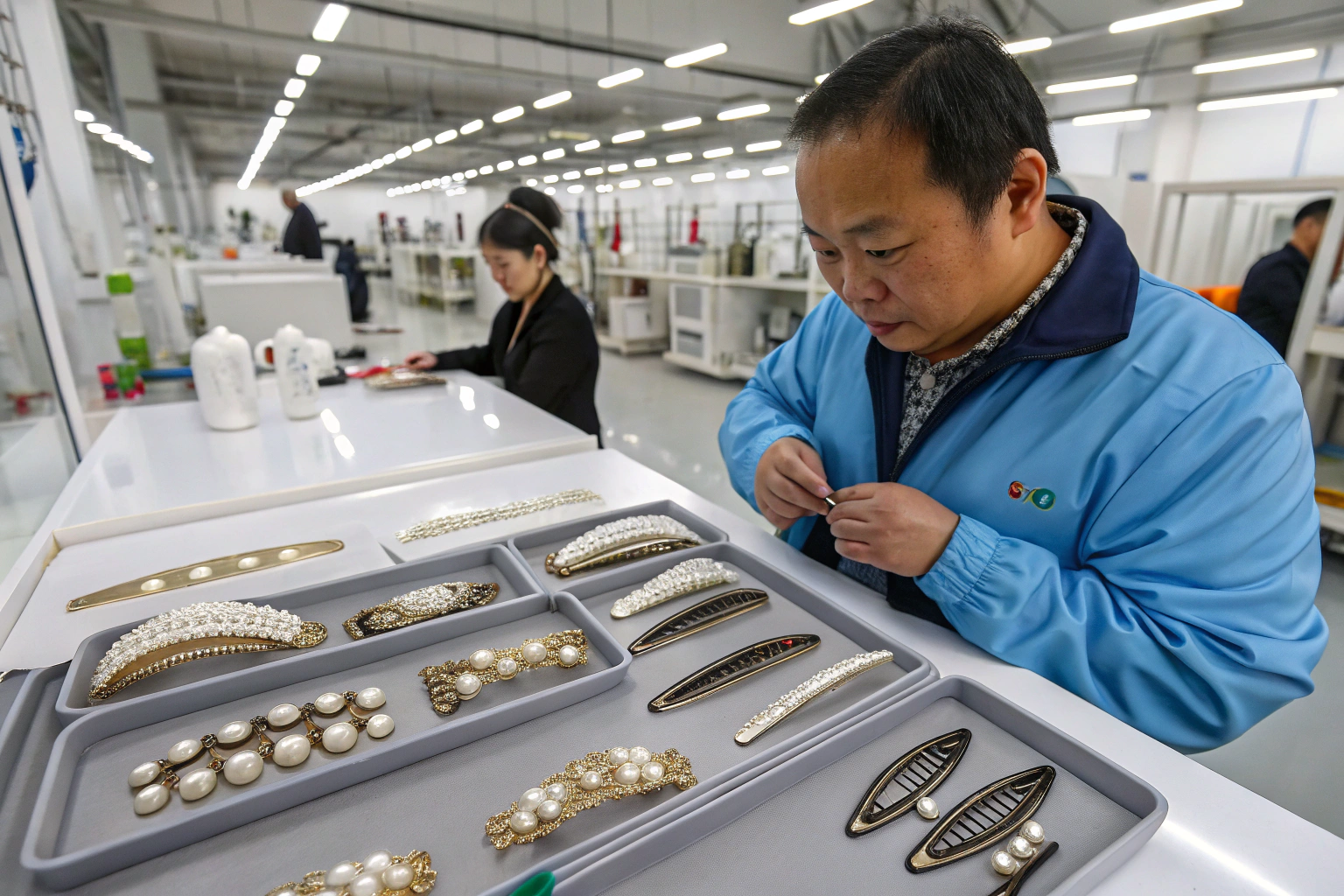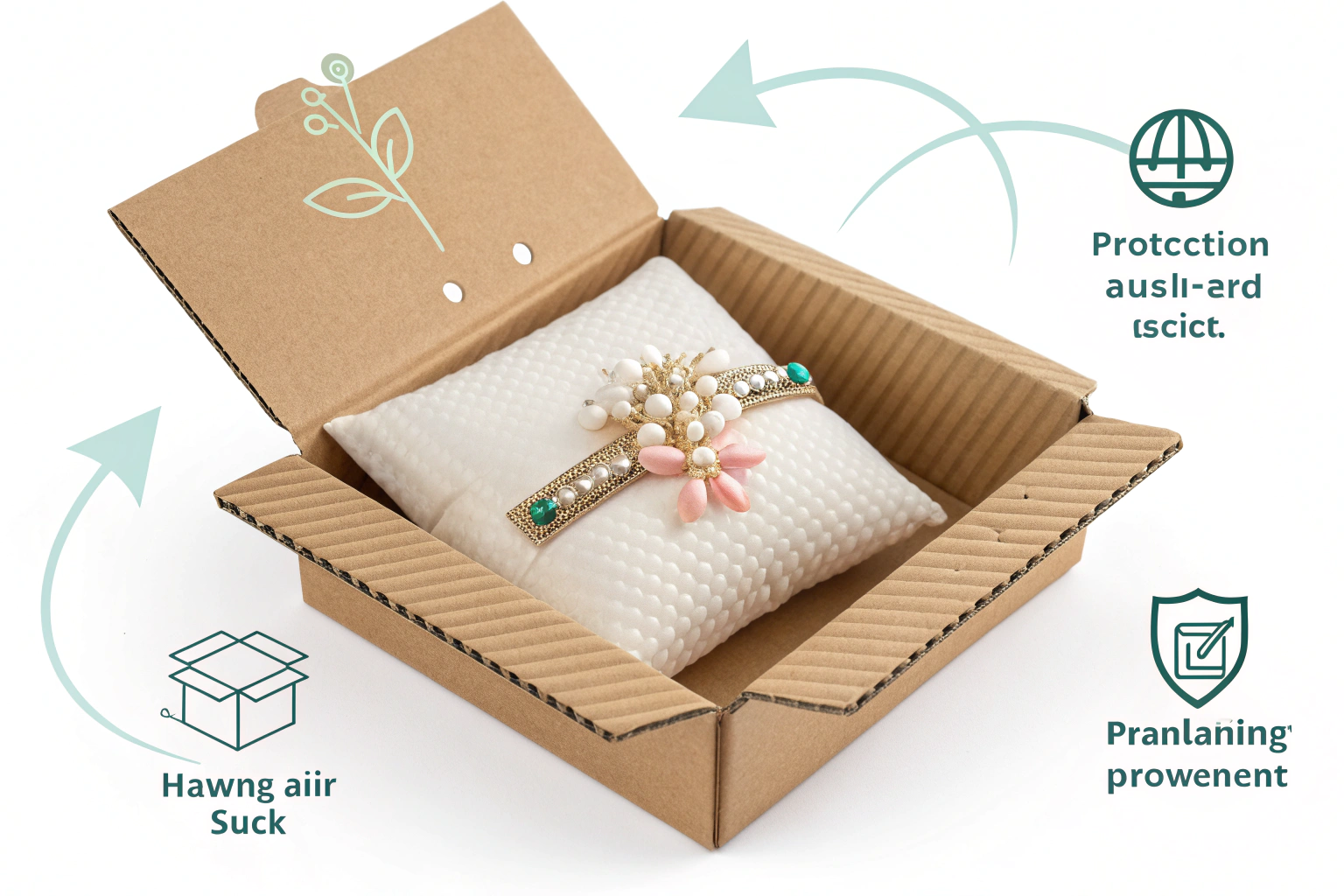
In the world of e-commerce and global shipping, the unboxing experience begins long before your customer opens the box—it starts with your product arriving intact. Damaged goods in transit are more than just a financial loss; they erode customer trust, generate negative reviews, and create logistical nightmares with returns. For brands and retailers, especially those shipping delicate fashion accessories globally, secure packaging is a non-negotiable pillar of customer satisfaction and brand reputation.
Secure packaging is achieved through a systematic approach that matches the packaging design to the product's fragility, the hazards of the shipping journey, and the sustainability expectations of the modern consumer. It involves a combination of protective materials, structural box design, and rigorous testing protocols to create a cocoon that guards against shock, vibration, compression, and environmental factors.
At Shanghai Fumao Clothing, we manage the packaging journey for thousands of orders, from bulk pallets to individual e-commerce shipments. We've learned that secure packaging is a science. A velvet headband needs crush protection for its pile, a jacquard scarf needs protection from snags and moisture, and a set of ceramic mugs needs immobilization against impact. Our process involves collaboration with our clients to design packaging that is both fortress and ambassador for their brand.
What are the fundamental principles of secure packaging design?
Secure packaging isn't about using the most material; it's about using the right materials intelligently. The goal is to immobilize the product, cushion it from impacts, and shield it from the external environment, all within a container strong enough to bear stacking loads during transit.
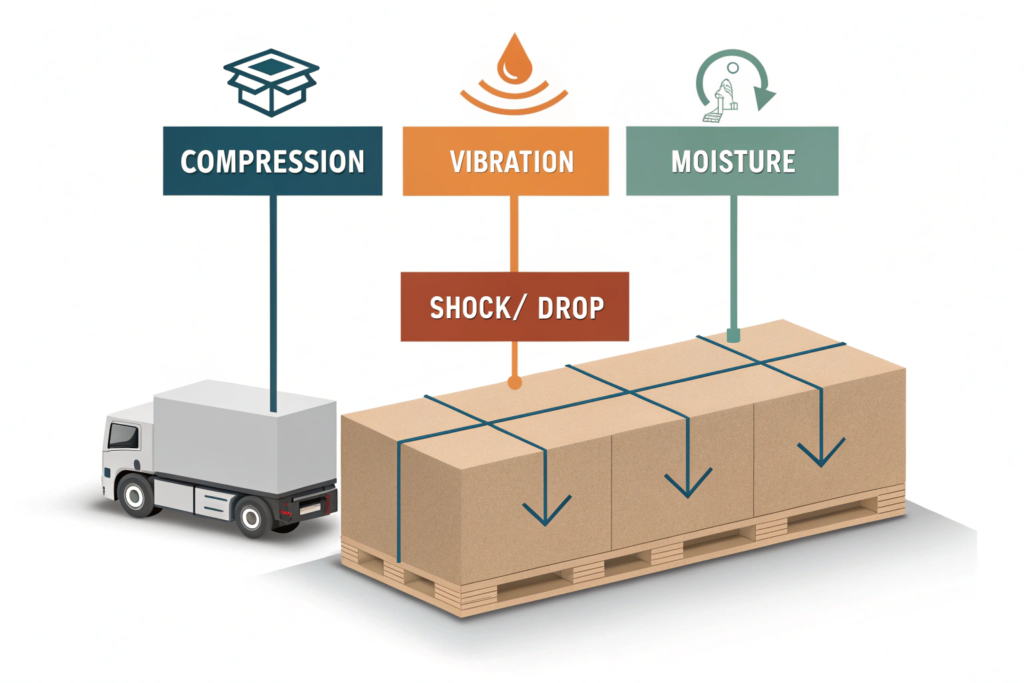
The core principles revolve around understanding the "drop zone," preventing movement, and creating barriers against common transit hazards like compression, vibration, and moisture.
How does product immobilization prevent damage?
The single greatest cause of in-transit damage is product movement inside the box. When a package is dropped or jostled, an unsecured product gains momentum and slams into the container walls. The solution is void fill and blocking & bracing.
- For small accessories: Use molded pulp trays, corrugated inserts, or die-cut foam that cradles the item snugly.
- For irregular items: Use biodegradable air pillows, crumpled kraft paper, or cornstarch loose fill to fill every empty space, preventing any shift.
The rule is simple: if you can shake the sealed box and hear or feel movement, it is not secure enough. Our quality control team performs this "shake test" on random packages before they leave our facility.
Why is the choice of outer container critical?
The outer box is your product's first line of defense. Its strength is measured by its bursting strength (Mullen test) or edge crush test (ECT) rating.
- ECT-rated boxes are ideal for uniform stacking in warehouses and shipping containers. A higher ECT number means greater stacking strength.
- For heavier items or international shipping, a double-walled corrugated box provides superior protection.
The box must also be appropriately sized. An oversized box requires excessive void fill, increases shipping costs, and is more prone to crushing. A perfectly sized box, with about 2 inches of cushioning material on all sides of the product, is the gold standard. Resources like The Fibre Box Association provide detailed technical guidelines on corrugated box performance.
How to select the right protective materials for different products?
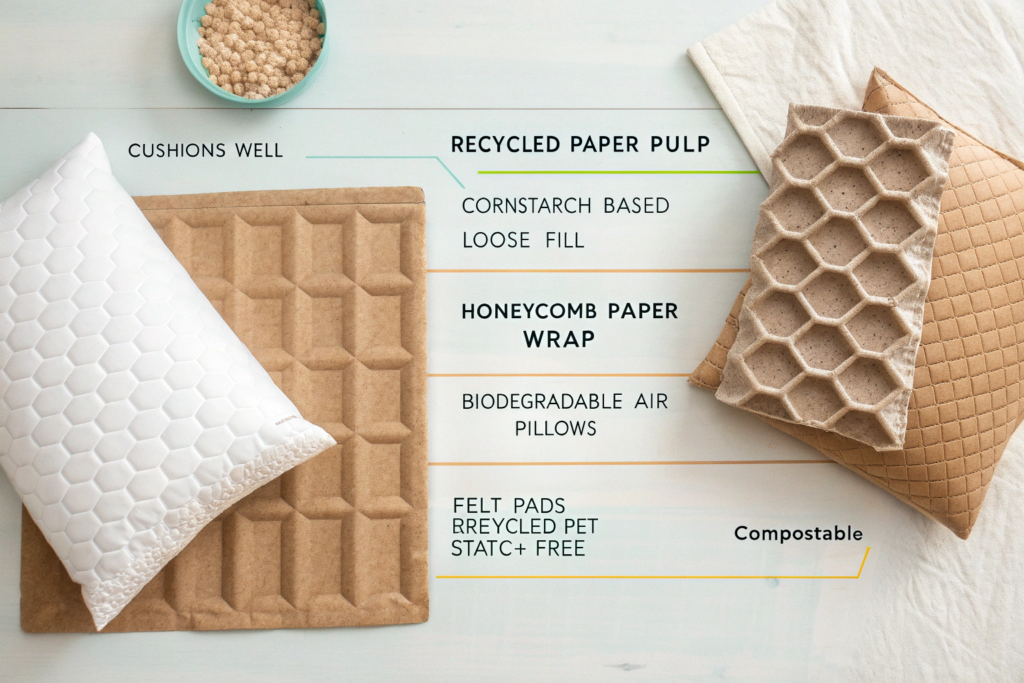
There is no one-size-fits-all cushioning material. The choice depends on the product's weight, fragility, and sensitivity to factors like static or moisture. Sustainable options are now a major priority for brands and consumers alike.
The selection process balances protection, cost, sustainability, and the unboxing experience.
What are the best options for fragile and decorative items?
For delicate accessories like ornamental hairpins, beaded scarves, or finished leather belts, surface protection is key.
- Tissue Paper & Glassine: Acid-free tissue paper prevents tarnishing on metals. Glassine (smooth, glossy paper) is excellent for preventing scratches on polished surfaces.
- Poly Bags: While standard plastic poly bags protect against dust and moisture, consider compostable polymailers or recycled plastic bags for a greener option. For textiles, breathable garment bags prevent moisture buildup.
- Felt or Foam Separators: Placing thin felt sheets between stacked items (like embroidered patches) prevents snagging and friction damage.
We work with clients to source materials that align with their brand values, such as FSC-certified paper or OEKO-TEX certified linings for direct contact with accessories.
How can you effectively cushion against shock and impact?
For items susceptible to breakage from drops, such as ceramic mugs, glass perfume bottles, or resin hair ornaments, energy-absorbing materials are essential.
- Molded Pulp: Custom-molded from recycled paper, it offers superb, form-fitting protection and is fully recyclable.
- Corrugated Cardboard Inserts: Die-cut cardboard can create ingenious cushioning structures that are low-cost and recyclable.
- Expanded Polyethylene (EPE) Foam: A durable, flexible foam that offers excellent shock absorption. Look for foam made with recycled content.
- Air Cushioning: Inflatable air pillows are lightweight and highly effective for void fill. Biodegradable air cushions are now widely available.
The key is to cushion all six sides of the product, with extra material at the corners, which are most likely to impact during a drop.
What role does testing play in packaging security?
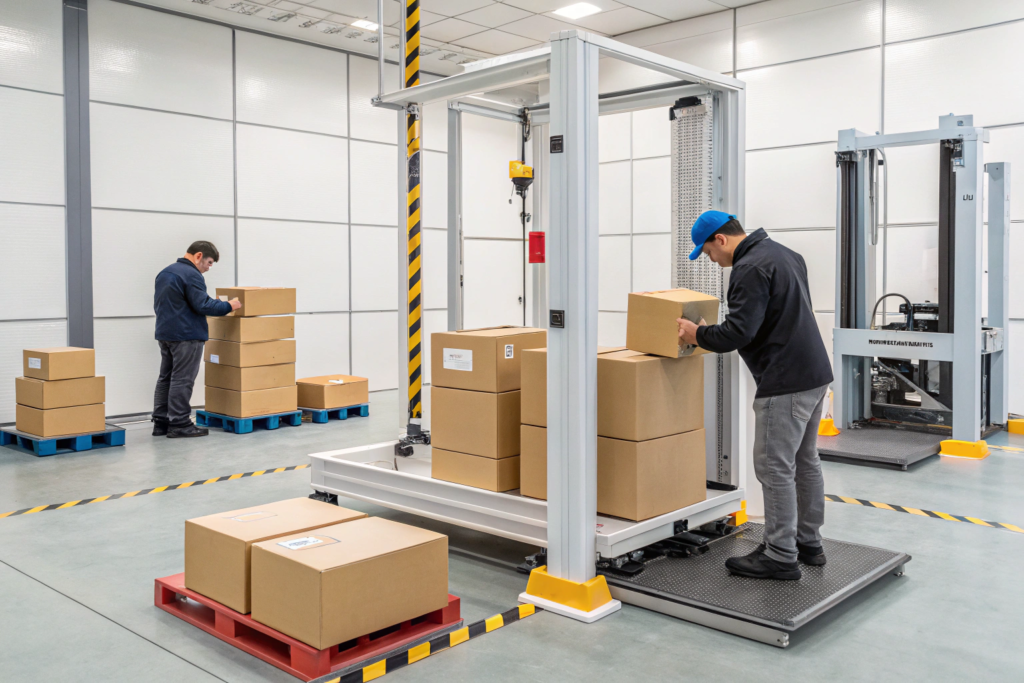
You cannot assume your packaging is secure; you must prove it. Packaging testing simulates the rigors of the distribution environment before you ever ship to a customer, saving enormous cost and brand damage.
Standardized tests predict performance and allow you to compare and improve packaging designs objectively.
What are the essential pre-shipment tests?
Before mass production, conduct these tests on your complete packaged product:
- Drop Test: The most critical test. Packages are dropped from specified heights (typically 30-48 inches for parcels) onto concrete on each face, edge, and corner. After the test series, the product is inspected for damage. This test directly informs your cushioning requirements.
- Compression Test: Measures the box's ability to withstand being stacked in a warehouse or shipping container. This determines if your box needs a higher ECT rating or if your product can bear the load.
- Vibration Test: Simulates the constant shaking experienced during truck, rail, or air transport. This test identifies whether internal components can loosen or if friction damage can occur.
International standards like those from the International Safe Transit Association (ISTA) provide specific test procedures for different shipment types. Implementing even basic ISTA 1A testing can drastically reduce damage rates.
How to conduct real-world "mystery shipping" tests?
Beyond lab tests, the most revealing assessment is to ship your packaged product to yourself or a trusted partner via your standard carriers.
- Route Selection: Ship to a destination that mimics your longest or most complex typical route.
- Incorporate Monitoring: Use a low-cost shock indicator label inside the package. It will reveal if the parcel experienced impacts beyond the safe threshold.
- Full Audit: Upon arrival, document the condition of the outer box, the inner packaging, and finally, the product itself. This end-to-end audit is invaluable.
This practice, championed by successful direct-to-consumer brands, provides undeniable proof of your packaging's real-world resilience.
How to balance security with sustainability and cost?
The most secure packaging can also be the most wasteful and expensive. The modern challenge is to design a system that is protective, cost-effective, and environmentally responsible—the "triple bottom line" of packaging.
Innovation in materials and design is making this balance increasingly achievable without compromising on core protective functions.
What are effective strategies for sustainable yet secure packaging?
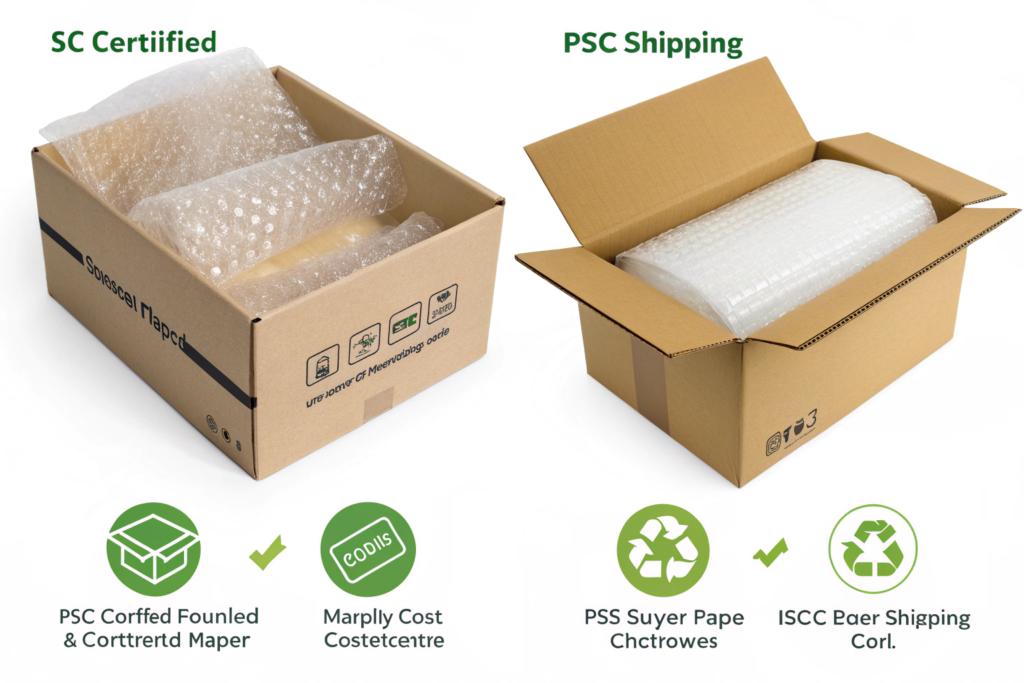
- Right-Sizing: The most immediate win. Use software or work with your manufacturer to determine the smallest feasible box, reducing material use and shipping costs.
- Material Choice: Prioritize recycled content and recyclability. Corrugated cardboard, molded pulp, and paper-based products are widely recycled. Avoid mixing materials that are difficult to separate (e.g., plastic tape on a paper box can hinder recycling).
- Design for Reuse: Consider packaging that customers might want to keep, like a sturdy drawer-style box for a luxury scarf or a printed mailer that can be reused for returns.
- Supplier Collaboration: Work with your manufacturer, like Shanghai Fumao Clothing, to source bulk sustainable materials and implement efficient packing processes. Our project managers can often suggest local material sources to reduce the carbon footprint of your supply chain.
How to manage packaging costs without sacrificing safety?
Cost management is about efficiency:
- Bulk Sourcing: Purchase boxes and cushioning in high volume for better unit pricing.
- Simplified Designs: A clever, folded cardboard insert can sometimes replace more expensive molded components.
- Automation: For high-volume operations, automated packaging systems reduce labor costs and improve consistency.
- Kitting: For multi-item orders, design a single, secure package rather than bundling multiple individually boxed items.
Remember, the true cost of insecure packaging—returns, replacements, damaged inventory, and lost customers—far outweighs the incremental cost of doing it right the first time.
Conclusion
Ensuring your products are packaged securely is a strategic investment in customer experience, brand integrity, and operational efficiency. It requires a mindful approach that blends material science, rigorous testing, and thoughtful design. By immobilizing the product, cushioning against shock, choosing the right container, and validating the system through testing, you build a bridge of trust between your brand and your customer.
In today's market, this security must also align with environmental values through smart material choices and waste reduction. The winning formula is protection without excess—delivering your product in pristine condition while reflecting your brand's commitment to quality and responsibility.
If you are looking to develop or optimize secure, brand-appropriate packaging for your fashion accessory line, our team has the experience and supply chain partnerships to guide you. Contact our Business Director Elaine at elaine@fumaoclothing.com to discuss creating a packaging solution that protects your products and elevates your brand.