Discovering a patch of fuzzy, discolored mold on a beloved leather bag, jacket, or pair of shoes is a heart-sinking moment. Mold not only mars the aesthetic with unsightly spots and a musty odor but, more critically, digests the organic materials in leather, leading to permanent structural damage like cracking and weakening of the fibers. For consumers, it's a loss of a valued possession. For retailers, brands, and manufacturers, it represents damaged inventory, customer complaints, and potential liability. The fight against mold begins long before the product reaches the customer's closet; it's integral to the entire supply chain and care lifecycle.
Ensuring leather goods remain mold-free requires a two-pronged approach: proactive prevention during manufacturing, storage, and transportation, followed by correct environmental control and maintenance by the end user. Mold spores are omnipresent in the air; they only become a problem when they find the right conditions to grow: moisture, organic matter (the leather itself), warmth, and stagnant air. Therefore, the strategy isn't about creating a sterile world but about rigorously controlling these conditions at every stage.
From the tannery to the warehouse, and finally to the home, each step presents opportunities to inhibit mold growth. This guide will detail the specific actions manufacturers, retailers, and owners must take to protect leather goods from this pervasive threat.
How to Prevent Mold During Manufacturing and Storage?
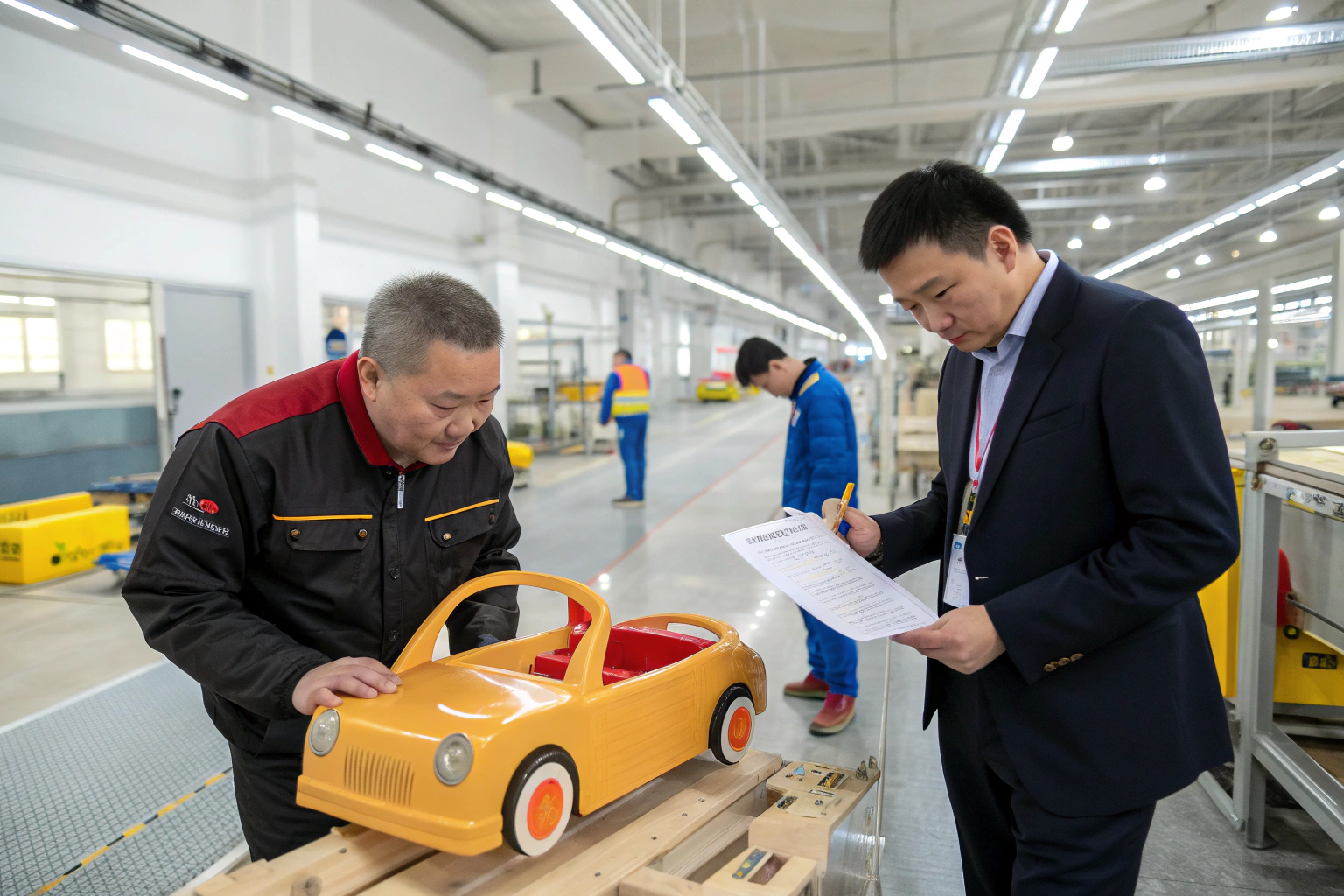
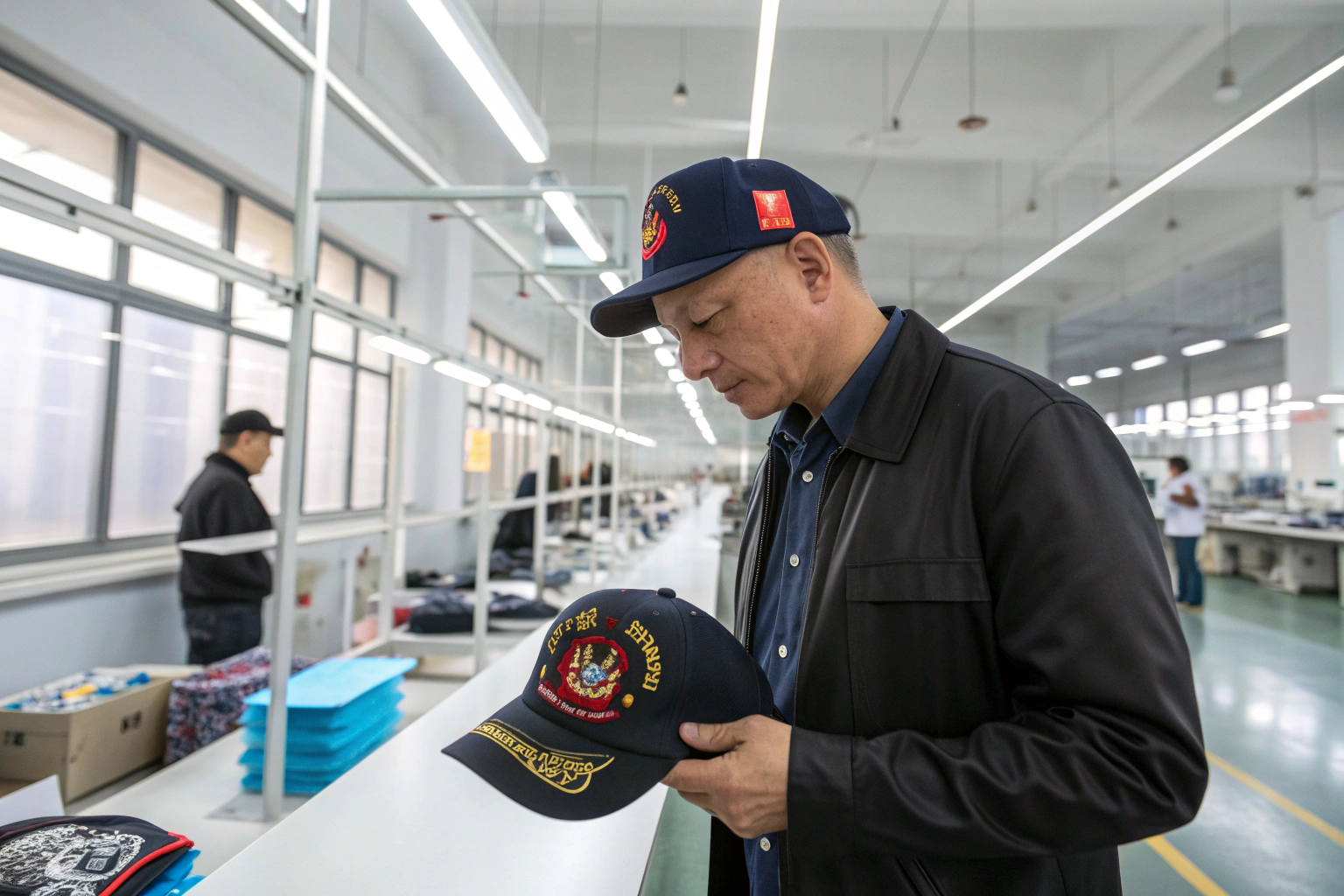
The responsibility for mold prevention starts with the producer. A humid, poorly ventilated factory or warehouse is the perfect breeding ground for mold, which can infest an entire batch of products before they ever leave the facility. Implementing strict environmental and handling protocols is a non-negotiable aspect of professional leather goods manufacturing and a key differentiator for quality-focused factories like ours at Shanghai Fumao Clothing.
Prevention at the manufacturing and storage stage hinges on climate control, proper material handling, and the use of mold-inhibiting treatments and packaging. It's a systemic approach that involves every department, from receiving raw hides to shipping finished goods. A robust quality control system must include regular checks for environmental conditions and early signs of biological growth.

What Environmental Controls Are Essential in the Factory?
The primary weapons are dehumidification and air circulation. Manufacturing and storage areas should maintain a relative humidity (RH) between 45% and 55%. This is monitored using hygrometers. Industrial dehumidifiers are essential, especially in humid climates like parts of Asia or during rainy seasons. Good ventilation and air conditioning (maintaining a cool temperature, ideally below 77°F/25°C) further discourage mold growth. Raw leather and finished goods should never be stored directly on concrete floors, which can draw moisture; they must be on pallets or shelves. Furthermore, workspaces must be kept clean and free of other organic debris that could harbor spores. Resources like the Leather and Hide Council of America provide guidelines on best practices for leather storage and handling.
What Proactive Treatments and Packaging Help?
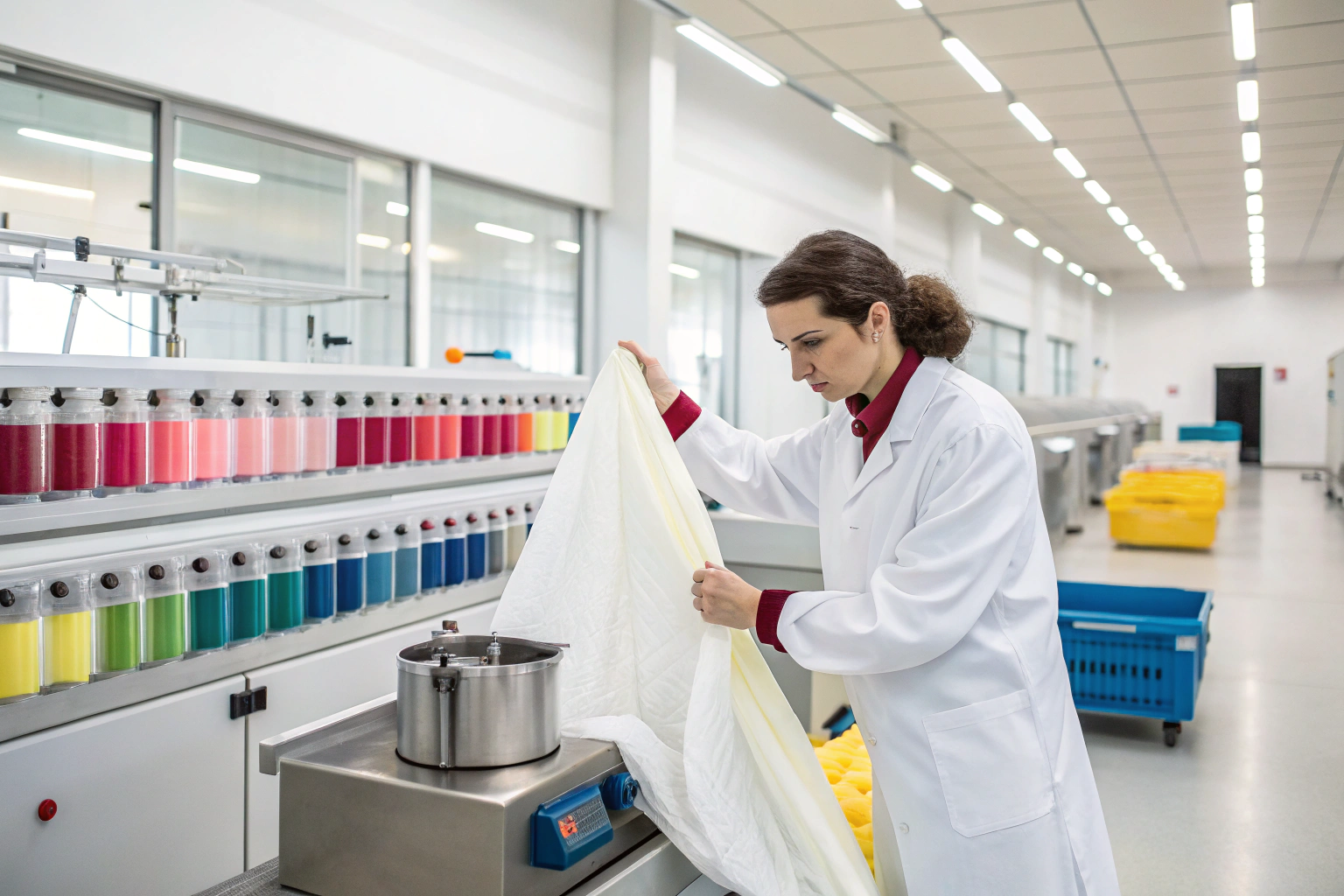
Before cutting and sewing, leather can be treated with mold inhibitors. These are specialty formulations applied during the finishing process at the tannery or by the manufacturer. It's crucial to request documentation from your tannery or chemical supplier to ensure these treatments are safe for the leather and non-toxic. During storage and before shipping, proper packaging is critical. Goods should be packed in breathable materials like cotton dust bags or paper—never sealed directly in plastic while still potentially holding residual moisture. If plastic polybags are used for ultimate protection during long shipping, include silica gel desiccant packets inside to absorb ambient moisture. The packaging process itself should be done in the climate-controlled environment, not in a humid loading dock.
How Should Retailers and Warehouses Safeguard Inventory?
The supply chain's weak link is often the intermediate storage—the retailer's stockroom or a distributor's warehouse. Goods can arrive in perfect condition only to be ruined by a few weeks in a damp basement storeroom. Retailers have both a financial and brand-reputational stake in protecting their inventory. A molded product sold to a customer is a guaranteed return and a lost future buyer.
Retailers must enforce strict receiving inspections, maintain ideal storage environments, and practice diligent inventory rotation (FIFO - First In, First Out). The moment goods are received, the retailer assumes responsibility for their condition. A passive "store it and forget it" approach is a recipe for loss.
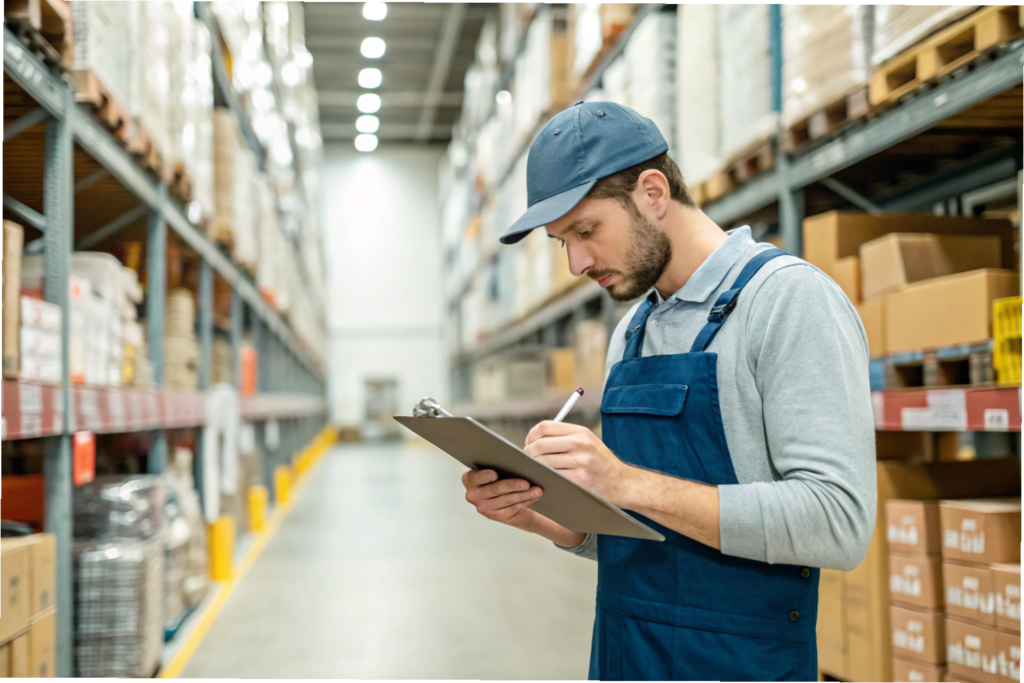
What Does an Effective Receiving Inspection Look Like?
When a shipment arrives, inspect it immediately. Check for:
- Condensation inside plastic packaging.
- A musty odor when opening boxes.
- Visible signs of mold: white, green, or black fuzzy spots.
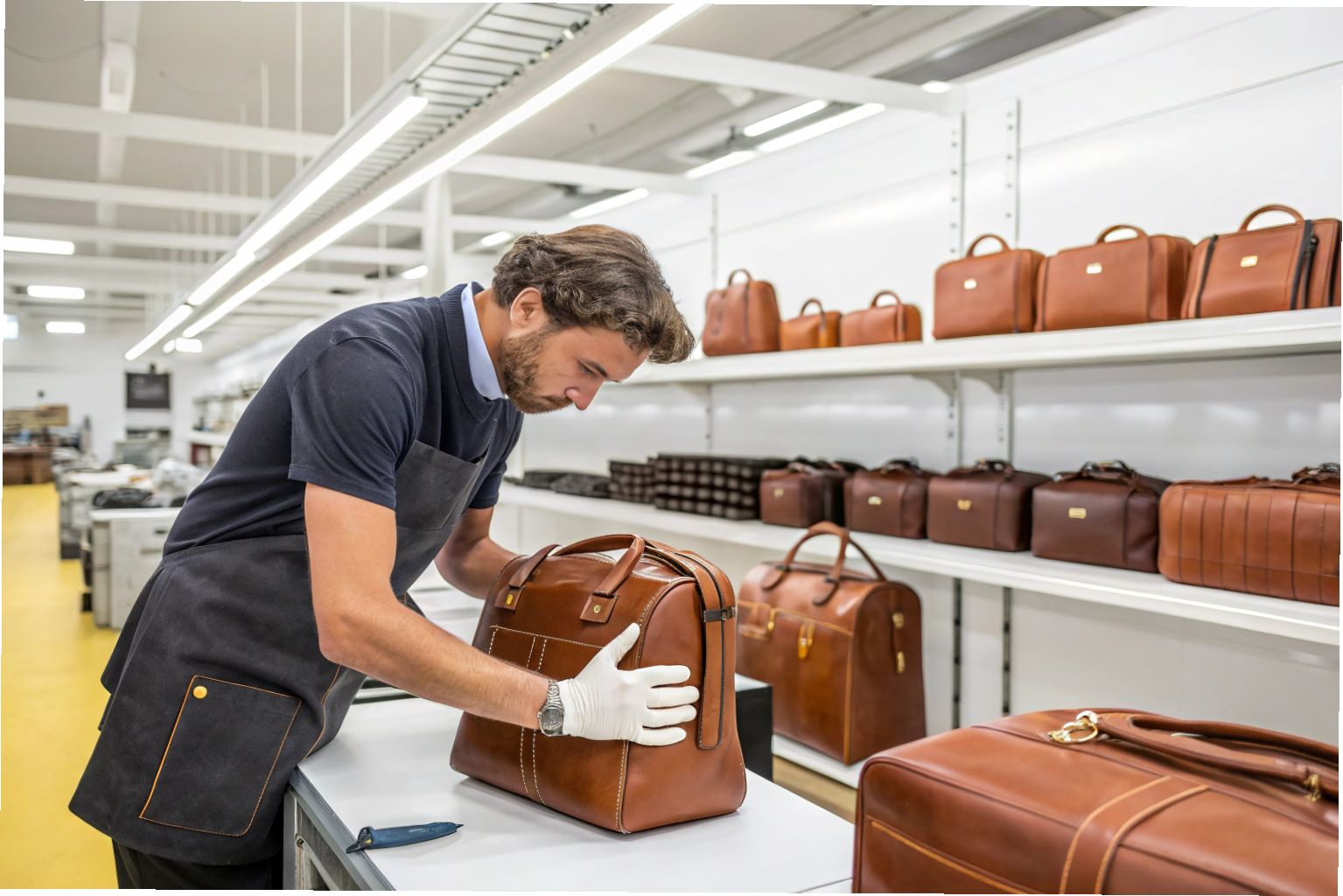
If any issues are found, isolate the affected cartons immediately to prevent cross-contamination. Document the damage with photos and contact the supplier or logistics provider. This initial inspection is a critical control point. For high-value leather goods, some retailers perform a more thorough check of a sample from each batch. Establishing clear protocols with your logistics partners regarding weather-protected transportation is also part of the prevention chain.
How to Set Up an Ideal Retail Storage Space?
The principles mirror those of the factory but on a smaller scale. The stockroom must be:
- Dry and Cool: Use a dehumidifier and air conditioner. Monitor with a hygrometer.
- Well-Ventilated: Ensure air can circulate around boxes and shelves. Avoid cramming items tightly together.
- Clean and Elevated: Store boxes on metal shelving or pallets, away from exterior walls (which can be cooler and cause condensation) and water pipes.
- Dark: Prolonged direct sunlight can dry out leather, but consistent low light helps prevent mold compared to a sun-heated, fluctuating environment.
Implement a strict FIFO system to ensure no item sits in storage for excessively long periods. Regularly audit the storage area, not just for inventory counts, but for environmental condition checks. Guidance on preventive conservation for organic materials, similar to that from museums, is highly applicable to luxury retail storage.
What Can Consumers Do to Protect Their Leather Goods?
Ultimately, the long-term care of a leather item falls to the owner. Even a perfectly manufactured and stored product can succumb to mold if kept in a detrimental environment at home. Educating consumers is a value-added service for brands and helps preserve the integrity of their products in the field.
Consumer protection revolves around controlling the home storage environment, using the right cleaning and conditioning products, and reacting swiftly to signs of moisture exposure. Most mold problems in the home are the result of neglect or simple unawareness of leather's needs.
What Are the Rules for Home Storage?
Always store leather goods in a cool, dry, and ventilated place. Key mistakes to avoid:
- Never store in a plastic bag long-term, as this traps moisture.
- Avoid damp basements, hot attics, or stuffy closets against an exterior wall.
- Do use the provided breathable fabric dust bag and stuff bags with acid-free tissue paper to maintain shape and absorb internal moisture.
- Allow items to air out completely at room temperature after use in rain or snow before putting them away. Never store a damp leather item.
For long-term storage, consider placing a desiccant canister (like silica gel) in the storage area, such as a closet. Ensure there is some air movement; a completely sealed, stagnant space is risky.
How Does Proper Cleaning and Conditioning Help?
Regular, gentle cleaning removes organic residues (skin oils, dirt) that mold can feed on. Use a soft, dry cloth for dust and a damp cloth with a pH-neutral leather cleaner for spots. After cleaning, and as part of seasonal care, apply a quality leather conditioner. This replenishes the natural oils that make leather supple and forms a protective barrier. Crucially, a well-conditioned leather is more water-resistant, making it less likely to absorb ambient moisture that leads to mold. However, always ensure the item is completely dry before conditioning, and never over-apply product. The Tannery Row Leather Care Guide offers reliable advice for consumers on product selection and technique.
How to Identify and Treat Mold if It Appears?
Despite best efforts, mold can sometimes appear. Quick and correct action can salvage the item. Incorrect treatment, like using water or household cleaners, can set the stain and drive moisture deeper, making the problem worse.
The first step upon discovering mold is to isolate the item, then gently remove surface spores outdoors before applying a dedicated leather-safe mold treatment. Severe cases may require professional intervention. It is a careful process, not a hasty one.
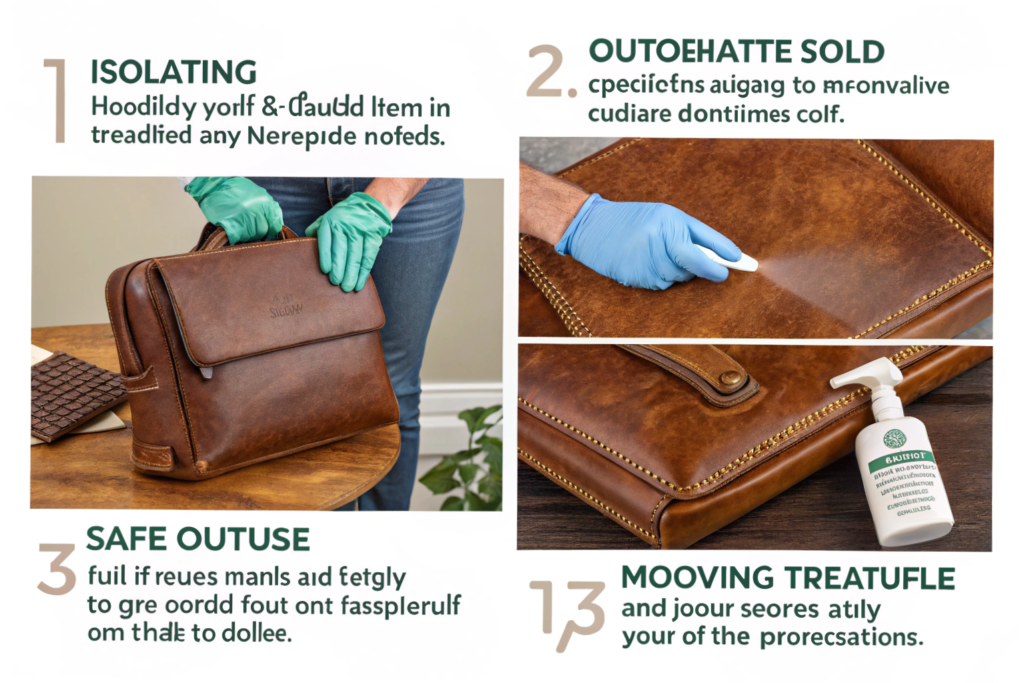
What is the Safe Step-by-Step Removal Process?
- Isolate: Take the item outside to prevent spores from spreading indoors.
- Brush: Using a soft-bristled brush (a clean, dry shoe brush works), gently brush off all visible surface mold. Do this downwind so you don't inhale spores.
- Vacuum: Use a vacuum cleaner with a brush attachment to suck away any remaining loose spores.
- Clean & Treat: Dampen a clean cloth with a solution of rubbing alcohol (isopropyl alcohol, 70%) or a commercial leather mold remover. Test on an inconspicuous area first. Wipe the affected area gently, then wipe with a cloth dampened with clean water.
- Dry: Allow the item to dry completely away from direct heat, in a well-ventilated area.
- Condition: Once fully dry, apply a leather conditioner to restore moisture balance.
Important: For valuable, sentimental, or severely affected items, consult a professional leather restorer. Do not use vinegar or bleach, as these can damage dyes and fibers.
When is Professional Restoration Necessary?
Seek a professional if:
- The mold has caused deep staining that doesn't lift.
- The leather feels stiff, cracked, or structurally weak.
- The mold has spread over a very large area.
- The item is of high monetary or emotional value.
Professional restorers have specialized tools, cleaning agents, and drying chambers to tackle severe cases without risking further damage. For brands, having a trusted restoration partner to recommend to customers enhances service and brand trust.
Conclusion
Keeping leather goods mold-free is a shared responsibility that spans the global supply chain and extends into the home. It is a continuous practice of vigilance, environmental control, and proper care. For manufacturers and retailers, it is a core component of quality assurance and risk management. For the consumer, it is the key to preserving the beauty, function, and longevity of their investment.
The principles are clear: control humidity, ensure airflow, use preventive treatments, store intelligently, and act quickly at the first sign of trouble. By understanding and implementing these measures, the lifespan of leather goods can be extended for decades, protecting their value and the stories they hold.
If you are a brand looking to manufacture leather accessories with a partner that prioritizes these meticulous standards from production through to packaging, we have the systems and expertise in place. Our controlled environment and rigorous protocols are designed to deliver flawless goods. Contact our Business Director, Elaine, at elaine@fumaoclothing.com to discuss how we can produce your leather goods with the utmost care and quality assurance.