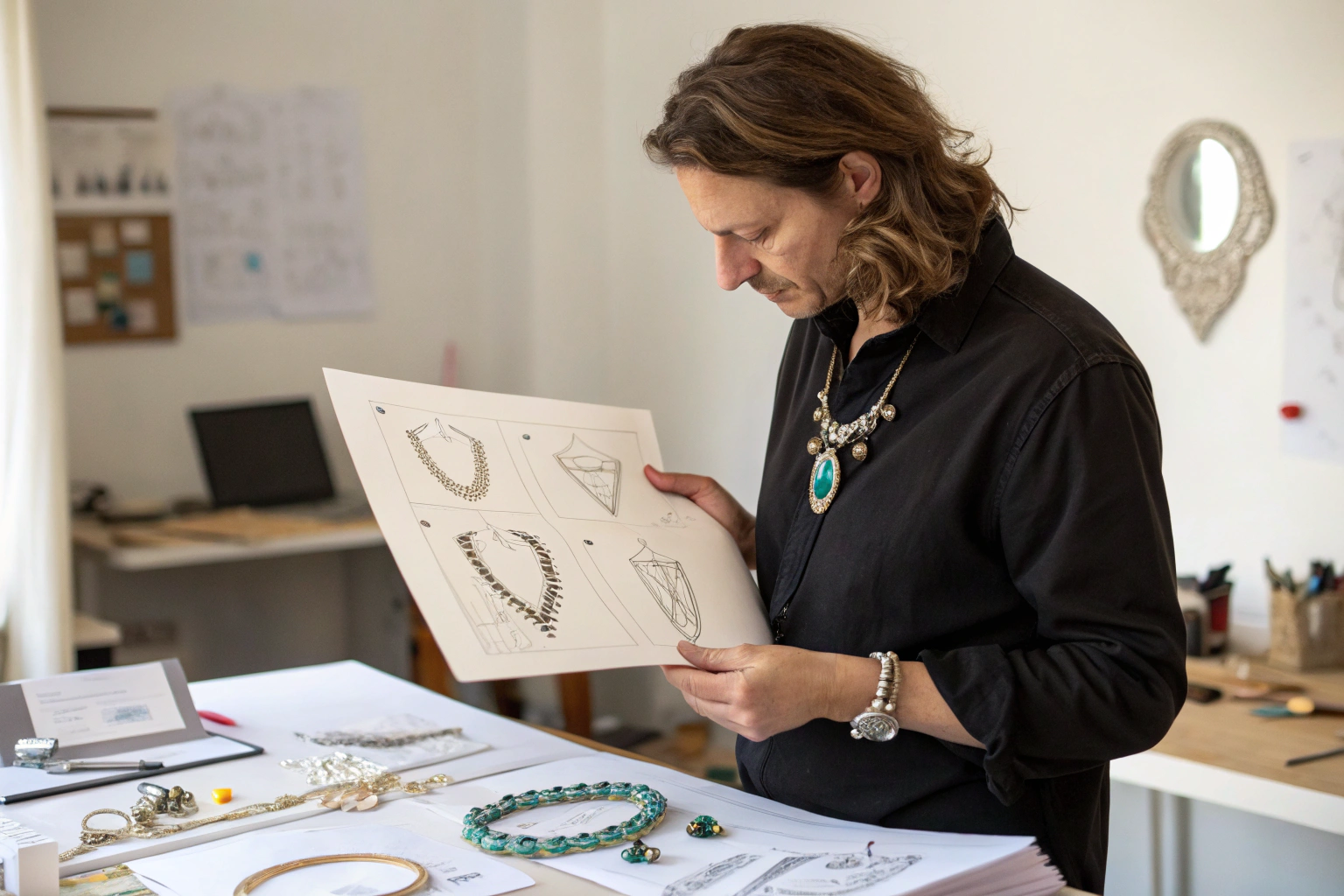
You’ve poured your heart and soul into creating a unique design for your new accessory line. It’s original, it’s brilliant, and it’s yours. But as you prepare to send those designs to a manufacturer overseas, a wave of anxiety hits you. What if they steal your design? What if you see a cheap knockoff of your product on a marketplace before you even launch? This fear of intellectual property (IP) theft is a major hurdle that can make you question the entire manufacturing process.
To ensure your fashion accessory supplier respects your intellectual property, you must take a proactive, multi-layered approach: legally protect your designs with Non-Disclosure Agreements (NDAs), thoroughly vet your supplier's reputation and IP policies, and build a transparent, long-term partnership based on mutual trust and clear communication.
As the owner of Shanghai Fumao Clothing, a manufacturing partner for many North American and European brands, I understand this fear intimately. I also know that a trustworthy manufacturer views your IP as your most valuable asset and treats it with the utmost respect. Protecting your designs is not your responsibility alone; it's a shared commitment. A reputable supplier isn't a risk to your IP—they are the first line of defense in protecting it. Let's walk through the essential steps to secure your creative work.
What Legal Agreements Should I Have in Place?
You have your designs ready, but you feel exposed. You know you need some kind of legal protection, but the world of international contracts is confusing. You're worried that a simple handshake agreement isn't enough, and that a standard American or European contract won't hold up in a Chinese court. This legal uncertainty can leave you feeling powerless to protect your most valuable assets.
The solution is to use a specific, enforceable legal agreement designed for manufacturing in China: the NNN Agreement (Non-Disclosure, Non-Use, Non-Circumvention). Unlike a standard NDA, the NNN is drafted to be enforceable under Chinese law. It explicitly prevents the manufacturer from using your IP for any other purpose, selling your product to anyone else, or going around you to compete with you. It is your single most powerful legal tool.
I always advise our potential clients to have this conversation early. When a supplier is transparent and willing to sign a well-drafted NNN agreement, it's a massive green flag. It shows they are serious about a long-term partnership, not a short-term gain. At our company, we see these agreements not as a burden, but as the foundation of a healthy, trusting business relationship. It sets clear boundaries and expectations for everyone involved. Once the legal groundwork is laid, you can move on to vetting your supplier's reputation.
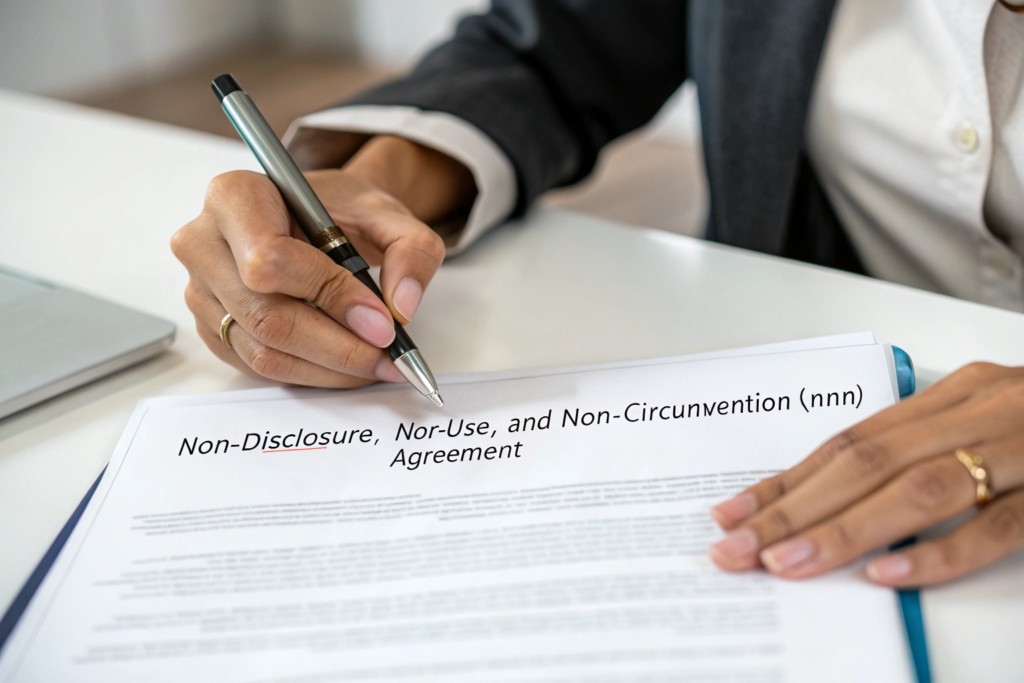
What is an NNN Agreement and why is it crucial?
An NNN Agreement is your legal shield. Let's break it down:
- Non-Disclosure: This is the standard NDA clause, preventing the factory from revealing your confidential information to others.
- Non-Use: This is the critical part. It explicitly forbids the factory from using your IP for their own benefit or for any third party. This prevents them from producing your design and selling it on platforms like Alibaba.
- Non-Circumvention: This clause prevents the factory from identifying your customers and selling to them directly, cutting you out of the loop.
A standard Western NDA is often useless in China. An NNN agreement, written in Chinese and specifically designed to be enforced in Chinese courts, is the correct tool for the job. You can find legal experts specializing in this area through resources like the China Law Blog.
Should I register my trademarks and designs in China?
Yes, absolutely. China operates on a "first-to-file" system for trademarks and patents. This means that whoever files for the IP first owns it in China, regardless of who created it. It is shockingly common for bad actors to register a foreign brand's trademark in China and then hold it for ransom. Registering your brand name, logo, and key design patents with the China National Intellectual Property Administration (CNIPA) is a relatively low-cost, defensive measure that provides a powerful layer of protection. Even if you don't plan to sell directly in China, this registration prevents a factory or competitor from legally co-opting your brand within the country where your goods are made. You can learn more at the official WIPO (World Intellectual Property Organization) website.
How Do I Vet a Supplier's Reputation for IP Protection?
You've found a few potential suppliers online. Their prices are good, and their product photos look great. But a nagging question remains: can they be trusted? You're worried that you might be talking to a trading company masquerading as a factory, or a factory with a hidden history of IP violations. It's hard to know who is genuinely reliable and who just has a good website.
The key is to become a detective. Your vetting process should go far beyond their marketing materials. Look for longevity, transparency, and social proof. A supplier who has been in business for over a decade, has a professional web presence outside of marketplaces, and can provide you with references from non-competing clients in your region is a much safer bet. Search for their company name online with terms like "IP theft," "scam," or "bad experience." No news is often good news.
We encourage our clients to do their due diligence on us. A reputable manufacturer is proud of their history and their partnerships. At AceAccessory, we have a team of experienced project managers who have been with us for years, building long-term relationships with clients in North America and Europe. This stability is a sign of a healthy, ethical business. A factory that invests in its people and its client relationships is one that is invested in protecting your interests. A solid reputation is the best indicator of future behavior, and it's just as important as the practical steps you can take during production.
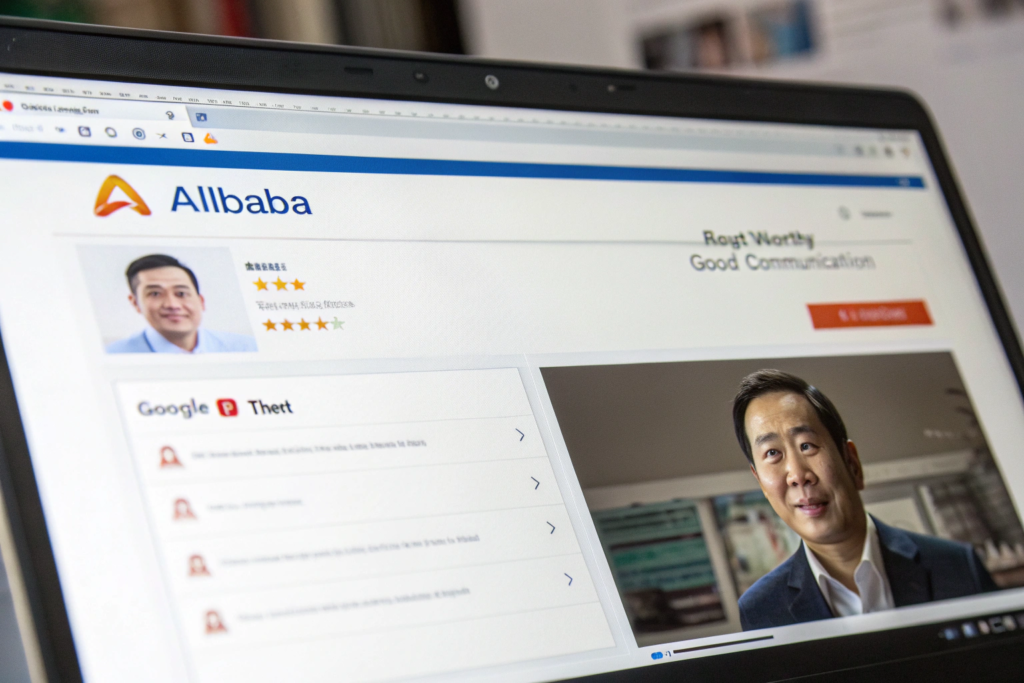
What are red flags to watch out for?
Be wary of suppliers who are hesitant to provide details about their factory, refuse to sign an NNN agreement, or offer prices that seem too good to be true. Another major red flag is a supplier who showcases products from well-known global brands in their catalog—if they are showing you another brand's IP, they will likely do the same with yours. A lack of a professional website or a company email address that is a generic Gmail or Hotmail account can also be a sign of a less-than-professional operation. Trust your gut; if communication feels off or evasive, it's often best to walk away. The Better Business Bureau offers general guidelines on identifying trustworthy businesses that can be applied here.
How important are client references and factory audits?
They are incredibly important. Ask a potential supplier for references from one or two clients in your region (who are not direct competitors). Speaking to someone who has worked with the factory for several years can provide invaluable insight into their professionalism, communication, and respect for IP. Furthermore, consider a factory audit. While it can be an added expense, having a third-party service like QIMA inspect the factory provides an unbiased look at their operations, capacity, and quality control systems. A factory that is clean, organized, and has robust systems in place is far less likely to be a rogue operator.
What Practical Steps Can I Take During Production?
You've signed the agreements and vetted your supplier. Production is about to start. But you still feel a little uneasy. How can you be sure your designs aren't being leaked or your production numbers aren't being fudged to create "overruns" for the grey market? You worry that once the designs are out of your hands, you lose all control.
This is where you shift from legal protection to practical, on-the-ground strategy. One of the most effective methods is to split the manufacturing process. Have one factory produce a unique component (like a custom-designed clasp) and another factory assemble the final product. This way, no single supplier has the complete picture of your design. Another powerful tactic is to provide the factory with unique, hard-to-replicate components or packaging that you source yourself.
As a full-service manufacturer, we understand these strategies. While we are capable of handling the entire production process, we have also worked with clients who prefer to use these methods. A good partner will respect this decision and work with you. For example, if you own the mold for a custom buckle, you have significant control. We often advise clients to have their logo or a unique identifier discreetly engraved into the mold itself. This marks every single piece as yours and makes it much harder for the tool to be used illicitly. These practical steps, combined with a strong partnership approach, create a robust security net.
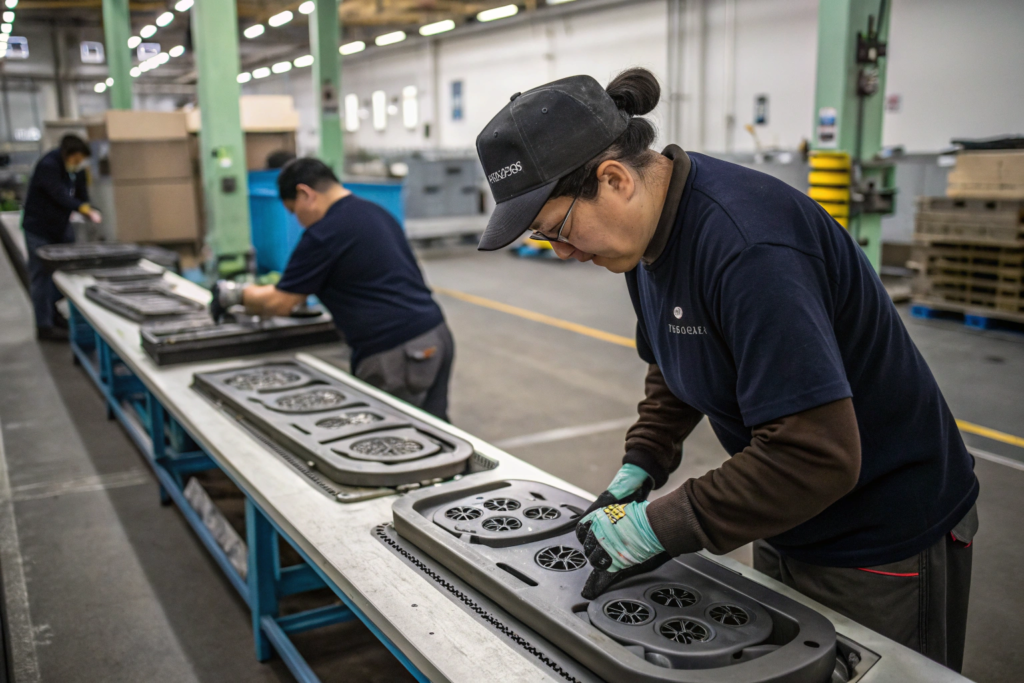
How does component control work?
Component control is a "need-to-know" strategy for manufacturing. If your accessory has a particularly unique or innovative part, source it from a separate, trusted supplier and provide it to your final assembly factory. For example, if you've designed a special magnetic clasp for a handbag, have one factory make only the clasp. Have another factory make the bag body, and a third (or the second) perform the final assembly. This compartmentalization ensures that no single entity has all the pieces of the puzzle, making it significantly more difficult for your complete design to be copied. This is a common strategy used in the electronics industry to protect sensitive designs.
Why is owning your own molds and tools important?
When a factory creates a mold or tool for your product, it's critical to establish in your contract that you own it, not them. Owning the physical tool (like an injection mold, a cutting die, or a casting mold) gives you ultimate control. If you ever decide to switch suppliers, you can take your molds with you. This prevents the old factory from continuing to produce your product after your relationship has ended. It also acts as a significant deterrent to unauthorized production, as the factory would have to invest in creating a new, expensive mold to copy your design. Always ensure your contract has a clause that allows you to inspect or retrieve your tools upon request. Legal resources like Avvo have forums where you can find discussions on the importance of tooling ownership in manufacturing contracts.
How Does Building a Partnership Help Protect IP?
You've taken all the legal and practical precautions. But you're still treating your supplier with a degree of suspicion. This adversarial mindset can be exhausting and counterproductive. You're worried that if you don't watch them like a hawk, they'll take advantage of you. This constant stress can poison the relationship and hinder the creative process.
The ultimate, most effective strategy is to shift your mindset from "supplier" to "partner." When a manufacturer sees you as a long-term partner who brings them consistent business and treats them with respect, their incentive to protect your interests aligns with their own. A factory that helps you develop new products, suggests cost-saving measures, and communicates proactively is a factory that is invested in your success. A successful you means more business for them.
This is the core philosophy of my company, Shanghai Fumao Clothing. We don't want to be just another name on a supplier list. We aim to be an integral part of our clients' teams. Our project managers build real relationships. They celebrate a client's successful launch because it's a shared success. When this level of trust is established, the fear of IP theft fades away, replaced by a collaborative spirit. This partnership approach is the final and most important piece of the puzzle, reinforcing all the legal agreements you've made.

Why does consistent business foster loyalty?
A factory's primary goal is to keep its production lines running. One-off orders from suspicious, high-maintenance clients are far less attractive than steady, predictable business from a trusted partner. When you provide consistent orders, pay on time, and communicate clearly, you become a valuable "A-list" client. The factory owner will prioritize your orders and will not risk losing your long-term business for the short-term, illicit profit of selling your design on the side. Loyalty is a two-way street, and consistent business is the most powerful way to earn it from a manufacturer. This principle is a cornerstone of supply chain management.
How does good communication build trust?
Clear, frequent, and respectful communication is the bedrock of any good partnership. Share your goals, your market feedback, and even your challenges with your project manager. Treat them as a valued member of your team. When a supplier feels respected and included in the process, they are more likely to be proactive in identifying potential problems and protecting your interests. A simple video call can do wonders to build rapport that emails alone cannot. This human connection transforms the relationship from a transactional one to a collaborative one, creating a powerful, unspoken agreement to protect each other's interests. This is a fundamental concept in building international business relationships, as highlighted by institutions like the Harvard Business Review.
Conclusion
Protecting your intellectual property when manufacturing overseas is not about building a fortress of suspicion. It's about building a smart, multi-layered security system. It starts with the iron-clad legal protection of an NNN agreement and domestic IP registration. It's reinforced by diligent vetting and practical production strategies like component control. But ultimately, the most powerful protection comes from building a true, transparent, and respectful partnership with your manufacturer. When your success becomes their success, your intellectual property is no longer a liability to be stolen, but a shared asset to be protected.
At Shanghai Fumao Clothing, we have built our business on this principle of partnership. We are dedicated to providing the security, transparency, and quality that allows our clients to innovate with confidence. We protect your designs as if they were our own.
If you are looking for a manufacturing partner who values your creativity and is committed to protecting your intellectual property, I invite you to start a conversation with us. Please contact our Business Director, Elaine, at her email: elaine@fumaoclothing.com.