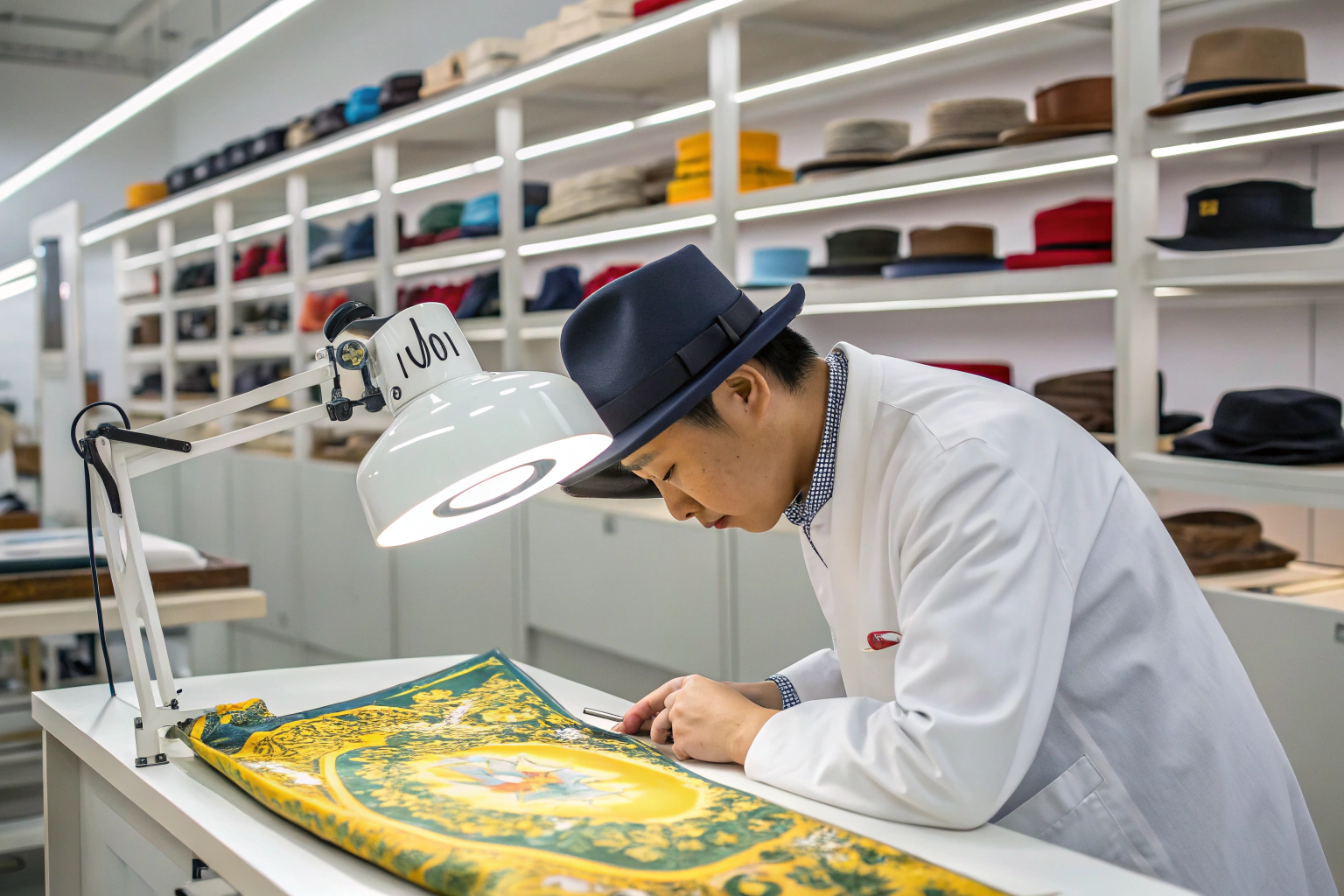
Are you tired of seeing the vibrant prints on your favorite fashion accessories fade after just a few washes? It's a common frustration. You invest in a beautifully designed scarf, hat, or bag, only for its main attraction—the print—to lose its charm far too soon. This problem not only wastes your money but also undermines your trust in the brands you love.
The key to ensuring the longevity of printed designs lies in a combination of advanced printing technology, high-quality materials, and proper post-print treatment. As the owner of Shanghai Fumao Clothing, a company with years of experience manufacturing accessories for top brands, I've learned that lasting quality is no accident. It's the result of a meticulous process that starts long before the product reaches your hands. We focus on selecting the right ink for the specific fabric, using precise heat-setting methods, and applying protective finishes to lock in the color and design.
This might sound complex, but understanding the basics can empower you to make better purchasing decisions and care for your accessories correctly. In this article, I'll walk you through the essential factors that determine print durability, from the printing methods we use in our factory to the simple care routines you can follow at home. Let's dive into how we make sure your accessories stay as beautiful as the day you bought them.
What Printing Methods Offer the Best Durability?
Have you ever wondered why some printed accessories last for years while others fade almost instantly? The secret often lies in the printing method used. With so many options available, from traditional screen printing to modern digital techniques, it's easy to get confused about which one offers the best value and durability for products like scarves, hats, and bags.
For fashion accessories, digital printing and heat transfer printing consistently offer the best combination of durability, detail, and versatility. While traditional methods like screen printing are great for simple, high-volume designs, they can fall short when it comes to complex, multi-color patterns. Digital printing, on the other hand, applies ink directly onto the fabric, allowing for photorealistic detail and a soft feel. Heat transfer, especially with high-quality vinyl or sublimation, creates a tough, resilient layer that bonds securely with the material. At our factory, we choose the method based on the specific product, fabric, and client needs to guarantee a result that is both beautiful and built to last.
Understanding these techniques is the first step. But how do they really compare when it comes to the accessories you use every day? Let's break down the pros and cons of the most common methods and explore why the right choice is so critical for longevity. We'll also touch upon how the choice of material impacts the final outcome, a topic we'll explore further in How Do Materials Affect Print Durability?.
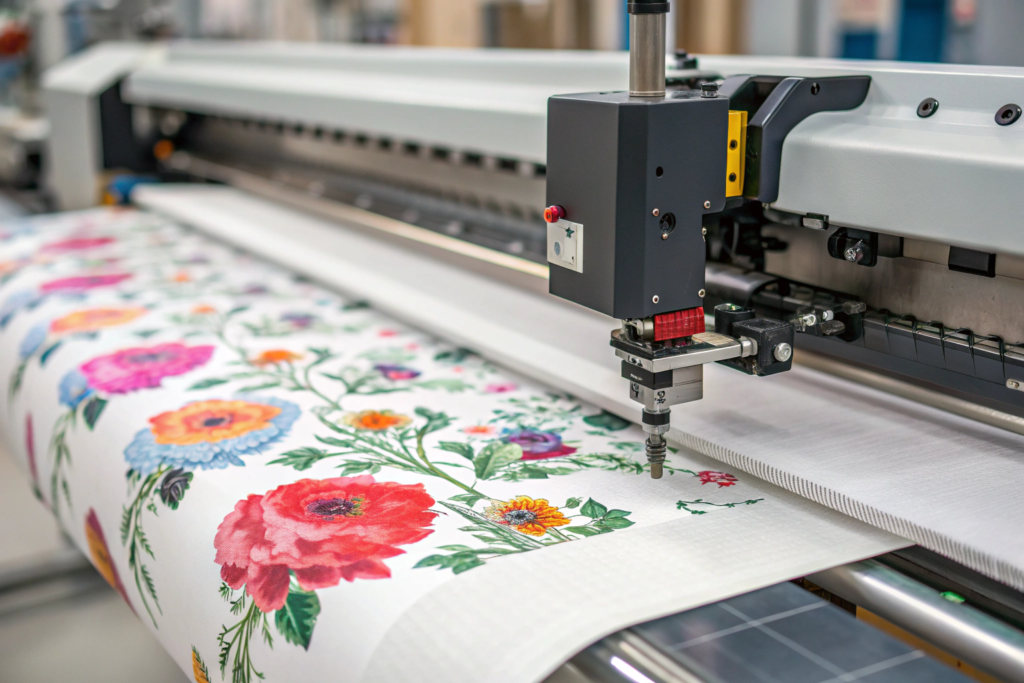
What is Digital Textile Printing?
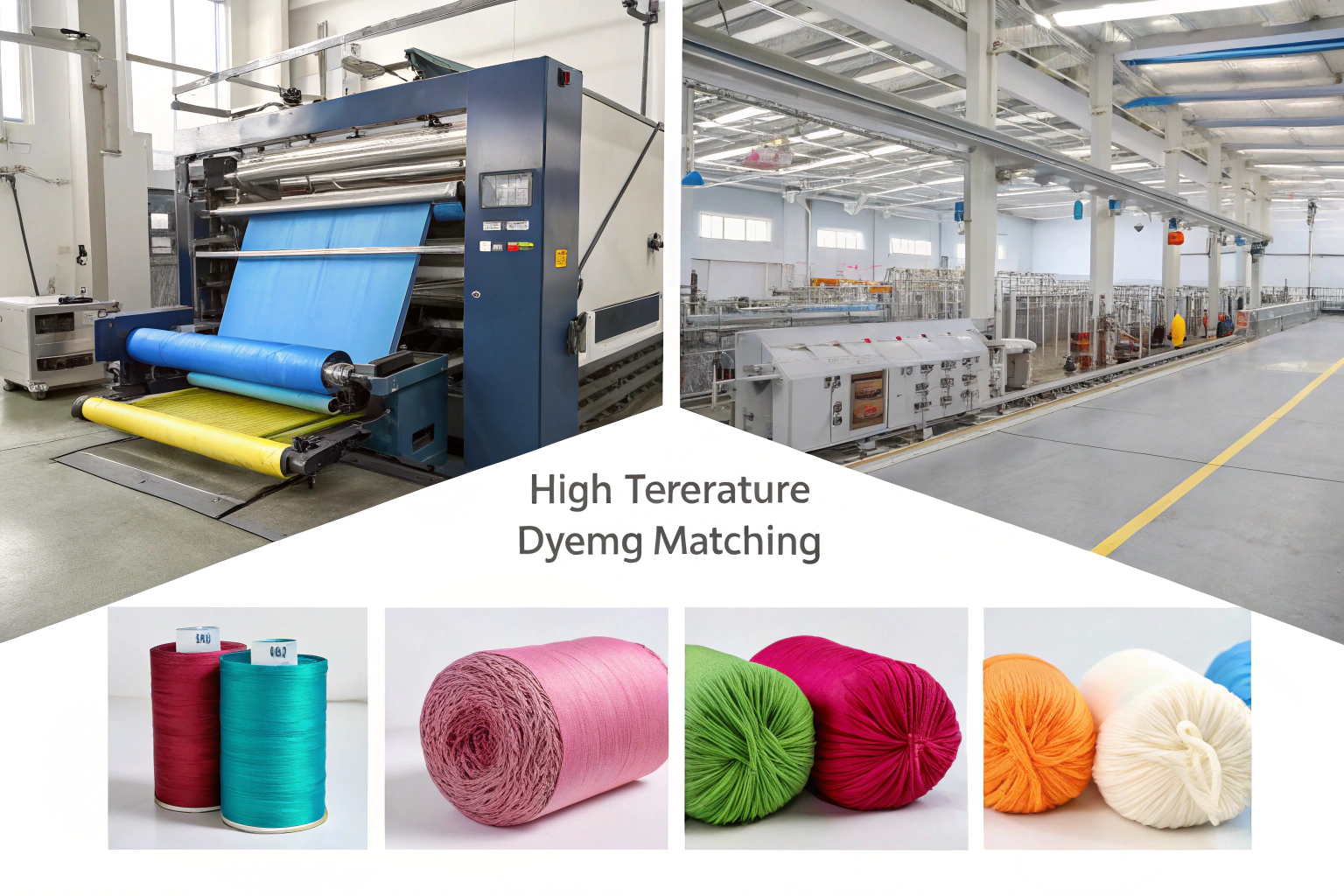
Digital textile printing works much like your desktop inkjet printer, but on fabric. It sprays microscopic droplets of ink directly onto the material, which then absorbs the color. This method is perfect for intricate, multi-color designs with gradients and fine details. Because the ink becomes part of the fabric, the print is incredibly soft and breathable. For durability, the key is the post-treatment process, which involves steaming and washing the fabric to set the dyes permanently. This ensures the colors remain vibrant and resist fading, even after repeated use and washing. It's a go-to choice for premium silk scarves and custom-printed fabric hats where detail and comfort are paramount. This technology has revolutionized the textile industry by allowing for rapid prototyping and small-batch production.
What is Heat Transfer Printing?
Heat transfer printing involves printing a design onto a special type of paper (transfer paper) and then using heat and pressure to transfer it onto the accessory. There are a few variations, but sublimation is one of the most durable. In sublimation, the ink turns into a gas under heat and bonds permanently with the fibers of synthetic fabrics like polyester. The result is a print that won't crack, peel, or fade, making it ideal for items that see a lot of wear, such as baseball caps and tote bags. Another popular method is heat transfer vinyl (HTV), where a machine cuts the design from a sheet of colored vinyl, which is then heat-pressed onto the fabric. High-quality HTV offers excellent durability and is great for bold, graphic designs on items like knit hats.
How Do Materials Affect Print Durability?
You've picked the perfect design and the best printing method, but there's one more crucial piece to the puzzle: the material itself. Have you ever noticed how the same print can look drastically different on a cotton hat versus a polyester bag? The fabric you choose is not just about feel and appearance; it's the foundation that determines how well a print will hold and how long it will last.
The composition and weave of a fabric directly impact ink absorption, color vibrancy, and resistance to wear, making material selection a critical factor for print longevity. Natural fibers like cotton are highly absorbent, which is great for certain inks, but they can be prone to fading if not treated correctly. Synthetic fibers like polyester, on the other hand, are perfect for methods like sublimation, creating prints that are practically permanent. As a manufacturer, we at Shanghai Fumao Clothing conduct rigorous testing to match the right fabric with the right printing technique. This ensures the final product not only looks fantastic but also stands up to the rigors of daily use.
The interaction between ink and fabric is a science. A print is only as strong as the material it's on. Let's dive deeper into how different fibers behave and what you should look for when choosing an accessory. We'll compare natural vs. synthetic materials and explain why a little knowledge in this area can save you from future disappointment. This is closely related to the printing methods we discussed earlier in What Printing Methods Offer the Best Durability?.
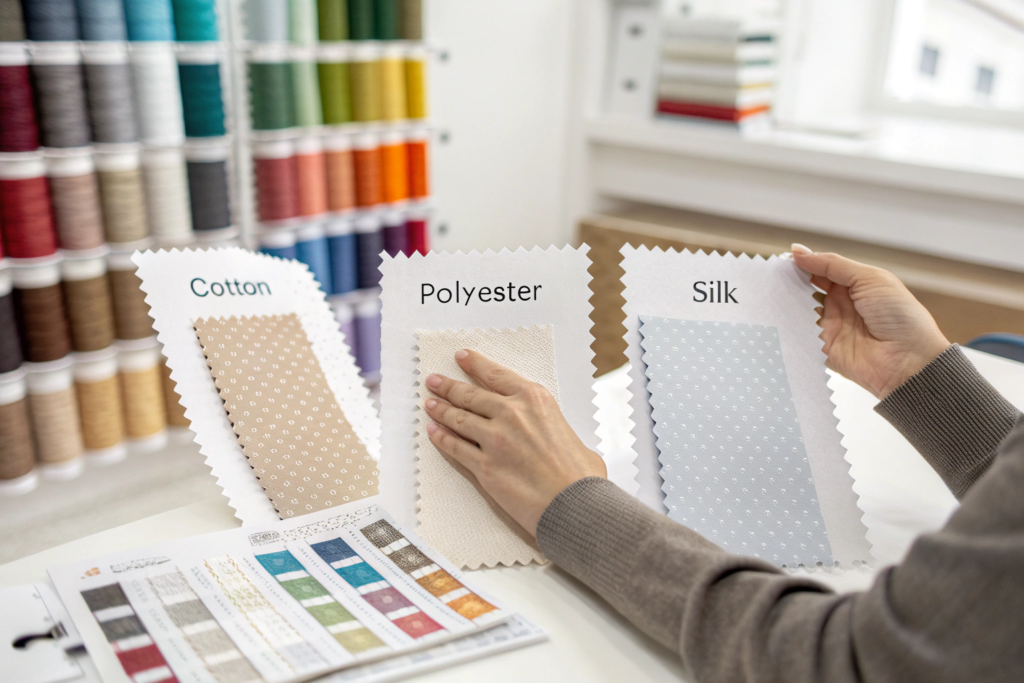
Why Does Polyester Excel with Sublimation?
Polyester is a synthetic polymer, and its fibers are essentially a type of plastic. When you use sublimation printing, the special ink turns into a gas under heat and pressure. This gas permeates the polyester fibers, and as the fabric cools, the ink solidifies inside the fibers. This process creates a permanent bond, making the print an integral part of the material itself. It won't crack, peel, or wash out. This makes polyester the top choice for items needing maximum durability and vibrant, full-color graphics, like custom lanyards or promotional tote bags. Its non-absorbent nature also means colors appear incredibly bright and sharp. Many performance apparel brands rely on polyester fabrics for this very reason.
How Does Cotton Interact with Inks?
Cotton is a natural fiber known for its softness and breathability. Unlike polyester, cotton fibers are very absorbent. When using methods like direct-to-garment (DTG) printing, a water-based ink is applied. The cotton fibers soak up this ink like a sponge. To make the print last, the item must be cured with heat, which evaporates the water and bonds the pigment to the fibers. While DTG on cotton can produce beautiful, soft prints, they can be more susceptible to fading over time compared to sublimated polyester. For screen printing on cotton, thicker plastisol inks are used, which sit on top of the fabric. These are very durable but can sometimes crack over time. Choosing high-quality, ring-spun cotton and a reputable manufacturer who uses proper curing techniques is essential for a lasting design.
What Are the Best Practices for Post-Print Care?
So, you've bought a beautiful accessory with a high-quality print. The manufacturer did their part, but now it's up to you. How do you ensure that vibrant design stays looking new for as long as possible? Many people unknowingly ruin their printed items through improper washing and care, leading to premature fading, cracking, or peeling.
Following a few simple care instructions is the most effective way to preserve the life of a printed design. The golden rule is to be gentle. This means avoiding harsh detergents, high heat, and abrasive friction whenever possible. While our production process at Shanghai Fumao Clothing is designed for maximum durability, the longevity of any garment is a partnership between the maker and the owner. A little bit of mindfulness in your laundry routine can make a world of difference.
It's not complicated, but it does require a slight shift in how you approach laundry day. Let's go over the specific dos and don'ts for washing, drying, and storing your printed fashion accessories. These tips will help you protect your investment and keep your favorite pieces in rotation for years to come. We'll also cover why reading the care label is your first and most important step, a detail that connects back to the material choices discussed in How Do Materials Affect Print Durability?.
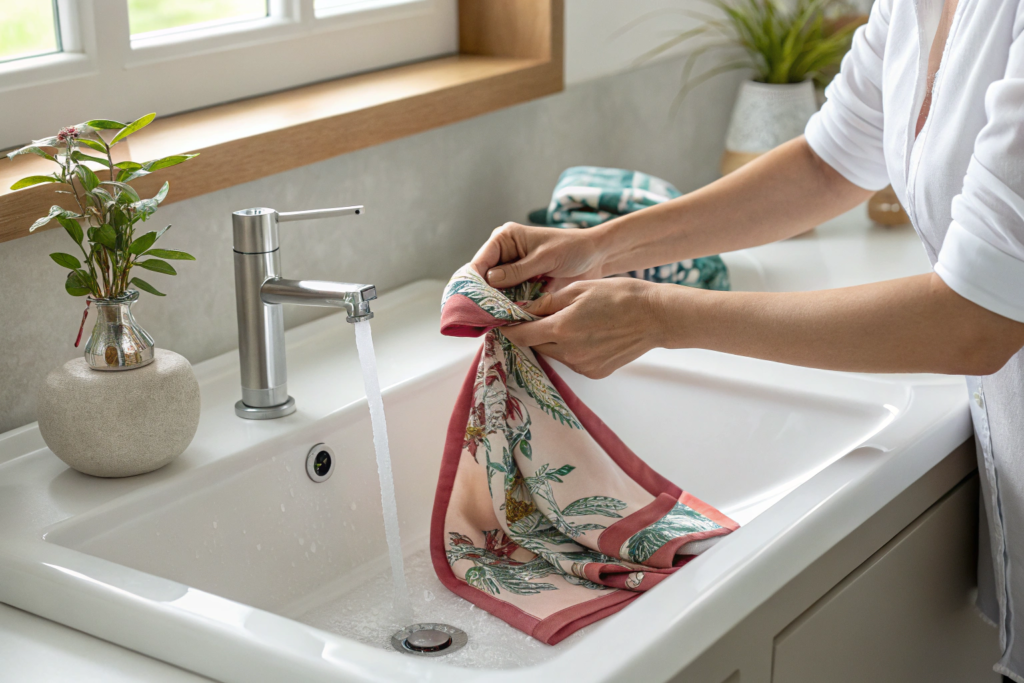
How Should You Wash Printed Accessories?
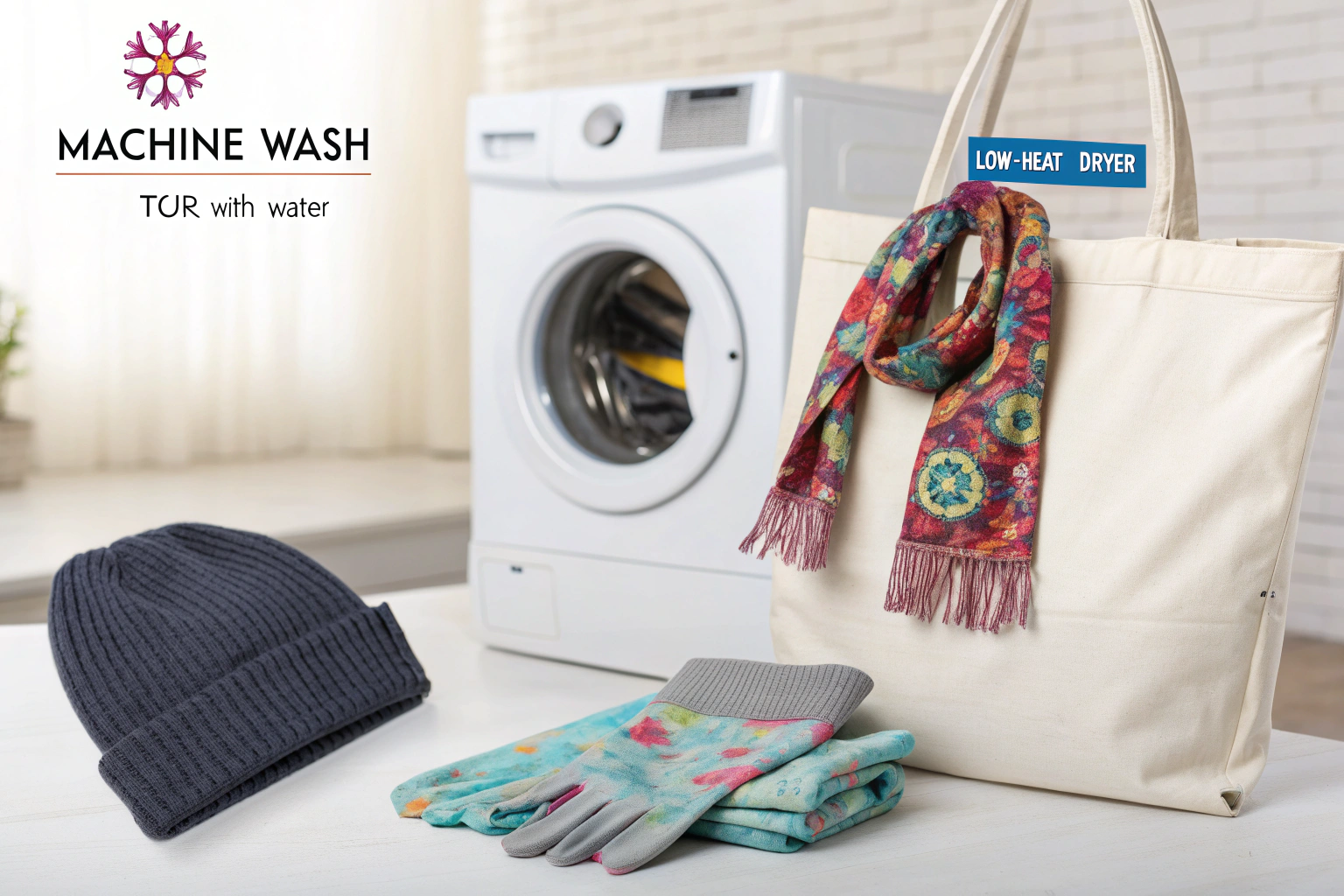
The best practice is almost always to wash printed items inside out. This simple step protects the printed surface from rubbing against other items in the wash, which is a primary cause of fading and cracking. Use a gentle, phosphate-free detergent and select the cold water setting on your washing machine. Hot water can cause both the fabric and the print to degrade faster. For very delicate items like silk scarves or accessories with intricate prints, hand washing is the safest option. Avoid using bleach or fabric softeners, as these chemicals can break down the inks and damage the design. Many laundry experts at institutions like the American Cleaning Institute recommend these gentle methods for all decorated apparel.
What is the Correct Way to Dry and Store Them?
Heat is the enemy of most printed designs. Never put your printed accessories in a high-heat tumble dryer. The intense heat can melt, crack, or fade the print, especially if it's a heat transfer vinyl or plastisol ink. The best method is to air dry them. You can hang them on a line or lay them flat, preferably out of direct, harsh sunlight which can also cause colors to fade over time. When it comes to storage, make sure the items are completely dry to prevent mildew. Store them in a cool, dry place. Avoid folding directly on a large print; instead, fold around it or roll the item to prevent permanent creases from forming in the design. Proper storage solutions can significantly extend the life of your entire wardrobe, not just your accessories.
How to Identify High-Quality Printing When Buying?
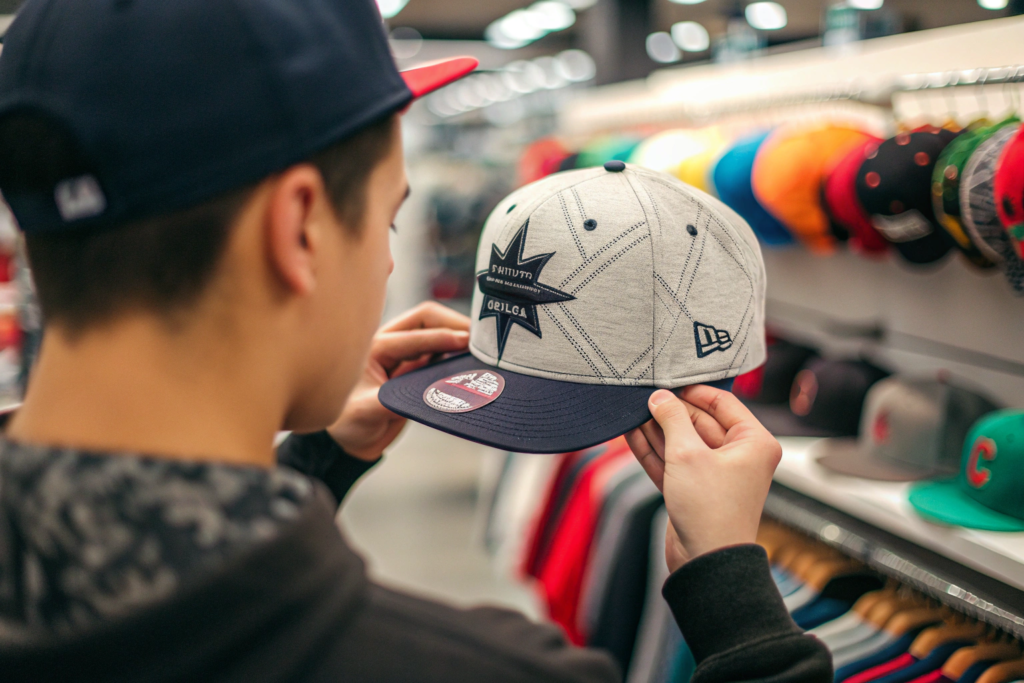
When you're shopping, how can you tell if the print on that hat or scarf is going to last? It's frustrating to fall in love with a design only to have it fail you later. While you can't see the factory's process, there are several clues you can look for that signal a high-quality, durable print.
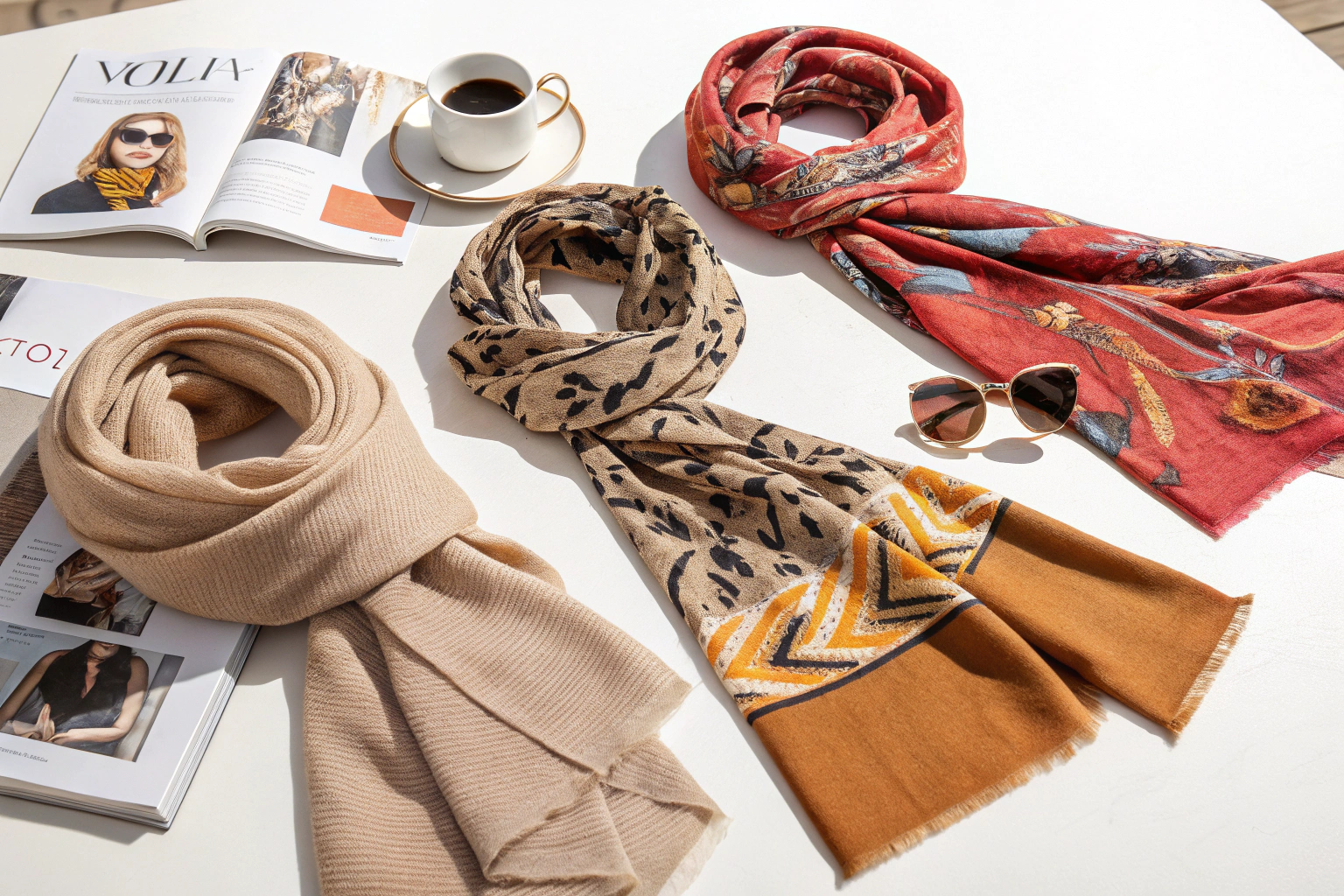
A high-quality print should have sharp, clean edges, vibrant and consistent color, and a texture that feels integrated with the fabric rather than like a thick, plastic sticker. Run your hand over the design. Does it feel soft and flexible, or is it stiff and likely to crack? Look closely at the details. Are the lines crisp, or are they blurry and bleeding? These are tell-tale signs of the care and technology used in the printing process. A reputable manufacturer takes pride in these details, knowing they are the hallmark of a product built to last. This attention to detail is a core principle for us, and it's a good indicator for you as a consumer.
Becoming a savvy shopper means training your eye and your sense of touch. By knowing what to look for, you can better predict an item's longevity before you even make the purchase. Let's break down the specific visual and tactile tests you can perform in the store. These checks will help you differentiate between a product that's made to last and one that's just fast fashion. This evaluation process is informed by understanding the different printing methods and materials involved.
What Visual Cues Signal Quality?
First, look at the color saturation. The colors should be deep, rich, and evenly distributed across the entire design. There shouldn't be any faded or patchy spots. Next, inspect the edges of the print. On a quality print, the lines will be sharp and well-defined, with no fuzzy or bleeding edges. This is especially important for intricate designs or text. Finally, check for registration. In multi-color designs, each color should be perfectly aligned. If you see colors overlapping where they shouldn't or gaps between color blocks, it's a sign of a low-quality, rushed printing job. This level of quality control is a standard practice in any serious manufacturing operation, including the fashion industry.
What Should You Feel for in a Print?
Gently run your fingers over the surface of the print. For digital (DTG) or sublimation prints, the design should feel like it's part of the fabric, with almost no raised texture. It should be soft and flexible, moving with the fabric as you stretch it slightly. If you're looking at a screen print, it will have a slight texture, but it should still be flexible and smooth, not rough or overly thick. A print that feels like a stiff, heavy plastic sticker is likely made from low-quality heat transfer material and is a prime candidate for cracking and peeling after just a few wears. The overall hand feel of the fabric and print is a reliable indicator of the craftsmanship that went into the accessory.
Conclusion
Ensuring the longevity of printed designs on your fashion accessories is a shared responsibility. It starts with us, the manufacturers, choosing the right combination of advanced printing methods like digital and sublimation, high-quality materials such as polyester and premium cotton, and meticulous quality control. But it ends with you, the owner. By following simple care practices—washing inside out in cold water, avoiding high-heat drying, and storing items properly—you can dramatically extend the life of your favorite printed pieces. When you're shopping, remember to use your eyes and hands to check for sharp details, vibrant color, and a soft, integrated feel. These are the hallmarks of a print that is made to last.
At Shanghai Fumao Clothing, we are passionate about creating accessories that you can enjoy for years, not just a season. We believe that quality is an investment, and we are dedicated to upholding the highest standards in every hat, scarf, and bag we produce.
If you are a brand looking to create your own line of high-quality, durable fashion accessories, we would love to partner with you. Let's work together to bring your vision to life with prints that stand the test of time. Please feel free to reach out to our Business Director, Elaine, at her email: elaine@fumaoclothing.com to start the conversation.