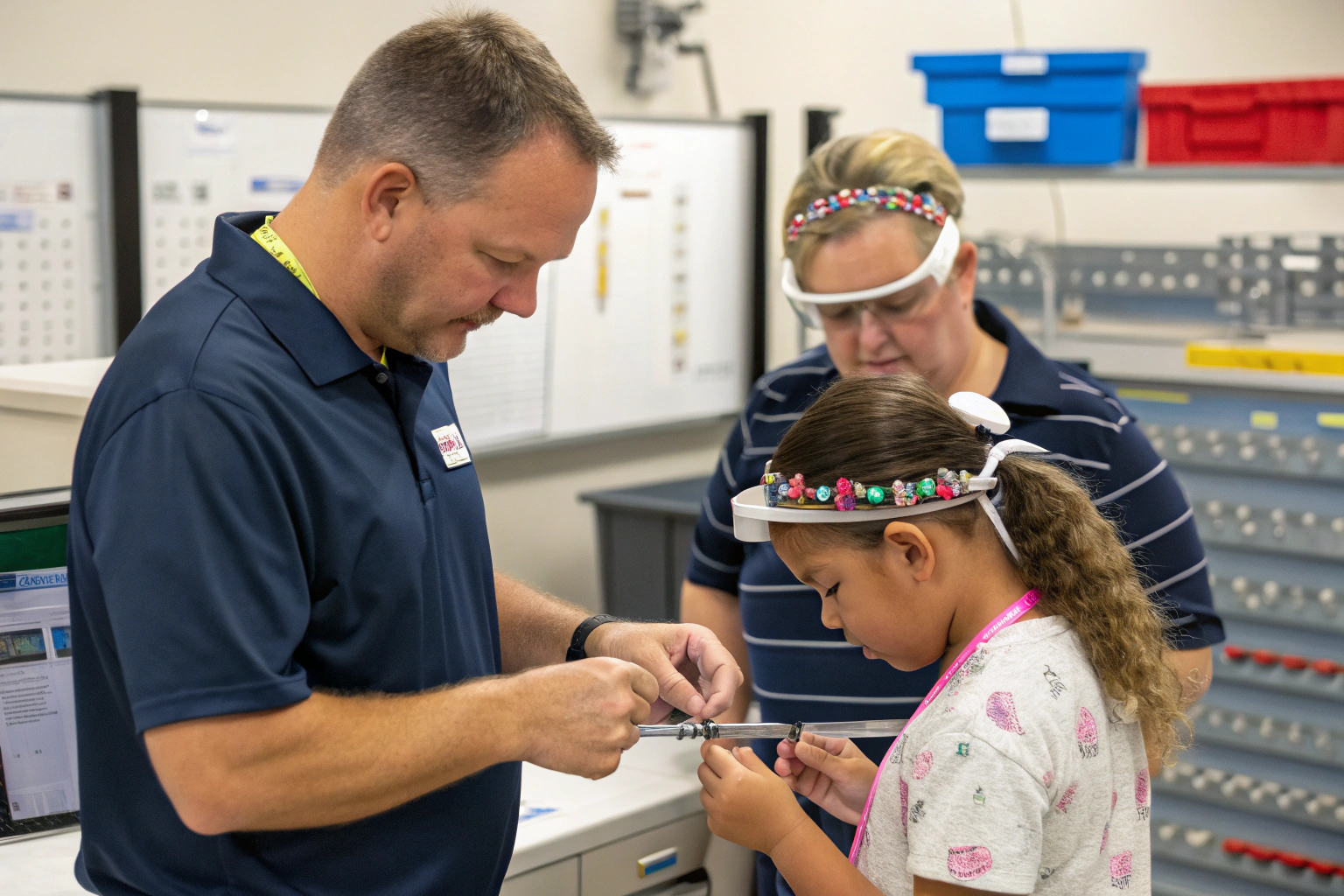
Manufacturing children's bead headbands that meet international safety standards requires meticulous attention to material selection, construction methods, and rigorous testing protocols. As a responsible manufacturer, we understand that children's accessories must balance aesthetic appeal with uncompromising safety measures to protect young users from potential hazards.
Ensuring compliance involves implementing comprehensive quality control systems, using certified materials, and adhering to specific manufacturing guidelines designed for children's products. At AceAccessory, a core brand of shanghaifumaoclothing https://shanghaiGarment.com, our approach integrates safety considerations at every production stage, from initial design through final packaging, ensuring our bead headbands meet or exceed safety standards for North American, European, and other international markets.
This guide details the key steps manufacturers, retailers, and brands should take to verify that children's bead headbands comply with relevant safety regulations and provide parents with confidence in their purchases.
What Material Safety Standards Apply to Children's Bead Headbands?
Material safety forms the foundation of compliant children's bead headbands, with specific regulations governing chemical content, physical properties, and manufacturing processes. Understanding these standards is essential for selecting appropriate materials that protect children from potential hazards.
Key material standards include CPSIA compliance for North American markets, EN71 standards for European distribution, and ASTM F2923 specifically for children's jewelry. At AceAccessory, we prioritize materials that carry Oeko-Tex Standard 100 certification, ensuring they're tested for harmful substances, and we maintain detailed material traceability throughout our supply chain to guarantee compliance.
How to Verify Bead Material Compliance?
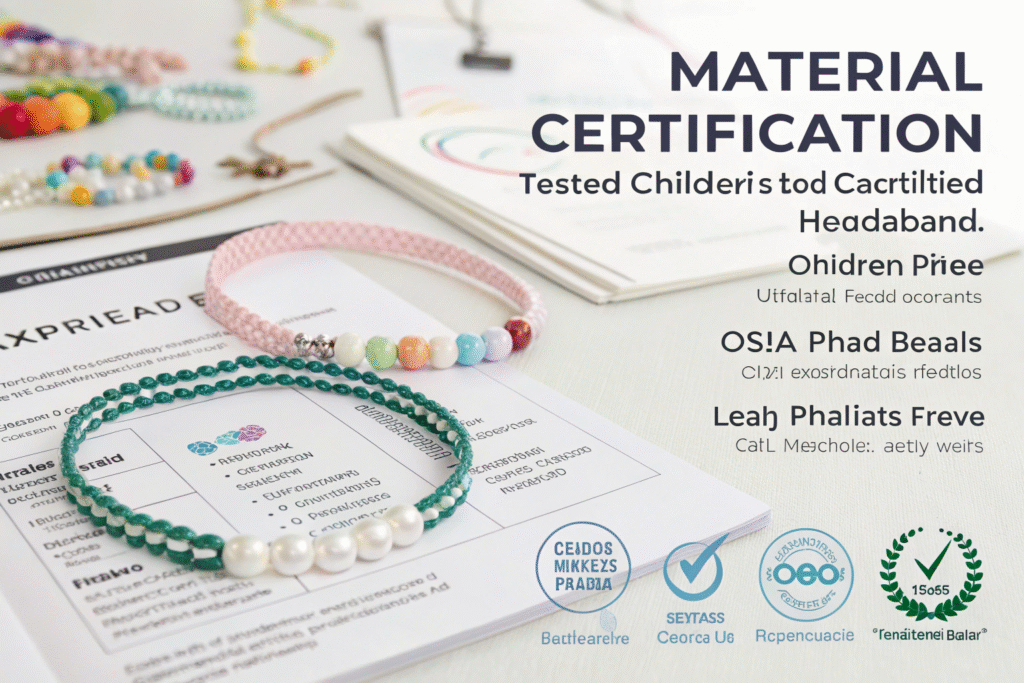
Verifying bead material compliance requires obtaining material safety documentation from suppliers and conducting independent testing. All beads must be tested for heavy metals (lead, cadmium), phthalate content, and physical durability. We maintain a restricted substances list (RSL) that exceeds baseline requirements and conduct regular Consumer Product Safety Commission (CPSC) guided testing on our bead components. Our documentation process includes batch tracking and material certifications for every component used in children's headbands, ensuring full transparency and accountability.
What Elastic and Fabric Standards Must Be Met?
Elastic and fabric components must meet specific safety and performance standards, including stretch recovery requirements, colorfastness, and chemical safety. Our elastic materials undergo rigorous testing to ensure they maintain secure but comfortable tension without overstretching, while fabrics are tested for flammability and chemical residues. We prioritize Global Organic Textile Standard (GOTS) certified organic cotton and other natural fibers whenever possible, reducing chemical exposure risks while ensuring gentle contact with children's sensitive skin.
What Physical Safety Requirements Must Be Addressed?
Physical safety requirements focus on preventing choking hazards, entanglement risks, and other physical dangers that bead headbands might present to children. These considerations directly influence design choices, construction methods, and quality control checkpoints.
Critical physical safety aspects include bead size and attachment security, breakaway features, and absence of sharp edges. Our manufacturing process incorporates design elements that address these concerns while maintaining the aesthetic appeal that makes bead headbands desirable to both children and parents.
How to Ensure Bead Attachment Security?
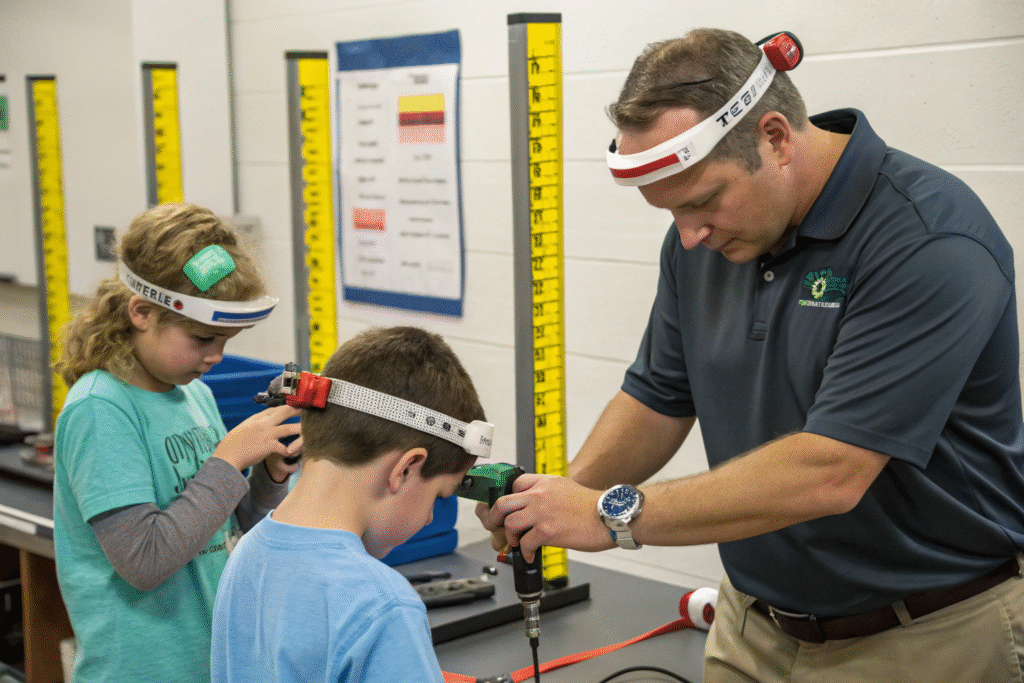
Ensuring bead attachment security involves both design considerations and production verification. Beads must be securely fastened with methods that withstand reasonable pulling force without detaching. Our manufacturing process uses double-knotting techniques between beads, reinforced threading, and where appropriate, food-grade silicone adhesives for additional security. Each production batch undergoes pull testing where beads are subjected to specific force requirements based on ASTM F963 standards, ensuring they remain attached under normal use conditions while still breaking away under excessive force to prevent strangulation hazards.
What Are the Choking Hazard Prevention Measures?
Choking hazard prevention requires strict adherence to size regulations and secure construction. Beads and components must either be too large to fit through a choke test cylinder or must demonstrate they don't release small parts under reasonable force. Our design specifications prohibit detachable small components and ensure all beads meet or exceed minimum size requirements. We utilize the small parts cylinder specified by safety regulations to physically test every bead component, eliminating any pieces that could pose choking hazards to young children. Verify our physical safety compliance: secure-bead children's headbands, ASTM F963 pull test reports, choking hazard verification documents.
What Manufacturing Processes Ensure Consistent Compliance?
Consistent compliance requires implementing standardized manufacturing processes with built-in quality checkpoints and documented procedures. This systematic approach ensures every production batch meets the same high standards regardless of production volume or timing.
Key manufacturing considerations include employee training on children's product safety, documented quality control procedures, and traceability systems. At AceAccessory, our manufacturing facilities maintain strict protocols specifically developed for children's products, with separate production lines and specialized equipment to prevent cross-contamination with non-compliant materials.
How to Implement Effective Quality Control Checkpoints?
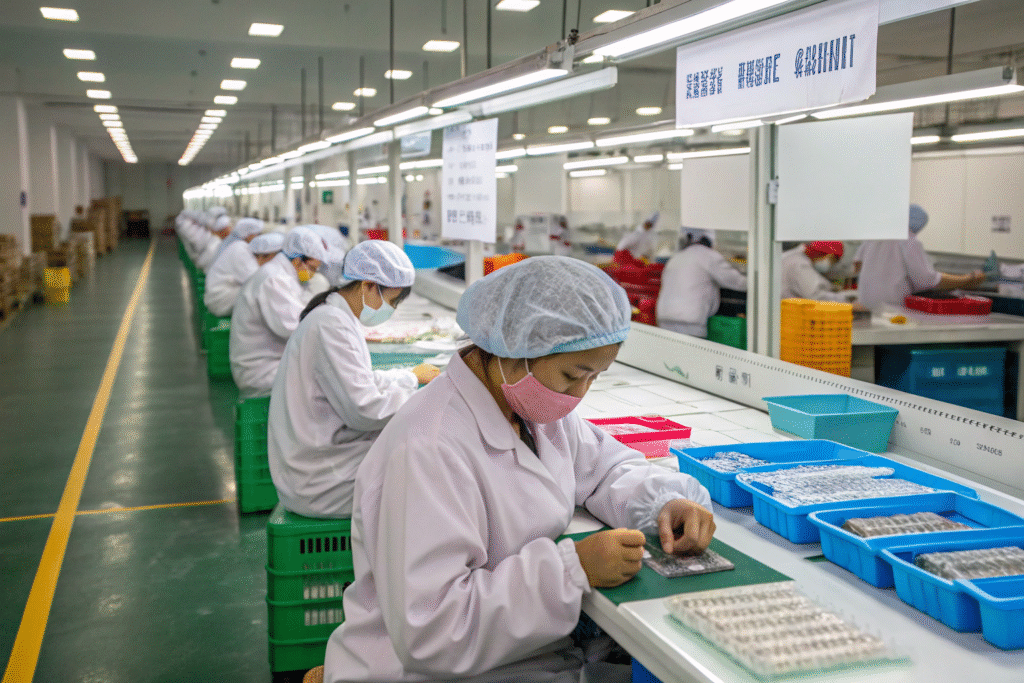
Implementing effective quality control checkpoints requires establishing verification stages throughout the manufacturing process. Our system includes incoming material inspection, in-process checks during headband assembly, and final random inspection based on AQL (Acceptable Quality Level) standards. Each checkpoint has clearly defined acceptance criteria and documented procedures, with trained quality control personnel who understand children's product requirements specifically. Any non-conforming products are immediately segregated and documented for corrective action implementation.
What Documentation and Traceability Systems Are Necessary?
Comprehensive documentation and traceability systems are necessary for demonstrating compliance and facilitating recalls if needed. Our system tracks materials from receipt through production to final shipment, maintaining records of safety certifications, production dates, and quality control results. This documentation includes material safety data sheets, component supplier information, and production batch records that allow complete traceability. These records are maintained according to regulatory requirements and are readily available for review by customers or regulatory authorities.
What Third-Party Testing and Certification Processes Are Required?
Third-party testing and certification provide independent verification that children's bead headbands meet applicable safety standards. These processes involve laboratory testing, documentation review, and ongoing surveillance to maintain certification status.
Essential certifications for international markets include CPC certification for the United States, CE marking for Europe, and other region-specific requirements. We partner with accredited third-party laboratories to conduct required testing and maintain up-to-date knowledge of evolving regulatory requirements across our target markets.

What Laboratory Tests Verify Compliance?
Laboratory tests verifying compliance typically include chemical analysis for heavy metals and phthalates, physical and mechanical tests for durability and integrity, and flammability assessments. Our products undergo testing at CPSC-accepted laboratories for US markets and Notified Bodies for European compliance. These tests verify that our headbands meet specific requirements such as lead content below 100ppm, phthalates below 0.1%, and physical strength that prevents hazardous breakage. We maintain relationships with multiple accredited laboratories to ensure timely testing and certification.
How to Maintain Ongoing Compliance Certification?
Maintaining ongoing compliance certification requires regular surveillance testing, material verification, and process audits. We implement a continuous compliance program that includes periodic testing of production samples, ongoing supplier qualification, and internal audits of our manufacturing processes. Any changes in materials, designs, or manufacturing methods trigger re-evaluation and additional testing as needed. This proactive approach ensures our certifications remain valid and our products consistently meet required safety standards throughout production runs.
Conclusion
Ensuring children's bead headbands meet safety standards requires a comprehensive approach encompassing material selection, physical safety design, manufacturing controls, and independent verification. By implementing robust quality systems, maintaining thorough documentation, and conducting appropriate testing, manufacturers can produce beautiful, compliant headbands that parents can trust. Regular review of evolving regulations and continuous improvement of safety processes further enhances product safety and market acceptance.To get a customized quote, download full compliance documentation, or request free product samples for safety verification, visit shanghaiGarment.com’s children's bead headband sourcing hub.
If you're looking to source or develop children's bead headbands that fully comply with international safety standards, we invite you to contact our Business Director, Elaine. She and our AceAccessory team specialize in manufacturing children's accessories that combine aesthetic appeal with uncompromising safety compliance. Reach out to Elaine at: elaine@fumaoclothing.com.