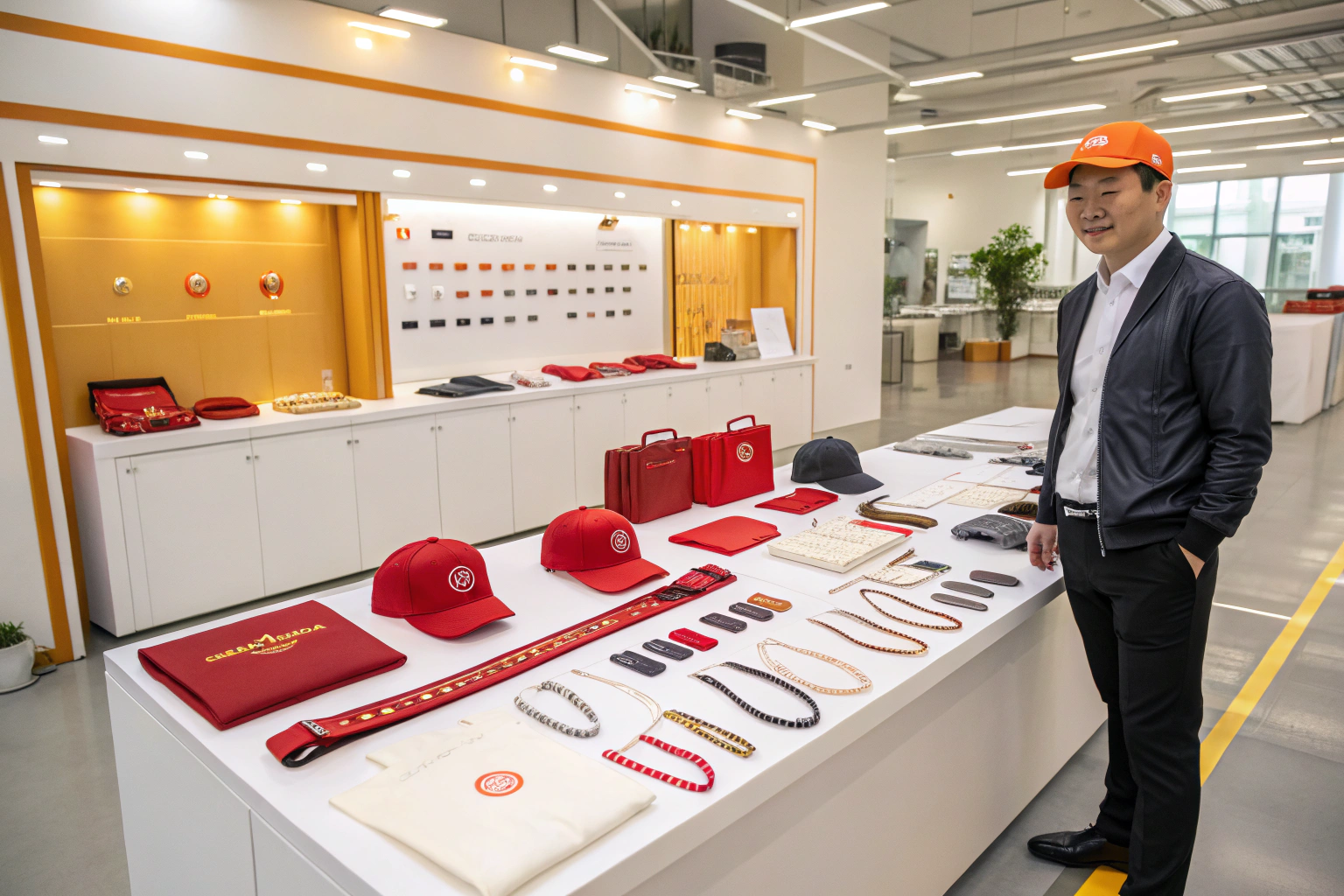
I have been in this industry for over two decades, and I have worked with hundreds of brands. Some succeed, and some fade away. The ones that last, the ones that build real loyalty, all have one thing in common: consistency. When a customer picks up a hat from your brand and a scarf from your brand, they should feel like they come from the same family. They should recognize you instantly.
Ensuring fashion accessory branding is consistent across all products requires creating a comprehensive brand style guide, implementing rigorous quality control for all branding elements like logos and tags, maintaining strict color consistency across different materials and production runs, and fostering a close partnership with your manufacturer to ensure every detail is executed correctly.
I have seen brands struggle with this. The logo on the hat is a different shade than the logo on the bag. The font on the tag does not match the website. These small inconsistencies chip away at brand trust. For a buyer like Ron, who is building a brand presence across multiple product categories, consistency is essential for creating a professional, trustworthy image. At Shanghai Fumao Clothing, we work closely with our clients to ensure their branding is executed perfectly on every single item. Let me walk you through the steps to achieve this.
What is a brand style guide and why do you need one?
A brand style guide is your bible. It is the single source of truth for how your brand should look and feel across every touchpoint. Without it, you are leaving consistency to chance. Different suppliers, different designers, and different production runs will inevitably drift.
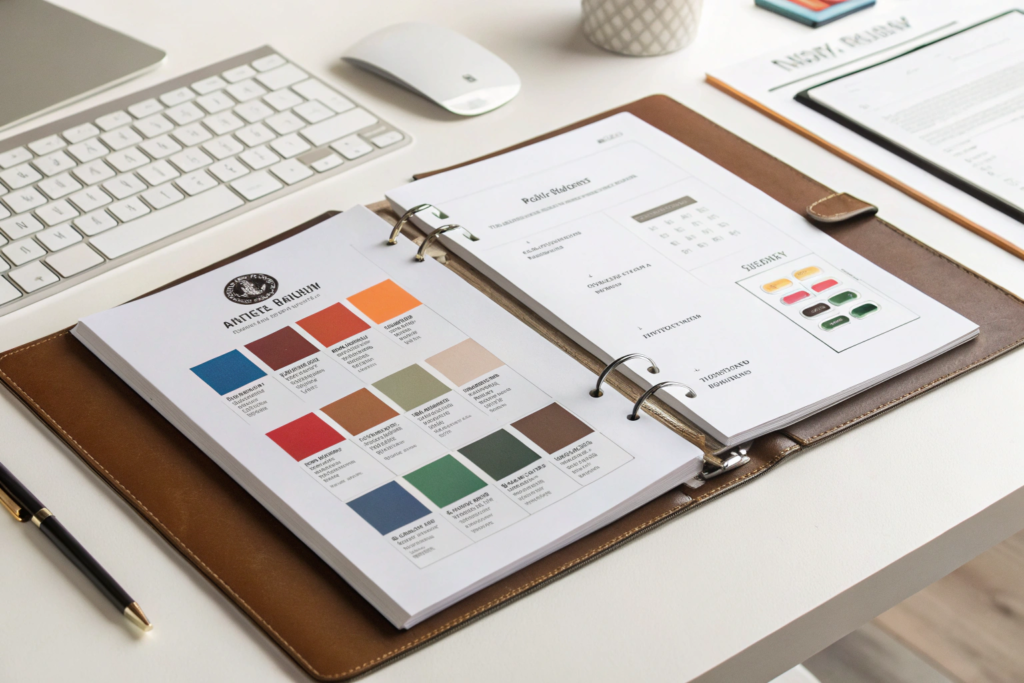
What should a comprehensive style guide include for accessories?
Your style guide needs to be incredibly detailed. It is not enough to say "use our logo." You need to specify everything. Show the logo in all its approved variations: full color, black and white, horizontal, vertical. Specify the exact clear space that must surround it. Provide the Pantone, CMYK, and RGB values for every color in your palette. List the approved fonts and specify exactly how they should be used, including size and spacing. Show examples of correct and incorrect logo placement on different types of accessories, like the front of a hat versus a woven label on a scarf. Include specifications for tags, hang tags, and packaging. The more detailed your guide, the less room there is for interpretation and error.
How do you ensure your manufacturer understands and follows the guide?
A beautiful style guide is useless if it just sits on your computer. You must share it with your manufacturing partner and ensure they understand it. We ask our clients to provide their style guide at the very beginning of the project. Our team studies it carefully. We then use it as a checklist throughout the entire process, from sampling to final production. If there is any ambiguity, we ask questions. We do not assume. We also keep a master sample of approved branding elements, like a perfectly printed logo, that we can compare against during production. This ensures that what comes off the production line matches what is in the guide.
How do you maintain color consistency across different materials?
Color is one of the hardest things to keep consistent. The same ink or dye will look different on cotton than it does on silk or leather. This is a major challenge for accessory brands that use a variety of materials. But it is a challenge that can be solved with the right processes.
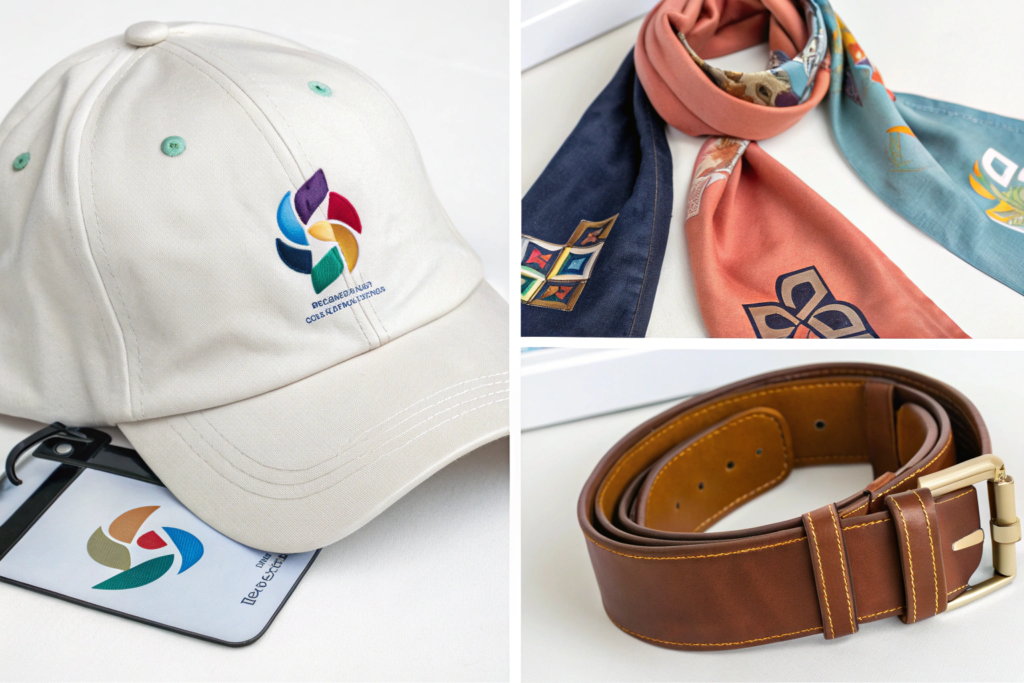
Why does the same color look different on different fabrics?
The color you see is a combination of the dye or ink and the material it is applied to. A smooth, shiny material like silk reflects light differently than a matte, textured material like cotton. The dye absorbs differently into different fibers. This means that the exact same dye formula will produce a slightly different visual result on different materials. This is a fact of textile production. The goal is not to make them look identical under a microscope, but to make them look visually consistent to the naked eye. This requires adjustments.
How do you approve colors across your product range?
The solution is to approve colors on the actual material that will be used. Do not approve a color based on a swatch of cotton if the final product will be made of silk. We always create "lab dips" on the specific material for each product. For a hat, we dye a small piece of the exact hat fabric. For a scarf, we dye a piece of the exact scarf fabric. We then compare these lab dips to each other and to the standard. We make adjustments to the dye formula for each material until they look visually consistent when viewed side-by-side. This process takes time, but it is the only way to achieve true color harmony across a diverse product line.
What role do labels, tags, and packaging play in brand consistency?
The product itself is the most important thing, but the labels and packaging are what the customer interacts with first. They set the stage. They are a powerful part of your brand identity. Inconsistent labels and tags can undermine all the work you put into the product.
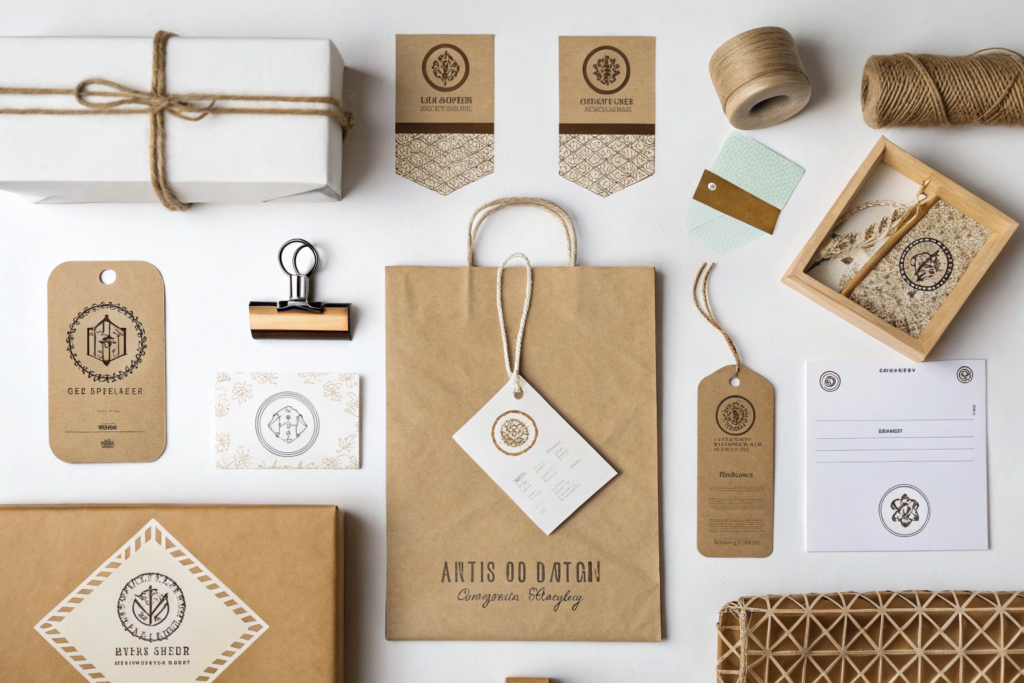
How do you ensure all branding materials are cohesive?
Every piece of branded material, from the sewn-in label to the hang tag to the tissue paper, must follow the same style guide. The logo placement, the fonts, the colors, the tone of voice – all must be consistent. We work with our clients to source all these elements from reliable suppliers. We check that the woven labels match the specified font and size. We ensure the printed hang tags use the correct Pantone colors. We verify that the packaging, whether it is a simple poly bag or a custom box, features the branding correctly. This attention to the details creates a seamless experience for the customer. Every touchpoint reinforces the same message.
Why is placement consistency important for brand recognition?
The placement of a logo is as important as the logo itself. If your logo is always on the left front of your hats, it should be there on every hat. If it is on the back right of your scarves, it should be there on every scarf. This consistency trains the customer's eye. They learn where to look for your brand. It becomes a signature. When they see that placement in a store or on social media, they recognize you instantly. We use detailed specification sheets that show the exact placement measurements for every branding element on every product. This ensures that the logo is in the same spot, every time, on every unit.
How do you manage branding across different production runs?
Branding is not a one-time effort. It is a living, breathing entity that demands unwavering attention and nurturing year after year, through countless production runs that weave the fabric of a brand's identity. This is where many brands stumble, like ships adrift in fog—capturing the perfect essence in their maiden voyage, only to see it subtly fade, warp, or lose its luster in subsequent journeys.
The initial run may shine with crisp colors, a logo that leaps off the page, and a message that resonates deeply, but without vigilance, the second, third, and fourth iterations can drift into dissonance, diluting the brand's unique voice and visual language. Preventing this gradual erosion requires the establishment of robust systems—meticulous checklists, standardized workflows, and a culture of consistency—and the creation of comprehensive archives: digital vaults brimming with high-resolution assets, mood boards that capture the brand's soul, and detailed style guides that serve as touchstones, ensuring that every production run, no matter when or where it occurs, remains a faithful echo of the brand's original promise, vibrant and true.

What is the importance of keeping master samples?
Master samples are your benchmark. We keep a physical archive of every approved branded item we produce for a client. This includes a sample of the product itself with all branding elements in place. When a new production run begins, we pull the master sample from the archive. We compare the new samples directly against the master. This gives us a physical, visual reference that is more reliable than any digital file. We check the logo placement, the color, the size, and the overall appearance. If anything is different, we stop production until the issue is resolved. This simple practice of maintaining a physical archive is one of the most effective ways to ensure long-term consistency.
How do you communicate branding updates to your manufacturer?
Brands evolve. Logos are refreshed. Color palettes change. When this happens, clear communication is essential. You must provide your manufacturer with updated style guides and new master samples. Do not assume that old specifications are still valid. We work with our clients to manage these transitions smoothly. We phase out the old materials and bring in the new. We also check that any existing stock of branded components, like pre-printed tags or labels, is used up or discarded appropriately to prevent the old branding from accidentally appearing on new products. This careful management of change ensures that your brand evolution is seamless and professional.
Conclusion
Ensuring consistent branding across all your fashion accessories is a detailed, deliberate process. It starts with a comprehensive style guide that leaves nothing to chance. It requires rigorous color management to achieve harmony across different materials. It demands attention to every detail, from labels and tags to packaging and placement. And it relies on strong systems, like master samples and clear communication, to maintain consistency over time. For a professional buyer like Ron, this consistency is not just about aesthetics. It is about building trust. Every time a customer interacts with a product from his brand, they should have the same positive experience. They should know exactly who made it and what it stands for.
At our factory in Zhejiang, we are committed to being a partner in this process. Our experienced project managers are trained to follow style guides meticulously. Our quality control systems are designed to catch any deviation. We understand that your brand is your most valuable asset, and we treat it with the respect it deserves. If you are ready to create accessories with branding that is consistent, professional, and powerful, we are here to help.
To discuss your next collection and how we can help you maintain perfect brand consistency, please contact our Business Director, Elaine, at elaine@fumaoclothing.com. Let's build your brand together.