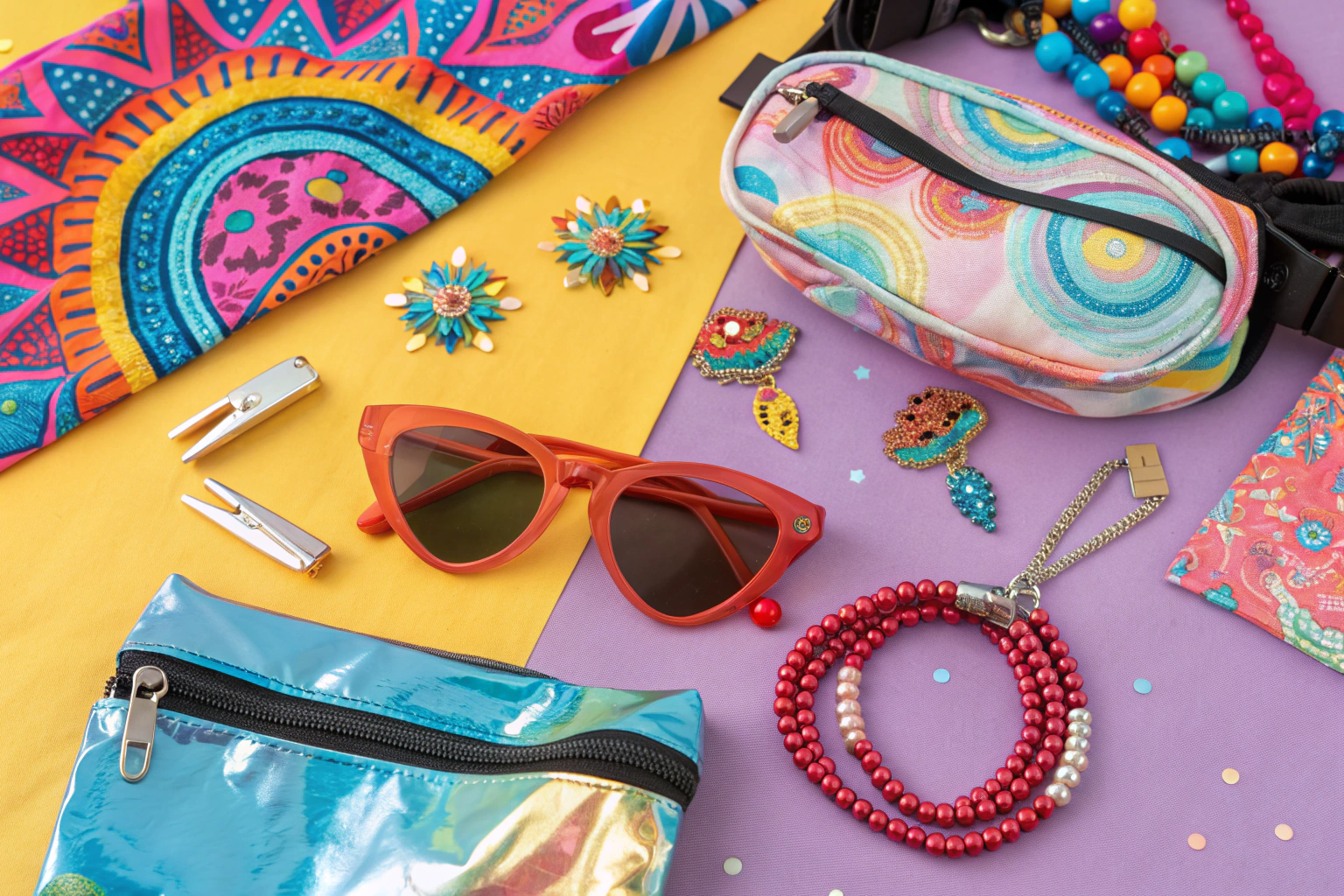
You see them everywhere during summer. Photos from Coachella, Glastonbury, and Burning Man flood social media. The outfits are bold, expressive, and completely accessorized. For years, I watched this market explode from my factory floor in Zhejiang. I realized our standard catalog items weren't enough for these customers. They wanted something different. Something that screamed freedom and fun.
To develop accessories for the festival market, you must prioritize bold aesthetics, functional wearability, and rapid trend adoption. Festival-goers need items that photograph well, withstand long days outdoors, and express their unique identity. This means using vibrant colors, unconventional materials, and designs that double as statement pieces.
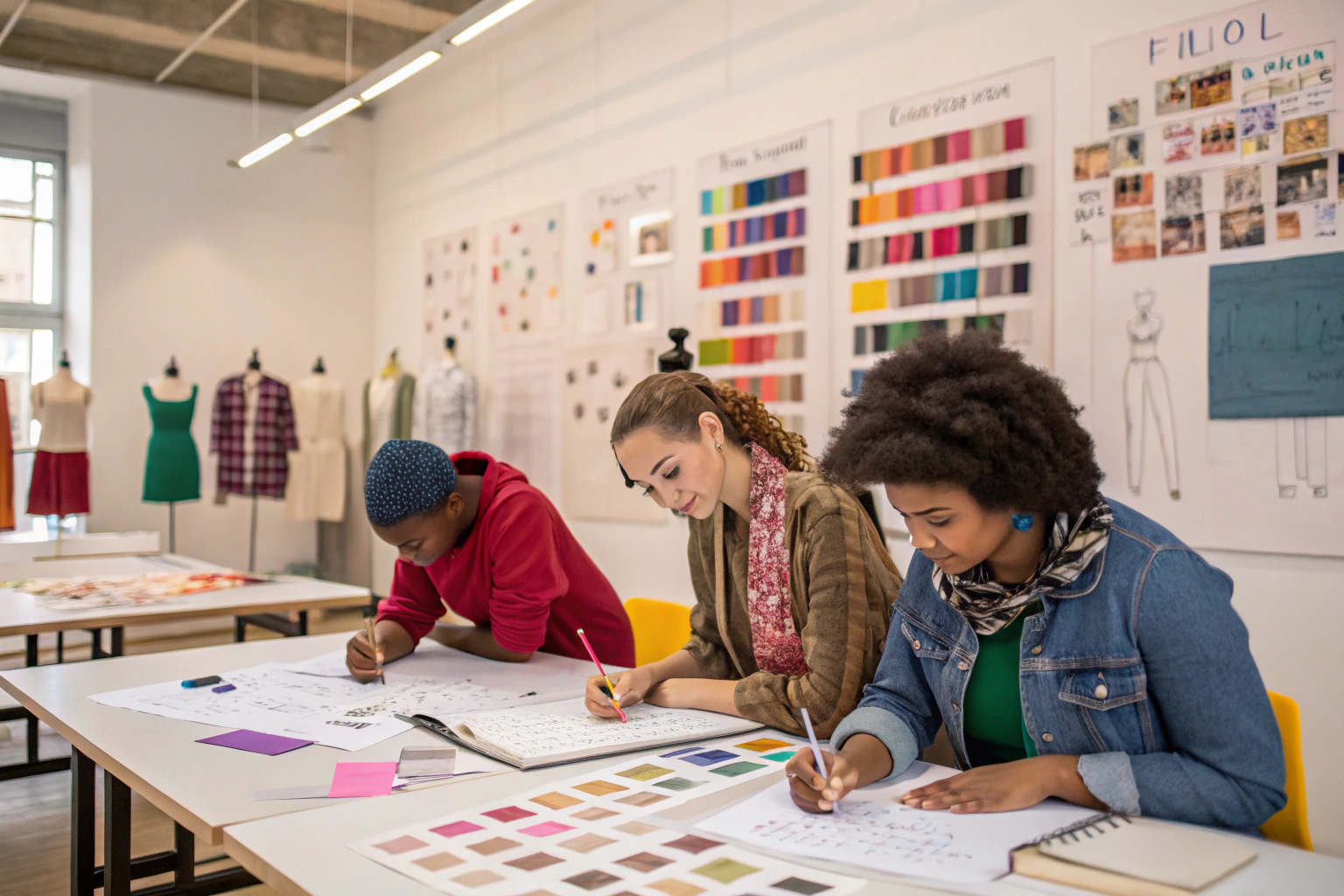
My team and I at AceAccessory started paying serious attention to this sector about five years ago. We saw our traditional retail clients struggling to capture this younger, experience-driven demographic. So we adapted. We studied festival photography. We talked to influencers. We learned that a hair clip for a festival isn't just for holding hair. It is a glittering crown. A belt isn't just for holding up pants. It is a hip-slung fashion statement. Let me walk you through what we discovered about creating products for this exciting market.
What Makes Festival Accessories Different From Everyday Fashion?
The first mistake many manufacturers make is treating festival products like regular fashion items. They are not the same. A woman wearing a statement necklace to the office wants elegance. A girl wearing a flower crown at a festival wants attention. She wants to be photographed. She wants to be seen. You need to understand this psychological shift to design successfully for this audience.
How does the festival environment change product requirements?
Think about where these accessories live. They spend twelve hours in direct sunlight. They get bumped in crowds. They encounter sweat, dust, and sometimes rain. A delicate silk scarf from a typical boutique might get ruined. But a vibrant, printed rayon scarf from our factory? That holds up beautifully.
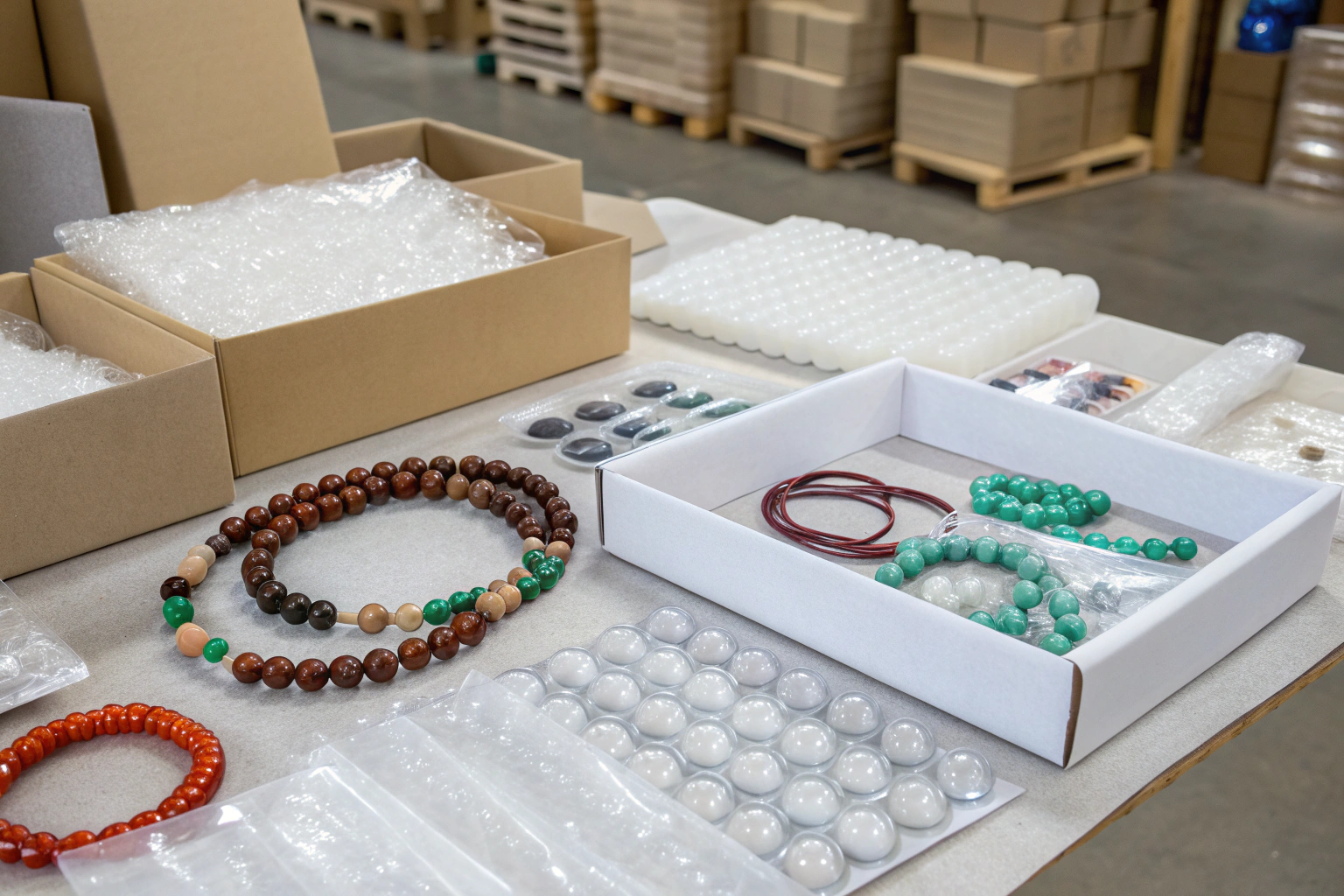
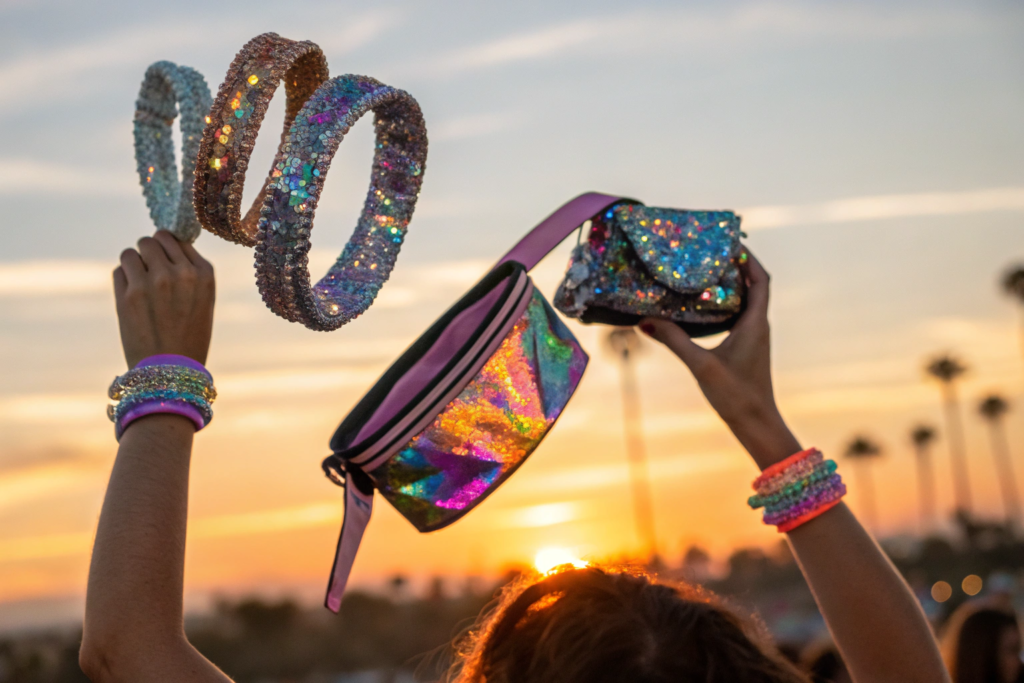
We learned this lesson working with a client who supplied merchandise to Live Nation events. Their feedback was brutally honest. Pretty products that fell apart after one wear damaged their brand. So we changed our approach. For festival hair clips, we use stronger springs and more secure clasps. For sequin headbands, we double-stitch every sequin row. The durability bar is higher because the environment is tougher. Festival fashion must survive the mosh pit and still look good for the after-party. This understanding of product durability standards has become central to our design process.
What visual elements define successful festival accessories?
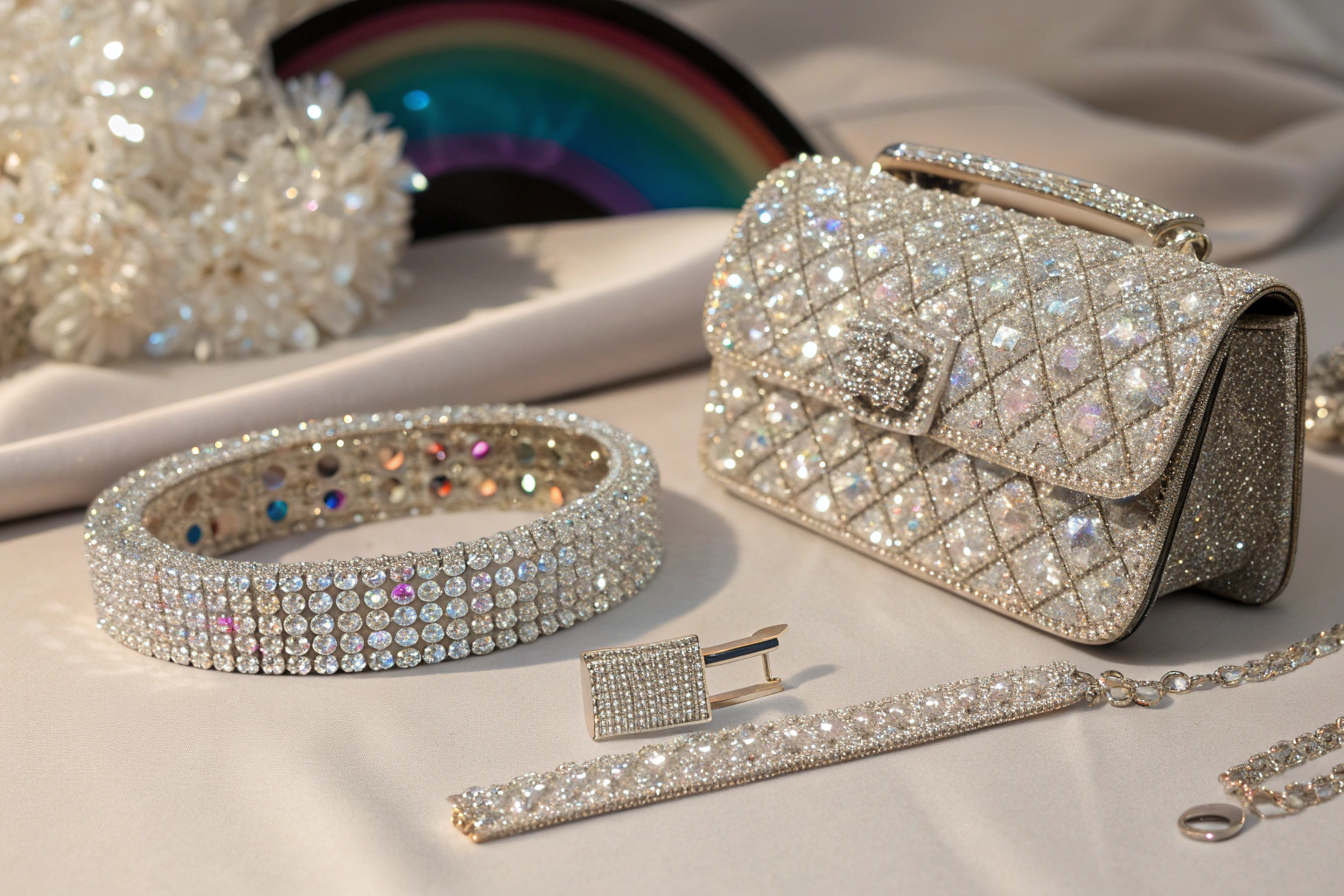
Festival style rejects subtlety. It embraces maximalism. When we design for this market at Shanghai Fumao Clothing, we push colors to their limit. Neon pinks. Electric blues. Holographic silvers. We combine textures that shouldn't work together. Think faux fur with metallic leather. Crochet with sequins.
The goal is instant visual impact. These accessories need to pop in photos. They need to be recognizable from fifty feet away. I always tell my design team to imagine our product in a crowd shot at sunset. Does it stand out? Does it catch the light? If the answer is no, we go back to the drawing board. Trends in this space move fast. One year it's all about western fringe. The next year it's cyberpunk metallics. Staying current means constantly monitoring sources like Vogue Business for emerging aesthetic shifts.
How Do You Balance Fashion With Function For Outdoor Events?
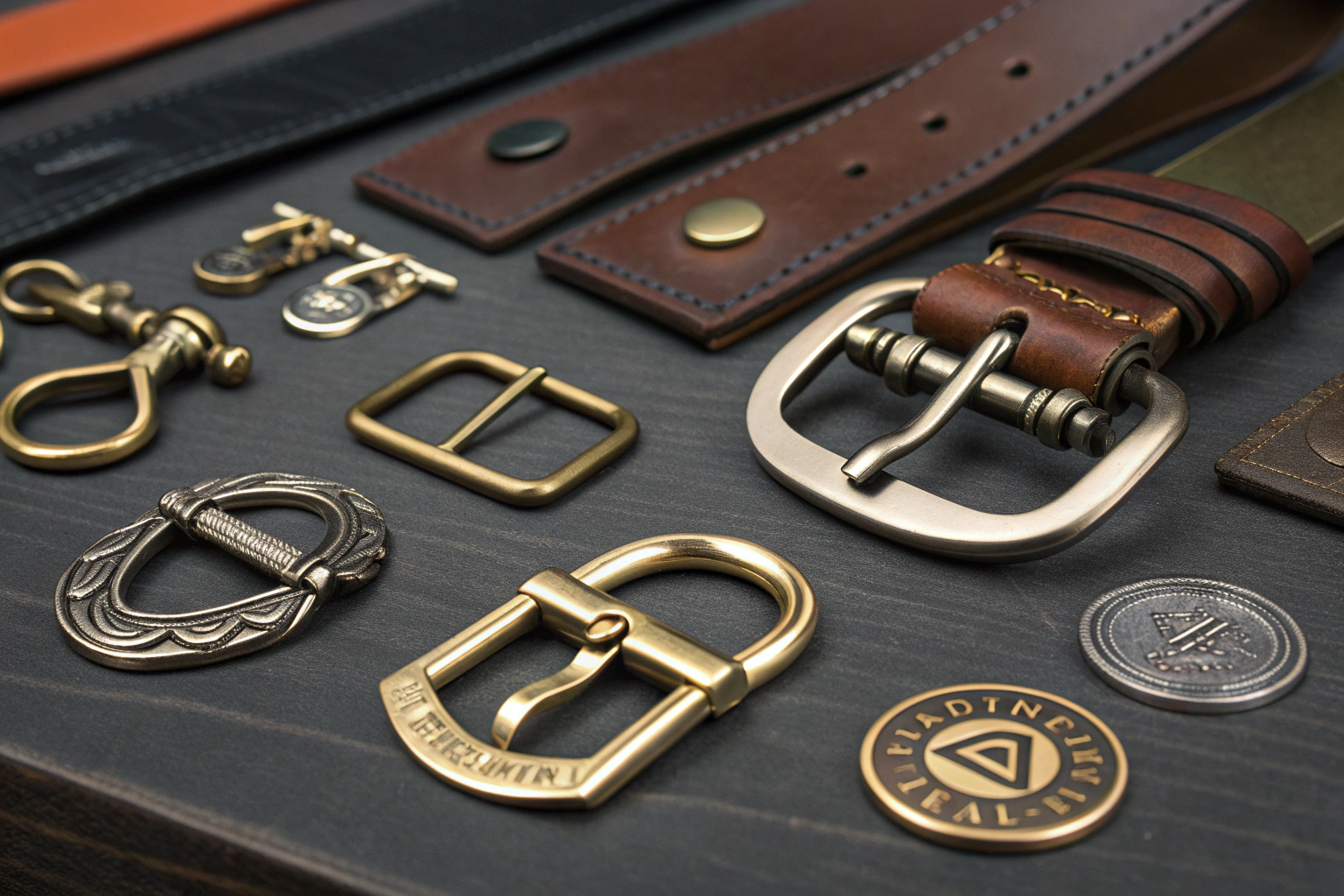
I remember a conversation with a buyer from a major UK retailer. She told me about a beautiful sequin belt they sold. It looked amazing on the mannequin. But customers returned it after one festival. Why? The sequins scratched their phones when they carried them in the matching bag. Function matters as much as fashion in this space. We cannot forget that these items are tools for the experience.
How do you design accessories that survive all-day wear?
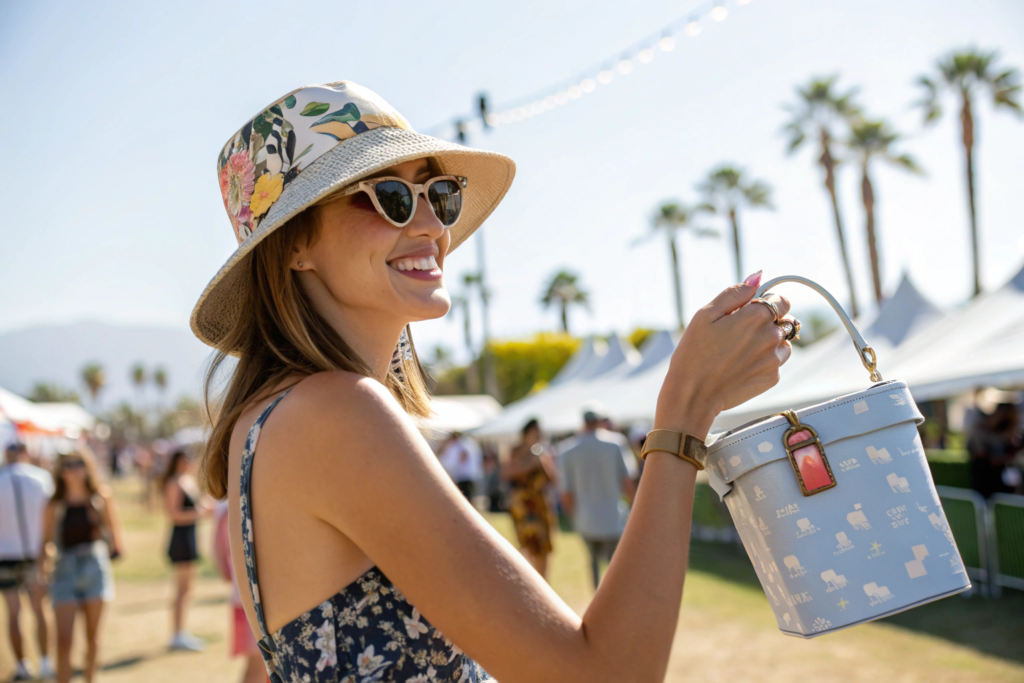
Comfort becomes critical when someone wears your product for ten hours straight. A heavy necklace becomes a burden by hour three. A tight hat gives you a headache by sunset. We address this through material selection and ergonomic design.
For festival hair accessories, we use lightweight materials. Acrylic for clips instead of metal. Thin elastic for headbands that won't dig into the scalp. For bags and belts, weight distribution is key. A wide belt distributes pressure better than a narrow one. We also consider how people move at festivals. They dance. They sit on the ground. They hug friends. Our products must move with them, not restrict them. Learning from outdoor gear manufacturers through resources like Outdoor Industry Association has helped us understand durability in active environments. We also study wearable technology trends to see how accessories are evolving.
What practical features do festival-goers actually need?
Festivals present unique practical challenges. Phone batteries die. Hands get full of food and drinks. Porta-potties have no hooks. Smart accessory design solves these problems. A belt with a hidden pocket can hold a phone and credit card securely. A crossbody bag with an external USB port allows charging on the go. A hat with a built-in elastic band stays on during wild dancing.
We developed a line of festival fanny packs specifically with these needs in mind. They have RFID-blocking pockets for security. They use waterproof materials because summer storms happen. They have adjustable straps to fit over any outfit. These features don't compromise the look. They enhance the utility. And utility sells. When a festival-goer finds an accessory that makes their weekend easier while looking great, they become a loyal customer. They tell their friends. They post about it on social media. Word spreads fast in festival communities. This feedback loop is something we track closely with our partners at Shanghai Fumao Clothing.
What Is The Fastest Way To Capitalize On Festival Trends?
Timing is everything in festival fashion. A trend emerges at one event and spreads globally within days. If your development cycle takes three months, you have already missed the moment. Speed requires a different approach to design and production. You cannot rely on old methods.
How do you identify trends before they peak?
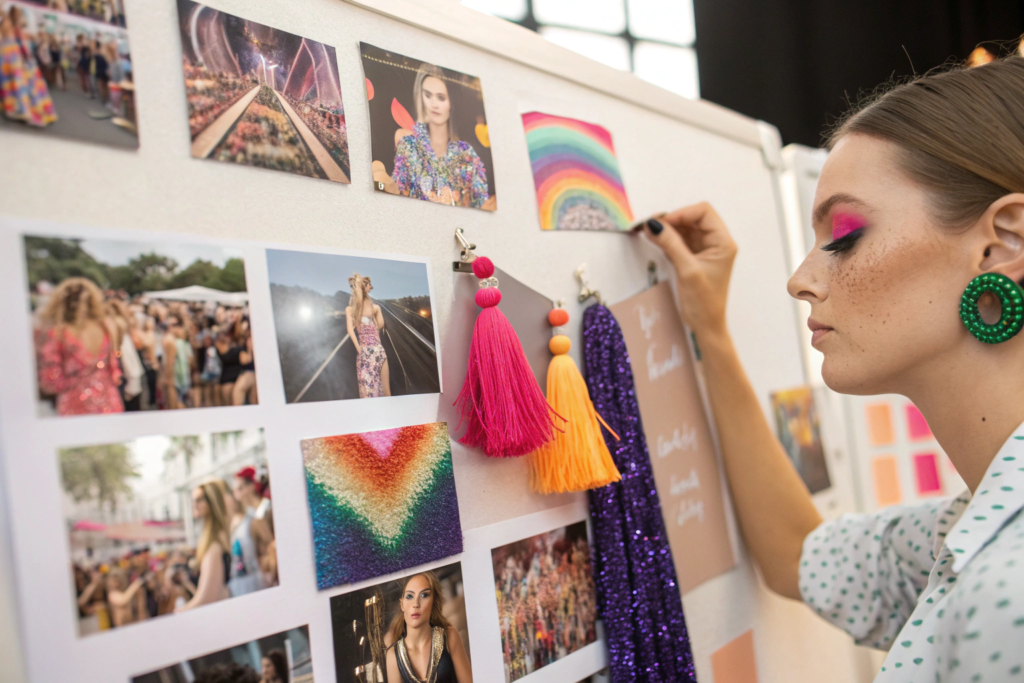
We stopped relying solely on traditional fashion forecasting. By the time trends appear in forecasting reports, they are often already mainstream. Festival fashion moves faster. Our team now monitors social media aggressively. We follow festival influencers on Instagram and TikTok. We watch live streams from events. We look for repeating patterns in what people wear.
When we spotted multiple attendees at a European festival wearing butterfly-themed hair clips, we knew something was happening. Within a week, we had prototypes ready. Within two weeks, we were in production for clients. This speed comes from having a flexible design team and sample room. We don't wait for formal trend presentations. We trust our eyes and act quickly. Industry publications like WWD help confirm our observations, but our primary research comes from watching real people at real events. Using tools like Google Trends also helps validate our hunches with real search data.
Can you produce small batches quickly for testing?
This question comes up constantly from our clients. The festival market is unpredictable. A design that sells out at one event might flop at another. Committing to large production runs upfront is risky. Smart buyers want to test the waters first.
Our production system accommodates this perfectly. We can run small batches of 200 to 500 units for initial testing. These go to specific events or online stores serving festival audiences. We track sales data closely. If a design performs well, we scale up immediately for the next event circuit. If it performs poorly, we lose very little. This approach minimizes risk while maximizing opportunity. It allows our clients to be agile. They can respond to what's working right now, not what worked last year. For deeper insights on agile manufacturing, I recommend reading case studies from Harvard Business Review on fast-fashion supply chains.
How Do You Market Festival Accessories Effectively?
Great products need great storytelling. Festival accessories sell because they promise an experience. They promise transformation. Marketing must deliver that promise visually and emotionally. The customer isn't just buying a headband. They are buying the feeling of being the best-dressed person at their favorite band's set. This emotional connection drives purchase decisions.
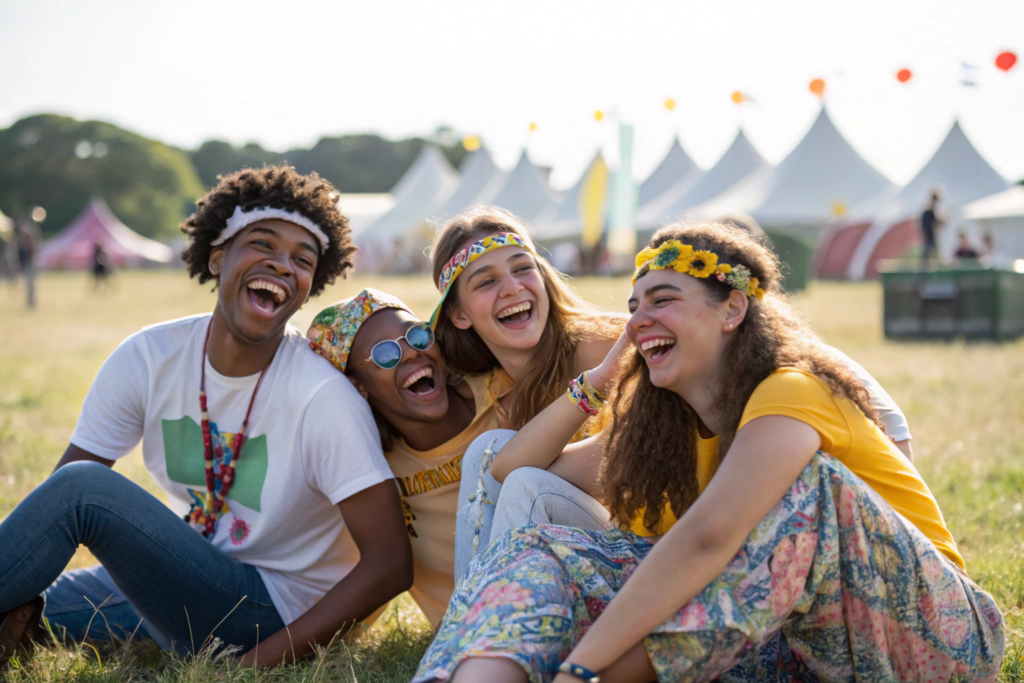
What visuals work best for selling festival products?
Static product shots on white backgrounds do not work for this market. They look lifeless. They fail to convey energy. We advise all our clients to invest in lifestyle photography. Put the products on real people. Shoot at golden hour. Capture movement and joy.
Video content performs even better. A quick TikTok showing how a sequin headband catches light as someone dances can go viral. We have started creating short video clips of our products in motion for clients to use in their marketing. Authenticity matters too. Professional models are fine, but featuring actual festival-goers creates stronger connection. User-generated content from customers wearing your products at events is gold. Reposting this content builds community and provides social proof. Studying successful campaigns on platforms like Later can provide excellent inspiration for visual strategy. Also, consider the power of influencer marketing to amplify your reach.
How do you price accessories for the festival market?
Pricing requires careful thought. Festival attendees often pay premium prices for convenience and style. A hair clip that costs three dollars at a drugstore might sell for fifteen dollars at a festival merchandise tent. The context changes the value perception.
However, quality must justify the price. We help clients understand their cost structure clearly. Material costs. Labor. Shipping. Duties. Then we add appropriate margins. The sweet spot for most festival accessories sits between impulse purchase and investment piece. Ten to twenty-five dollars works well for items like hair accessories and small bags. Larger items like decorated jackets or elaborate headpieces can command higher prices. The key is delivering perceived value that exceeds the price tag. Festival-goers share their purchases online constantly. A product that looks and performs well becomes free advertising. A product that disappoints becomes negative publicity. We focus on creating the first kind. Understanding dynamic pricing strategies can also help you adjust to demand.
Conclusion
Developing accessories for the festival market requires a different mindset than traditional fashion retail. You must embrace bold aesthetics while engineering for durability. You must move at lightning speed while maintaining quality. You must understand that your product becomes part of someone's treasured memory. When done right, festival accessories create passionate customers who return year after year.
Our journey into this market taught us to listen more closely to end consumers. We learned to watch what people actually wear, not just what designers say they should wear. We built systems that allow flexibility and speed without sacrificing quality. If you are ready to explore this exciting market, I invite you to reach out. Let's discuss how we can bring your festival collection to life.
For new projects and inquiries, please contact our Business Director, Elaine, directly at elaine@fumaoclothing.com. We look forward to creating something amazing together.