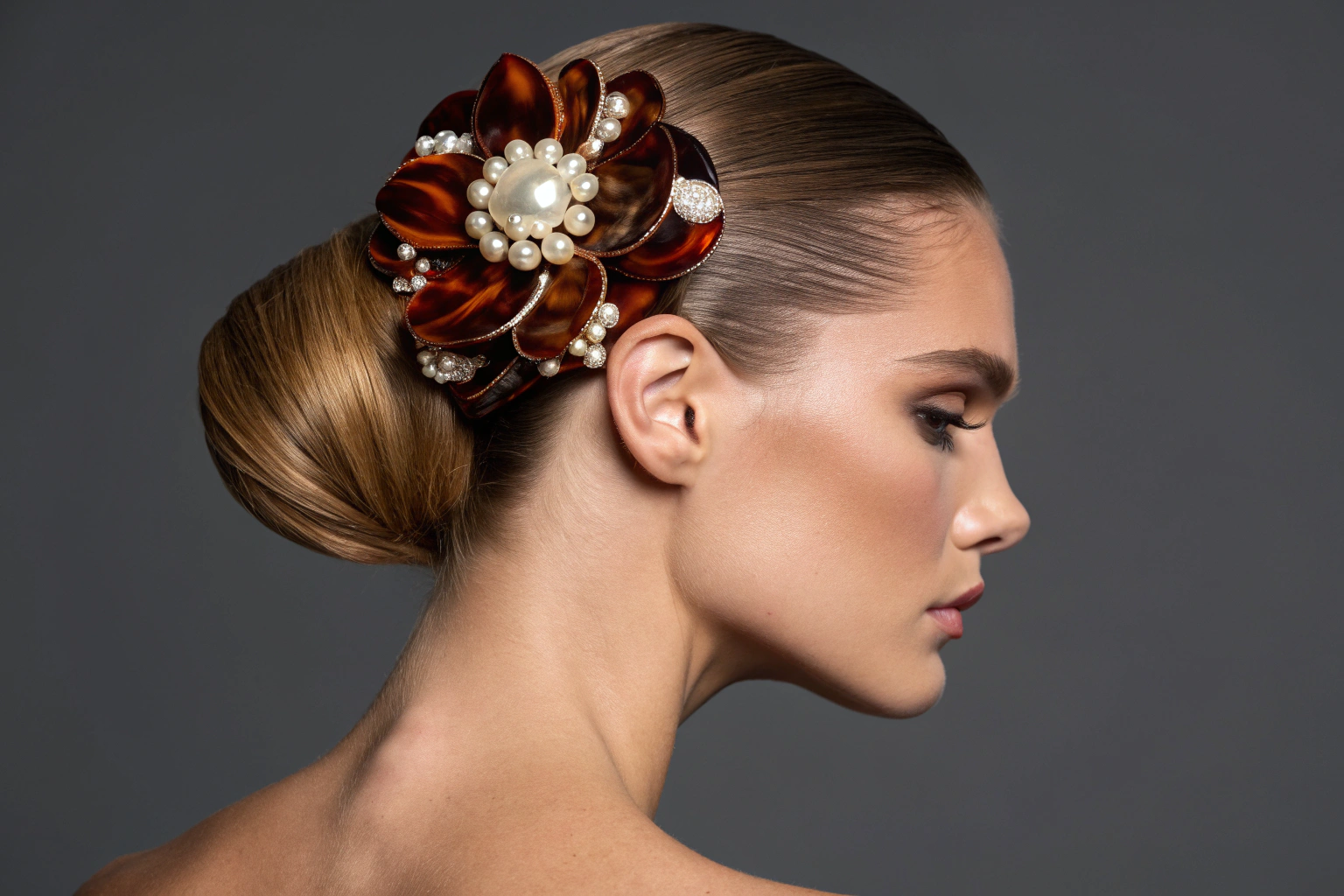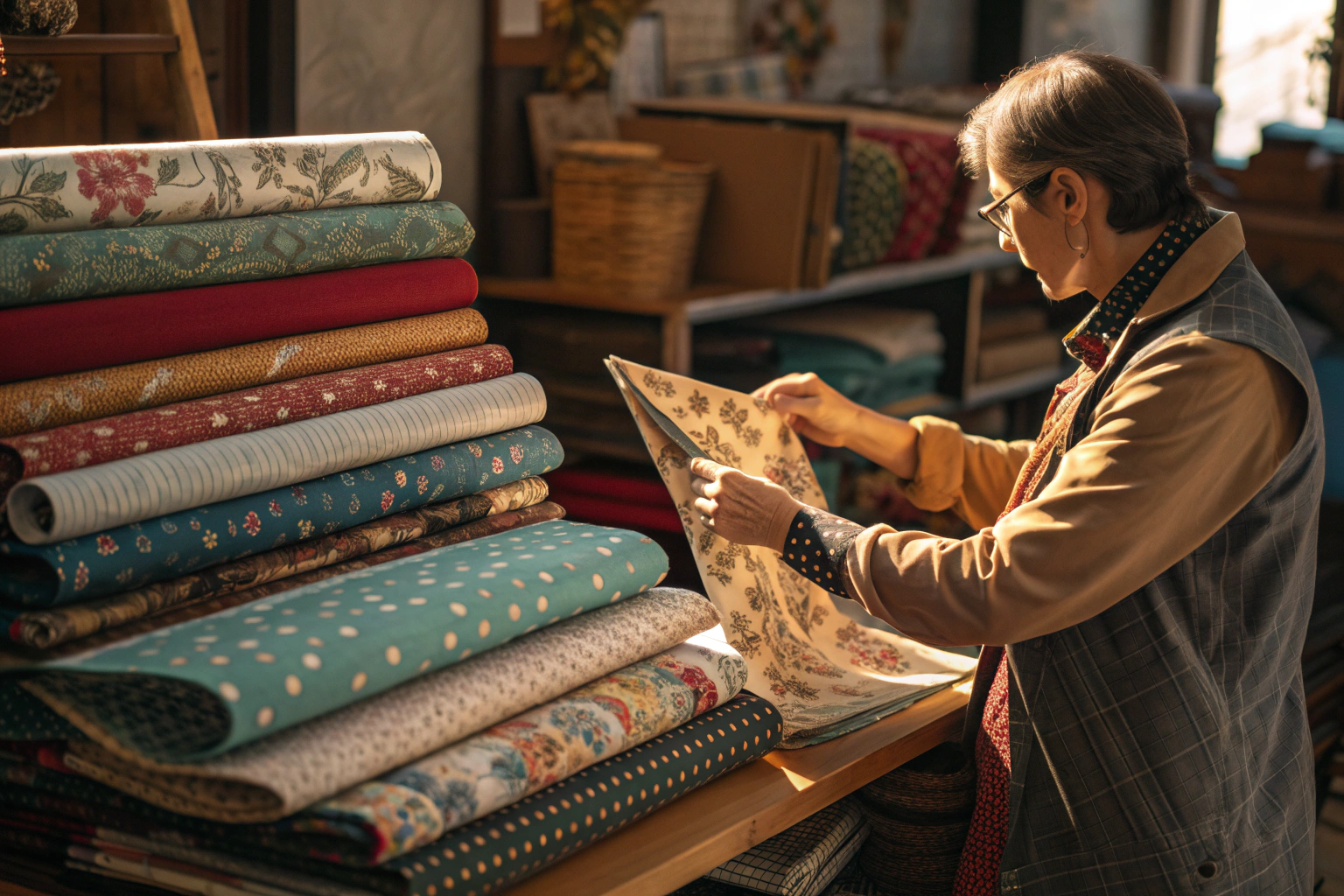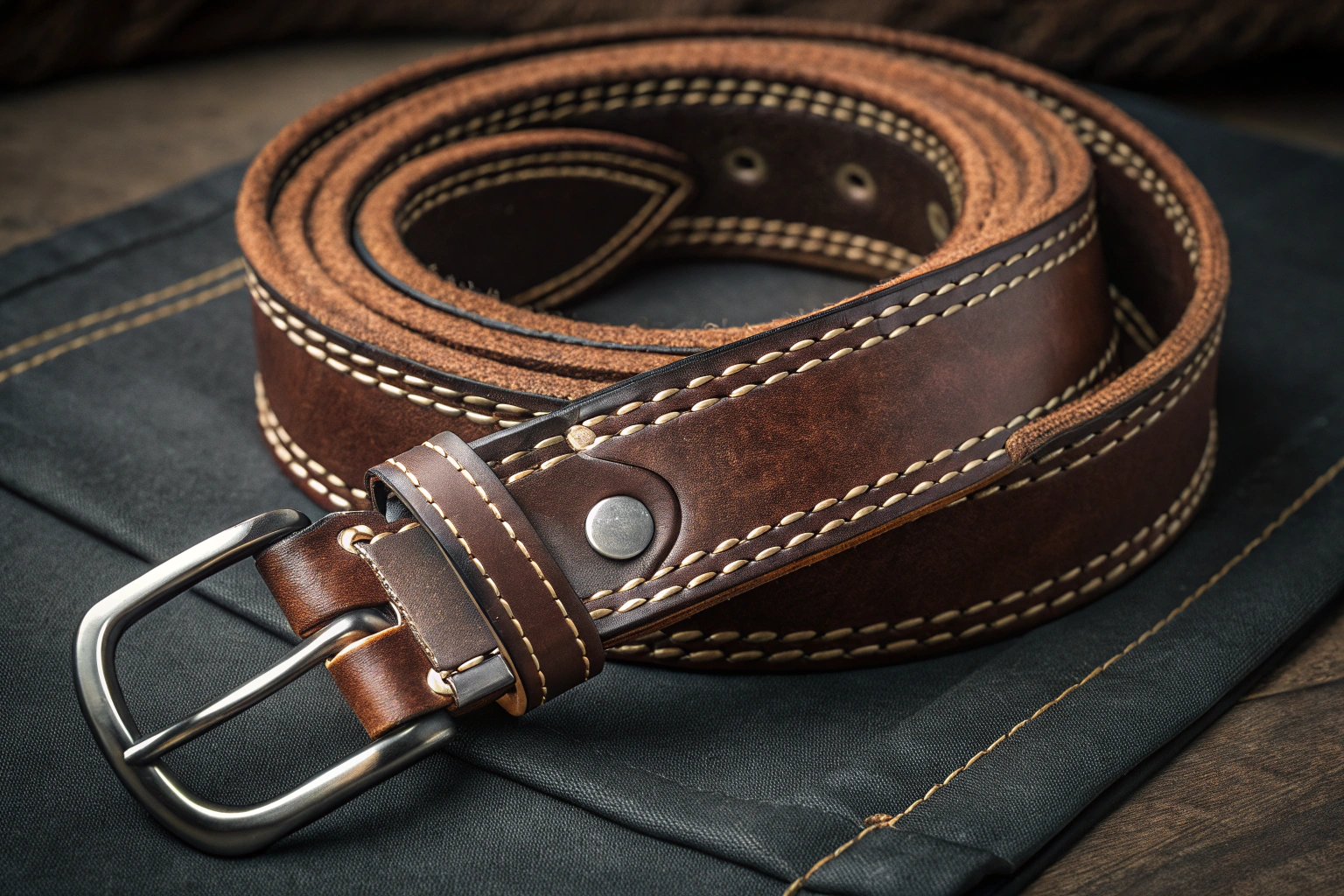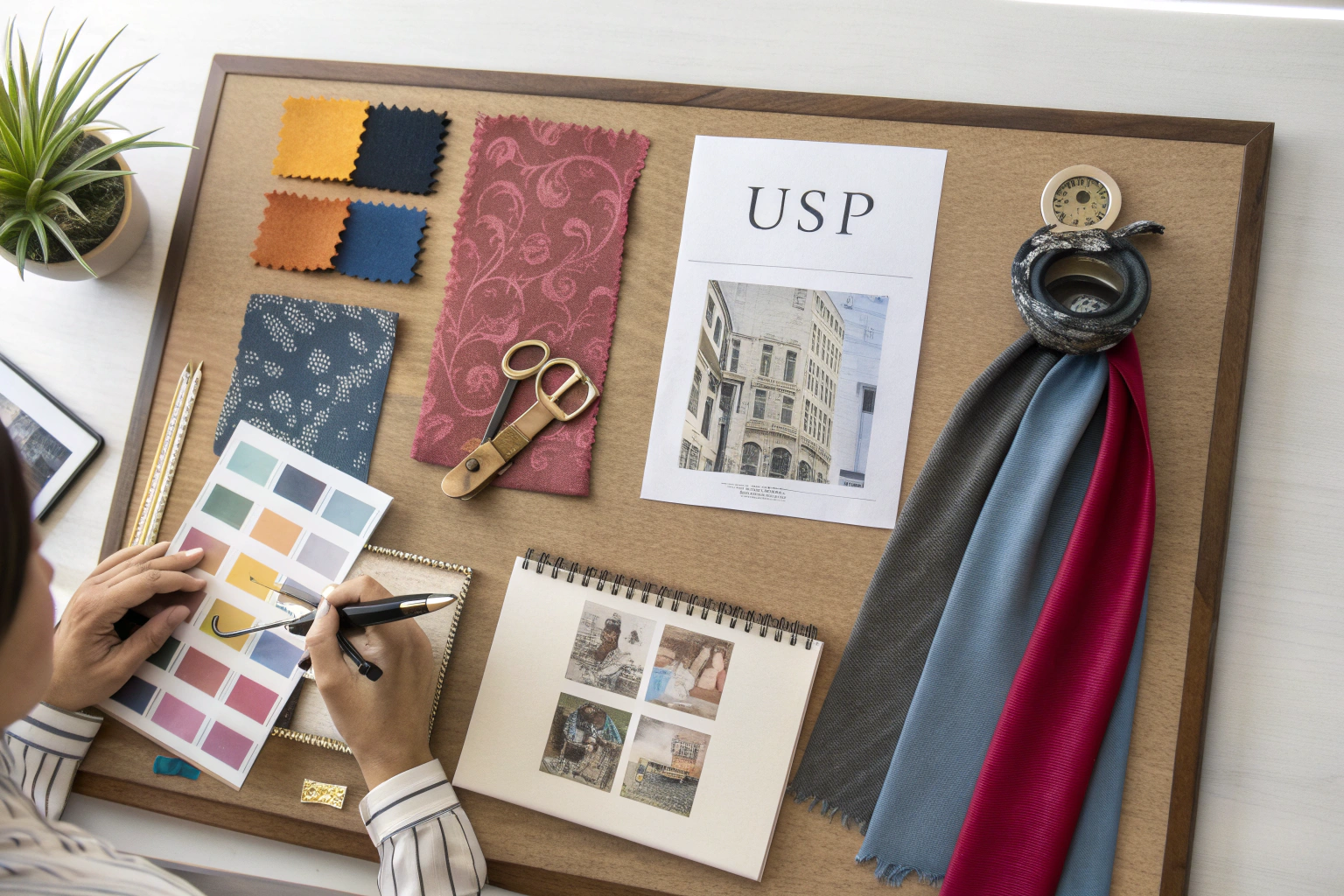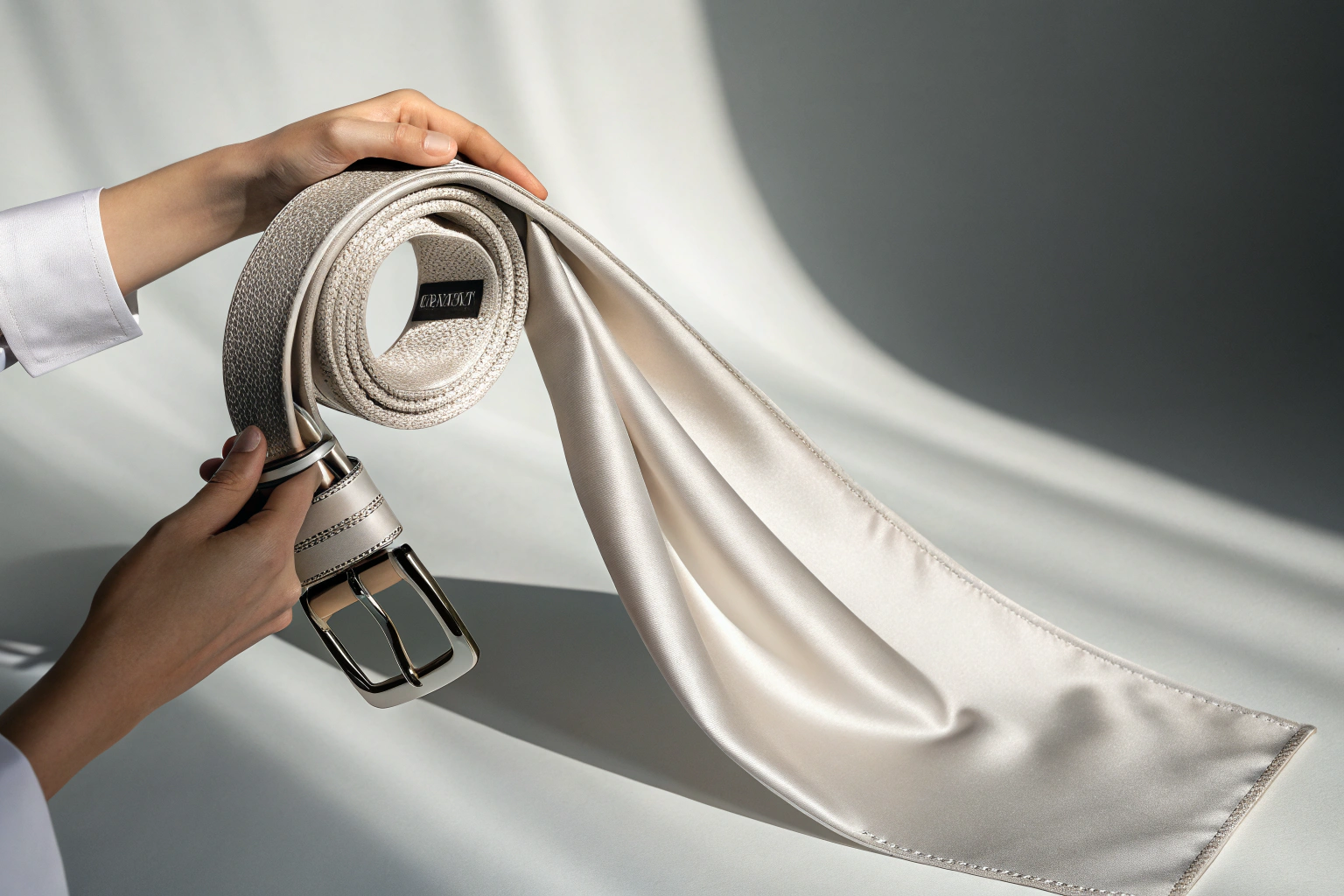
Several years ago, I received a call from a brand founder who had a dream. She had built a successful contemporary brand, but her ambition was to launch a luxury diffusion line. She came to our factory in Zhejiang with sketches that were breathtaking. But she was terrified. She said to me, "I know how to make a good product. But I don't know how to make a great one. I don't know how to make something that feels truly special, that people will treasure." Her fear was real, and it is a fear shared by many brands trying to make this leap.
Developing accessories for a luxury brand positioning requires a fundamental shift in thinking. It is not about making a slightly better version of a mass-market product. It is about obsessing over every single detail: the sourcing of the rarest materials, the development of bespoke hardware, the perfection of hand-finishing techniques, and the creation of packaging that feels like a gift. It is a commitment to excellence in every visible and invisible element. At Shanghai Fumao Clothing, we have spent over two decades partnering with brands to make this leap, guiding them from good to extraordinary.
That founder's journey taught me something important. Luxury is not a price point; it is a feeling. It is the feeling a customer gets when they hold a product and instantly know it is different. It is the weight of a buckle, the softness of a silk, the precision of a stitch. Creating that feeling is a meticulous process. Let me walk you through the four most critical pillars of developing accessories that truly deserve a luxury positioning.
How Do You Source Materials That Feel Undeniably Luxurious?
The foundation of any luxury accessory is its material. You cannot create a premium feel with standard, commodity-grade inputs. The difference between a good scarf and a luxurious one is often invisible to the untrained eye but immediately obvious to the touch. It starts with knowing where to look and what to demand. This is the first and most critical step in the entire process.
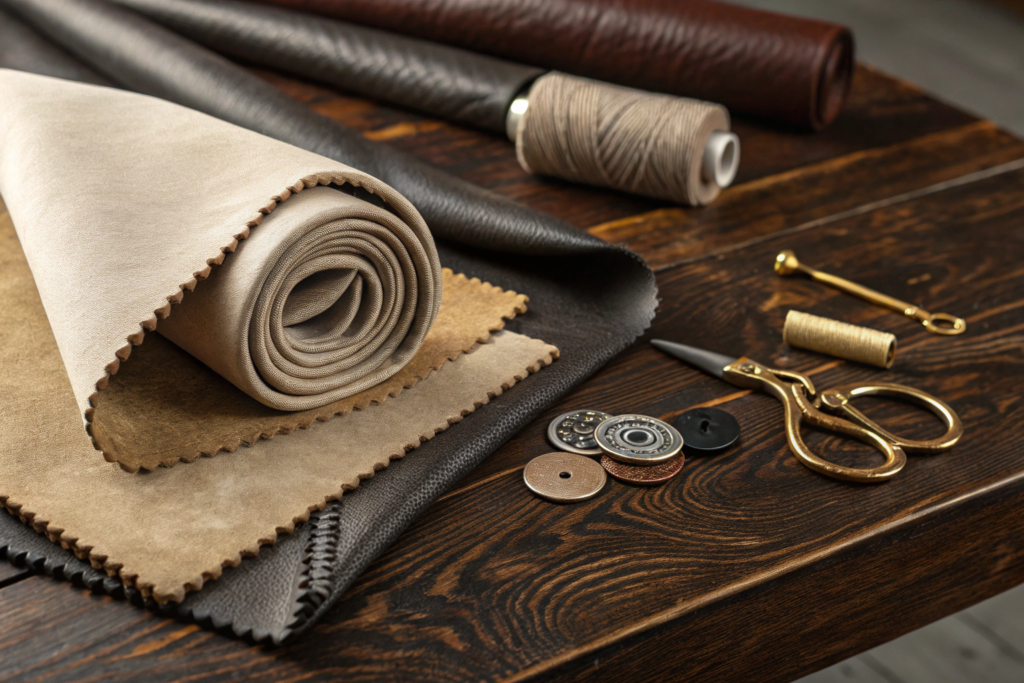
For scarves, luxury means the highest grade of silk, specifically 6A grade mulberry silk, with a high momme weight for a dense, substantial drape. For belts, it means full-grain calfskin or vegetable-tanned leather from the best tanneries in Italy, leather that will develop a beautiful patina over time. For hardware, it means solid brass or zinc alloys with genuine, thick plating in precious metals like 18k gold or palladium. These materials are not cheap, but they are the non-negotiable starting point for a luxury product.
The sourcing process for luxury materials is a world apart from standard production. We don't just order from a catalog. We build relationships with the world's best mills and tanneries. For silk, we work with heritage mills in China's Zhejiang province that have been producing for centuries. They understand the nuances of filament size and weave density. For leather, we have partners in Tuscany who still use traditional vegetable-tanning methods that take weeks, not hours. These relationships give us access to exclusive materials and the ability to customize them. We can request a specific dye color, a unique finish, or a custom weave. This level of control is essential. It means your product cannot be easily copied. It has a unique signature. This commitment to sourcing is a key part of our supply chain management for luxury clients. Our team at Shanghai Fumao Clothing personally visits these suppliers to ensure they meet our strict standards for quality and ethics. You can learn more about luxury material sourcing in industry publications.
What is the difference between "full-grain" and "top-grain" leather, and why does it matter for luxury?
This is a fundamental distinction. Full-grain leather is the top layer of the hide, with the natural grain intact. It includes all the natural markings, making each piece unique. It is the strongest and most durable part of the hide and develops a beautiful patina with age. Top-grain leather has been sanded and buffed to remove imperfections, which makes it thinner and less durable. For luxury, full-grain is the only choice. It is a mark of authenticity and quality that discerning customers recognize and value.
How can I ensure my silk scarves have that signature "luxury drape"?
The drape is determined by the "momme weight" (mm) of the silk. This is a unit of density. Standard silk scarves might be 8-10mm. A luxury scarf will be 12-16mm or even higher. This higher density gives the scarf more body, a richer feel, and a more substantial drape. It falls differently, it ties better, and it simply feels more luxurious in the hand. We always work with you to select the perfect momme weight for your design and desired feel.
What Role Does Bespoke Hardware Play in Defining Luxury?
In mass-market accessories, hardware is often a commodity. A factory has a catalog of standard buckles, clips, and zipper pulls, and the buyer selects one. In luxury, this approach is unacceptable. The hardware is a signature element of the design. It must be original, substantial, and perfectly finished. It is often the first thing a customer notices and touches.
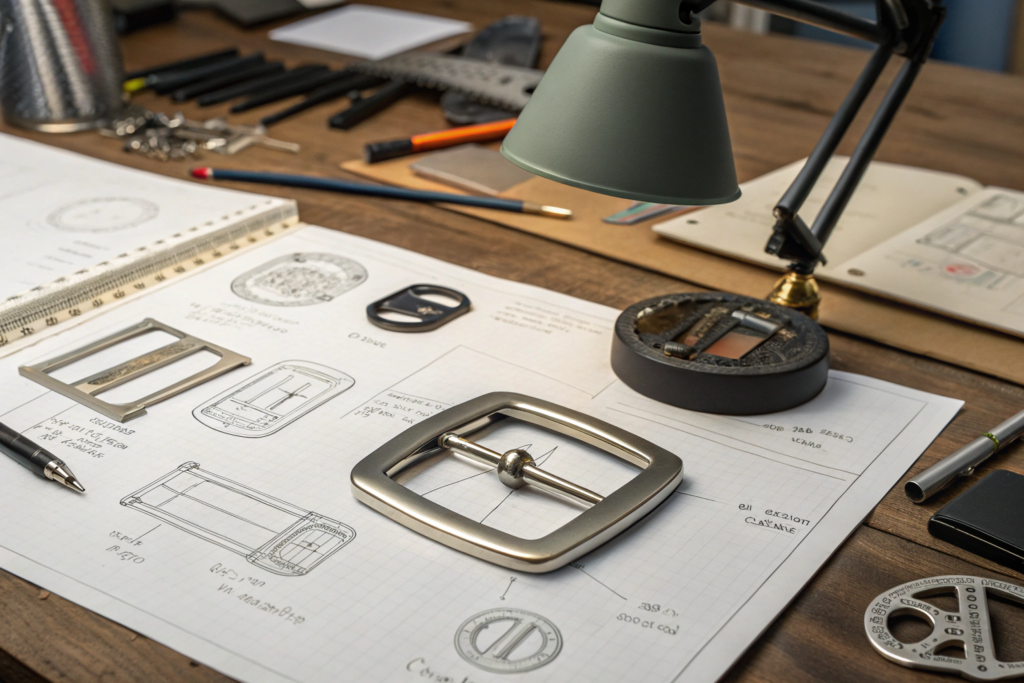
Bespoke, custom-designed hardware is the hallmark of a luxury accessory. This means creating original tooling for a unique buckle design that reflects your brand's aesthetic. It means using solid metals, not hollow castings, for a satisfying weight. It means plating with genuine precious metals to a thickness that will not wear off. And it means hand-polishing and finishing each piece to a mirror-like shine. This process is expensive and time-consuming, but it creates a point of difference that cannot be replicated.
The journey of a bespoke piece of hardware is a fascinating one. It starts with a sketch, which we translate into a 3D computer-aided design (CAD) file. This file is used to create a precise 3D-printed resin prototype. You can hold it, feel its shape, and see it on the product. Once the design is approved, we create hardened steel tooling. This is the most expensive part, but it allows for thousands of identical, high-precision parts. The metal is then cast or stamped, and then begins the finishing process. For a high-polish finish, each piece is often hand-buffed by skilled craftsmen. For a satin finish, it is carefully brushed. Finally, it is plated. The thickness of the plating is critical. Luxury plating is significantly thicker than standard plating, ensuring it will not fade or wear away, even with years of use. This attention to detail is what makes a buckle feel like a piece of jewelry, not just a fastener. You can see examples of [precision metal stamping](https://www.thefabricator.com/ stamping) techniques used in this process. This level of customization is something Shanghai Fumao Clothing excels at, guiding clients from concept to finished hardware.
How much does it cost to create custom tooling for a buckle, and is it worth it?
Creating custom tooling is an investment, typically ranging from a few thousand to over ten thousand dollars depending on the complexity. And it is absolutely worth it for a luxury positioning. This tooling is your intellectual property. It means no other brand can have the same buckle. It becomes a signature element of your products. The cost is amortized over your production run. For a luxury brand with higher price points and a long-term vision, this investment is essential and pays for itself through brand distinction and customer loyalty.
Can you match custom hardware finishes to other metal accents on the product?
Absolutely. Consistency in finishing is a hallmark of luxury. If your bag has a custom buckle and your zipper pull is a different color or finish, it looks cheap. We can coordinate the plating on all metal components, from the main buckle to the smallest rivet, to ensure a perfect match. We can also create custom color matches, such as a specific shade of antique brass or a unique rose gold tone.
Why Are Hand-Finishing Techniques Essential for a Premium Feel?
In a world of mass production, the human touch becomes the ultimate luxury. Machines can make things fast and cheap, but they cannot replicate the eye and the hand of a skilled artisan. The finest details in a luxury accessory are often those that are done by hand, details that most customers will never consciously notice, but will subconsciously feel.
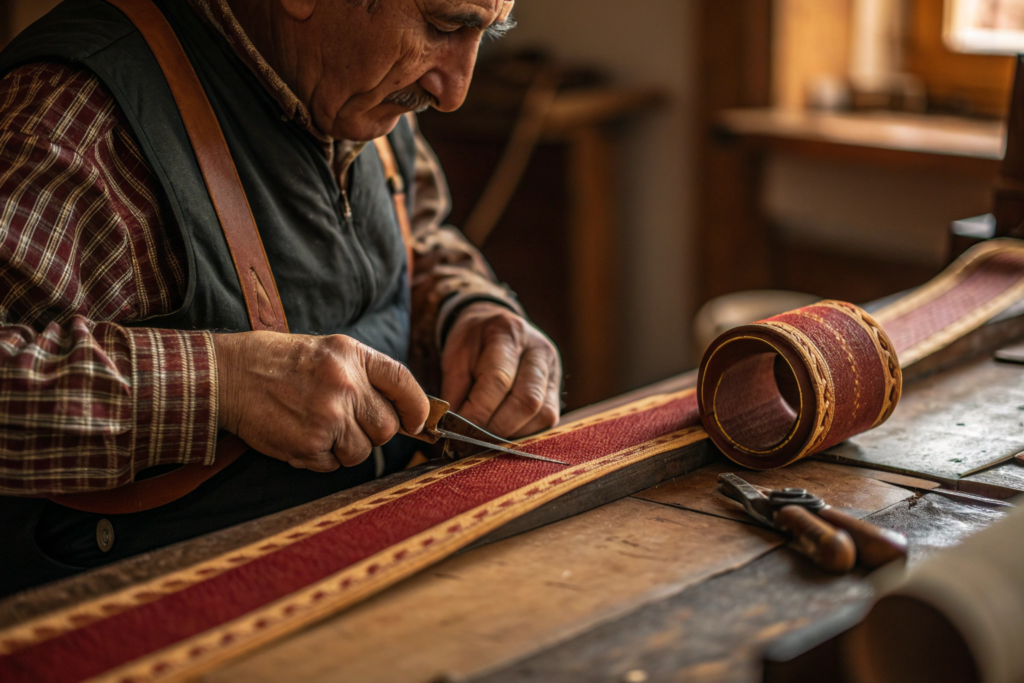
Hand-finishing techniques are what elevate a product from "well-made" to "exceptional." For scarves, this means hand-rolled hems, a technique where each edge is meticulously rolled and stitched by hand, creating a soft, fluid edge that machine-stitched hems cannot match. For leather goods, it means hand-burnished edges, where the raw edges of the leather are slicked and polished to a smooth, glass-like finish. For hardware, it means hand-polishing to achieve a depth of shine that machines cannot produce.
Let me explain the significance of a hand-rolled hem. A standard machine-stitched hem on a scarf is folded over and stitched down. It is functional, but it creates a slightly stiff, visible edge. A hand-rolled hem is completely different. The artisan rolls a tiny portion of the silk edge between their fingers and secures it with nearly invisible stitches. The result is a soft, rounded, almost liquid edge that drapes beautifully and feels incredibly delicate. It is a technique that can take years to master. Similarly, hand-burnishing a leather edge is a process of applying friction and a natural gum to the cut edge of the leather, gradually compressing and polishing it until it is smooth and shiny. It seals the edge and prevents it from fraying, and it looks and feels infinitely more luxurious than a painted edge. These techniques are time-consuming and expensive, but they are the very essence of luxury craftsmanship. They represent a dedication to perfection that discerning customers recognize and value. The philosophy behind this is rooted in the idea of slow manufacturing, where quality and skill are prioritized over speed. At Shanghai Fumao Clothing, we are proud to have artisans with decades of experience who can perform these techniques at the highest level.
How can I tell if a scarf has a true hand-rolled hem versus a machine-made imitation?
It takes a trained eye, but there are clues. A true hand-rolled hem is slightly irregular and organic. The stitches are nearly invisible. A machine imitation is often perfectly uniform and may have a visible, tiny line of stitching. The best test is the feel. A hand-rolled hem is incredibly soft and flexible, while a machine-rolled hem can feel slightly stiff. When you visit our factory, we can show you the difference side-by-side, and the contrast is unmistakable.
Is hand-stitching on leather always better than machine-stitching?
For luxury, often yes, particularly for visible top-stitching. Hand-stitching uses a technique called saddle stitching, where two needles are used with a single thread. This creates a stitch that is incredibly strong; if one thread breaks, the whole seam does not unravel. It also has a beautiful, slightly irregular, handmade look. Machine stitching uses a lockstitch, which can unravel if cut. For high-wear items like belts and bags, saddle stitching is a mark of quality and durability.
How Does Packaging Become Part of the Luxury Experience?
The moment a customer receives a luxury product is a critical moment. It is the first physical interaction they have with your brand after the anticipation of ordering. If that moment is met with a flimsy polybag and a cheap cardboard box, the entire perception of the product inside is diminished. The packaging is not an afterthought; it is an integral part of the product experience.
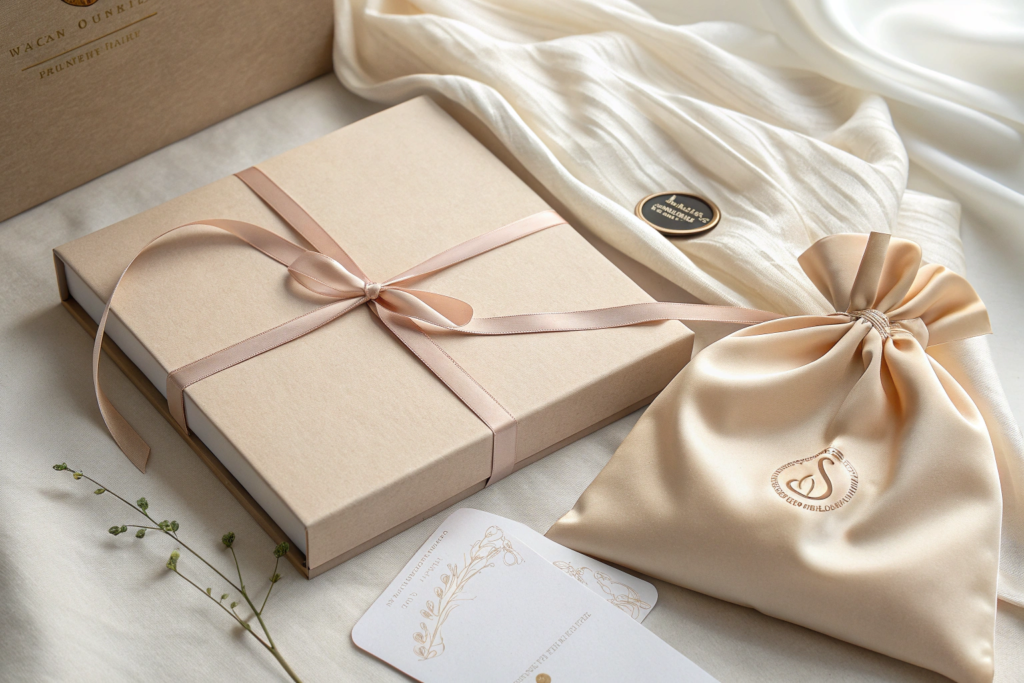
Luxury packaging is designed to create a ritual of unboxing. It starts with a rigid, high-quality outer box in a custom color that matches your brand identity. The product is nestled inside, often wrapped in soft tissue paper or a branded dust bag. Finishing touches like custom-printed ribbons, wax seals, or a personalized thank-you card complete the experience. Every element is designed to feel substantial, beautiful, and respectful of the precious item inside. It turns a transaction into a memorable moment.
The psychology behind luxury packaging is powerful. The anticipation and care involved in opening the package builds emotional connection. It signals to the customer that you value them and that you value your product. This positive emotional state is then transferred to the product itself. A scarf that arrives in a beautiful box feels more special and more valuable than the exact same scarf that arrives in a plastic bag. We work with our clients to develop packaging that is completely custom: from the weight of the cardstock, to the method of printing (letterpress, foiling), to the type of ribbon. We also focus on sustainability, using FSC-certified papers and eco-friendly materials, because today's luxury consumer also expects environmental responsibility. This holistic approach to the product experience is what builds lasting brand love. You can read more about the science of customer unboxing experiences. At Shanghai Fumao Clothing, we can manage the entire packaging development process alongside your product, ensuring a seamless and cohesive brand presentation.
What are the essential elements of luxury scarf packaging?
The essentials are a rigid box (not a folding carton) to protect the scarf and feel substantial. The scarf should be wrapped in acid-free tissue paper to prevent damage. A branded dust bag, often made of soft cotton or microfiber, is also a standard luxury addition, allowing the customer to store the scarf safely. Finally, a ribbon or a custom seal adds a ceremonial touch. The goal is to make the customer feel like they are receiving a precious gift.
Can you create custom packaging with a low minimum order quantity for a small luxury brand?
Yes, we understand that small luxury brands need to start somewhere. While the tooling for a fully custom rigid box has minimums, we have options. We can work with stock luxury boxes that are high-quality but unbranded, and then add custom elements like a branded ribbon, a custom sticker seal, or a printed sleeve. This allows you to achieve a luxurious presentation while you build your volume. As you grow, we can transition to fully custom boxes.
Conclusion
Developing accessories for a luxury brand positioning is a journey of obsession. It is about refusing to compromise on materials, insisting on original design, honoring the skill of human hands, and extending that same care to every aspect of the presentation. It is about creating an object that feels not just made, but crafted. An object that tells a story of quality and care from the first touch to the last.
At Shanghai Fumao Clothing, we have built our reputation on being able to guide brands on this journey. Our factory in Zhejiang is equipped not only with modern machinery but also with the deep craft knowledge and the network of specialist suppliers required for true luxury production. We have the design team to help you refine your vision, the project managers to guide you through every complex step, and the quality control to ensure every detail meets the highest standard.
Are you ready to take your brand from good to extraordinary? Let's have that conversation. Contact our Business Director, Elaine, at elaine@fumaoclothing.com to begin developing your luxury collection.