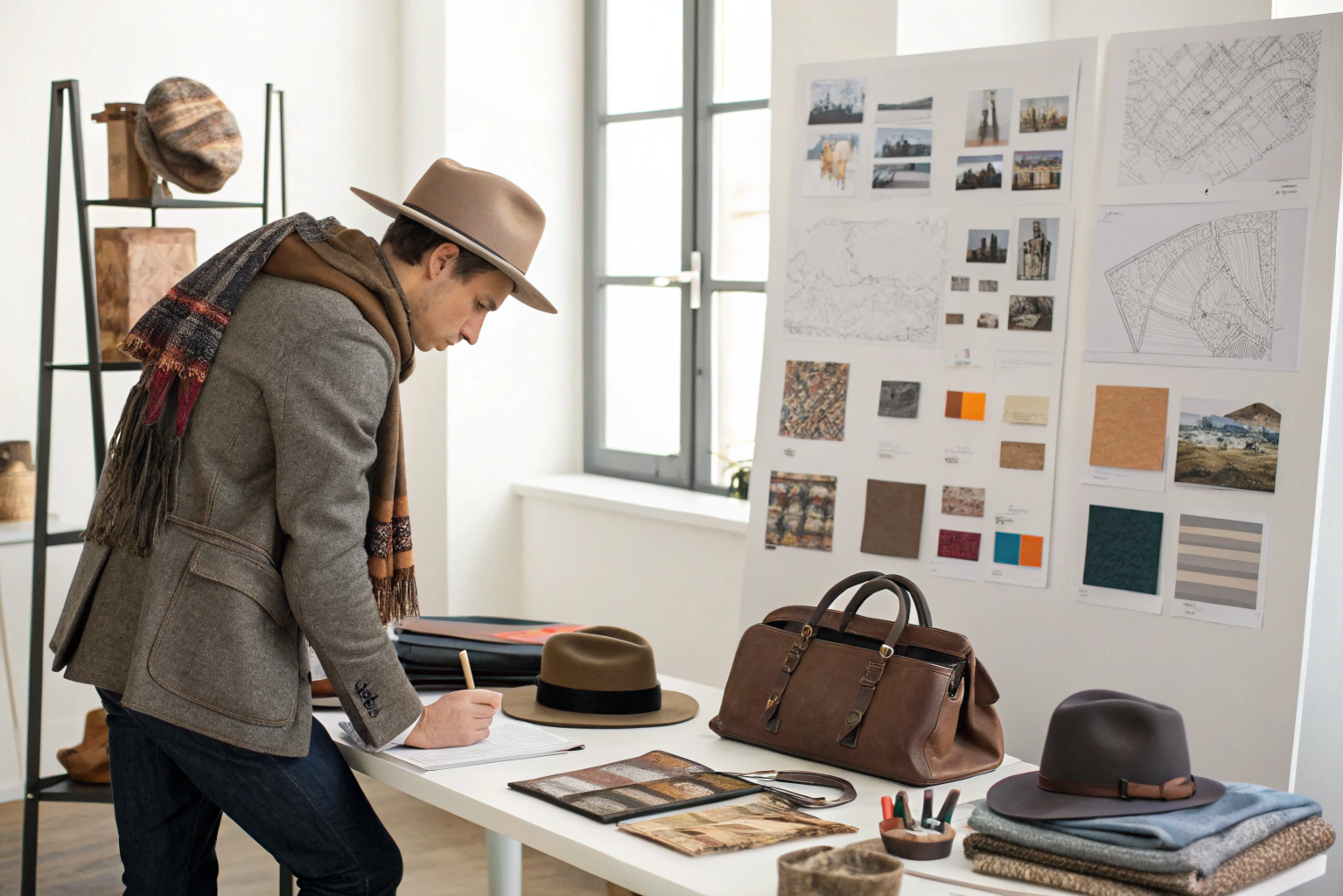
I remember a conversation with a clothing designer who was preparing for her biggest lookbook shoot yet. She had spent months perfecting her apparel line—the silhouettes, the fabrics, the colors. It was beautiful. But a week before the shoot, she panicked. "I have nothing to finish the looks," she told me. "I have dresses and tops and pants, but no bags, no belts, no scarves. The outfits feel incomplete. I need accessories, but I don't have time to design a whole new line. What do I do?" Her problem is a common one. Accessories are often treated as an afterthought, but they are actually the key to making a collection feel complete, cohesive, and professionally styled.
Developing a cohesive accessory collection for a clothing brand's lookbook requires a strategic approach that ties the accessories directly to the apparel's core themes, colors, and design language. The key steps are: starting with the same inspiration and mood board as the clothing line; selecting a focused color palette that complements and extends the apparel's colors; choosing accessory silhouettes that harmonize with the clothing's overall aesthetic (e.g., minimalist, bohemian, edgy); and creating a balanced edit that includes both statement pieces and everyday essentials. At Shanghai Fumao Clothing, we specialize in helping brands develop these cohesive collections, ensuring their lookbook tells a complete and compelling story.
That designer learned a valuable lesson. A lookbook is not just about showing individual garments; it's about presenting a complete vision, a lifestyle, a story. And accessories are the details that bring that story to life. They are the punctuation marks that complete the sentence. Developing a cohesive accessory collection doesn't have to be a massive, separate project. It can be a natural extension of the work you've already done. Let me walk you through the four essential steps to creating accessories that will make your lookbook truly shine.
How Do You Start with the Same Inspiration and Mood Board?
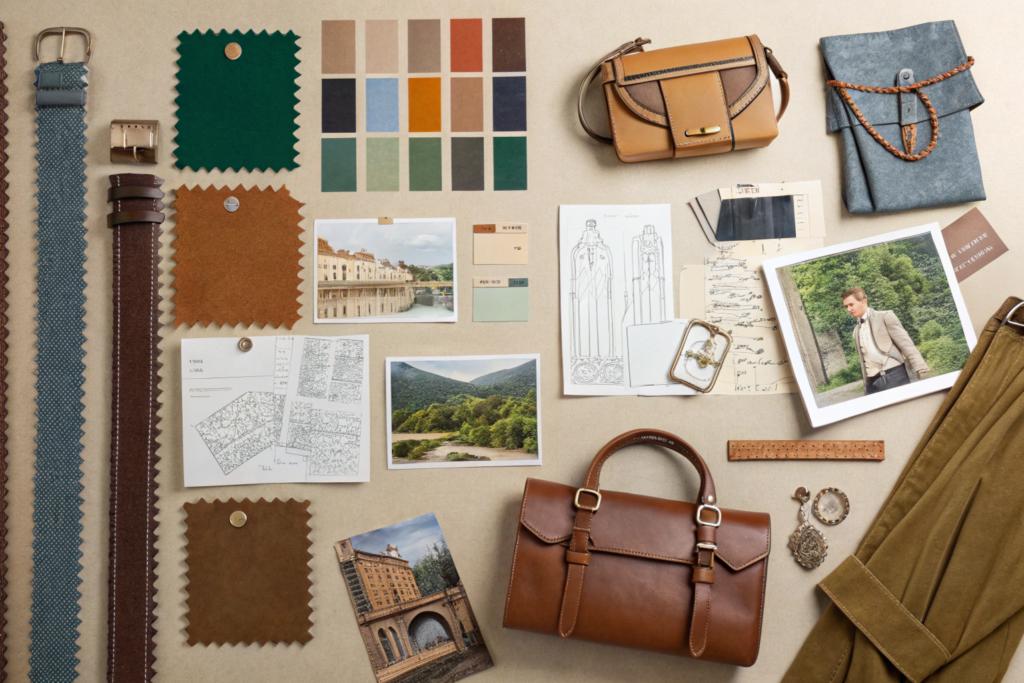
The single most important principle in developing a cohesive accessory collection is to start from the same place as your clothing line. Your accessories should not feel like an afterthought, tacked on at the end. They should feel like they were born from the same creative spark, the same inspiration, the same vision. This means going back to your original mood board and asking, "What accessories live in this world?"
Your mood board is the visual foundation of your entire collection. It contains the colors, textures, themes, and overall aesthetic that define your clothing line. To develop cohesive accessories, you must immerse yourself in this same world. Look at the images on your board. What kind of bags would the woman in that photograph carry? What belts would complement those silhouettes? What scarves would add that perfect finishing touch? The accessories should feel like a natural, inevitable part of the world you've already created. They should share the same "DNA"—the same color palette, the same textures, the same overall mood.
This process of "mining" your mood board for accessory ideas is incredibly creative and rewarding. If your clothing is inspired by 1970s bohemia, your accessories might include fringed bags, woven belts, and printed scarves. If your clothing is minimalist and architectural, your accessories might be sleek, geometric bags and simple, structured belts. If your clothing is inspired by the textures of a forest, your accessories might feature wooden beads, leafy prints, and earthy tones. The key is to find the visual threads that connect everything. This ensures that when a stylist puts together a look for your lookbook, every element feels like it belongs together. This is a core principle of collection development and brand storytelling. At Shanghai Fumao Clothing, we often ask our clients to share their mood boards with us. This allows us to truly understand their vision and propose accessory designs that are a perfect fit.
What if my clothing line doesn't have a strong, singular theme?
Even the most eclectic collections, brimming with unexpected pairings and diverse influences, possess unifying elements that weave them into a cohesive tapestry—a dominant color story that echoes through each piece like a whispered melody, a signature fabric choice that feels both luxurious and intentional, or a recurring silhouette that anchors the collection in a sense of familiarity. Focus on these threads; they are the invisible glue that binds the chaos into harmony. If your collection is a vibrant mosaic of different inspirations—perhaps a dash of bohemian whimsy, a touch of minimalist modernity, and a hint of retro nostalgia—you might create two or three smaller, focused accessory groupings, each a microcosm that speaks to a distinct part of the line.
Imagine a cluster of delicate, beaded earrings and a woven clutch that exude bohemian charm, sitting beside a sleek leather belt and geometric cuff that embody minimalist cool, and then a vintage-inspired brooch and silk scarf that whisper of bygone eras. The goal remains steadfast: cohesion within each look. Each grouping should feel like a self-contained world, where every accessory—from the smallest hairpin to the boldest statement necklace—works in concert to amplify the core inspiration, creating a symphony of style that is both surprising and deeply satisfying to the eye and spirit.
How detailed should my accessory mood board be?
The design brief should be richly detailed to steer creative and technical decisions, evoking a vivid visual narrative. Include color swatches that capture the essence of the mood: perhaps a soft, warm terracotta for earthy warmth, a deep indigo for depth and sophistication, and a crisp ivory for clean contrast. Visualize accessory silhouettes that resonate with the intended aesthetic—think a sleek, minimalist leather crossbody bag with structured lines and a polished brass hardware accent, its silhouette elongated and modern.
For fabric inspiration, consider supple Italian vegetable-tanned leather in a smooth, matte finish, paired with a lightweight, breathable linen blend in a subtle herringbone pattern for texture.
How Do You Select a Color Palette That Complements and Extends?
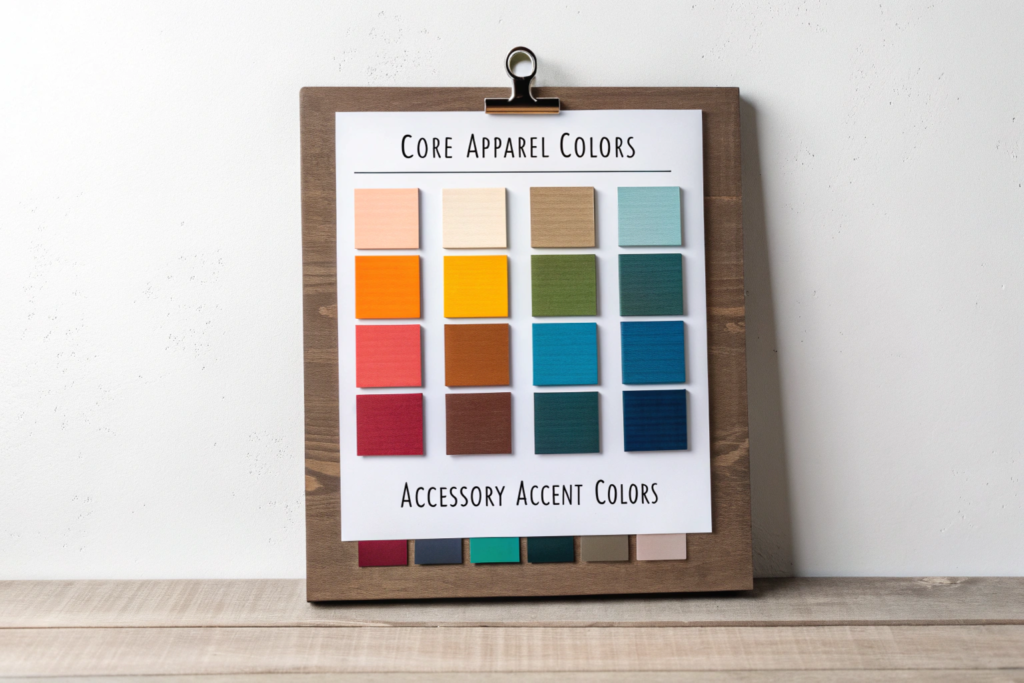
Your clothing line already has a color palette. Your accessories must work with that palette. They can match it exactly for a seamless, tonal look. They can complement it with analogous shades for a richer, more layered feel. Or they can provide a carefully chosen pop of contrast to add excitement. The key is intentionality. The color relationship between your clothes and your accessories is a powerful design tool.
Start by identifying your core apparel colors. These are the dominant shades in your clothing line. For your accessories, you have several strategic options. Option 1: Match. Use accessories in your core colors to create a sleek, monochromatic look. A bag in the exact same shade as a dress feels incredibly polished. Option 2: Complement. Use accessories in analogous colors (colors next to each other on the color wheel) to add depth and richness. A rust-colored scarf with a terracotta dress is a beautiful, harmonious combination. Option 3: Accent. Use accessories in a carefully chosen contrasting color to create a focal point. A bright cobalt blue bag with an all-neutral outfit makes a powerful statement. The key is to have a clear strategy and to ensure the colors you choose for accessories feel intentional, not random.
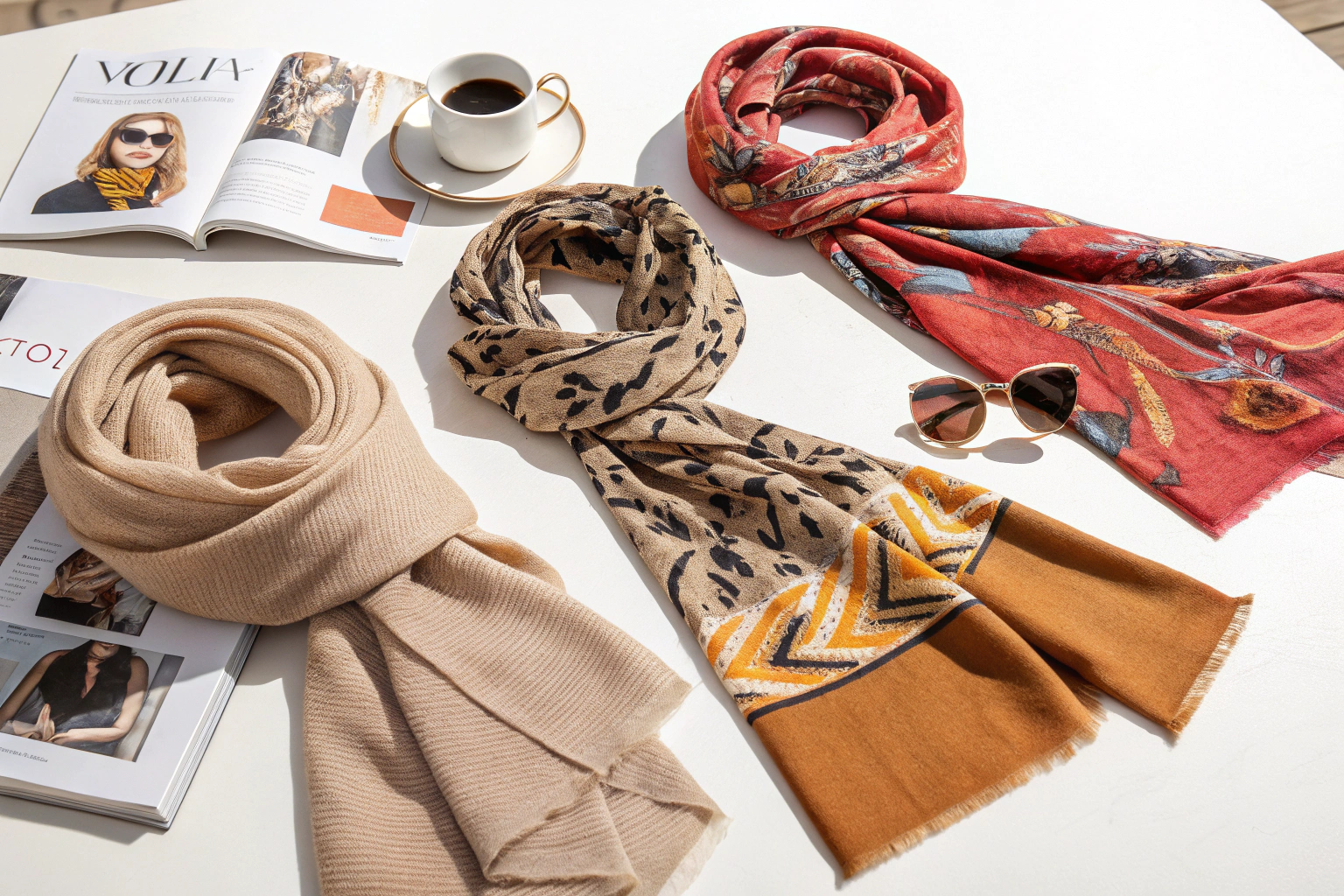
A well-thought-out color strategy for accessories can also extend the life and versatility of your clothing line. If you offer a core dress in black, and then offer accessories in camel, burgundy, and leopard print, you've just given your customer multiple ways to style that same dress. You've increased the perceived value of both the dress and the accessories. This is a powerful merchandising strategy. The color palette for your accessories should also consider the season and the overall mood of your collection. For a spring collection, your accessory accents might be soft pastels. For autumn, they might be rich, earthy jewel tones. This attention to color is a fundamental aspect of fashion merchandising and collection planning. At Shanghai Fumao Clothing, we can produce accessories in virtually any color, and we work with our clients to develop a color story that perfectly complements their apparel.
Should all my accessories be in the same color palette?
Not necessarily. A cohesive collection can indeed embrace a vibrant spectrum of hues, provided each shade weaves seamlessly into a clear, intentional color story that feels purposeful and harmonious. Imagine a wardrobe where the foundation is a core ensemble of accessories—perhaps soft, buttery leather belts in warm beige, delicate silver cuffs with a matte finish, and silk scarves in muted taupe and charcoal gray—these neutrals serve as the calm, grounding backdrop, like the quiet hum of a well-tuned instrument.
What are the best neutral colors for accessories?
Classic neutrals that work with almost any wardrobe include: deep, velvety black that absorbs light and adds sophistication, crisp, bright white that reflects and freshens any ensemble, rich navy blue that evokes calm and timeless elegance, warm camel that brings a touch of earthy comfort and versatility, soft grey that offers understated refinement and pairs effortlessly, and muted olive that adds a subtle, nature-inspired depth. These are foundational colors that provide maximum versatility, seamlessly blending into both casual and formal settings, day and night, creating a cohesive and polished look with minimal effort.
How Do You Choose Accessory Silhouettes That Harmonize with Your Clothing?
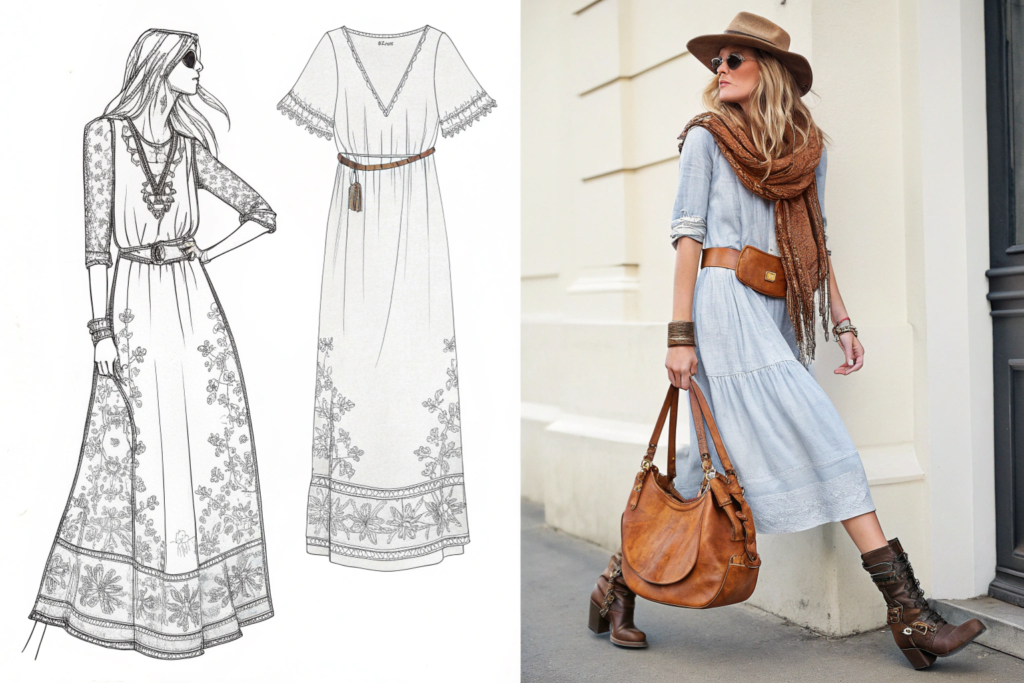
The silhouette of your accessories—the shape of a bag, the width of a belt, the drape of a scarf—should speak the same visual language as your clothing. A collection of sharp, tailored blazers calls for structured, geometric bags and slim belts. A collection of flowing, romantic dresses calls for softer, more organic shapes—slouchy bags, draped scarves, curved belts. The silhouette is a key part of the overall aesthetic harmony.
Analyze the dominant silhouettes in your clothing line. Are they structured and tailored? Relaxed and oversized? Flowing and romantic? Edgy and sharp? Your accessory silhouettes should echo these qualities. If your clothes are minimalist and architectural, your accessories should be, too. Think clean lines, geometric shapes, structured bags, and simple, unadorned belts. If your clothes are bohemian and free-spirited, your accessories should follow suit. Think slouchy, unstructured bags, tassels, fringed scarves, and organic, curved shapes in your jewelry and belts. This visual consistency is what makes a collection feel intentional and cohesive.
The relationship between silhouette also applies to scale. If your clothing collection features oversized, voluminous silhouettes, your accessories can play with that scale. A giant, chunky scarf or an oversized tote bag can be a perfect complement. If your collection is more fitted and delicate, smaller, more refined accessories might be the right choice. The key is to create a visual dialogue between the clothes and the accessories. They should feel like they are in conversation with each other, not like they are from different planets. This principle of design harmony and proportion is essential for creating a successful lookbook. At Shanghai Fumao Clothing, we can produce accessories in a vast range of silhouettes, from the most structured to the most organic, allowing us to match any clothing aesthetic.
Can I mix different accessory silhouettes in one collection?
Yes, absolutely. A well-rounded collection will have a mix, each piece a distinct character yet bound by an unspoken harmony. You might have a structured tote, its sleek leather panels and polished brass hardware exuding sophistication, perfect for carrying a laptop and a stack of notebooks with a polished, put-together look. Then, a slouchy hobo bag, its soft suede or canvas body draped casually over one arm, whispering of weekend strolls through cobblestone streets and lazy afternoons at the café, embodying a relaxed, effortless vibe.
What if my clothing line has a mix of silhouettes?
That's absolutely perfect! A collection can indeed breathe with a spectrum of moods, each whispering its own story. Imagine one cluster of looks that exudes sharp precision—tailored silhouettes hugging the form, crisp lines that command attention, and fabrics that stand tall like quiet authority. Then, contrast that with another group that wraps around you like a warm embrace—flowing drapes, soft folds, and textures that invite touch, as if crafted from the gentlest sighs of the wind.
How Do You Create a Balanced Edit of Statement and Essential Pieces?
A successful accessory collection, like a successful clothing collection, needs balance. It needs pieces that will catch the eye and generate excitement—the statement pieces. And it needs pieces that will be the workhorses, the everyday essentials that customers will reach for again and again. A well-edited collection has a healthy mix of both, ensuring there is something for every customer and every occasion.
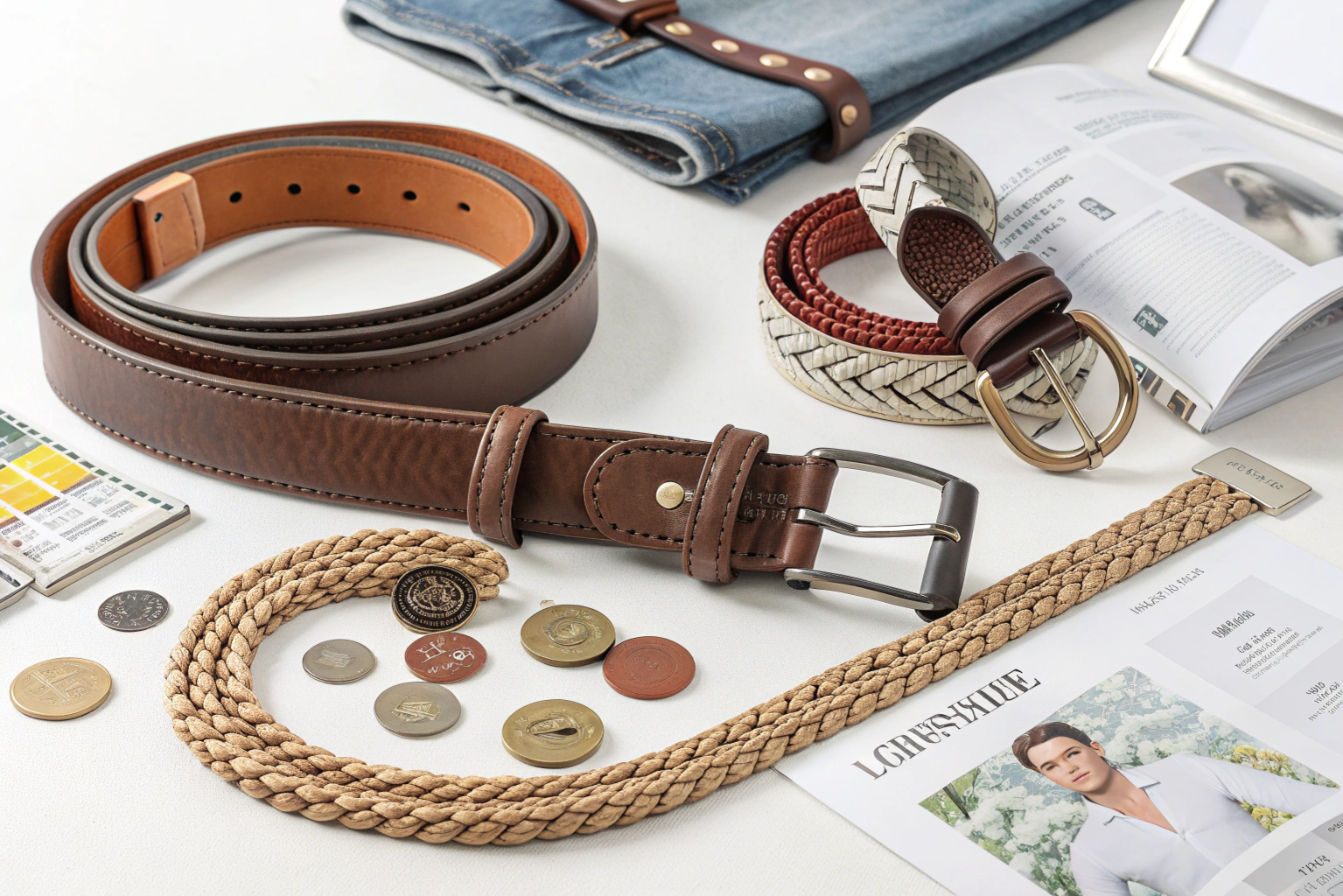
Statement pieces are the stars of your collection. They are the bold bags, the wide belts with unique buckles, the dramatically printed scarves. They are designed to be noticed, to add a wow factor to an outfit, and to create visual interest in your lookbook. They are often what will be featured in editorial shots. Essential pieces are the foundational items. They are the classic leather belt in brown and black, the simple cotton scarf in neutral colors, the well-made tote bag in a versatile shade. These are the pieces that customers will buy to wear every day, and they are the items that will provide a stable foundation for your sales. A successful collection needs both. The statement pieces create desire and excitement. The essential pieces build a loyal customer base.
The ratio of statement to essential pieces will depend on your brand and your goals. A high-fashion, trend-driven brand might have more statement pieces. A heritage, classic brand might focus more on essentials. But for most brands, a healthy balance is key. Think of the 80/20 rule: 80% of your collection might be versatile, sellable essentials, and 20% might be bolder, more fashion-forward statement pieces that generate buzz and define your brand's aesthetic. Your lookbook is the perfect place to showcase both. You can have full-body shots where the statement accessory is the focal point, and you can have detail shots that highlight the quality and craftsmanship of the essential pieces. This balanced approach ensures your collection appeals to a wide range of customers and has depth and longevity. This is a core principle of retail buying and assortment planning. At Shanghai Fumao Clothing, we help our clients develop collections with this perfect balance, ensuring they have both the exciting, editorial-worthy pieces and the reliable, everyday bestsellers.
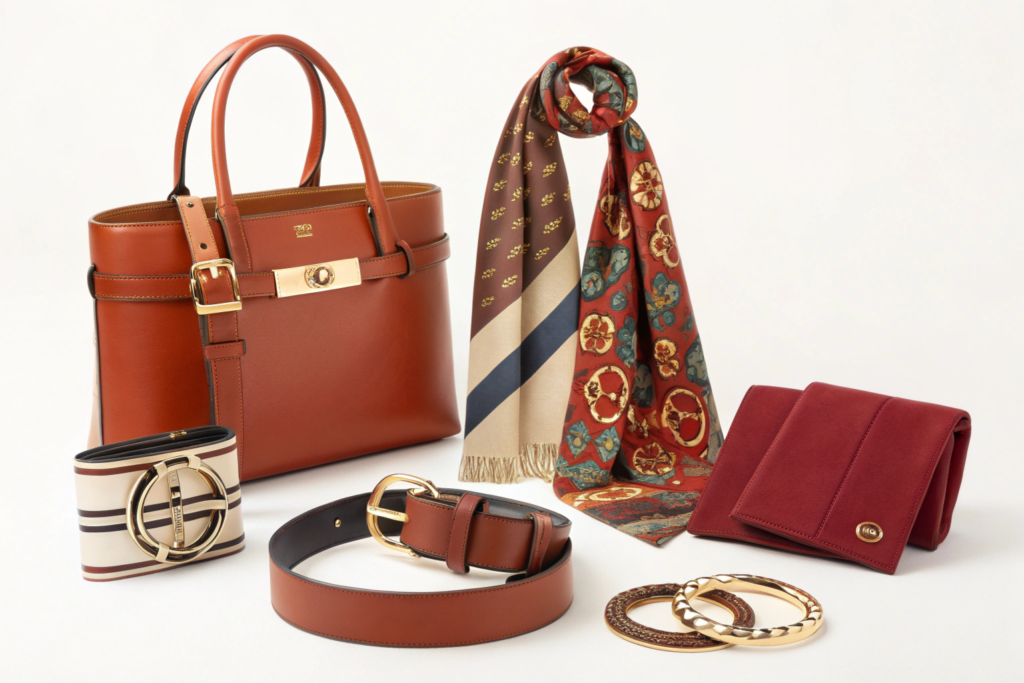
How do I know if a piece is a "statement" or an "essential"?
A statement piece is often bolder in color, larger in scale, more unique in design, or made from a more unusual material. It's designed to be noticed. An essential piece is more classic, versatile, and often in a neutral color. It's designed to be worn with many things. A simple black leather belt is an essential. A wide, red leather belt with a sculptural gold buckle is a statement.
Should I include more essentials or more statements in my first lookbook?
For a new brand, a focus on well-designed, high-quality essentials can be a very strong strategy. Imagine the quiet confidence of a perfectly tailored cotton t-shirt, its fabric soft against the skin, seams so fine they vanish into the weave, and a fit that feels like a second skin—this is the foundation upon which trust is built. It whispers to customers, 'We understand the basics; we know what makes everyday wear feel special.' You can then introduce a few carefully chosen statement pieces, each a bold brushstroke of creativity and a clear point of view. Picture a coat with hand-stitched leather accents, its silhouette sculpted to flatter, or a dress in a rich, unexpected hue that turns heads yet remains wearable.
Conclusion
Developing a cohesive accessory collection for your clothing brand's lookbook is not about starting from scratch. It's about extending the world you've already created. It's about going back to your original inspiration, your color palette, and your design language, and asking, "What accessories live here?" It's about choosing shapes and silhouettes that harmonize with your clothes. And it's about curating a balanced edit that has both the excitement of statement pieces and the reliability of everyday essentials. The result is a lookbook that tells a complete, compelling, and professional story.
At Shanghai Fumao Clothing, we are your partners in this creative process. We can help you translate your vision into beautiful, well-made accessories that perfectly complement your clothing line. We work with you from mood board to finished product, ensuring your lookbook has the cohesive, polished finish it deserves.
Are you ready to create accessories that will make your next lookbook truly unforgettable? Let's start building your collection together. Contact our Business Director, Elaine, at elaine@fumaoclothing.com to start the conversation.