As a brand owner or designer like Ron, you know that trying to be everything to everyone is a surefire path to failure. The most successful brands don't just sell products; they sell a point of view to a specific group of people who share common values, aspirations, and aesthetics. You've identified a target demographic you want to capture, but you're facing the big question: How do you move from a vague idea of who they are to designing a full collection that they will find irresistible? How do you ensure your products speak their language?
To design a collection for a specific demographic, you must go beyond surface-level assumptions and develop a deep, empathetic understanding of their world. The process involves creating a detailed "Customer Persona," analyzing their lifestyle to inform functional needs, researching their aesthetic preferences to guide the visual design, and ensuring your brand's story and values resonate with their own. A successful collection is a direct reflection of the target customer's life and aspirations.
I'm the owner of Shanghai Fumao Clothing, and in my years of manufacturing for successful brands, I've seen one consistent pattern: the brands that win are the ones who are obsessed with their specific customer. They don't just guess; they research, they listen, and they build a detailed picture of the person they are designing for. This deep understanding is the blueprint for every decision they make, from the choice of material to the color of a buckle. Let's break down the strategic process for designing a collection that your target demographic will feel was made just for them.
How Do You Create a Detailed Customer Persona?
You have a general idea of your target customer—for example, "young urban professionals." But this is too broad. Is this professional a 25-year-old male tech developer in Austin or a 35-year-old female lawyer in New York? Their lives, needs, and tastes are completely different. You need to get specific to the point where you feel like you know this person intimately.
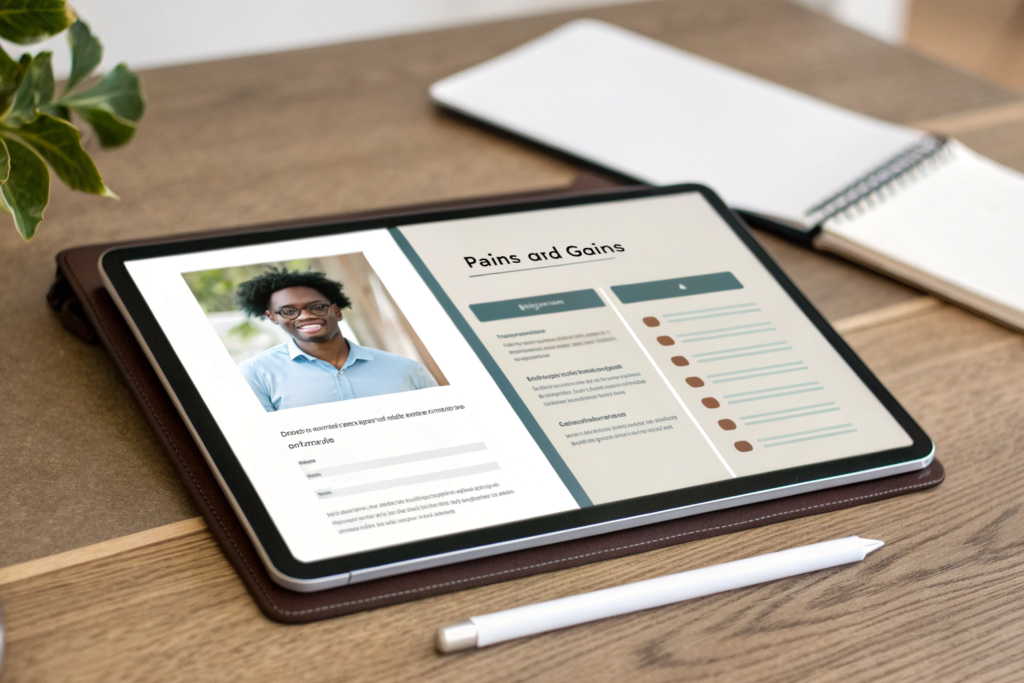
The foundational step is to create a detailed "Customer Persona," a semi-fictional character who represents your ideal customer. This persona should have a name, an age, a job, hobbies, and a backstory. Most importantly, it must detail their specific goals, motivations, and pain points as they relate to the products you are designing. This persona becomes the "true north" for all your design decisions.
A strong persona goes deep. Let's build one for a hypothetical brand targeting sustainable-minded millennials:
- Name: "Sustainable Sarah"
- Age: 32
- Occupation: Graphic Designer at a mission-driven tech company.
- Lifestyle: Lives in a city like Portland, commutes by bike, enjoys farmers' markets, hiking on weekends, and values experiences over possessions.
- Pain Points: Hates fast fashion, struggles to find accessories that are both stylish and ethically made, gets frustrated by a lack of transparency from brands.
- Goals: Wants to build a "capsule wardrobe" of high-quality, versatile pieces that will last for years. Wants to support brands that share her values.
Now, when you design a handbag, you're not designing for a vague group; you're designing for Sarah.
Where do you get the information for a persona?
You get it from research, not imagination. Analyze your existing customer data, run surveys, and conduct interviews. Study the social media accounts of people who fit your target profile—what brands do they follow? What influencers do they trust? What language do they use? Market research firms like Nielsen provide extensive data on consumer segments that can also be a valuable resource.
How many personas should I have?
Start with one, incredibly detailed primary persona—a living, breathing archetype that pulses at the core of your brand's identity, a mirror held up to the soul of your target market. This persona is not a vague sketch but a vivid tapestry woven from specific details: their name, perhaps (though it may remain unspoken, a placeholder for the countless individuals they represent), their age, their daily rhythms, the way they move through the world, and the quiet longings that drive them.
How Does Lifestyle Inform Functional Design?
You have your persona, "Sustainable Sarah." You know she bikes to work and loves the farmers' market. How does this specific information translate into actual product design? This is where you move from who she is to what she needs.
You must meticulously analyze your persona's daily life and activities to determine the functional requirements of your collection. The goal is to design products that seamlessly solve the real-world problems your customer faces. Functionality born from lifestyle analysis is what creates a product that feels indispensable, not just decorative.
Let's design a bag for Sarah:
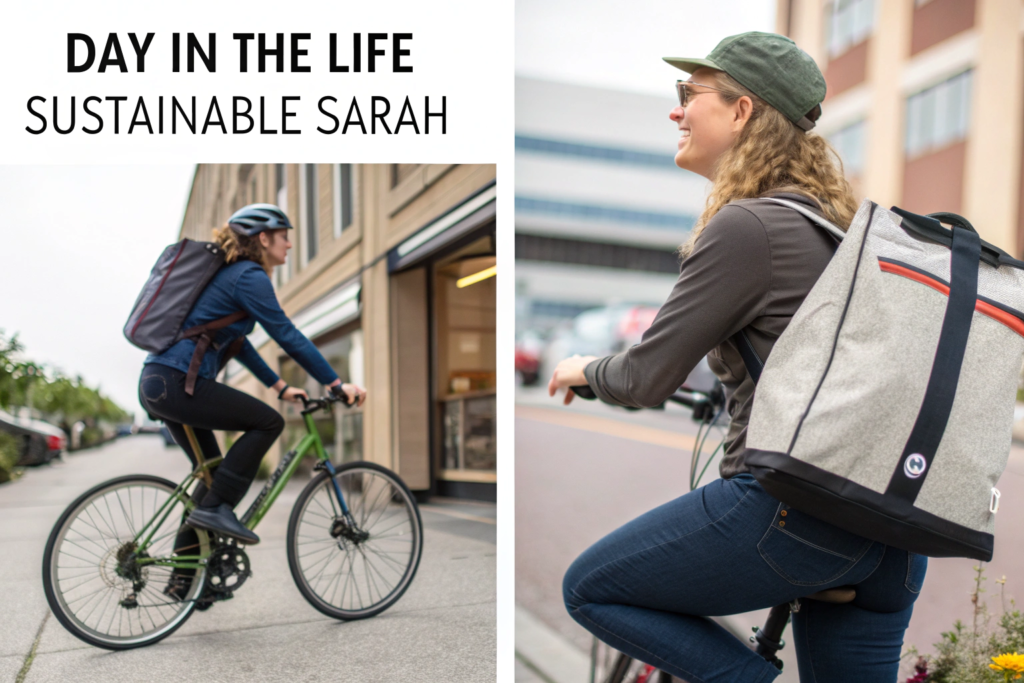
- Her Commute: She bikes to work. This means a standard tote bag is impractical. She needs a stylish backpack or a convertible tote-to-backpack. It must have a secure closure and a padded compartment for her laptop.
- Her Weekends: She goes to farmers' markets. She needs a bag that is lightweight but strong enough to hold produce. An interior pocket for her keys and phone would be useful.
- Her Values: She values sustainability. The bag should be made from durable, eco-friendly materials like recycled canvas or organic cotton.
By designing for her life, you create a product that she will not only desire but will actively use every day. This is how you create a customer favorite.
How do I map out their lifestyle?
Create a "Day in the Life" or "Week in the Life" scenario for your persona. Write it out. What do they do from the moment they wake up to when they go to sleep? Where do they go? How do they get there? What do they carry with them? This narrative exercise will reveal dozens of opportunities for functional, problem-solving design.
What if my product is purely decorative?
Even a decorative accessory has a functional context. For example, if you're designing evening wear accessories for a "Gala Grace" persona, you need to consider that she will be holding a drink, shaking hands, and likely carrying a smartphone. This means a clutch must be easy to hold or have a discreet wristlet, and it must be large enough for her phone. There is no such thing as a product without a functional context.
How Do You Define the Demographic's Aesthetic?
You know what Sarah needs. Now, what does she find beautiful? You know she dislikes fast fashion, but what does she love? Is her style minimalist, bohemian, or classic? Choosing the wrong aesthetic is like speaking to her in a foreign language.
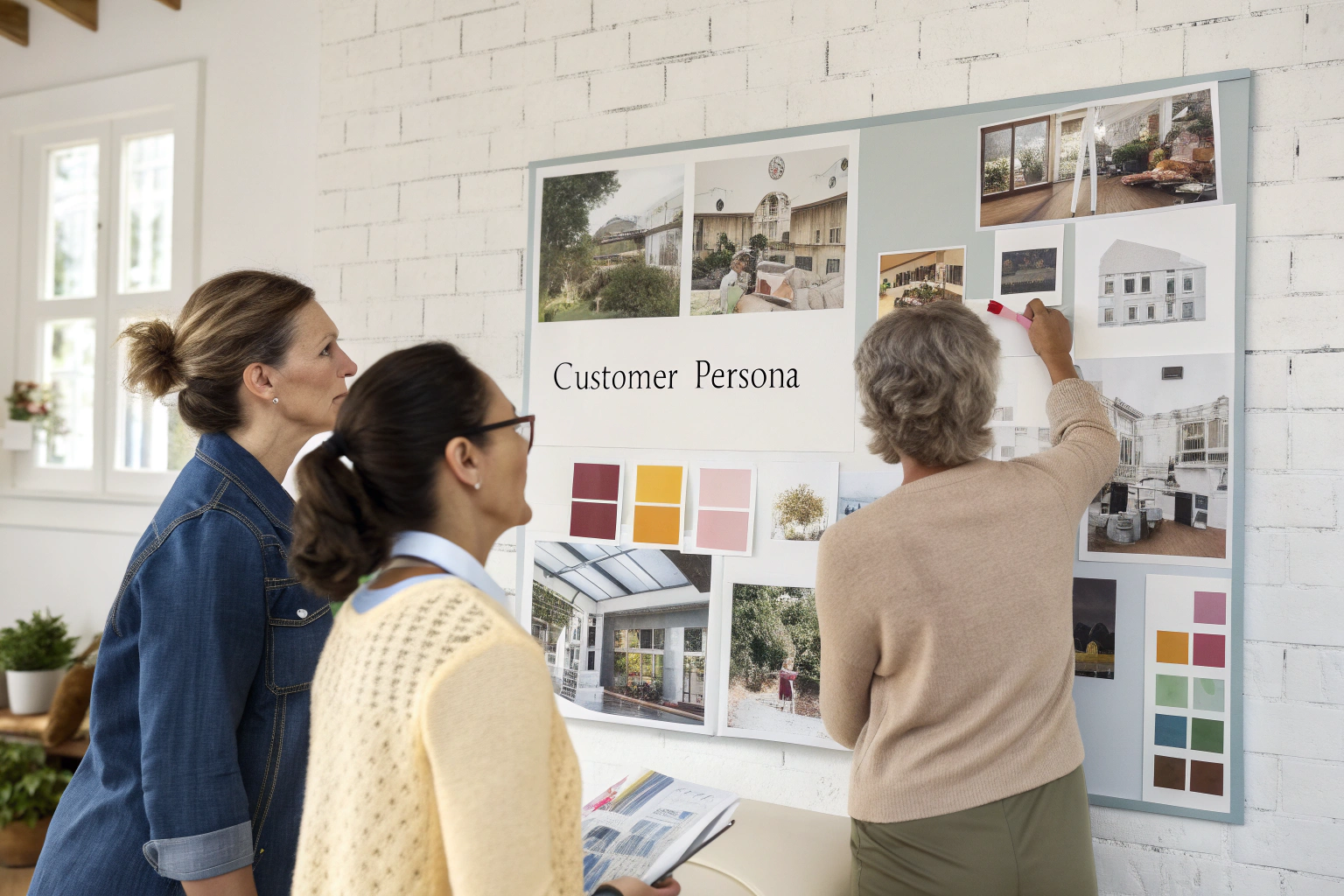
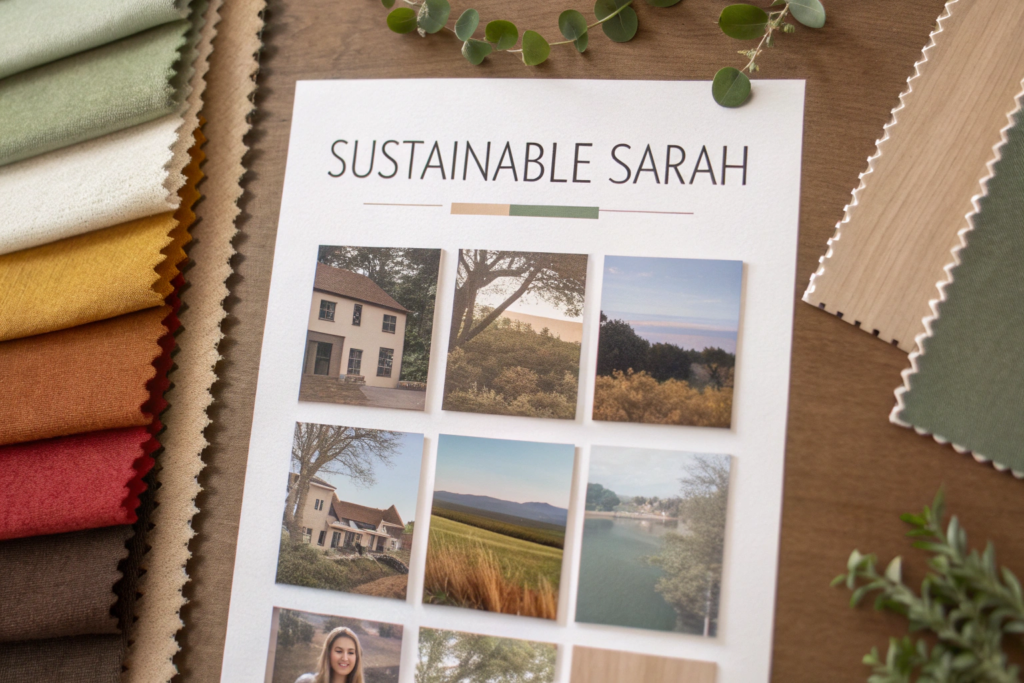
You must define your demographic's specific aesthetic preferences by creating a detailed mood board and a set of design principles. This involves researching the brands they already love, the art and design they are drawn to, and the overall "vibe" of their world. This visual research is then translated into a concrete guide for color, silhouette, material, and hardware.
Let's define the aesthetic for "Sustainable Sarah":
- Color Palette: She avoids fleeting, trendy colors. Her palette is inspired by nature: earthy greens, warm ochre, soft blues, and timeless neutrals like oat milk and charcoal.
- Materials & Textures: She loves authentic, tactile materials. Think organic cotton canvas, textured linen, vegetable-tanned leather accents, and soft merino wool.
- Silhouettes: She prefers clean, functional, and timeless shapes over overly complex or trendy designs. Her style is minimalist but with a touch of warmth and craft.
- Hardware: She would dislike shiny, loud hardware. She would prefer understated, matte finishes in antique brass or gunmetal.
This aesthetic guide ensures that every product in the collection feels like it belongs in her world.
How do I research aesthetics?
Go back to your persona's social media. What fashion influencers do they follow? What interior design accounts do they like? The aesthetic of someone's home is often a huge clue to their fashion sense. Use platforms like Pinterest to create a visual board for your persona. Collect images of clothing, accessories, art, architecture, and nature that feel true to them. Soon, a clear pattern will emerge.
What are "design principles"?
These are a few simple rules that guide your design choices. For Sarah, the principles might be:
- Honest Materials: Showcase the natural beauty of the materials.
- Function First: Every design element must have a purpose.
- Timeless over Trendy: Design for longevity, not for a single season.
These principles keep your collection focused and consistent.
How Do You Align Your Brand Story with Their Values?
You've designed a beautiful, functional collection that perfectly matches Sarah's life and style. But one final, crucial piece is missing. Why should she buy it from you? In a crowded market, the "why" is often more important than the "what."
Your brand's story, mission, and values must align with the core values of your target demographic. This is especially true for value-driven consumers. You must communicate your "why" at every single touchpoint—from your website's "About Us" page to your product packaging to your social media content. This alignment is what transforms a customer into a loyal brand advocate.
For "Sustainable Sarah," a brand's values are a primary purchase driver.
- Your Story: Your "About Us" page should tell the story of why you started the brand and your commitment to ethical and sustainable practices.
- Transparency: Be transparent about your supply chain. A partner like Shanghai Fumao Clothing can provide the documentation and certifications to back up your claims.
- Your Content: Your blog and social media should feature content that Sarah cares about—articles on mending clothes, spotlights on sustainable materials, or partnerships with environmental non-profits.
When Sarah sees that your brand not only understands her style but also shares her worldview, the purchase decision becomes easy. She's not just buying a bag; she's joining a community and supporting a mission she believes in.
How do I tell my story without it sounding like a marketing gimmick?
Authenticity is key. Be honest and specific. Instead of saying 'we're sustainable,' say 'we use 100% GOTS-certified organic cotton, grown without harmful pesticides under the golden sun of rural India, where farmers tend to their fields with weathered hands and a deep respect for the land, and our products are made in a factory nestled in a quiet village, where workers laugh as they thread needles and operate looms, and where fair wages ensure every stitch is stitched with dignity, not just speed.'
Use real photos of your process and your people—capture the soft glow of morning light on a farmer’s face as they harvest cotton bolls, the steam rising from a dye vat infused with natural indigo, the calloused fingers of a seamstress carefully pressing a garment, her eyes crinkling with pride as she holds up a finished piece.
Does this apply to all demographics?
Yes, though the specific values may change. A demographic focused on high fashion might value exclusivity, innovation, and a connection to runway trends. A demographic focused on outdoor adventure might value ruggedness, reliability, and a brand that supports conservation. The key is to identify what your specific demographic values and ensure your brand story aligns with it.
Conclusion
Designing a successful collection for a specific demographic is a deep, empathetic, and strategic process. It begins with a laser-focused understanding of a single individual—your customer persona. By analyzing their life to create functional products, defining their aesthetic to create beautiful ones, and aligning your brand story with their personal values, you can create a collection that resonates on every level. This is how you move beyond simply selling accessories and start building a powerful, beloved brand with a loyal, dedicated following.
At Shanghai Fumao Clothing, we are more than just a manufacturer; we are a strategic partner. We can help you translate your deep understanding of your customer into a beautifully crafted, high-quality collection. We have the expertise to source the right materials, execute the right details, and provide the transparency you need to tell an authentic brand story. If you are ready to build a collection that truly connects with your target audience, please reach out to our Business Director, Elaine, at elaine@fumaoclothing.com.