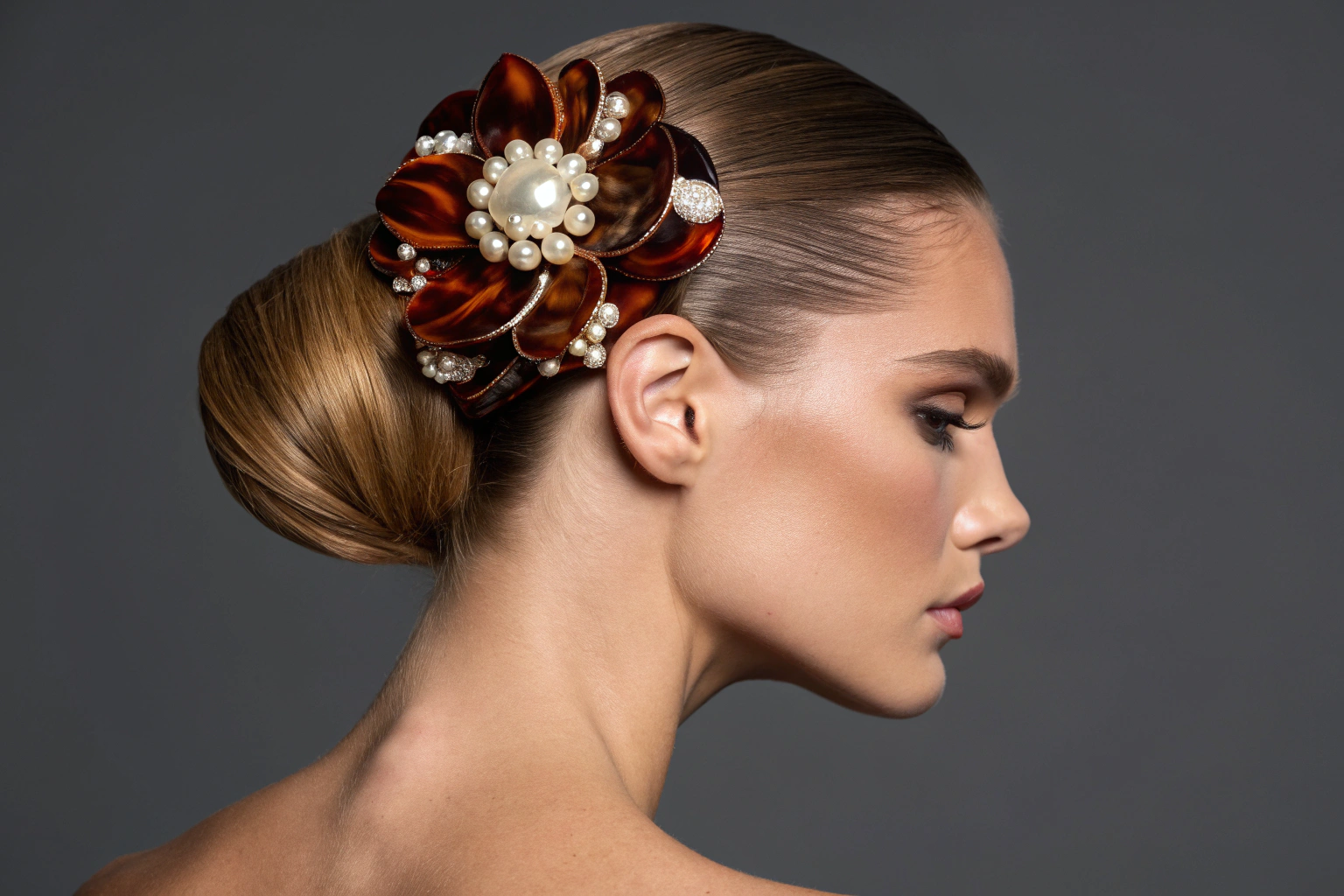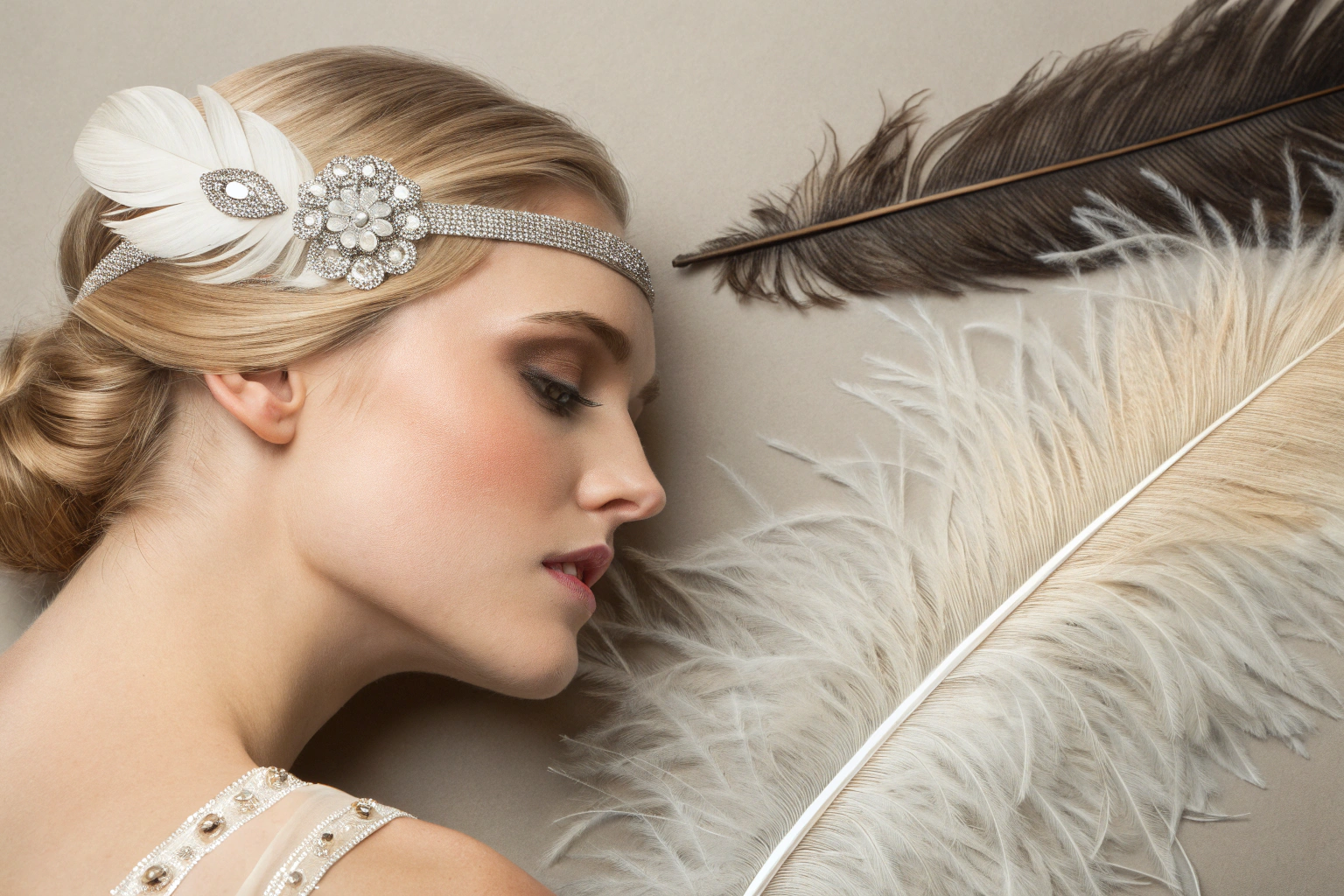
I was in a meeting with a buyer from a large European supermarket chain a few years ago. She was looking at our catalog of hair accessories, and she said something that has stuck with me ever since. "Everything here is nice," she said. "But nothing here is special. Why should a customer choose your client's hair clip over the hundreds of others on my shelves?" She was right. We had fallen into the trap of making "nice" products. We hadn't given her a reason to buy. We hadn't created a unique selling point.
A unique selling point, or USP, is the single most powerful tool in your marketing arsenal. It is the clear, specific reason why a customer should choose your accessory over a competitor's. It answers the question, "What makes this different?" A strong USP is not just a feature; it is a benefit that solves a problem, fulfills a desire, or connects with a customer on an emotional level. At Shanghai Fumao Clothing, we don't just manufacture accessories; we partner with brands to help them discover, define, and deliver their unique selling points through exceptional design and quality.
That buyer's challenge is one that every brand faces. In a world of endless choices, being "nice" is not enough. You need to be memorable. You need to give your customer a story to tell, a reason to pick your product out of the crowd. Creating a USP is not about magic; it is about a disciplined process of understanding your customer, analyzing your product, and finding the one thing you do better than anyone else. Let me show you how we do it.
How Do You Find Your Accessory's Hidden Strengths?
Before you can tell the world why your product is special, you have to figure it out for yourself. This is not always obvious. Sometimes the best USP is hiding in plain sight, a detail you take for granted but that a customer would find remarkable. The process starts with a deep, honest audit of your product, your process, and your customer. You have to look at your accessory from every possible angle.
Start by asking a series of probing questions. What is your accessory made of? Is it a rare material, a sustainable fiber, a hypoallergenic metal? How is it made? Is it handcrafted, using a traditional technique, or with precision machinery that ensures perfect consistency? What problem does it solve? Does it hold thick hair better, stay on a slippery fabric, resist tarnishing? Who is it for? Is it for the eco-conscious consumer, the luxury seeker, the busy mom? The answers to these questions are the raw ingredients of your USP.
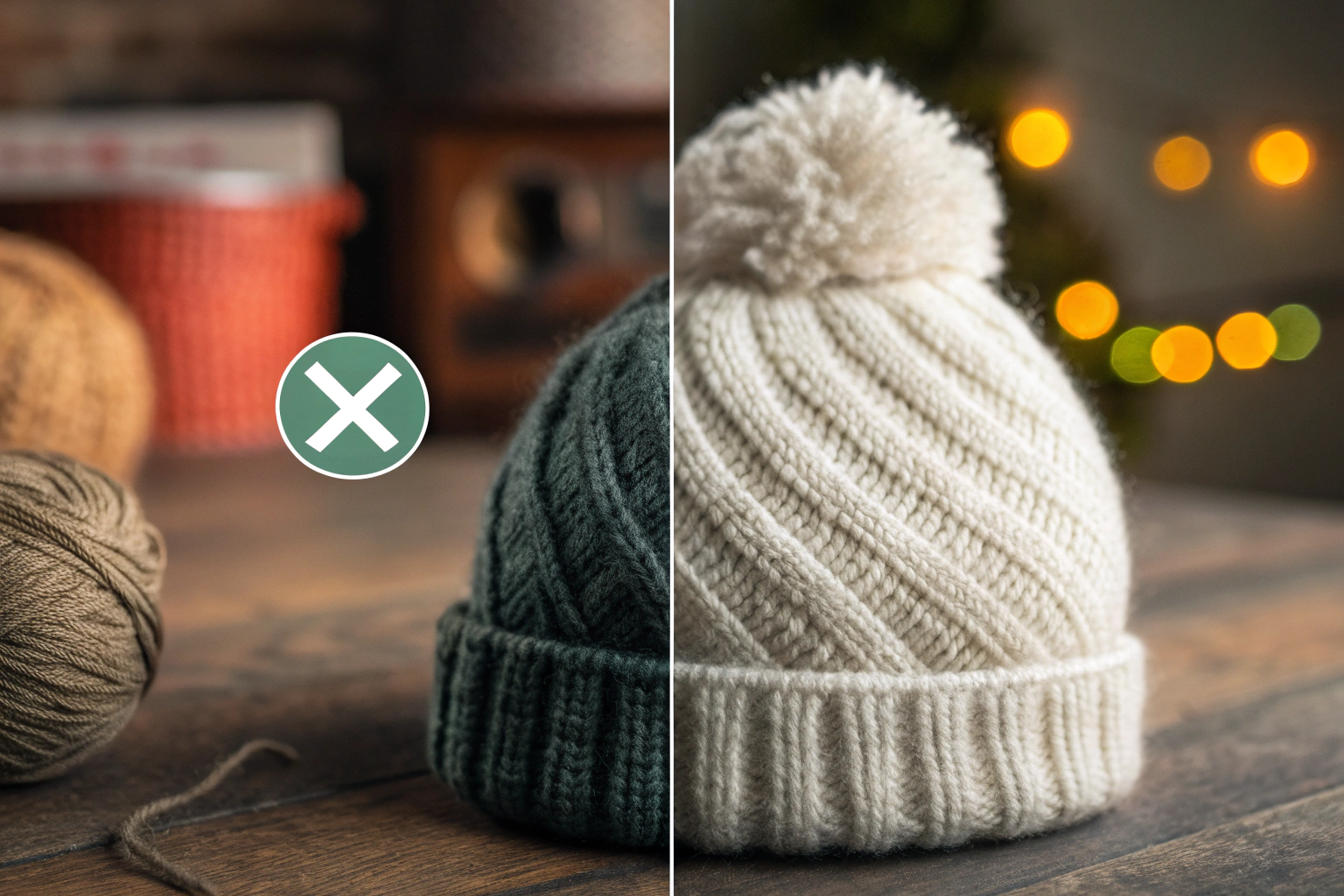
Let me give you a practical example. A client once came to us with a simple knit beanie. It was a good beanie, but so were a thousand others. We started asking questions. We learned that the yarn was a special blend of merino wool and a trace amount of angora, sourced from a single, ethical family farm in Inner Mongolia. We learned that the hats were knitted on vintage machines that created a uniquely dense, warm fabric. And we learned that the finishing, the little pom-pom on top, was attached with a clever, removable system so the hat could be worn two ways. Suddenly, the "simple beanie" had multiple potential USPs: an exclusive, ethical material story; a heritage production method; and a clever, functional design feature. We helped them choose the one that resonated most with their target customer. This process of product differentiation is the foundation of a strong brand. Our team at Shanghai Fumao Clothing is trained to ask these questions and help you uncover the hidden value in your products.

What if my accessory is made from common materials? Can I still have a USP?
Absolutely. If the material is common, your USP might lie elsewhere. Perhaps your USP is your quality control. You can guarantee that your hair clip's spring will never fail, while others might. Or it could be your design. A common material like cotton can be printed with an exclusive, artist-designed pattern. Or it could be your ethical commitment, like using a factory that pays fair wages and has a low environmental impact. The USP is not always in the material; it can be in the process, the promise, or the purpose.
Should I have one USP or try to communicate multiple benefits?
Focus is your friend. It is much more powerful to be known for one thing than to be vaguely known for many things. If you try to communicate everything, you communicate nothing. Choose the single most compelling benefit for your target customer and make that the hero of your story. All your marketing should reinforce that one idea. Once you are established for that one thing, you can then introduce other benefits.
How Can Material and Craftsmanship Become Your USP?
In a world of fast fashion and disposable goods, quality has become a revolutionary concept. When everything is cheap and flimsy, a product that is built to last and made with care instantly stands out. Making material and craftsmanship your USP is a powerful strategy, especially for customers who are tired of replacing poorly made items. It appeals to a desire for authenticity and value.
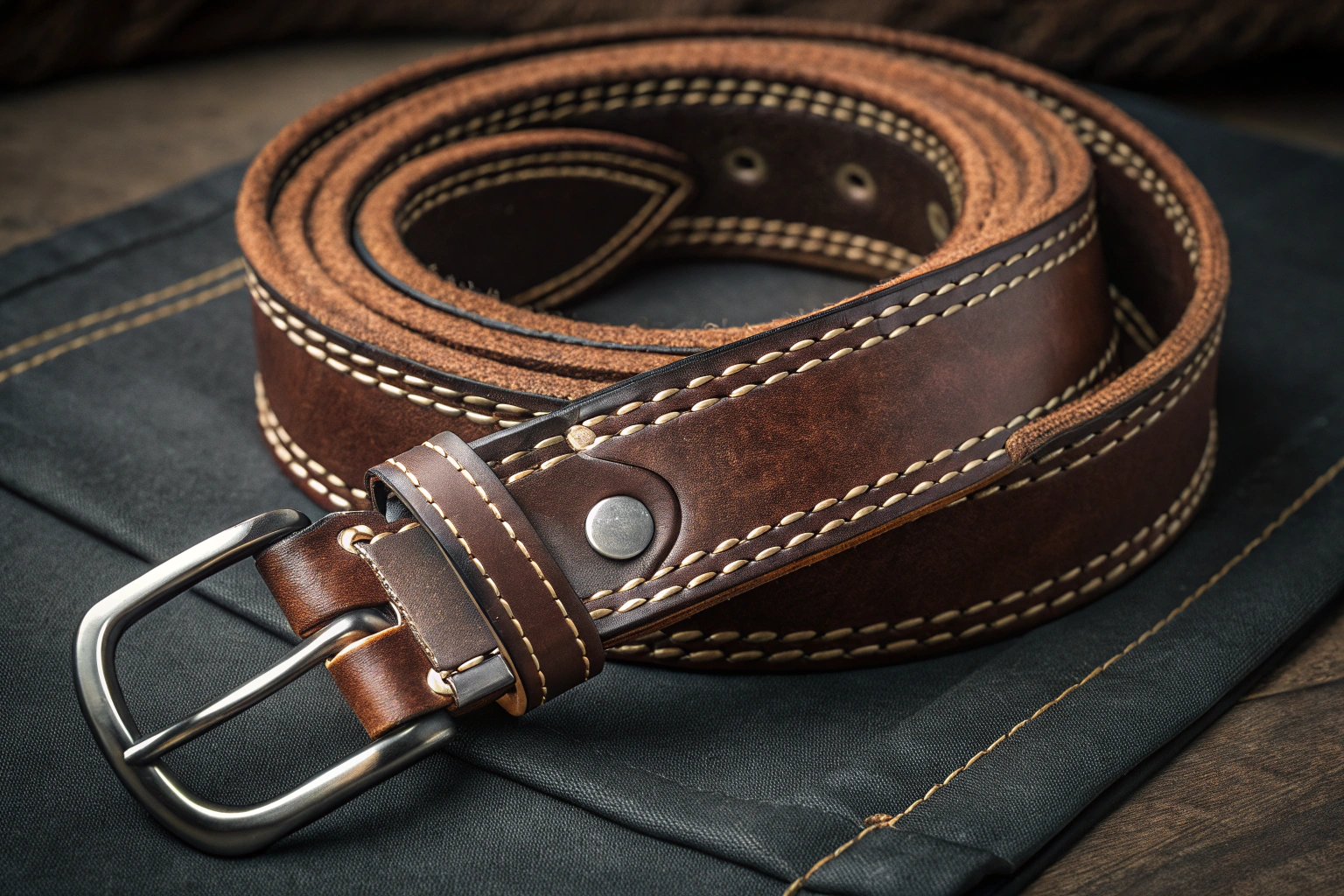
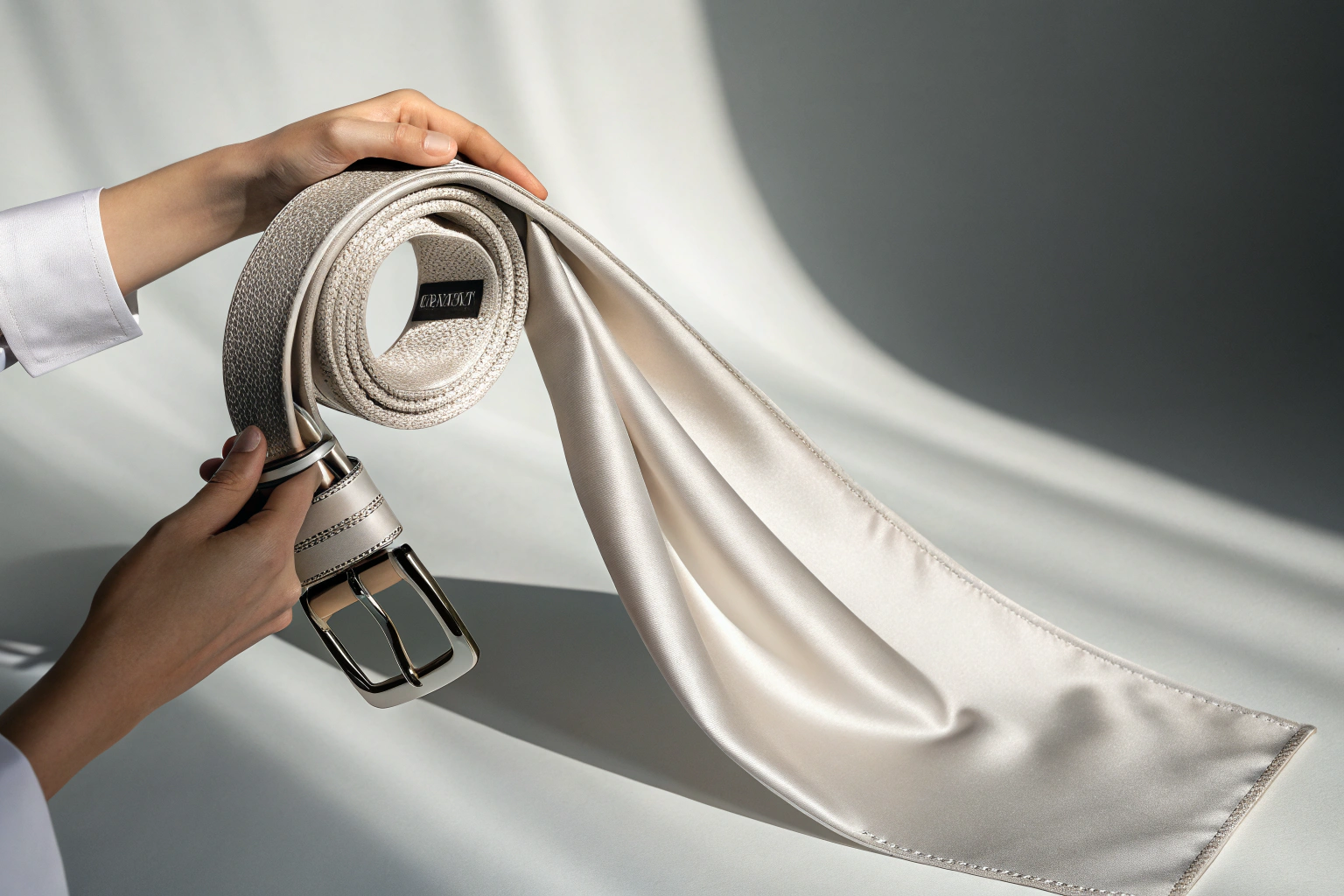
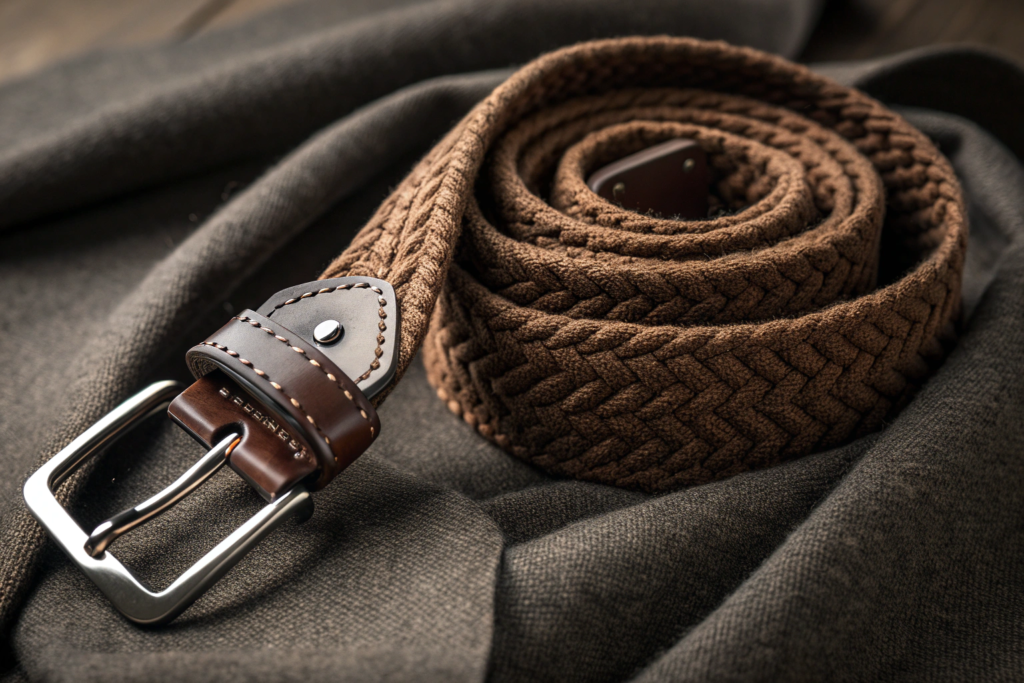
A USP based on material means using something genuinely superior and communicating why it matters. For example, instead of just saying "cashmere," you say "Grade A, 36mm long-staple cashmere from Inner Mongolia, for ultimate softness and zero pilling." Instead of "leather belt," you say "Full-grain, vegetable-tanned Italian leather that develops a unique patina with age." A USP based on craftsmanship means highlighting the human skill involved. "Hand-rolled hems on every scarf, finished by artisans with 20 years of experience." These specifics create a story of quality that customers can trust.
Let's look at a real-world example from our production. We work with a brand that makes hair clips. Their USP is not a wild design; it is the material and mechanism. They use a special, lightweight but incredibly strong aerospace-grade aluminum for the clip's body, and they use a spring that is tested to 100,000 openings. Their marketing doesn't just show the clip; it shows the metal, the testing machine, and the quality control process. They have built a brand on the idea that their clip is the last hair clip you will ever need to buy. This resonates deeply with customers who are tired of buying packs of cheap, broken clips. This is a perfect example of turning a functional detail into a powerful brand story. Our manufacturing expertise allows us to deliver on these kinds of quality promises consistently. At Shanghai Fumao Clothing, we have the capability to source these premium materials and execute these high-level craftsmanship techniques.
How do I prove my quality claims to customers?
Seeing is believing. Use high-resolution photography and video. Show close-ups of the material texture. Show the artisan's hands at work. Show the testing machine running. Include certificates of authenticity or material origin. Use clear, specific language in your product descriptions. If you say "hand-rolled," explain what that means and why it is better. Transparency builds trust, and trust turns a claim into a believable USP.
Is a "craftsmanship" USP only for high-end luxury products?
No, it can work at multiple price points. A mid-range brand can have a USP around "thoughtful construction." For example, "reinforced stitching at stress points for extra durability" is a craftsmanship claim that appeals to value-conscious customers. It is about being the best in your category, whatever that category is. A $20 hat can still be the best-made $20 hat on the market, and that is a powerful USP.
How Can Functionality and Problem-Solving Be Your USP?
Sometimes the most powerful USP is not about how something looks, but about what it does. Many accessories are purely decorative. But if your accessory solves a genuine problem that your customer faces every day, you have created an instant reason to buy. You are not just selling a pretty object; you are selling a solution. This is a highly effective strategy for building a loyal customer base.
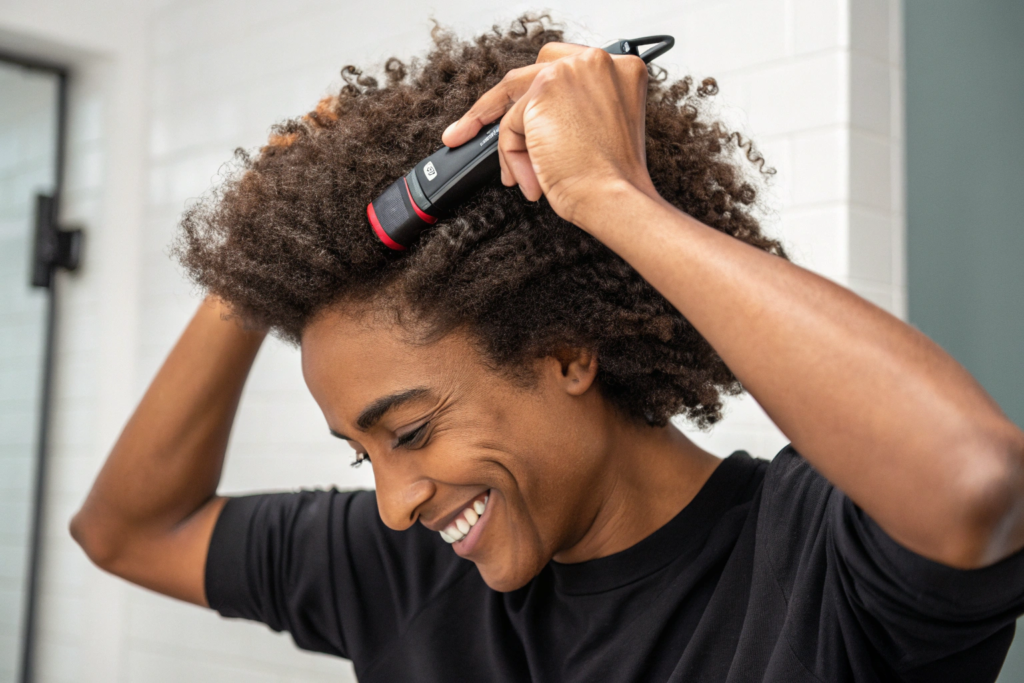
A functionality USP starts with a deep understanding of your customer's pain points. For hair accessories, this could be: "Finally, a hair clip that actually holds thick, heavy hair without slipping." Or "The only headband that doesn't give you a headache, thanks to our patented no-slip silicone grip." For scarves: "A scarf with a hidden magnetic closure, so it stays perfectly draped all day." For hats: "A beanie with a built-in, washable fleece lining for extreme warmth." Each of these statements identifies a problem and presents your product as the definitive solution.
Developing a functionality USP often requires innovation. It might mean designing a new mechanism, like a spring with variable tension. It might mean adding a feature, like a non-slip silicone strip on the inside of a headband. It might mean rethinking the material, like using a moisture-wicking fabric for a summer hat. The key is to patent your innovation if possible, to protect your USP from being copied. We work with many clients to develop these functional innovations. For example, we helped a client develop a line of bucket hats with a hidden, retractable UPF 50+ neck flap. The USP was clear: "Sun protection for your face and neck, in a stylish hat." It solved a real problem for outdoor enthusiasts and parents. This type of design thinking is at the heart of creating functional USPs. Our engineering and design team at Shanghai Fumao Clothing loves these challenges. We can help you take a problem and engineer a beautiful, manufacturable solution.
How do I know what problems my customers need solved?
Listen to them. Read product reviews for competitors. What are people complaining about? "This clip keeps slipping." "This headband gives me a headache." "This hat isn't warm enough." Those complaints are a goldmine of opportunity. Also, talk to your customers directly. Ask them what frustrates them about the accessories they own. The best ideas for functional USPs come directly from the customer's unmet needs.
What if my functional innovation is easy for competitors to copy?
This is a real risk. The best defense is a strong patent or design registration. This legally prevents competitors from copying your unique mechanism or design for a period of time. Even without a patent, being first to market with a strong brand story can give you a significant advantage. Customers will associate the solution with your brand. You can also build loyalty through community and customer service, making it harder for a copycat to steal your customers.
How Can Story and Emotional Connection Create Your USP?
Beyond materials and function, there is a deeper level of connection: emotion. People do not just buy products; they buy what the products mean. They buy a story, an identity, a feeling. If your accessory can tap into a powerful emotion or tell a compelling story, you have created a USP that is almost impossible for a competitor to replicate. It is not about the thing; it is about the meaning of the thing.
A story-based USP connects your accessory to something larger. It could be a story of heritage: "Our scarf is woven on the same looms in Zhejiang that have been in operation for three generations, preserving a lost art." It could be a story of empowerment: "Our hair clips are designed for women who are too busy to fuss, giving them one less thing to worry about." It could be a story of belonging: "Wear this hat and join a community of adventurers who value exploration over comfort." The story makes the customer feel something, and that feeling is what they are really buying.
Let's consider a project we worked on. A client wanted to create a line of scarves, but the market was saturated. Instead of competing on price or pattern, we helped them build a story. They sourced the silk from a specific region known for its heritage. They named each scarf after a strong woman from history. The packaging included a card telling that woman's story. The USP was not the scarf itself; it was the experience of connecting with history and female empowerment. Customers weren't just buying a scarf; they were buying a piece of a story to share and feel connected to. This emotional connection created fierce loyalty. They could have bought a similar scarf for less money elsewhere, but they wouldn't have gotten the story. This is the power of emotional branding. At Shanghai Fumao Clothing, we help brands bring these stories to life through exceptional product quality that matches the narrative. A great story needs a great product to be believable.

Can any accessory have a story, or does it have to be special?
Every accessory has a story. You just have to find it. The story might be about the designer's inspiration. It might be about the material's origin. It might be about the craftspeople who made it. It might be about the customer you envision wearing it. A simple cotton hat can have a story about the organic farm where the cotton was grown, or the fair-trade cooperative that spun the yarn. The key is to find an authentic story and tell it with passion. If you are genuinely excited about it, your customer will be too.
How do I tell my story without being boring or salesy?
Show, don't just tell. Use images and videos. Introduce the people behind the product. Share the process on social media. Let customers share their own stories of wearing your product. Make the story a natural part of your product description and your brand's overall voice. It should feel like an invitation, not a lecture. Authenticity is key. If your story is genuine, it will resonate.
Conclusion
Creating a unique selling point for your accessories is not a luxury; it is a necessity for survival in a crowded market. It is the process of moving from being a commodity to being a brand. Whether your USP is rooted in superior materials, exceptional craftsmanship, innovative functionality, or a powerful emotional story, it gives your customer a reason to choose you. It transforms a simple hair clip or a scarf into a desirable object with meaning and value.
At Shanghai Fumao Clothing, we are more than just a factory. We are your partner in this journey of discovery and creation. Our design team can help you brainstorm and refine your ideas. Our sourcing team can find the unique materials to support your material USP. Our engineers can help you develop and patent a functional innovation. And our craftspeople can deliver the quality that makes your story believable. We have the experience and the capability to help you build accessories that are not just "nice," but truly unforgettable.
Are you ready to give your customers a reason to choose you? Let's find your unique selling point together. Contact our Business Director, Elaine, at elaine@fumaoclothing.com to start the conversation.