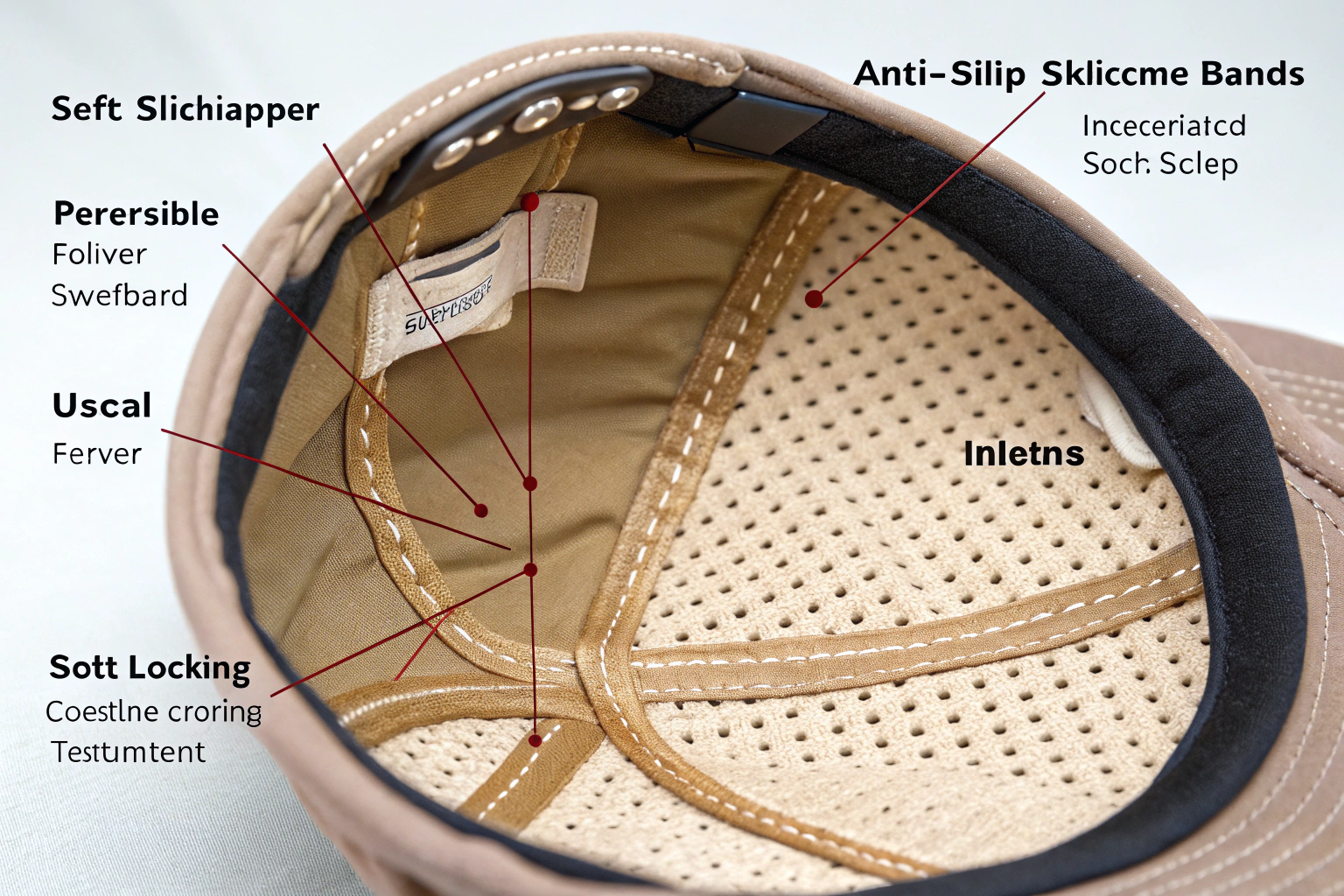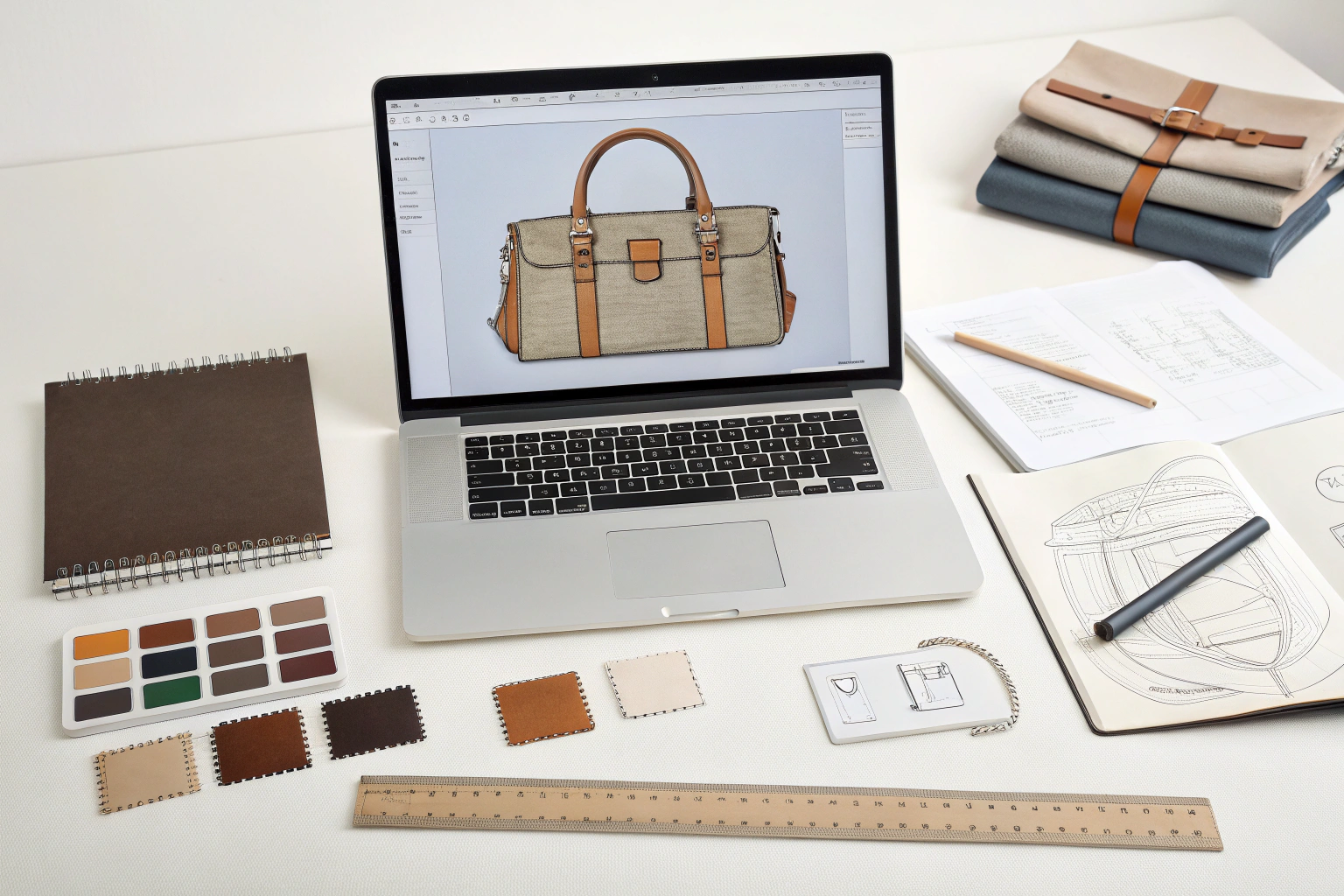
Are you an accessories buyer, brand owner, or startup founder struggling with miscommunication, rejected samples, and costly production errors? Does the gap between your creative vision and the final manufactured product feel like a constant battle? You're not alone. In the world of fashion accessory sourcing, from hair clips to hats, the single most powerful tool to prevent these issues is a meticulously crafted product specification sheet. This guide will demystify the process, turning your ideas into clear, actionable instructions for any manufacturer.
To create professional fashion accessory product specifications, you must develop a comprehensive and visual document known as a Tech Pack. This pack serves as the universal blueprint for your product, containing technical drawings, detailed material lists, precise measurements, color standards, packaging instructions, and quality requirements. A well-made Tech Pack aligns expectations, accelerates development, and is the cornerstone of consistent, high-quality mass production.
Let's break down the anatomy of a perfect accessory Tech Pack into four core components. We'll explore how to start with precise technical sketches, specify materials and components with absolute clarity, define critical measurements and construction details, and finally, set unambiguous quality and packaging standards. Mastering these elements will make you a more effective and confident partner to any factory, including experts like Shanghai Fumao Clothing.
Why is a Tech Pack Essential for Accessory Manufacturing?
Imagine giving a builder a vague description of your dream house instead of an architect's blueprint. The result would be a disaster. In accessory manufacturing, a Tech Pack is that essential blueprint. Without it, you rely on verbal descriptions and hope, leading to endless sample revisions, budget overruns, and products that don't match your vision.
A Tech Pack is essential for accessory manufacturing because it eliminates ambiguity, serves as a legal reference for quality disputes, streamlines communication across language barriers, and significantly reduces sampling time and cost. It transforms subjective ideas into objective, measurable instructions that every department in the supply chain—from design to sourcing to QC—can follow precisely.
Think of the Tech Pack as the single source of truth for your product. Its importance cannot be overstated, especially when dealing with complex items.

How Does a Tech Pack Prevent Costly Sampling Errors?
The sampling phase is expensive. Each revision costs money and time. A detailed Tech Pack minimizes back-and-forth by getting it right the first time. For example, if you're producing a knitted beanie, simply writing "soft yarn" is insufficient. Your Tech Pack must specify the yarn composition (e.g., 70% Acrylic, 30% Wool), weight, and supplier or equivalent. It should include a Pantone color code for the dye and a clear image of the stitch pattern. When the factory's first sample uses a different yarn, you have a concrete document to point to, not a memory of a conversation. This clarity saves weeks and hundreds of dollars. A partner like Shanghai Fumao Clothing relies on precise Tech Packs to deliver accurate prototypes efficiently.
What Role Does a Tech Pack Play in Quality Control?
Your Tech Pack is the benchmark for your final quality inspection. The QC team uses it to verify every aspect of the finished product. Does the metal clasp on the hair clip match the specified plating finish (e.g., gold IP, not spray paint)? Is the embroidery thread color correct per the attached swatch? Are the dimensions of the leather belt within the allowed tolerance? By including AQL (Acceptable Quality Level) standards and critical checkpoints in your Tech Pack, you empower both the factory's QC team and any third-party inspectors to evaluate the batch objectively. This turns quality assurance from a subjective opinion into a pass/fail audit against agreed specifications.
What are the Key Components of an Accessory Tech Pack?
A strong Tech Pack is more than just a sketch and a list. It's a multi-page dossier. Knowing what to include is half the battle. For categories as diverse as scarves, baseball caps, and tote bags, the core structure remains consistent, though the details change.
The key components of an accessory Tech Pack include: 1) Technical Flats & Drawings, 2) Bill of Materials (BOM), 3) Detailed Measurement Specs, 4) Color & Print Standards, and 5) Packaging & Labeling Instructions. Each component provides a different layer of instruction, ensuring nothing is left to interpretation.

How to Create Effective Technical Drawings for Accessories?
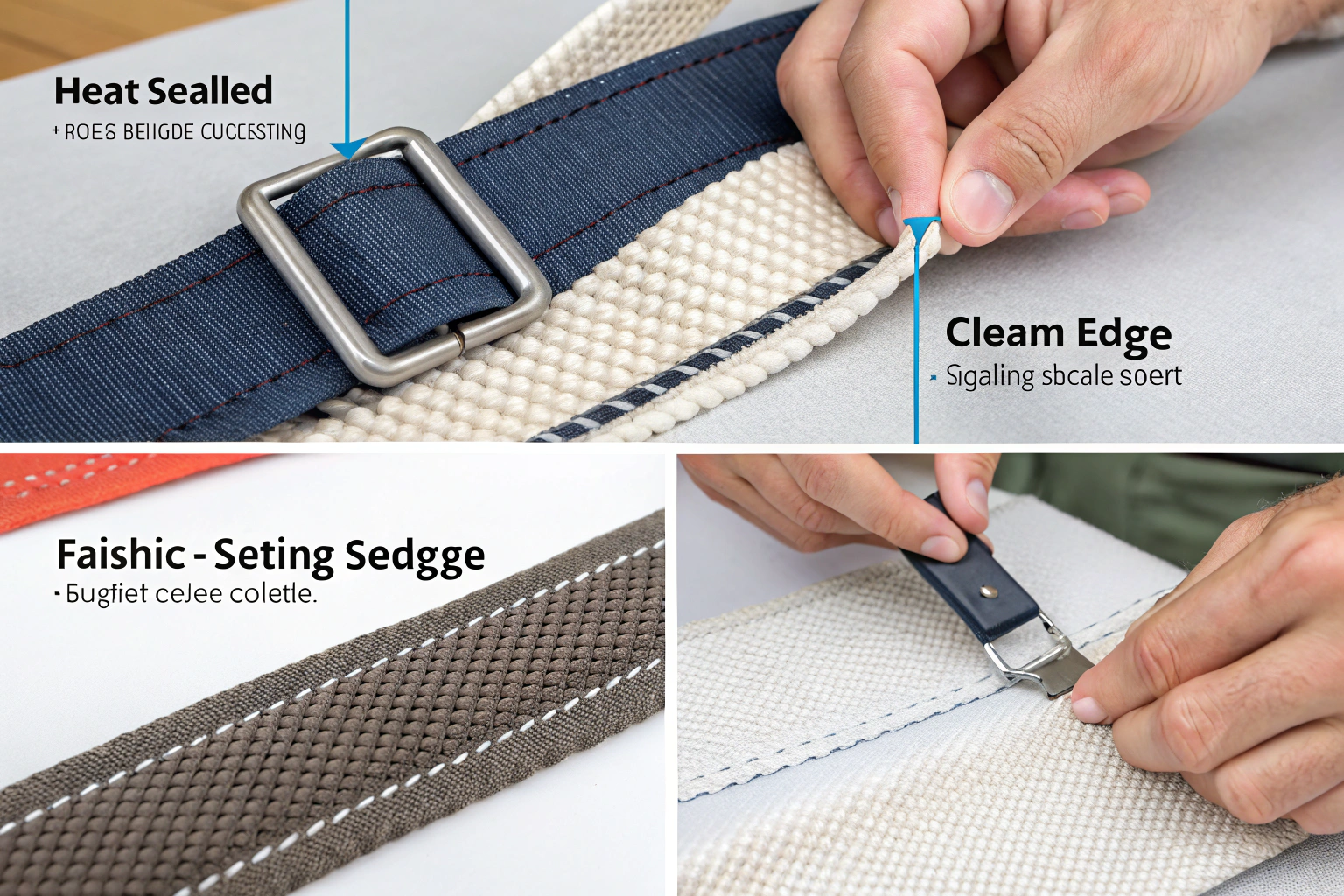
Technical drawings, or "flats," are the backbone. They should be clean, to-scale illustrations from multiple angles (front, back, side, details). Use solid lines for stitching and dashed lines for fold lines. Annotate every key feature with call-out numbers that correspond to your BOM. For a structured handbag, include an exploded view showing how layers assemble. For a printed scarf, show the full repeat pattern and specify the print technique (e.g., digital print, silk screen). Software like Adobe Illustrator is standard, but clear hand-drawn sketches can work if they are precise. The goal is to show construction, not just aesthetics. Include close-ups of complex details like the attachment of a pom-pom to a hat or the mechanism of a magnetic bag clasp.
What Belongs in a Detailed Bill of Materials (BOM)?
The BOM is a complete inventory of every single item used to make your product. It should be a table with columns for: Component Name, Reference # (matching your drawing), Material Description, Quantity per Item, Supplier/Quality Standard, and Notes.
| Ref # | Component | Material & Description | Qty | Standard / Supplier | Notes |
|---|---|---|---|---|---|
| 01 | Main Fabric | 600D Polyester Oxford, water-resistant, color: Black | 0.5 yd | Brand X or equivalent | Pre-wash tested for shrinkage |
| 02 | Zipper | #5 YKK Vislon coil zipper, matte black finish | 1 pc | YKK | Puller stamped with logo |
| 03 | Webbing Strap | 1.5" wide polypropylene webbing, black | 1.2 yd | Weight capacity: 50 lbs | Bar tack ends for reinforcement |
How to Specify Materials, Colors, and Measurements?
This is where precision becomes non-negotiable. Vague terms like "navy blue," "sturdy fabric," or "medium size" are the enemies of quality. Your manufacturer sources from global suppliers; you must give them the scientific, industry-standard language to find exactly what you want.
Specifying materials, colors, and measurements requires the use of industry-standard references and tolerances. Use Pantone codes for colors, provide material composition percentages and weight/gsm, and list all critical product dimensions with clear diagrams and acceptable tolerance ranges (e.g., +/- 0.5 cm).
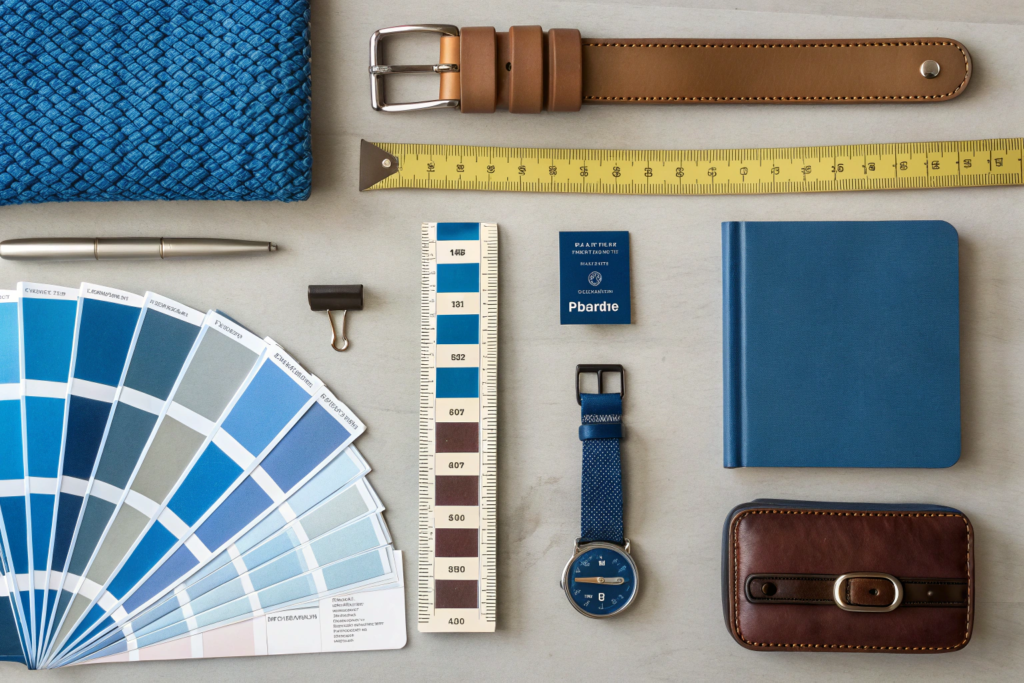
How to Communicate Color and Material Precisely?
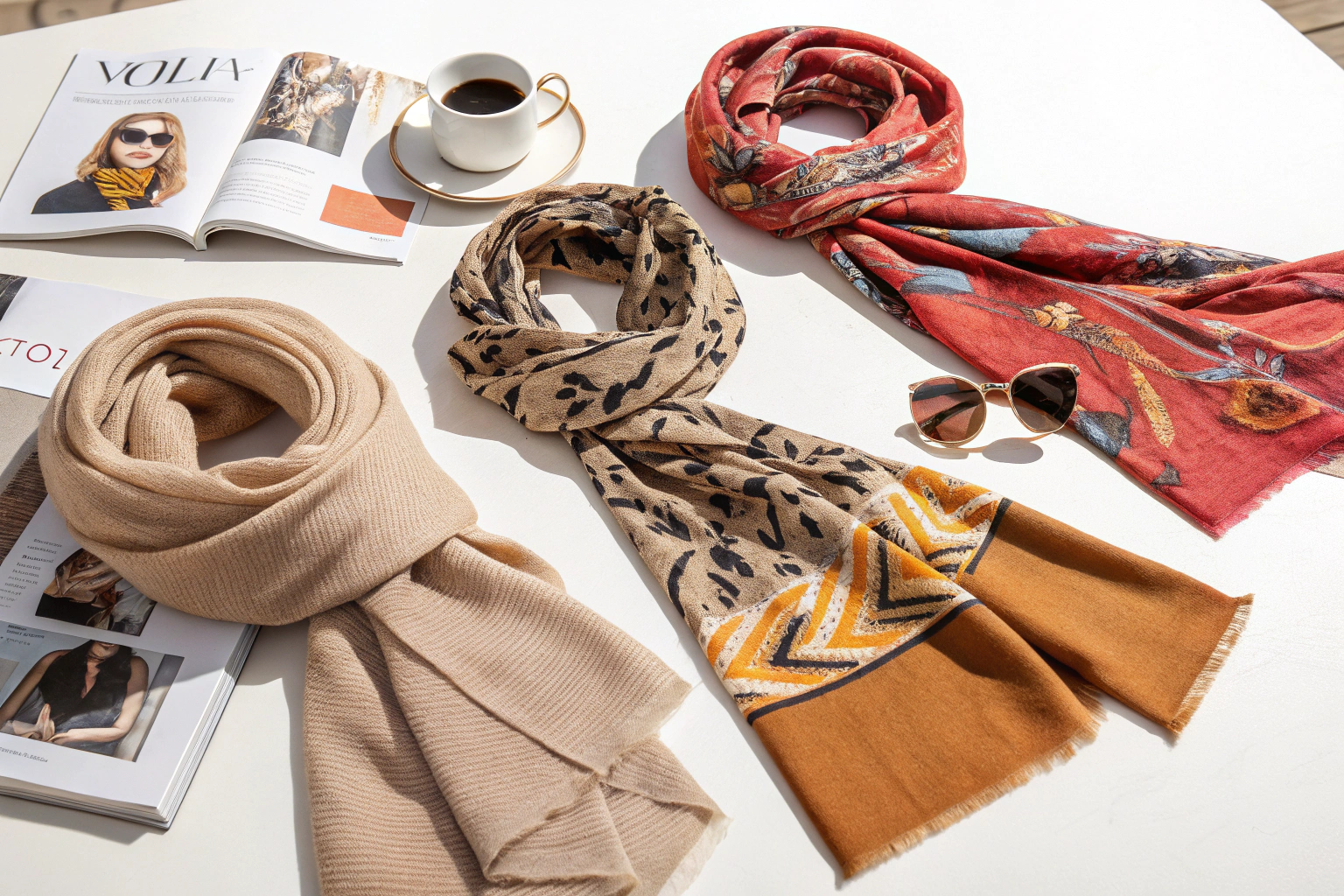
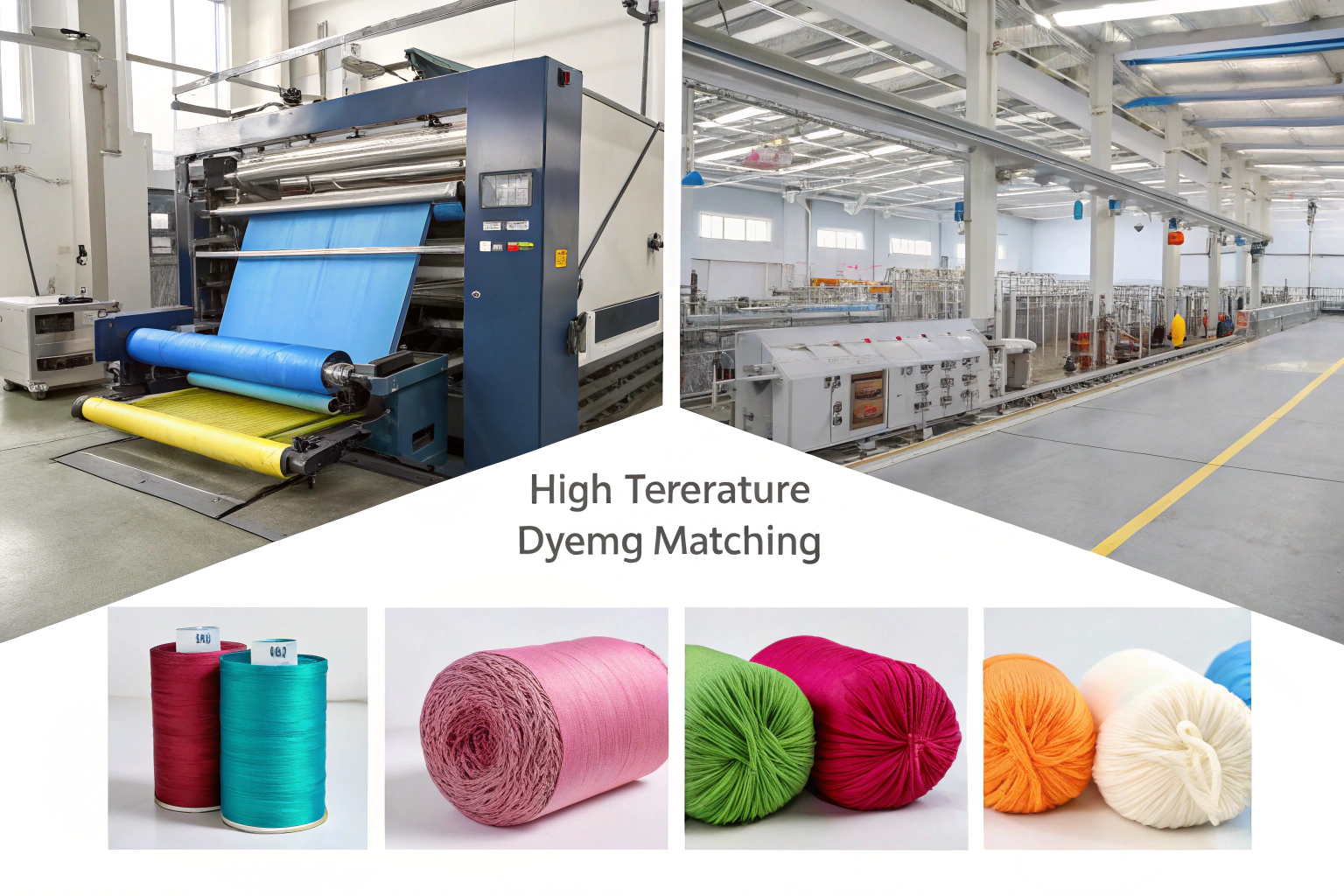
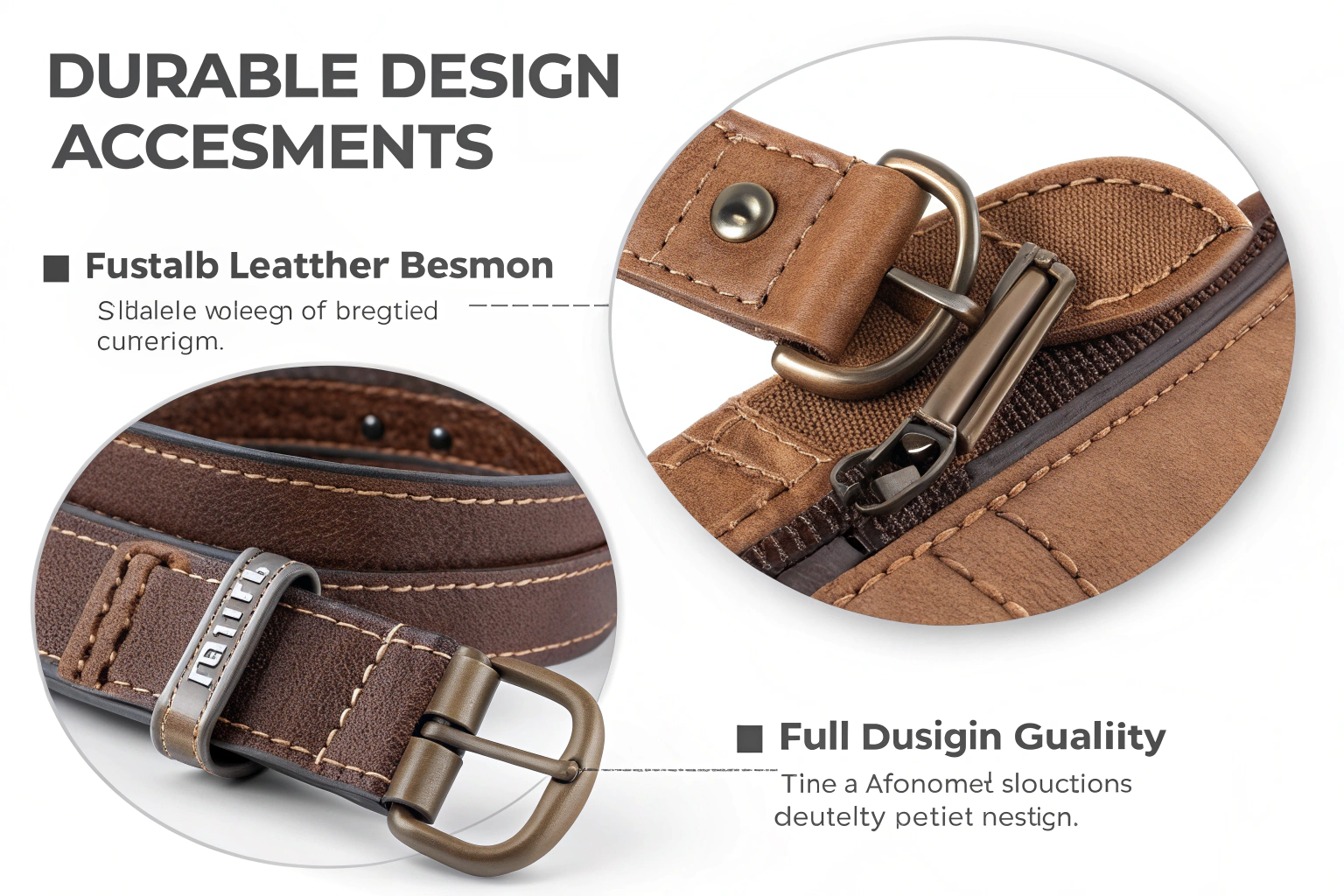
Never use only descriptive color names. Always attach a physical Pantone swatch or provide the exact Pantone TPX/TCX number (e.g., "Pantone 19-4052 Classic Blue"). For fabrics and materials, go beyond "cotton scarf." Specify: "100% Cotton Twill, 250 GSM (grams per square meter), pre-shrunk, soft brushed finish." If you have an existing sample you want to match, include a cutting of it stapled to the Tech Pack. For metal components like those on belts or hair accessories, specify the type (e.g., zinc alloy), plating (e.g., 18k gold electroplating, 0.25 micron thickness), and any required testing (e.g., nickel-free, pass 24-hour salt spray test). Providing a preferred supplier name (like YKK for zippers) gives the factory a perfect benchmark.
What are the Critical Measurements for Different Accessories?
Every accessory has key measurement points. List them in a table with a clear diagram. Always include a tolerance (the acceptable variation).
For a Unisex Baseball Cap:
- Crown Height: 20 cm +/- 0.5 cm
- Brim Length: 8 cm +/- 0.3 cm
- Head Circumference (adjustable): 54-60 cm
- Sweatband Width: 4 cm +/- 0.2 cm
For a Lady's Fashion Belt:
- Belt Width: 3.8 cm +/- 0.2 cm
- Total Length (excluding buckle): 105 cm +/- 1 cm
- Hole Spacing: 2.5 cm +/- 0.1 cm
- Buckle Tongue Length: 5 cm +/- 0.2 cm
How to Finalize Specs for Quality and Packaging?
Your beautiful accessory is made, but it can still fail if it falls apart after one use or arrives damaged in a flimsy polybag. The final sections of your Tech Pack protect your product's integrity in the hands of the consumer and define its presentation—a crucial part of the brand experience.
Finalizing specs for quality and packaging involves defining performance tests (like strength, colorfastness), establishing packaging materials and methods (from polybags to retail boxes), and specifying all labeling content (size, care, barcode) and placement. These details ensure your product survives shipping and delights the customer upon unboxing.
What Quality Tests Should You Require?
List the required quality control tests in your Tech Pack. Common tests for accessories include:
- Colorfastness: Test for rubbing (dry and wet) and washing to ensure color doesn't bleed.
- Pull Test: For straps, handles, and attachments (e.g., on a backpack or bag). Specify the force (e.g., "strap must withstand 50 lbs of static weight for 1 minute").
- Function Test: Zippers open/close smoothly 500 times; magnetic clasps engage/disengage reliably.
- Packaging Drop Test: The packed product survives a drop from a specified height without damage.
Specify if the factory must provide test reports from a certified lab. This is especially important for products targeting major supermarkets or brands with strict compliance departments.
How to Detail Packaging and Labeling Instructions?
Packaging is your last chance to control the customer's impression. Your Tech Pack must include:
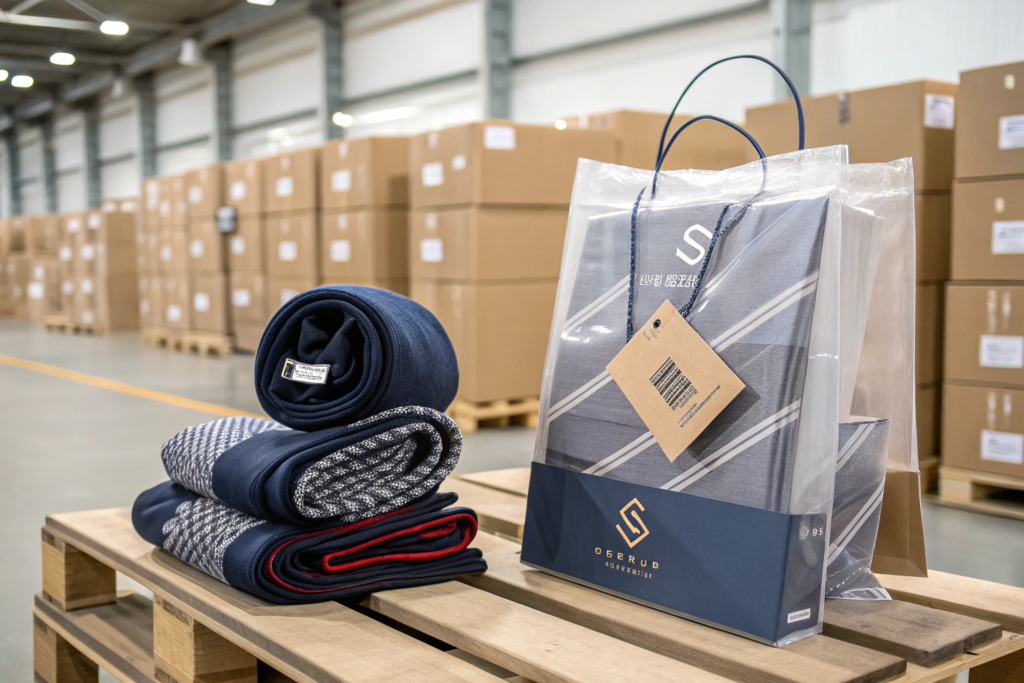
- Packing Method: How is each unit packaged? (e.g., "Each scarf folded, inserted into clear polybag with header card, 24 pieces per master carton.")
- Packaging Materials: Specify polybag thickness (e.g., 80 gauge), carton quality (e.g., 5-ply corrugated), and any branding (e.g., printed logo on carton).
- Labeling: Provide dielines for hangtags and care labels. Specify exact text for content labels (materials, country of origin, care instructions) and barcode placement. For retailers, this information is mandatory. Clear packaging specs prevent damage during ocean freight and ensure your products are shelf-ready. A full-service manufacturer like Shanghai Fumao Clothing can manage this entire process from your Tech Pack.
Conclusion
Creating professional fashion accessory product specifications is not an administrative task—it is the fundamental act of product leadership. A comprehensive Tech Pack translates your creative vision into a manufacturing reality, safeguarding your budget, timeline, and quality. By mastering the components of technical drawings, material specs, precise measurements, and quality standards, you build a bridge of clear communication with your factory. This document empowers you to scale production with confidence, manage quality objectively, and build a brand known for its consistency and excellence.
If you want to develop standout accessories with a manufacturing partner who values and excels with detailed Tech Packs, we are ready to collaborate. At Shanghai Fumao Clothing, our design and project management teams work hand-in-hand with brands to refine specifications and ensure flawless execution from sample to shipment. Bring your ideas and sketches, and let us help you build the perfect Tech Pack for your next collection. Contact our Business Director, Elaine, to begin: elaine@fumaoclothing.com. Let's specify for success.