Are you struggling to design children's accessories that fly off the shelves? It often feels like you're guessing what kids will love next, leading to unsold inventory and wasted resources. You see other brands succeeding, but cracking the code to consistent best-sellers seems impossible, causing frustration and financial strain.
The key to creating best-selling children's accessories is to perfectly balance trend-forward design, uncompromising safety, and durable, kid-friendly materials. By focusing on what delights both children and their parents—vibrant colors, comfortable wear, and certified safety—you can develop products that consistently top the sales charts.
I've been in the fashion accessory business for over two decades, and I've seen trends come and go. But the principles of a successful product remain the same. It's not just about chasing the latest cartoon character. It's about understanding the core needs of your market: the parents who pay and the children who wear. Let's dive deeper into how we at Shanghai Fumao Clothing turn these principles into profitable, best-selling accessories for our clients worldwide.
What Are the Key Elements of a Winning Design?
It’s a common headache for brands: you invest in a new line of kids' accessories, only to see them sit on the shelves. You thought the designs were cute, but they just didn't connect with your audience. This can lead to the frustrating conclusion that children's tastes are simply too unpredictable to build a stable business around.
Winning designs for children's accessories are born from a deep understanding of current trends, timeless play patterns, and the practical needs of parents. It's about creating something that is not only visually appealing to a child but also easy for a parent to manage and trust. By integrating popular themes with practical, durable features, you create an item that sells itself.
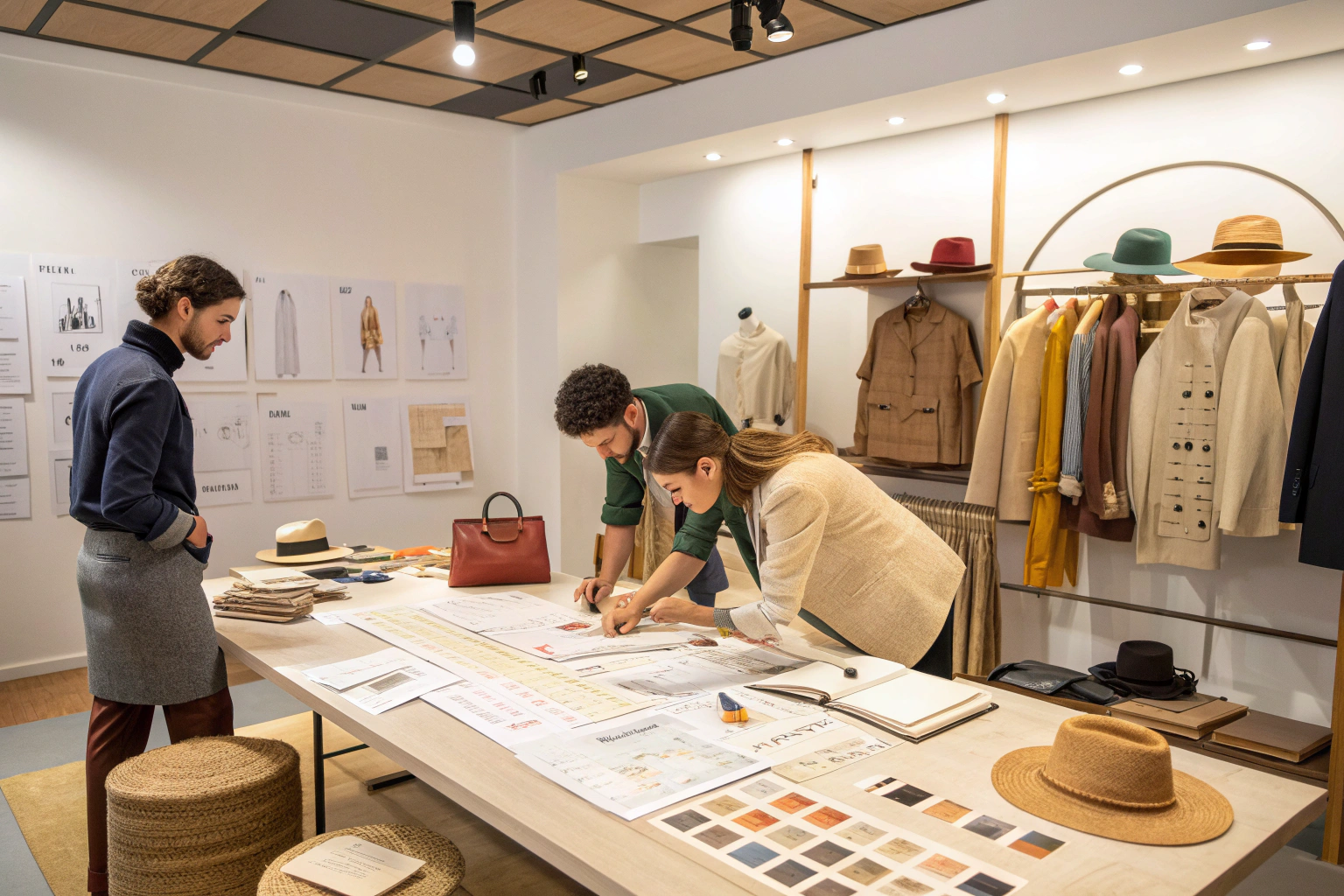
At our factory, we've learned that a successful design is a conversation between fun and function. A sparkly unicorn hair clip is great, but if it snags hair or breaks after one use, you've lost a customer for life. This is why our design process is a collaborative effort between our creative team, our quality control experts, and our clients. We look at what's trending on social media, but we also consider classic motifs that have perennial appeal. We then ask the critical questions: Is it comfortable? Is it safe for its intended age group? Can it withstand a day at the playground? This holistic approach ensures we're not just making a product, but a favorite accessory. Let's explore how to find that balance. And as we discuss design, remember that the materials you choose are just as crucial, a point we'll cover in How Do You Ensure Product Safety and Quality?.
How to Identify and Adapt to Current Trends?
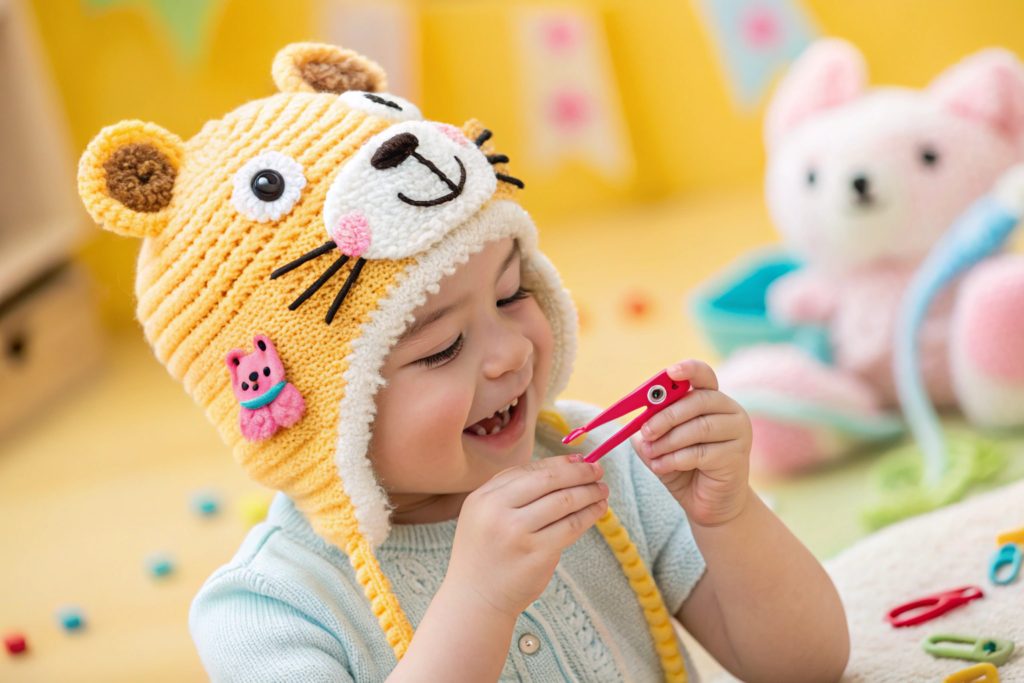
To create a best-seller, you must have your finger on the pulse of what kids love right now. This means actively monitoring a variety of sources. We regularly check out popular children's television shows, blockbuster movies, and viral social media trends. For example, if a new animated film features a magical creature, we immediately start brainstorming accessories that capture its essence. It's also vital to look at what's happening in the toy industry, as those trends often spill over into accessories. Subscribing to trend forecasting services like WGSN provides invaluable, data-backed insights into future colors, themes, and materials, giving our clients a competitive edge.
What Makes a Design Timeless?
While trends drive immediate sales, timeless designs create long-term brand loyalty. These are the classics that parents trust and children adore year after year. Think simple, elegant patterns like polka dots, stripes, or classic floral prints. Animal themes are another perennial favorite—cats, dogs, dinosaurs, and unicorns have a staying power that transcends fleeting fads. The key is in the execution. A well-made, simple bow in a classic color can be more successful than a poorly executed, trendy design. We focus on high-quality construction and classic shapes that can be updated with a seasonal color palette, ensuring they always feel fresh yet familiar. This strategy is also discussed in many business journals.
How Do You Ensure Product Safety and Quality?
For any brand selling to the US or European markets, a product recall is the ultimate nightmare. You worry that despite your best efforts, a small component could come loose or a material could cause an allergic reaction, leading to safety alerts, legal issues, and irreparable damage to your brand's reputation. This fear can be paralyzing.
Ensuring product safety and quality requires a multi-layered system of rigorous material sourcing, strict manufacturing protocols, and independent third-party testing. By embedding quality control at every stage—from initial design to final packaging—you can confidently deliver products that meet and exceed international safety standards. This proactive approach turns safety from a point of anxiety into a powerful selling point.
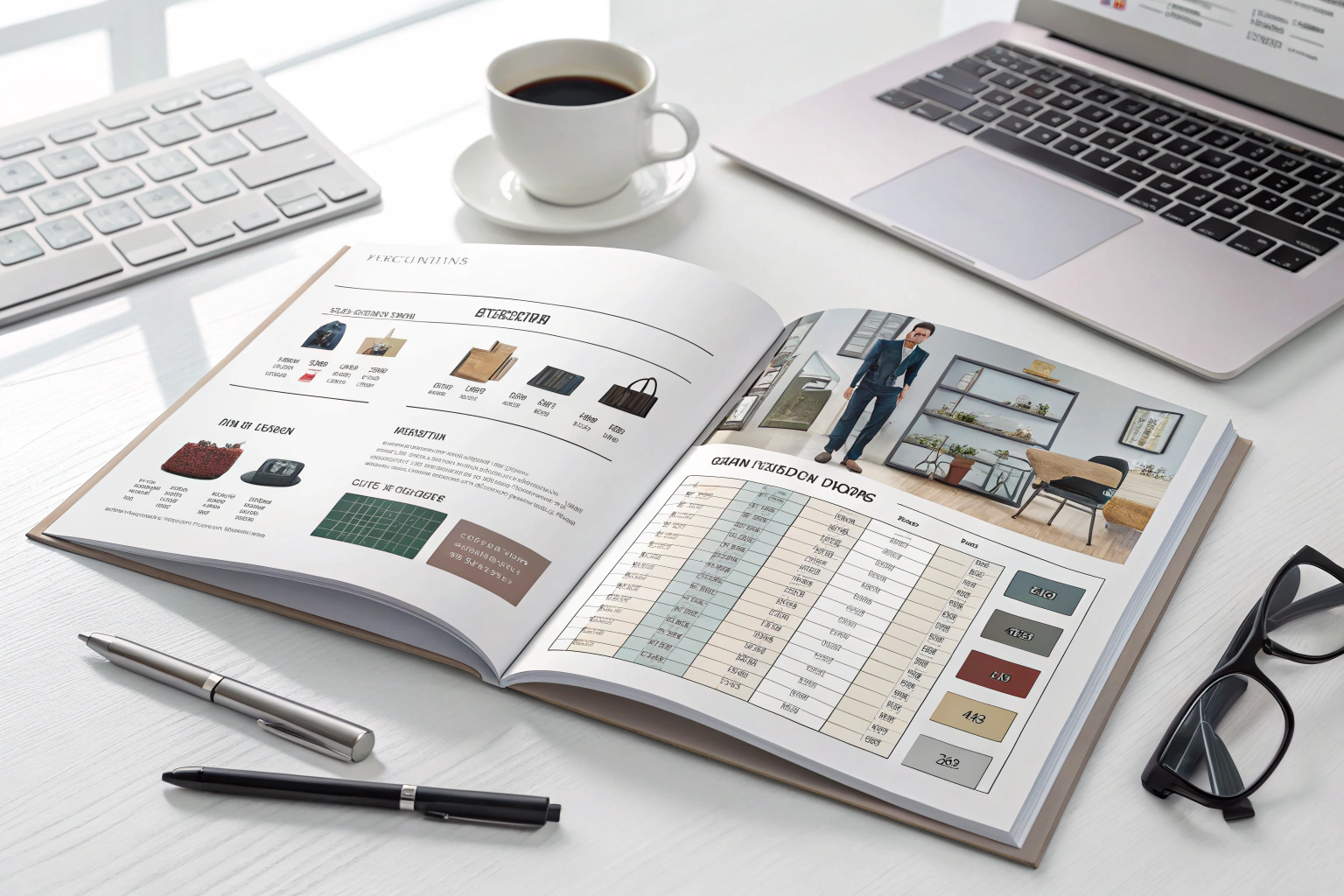
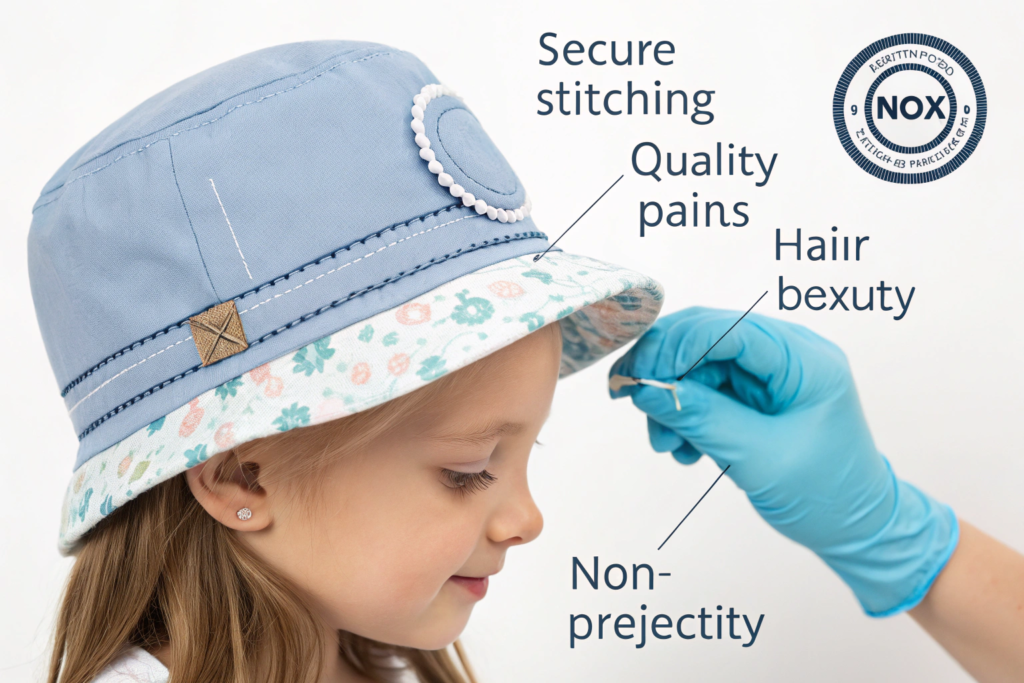
I remember a client, Ron, who was extremely concerned about safety regulations for his US-based stores. He'd had a bad experience with a previous supplier. We walked him through our entire process. We showed him our material certification documents and our in-house testing lab where we perform pull tests on buttons and check for sharp edges. We explained our batch-tracking system, which allows us to trace every single component back to its source. This transparency gave him the confidence he needed. Quality isn't just a final check; it's the foundation of everything we do. It's about building trust with our clients and, ultimately, with the parents who buy their products.
What Certifications Are Essential for US and EU Markets?
When selling children's products in North America and Europe, compliance is non-negotiable. For the United States, the most critical certification is the Consumer Product Safety Improvement Act (CPSIA). This requires rigorous testing for lead, phthalates, and other harmful substances, especially in products intended for children 12 and under. For the European Union, products must carry the CE mark, which signifies conformity with health, safety, and environmental protection standards, governed by regulations like REACH, which controls chemical substances. We ensure all our materials are sourced from suppliers who can provide documentation for these standards, and we conduct our own batch testing to verify compliance before production even begins.
How to Implement a Robust Quality Control (QC) System?
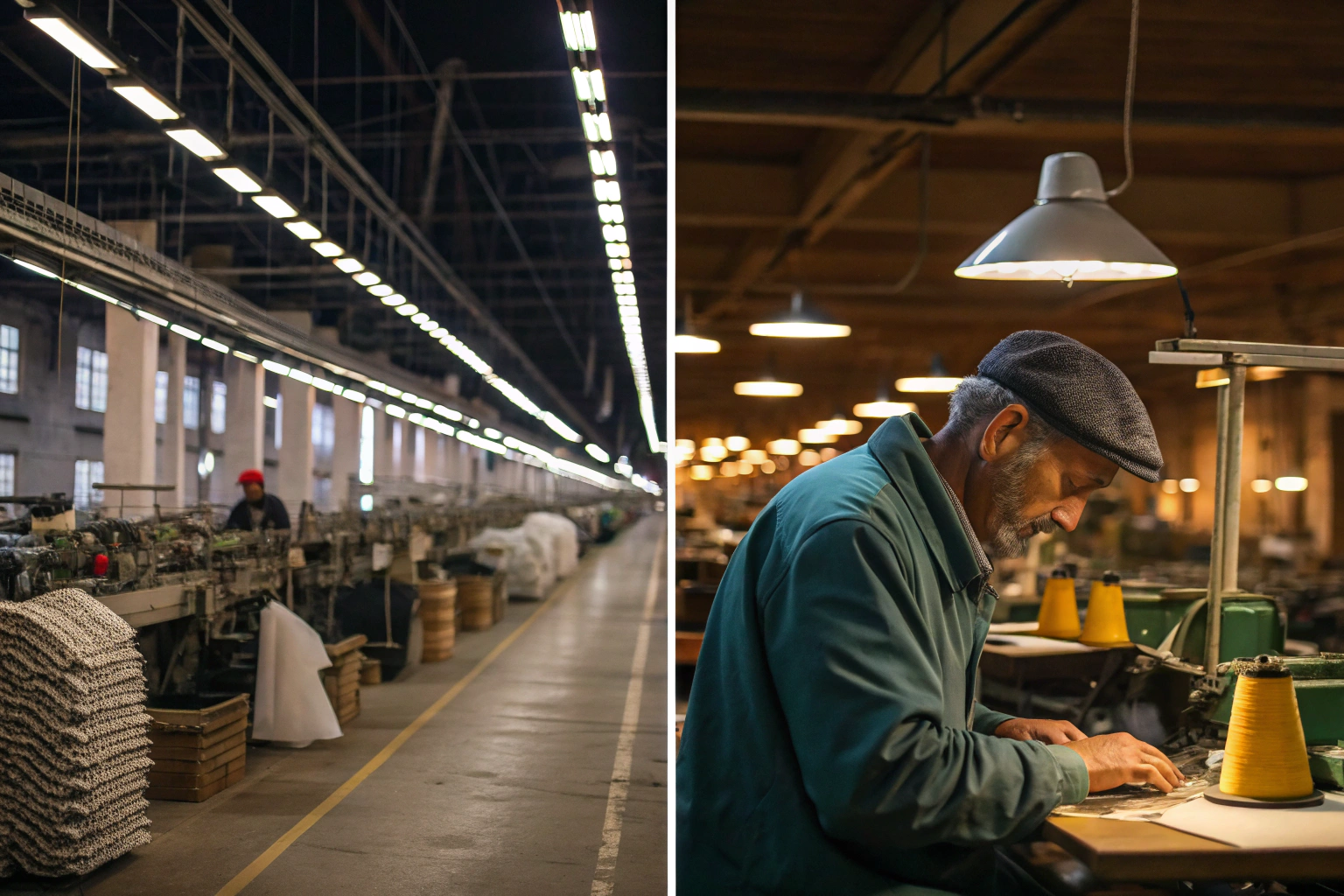
A robust QC system is about prevention, not just detection. Our process at Shanghai Fumao Clothing involves multiple checkpoints. It starts in the design phase, where we identify potential risks. During production, we have an Initial Production Check (IPC) to catch issues early, followed by During Production Inspections (DPI) where our QC team randomly inspects items on the assembly line. Finally, a Final Random Inspection (FRI) is conducted before shipment, following international standards like ISO 2859-1. Each project manager is trained to be a client's eyes and ears in the factory, providing daily updates and photos so there are no surprises. This meticulous process guarantees that the final product is exactly what you ordered.
What Materials Work Best for Children's Accessories?
Choosing the wrong material can sink a product line. You might select a vibrant, low-cost plastic for a batch of hair clips, only to face a wave of customer complaints about breakage. Or you could use a fabric that, while beautiful, is scratchy and uncomfortable, leading to kids refusing to wear it. This results in returns, negative reviews, and a loss of trust in your brand's quality.
The best materials for children's accessories are those that are durable, comfortable, and certified non-toxic. For items that touch the skin, hypoallergenic fabrics like organic cotton and soft acrylics are ideal. For hard accessories, plastics like BPA-free ABS and smooth, splinter-free wood offer the necessary resilience and safety. The choice depends on the product's function, target age group, and the parent's expectation of quality.
We've learned this lesson over many years. Early on, we had a client who wanted to produce a line of budget-friendly knitted hats. The initial yarn choice was cheap but felt rough. We knew from experience that parents would notice. We created a second sample using a slightly more expensive but incredibly soft acrylic yarn. In a blind touch test, the client immediately understood the difference. The final product was a huge success because it delivered on the promise of comfort. The small increase in cost was easily offset by higher sales and customer satisfaction. This is the kind of practical expertise we bring to the table. A great design, as we discussed in What Are the Key Elements of a Winning Design?, can only be realized with the right materials.
Which Fabrics Are Best for Soft Accessories?
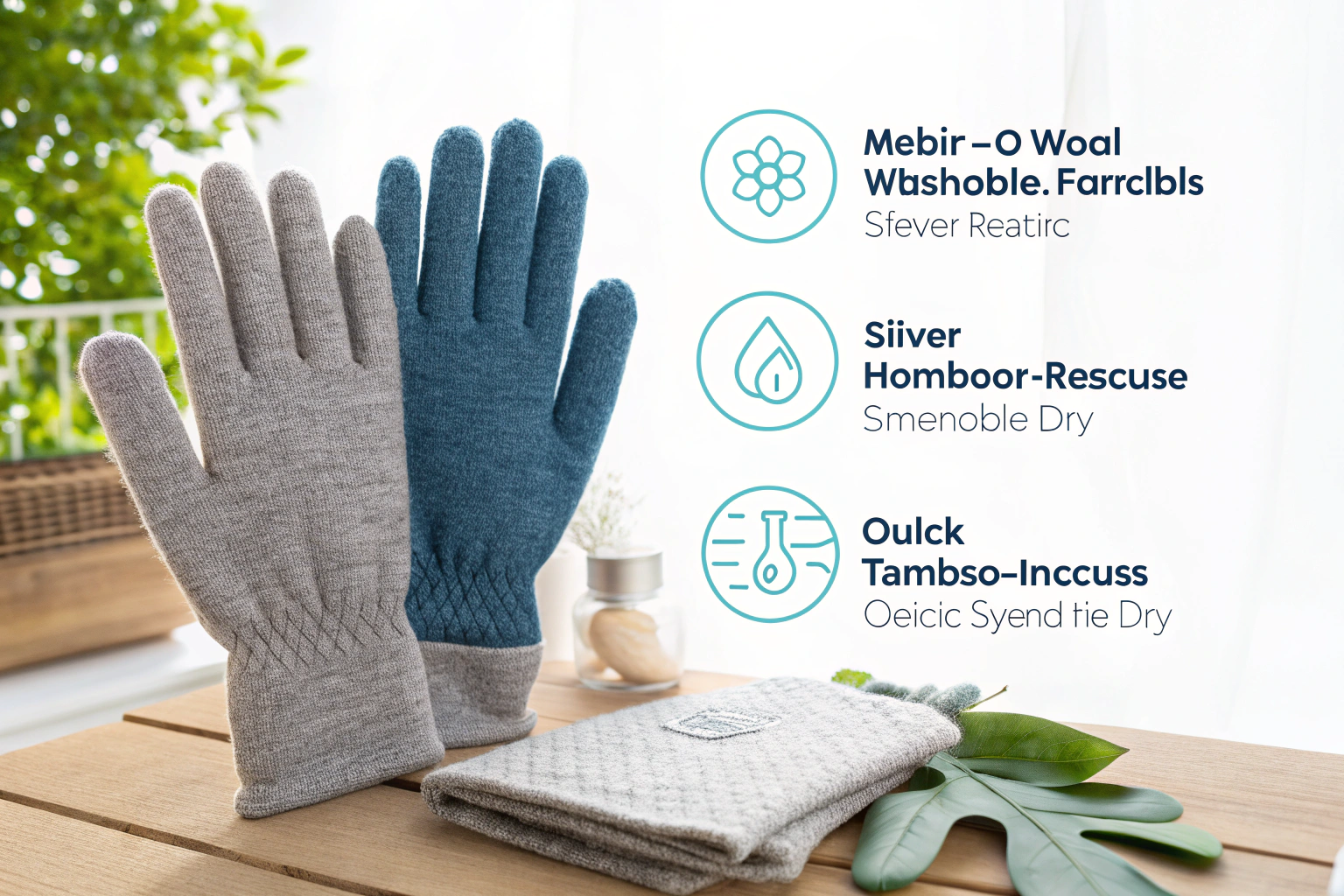
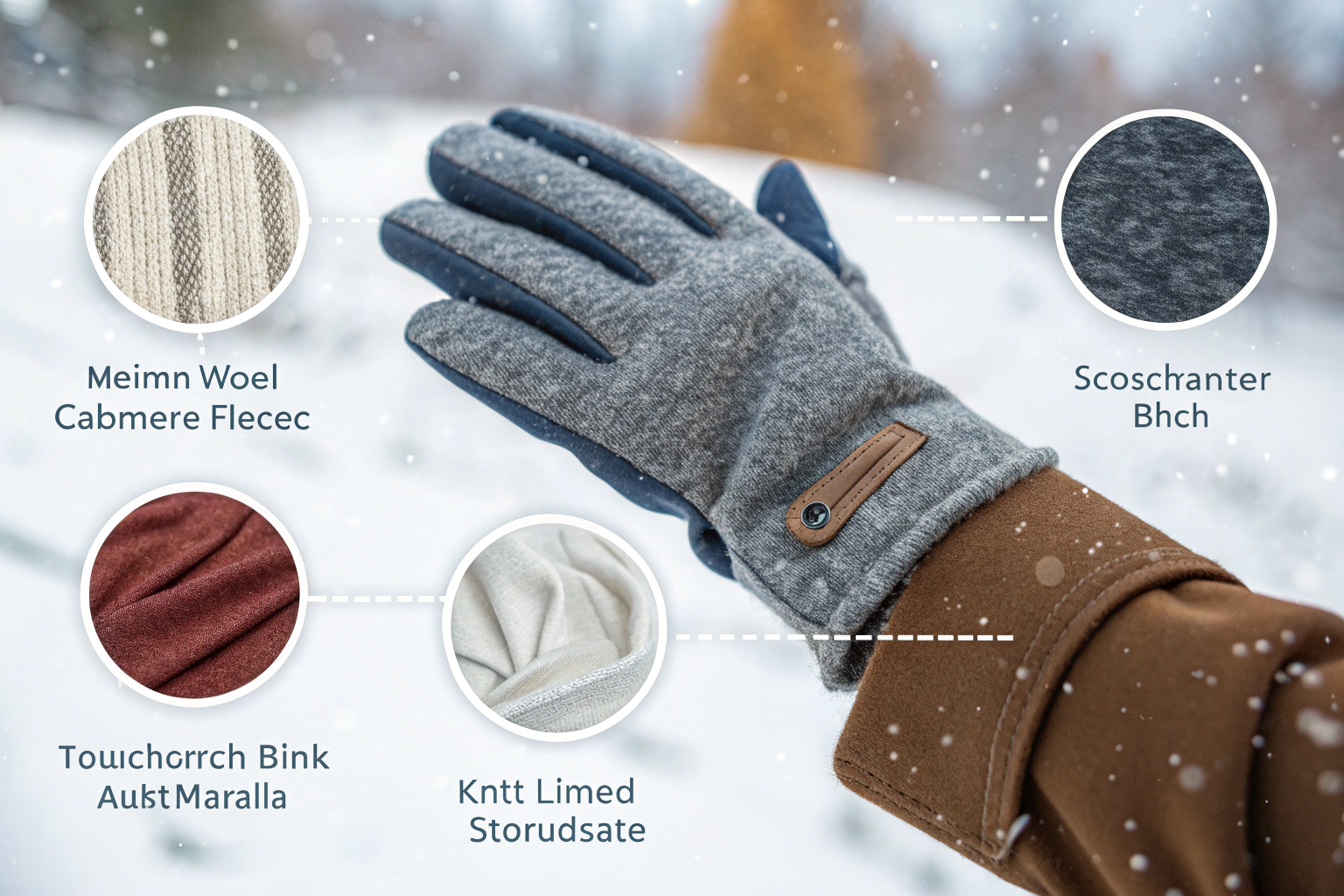
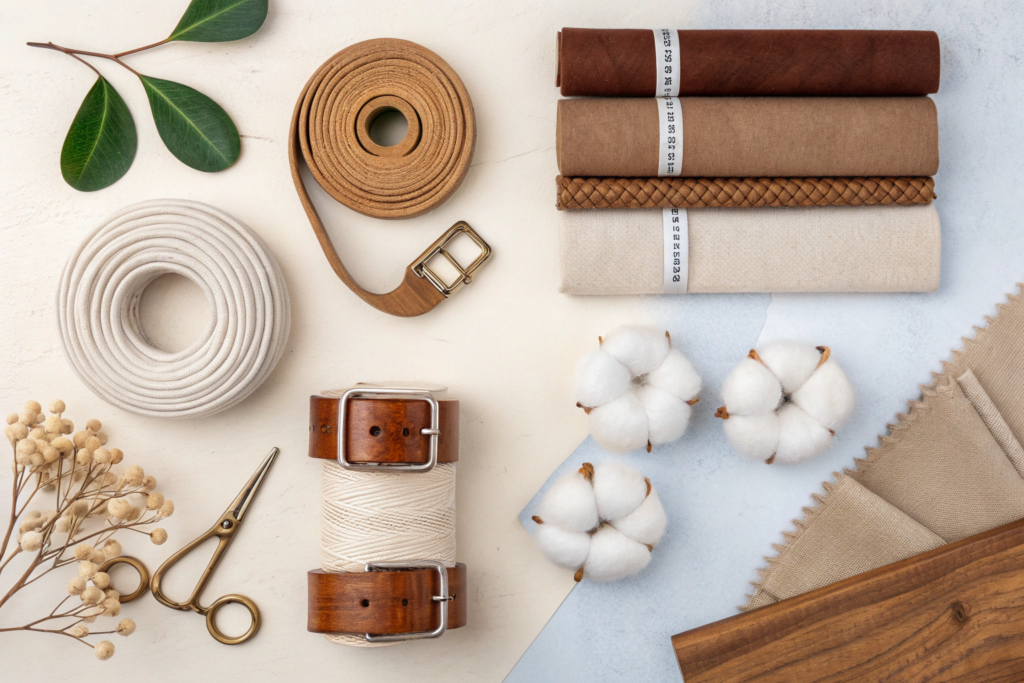
For soft accessories like hats, scarves, and hair bands, the material must be gentle on a child's sensitive skin. We strongly recommend materials like GOTS-certified organic cotton, which is grown without harmful pesticides and is naturally hypoallergenic. For winter items, soft acrylics and fleece are excellent choices as they provide warmth without the itchiness that can come from some wools. Another great option is bamboo viscose, known for its silky softness and moisture-wicking properties. When selecting fabrics, we always consider the OEKO-TEX Standard 100, which certifies that every component of the textile is free from harmful substances.
What Are the Safest Choices for Hard Accessories?
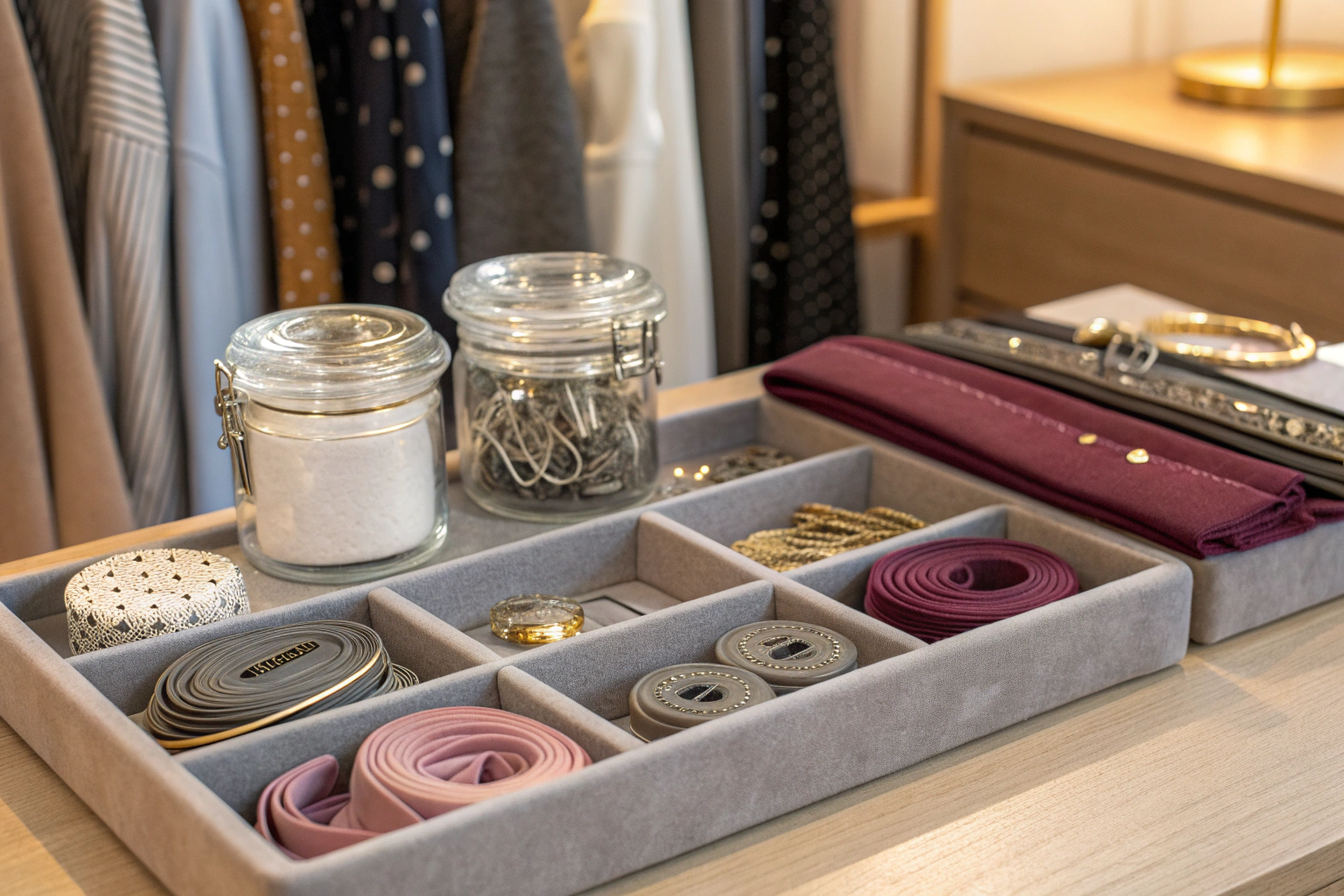
For hard accessories like hair clips, belt buckles, and charms, safety and durability are paramount. We avoid brittle, cheap plastics that can easily snap and create sharp edges or small parts. Instead, we use high-grade, impact-resistant plastics like ABS (Acrylonitrile Butadiene Styrene), which is the same material used for LEGO bricks and is known for its toughness and safety. For any painted items, we insist on using certified non-toxic, lead-free paints. When metal components are necessary, we use nickel-free alloys to prevent allergic reactions, a common concern for parents. We also favor designs with rounded edges and secure construction, ensuring there are no choking hazards for younger children.
What Are the Keys to Efficient Production and Logistics?
You've approved the perfect design, but now you're facing production delays and confusing shipping schedules. Your supplier gives you vague updates, and the delivery date keeps getting pushed back. Meanwhile, your marketing campaign is scheduled to launch, and you risk having no product to sell. This uncertainty creates immense stress and can lead to lost sales and damaged relationships with retailers.
The key to efficient production and logistics is a combination of transparent project management, streamlined manufacturing, and expert shipping coordination. Having a single point of contact, clear production timelines, and a deep understanding of international customs and tariffs eliminates delays and ensures a smooth, predictable supply chain. This turns logistics from a source of problems into a reliable part of your business operations.
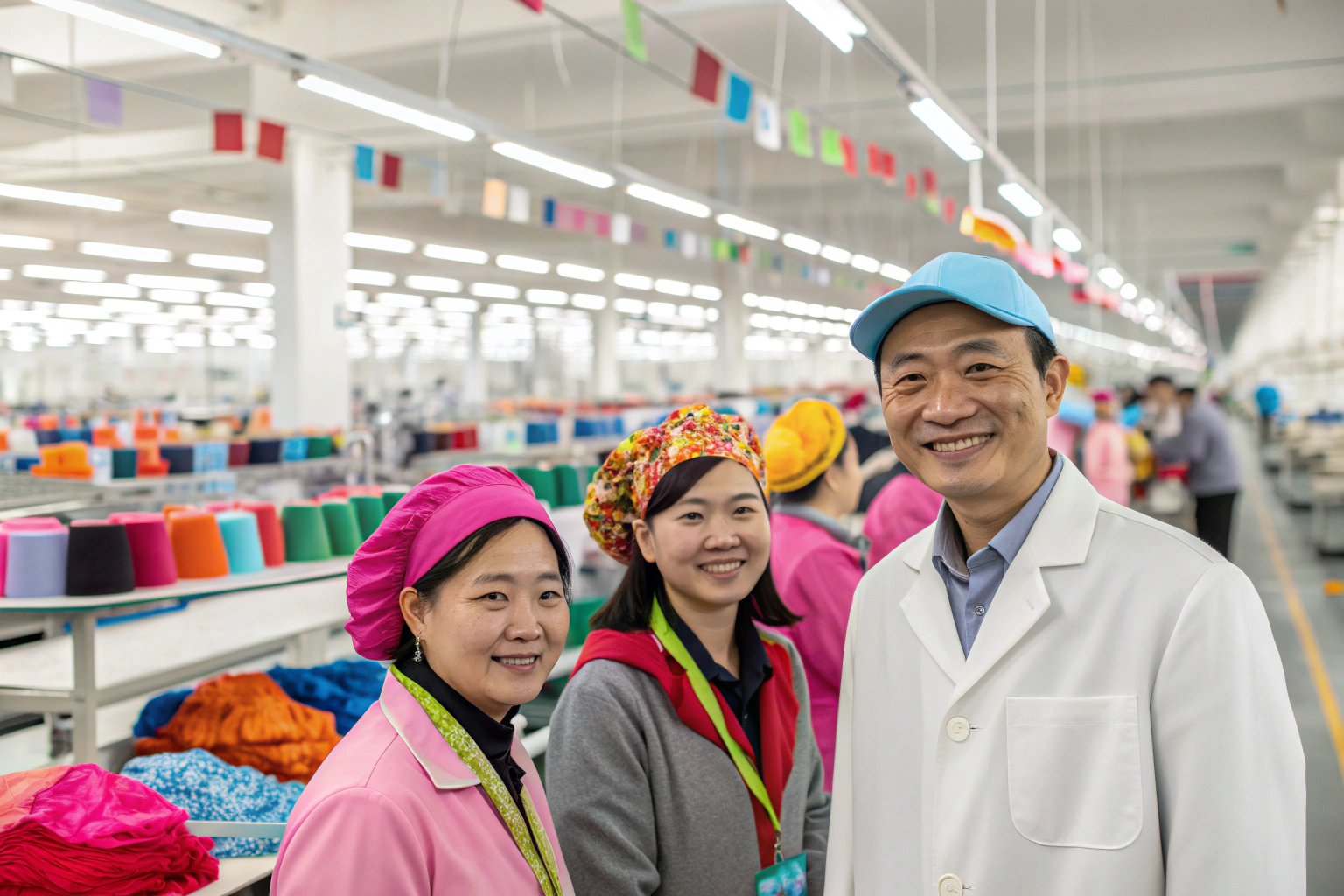
As a factory owner, I see this as one of our most important responsibilities. Our project managers are not just order-takers; they are logistics experts. They provide clients like Ron with a detailed production calendar from day one. They understand the nuances of shipping from China to the U.S., including how to properly classify goods to minimize tariffs and avoid customs holds. We consolidate shipments for clients to save costs and have strong relationships with reliable freight forwarders. This comprehensive service means our clients can focus on selling, confident that their products will arrive on time and on budget. This level of service is only possible because of our robust internal systems, including the quality checks we detailed in How Do You Ensure Product Safety and Quality?.
How to Ensure On-Time Production?
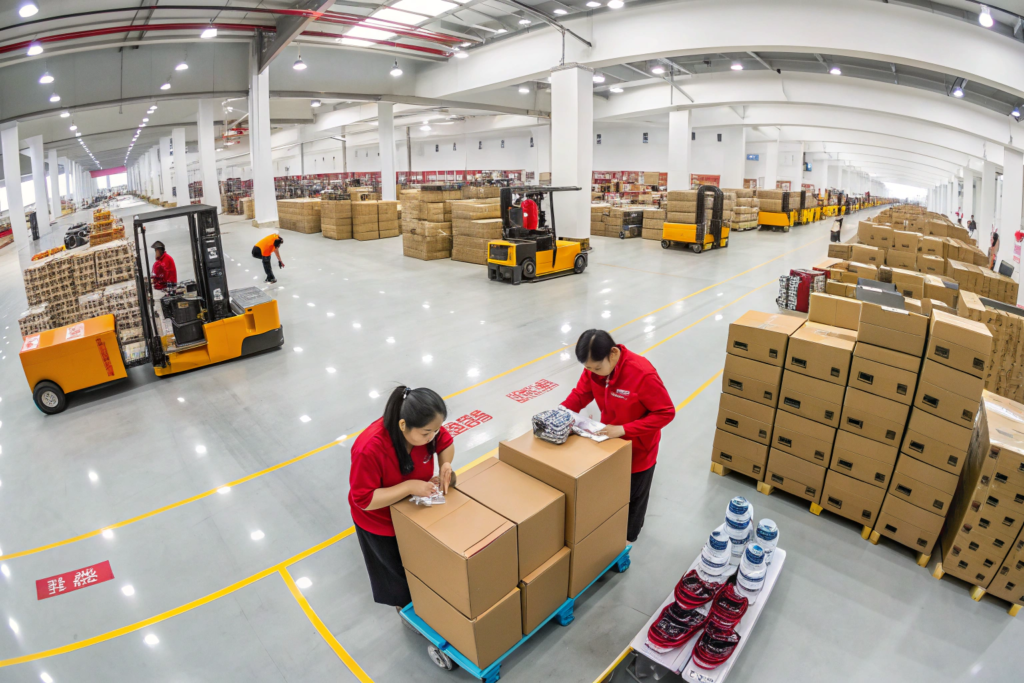
On-time production starts with meticulous planning. Before we accept an order, we conduct a thorough capacity and material availability check. Once an order is confirmed, a dedicated project manager creates a detailed Gantt chart that outlines every stage of production, from sourcing raw materials to final assembly and packaging. This schedule is shared with the client for full transparency. We hold daily production meetings to address any potential bottlenecks before they become delays. This proactive management, combined with our experienced workforce and modern machinery, allows us to maintain a high on-time delivery rate. Many project management professionals rely on tools like Asana or similar platforms to track these complex schedules.
How to Navigate International Shipping and Tariffs?
Navigating international logistics can be complex, but it doesn't have to be a pain point. Our team is well-versed in global shipping protocols and trade agreements. We help clients choose the best shipping method—sea or air—based on their budget and timeline. A critical part of our service is advising on Harmonized System (HS) codes, which are used by customs worldwide to classify products. Using the correct HS code is essential for ensuring you pay the correct tariff rate and avoid costly delays. For our American clients, we have developed strategies to legally mitigate the impact of US tariffs on Chinese goods, often by carefully selecting materials or adjusting product classifications. We handle all the documentation, from the commercial invoice to the packing list, to ensure a smooth customs clearance process.
Conclusion
Creating best-selling children's accessories is not a matter of luck. It is a deliberate process that balances creative design with the non-negotiable demands of safety, quality, and reliability. By focusing on trend-aware yet timeless designs, using certified safe and durable materials, implementing a rigorous quality control system, and managing a transparent and efficient supply chain, you can build a product line that parents trust and children love. It's about transforming your ideas into tangible, high-quality products that stand out in a crowded market. At Shanghai Fumao Clothing, we have built our business on these principles, partnering with brands to navigate every step of this journey.
If you're ready to create your next best-selling accessory line with a partner who understands your needs and can deliver with professionalism and care, let's talk. Contact our Business Director, Elaine, at elaine@fumaoclothing.com to start the conversation.