As a manufacturer for over two decades, I've seen thousands of accessory designs. The collections that truly succeed, the ones that sell out season after season, do more than just follow trends. They tell a story. I often talk with buyers like Ron from the US, and a common pain point is creating a collection that feels disjointed—a random assortment of trendy items that don't connect with each other or the customer. This "collection without a soul" is difficult to market and merchandise.
So, how do you move beyond a simple checklist of items and create an accessory collection that tells a compelling seasonal story? The key is to build a cohesive narrative through a unified creative direction. This involves a four-part process: first, defining a strong Central Theme or "Mood"; second, developing a Harmonious Color Palette; third, selecting Materials and Textures that support the theme; and finally, designing a "Hero" Product to anchor the collection.
This process transforms you from an item-picker into a storyteller. It's how you create a collection that feels intentional, aspirational, and emotionally resonant. At my factory, this is the strategic approach we use with our most successful brand partners. In this article, I'll guide you through each step of building your seasonal narrative.
What is a Central Theme and How Do You Define It?
Before you design a single product, you must decide on the story you want to tell. A central theme, or mood, is the core idea of your collection. It's the emotional and aesthetic anchor for every decision you make. A collection without a theme is just a group of products; a collection with a theme is a world the customer can step into.
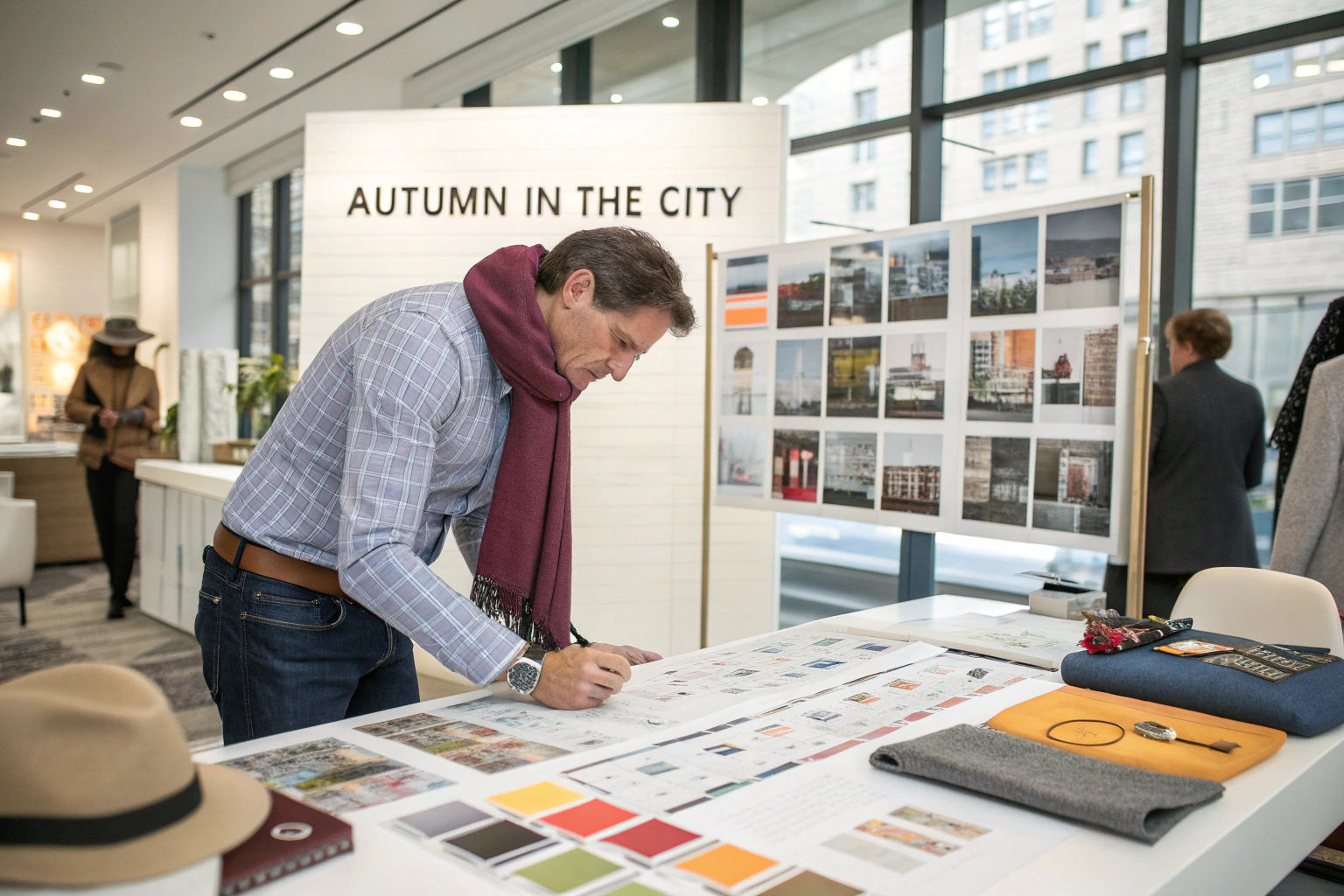
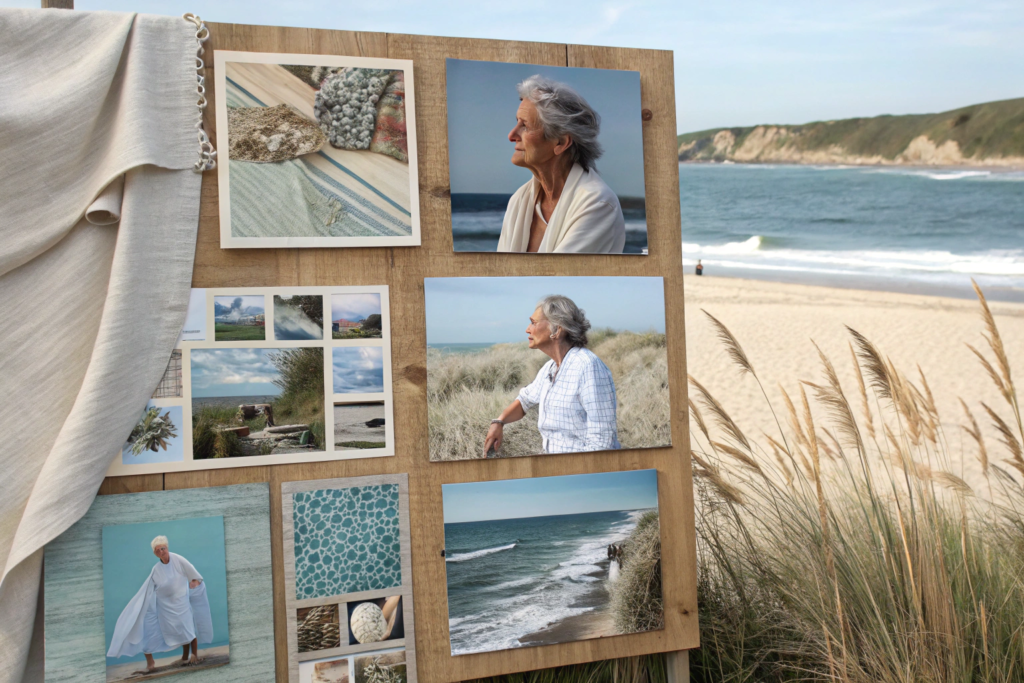
A central theme is the narrative foundation of your collection, answering the question: "What is the feeling and story of this season?" It's a concept that can be captured on a mood board, guiding all subsequent choices in color, material, and product design. Examples could be "Alpine Chic," "Urban Explorer," or "Tropical Deco." At Shanghai Fumao Clothing, our design process always begins with a collaborative mood board session. It ensures that we and our clients are telling the same story from day one.
How do you find a compelling theme?
Inspiration is everywhere. Look beyond just fashion trends. Your theme could come from:
- A Destination: "A Weekend in Kyoto," "Moroccan Marketplace."
- An Era or Art Movement: "Seventies Revival," "Art Deco Geometry."
- A Lifestyle or Archetype: "The Equestrian," "The Digital Nomad."
- A Natural Concept: "Winter Forest," "Desert Bloom."
The key is to choose a theme that is rich with visual and textural possibilities. Trend forecasting services like WGSN are excellent resources for identifying emerging macro themes.
Why is a mood board a critical tool?
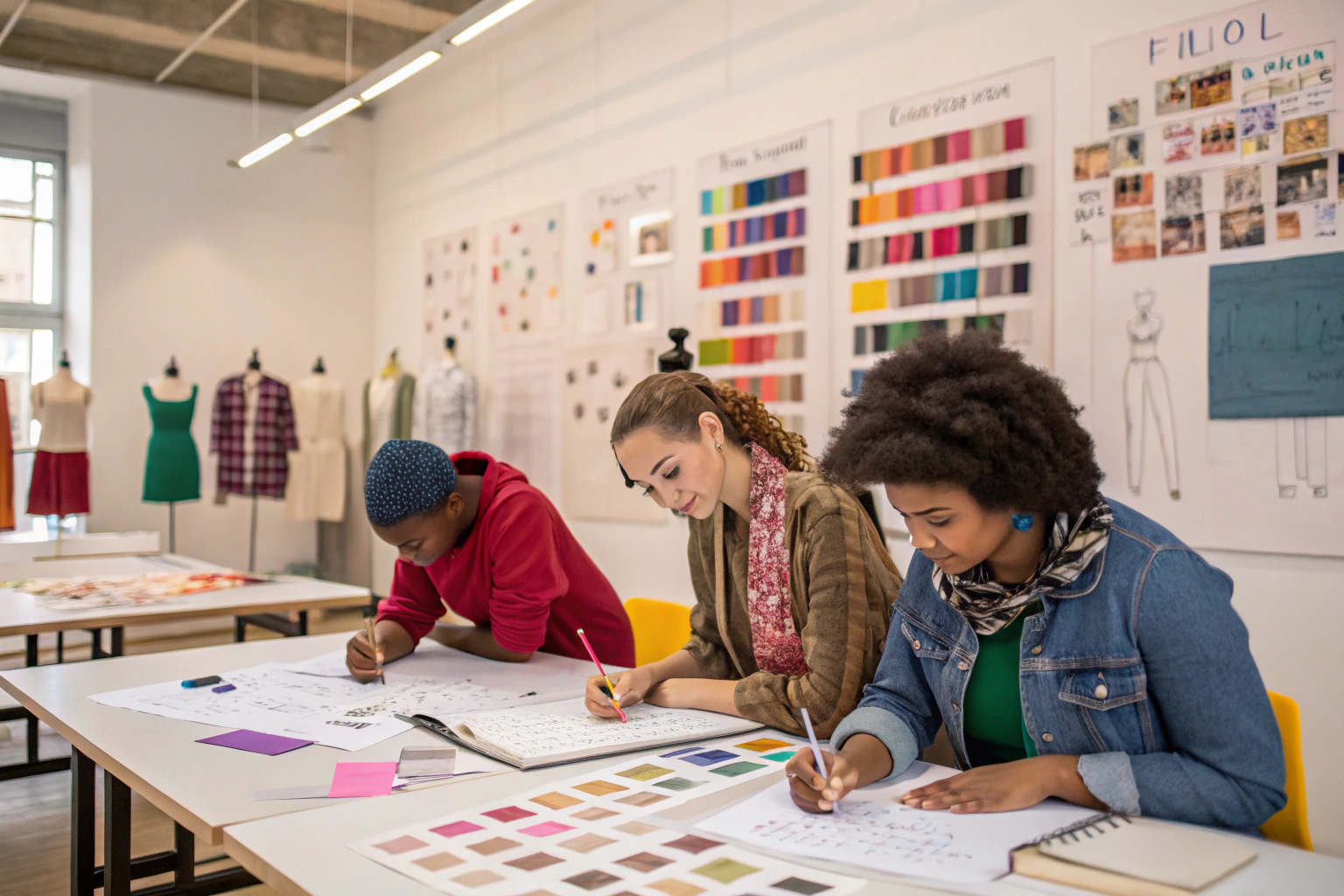
A mood board translates an abstract idea into a concrete visual language. It's a collage of images, colors, and textures that makes the theme tangible. It should include not just fashion, but also architecture, nature, art, and film stills that evoke the desired feeling. This becomes your North Star for the entire collection, ensuring every piece, from a hat to a scarf, feels like it belongs to the same world. The practice of mood boarding is a fundamental step in any creative design process.
How Do You Develop a Harmonious Color Palette?
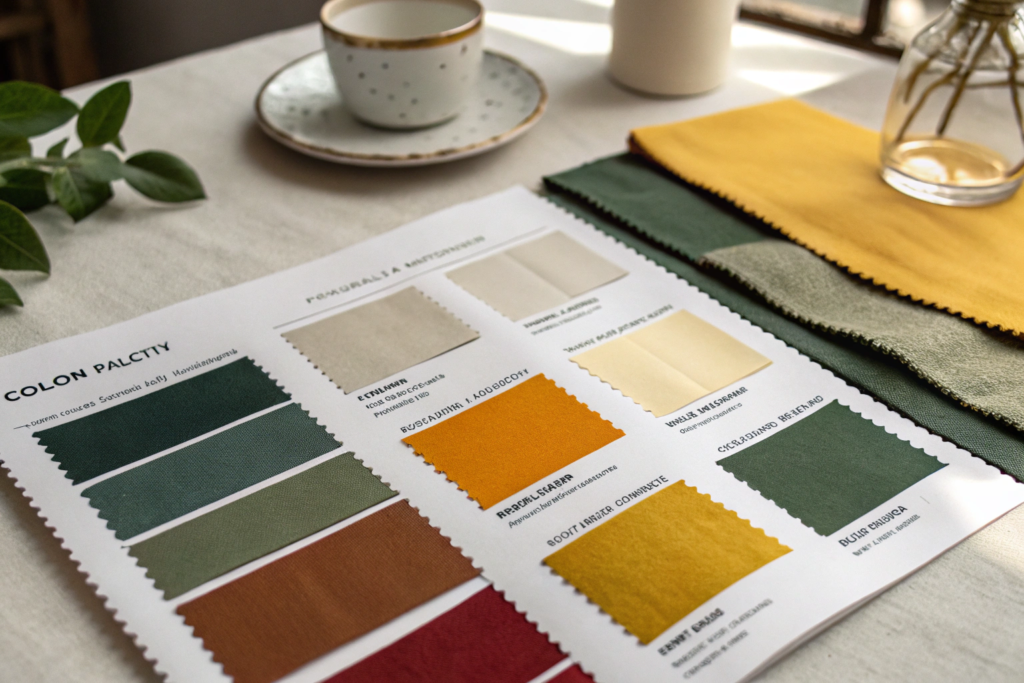
Once your theme is set, the next step is to define its colors. The color palette is the most immediate and powerful tool for communicating your seasonal story. The right colors can instantly evoke a feeling of a crisp autumn day, a breezy summer afternoon, or a festive holiday evening.
A harmonious color palette is a curated selection of colors that work together to support your central theme. A well-balanced palette should include a mix of Core Neutrals that provide a foundation, Key Seasonal Colors that tell the story, and a bright Accent Color that adds energy and creates interest. This structured approach to color ensures your collection is both cohesive and commercially viable.
What is the role of Core Neutrals?
Core neutrals are the versatile, foundational colors of your palette—think black, white, grey, navy, or beige. These are the colors that anchor the collection and provide commercial safety. A customer might be hesitant to buy a bright orange hat, but a classic grey hat with an orange detail is an easier purchase. These neutrals ensure your accessories can be easily paired with a wide range of outfits.
How do you choose your Key Seasonal Colors?
These are the colors that do the storytelling. They should be drawn directly from your mood board. If your theme is "Winter Forest," your key colors might be a deep pine green, a rich bark brown, and a misty grey. If your theme is "Desert Bloom," they might be a terracotta, a dusty rose, and a sage green. These colors give the collection its seasonal identity. Color authorities like the Pantone Color Institute release seasonal reports that are a great source of inspiration for these key colors.
How Do You Select Materials and Textures?
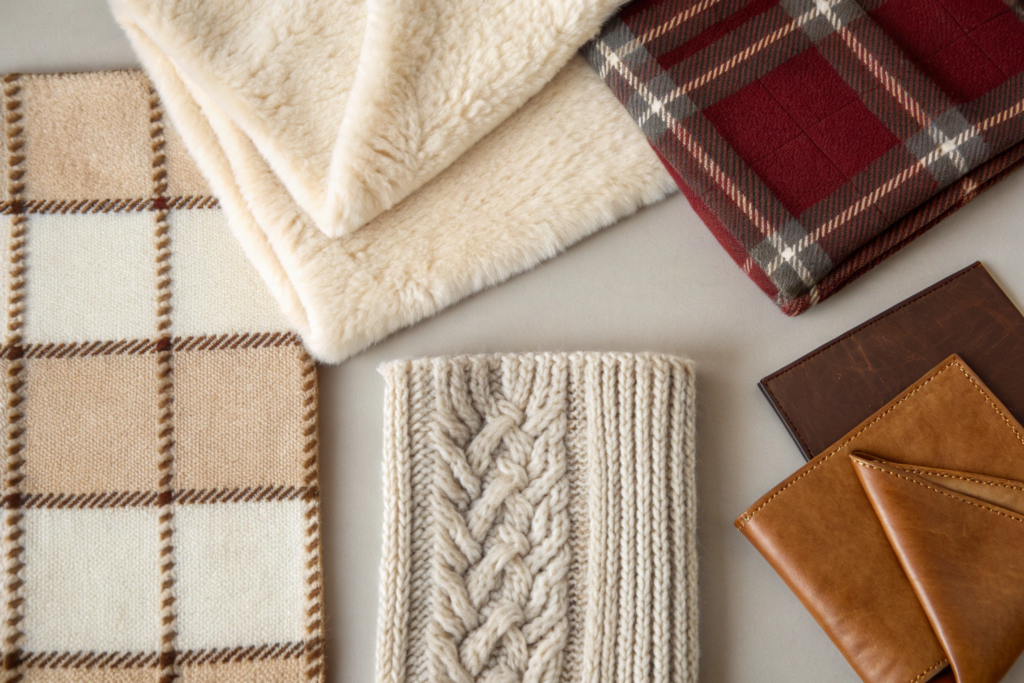
Color tells part of the story, but texture tells the rest. The materials you choose should physically embody the feeling of your theme. A "beach vacation" story told with heavy wool makes no sense. The tactile experience of your accessories is a powerful part of their appeal.
Selecting the right materials means choosing fabrics and finishes whose textures align with and enhance your seasonal narrative. For an autumn/winter story, you would focus on cozy, tactile materials like wool, faux fur, and leather. For a spring/summer story, you would choose light, airy materials like linen, straw, and cotton. At Shanghai Fumao Clothing, our extensive material library allows us to help clients find the perfect textures to bring their seasonal story to life.
How do textures tell a seasonal story?
Texture is deeply connected to our sense of touch and our memories of seasons.
- Autumn/Winter Textures: Think cozy, warm, and protective. Chunky knit, soft cashmere, brushed flannel, rich velvet, faux fur, and sturdy leather all evoke a sense of warmth and shelter.
- Spring/Summer Textures: Think light, breathable, and natural. Crisp cotton, airy linen, woven straw, smooth silk, and sporty nylon all evoke a sense of lightness, freedom, and connection to the outdoors.
How can you create textural contrast?
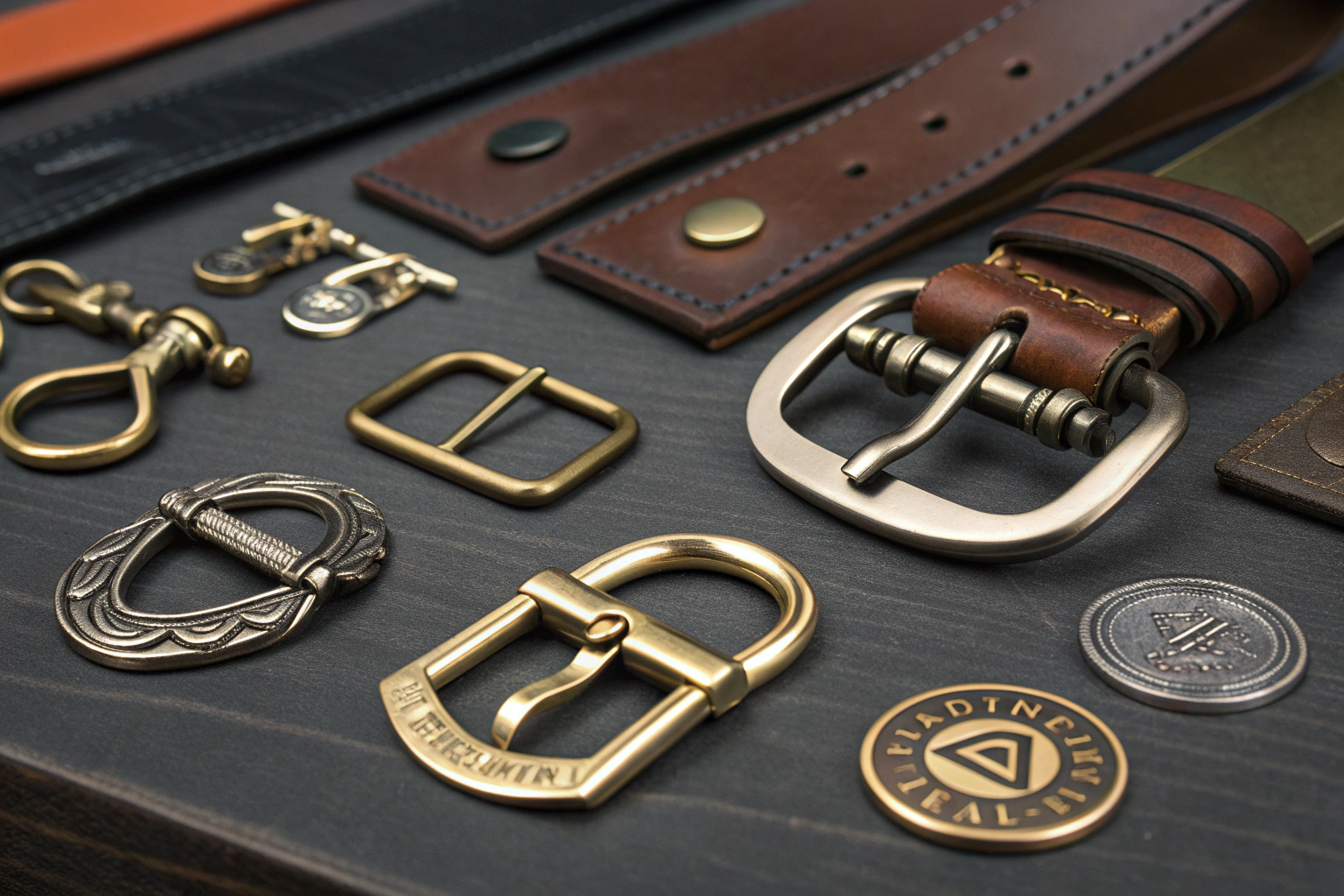
The most interesting collections often play with textural contrast within the same story. For an "Urban Explorer" theme, you might combine a smooth, technical nylon (representing modernity and performance) with a rugged, oiled leather (representing heritage and durability). Or for a "Holiday Party" theme, you could contrast the smooth, cool feel of a silk scarf with the sparkle of a beaded hair clip. This interplay of textures makes the collection more dynamic and sophisticated. This is a key principle of visual merchandising and collection building.
What is a "Hero" Product and Why Do You Need One?
Within your collection, you need one or two pieces that are the star of the show. These are your "hero" products. They are the most complete and powerful expression of your seasonal story.
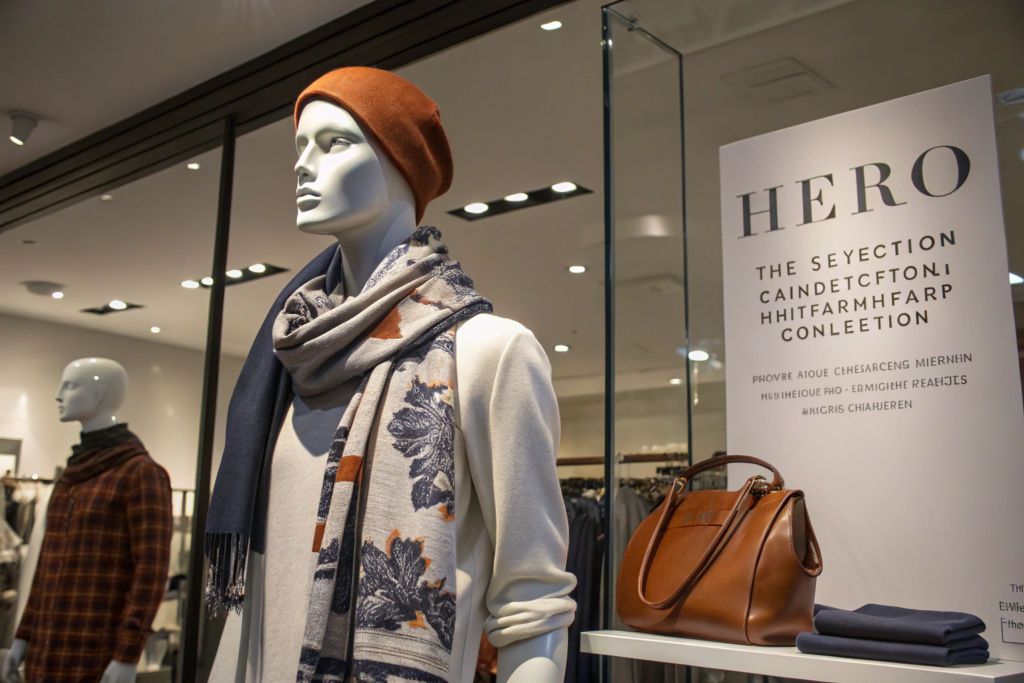
A "hero" product is the centerpiece of your collection, the item that most vividly tells your seasonal story. It's often a printed scarf, an intricately detailed bag, or a statement hat that incorporates the full color palette and key motifs of your theme. The rest of the collection is then designed to support and coordinate with this hero piece. This strategy provides a clear focus for your marketing and helps customers understand how to style the different pieces together.
How does the hero product anchor the collection?
Imagine your theme is "English Garden." Your hero product could be a silk scarf with a beautiful, detailed floral print that uses all the colors in your palette. Now, your other products can be designed to coordinate. You can offer a solid-color knit hat in the exact shade of green from a leaf in the print. You can design a leather belt with a buckle whose shape mimics a flower petal from the print. The hero product provides the DNA for the rest of the collection.
How does this help with marketing and merchandising?
The hero product is your lead story. It's the piece you feature in your main campaign imagery and on your homepage. It's the product that will draw customers in. Once they are drawn to the beautiful hero scarf, they will then discover the perfectly matching hat, gloves, and belt. It makes merchandising intuitive. It shows the customer how to build a complete, cohesive look, which encourages them to buy multiple items instead of just one. This concept of a "halo effect" is a powerful tool in retail marketing.
Conclusion
Creating a successful accessory collection is an act of storytelling. It requires moving beyond individual trends and building a cohesive narrative that resonates with your customer on an emotional level. The process begins with defining a powerful Central Theme that acts as your creative North Star. This theme then informs a harmonious Color Palette and a selection of evocative Materials and Textures. Finally, the entire story is anchored by a compelling "Hero" Product that brings the narrative to life and guides the rest of the collection. By following this strategic framework, you can create a collection that is not just a group of items, but a world your customers want to be a part of—a story they want to wear.
If you are a brand looking for a manufacturing partner who thinks like a creative director and can help you translate your seasonal story into a beautiful, cohesive, and commercially successful accessory collection, my team at Shanghai Fumao Clothing is ready to collaborate with you. We are not just makers; we are storytellers. Please contact our Business Director, Elaine, at her email: elaine@fumaoclothing.com to begin writing your next chapter.