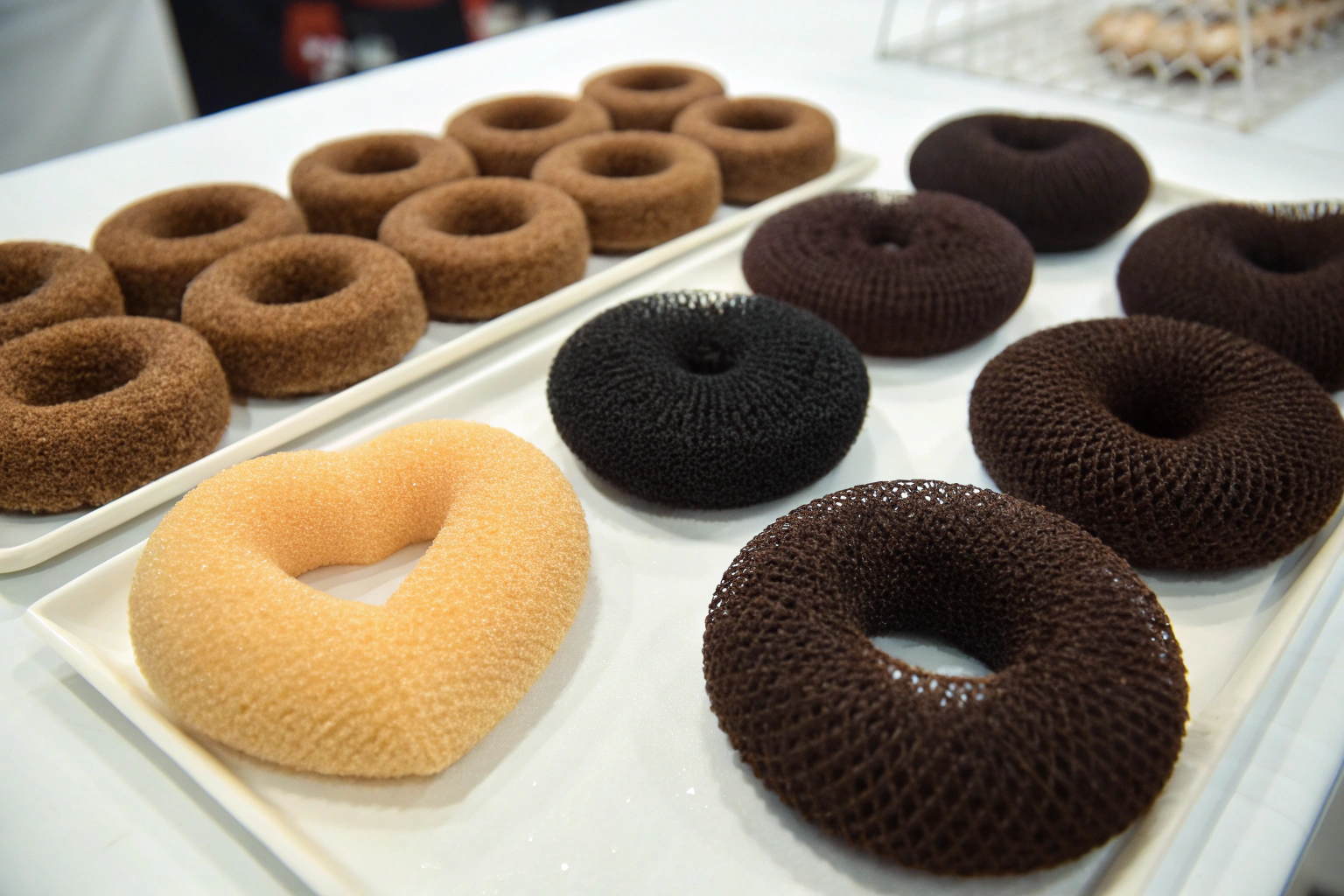
I was reviewing the sales data for one of our boutique clients last quarter. They were selling individual hair clips, scrunchies, and headbands. The products were beautiful. The price point was fair. But their average order value was stuck at around $18. Their customer acquisition cost was $12. Do the math. That is a dangerously thin margin. They were working hard just to break even. I suggested they try something simple: bundle three coordinating scrunchies together and sell them as a "Weekender Set" for $28. They were skeptical. "Will people pay more for a bundle?" They ran a test. Within a month, their average order value jumped to $34. The bundles accounted for 40% of their revenue. The customer got a curated set of accessories. The brand nearly doubled their profit per order. This is the power of strategic bundling.
Creating accessory bundles that increase Average Order Value (AOV) requires a strategy based on product complementarity, perceived value, and smart pricing psychology. The most effective bundles pair a high-margin "anchor" item with lower-cost "fill" items that enhance the main product's use case. For example, a baseball cap bundled with a matching hair band and a pair of socks creates a complete "Weekend Look" that feels intentional and saves the customer the effort of finding matching items separately. The bundle price should reflect a visible discount of 15-25% off the individual retail prices, triggering the customer's sense of value and reward.
At Shanghai Fumao, we work with our brand clients to develop these bundles at the manufacturing level. We help them think through which of our products naturally go together and how to package them to maximize the unboxing experience. I want to share the framework we use to create bundles that customers love and that drive real profitability.
Which Accessory Categories Naturally Pair Well Together?
The worst bundles are random assortments of leftover inventory. Customers see through this immediately. A "Mystery Bundle" of five random hair clips might move dead stock, but it does not build brand loyalty or justify a premium price. The best bundles feel curated and intentional. They solve a specific problem or complete a specific look.
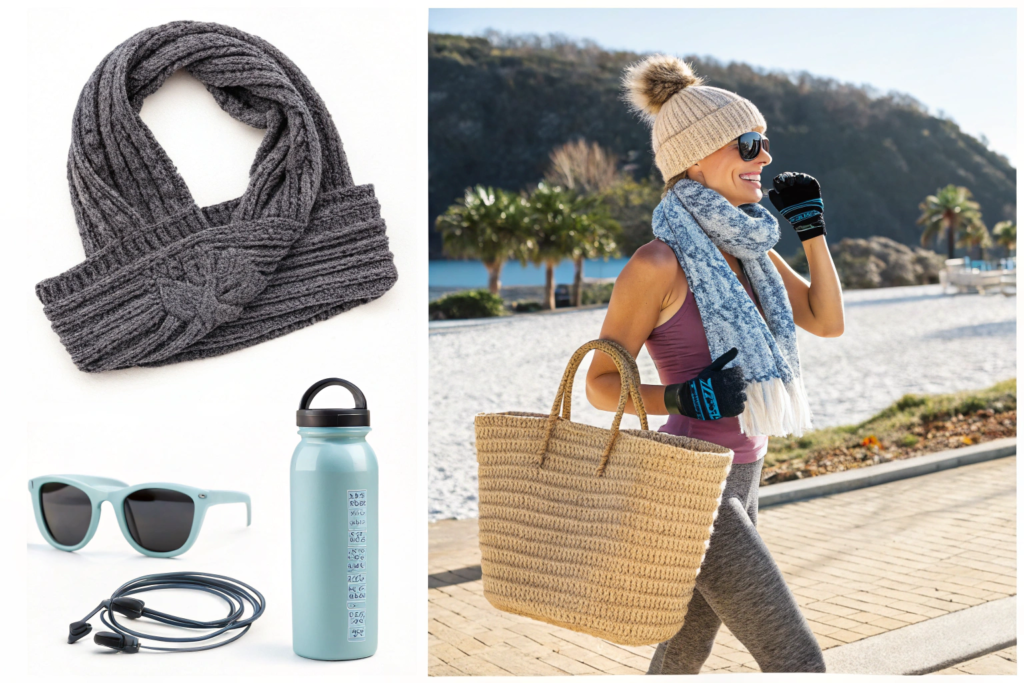
Accessory categories that pair well together are those that are used in the same context or by the same customer on the same occasion. "Get Ready With Me" bundles pair hair accessories like headbands, clips, and scrunchies. "Cold Weather Commuter" bundles pair knit beanies, scarves, and touchscreen gloves. "Beach Day" bundles pair straw hats, tote bags, and hair scarves. By grouping items that share a use case, the bundle transitions from a simple discount play into a valuable convenience solution for the customer. They are not just buying products; they are buying a pre-styled outfit or a solution to a daily routine.
How To Build A High-Value "Hair Essentials" Bundle?
This is the most straightforward bundle for our clients who sell hair accessories. The goal is to cover the basic functions of holding, styling, and accessorizing hair.
A classic "Hair Essentials Trio" might include:
- The Anchor (High Perceived Value): A premium fabric headband or a stylish claw clip. This is the item the customer will wear out of the house. It sets the tone for the bundle. Our premium fabric headbands work perfectly here.
- The Utility (Daily Driver): A set of 3-5 seamless elastic hair ties or a soft spiral hair coil. These are the items she uses every day. They have a low individual cost but high utility.
- The Fun Accent (Delight Factor): A velvet scrunchie or a decorative bobby pin set. This adds a touch of color and texture. It feels like a bonus.
The individual retail value of these items might be $22. The bundle price is $28. The customer perceives a discount of 20% off the sum of the parts. But from a cost-of-goods-sold (COGS) perspective, the incremental cost of the hair ties and scrunchie is very low. The bundle margin is actually higher than selling the headband alone.
We help our clients source these components efficiently. Because we manufacture all these categories—elastic hair ties, scrunchies, and headbands—we can pack the bundle at the factory level. This eliminates the need for the brand to break down bulk shipments and manually assemble bundles in their US warehouse. This is a massive operational and cost-saving advantage.
Why Do "Beanie And Scarf" Bundles Dominate Winter Sales?
Winter accessories are the perfect bundling category. The need for coordination is high. No one wants a beanie that clashes with their scarf. The bulk of the items also justifies a higher shipping cost, making the bundle value proposition even stronger.
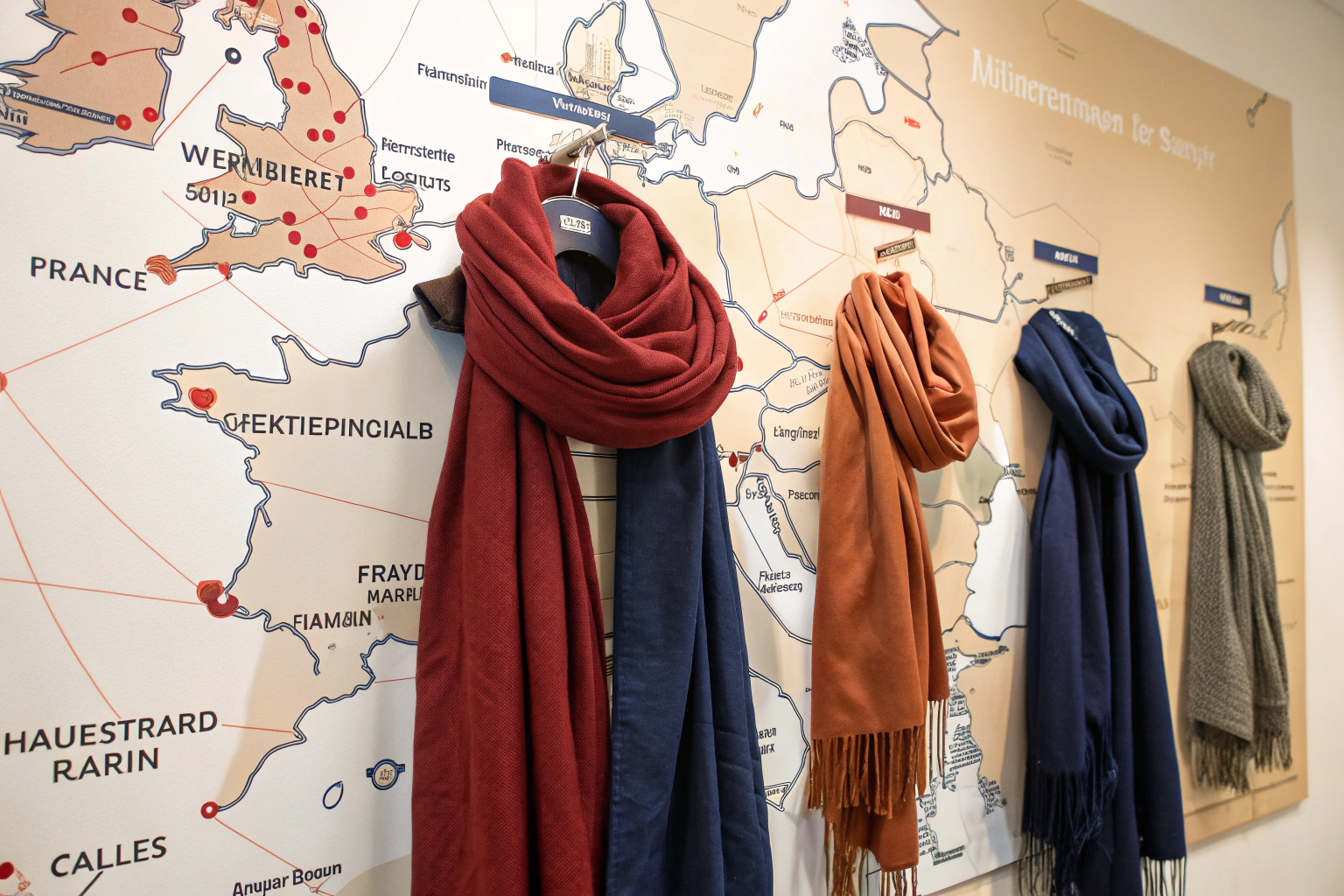
We produce a significant volume of "Matching Beanie and Scarf Sets" for our private label clients. The key to a successful winter bundle is color harmony and texture continuity.
- Exact Match: The beanie and scarf are made from the exact same yarn lot. This is the classic, foolproof bundle.
- Tonal Coordination: The beanie is a solid color, and the scarf features a pattern (like a plaid or stripe) that contains that solid color. This looks more designer and intentional.
- Texture Play: A chunky cable-knit beanie paired with a smooth, rib-knit scarf in the same color family.
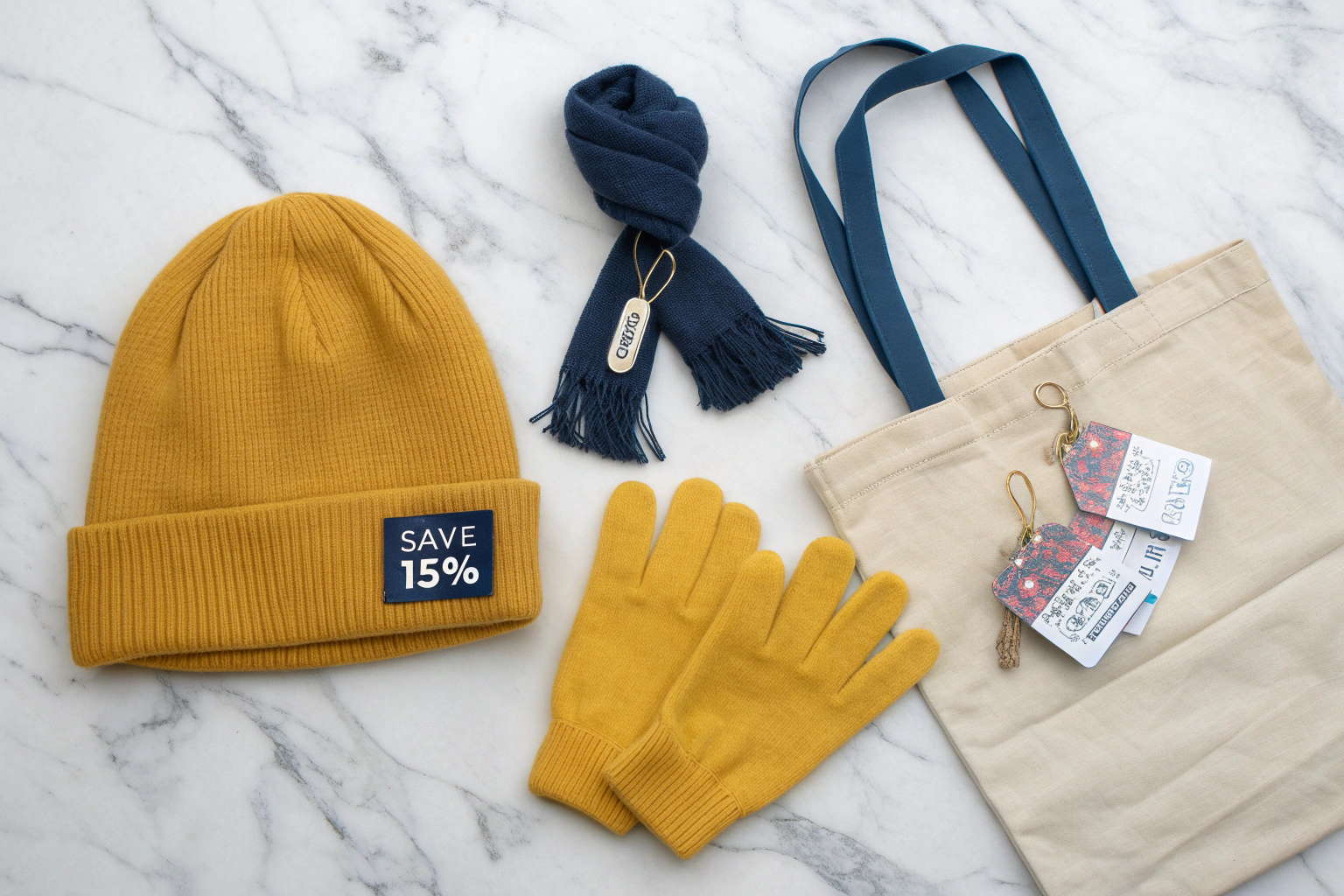
We often add a third item to create a "Winter Warrior Set" : Touchscreen Gloves. These gloves are a low-cost, high-perceived-value addition. They solve a specific winter problem (using your phone in the cold). The bundle of Beanie + Scarf + Gloves can command a retail price of $45-$55.
From a sourcing perspective, producing these bundles in China is highly efficient. The yarn is ordered in bulk. The knitting machines run the beanie and scarf bodies simultaneously. The packing team matches them at the source. The brand receives a shelf-ready, pre-bundled product.
How Should You Price And Position Bundles For Maximum Conversion?
Creating the bundle is step one. Presenting it to the customer is step two. The pricing and positioning on your website or retail shelf must clearly communicate the value proposition. If the math is confusing, the customer will not buy.
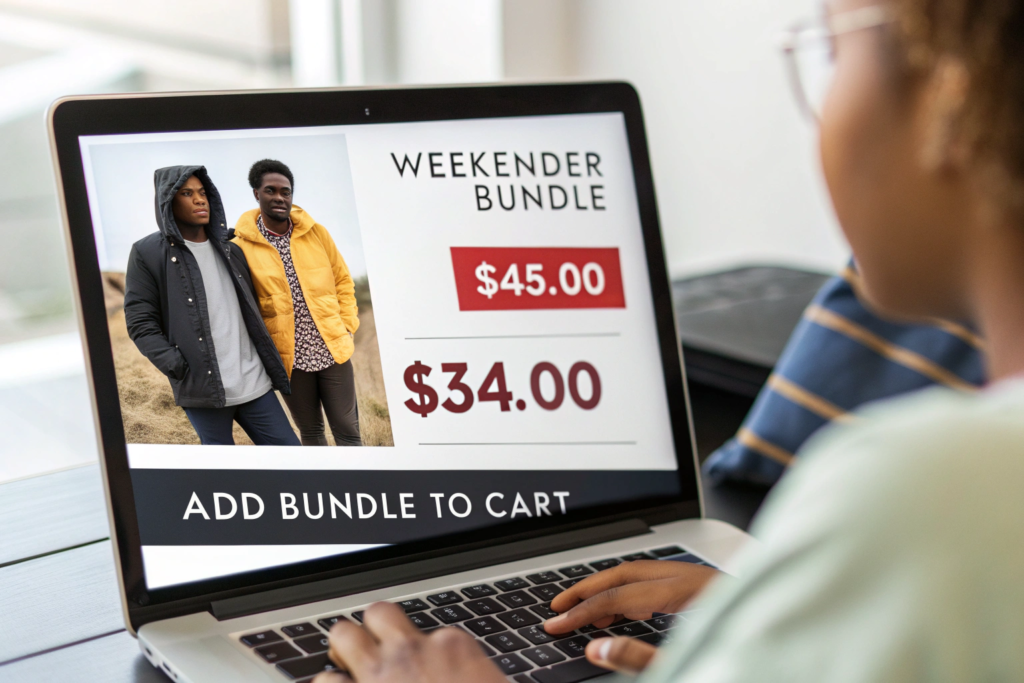
Effective bundle pricing relies on the principle of "anchoring" and transparent discounting. The product page must clearly display the individual retail prices of each item in the bundle, showing the sum total. This sum is the "anchor" price. The bundle price is then displayed prominently, with a clear visual representation of the savings (e.g., "Save $11" or "15% Off"). This transparency eliminates the customer's need to do mental math and immediately demonstrates the value. The bundle should also be positioned as the default, recommended purchase option on the product page.
What Is The Psychology Of "Good, Better, Best" Bundling?
This is a powerful strategy to increase AOV even further. Instead of offering just one bundle, offer three tiers.
- Good (Starter Set): Beanie only. $18.
- Better (Core Set): Beanie + Matching Scarf. $32 (Save $4).
- Best (Deluxe Set): Beanie + Matching Scarf + Touchscreen Gloves + Gift Box. $48 (Save $12).
When presented with these three options, the customer's psychology shifts from "Should I buy this?" to "Which one should I buy?" The middle "Better" option often becomes the most popular. The "Best" option acts as a decoy, making the "Better" option look like a smarter value.
This tiered approach also captures different customer segments. The price-sensitive customer buys the "Good" option. The gifting customer buys the "Best" option because it comes in a gift box. Everyone feels like they made a smart choice.
We work with our clients to define these tiers at the factory level. We can pack the "Best" bundle in a custom-printed gift box, while the "Better" bundle goes in a standard polybag with a header card. This differentiation is built into the production run.
How To Use Bundles To Clear Slow-Moving Inventory?
This is a more tactical use of bundling. Every brand has certain colors or styles that did not sell as well as expected. Do not put them on clearance for 50% off. That trains your customers to wait for sales and devalues your brand.
Instead, pair the slow-moving item with a best-selling item in a limited-edition bundle.
For example, you have 200 units of a "Neon Lime" scrunchie that is not selling. Your best-selling item is a "Tortoise Shell Claw Clip." Create a "Summer Pop Bundle" : Claw Clip + Neon Lime Scrunchie + Solid White Scrunchie.
Price the bundle at $20. The claw clip alone sells for $14. The customer gets two scrunchies for an extra $6. They perceive great value. You move the slow-moving inventory without publicly marking it down. The neon scrunchie is framed as a "fun pop of color" rather than a "clearance item."
We can support this strategy with flexible manufacturing and packing. If a client needs to create a special bundle to move specific inventory, we can receive the components and handle the custom packing and labeling at our facility before shipping the final bundled goods. This saves the client the headache of managing this process in their own warehouse.
How Does Factory-Level Bundling Save Time And Shipping Costs?
This is the operational secret that makes bundling truly profitable. If a US brand orders 1,000 beanies and 1,000 scarves separately, they arrive in separate cartons. The brand's team has to unpack, pair, repack, and label 1,000 bundles. This labor is expensive and time-consuming.
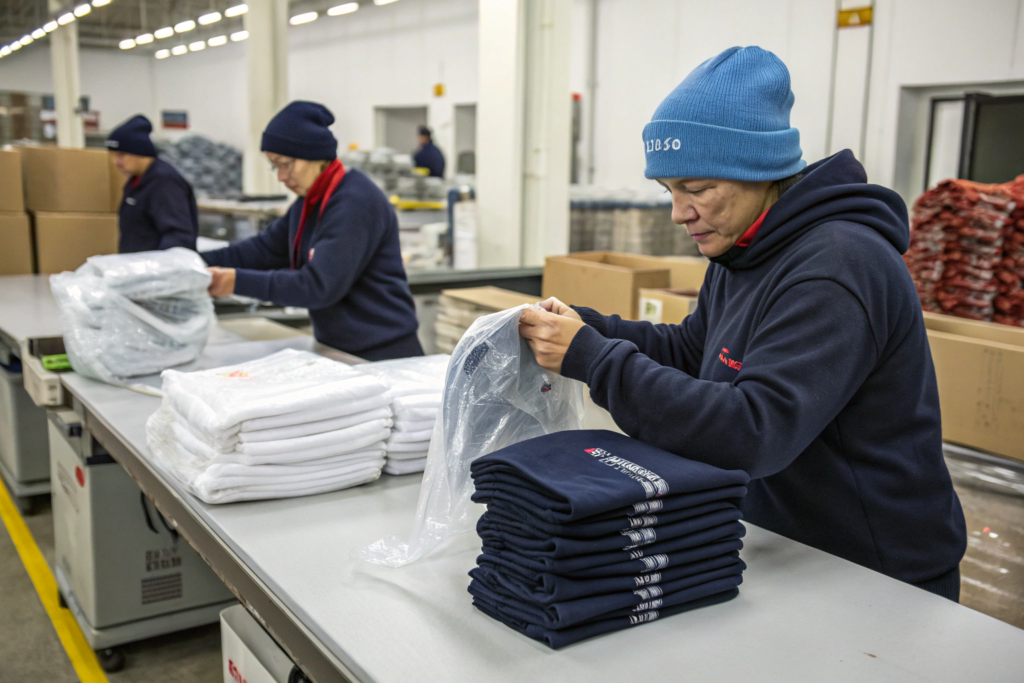
Factory-level bundling, also known as kitting or co-packing, shifts the assembly labor to the source. The factory receives the components, assembles the bundles according to the brand's specifications, and packs them in the final retail packaging. The bundles arrive at the brand's warehouse or 3PL ready to be shelved or shipped directly to the customer. This eliminates a significant labor cost center for the brand and reduces the total carton volume, further saving on freight.
What Is The Process For Custom Kitting At AceAccessory?
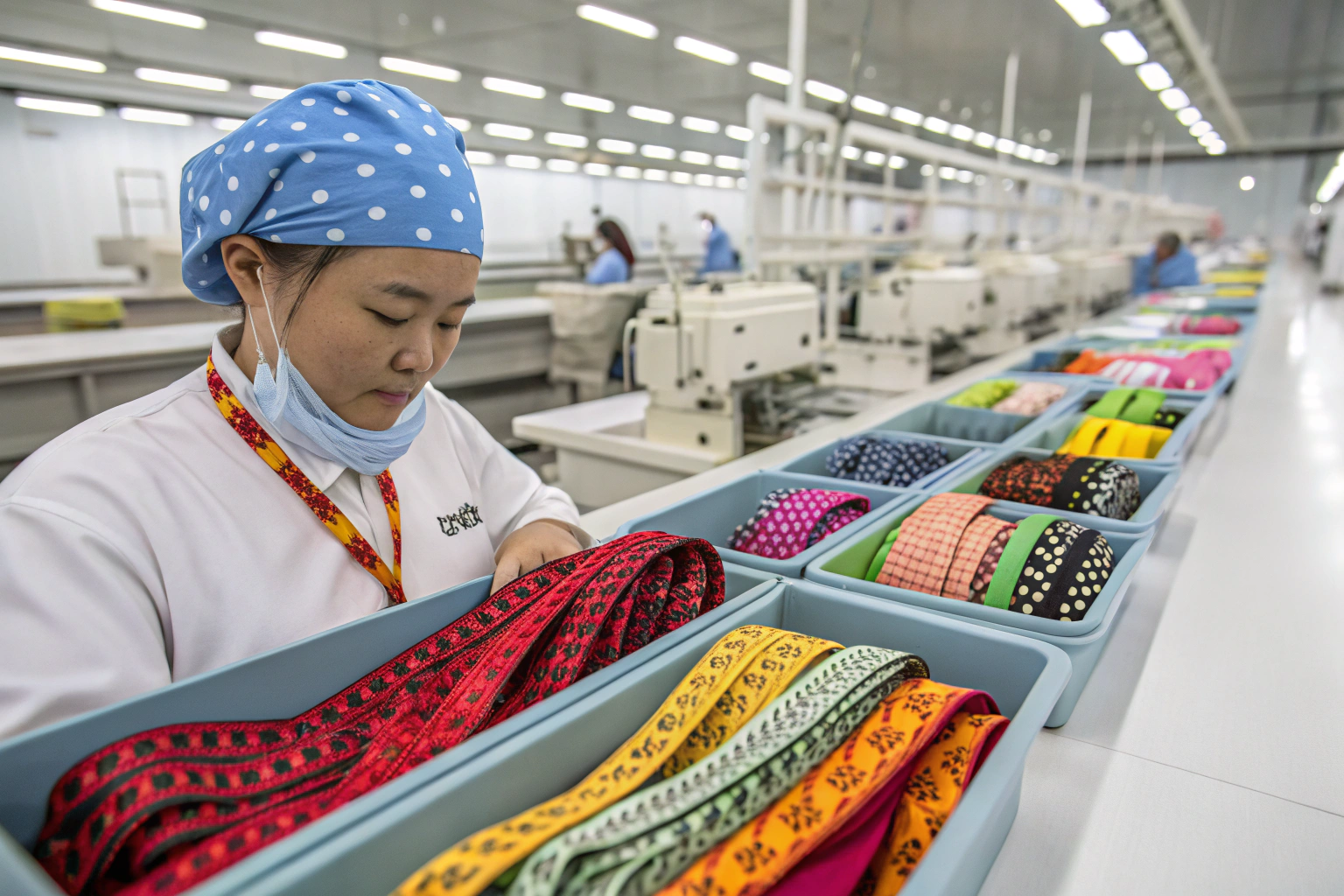
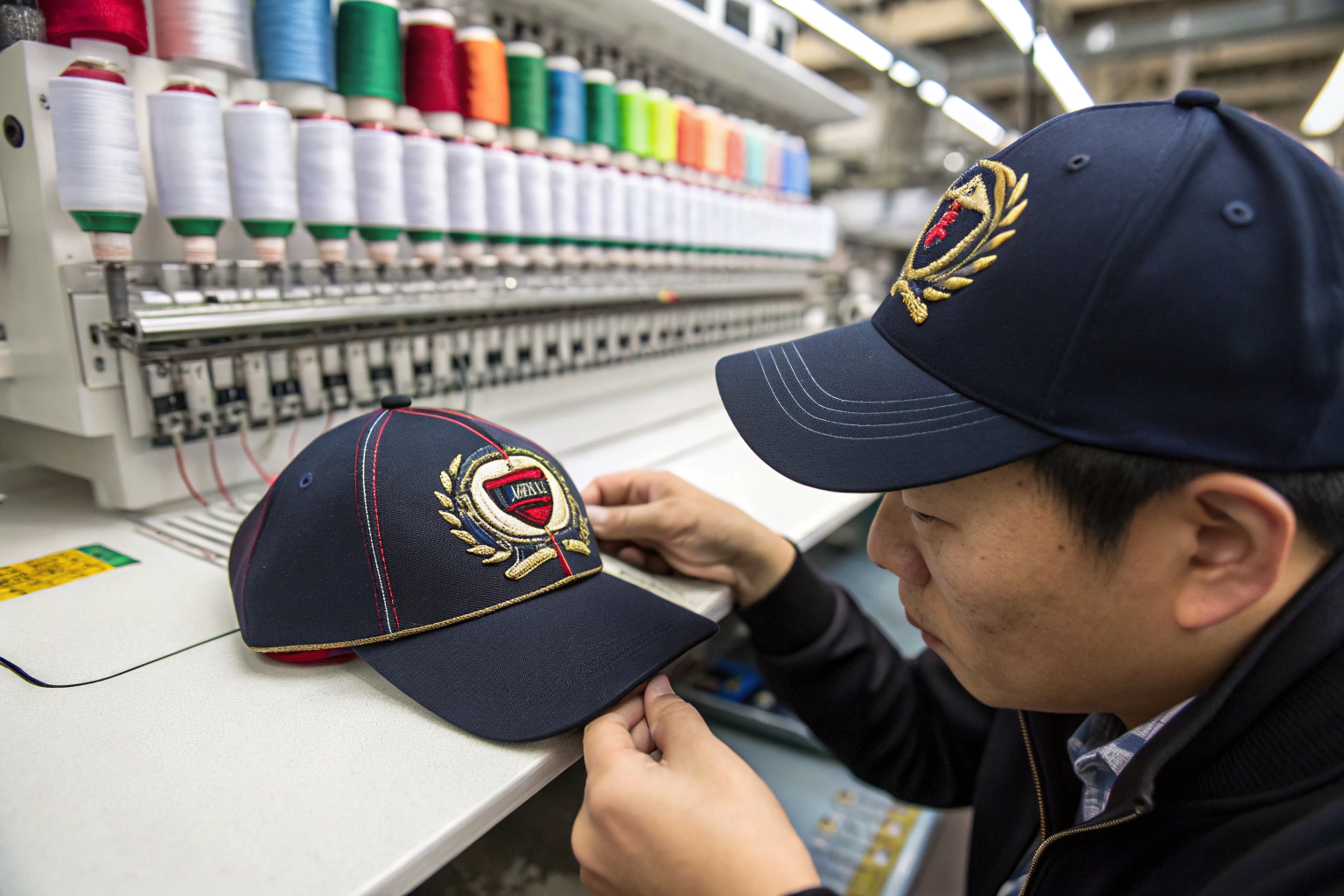
We have a dedicated area in our facility for Value-Added Services (VAS) . This is where we handle bundling, kitting, and special packaging.
The process is straightforward:
- Component Production: We manufacture the individual items (e.g., beanie shells, scarves, gloves) in our knitting and sewing departments.
- QC Check: Each component passes through its individual QC inspection.
- Kitting Station: The components are brought to the VAS area. Workers at a clean table follow a Bundle Assembly Instruction Sheet provided by the client.
- Assembly: The worker places the specified items into the correct packaging (polybag, gift box, etc.).
- Labeling and Sealing: The package is sealed and a barcode label for the bundle SKU is applied.
- Final QC: A supervisor checks the assembled bundles for accuracy and presentation.
This process adds a small labor fee per unit, usually between $0.10 and $0.30 depending on complexity. This fee is negligible compared to the cost of labor in a US warehouse (which can be $1.00+ per unit). More importantly, it saves the brand's team hours of tedious work. They can focus on marketing and sales, not packing boxes.
How Does Bundling Reduce Dimensional Weight Charges?
This is a hidden benefit. When items are shipped individually, they often require separate polybags and take up more space in a master carton. When they are bundled together in a single, compact package, the total volume of the shipment decreases.
Remember our discussion on scarf folding techniques ? The same principle applies here. A beanie and scarf bundled together in a tight polybag take up less space than a beanie and scarf packed in two separate, puffy bags.
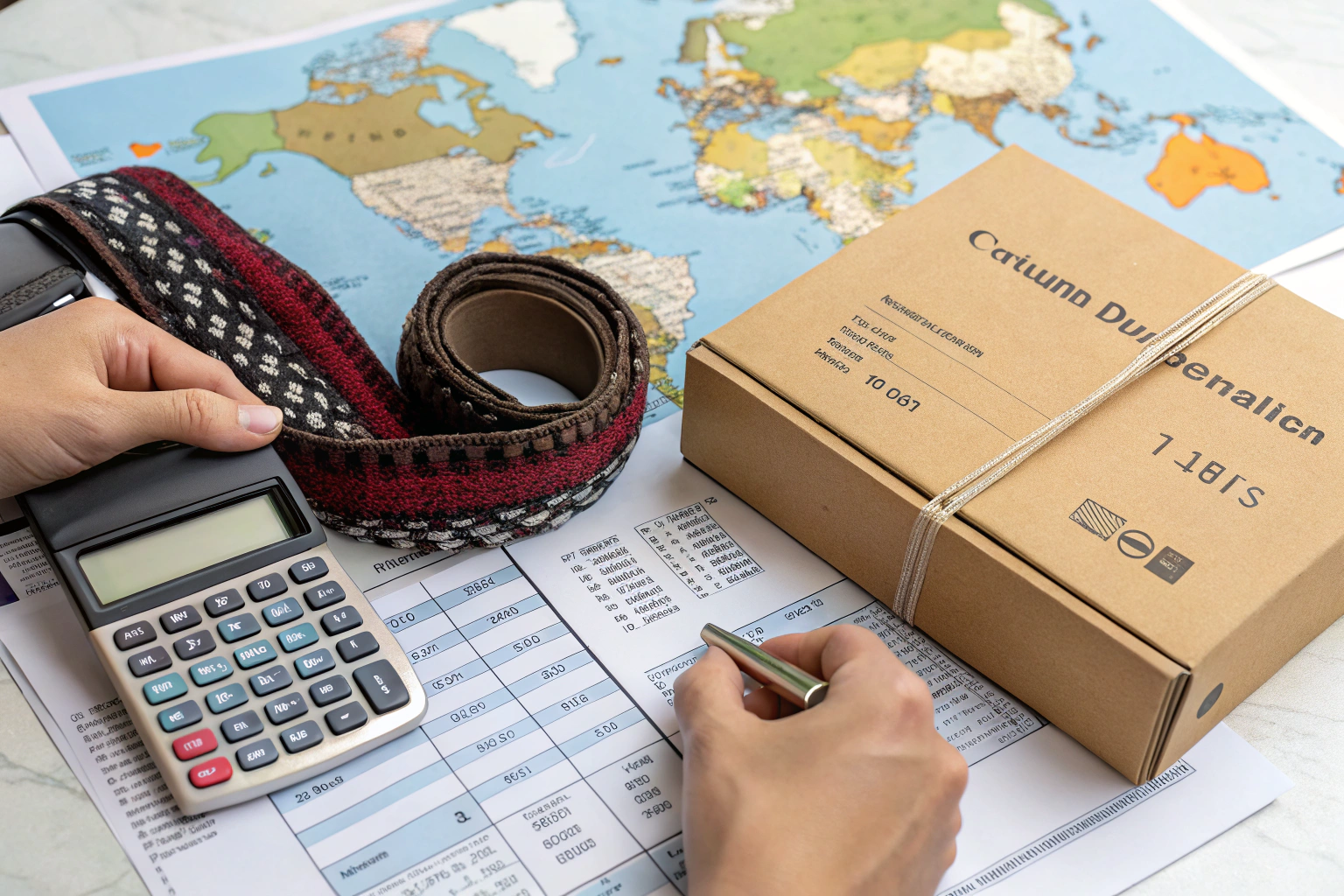
For e-commerce brands, this also reduces dimensional weight (DIM weight) charges for outbound shipping to the end customer. A compact bundle ships for less than two separate items.
We analyze the packaging efficiency for our clients. We help them select the right size polybag or box to minimize volume while maintaining a premium presentation. This is a detail that impacts both inbound freight from China and outbound shipping to the consumer. The savings compound.
Conclusion
Creating accessory bundles is one of the most effective strategies available to increase average order value and build a more profitable brand. It is not about tricking the customer into spending more. It is about providing genuine convenience, curated style, and tangible value.
The most successful bundles are built on a foundation of product complementarity, transparent pricing, and operational efficiency. By pairing a high-value anchor item with complementary low-cost items, you create a package that delights the customer and boosts your margins.
Partnering with a factory like Shanghai Fumao that offers factory-level kitting and bundling services transforms this strategy from a logistical headache into a seamless, profitable operation. We handle the assembly at the source, so you receive shelf-ready bundles that are primed for sale.
If you are looking to develop a bundled accessory program for your brand, we are here to help. We can work with you to identify the best product pairings from our extensive catalog and develop a custom kitting solution that fits your budget and timeline. For a consultation on creating high-value accessory bundles, please contact our Business Director Elaine directly at elaine@fumaoclothing.com. Let us help you increase your average order value and build a more loyal customer base.