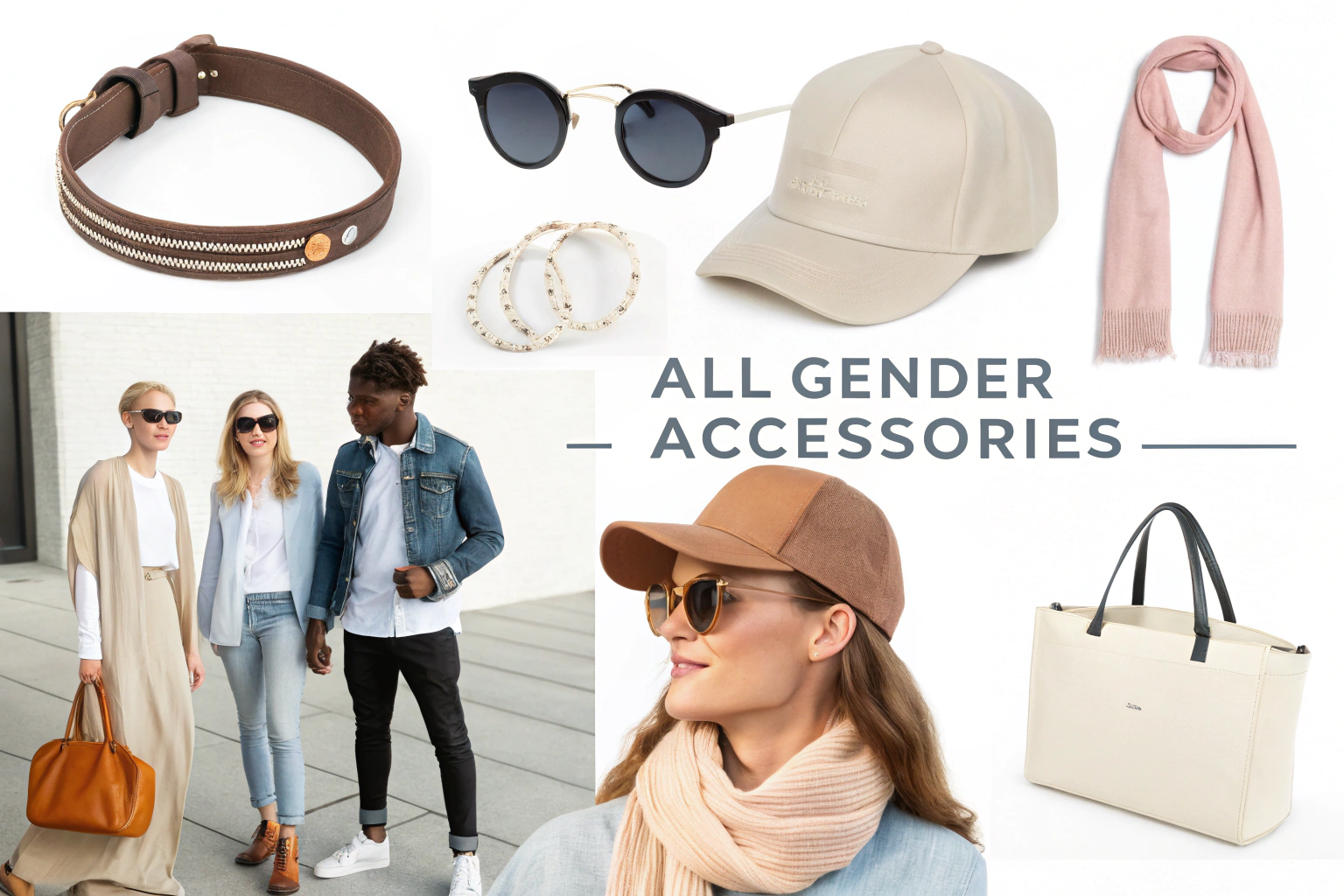
I remember a conversation with a designer who was launching a new brand. She was passionate about inclusivity and wanted her collection to be for everyone. But she was struggling. "Every supplier I talk to asks me if it's for men or women," she told me. "They want me to put it in a box. But I don't want boxes. I want to make accessories that anyone can wear, regardless of gender. How do I even start?" Her question was a profound one, touching on a major shift in how we think about fashion and identity.
Creating accessories for all-gender collections requires a fundamental shift in design thinking, moving away from traditional gendered categories and towards versatility, simplicity, and a focus on universal appeal. The key principles are: neutral color palettes (avoiding colors traditionally coded as "masculine" or "feminine"), classic and minimalist silhouettes (timeless designs that aren't tied to gendered trends), adjustable sizing (to fit a wide range of body types), and a focus on material quality and craftsmanship over decorative elements that might be gender-coded. At Shanghai Fumao Clothing, we embrace this philosophy, helping our clients create accessories that speak to individual style, not gender.
That designer was right to be frustrated. The fashion industry has been built on a binary system for so long that it can be hard to think outside of it. But the world is changing. Consumers are increasingly rejecting rigid gender norms and seeking out products that express their individual identity, not a pre-defined category. Creating for this audience is not just a trend; it's a recognition of reality. Let me walk you through the four essential principles of designing accessories for all-gender collections.
Why Is a Neutral Color Palette Foundational for All-Gender Design?
Color is one of the most powerful and immediate signals we have in fashion. For generations, we have been taught to associate certain colors with "masculinity" and others with "femininity." Pink for girls, blue for boys. For an all-gender collection, you must move beyond these limiting associations. The goal is to choose colors that are expressive, beautiful, and appealing to anyone, regardless of how they identify. The foundation of this is a thoughtfully curated neutral palette.
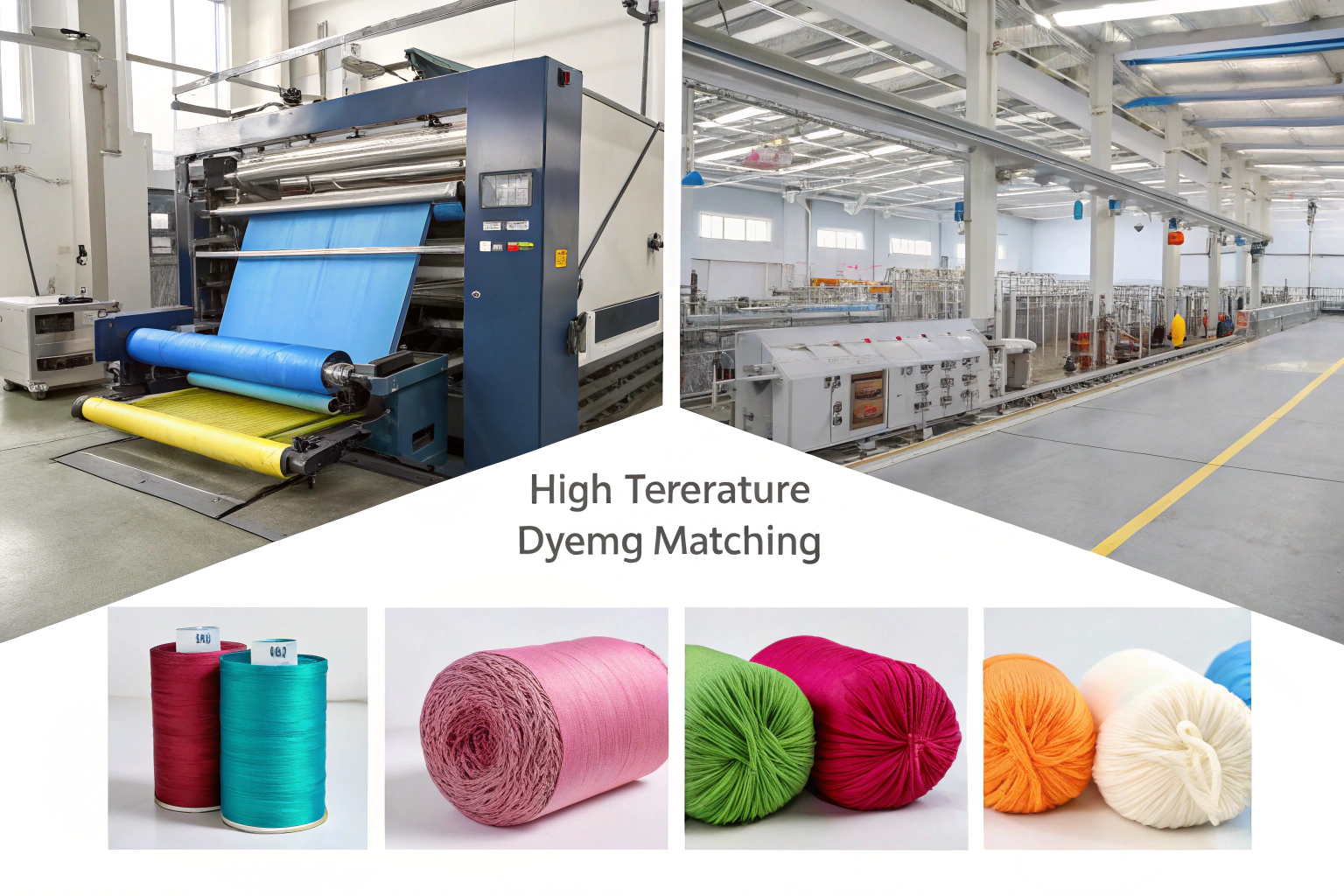
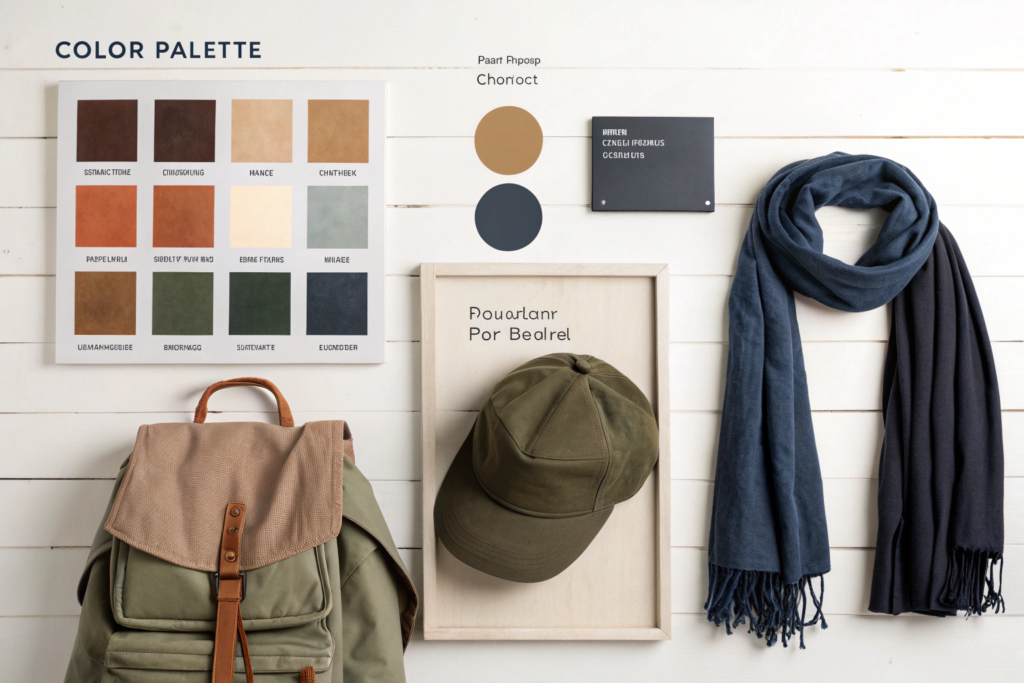
A successful all-gender color palette is built on versatile neutrals that work for everyone and for any occasion. Think of shades like charcoal, black, and navy for a classic, grounded look. Cream, camel, and olive green add warmth and earthiness. These neutrals are not "genderless" because they avoid gender; they are simply beautiful, timeless colors. They can be the entire collection, or they can be the foundation upon which you add carefully chosen accent colors, like a deep burgundy, a mustard yellow, or a muted teal. The key is to avoid colors that are traditionally and heavily gendered, and to focus on hues that are rich, complex, and universally appealing.
The psychology of color in an all-gender context is fascinating. It's not about avoiding color altogether; it's about choosing colors that are not loaded with gendered expectations. A rich, deep burgundy is a beautiful, sophisticated color that looks stunning on many people. A muted mustard yellow is warm and inviting. A forest green is earthy and grounding. These are colors that speak to individual taste, not to a societal expectation of what a man or a woman "should" wear. This approach also has a practical benefit: a neutral palette is inherently versatile and mix-and-matchable. It encourages customers to see the collection as a whole, building a personal wardrobe of accessories that work together, regardless of who they are. This is a key principle of inclusive design and color theory. At Shanghai Fumao Clothing, we work with our clients to develop these rich, versatile color palettes, moving beyond the binary and towards a more inclusive expression of style.
Can I ever use "gendered" colors in an all-gender collection?
You can, but it requires intention. The power of a strong neutral foundation is that it can support the inclusion of other colors. A single piece in a vibrant, traditionally "feminine" pink could be a beautiful statement piece within a largely neutral collection, and it might be loved by someone of any gender who is drawn to that color. The key is to avoid framing the collection by gender. Don't have a "men's" section and a "women's" section. Just have the pieces, and let customers choose what speaks to them.
What are some good accent colors for an all-gender palette?
Rich, complex, and earthy tones work beautifully. Think of colors found in nature: a deep terracotta, a muted ochre, a slate blue, a sage green, a warm rust. These colors have depth and personality without being tied to traditional gender coding. Jewel tones like amethyst or sapphire can also work well as accents.
How Do Silhouette and Design Create Universal Appeal?
Beyond color, the shape and style of an accessory send powerful signals. A highly ornate, delicate, and small-scaled accessory has traditionally been coded as "feminine." A large, rugged, and heavily functional accessory has been coded as "masculine." For an all-gender collection, you want to move towards designs that are not coded in this way. The goal is to find a middle ground—a timeless, versatile aesthetic that focuses on form and function over gendered ornamentation.
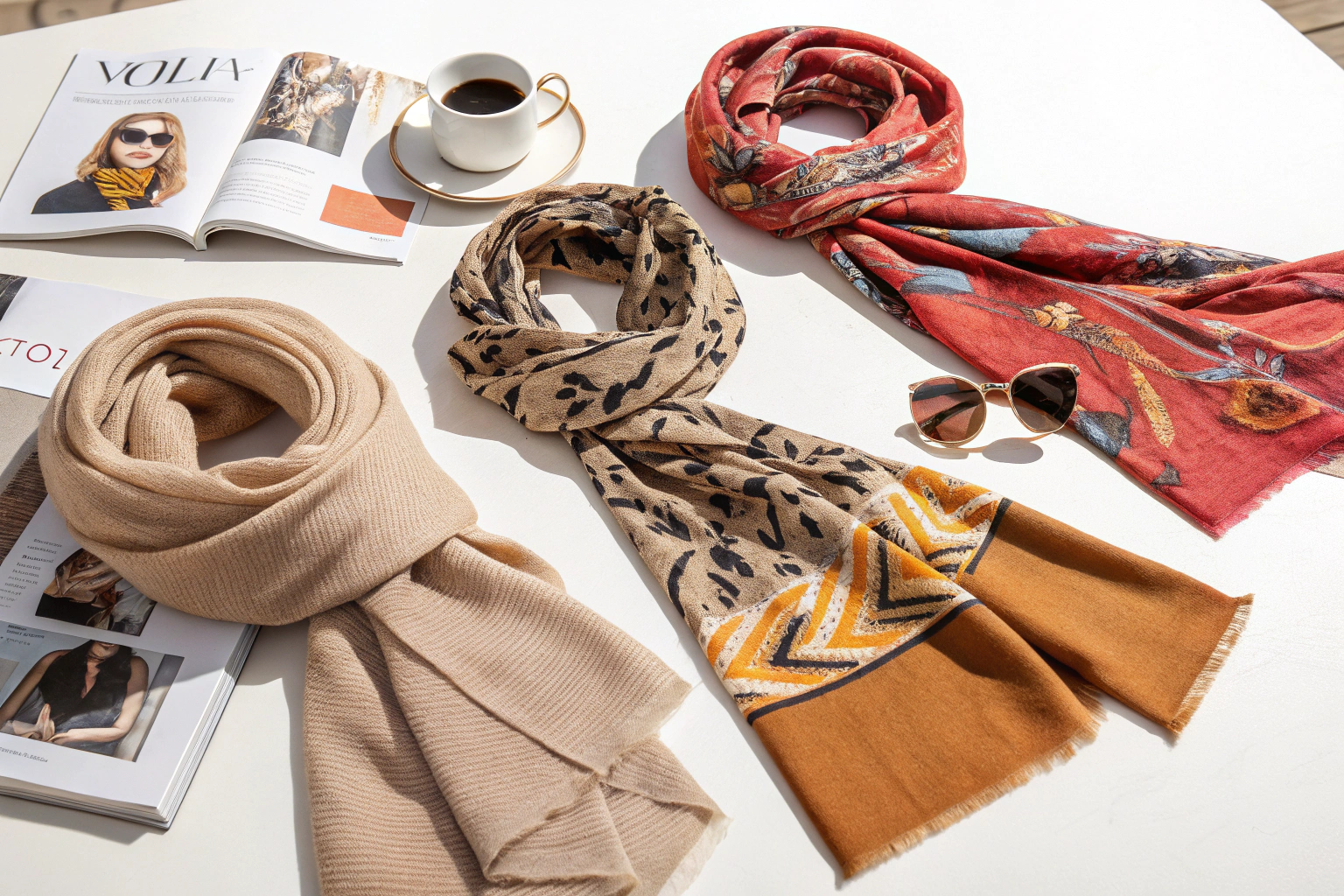
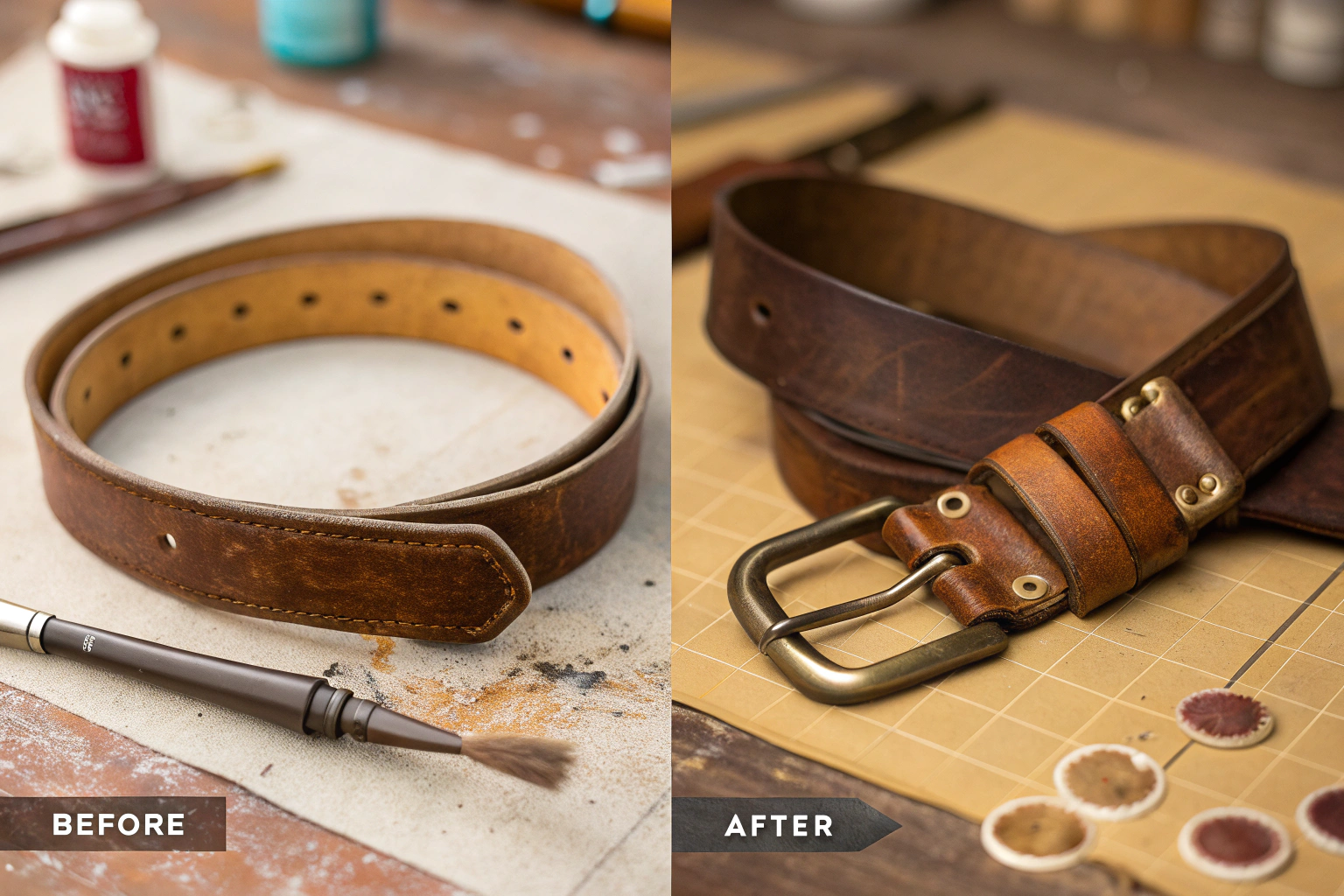
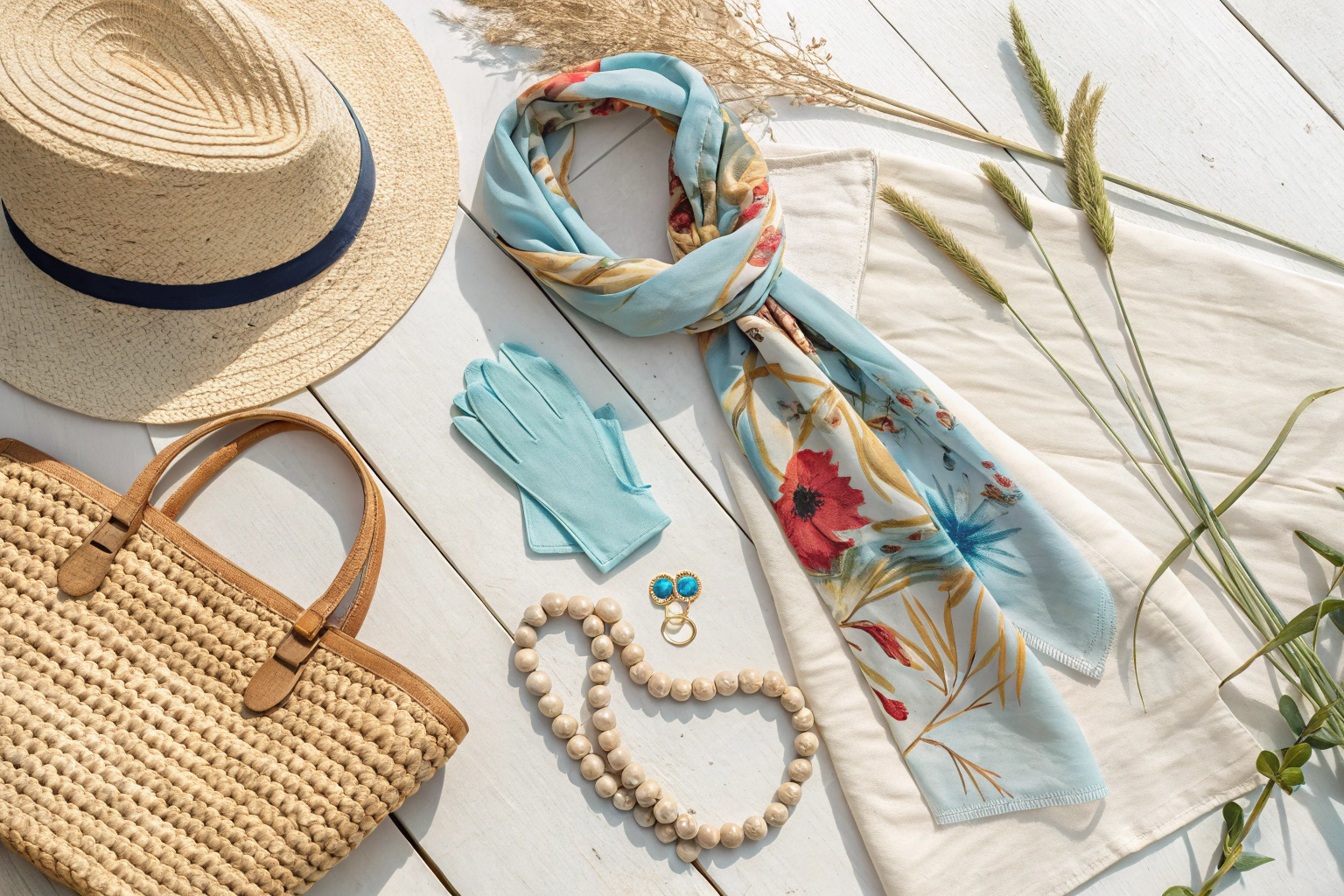
All-gender accessories often feature classic, minimalist silhouettes that are not tied to passing trends or gendered expectations. Think of a simple, well-proportioned baseball cap in a neutral color. Think of a sleek, unadorned leather belt with a simple buckle. Think of a generously sized, unstructured tote bag in canvas or leather. Think of a soft, rectangular scarf in a beautiful solid color. These designs are appealing because of their quality, their proportions, and their simplicity, not because they signal "masculinity" or "femininity." The focus is on the beauty of the materials and the craftsmanship of the construction.
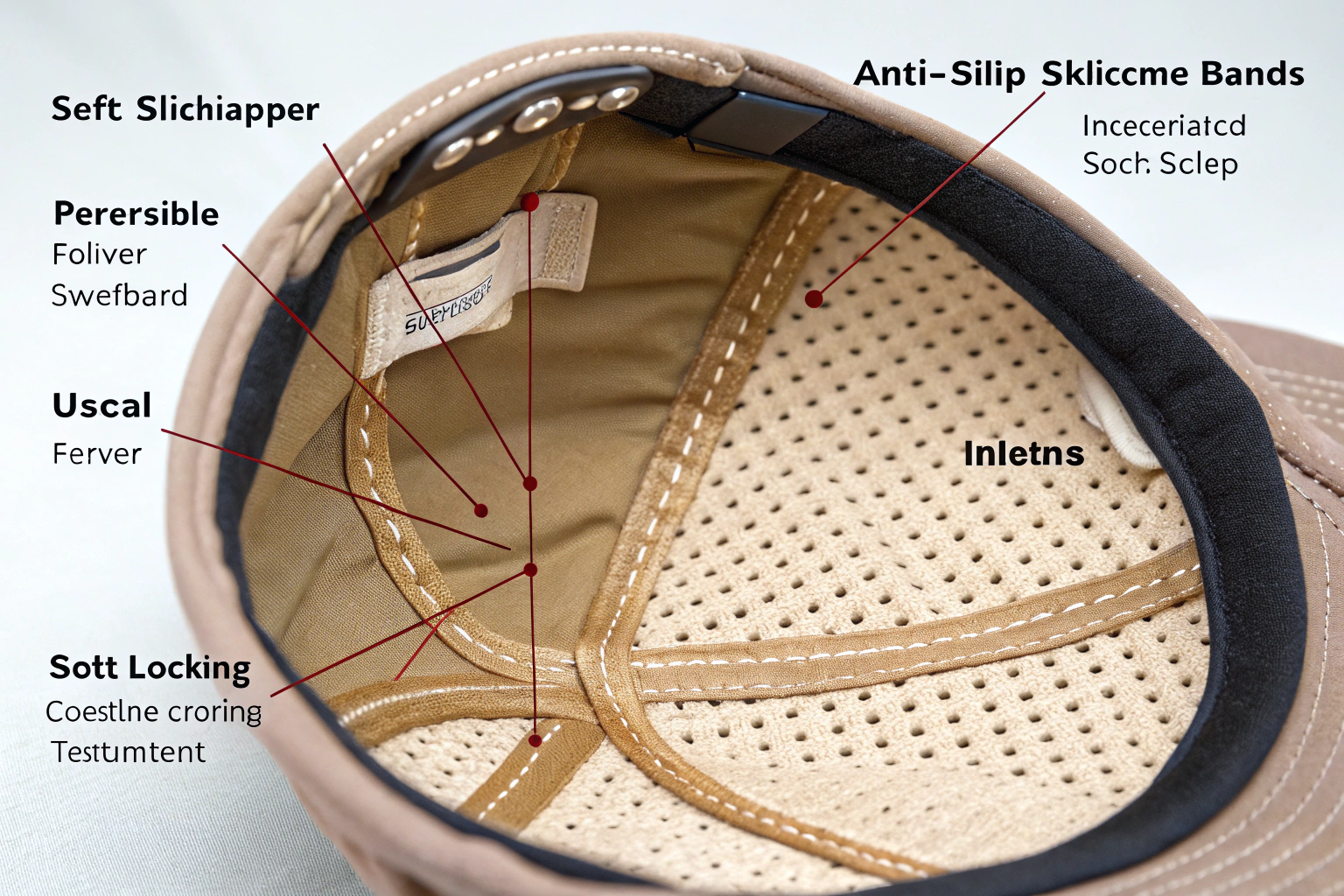
The concept of "fit" also changes in an all-gender context. For items like hats, an adjustable closure (like a strap with a buckle or a hook-and-loop fastener) is essential to accommodate a range of head sizes. For belts, offering a wide range of sizes, including shorter and longer lengths, is crucial. For bags, focusing on comfortable, adjustable straps is key. The design should be inclusive of different body types without calling attention to it. It's simply a well-designed product that works for many people. This focus on versatility and adaptability is a hallmark of inclusive design. It's about creating products that serve the user, not products that define the user. This is a core principle of universal design in product development. At Shanghai Fumao Clothing, we work with our clients to develop these timeless, versatile silhouettes and to engineer the sizing and adjustability that makes them truly inclusive.

Should I avoid all decorative elements?
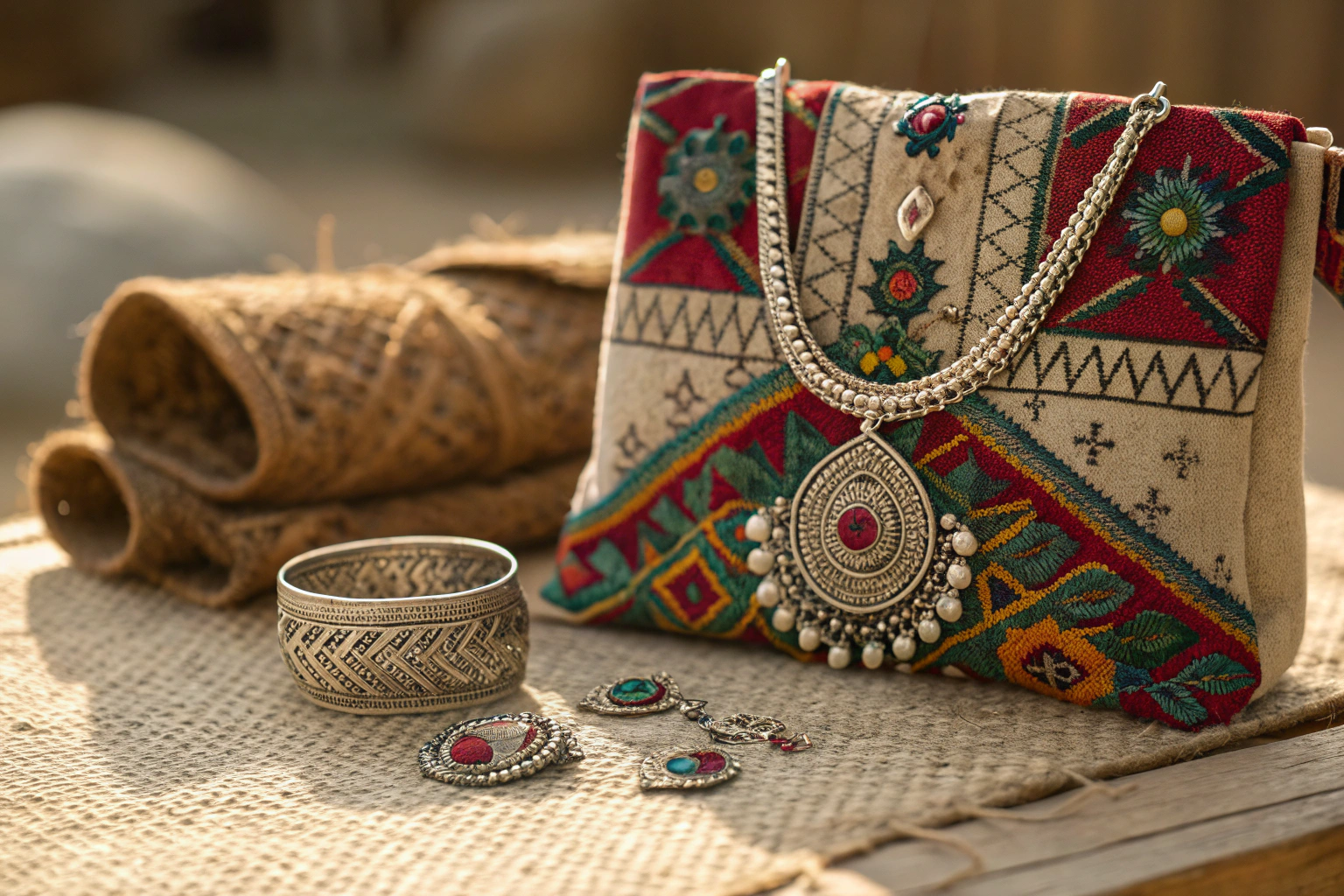
Not necessarily, but the decorative elements should be chosen with intention. Instead of a bow (traditionally feminine) or a skull (traditionally masculine), think about decorative elements that are more universal. This could be interesting textural details like contrasting stitching, a unique weave or knit pattern, a simple geometric emboss, or the beauty of the material itself, like a natural leather grain or a unique stone on a bracelet. The decoration should enhance the design, not gender-code it.
How do I size items like hats for an all-gender collection?
The most inclusive approach is to offer an adjustable size range. For a baseball cap, this is easily done with a strap at the back. For a beanie, a ribbed knit construction provides natural stretch to fit a range of head sizes. For structured hats, you may need to offer a range of specific sizes (e.g., small, medium, large) and provide a clear sizing guide with head circumference measurements. The key is to make it easy for any customer to find the right fit.
Why Is Material and Craftsmanship the True Unifying Factor?
When you strip away gendered colors and gendered silhouettes, what are you left with? You are left with the fundamental qualities of the object itself: the materials it is made from and the skill with which it is crafted. This is the true unifying factor in an all-gender collection. A beautifully made product in a high-quality material appeals to anyone who appreciates quality, regardless of their gender. It is a universal language.
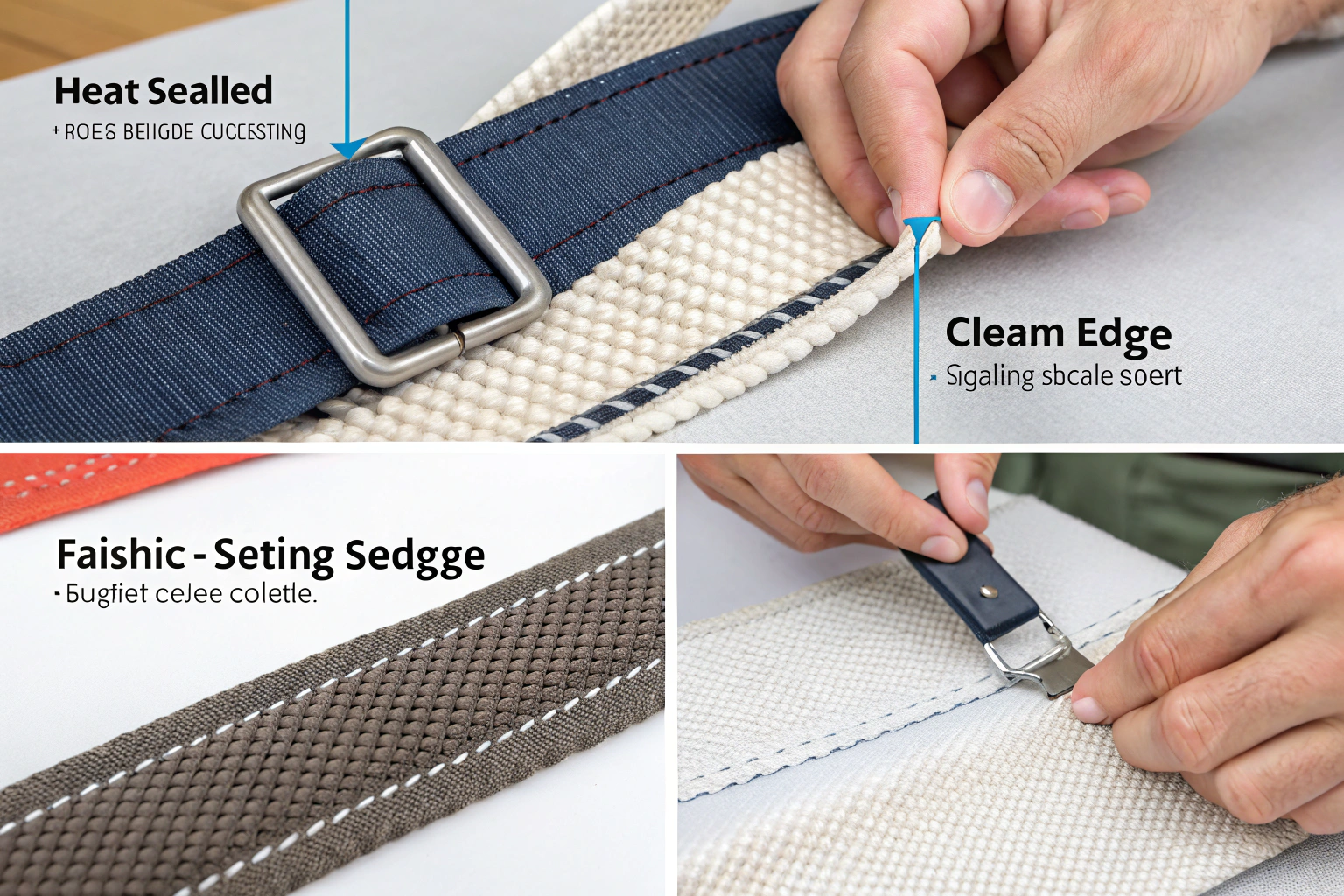
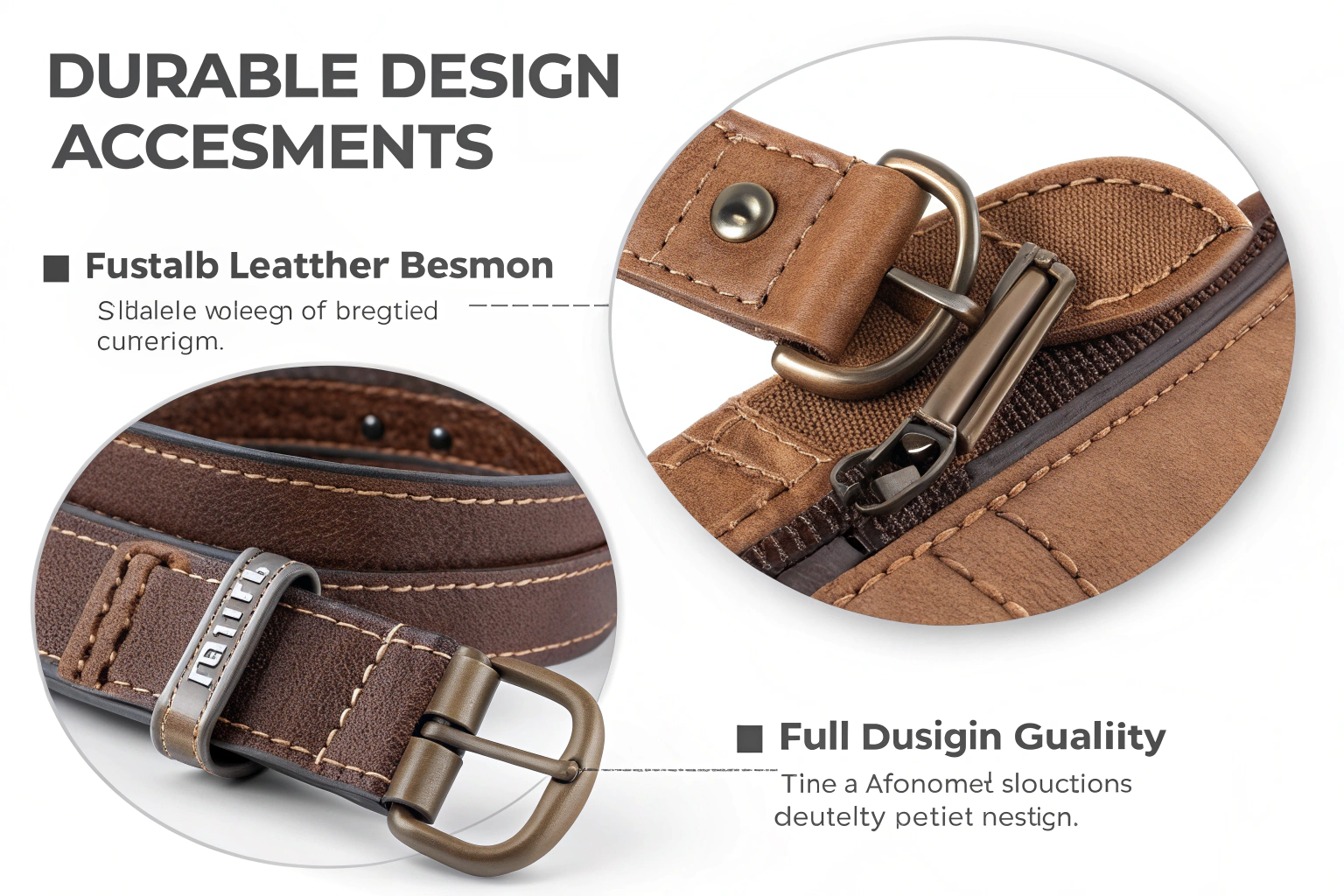
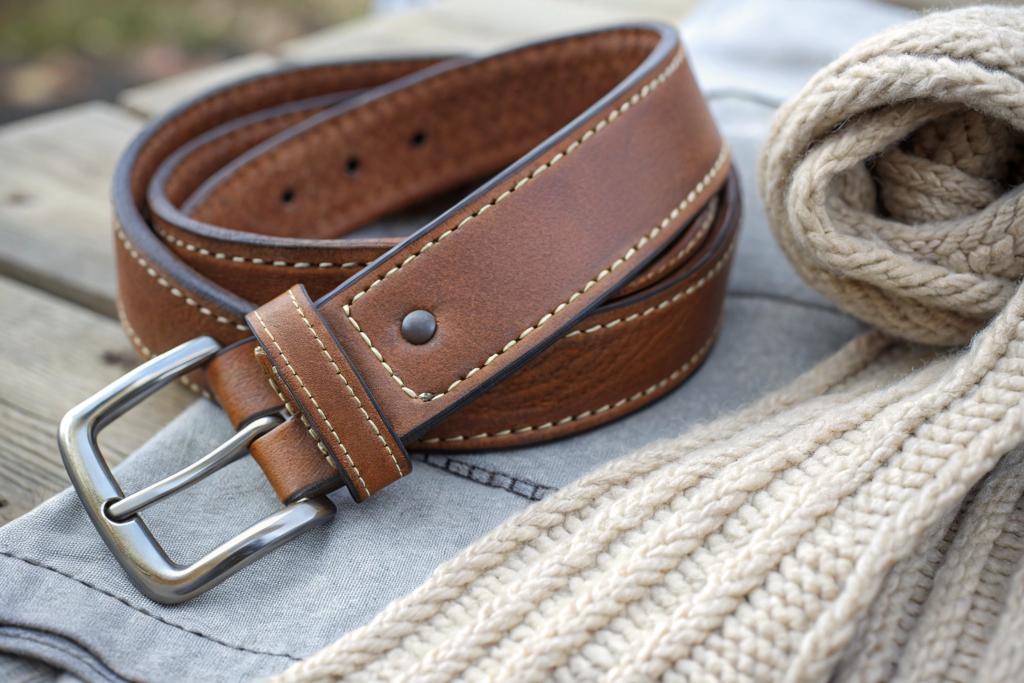
In an all-gender collection, the focus shifts from external signaling (what does this say about my gender?) to internal appreciation (do I love the way this feels and looks?). This makes material quality and craftsmanship paramount. A belt made from full-grain leather with meticulous edge finishing is simply a beautiful object. A scarf knitted from a supremely soft cashmere blend is a tactile pleasure. A bag made from durable, well-constructed canvas is a testament to functionality and longevity. These qualities are not gendered; they are universally appreciated. By focusing on them, you create products that speak to a shared human desire for quality, beauty, and things that last.
This focus on material and craft also allows your customers to form a personal connection with the product. They are not buying a "men's belt" or a "women's scarf." They are buying a beautiful leather belt that they love, or a soft scarf that brings them comfort. The product becomes an expression of their individual taste and their appreciation for quality, not a marker of their gender. This is a powerful shift. It builds a deeper, more authentic relationship between the customer and the brand. It also tends to attract customers who are looking for timeless, durable pieces, rather than fast-fashion, trend-driven items. This is a core principle of slow fashion and conscious consumerism. At Shanghai Fumao Clothing, we are committed to this philosophy. We work with the finest materials and employ skilled craftspeople who take pride in their work, ensuring that every accessory we make is an object of lasting quality and beauty, for anyone.
Does this mean I need to use only the most expensive materials?
Not at all. The principle is about quality at the appropriate price point. Even at a more accessible price, you can focus on good construction, durable materials, and thoughtful details. A well-made canvas bag with reinforced stitching and solid hardware is a quality item, even if it's not made from Italian leather. The key is to be intentional and to deliver the best possible quality for your chosen price point.
How do I communicate this focus on quality to my customers?
Use your product descriptions and imagery to tell the story. Talk about the full-grain leather, the vegetable-tanning process, the hand-stitched details, the softness of the cashmere. Use close-up photography that shows the texture and the craftsmanship. Let the quality of the product speak for itself. Customers who appreciate quality will notice and value this information.
How Do You Market and Present an All-Gender Collection?
You have designed a beautiful, inclusive collection. Now you have to show it to the world. How you present your products is just as important as how you design them. If your marketing is filled with gendered language and imagery, you will undermine your entire effort. Your presentation must be as inclusive as your products. It must invite everyone in, not signal that some are welcome and others are not.
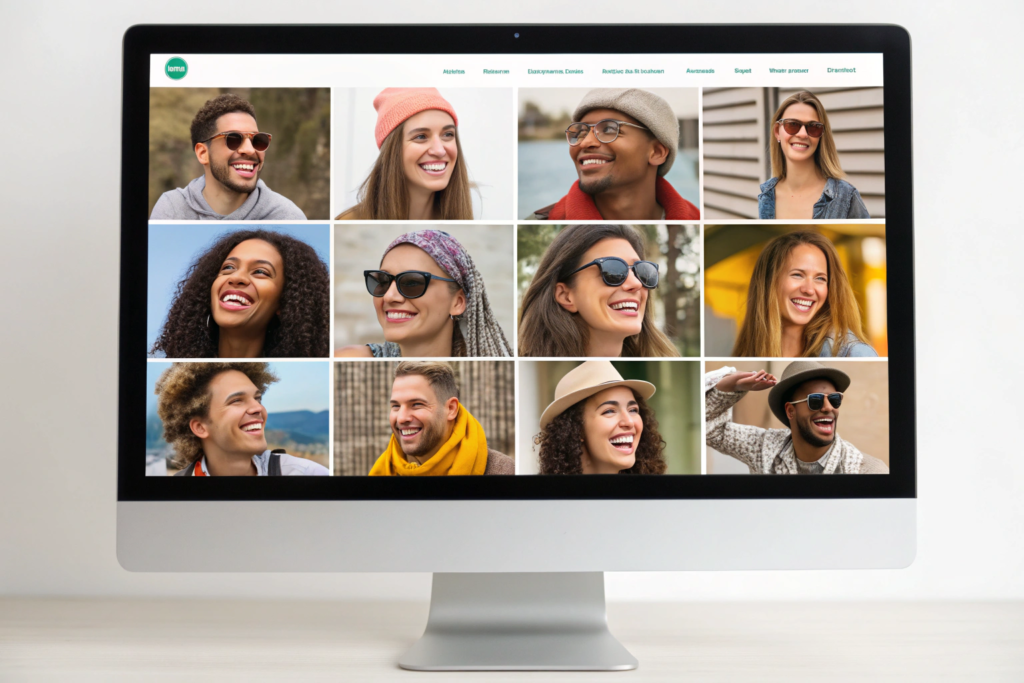
Marketing an all-gender collection starts with the imagery you choose. Your photos and videos should feature a diverse range of people of different genders, ages, and styles, all wearing and enjoying your accessories. Show a person with short hair wearing your scarf. Show a person with long hair wearing your cap. Show people of different body types. The goal is to create a visual language that says, "This is for you, whoever you are." Your language is equally important. Avoid terms like "for him," "for her," "men's," or "women's." Use neutral language: "our new collection," "this versatile cap," "the perfect scarf for any wardrobe." Focus on the product's features, not on who it's "for."
This approach to marketing is not just about avoiding offense; it's about actively creating a sense of belonging. When a customer sees someone who looks like them, or someone whose style they admire, wearing your product, they can more easily imagine themselves wearing it. This is powerful. It also expands your potential market. By not gendering your collection, you are inviting everyone to engage with it. You are also future-proofing your brand, as younger generations are increasingly rejecting rigid gender categories. This is a key aspect of inclusive marketing and brand building. At Shanghai Fumao Clothing, we support our clients by producing high-quality product images and videos that can be used in this inclusive way, showcasing the versatility and appeal of their designs.
How do I organize my website if I don't use gendered categories?
There are many ways to organize a collection without resorting to gender. You can organize by product type (Hats, Scarves, Bags, Belts), by collection (Fall/Winter, Spring/Summer, Core Essentials), by style (Minimalist, Textured, Bold), or even by material (Leather, Knit, Canvas). This creates a more modern, shoppable experience that focuses on the products themselves, not on who they are intended for.
What if some of my existing customers are used to shopping by gender?
Change can be confusing for some. When you make the switch, it's helpful to communicate clearly with your audience. You can post on social media or send an email explaining your new, more inclusive approach. You can also add a navigation option like "Shop All" prominently, and ensure your search function is excellent. Most customers will quickly adapt to a more intuitive, product-focused shopping experience.
Conclusion
Creating accessories for all-gender collections is not about designing a single, bland, "unisex" product. It is about embracing a design philosophy that values versatility, quality, and individual expression over rigid, outdated categories. It's about choosing colors that are rich and universal, silhouettes that are timeless and well-proportioned, materials that speak to a shared appreciation for quality, and marketing that invites everyone in. It is about creating products that empower people to express themselves, not confine them.
At Shanghai Fumao Clothing, we are proud to partner with brands that share this inclusive vision. We have the expertise to help you develop these collections, from selecting versatile color palettes and timeless silhouettes to sourcing the finest materials and ensuring impeccable craftsmanship. We believe that beautiful, well-made accessories are for everyone.
Are you ready to create a collection that truly speaks to everyone? Let's break down the boxes together. Contact our Business Director, Elaine, at elaine@fumaoclothing.com to start the conversation.