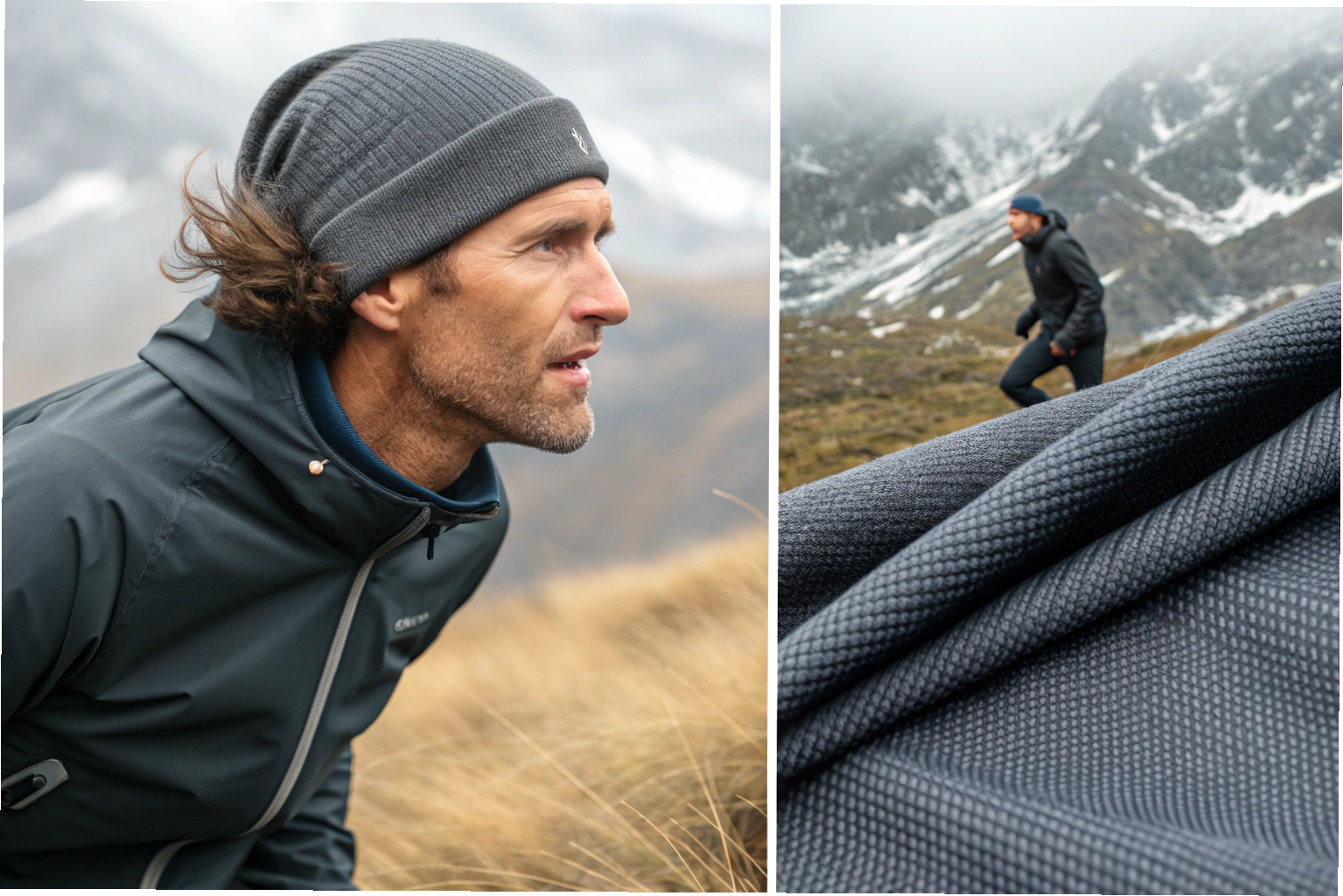
When you're out in the cold, a biting wind can make even the coziest beanie feel useless. The chill cuts right through, leaving you exposed and uncomfortable. For outdoor enthusiasts, from runners and skiers to construction workers and daily commuters, a beanie isn't just a fashion accessory—it's essential gear. The key to warmth isn't just thickness; it's the fabric's ability to block that penetrating wind while still managing moisture and breathability. So, what separates a simple knit hat from a truly wind-resistant thermal layer for your head?
Truly wind-resistant beanie fabrics are those with a tight, dense weave or knit, often combined with specialized membrane laminates or durable water-repellent (DWR) finishes. The top performers include tightly knitted Merino wool, fleece-lined Polartec® Power Stretch®, and beanies incorporating windproof membranes like Polartec® Wind Pro® or Pertex® Quantum Air. These materials create a barrier that significantly reduces airflow, trapping body heat effectively without the bulk of multiple layers. As a manufacturer, we work directly with these technical textiles, and the difference in performance between a standard acrylic beanie and one engineered for wind resistance is substantial.
Choosing the right fabric impacts not just comfort but also safety and performance during outdoor activities. This guide will break down the best wind-resistant fabrics, explain how they work, and help you select the right beanie for your specific needs—whether you're sourcing for a retail brand or choosing gear for personal use.
What Fabric Properties Make a Beanie Wind-Resistant?
Wind resistance in fabric isn't about creating an impermeable wall; that would lead to sweat buildup and discomfort. Instead, it's about managing air permeability—the rate at which air passes through the material. A fabric's ability to resist wind is determined by its construction (weave/knit density), its fiber composition, and any applied technologies like laminates or coatings. A standard loose-knit cotton or acrylic beanie has high air permeability, making it feel breezy and cool, which is the opposite of what you need in the wind.
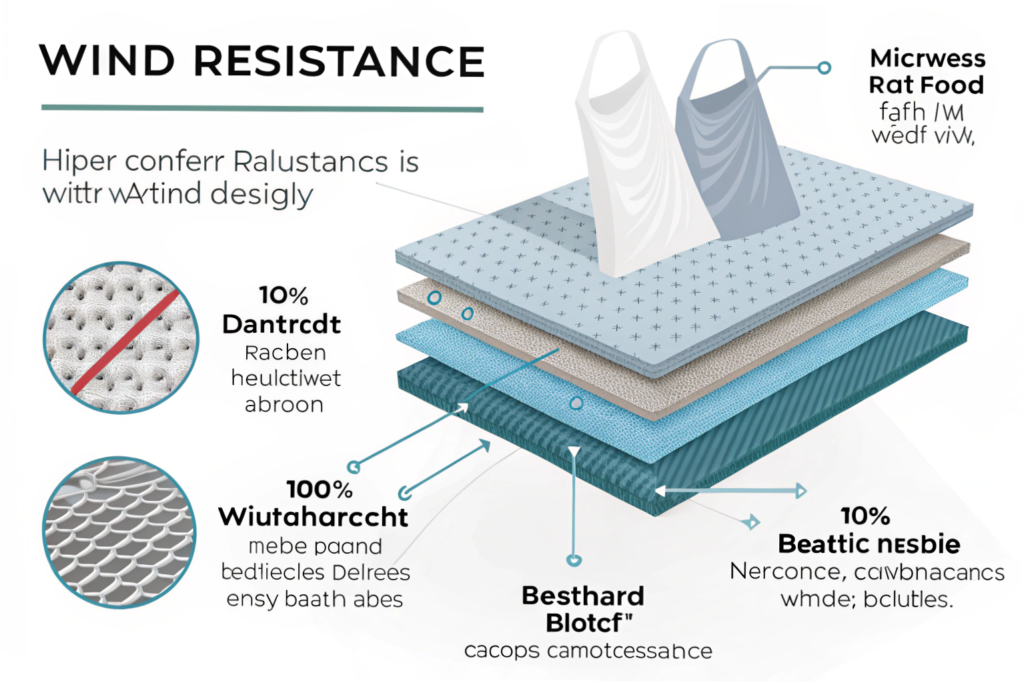
The primary properties that confer wind resistance are high fabric density (a tight knit or weave), the use of fine, resilient fibers that pack closely together, and the integration of microporous membranes or dense fleece constructions that physically block wind while allowing vapor (sweat) to escape. It's a balance between windproofing and breathability. For example, a simple plastic bag is 100% windproof but also 100% non-breathable, leading to instant condensation. Advanced fabrics solve this problem through engineering.
How Does Fabric Construction Block Wind?
The first line of defense is the physical construction of the textile. A tightly knitted structure, often using smaller gauge knitting machines, simply leaves less space for air to pass through. This is why a dense Merino wool beanie, with its naturally crimped and scalable fibers that create tiny air pockets, offers better inherent wind resistance than a loose, chunky knit made from the same wool. Beyond knitting, woven fabrics are inherently more wind-resistant than knits because their interlaced threads create a flatter, less porous surface. Many wind-resistant beanies use a laminated approach: a soft, comfortable inner layer (like fleece or Merino) is bonded to an ultra-thin, windproof yet breathable membrane (like Polartec® Windbloc®), creating a composite fabric. Our design team at Shanghai Fumao Clothing carefully selects these constructions based on the intended activity level and climate.
What Role Do Technical Fibers and Finishes Play?
While construction is key, fiber choice amplifies the effect. Synthetic fibers like polyester and nylon can be engineered to very fine deniers and extruded into continuous filaments, allowing for incredibly tight and smooth fabric surfaces that wind struggles to penetrate. Many high-performance fabrics, such as those used in softshell jackets, utilize these principles. A common finish is Durable Water Repellent (DWR), which causes water (and by aiding capillary action, wind) to bead up and roll off the surface rather than soaking in and compressing the fabric, which would increase air permeability. Understanding these material science principles is crucial for anyone sourcing technical apparel. Resources like the Textile Exchange provide insights into fiber and fabric innovations.
Which Specific Fabrics Are Best for Windy Conditions?
Knowing the theory is helpful, but you need concrete fabric names and types to look for on a label or to specify when sourcing. The market offers a spectrum, from natural fibers with inherent density to high-tech synthetic composites. The "best" fabric depends on the specific balance of wind resistance, warmth, breathability, weight, and cost you require.
For high wind resistance, prioritize fabrics like Polartec® Wind Pro® (a dense, wind-resistant fleece), Pertex® Quantum Air (an ultra-light, windproof and breathable nylon), Schoeller® softshell fabrics, and tightly knitted, high-grammage Merino wool (e.g., 250g/m² or higher). These materials are benchmarks in the outdoor industry. When sourcing, ask your manufacturer if they have access to these specific fabric lines or can provide equivalents with verified performance data.
What Are the Top Synthetic Fabric Choices?
- Polartec® Wind Pro®: This is a standout. It's a dense, four-way stretch fleece with a wind-resistant microfiber face. It blocks a significant amount of wind while maintaining excellent breathability and stretch for a comfortable fit. It's ideal for active use like running or skiing.
- Polartec® Power Stretch®: Often fleece-lined with a smooth, wind-resistant nylon/spandex outer face. This fabric is incredibly versatile, warm, and offers great wind protection and freedom of movement.
- Softshell Fabrics (e.g., Schoeller®): These are multi-layer composites, typically combining a stretch-woven outer face for wind and abrasion resistance with a brushed inner for warmth. They offer the best all-around weather protection short of a hardshell.
- Nylon/Polyester Woven with DWR: Simple, lightweight, and effective. A tightly woven nylon taffeta with a DWR finish makes for a very wind-resistant and packable outer layer for a beanie, often used as an exterior in 2-layer constructions.
When evaluating synthetic options, request the factory's fabric specifications, including air permeability test results (measured in CFM - cubic feet per minute). A lower CFM rating indicates better wind resistance.
Can Natural Fibers Like Wool Be Wind-Resistant?
Absolutely. Merino wool is a superb natural option. Its wind resistance comes from its density and the natural scale of the fibers. A beanie made from a high-weight (e.g., 300g) tight-knit Merino will provide substantial wind blockage, excellent warmth even when damp, and superior odor resistance. However, pure Merino may not match the absolute wind-stopping power of a laminated synthetic membrane in gale-force conditions. It excels in variable, cold conditions where breathability and temperature regulation are paramount. Blends, such as Merino wool mixed with a small percentage of nylon or polyester, can enhance durability and wind resistance further. Always check the knit density—a tighter stitch means better wind protection. For brands, offering a high-quality Merino option caters to a market segment that values natural performance fibers.
How to Choose the Right Wind-Resistant Beanie for Your Activity?
Not all windy conditions are the same, and neither are all activities. A fabric perfect for high-output trail running would be overkill and too warm for casual urban use on a breezy day. Matching the beanie's fabric technology to the activity ensures optimal comfort and performance. This is a key consideration for retailers curating their assortment or for brands developing product lines for specific sports.
The right choice balances wind resistance with breathability and warmth. For high-intensity activities (running, cycling), prioritize highly breathable wind-resistant fabrics like Polartec® Power Stretch® or lightweight Merino. For static or low-output activities (fishing, spectator sports), prioritize maximum wind blocking with fabrics like Wind Pro® or softshell. Consider also the fit: a beanie that covers the ears fully and sits snugly without gaps is crucial, as no fabric can compensate for a poor fit that lets wind in at the seams.
What is Best for High-Intensity Sports?
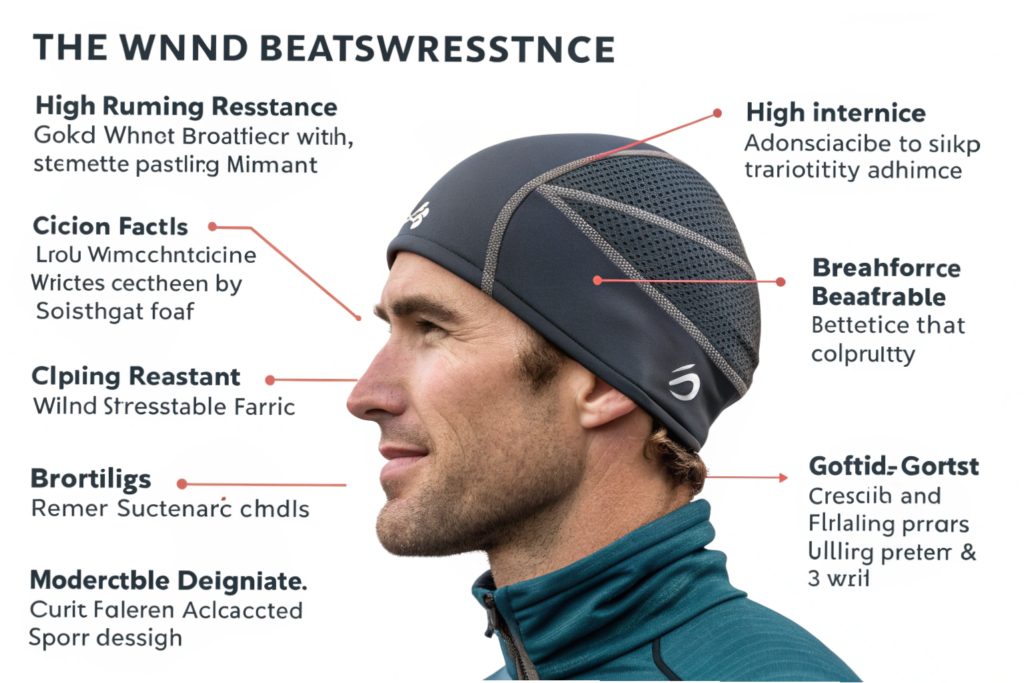
For activities like running, fast hiking, or backcountry skiing, your body generates massive heat. Here, breathability is king to prevent sweat saturation, which leads to rapid heat loss. Look for:
- Lightweight Merino Wool (150-200g): Manages moisture and provides moderate wind resistance.
- Polartec® Power Stretch®: Offers a great balance; the wind-resistant outer protects from chill while the breathable fleece liner wicks sweat.
- Thin, Woven Synthetic Beanies with DWR: Provide a light wind barrier without overheating.
These fabrics often have more stretch for a secure, comfortable fit during movement. Ventilation features, like moisture-wicking headbands or slightly more open knits at the crown, can also be beneficial.
What is Best for Casual or Low-Activity Use?
When you're less active—walking the dog, commuting, or standing still—your body generates less heat, so you need more insulation and stronger wind protection. Prioritize:
- Polartec® Wind Pro®: Provides exceptional wind blocking with the cozy feel of fleece.
- Softshell Beanies: Offer the most comprehensive protection from wind and light precipitation.
- Dense, Heavyweight Merino or Wool Blends (250g+): Provide natural warmth and good wind resistance.
For maximum versatility, some beanies feature dual-layer constructions—a soft, warm inner layer (like fleece or Merino) and a separate, lightweight windproof outer shell that can be worn together or separately. This modular approach, which requires precise pattern-making and assembly, offers users adaptability for changing conditions.
What Should You Look for When Sourcing or Buying?
Whether you're a retailer placing a bulk order or a consumer buying a single beanie, knowing what details to scrutinize will ensure you get a product that performs as promised. Labels can be misleading, and "wind-resistant" is an unregulated term. You need to look for tangible evidence of quality and technology.
When sourcing, demand fabric mill certificates, ask for CFM (air permeability) test data, inspect the quality of construction (especially seams), and verify the use of genuine branded technologies. When buying, look for reputable brand names, specific fabric call-outs on the label, and examine the knit density and finishing details. A professional factory will have a quality control team that performs audits on incoming fabric rolls to ensure they meet the specified performance standards.
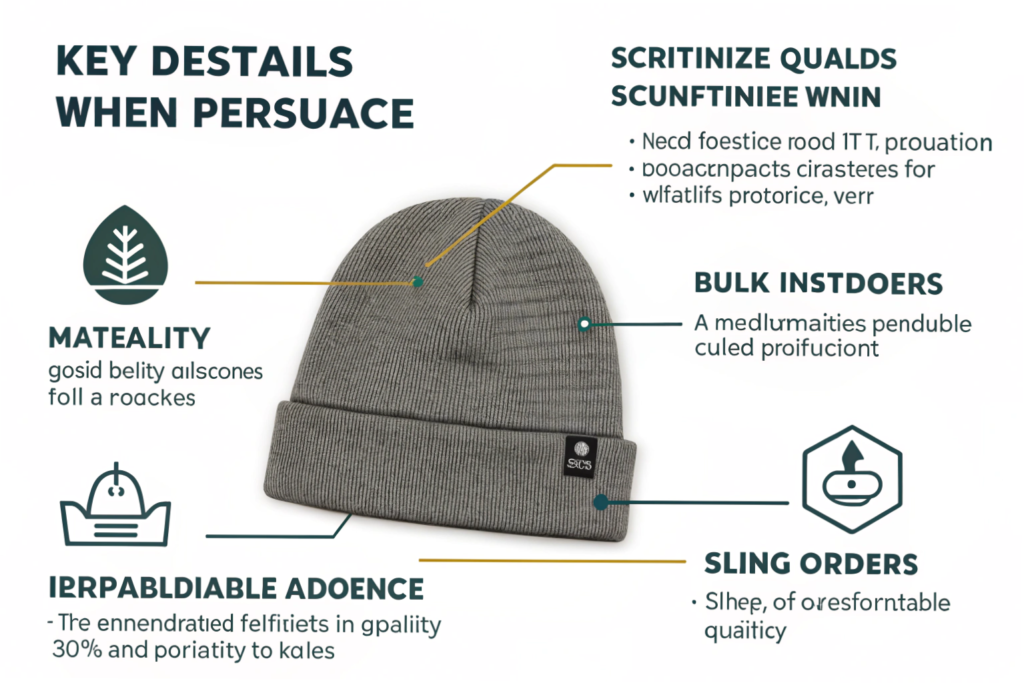
Key Questions for Manufacturers or Suppliers
If you are sourcing for your brand, ask your potential supplier:
- "Can you provide the technical data sheet for this wind-resistant fabric, including its CFM rating?"
- "Is this a branded fabric (e.g., Polartec®)? Can you provide documentation from the mill?"
- "How do you construct the seams? Are they flat-locked or taped to prevent wind leakage?" (A standard overlooked seam can be a major weak point).
- "What is your testing process for finished beanies? Do you perform any functional tests for wind or water resistance?"
A supplier like Shanghai Fumao Clothing, with experience in technical accessories, will have clear answers and processes for these points, managed by dedicated project managers.
What Details Matter on the Finished Product?
Examine the beanie itself:
- Seam Construction: Flatlock stitching or taped seams are best as they lie flat and reduce bulk and potential leak points.
- Knit Density: Hold it up to the light. Less light passing through generally indicates a tighter, more wind-resistant knit.
- Finishing: Are the cuffs and edges cleanly finished? Is there a wind-breaking brim or integrated face mask? Are there reflective elements for safety?
- Care Label: Proper care (e.g., avoiding fabric softeners that degrade DWR) is essential to maintain performance. Clear instructions indicate a brand that understands its product.
For consumers, researching outdoor gear review sites like OutdoorGearLab can provide independent comparisons of different products and technologies.
Conclusion
Selecting a wind-resistant beanie is an exercise in matching advanced fabric technology to real-world needs. The journey from a standard knit hat to a purpose-built piece of outdoor gear involves careful consideration of fabric density, specialized membranes, and intelligent construction. By focusing on proven materials like Polartec® Wind Pro®, Power Stretch®, and high-density Merino wool, you can ensure reliable protection from the elements.
Remember, the best beanie is one you forget you're wearing—because it's doing its job perfectly, blocking the wind and managing moisture without fuss. For brands, investing in these higher-performance materials and transparently communicating their benefits builds credibility with a discerning outdoor consumer base.
If you are looking to develop a line of high-performance, wind-resistant beanies or source them for your retail operation, partnering with a manufacturer that understands technical textiles is crucial. We specialize in translating fabric innovation into well-constructed, reliable accessories. Contact our Business Director, Elaine, at elaine@fumaoclothing.com to discuss how we can help you create headwear that stands up to the challenge of the outdoors.